Search API
The World Health Organization (WHO) today reported rabies cases in dogs continue to be reported from multiple municipalities in the Democratic Republic of Timor-Leste during 2025.
As of June 18, 2025, the WHO's 12th Edition reported six human rabies cases between April 2024 and June 15, 2025, in a Southeast Asian country.
Five of these cases have been fatal. Among those cases, three deaths were recorded in Oecusse, and one each in Ermera and Bobonaro municipalities.
Out of 1,445 dog bite cases reported between April 2024 and June 2025, 41% were classified as category III, considered high-risk and for which immediate vaccination and administration of rabies immunoglobulin are recommended.
However, only 18% of those category III cases have received immunoglobulin. But 66% of all bite victims received an initial rabies vaccination after exposure, but most have not completed the full recommended course.
The Ministry of Health of Timor-Leste, in collaboration with stakeholders and the public, has confirmed that it will launch a national rabies prevention campaign aimed at increasing vaccine availability, expanding vaccination of dog populations, and enhancing surveillance in both human and animal populations.
The U.S. CDC advises that you should consult with a healthcare provider to determine whether you should receive a pre-exposure vaccination before visiting Timor-Leste in 2025.
In addition to rabies, measles, typhoid, and chikungunya vaccinations should be considered before visiting Timor-Leste.

The International Air Transport Association (IATA) recently confirmed that many air travelers fail to realize that defying the crew's instructions not only puts everyone's safety at risk but also poses a significant liability for airlines.
IATA figures indicate an increase in the rate of reported unruly passenger incidents.
Based on over 24,500 incident reports from more than 50 operators globally, there was one incident for every 480 flights in 2023, compared to one incident for every 568 flights in 2022.
To address one aspect of these concerns, the Türkiye Cumhuriyeti issued a warning on May 6, 2025, stating that potential disciplinary action may be taken against airline passengers who stand up before the plane has come to a complete stop and the seatbelt sign has been turned off.
The "Passenger Announcements Circular" No. UOD - 2025/01 empowers Turkish Airlines, the country's flag carrier, to impose fines on violators of around $70 per violation.
In the United States, the Transportation Security Administration (TSA) is responsible for ensuring the safety of air travel.
As of June 19, 2025, TSA regulations are designed to protect passengers and airline staff by minimizing potential threats at airports and on flights.
The TSA's Secure Flight is a risk-based passenger prescreening program that enhances security by identifying low- and high-risk passengers before they arrive at the airport, matching their names against trusted traveler lists and watchlists.
The TSA has reported that in June 2025, over 2.6 million people flew an airplane each day in the U.S.

While the Republic of Costa Rica's Ministry of Health is a leader in disclosing mosquito-transmitted disease cases, the information may be contributing to the decline of tourism in this Central American country.
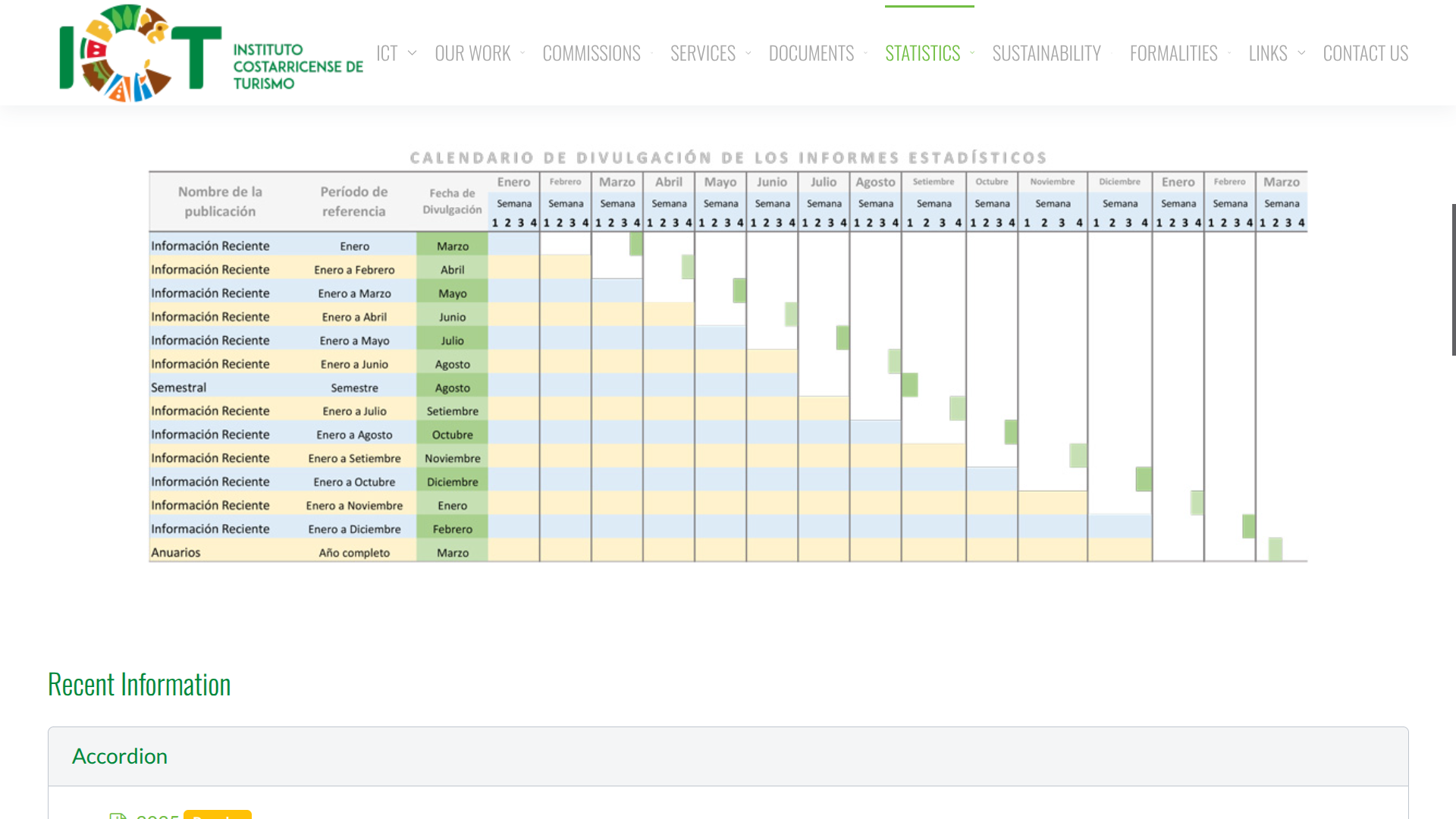
As of June 19, 2025, the Costa Rican Tourism Institute (ICT) data indicate that, since September 2024, eight of the last twelve months have seen fewer visitors.
For example, there was a 4.7% drop in air arrivals compared to May 2024.
The positive news from the ICT sector is that it projects a 2–4% growth for the remainder of 2025; however, challenges such as rising costs and safety concerns remain.
As do reports of chikungunya, dengue, malaria, and even Zika cases in the mountains and beaches in 2025.
Furthermore, since April 2024, the Ministry of Health has reported a whooping cough outbreak in the Tibas district of San José.
According to the U.S. Centers for Disease Control and Prevention and the UK's Fit for Travel, visitors to Costa Rica may be exposed to mosquito-transmitted infectious diseases. As of June 19, 2025, the CDC recommends checking the travel vaccine list and seeing a healthcare provider at least a month before visiting Costa Rica.
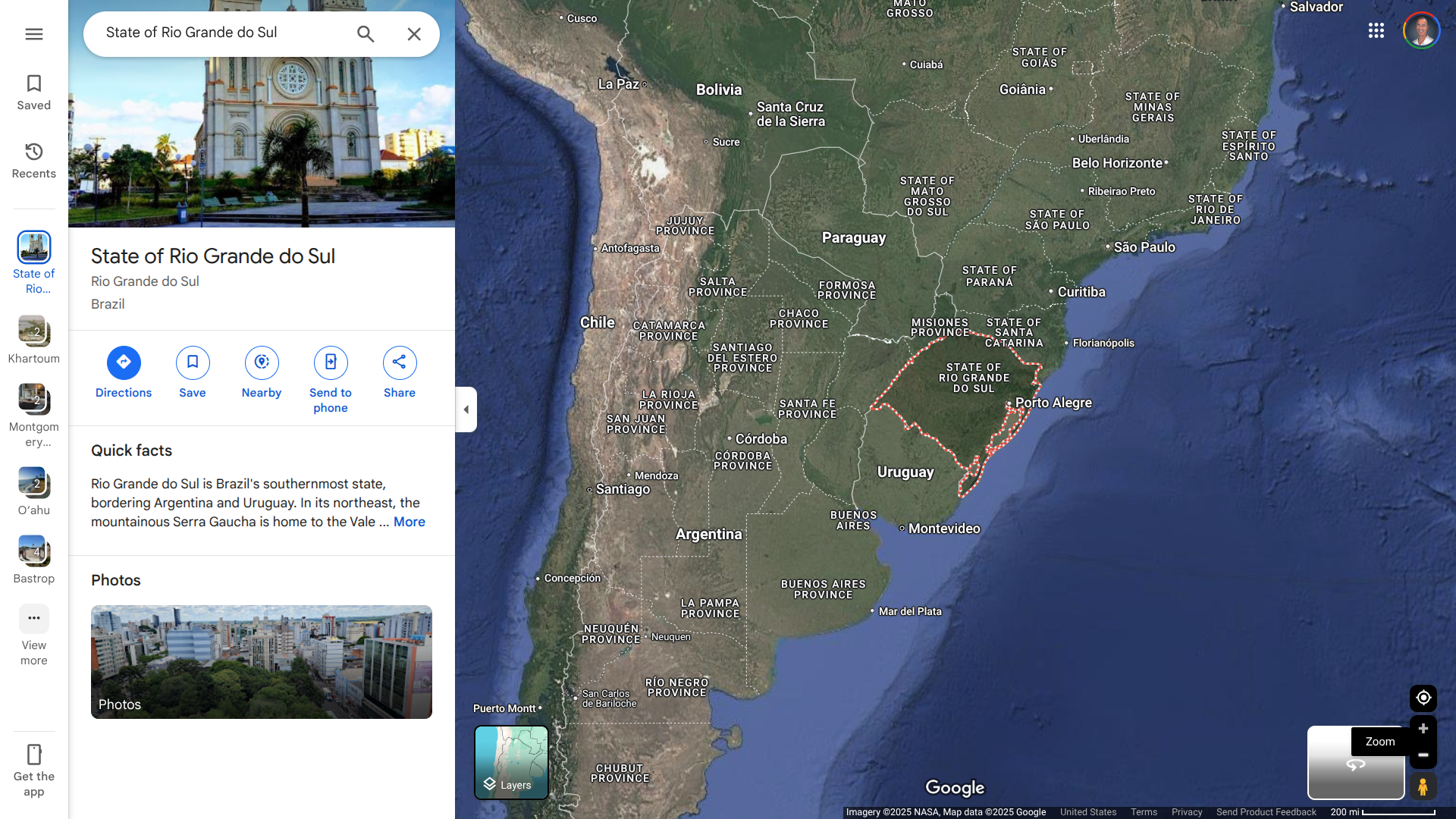
According to a recent statement by Edivilson Brum, the head of the Rio Grande do Sul state’s agriculture department, Brazil is poised to declare commercial flocks free of the avian influenza (bird flu) virus.
The 28-day countdown for reclaiming Brazil's disease-free status began on May 22, 2025.
According to a government article, the 28-day sanitary quarantine ended on June 18, 2025, a period technically referred to as a sanitary vacuum.
Over the period, more than 4,000 vehicles were stopped at sanitary checkpoints set up in the region to control the transportation of animals, animal products, and feed. Surveillance visits to rural properties were conducted within two established zones: one located three kilometers away and the other ten kilometers from the outbreak.
With the end of restrictions and the absence of new outbreaks, Brazil will be able to declare itself to the WHO as a country free of highly pathogenic avian influenza, a crucial step in maintaining international confidence and strengthening Brazilian exports of poultry products.
Although the quarantine has ended, health surveillance remains active in Rio Grande do Sul, which is home to one of the largest poultry farms in Brazil.
All measures adopted in Montenegro followed national protocols and guidelines from the World Organization for Animal Health.
In anticipation of next week’s meeting of the Centers for Disease Control and Prevention (CDC) vaccine advisory panel, a draft agenda was posted today.
The Advisory Committee on Immunization Practices (ACIP) draft agenda, released on June 18, 2025, reflects a shortened two-day meeting that is open to the public to attend digitally and, if selected, to ask questions.
The agenda includes presentations on COVID-19, RSV, Chikungunya, and other vaccines.
It also includes discussions focused on thimerosal as a vaccine ingredient and the measles, mumps, rubella, and varicella (MMRV) vaccine in children. Thimerosal is a mercury-based vaccine preservative for multidose vials.
In July 1999, the Public Health Service agencies, the American Academy of Pediatrics, and vaccine manufacturers agreed that thimerosal should be reduced or eliminated in vaccines as a precautionary measure.
Currently, only a limited number of flu vaccines contain the preservative.
Last week, the CDC’s 17-member ACIP was reduced to eight new members.

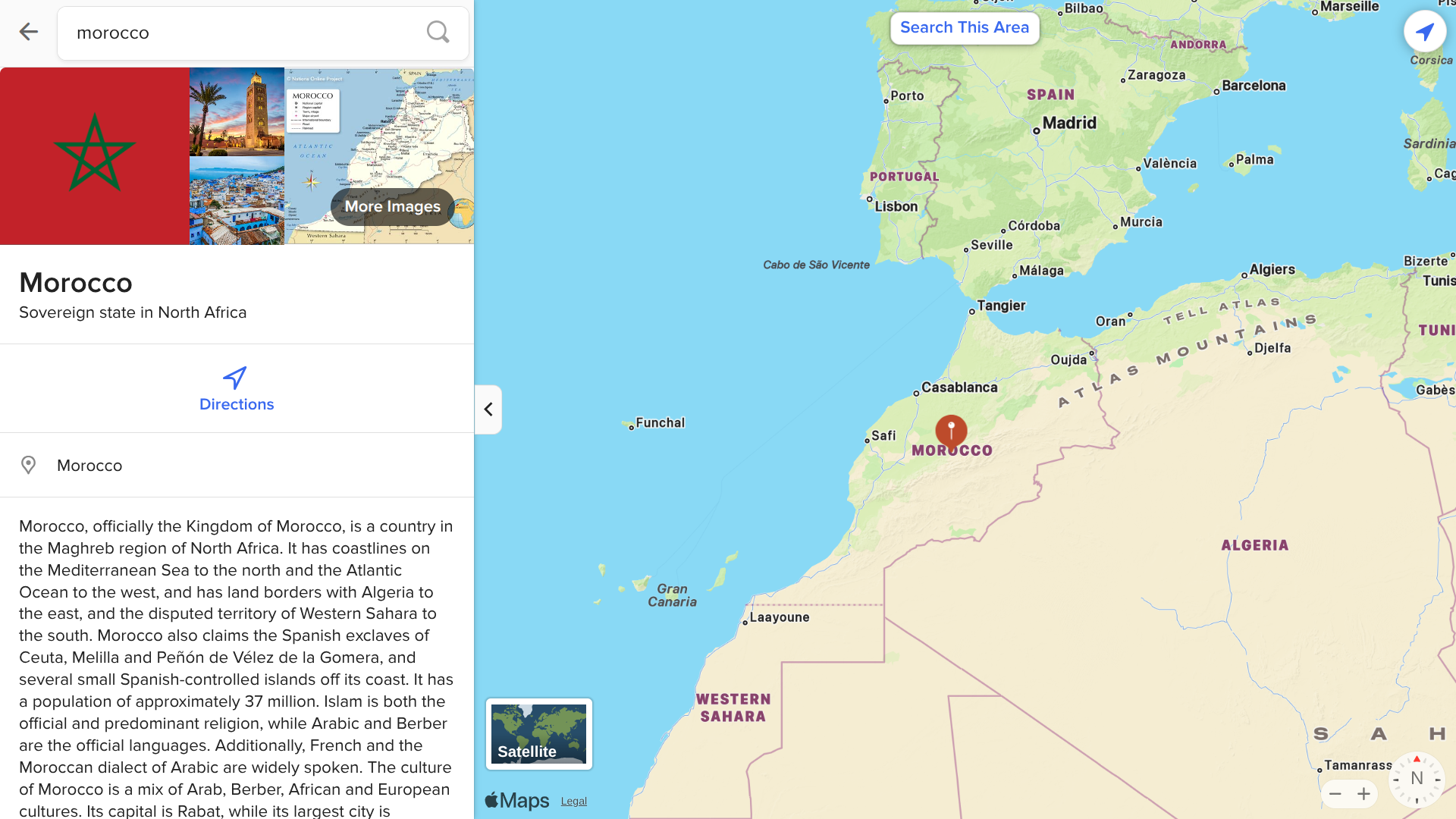
The UK Health Security Agency (UKHSA) today announced that a woman from Barnsley, South Yorkshire, diagnosed at Barnsley Hospital, has died after becoming infected with rabies, following contact with a stray dog during a visit to the Kingdom of Morocco, located in northern Africa.
Currently, the UK's list of rabies-risk areas does not include Monaco.
The UKHSA stated on June 18, 2025, that there is no risk to the broader public about this case, as there is no documented evidence of rabies transmission between people in England. Rabies virus is transmitted through bites and scratches from an infected animal.
Once infected, rabies is nearly always fatal.
Furthermore, rabies does not circulate in either wild or domestic animals in the United Kingdom; however, some species of bats can carry a rabies-like virus, as is the case in the United States.
Dr. Katherine Russell, Head of Emerging Infections and Zoonoses, at UKHSA, commented in a press release, "If you are bitten, scratched or licked by an animal in a country where rabies is found then you should wash the wound or site of exposure with plenty of soap and water and seek medical advice without delay to get post-exposure treatment to prevent rabies."
When administered promptly after exposure, a course of rabies post-exposure treatment is highly effective in preventing the disease. If such an exposure occurs abroad, the traveller should also consult their doctor on return.
The UKHSA and the U.S. CDC suggest that international travelers speak with a travel vaccine consultant regarding rabies immunization options.
As of 2025, the WHO has pre-qualified human rabies vaccines, including Bavarian Nordic's RabAvert vaccine, which is commercially available in the United States.