Search API
Since the start of the outbreak in May 2022, the Monkeypox virus (MPXV) clade I and clade II have been detected circulating in multiple countries, including those in Europe.
As of July 28, 2025, there have been 24,995 confirmed cases of mpox (MPX) reported from 29 EU/EEA countries.
Over the last seven weeks, the European CDC reported 12 EU/EEA countries reported 94 mpox cases.
These countires are led by Germany (56), followed by Spain (14), France (6), Netherlands (5), Belgium (3), Czechia (2), Portugal (2), Sweden (2), Ireland (1), Italy (1), Romania (1) and Slovenia (1).
The ECDC stated on August 1, 2025, that the overall risk remains low for most European populations. However, as summer travel and Pride season are ongoing, transmission of the MPXV could increase, and it is essential to raise awareness of this vaccine-preventable disease.
To the west of Europe, the United Kingdom has reported 14 mpox cases this year in England. As of the end of June 2025, most of these mpox cases have reported direct or indirect links to travel to countries where mpox clade Ib is circulating.
As of August 5, 2025, an effective and safe mpox vaccine (JYNNEOS®, MVA-BN®, IMVAMUNE®) is available throughout Europe and in the United States.

The Louisiana Department of Health (LDH) recently announced it was urging residents to take precautions to prevent infection from Vibrio vulnificus.
As of July 31, 2025, 17 cases of Vibrio vulnificus have been reported by LDH among Louisiana residents. All of these patients were hospitalized, and four of these illnesses resulted in death.
Of those 17 cases, 75% reported wound/seawater exposure.
During the same period over the previous 10 years, an average of seven Vibrio vulnificus cases and one death have been reported each year in Louisiana.
LHD says Vibrios are bacteria that naturally live in warm coastal waters and are found in higher numbers between May and October, when water temperatures are warmer.
About a dozen species of Vibrio can cause human illness. Some species, such as Vibrio vulnificus, can cause severe and life-threatening infections. Many people with Vibrio vulnificus infection can become seriously ill and need intensive care or limb amputation.
About one in five people with this infection dies, sometimes within a day or two of becoming ill. It can cause illness when an open wound is exposed to coastal waters or when a person eats raw or undercooked seafood, particularly oysters.
LHD wrote in this press release the precautions that can help keep you safe:
Stay out of brackish or salt water if you have a wound, including cuts and scrapes.
Wash wounds and cuts thoroughly with soap and water if they have been exposed to brackish or salt water, raw seafood, or raw seafood juices.
Use caution when consuming raw or undercooked seafood, especially if you have a weakened immune system, are pregnant, or have certain medical conditions like liver or stomach disorders. And wear protective gloves when handling raw seafood.
More information from LDH can be found at this U.S. CDC link.
Along the eastern Gulf of America, Florida reported 11 Vibrio vulnificus infections in various countries this year.
The Florida Department of Health reported that fatalities had occurred in Hillsborough, Bay, Broward, and St. Johns counties in 2025.
In 2024, Florida reported 82 cases and 19 fatalities, many in Citrus, Hernando, Hillsborough, Lee, Pasco, Pinellas, and Sarasota counties.

Throughout 2025, the Florida Department of Health has reported travel-related cases of Dengue fever and Oropouche fever in international travelers returning from Cuba.
Recent data from the Pan American Health Organization indicates that Chikungunya fever, which is also transmitted by mosquitoes, may soon be added to Florida's list of health concerns.
As of August 5, 2025, there have been a total of eight locally acquired Chikungunya cases reported in Cuba this year, with an outbreak confirmed in the Matanzas municipality of Perico, according to the Pedro Kourí Institute of Tropical Medicine.
In Florida, four travel-related cases of Chikungunya were confirmed as of July 2025, with the countries of origin being Bolivia, Brazil, Indonesia, and Sri Lanka.
Fortunately, Chikungunya is a vaccine-preventable disease, with two options available in the United States.
Furthermore, Florida has confirmed 59 dengue cases related to travel from Cuba have been reported in 2025.
Additionally, in 2024, there were 103 reported cases of Oropouche fever among individuals who had traveled to endemic regions, including Cuba.
Cuba is currently included in Oropouche Travel Health Advisories issued by the U.S. CDC.
The CDC recommends that when planning a visit to Cuba, you speak with a travel vaccine advisor regarding routine and travel vaccine options at least one month before departure.


In 2025, Brazil remains the leading country in the Americas for reported yellow fever cases. However, the Republic of Colombia has confirmed a significant outbreak since 2024
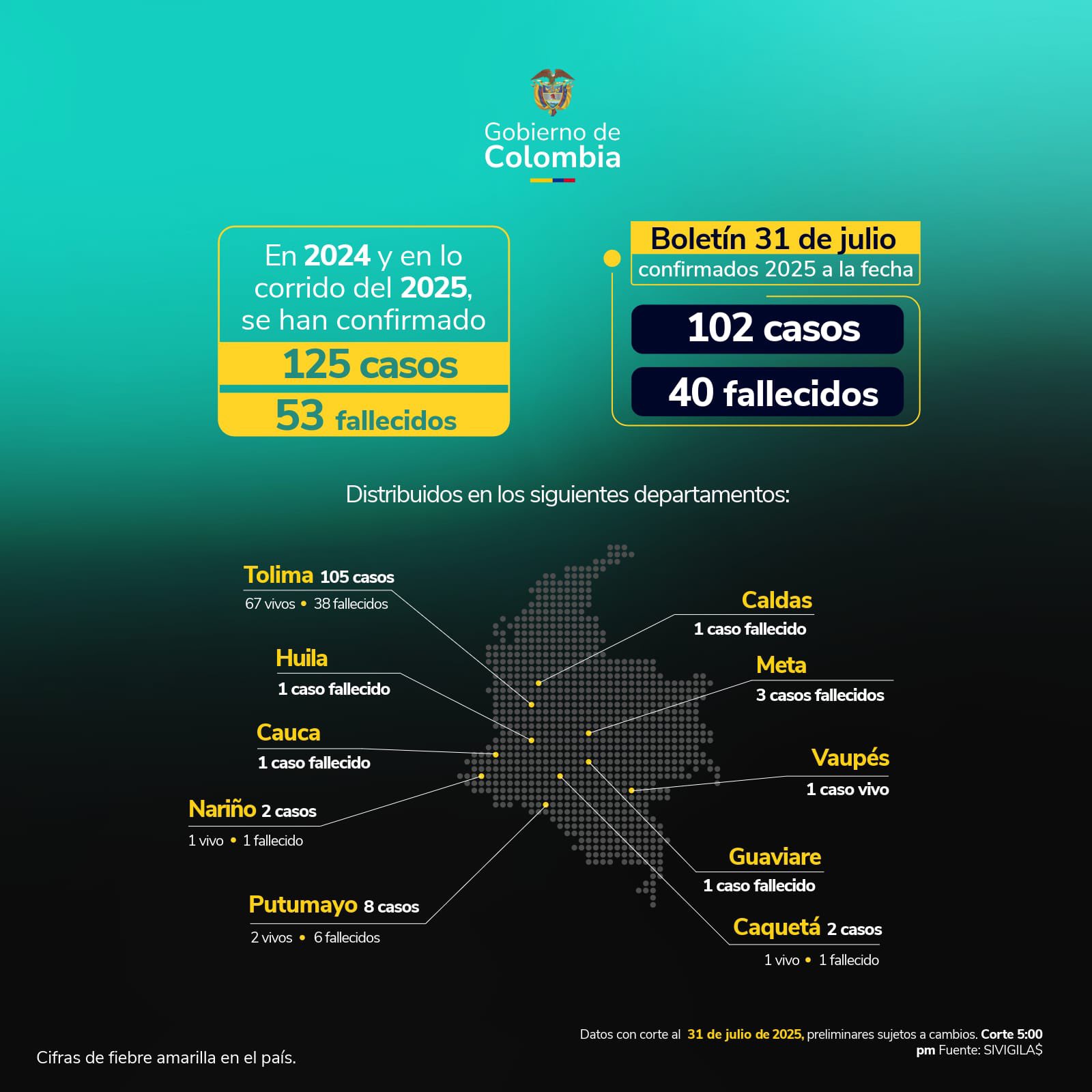
By July 31, 2025, Colombia reported in a post on Facebook a total of 125 confirmed cases of yellow fever (YF), resulting in 53 deaths.
Most of these YF cases were concentrated in the Tolima Department, which accounted for 105 cases and 38 deaths.
In addition, YF cases have been reported in the Departments of Huila, Cauca, Nariño, Putumayo, Caldas, Meta, Vaupés, Guaviare, and Caquetá.
As of August 4, 2025, YF is a vaccine-preventable disease, and proof of vaccination is required to enter various countries, including Colombia.
In the United States, the YF-VAX vaccine is commercailly offered at travel vaccination retailers.
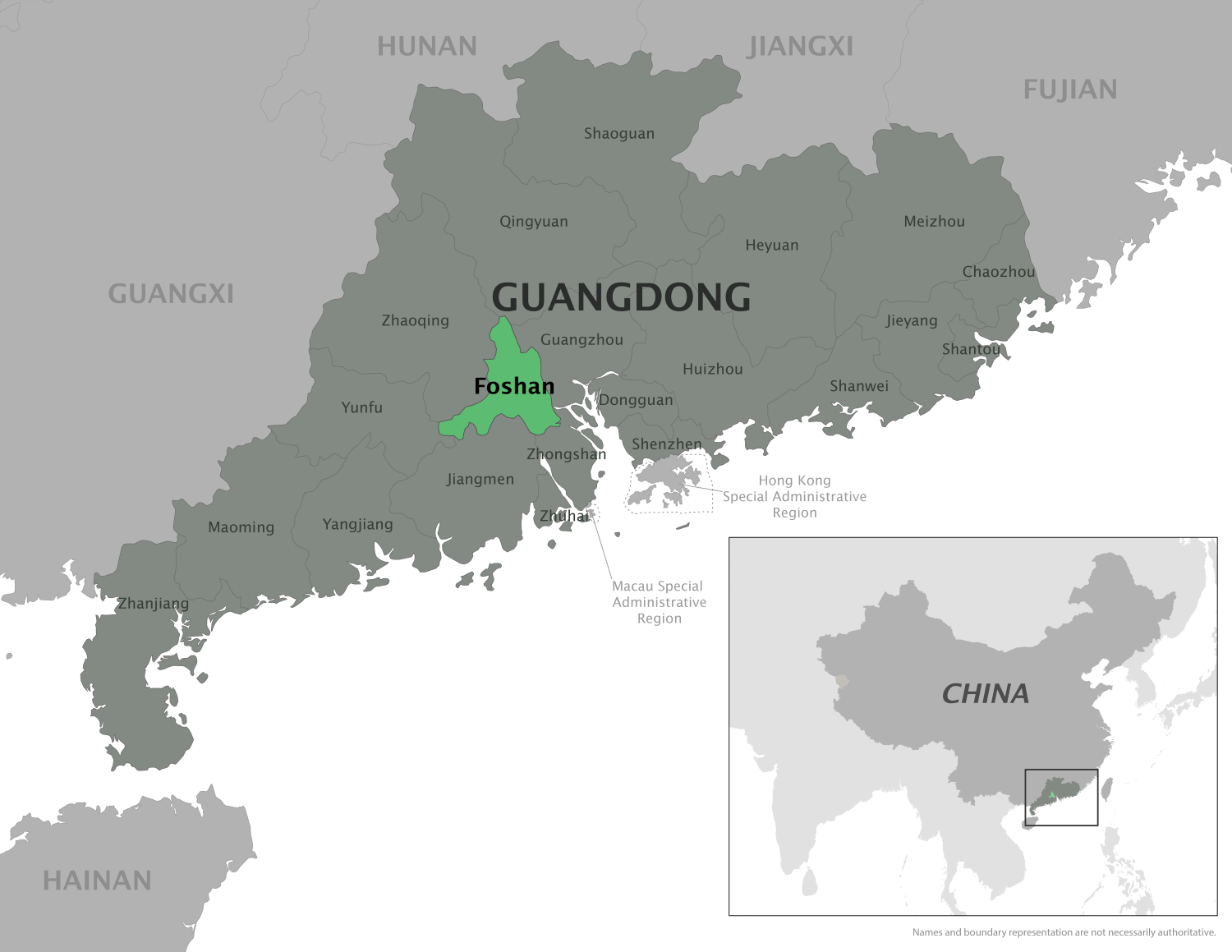
The Centre for Health Protection (CHP) of the Department of Health recently announced it is investigating its initial, imported chikungunya fever (CF) case in Hong Kong in 2025.
The patient developed fever, rash, and joint pain following a recent travel history to Foshan City, China. He was admitted for treatment, is now in stable condition, and a blood sample tested positive for the CF virus.
As of August 2, 2025, the CHP reminded members of the public to maintain strict environmental hygiene, mosquito control, and personal protective measures both locally and when travelling outside of Hong Kong.
Over the last few years, mosquitoes have spread the virus that causes chikungunya outbreaks in over 100 countries.
To alert international travelers of this global health risk, the U.S. CDC published a Level 2 Travel Health Advisory on August 1, 2025, regarding an outbreak of chikungunya in Guangdong Province, China. Most of the CF cases have been reported in Foshan City.
The CDC and CHP say people can protect themselves by preventing mosquito bites, which includes using insect repellent, wearing long-sleeved shirts and pants, and staying in places with air conditioning or that have screens on the windows and doors.
Additionally, the CDC states that if you are pregnant, you should reconsider travel to the affected areas, particularly if you are close to delivering your baby. Mothers infected around the time of delivery can pass the virus to their baby before or during delivery.
Newborns infected in this way or by a mosquito bite are at risk for severe illness, including poor long-term outcomes, writes the CDC.
Furthermore, vaccination is recommended for travelers who are visiting an area with a chikungunya outbreak. Two chikungunya vaccines are approved for use in the U.S., and are commercailly available at select retailers.
Since the beginning of 2025, five countries in Europe have reported human cases of West Nile Virus (WNV) infection: Bulgaria, France, Greece, Italy, and Romania.
In week #31, the European CDC reported that the highest number of cases, 43, occurred in the Latina province of Italy.
As of July 31, 2025, a total of 89 cases of WNV infection have been confirmed (Bollettino N. 3) in Italy this year, including eight fatalities.
In addition to WNV, other mosquito-borne diseases, Chikungunya and Dengue, have been reported in Italy in 2025.
Before visiting Italy this summer for events such as the Jubilee of Youth, the U.S. CDC recommends speaking with a travel vaccine advisor at least one month before departure about immunization options.

The Jubilee, also known as the Holy Year, has been taking place in Rome, Italy, since December 2024 and will continue until January 6, 2026.
Significant events are planned throughout various months during this period. For example, on June 15, 2025, Pope Leo XIV addressed a large gathering of children, young people, and adults who had come to Rome for the Jubilee of Sport.
According to the UK's Foreign Travel Advice issued on July 30, 2025, Rome is expected to be very busy during the Jubilee of Youth, which will be held from July 28 to August 3, 2025.
If you are planning to travel to Rome during this time, please refer to the Jubilee 2025 - Holy Year information in the Safety and Security section. Check the official Jubilee website or download the Jubilee app for a calendar of events.
The UK advises that before you travel to Italy, check that you have appropriate travel insurance for local treatment or unexpected medical evacuation. This is particularly important if you have a health condition or are pregnant.
Additionally, at least 8 weeks before your trip, consult with a travel advisor about disease protection options for West Nile virus, Dengue, and Chikungunya.
The U.S. CDC states measles is a health risk when visiting Italy in 2025.