
Search API

vaccine
Chikungunya becoming endemic in La Reunion
0 min read

Throughout the record-setting dengue virus outbreak in the Region of the Americas, the Republic of Nicaragua reported 92,022 cases in 2024.

According to a study published on January 10, 2025, all four virus serotypes impacted Nicaragua's dengue outbreak. Based on 19 years of data from the Pediatric Dengue Cohort and Pediatric Dengue Hospital-based Studies in Managua, the relationship between serotype and immune status and dengue severity became very clear.

Of the 2,644 cases with serotype results by RT-PCR, 559 corresponded to DENV1, 1,002 to DENV2, 760 to DENV3, and 323 to DENV4.

Severe disease was more prevalent among secondary DENV2 and DENV4 cases, while similar disease severity was observed in both primary and secondary DENV1 and DENV3 cases.

These researchers wrote, 'These findings demonstrate differences in dengue severity by serotype and immune status and emphasize the critical need for a dengue vaccine with balanced effectiveness against all four serotypes, as existing vaccines show variable efficacy by serotype and serostatus.'

Nicaragua's southern neighbor, the Republic of Colombia, reported similar dengue virus types in 2024.

In the United States, dengue virus serotype 3 was most often identified among travel-associated and locally acquired dengue cases in Florida in 2022-2023.

As of January 11, 2025, the leading dengue vaccine available in the Americas does not meet this requirement. However, vaccine candidates currently conducting research may need this clinical need.

There are no dengue vaccines currently offered in the United States.

Overall, more than 12 million dengue cases were reported in the Americas last year, about 300% more than in 2023.

In the U.S., 53 jurisdictions reported 9,255 dengue cases as of December 31, 2024. The unfortunate leaders in local dengue transmission were  Arizona, California, Florida, New Jersey, New York, and Puerto Rico.

Vaccine Treats: 
Image: 
Image Caption: 
US Dept of State January 11, 2024
Live Blog Update Author: 
Location Tags: 
Include in VBT newsletter: 
malaria vaccine
RH5.1/Matrix-M malaria vaccine candidate enhances immunity

RH5.1/Matrix-MTM Blood-Stage Malaria Vaccine

RH5.1/Matrix-MTM Blood-Stage Malaria Vaccine Dosage, Indication, Side Effects

The University of Oxford studies the RH5.1/Matrix-M blood-stage malaria vaccine candidate in children and adults. Unlike the previously approved malaria vaccines that target the liver-invasive sporozoite, which can infect the liver with a risk of clinical disease, RH5.1/Matrix-M targets the pre-erythrocyte stage.

The results of the phase 2b clinical trial by Natama and colleagues indicated that RH5.1/Matrix-M had a vaccine efficacy of 55% (95% CI 20 to 75; p=0·0071) compared with the control group when administered at 0, 1, and 5-month intervals, and 40% (–3 to 65; p=0·066) on a monthly regimen (0, 1, and 2 months). The authors indicated the vaccine was well tolerated, with only mild adverse events (fever and injection site swelling). Moreover, participants vaccinated with RH5.1/Matrix-M showed high concentrations of anti-RH5.1 serum IgG antibodies and high levels of in-vitro growth inhibition activity against Plasmodium falciparum.

On January 7, 2025, the authors of a Commentary published by The Lancet Infectious Diseases stated, 'This blood-stage candidate vaccine RH5.1/Matrix-M will complement the previously WHO-recommended and rolled out pre-erythrocyte malaria vaccines (RTS,S/AS01, and R21/Matrix-M) for effective and durable protection, targeting different stages of the parasite life cycle.'

RH5.1/Matrix-MTM Blood-stage Malaria Vaccine Dosage

In phase 2b, the vaccine was administered at 0, 1, and 5-month intervals and as part of a monthly regimen (0, 1, and 2 months). 

RH5.1/Matrix-MTM Blood-stage Malaria Vaccine Indication

The WHO reported around 263 million malaria cases in 2023 and 597,000 related fatalities. Plasmodium falciparum parasites cause malaria. Blood-stage malaria, when the parasite infects red blood cells, causes symptoms of the disease like fever and chills and can lead to severe, life-threatening complications like anemia and organ failure.

RH5.1/Matrix-MTM Blood-stage Malaria Vaccine Side Effects

Most adverse events in the phase 2b study were mild, with local swelling and fever being the most common. No serious adverse events were reported.

RH5.1/Matrix-MTM Blood-stage Malaria Vaccine News

December 10, 2024 - Trial results for the first vaccine against blood-stage malaria show that it is well-tolerated and offers effective protection.

June 13, 2024 - Blood-stage malaria vaccine candidate RH5.1/Matrix-M in healthy Tanzanian adults and children; an open-label, non-randomized, first-in-human, single-center, phase 1b trial.

RH5.1/Matrix-MTM Blood-stage Malaria Vaccine Clinical Trials

The phase 2b study team tested the safety and efficacy of the RH5.1/Matrix-MTM blood-stage malaria vaccine candidate in adults and children aged 5 to 17 months in Nanoro Burkina Faso, following positive phase one results in Tanzanian adults and children. Over 360 children were enrolled in the study in 2023 and divided into two groups: one received three doses of the RH5.1/Matrix-MTM and the other three doses of a rabies vaccine as control.

Children who received the vaccine developed high levels of antibodies against the parasite, especially those who received their vaccine doses at 0, 1, and 5 months rather than at 0, 1, and 2 months. This group achieved 55% effectiveness in preventing clinical malaria over 6 months. Alongside this, within the group of children who did develop clinical malaria, a proportion showed very high levels of parasites in their blood. Notably, the vaccine also demonstrated over 80% efficacy against these higher levels of malaria parasites, suggesting this vaccine could prevent severe cases of the disease in children in a real-world setting. These findings will now be explored further in future clinical trials.

The study has been run by scientists at the University of Oxford in collaboration with the Clinical Research Unit of Nanoro at the Institut de Recherche en Sciences de la Santé in Burkina Faso, the London School of Hygiene and Tropical Medicine, and the U.S. National Institute of Health, with support from other partners including the Serum Institute of India Pvt. Ltd, Novavax, and ExpreS2ion Biotechnologies ApS.

Phase 1b clinical trial - Blood-stage malaria vaccine candidate RH5.1/Matrix-M in healthy Tanzanian adults and children; an open-label, non-randomized, first-in-human, single-center. Interpretation: The RH5.1/Matrix-M vaccine candidate shows an acceptable safety and reactogenicity profile in both adults and 5–17-month-old children residing in a malaria-endemic area, with all children in the delayed third dose regimen reaching a level of GIA previously associated with protective outcome against blood-stage P falciparum challenge in non-human primates. These data support the onward efficacy assessment of this vaccine candidate against clinical malaria in young African children.
0 min read
Generic: 
RH5.1/Matrix-MTM
Drug Class: 
vaccine
Condition: 
Last Reviewed: 
Saturday, January 11, 2025 - 06:00
Manufacturer Country ID: 
0 min read

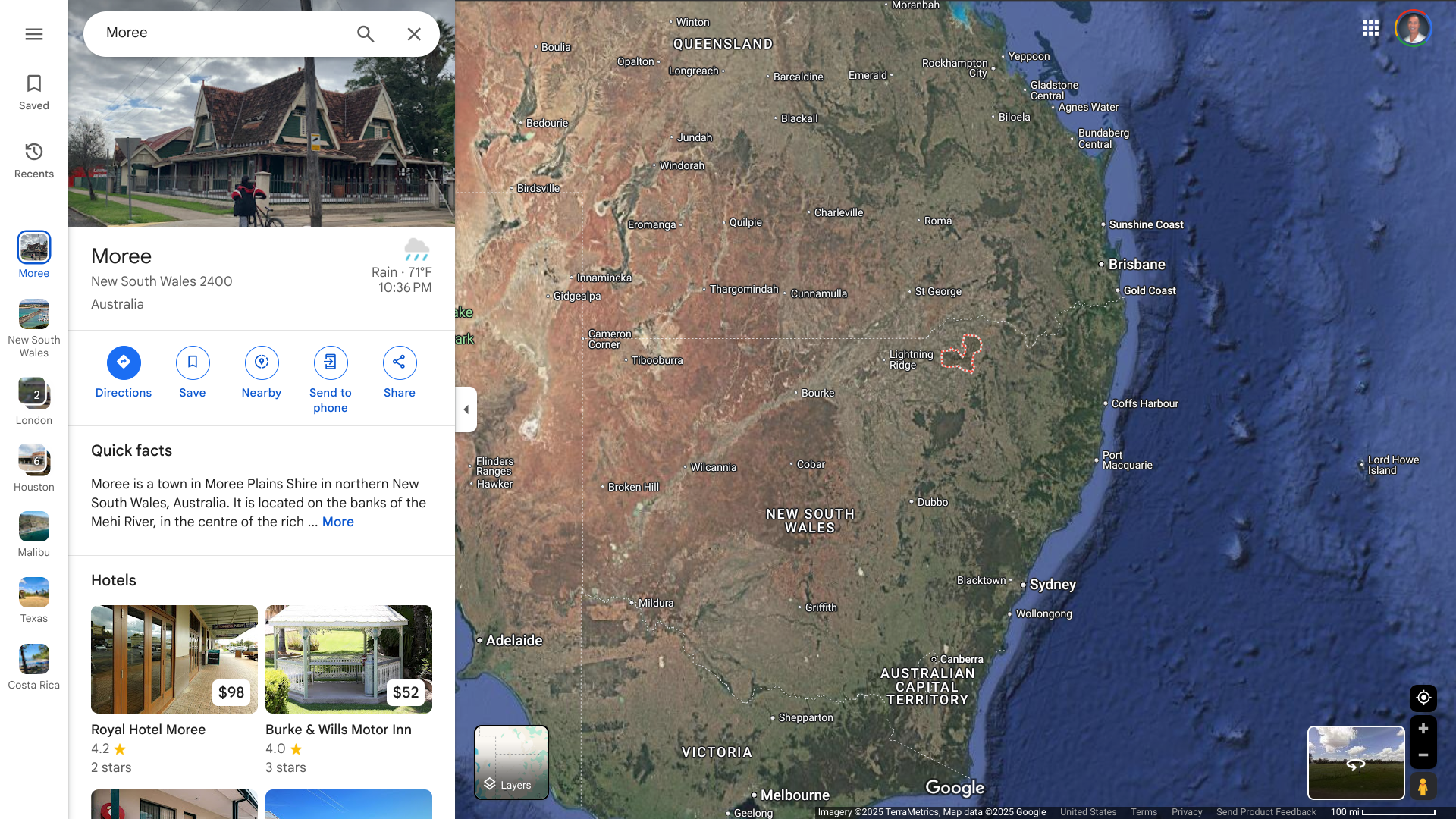
New South West (NSW) Health recently reminded international travelers and Australian residents to protect themselves from mosquito bites during the summer of 2025 following Japanese encephalitis virus (JEV) detections.

In this year's first results, JEV was detected in mosquitoes in NSW's Moree area as of January 7, 2025. This area is located northwest of Sydney and west of Brisbane.

JEV was previously detected in mosquitoes in the Griffith area and feral pigs in the Narromine Shire local government area in December 2024.

NSW Health's Executive Director of Health Protection, Dr. Jeremy McAnulty, said in a media release, "Mosquitoes thrive in warm conditions, increasing the risk of mosquito-borne illnesses such as Murray Valley encephalitis, Japanese encephalitis, Ross River, and Barmah Forest viruses in parts of NSW."

“Each year from November to April, NSW Health undertakes surveillance across the state to provide important information about when mosquito-borne disease risk is elevated," Dr McAnulty added.

“These detections indicate the risk for mosquito-borne virus transmission is widespread, particularly in the 55 NSW local government areas at higher risk of JE in the inland regions."

“I encourage anyone planning to spend time outdoors in these higher-risk areas to take steps to protect against mosquito bites."

According to the World Health Organization, JEV is the leading cause of viral encephalitis in many Asian and Western Pacific Ocean countries. Twenty-four countries in the WHO South-East Asia and Western Pacific Regions have endemic JEV transmission, exposing more than 3 billion people to risks of infection.

The JE vaccine (JESPECT®) will be available in 2025 through local General Practitioners, Aboriginal health services, and pharmacists for people who live or regularly work in these areas. Information on eligibility for a free JE vaccine is available on the NSW Health website.

In the United States, Valneva SE's IXIARO® Japanese encephalitis virus vaccine is commercially offered at travel clinics and pharmacies.

Vaccine Treats: 
Image: 
Image Caption: 
Google Maps January 10, 2025
Live Blog Update Author: 
Location Tags: 
Include in VBT newsletter: 
0 min read

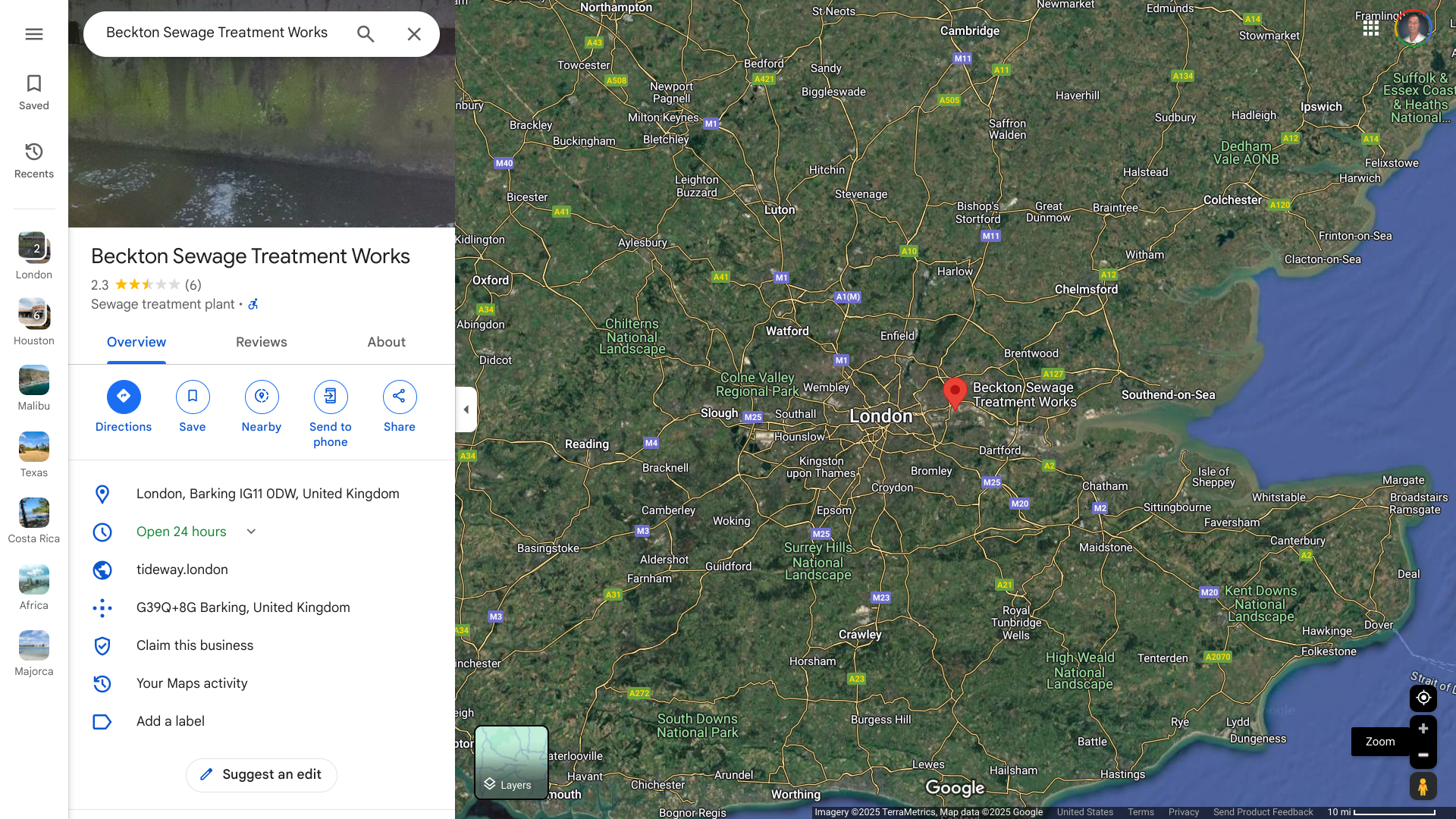
The Global Polio Eradication Initiative recently reported one circulating vaccine-derived poliovirus type 2 (cVDPV2)-positive environmental sample was detected in wastewater in the United Kingdom.

As of January 8, 2025, the UK Health Security Agency (UKHSA) says there is no evidence of community transmission, and the polio risk to the public in London is low.

Poliovirus surveillance is undertaken at 26 sites in the UK, with monthly sampling.

During November 2024, VDPV2 was detected in 1 sample from East Worthing Sewage Treatment Works (which covers some of West Sussex local authority and adjacent areas), in 2 samples from Leeds Knostrop Sewage Treatment Works, and 1 sample from the London Beckton Sewage Treatment Works.

As part of routine surveillance, poliovirus is detected occasionally in the UK. Brief detections do not require any public health action, as these are generally one-off findings due to:

Individuals being vaccinated overseas with the live attenuated oral polio vaccine (OPV) enter the UK and ‘shed’ traces of the ‘vaccine-like’ poliovirus in their feces. Immunosuppressed individuals may also shed the virus for an extended period.

And visitors entering the UK from a country where vaccine-derived polioviruses have been circulating.

The same circulating VDPV2 strain has also been recently found in sewage samples from sites in other European countries in 2024. Several countries offer OPV on exit as part of their response to polio outbreaks.

The UK switched from the OPV to the Inactivated Polio Vaccine (IPV) in 2004.

In the United States, the IPV has been offered since 2000.

The U.S. CDC recommends that international travelers be fully vaccinated against polio before visiting countries of concern. In 2025, travel clinics and pharmacies will offer the IPV.

Vaccine Treats: 
Image: 
Image Caption: 
Google Maps 2025
Live Blog Update Author: 
Location Tags: 
Include in VBT newsletter: 
0 min read

Most health experts agree that preventing vaccine-preventable diseases is key to international travel in 2025.

A new analysis by Harvard Medical School researchers demonstrates that travel clinics and pharmacies have successfully contributed to administering vaccines against pneumococcus and influenza.

This study was published yesterday in Open Forum Infectious Diseases on January 8, 2025, and revealed that 19% of vaccine-eligible travelers either received a pneumococcal vaccine or were referred to another provider to receive it.

And 40% of travelers received the influenza vaccination at their pre-travel visit or were referred to another provider.

However, there were missed opportunities for vaccination.

Over a span of 10 years, 68% of eligible international travelers were not offered the pneumococcal vaccine, and 15% were not offered the flu vaccine, even if their travel destination was in the midst of a respiratory season outbreak.

These deficiencies could be related to the differences between the seasons in the Northern and Southern Hemispheres.

These researchers' findings suggest that influenza vaccines are less likely to be offered to travelers during the summer months in the Northern Hemisphere, even if they are available and the person is heading to a Southern destination.

Another potential barrier is a lack of insurance coverage for the administration of non-travel vaccines. To resolve this constraint, many pharmaceutical firms offer discount programs.

As of January 9, 2025, various routine and travel vaccines are offered at travel clinics and pharmacies in the United States.

Vaccine Treats: 
Image: 
Image Caption: 
from Pixabay 2025
Live Blog Update Author: 
Location Tags: 
Include in VBT newsletter: 
travel vaccine
Chikungunya and dengue Outbreaks in 2024 caught many unvaccinated travelers by surprise
0 min read

Merck today announced China's National Medical Products Administration approved GARDASIL® Human Papillomavirus Vaccine (HPV) for use in males 9-26 years of age to help prevent certain HPV-related cancers and diseases.

This approval makes GARDASIL the first HPV vaccine approved for use in males in China as of January 8, 2025.

GARDASIL is now indicated in China to prevent anal cancers caused by HPV Types 16 and 18, genital warts (condyloma acuminata) caused by HPV Types 6 and 11, and the following precancerous or dysplastic lesions caused by HPV Types 6, 11, 16, and 18: grade 1, grade 2, and grade 3 anal intraepithelial neoplasia.

Joseph Romanelli, president, Human Health International, Merck, commented in a press release, “Since first approval, our HPV vaccines have helped protect over 50 million females in China from certain HPV-related cancers and diseases. With this expanded approval, we look forward to helping protect this new population of Chinese males from certain HPV-related cancers and diseases.”

Gardasil and other HPV vaccines will be in use by various countries in 2025.

Vaccine Treats: 
Image: 
Image Caption: 
from Pixabay 2025
Live Blog Update Author: 
Location Tags: 
Include in VBT newsletter: 
0 min read

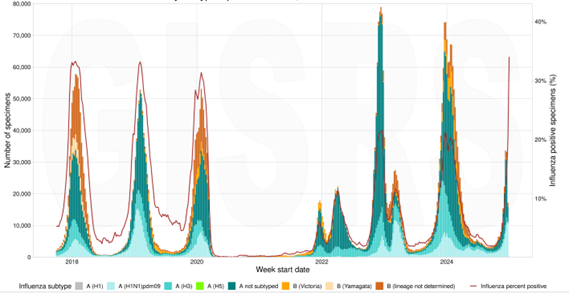
The European Centre for Disease Prevention and Control (ECDC) today announced that the Chinese Centre for Disease Control and Prevention has reported an increase in respiratory viral infections this season in northern China, including human metapneumovirus (hMPV) infections, seasonal influenza, rhinovirus, and respiratory syncytial virus.

Since December 2024, human metapneumovirus has affected all age groups in China. According to the ECDC, it usually causes mild to moderate respiratory illness, but the infection can sometimes be severe in young children, older adults, and immunocompromised individuals.

As of January 8, 2025, the ECDC 'considers that the current epidemiological situation in China reflects a seasonal rise in respiratory infections caused by common respiratory pathogens and does not pose any specific concern for the EU/EEA (Europe).

According to the WHO, countries including India and the United Kingdom have also reported seasonal rise in cases of hMPV. Based on the current risk assessment, WHO advises against travel or trade restrictions related to current trends in acute respiratory infections.

Currently, there is no vaccine for hMPV, but annual flu shots and RSV vaccines are available at most pharmacies in the U.S.


Vaccine Treats: 
Image: 
Image Caption: 
WHO -DOB - Jan. 7, 2025
Live Blog Update Author: 
Location Tags: 
Include in VBT newsletter: