Search API
The European Center for Disease Prevention and Control (ECDC) recently reported that 13 countries in Europe reported about 1,000 locally acquired human cases of West Nile Virus (WNV) infection with known place of infection.
These local WNV cases have been reported by Italy (714), Greece (91), Serbia, France, Romania, Spain, Hungary, Croatia, Albania, North Macedonia, Bulgaria, Kosovo, and Türkiye.
The ECDC says that in Europe, 63 WNV deaths have been reported in 2025.
And as of October 22, 2025, Germany was added to this unfortunate listing.
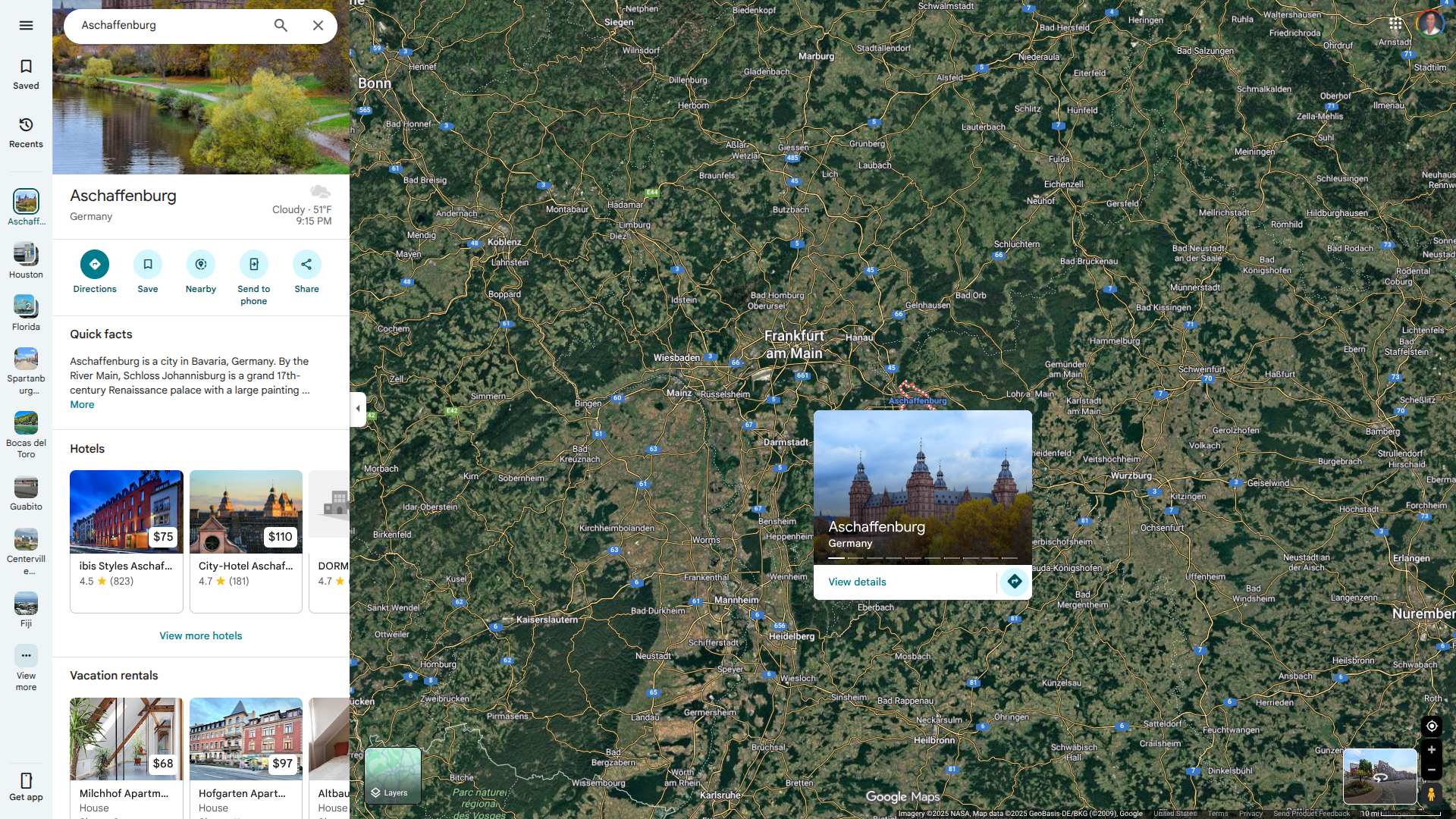
A locally acquired human case of WNV has been reported in Aschaffenburg, Bavaria.
This is only the second case ever reported in Bavaria, the first being a vet in 2018. Between 2019 and 2024, 4-35 locally acquired cases of WNV were reported in Germany, most from the eastern part of the country.
With thousands of international travelers arriving to attend Oktoberfest, visitors should take steps to prevent mosquito bites.
As of October 23, 2025, there are no WNV vaccines available to protect people from this mosquito-transmitted disease.
the South Carolina Department of Public Health (DPH) recently confirmed it is actively responding to a measles outbreak in the Upstate region.
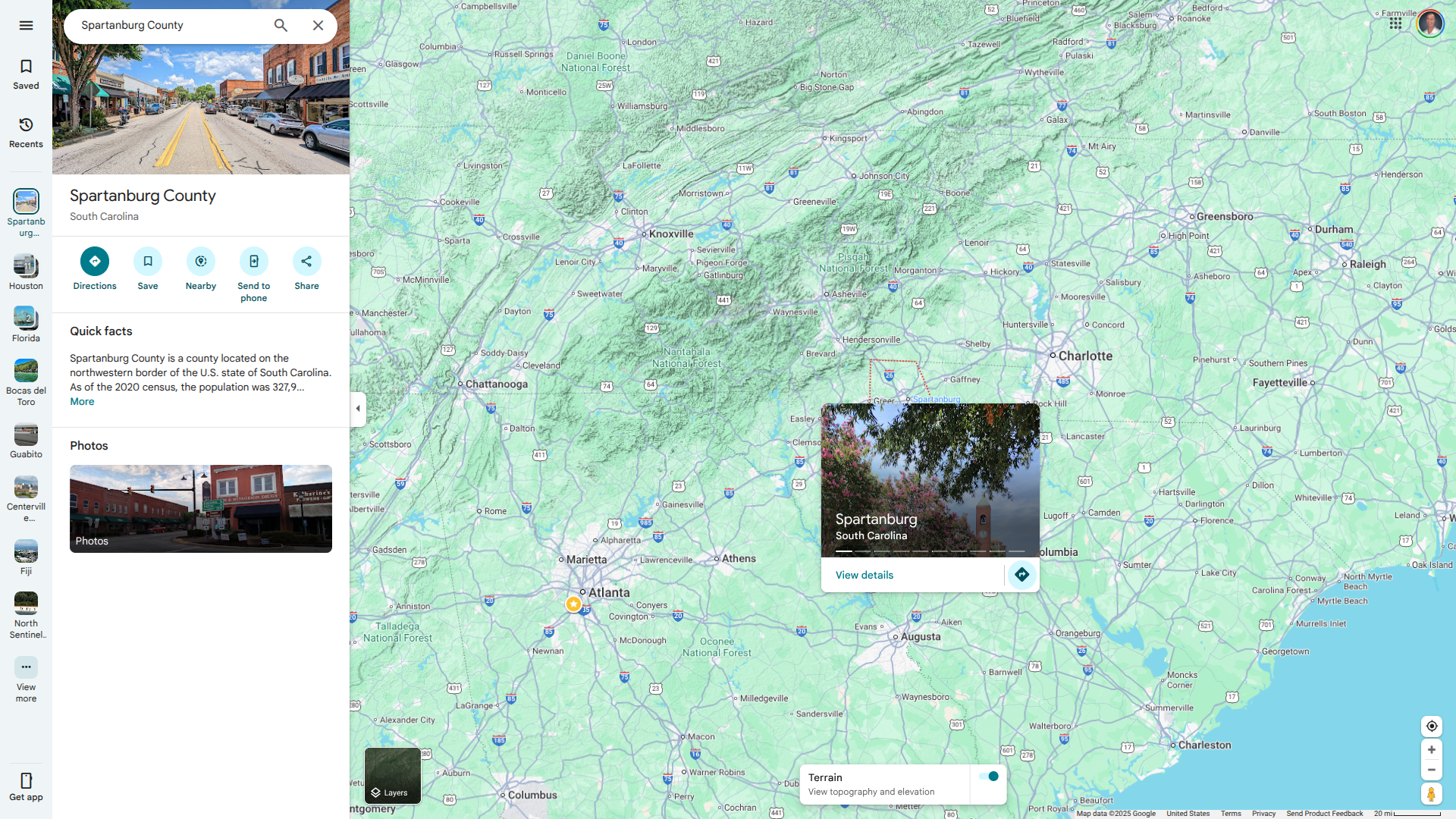
As of October 21, 2025, DPH is reporting 23 cases of measles since early July, centered around Spartanburg County, home to over 320,000 people.
To date, all confirmed measles cases have been in unvaccinated individuals.
DPH wrote in a press release, "There has been a rise in measles cases in the Upstate this year, with most concentrated in Spartanburg County."
"Some cases are travel-related exposures or close contacts of known cases. Other cases have no identified source, suggesting that measles is circulating in the community and could spread further."
"We have seen measles spread quickly in unvaccinated households here in South Carolina."
"We also know that it can spread quickly in unvaccinated communities based on outbreaks in other states."
In response to the ongoing measles outbreak, DPH has activated its Mobile Health Unit to offer measles-mumps-rubella vaccine to unvaccinated individuals at no cost.

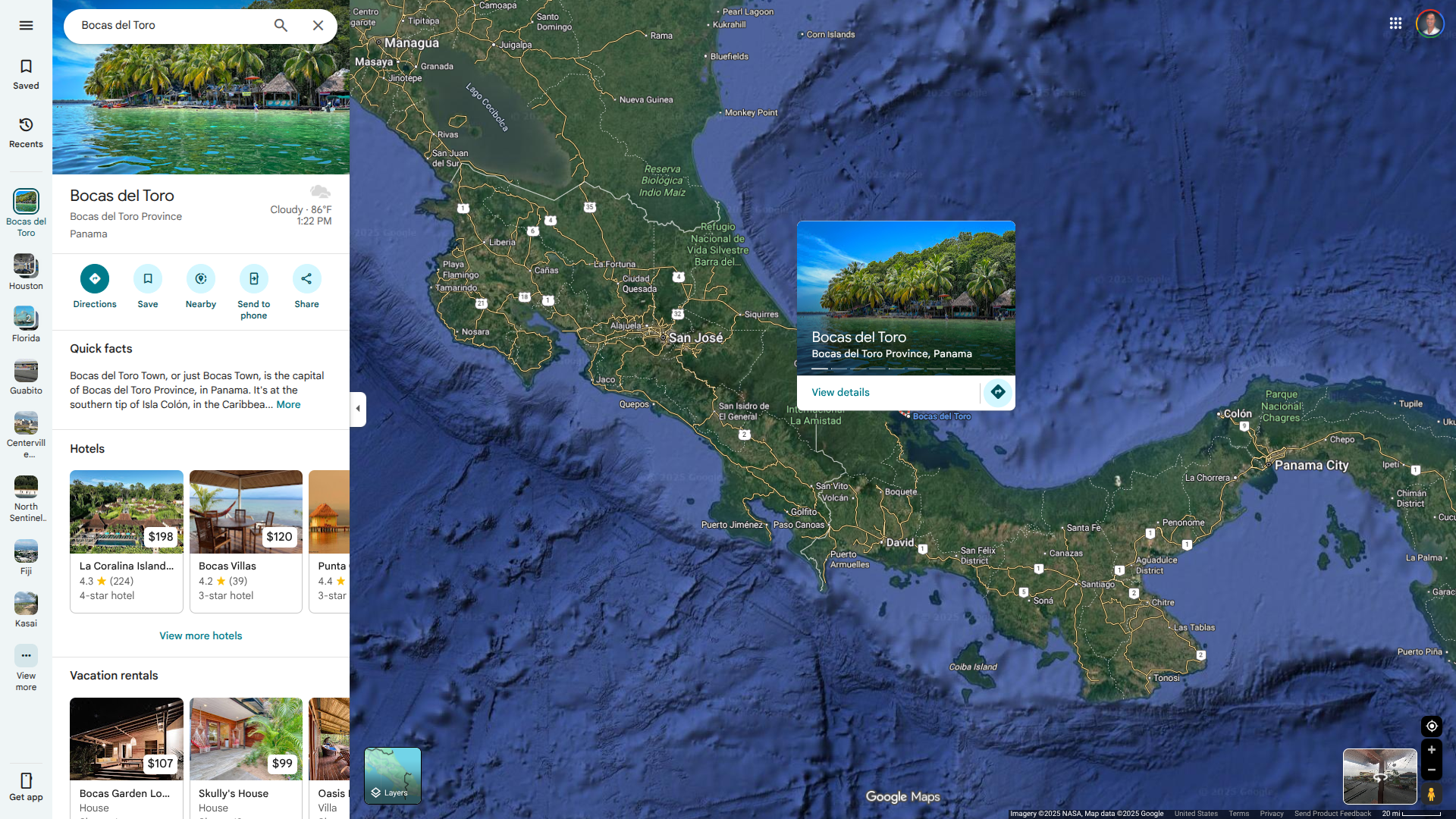
The Costa Rica Ministry of Health (MINSA) today announced it has strengthened health control measures in the province of Bocas del Toro, after a case of yellow fever was confirmed in October 2025.
The measures include the implementation of a sanitary checkpoint and the intensification of epidemiological surveillance at border crossings, especially in Costa Rica's Guabito area.
The MINSA health alert (DM-RM-5785-2025) was issued on October 17, 2025, after Costa Rican authorities confirmed two imported cases of yellow fever in women from the jungle region of Peru.
One of them had a complete vaccination schedule and did not present symptoms, while the other, without immunization, did develop the disease. This patient was discharged from the hospital after showing favorable clinical progress.
In addition, the institution urged the population to eliminate mosquito breeding sites in their homes and to maintain preventive measures, especially those planning to travel to or from countries where the virus is circulating.
The Ministry of Health reiterated that anyone entering the country from endemic areas must present an international yellow fever vaccination certificate or, if not, receive the corresponding dose upon arrival.
Furthermore, MINSA Regional Director Daryl Palmore reported that the process of obtaining new doses of the yellow fever vaccine has begun to ensure its availability in the province and protect communities along the border.
Since 2017, the U.S. Centers for Disease Control and Prevention (CDC) has expanded its yellow fever vaccine recommendations for certain travelers visiting at-risk zones. However, the CDC has not issed a Travel Health Notice regarding Costa Rica's recent yellow fever disclosures.
In the USA, yellow fever vaccination services are commercailly offered at travel clinics and pharmacies in 2025.

A pertussis (whooping cough) outbreak has once again been reported in the Argentine Republic.
As of mid-October, data up to Epidemiological Week 41 confirm that the Argentine health ministry reported 333 cases of whooping cough in the country. The confirmed cases for the year are distributed across 17 jurisdictions.
The region with the highest number of cases is the Central Region, where 260 cases were reported, of which 167 correspond to the province of Buenos Aires and 50 to the Autonomous City of Buenos Aires.
The Southern Region follows, with 58 cases registered within the framework of the outbreak currently affecting the city of Ushuaia in Tierra del Fuego.
The highest cumulative incidence during the 2025 outbreak has been recorded in Tierra del Fuego, which is located in the southern area.
This number exceeds the confirmed cases reported for the same period in 2021, 2022, and 2023.
Given its high contagiousness, the Ministry of Health is currently working with provincial authorities to ensure timely care for people with acute respiratory illness symptoms and their close contacts, to limit the spread of the disease.
The Ministry says it is essential to keep in mind that vaccination is the primary prevention strategy and one of the most effective interventions for reducing morbidity and mortality in infants and other vulnerable groups.
Pertussis is included in Argentina's National Immunization Schedule.
As of October 21, 2025, the U.S. CDC states international travelers should check the vaccines and medicines list and visit their healthcare provider at least a month before visiting Argentina, a country with about 45 million residents, which is located in the southern area of South America.

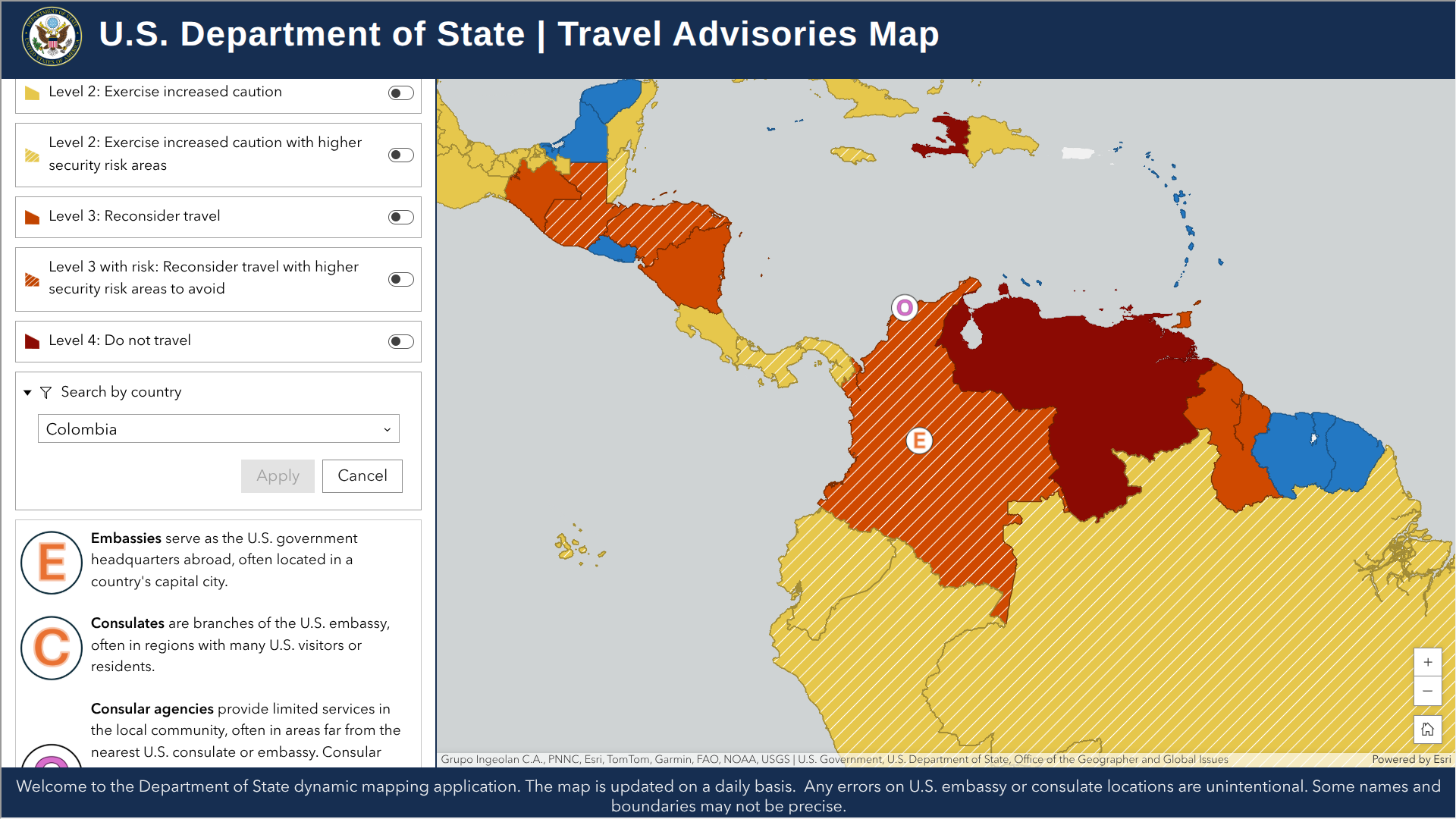
Two United States agencies recently updated travel advisories focused on discouraging international travelers from visiting the Republic of Colombia this year.
From a health perspectovem the U.S. Centers of Disease Control and Prevention (CDC) published a Level 2 Travel Health Notice in September 2025, stating there is an increased number of mosquiteo-transmitted yellow fever cases in Colombia.
According to a Facebook post, as of October 19, 2025, a total of 136 confirmed yellow fever cases (60 deaths), have been reported in Colombia during 2024/25. The majority of cases have been reported in Tolima Department with 116 cases and 45 deaths.
The CDC has also included Colombia in its Level 1 dengue and measles notices in 2025.
The CDC advices everyone planning a visit to Colombia speak with a travel vaccine expert about their immuinzation options before departing abroad.
Seperately, the U.S Department of State has issued a Level 3, Reconsider travel to Colombia due to crime, terrorism, civil unrest, and kidnapping.
The State Department advices visitors to not visit Arauca, Cauca (excluding Popayán), and Norte de Santander departments due to crime and terrorism. And anywhere near the Colombia-Venezuela border region.
If you do visiting Colombia in 2025, the government suggests enrolling in the Smart Traveler Enrollment Program to receive digital messages from the U.S. Embassy in Bogota and make it easier to locate you in an emergency.
The UK Health Security Agency and the Centre for Climate and Health Security recently reconfirmed that there are approximately 20 species of ticks that are endemic to the United Kingdom (UK).
As of October 7, 2025, the data presented on the UKHSA dashboard focuses specifically on the Ixodes ricinus tick, commonly known as the sheep tick, castor bean tick, or deer tick. These ticks feed on humans and are the primary vector for the bacterial infection Lyme disease in the U.K.
Annually, disease carrying ticks generally peak between May and June.
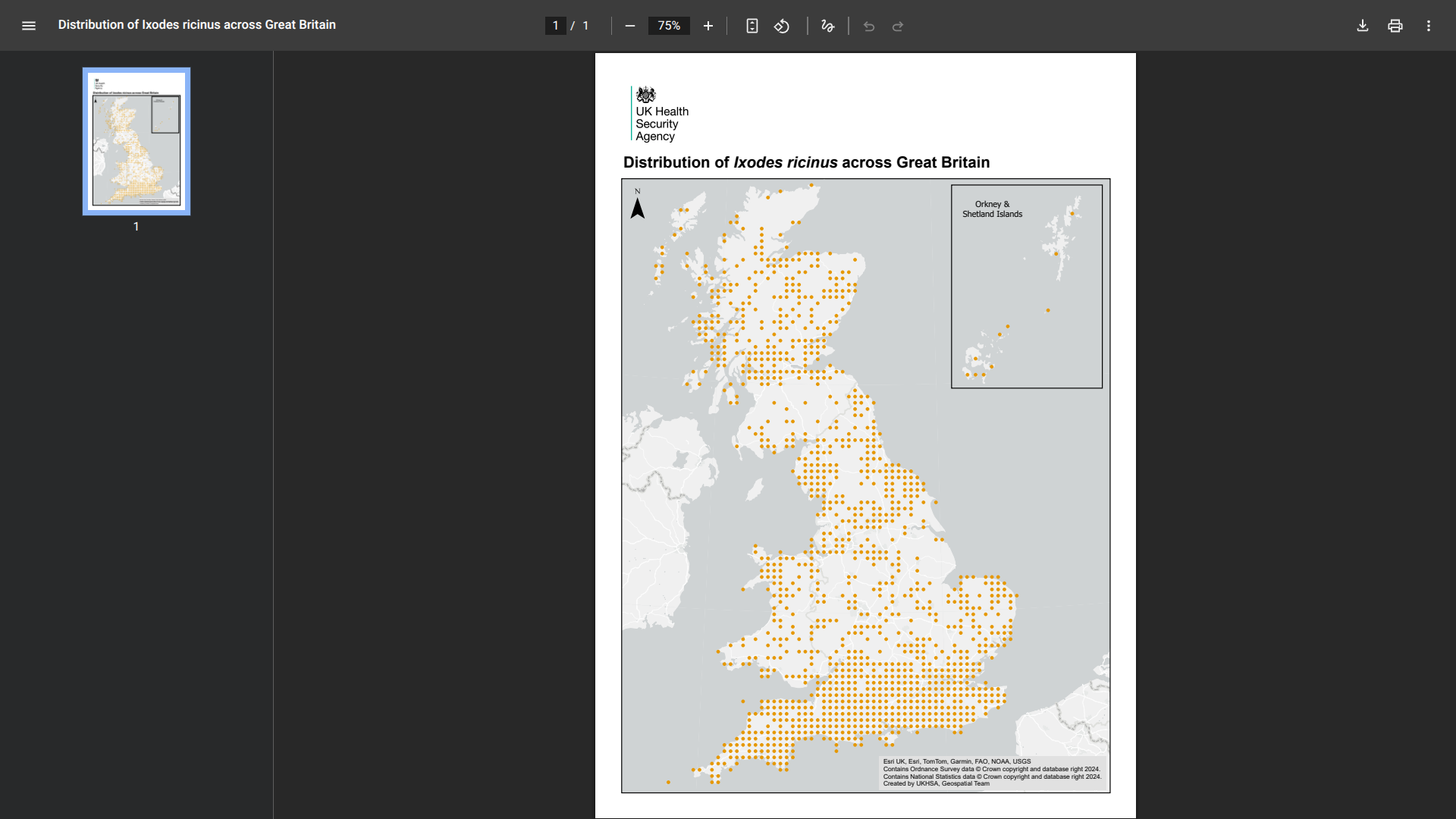
This UKHSA map shows the distribution of the tick Ixodes ricinus across Great Britain. The tick has a wide distribution from southern England up to northern Scotland including the offshore islands of Wales and Scotland.
Although not present everywhere, the map shows greater coverage of presence records across all areas of southern England below a line from the Severn to the Thames, with areas of tick presence in East Anglia, North Yorkshire Moors, the Lake District and North Wales.
In Scotland, the tick is present is most of the Highland Glens, as well as part of Galloway and the Outer Hebrides.
The Tick Surveillance Scheme was set up in 2005 to map and monitor ticks across the UK.
While there are no Lyme disease vaccines available for people in 2025, an innovative vaccine candidate (VLA15) is making progress in phase 3 clinical research.