Search API
Despite the significant drop in recent dengue cases, the President of the Republic of the Philippines, Ferdinand R. Marcos Jr., today ordered the Department of Health (DOH) to closely monitor the outbreak situation as part of its continued efforts to safeguard the health of Filipinos.
In a media release on May 2, 2025, Presidential Communications Undersecretary and Palace Press Officer Claire Castro attributed the significant decrease in new dengue cases to the prompt response of the DOH under its "Alas Kwatro Kontra Mosquito" campaign.
Castro said that from 12,050 recorded dengue cases during March 2 to 15, the figure dropped to 9,289 from March 16 to 29, 2025.
While this decreasing trend is a positive indication, the DOH reported that about 95,000 dengue cases have been recorded since the beginning of 2025. This data represents a 75% increase compared to last year.
The DOH noted the low case fatality rate of 0.36 percent, or about four deaths per 1,000 dengue cases, in 2025.
Previously, the Quezon City Government's City Health Department declared a dengue outbreak.
The DOH's "Alas Kwatro Kontra Mosquito "campaign involves "Taob, Taktak, Tuyo, Takip" as the four basic ways of cleaning and eliminating possible mosquito breeding grounds.
Castro said the government's campaign encourages families, schools, and workplaces to clean potential mosquito breeding grounds daily at 4:00 PM. She echoed the DOH's call for the public to maintain cleanliness and prepare for the onset of the rainy season.
Throughout 2025, a second-generation dengue vaccine has been offered in various countries in the Asia-Pacific Region as a disease prevention option. Unfortunately, the QDENGA vaccine is not available in the United States.
To alert international travelers of this health risk, the U.S. CDC's Global Dengue Advisory included the Philippines, advising travelers to risk areas to prevent mosquito bites.

As the 2024-2025 flu season comes to a close, the Centers for Disease Control and Prevention (CDC) has reported some alarming news in their weekly FluView, Key Updates for Week 17.
Twelve additional children have died from influenza, bringing the total number of influenza-related pediatric fatalities to 216, which surpasses last season's total of 207.
In terms of the specific types of influenza, ten of the deceased children had influenza A, while two were affected by influenza B. Further analysis revealed that the H1N1 strain caused eight deaths, and four were attributed to the H3N2 strain.
Furthermore, the CDC has classified this flu season as a high-severity season overall and for all ages, the first high-severity season since 2017-2018.
And based on data from FluSurv-NET, the cumulative hospitalization rate for this season is the highest observed since the 2010-2011 season.
As of May 2, 2025, the CDC recommends that everyone ages six months and older get an annual flu vaccine as long as influenza viruses are circulating. This advice applies explicitly to those traveling to the Southern Hemishpere, where flu season is just beginning.
Various flu shots remain available at most pharmacies in the U.S.

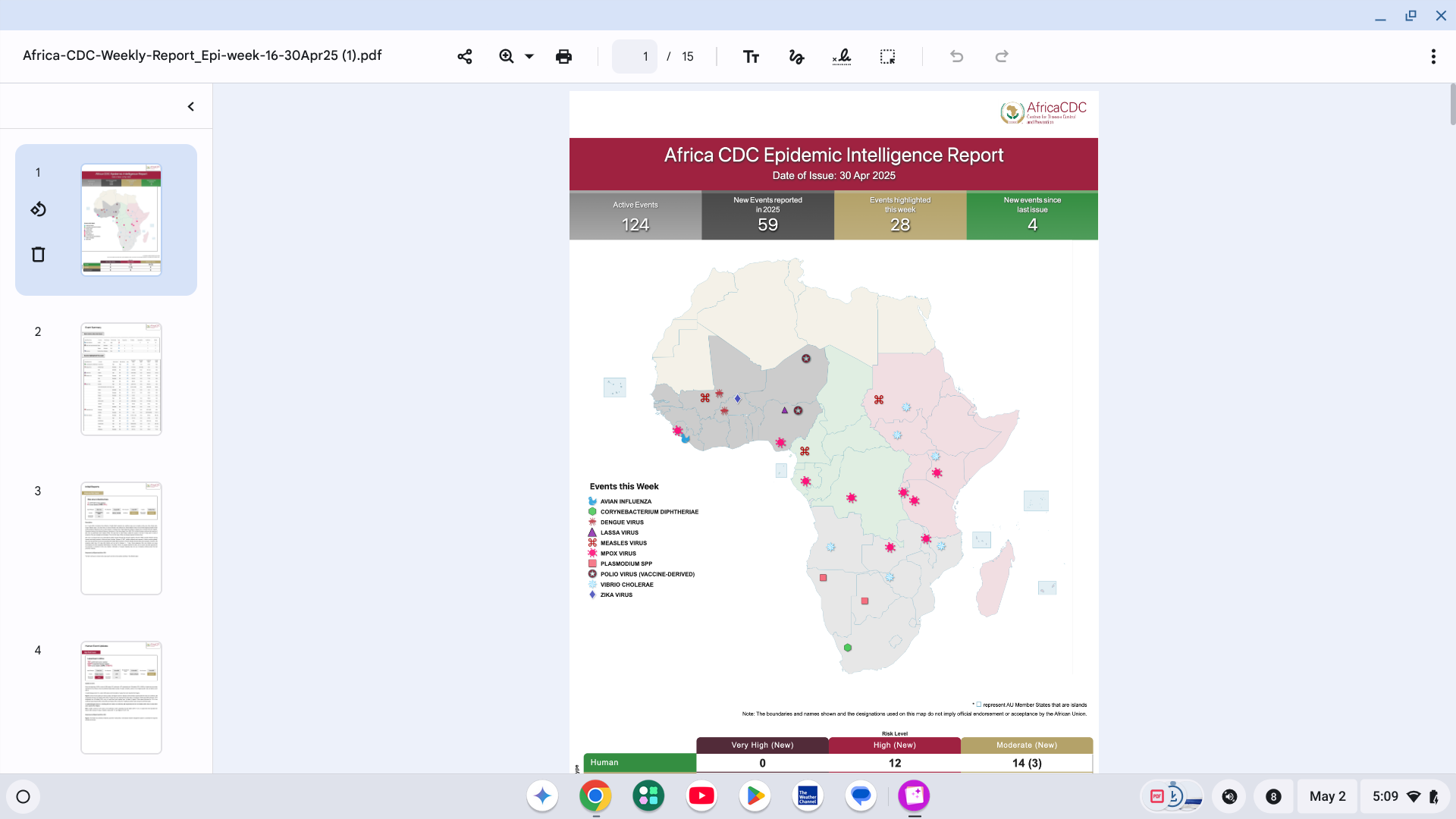
Health authorities in the Democratic Republic of the Congo (DRC) recently announced they are intensifying their response to an anthrax outbreak in North Kivu province.
The anthrax outbreak's epicenter is located in four health zones around Lake Edward on the border between the DRC and the Republic of Uganda. It is linked to the ongoing one in Uganda, where seven suspected human cases have been reported in the western Kabale district.
According to a statement from the World Health Organization (WHO) on May 1, 2025, there were 16 suspected cases, one confirmed case, and one related fatality this year.
The WHO states that people can get the disease directly or indirectly from infected animals or exposure to infected or contaminated animal products. Anthrax in humans is not generally regarded as contagious, but human cases of anthrax require hospitalization or treatment with antibiotics.
While human vaccines are in limited supply and used primarily for the protection of selected individuals with possible occupational exposure to anthrax, such as government employees.
The U.S. Centers for Disease Control and Prevention published Guidelines for the Prevention and Treatment of Anthrax, which outline preferred prevention and treatment regimens for naturally occurring anthrax.
In the United States, access to anthrax vaccines, such as CYFENDUS™, is controlled by the government.
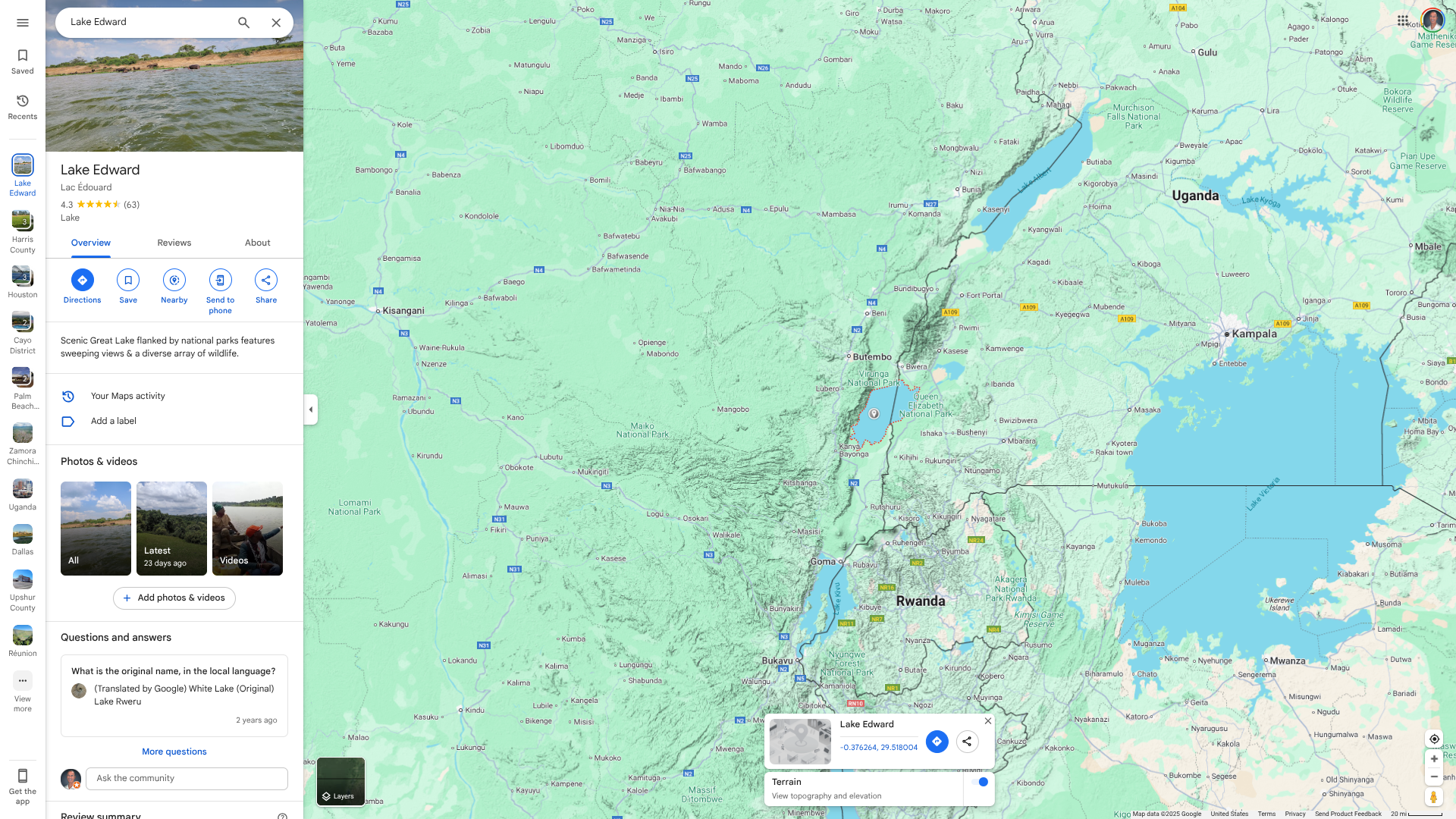
The recent Africa Centre for Disease Control and Prevention (Africa CDC) Epidemic Intelligence Weekly Report confirmed that the mosquito-transmitted Zika virus (ZIKV) has been detected in Africa.
On April 30, 2025, the Africa CDC reported Burkina Faso's first Zika case this year. The patient was a young girl with no travel history in the 15 days before her symptoms began.
A study previously reported that ZIKV seroprevalence was 22.75% in the donor samples in Burkina Faso, a country in West Africa.
In June 2022, these researchers wrote, ' It is essential to strengthen existing arbovirus surveillance in Burkina Faso and more broadly in West Africa by focusing on fevers of unknown origin and integrating vector surveillance to assess the extent of ZIKV circulation and identify the circulating strain.'
There were no Zika cases in the United States as of May 2, 2025.
However, as of December 31, 2024, the U.S. CDC reported 19 non-congenital Zika cases among U.S. residents (1 imported case in Texas). Furthermore, Puerto Rico has been categorized as having a risk of Zika virus transmission for several years.
In 2025, this serious health risk was detected over 9,400 times in the Region of the Americas, led by Argentina, Bolivia, and Brazil.
Currently, the only method to prevent a Zika infection is to avoid mosquito bites, as no preventive vaccine has been approved. The leading Zika vaccine candidate is conducting clinical trials in 2025.
The first instance of determining the acceptability and feasibility of incorporating the Tropis needle-free jet injector for intradermal administration of fractional dose poliovirus vaccine (fIPV) produced very positive results.
PharmaJet® today announced the publication of a study demonstrating the benefits of the PharmaJet Tropis needle-free system compared with needle and syringe (N/S) for intradermal administration of fIPV.
Tropis was preferred over N/S by significant margins by both parents (98%) and nurses (98.5%) in Cuba.
Survey respondents cited ease of vaccination, diminished crying, and increased comfort as the benefits of Tropis. Of note, seroprevalence did not differ significantly between Tropis and N/S.
The results indicated significantly fewer adverse events with Tropis (6%) compared to N/S (13%) (p = 0.028).
Paul LaBarre, Vice President of Global Business Development, PharmaJet, commented in a press release on May 1, 2025, “The strong performance of Tropis ID delivery is consistent with results recently seen in WHO-sponsored polio campaigns in Pakistan, Nigeria, and Somalia where Tropis has been used to administer polio vaccinations to nearly 12 million children.”
The study, entitled "Tropis needle-free injector for fractional-dose IPV administration: A pilot study for integration into routine immunization services in Cuba," is published in the journal Vaccine on April 11, 2025.
This was a community-based feasibility survey and poliovirus antibody seroprevalence assay conducted in Camagüey and Ciego de Ávila provinces, Cuba, in 2019–2020 as part of a research collaboration between the Instituto Pedro Kourí in Havana, Cuba, and the World Health Organization.

Based on the updated data posted on Facebook from the South American country of Colombia, the government's yellow fever emergency is expected to continue into May 2025.
As of April 29, 2025, the Ministry of Health has reported 60 cases of yellow fever and 24 related fatalities this year.
While ten departments have reported cases, Tolima and Putumayo are the most affected.
In Tolima, the outbreak has been particularly severe, with over 13 deaths in six months, representing a lethality rate of 41.9%.
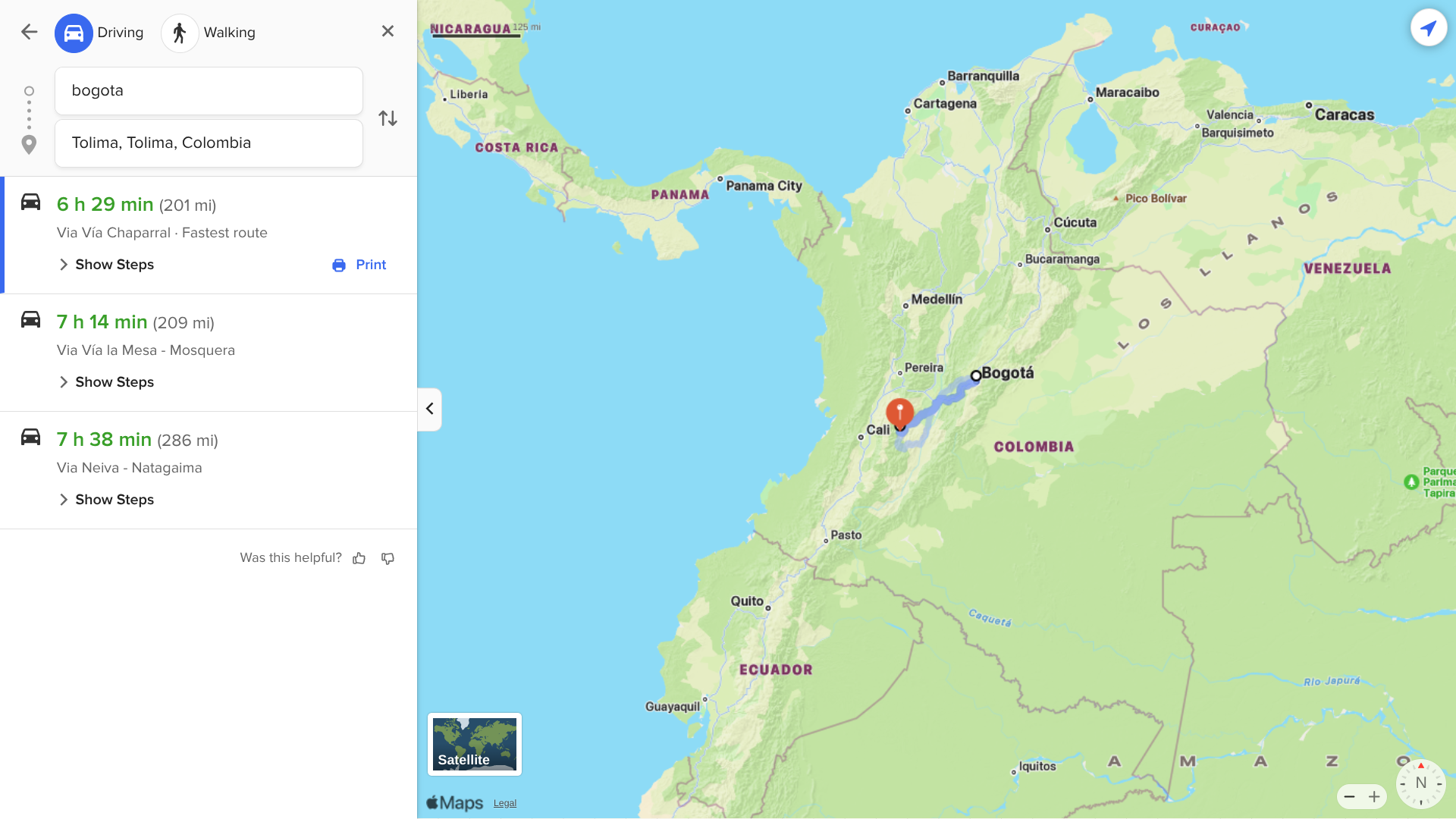
Tolima is located about 200 miles southwest of Bogota, a city with over 7 million residents.
According to the U.S. Centers for Disease Control and Prevention (CDC) Level 2 Travel Health Advisory, yellow fever outbreaks have been reported in new areas in Brazil, Bolivia, and Peru in 2025.
Travelers to these newly affected areas are now recommended to get vaccinated, at least 10 days before travel.
The CDC writes, 'a booster dose may be given to certain travelers or travelers who received their last dose of yellow fever vaccine at least 10 years previously and who will be in a higher-risk setting.'
Since yellow fever is a vaccine-preventable disease, the YF-VAX® vaccine is commercially available at certified travel clinics and pharmacies in the United States.

According to various media reports today, the U.S. government is modifying the method for authorizing or approving vaccines for human use.
“All new vaccines will undergo safety testing in placebo-controlled trials prior to licensure,” a U.S. HHS spokesperson told The Washington Post in response to an inquiry about HHS Secretary Robert F. Kennedy Jr.’s comments on the measles vaccine and general vaccine policy.
HHS did not clarify which vaccines this new policy would apply to, according to the Post on April 30, 2025.
The government's Clinical Trials website defines placebo-controlled trials as studies using an inactive substance or treatment that appears the same as, and is administered in the same manner as, an active drug or intervention being studied. The placebo comparator arm of the study is a group of participants who receive a placebo during a clinical trial.

The World Health Organization (WHO) today published the 51st situation report for the multi-country outbreak of mpox, including an update on the epidemiological situation for mpox in Africa, with data as of late April 2025.
This year, the WHO has confirmed 137,892 mpox cases, 317 related fatalities, from 132 reporting countries.
The WHO stated on April 29, 2025, 'Wherever mpox outbreaks are not quickly contained and human-to-human transmission is not stopped, they continue to represent a potential risk of sustained transmission in the community.'
Highlights from this report include, but are not limited to, the following:
Cases of mpox due to clade Ib monkeypox virus (MPXV) continue to be reported primarily in Africa, where eleven countries have reported community transmission of this strain in the past six weeks, as person-to-person transmission has occurred through various means during this outbreak.'
Currently, Uganda is reporting the highest number of confirmed mpox cases globally, with 200 to 300 new cases reported per week. To date, the country has detected only clade Ib MPXV.
The Democratic Republic of the Congo (DRC) continues to report the highest number of cumulative confirmed mpox cases in Africa in 2025, despite a decrease in the number of confirmed cases reported in recent weeks, likely due to a reduction in testing and confirmation capacity. Clades Ia and Ib MPXV continue to circulate in the DRC.
This report provides an overview of mpox vaccination in countries in the African Region, where to date more than 662,000 doses of Bavarian Nordic's JYNNEOS® (MVA-BN®) vaccines have been administered in seven countries.
From the total number of doses, 88% have been administered in the DRC, where the vaccination strategy is being revised in light of the limited vaccine supply.
In the United States, there is an ample supply of the JYNNEOS vaccine, which is recommended by the U.S. CDC for specific individuals when visiting mpox outbreaks in 2025. This mpox vaccine is commercially available in the U.S. at clinics and pharmacies.

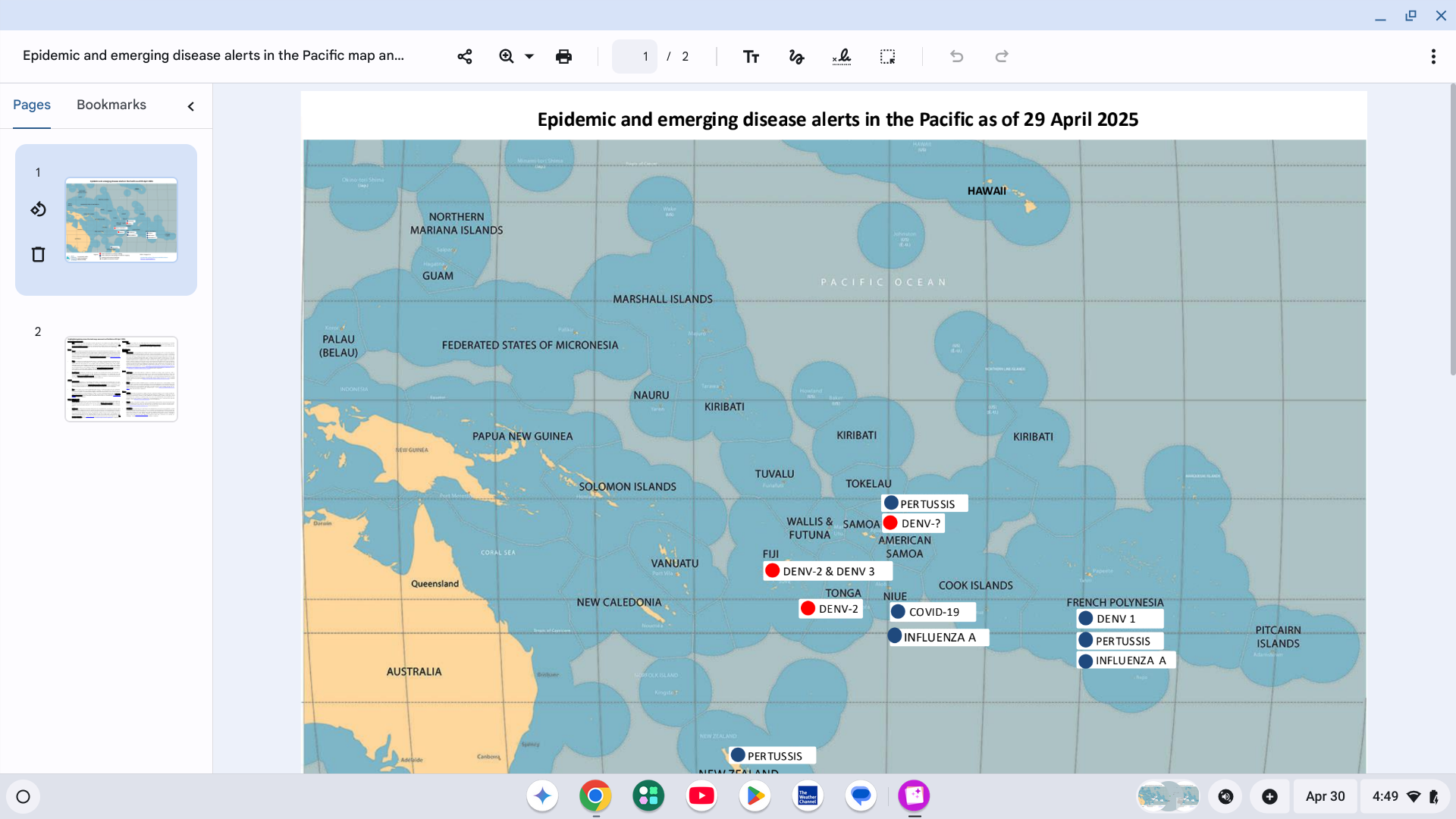
With over 100 countries reporting Dengue fever cases this year, several governments in the Pacific Region are missing alerts for this mosquito-transmitted disease.
For example, the Government of Samoa's Ministry of Health has officially declared a Dengue outbreak in 2025. There has been a significant increase in the number of dengue cases, particularly in Upolu, over the past two weeks.
As of April 17, 2025, the Ministry has reported 15 Fengue cases and one reported death this year.
Samoa has issued a red alert for Dengue of undetermined serotype.
The Ministry of Health is actively monitoring the situation, strengthening response efforts, urging the public to take preventive measures against mosquito bites and to seek medical attention if symptoms appear.
On April 15, 2025, the U.S. CDC reissued a Level 1 Global Dengue Advisory, which identified several countries in the Pacific Region. The CDC recommends avoiding mosquito bites as a way to prevent Dengue infection.
Additionally, several countries in the Pacific Region offer access to Dengue vaccination services in 2025.