Search API
Over the past two decades, about 18 million Brazilians have been infected with one of Dengue's four viruses.
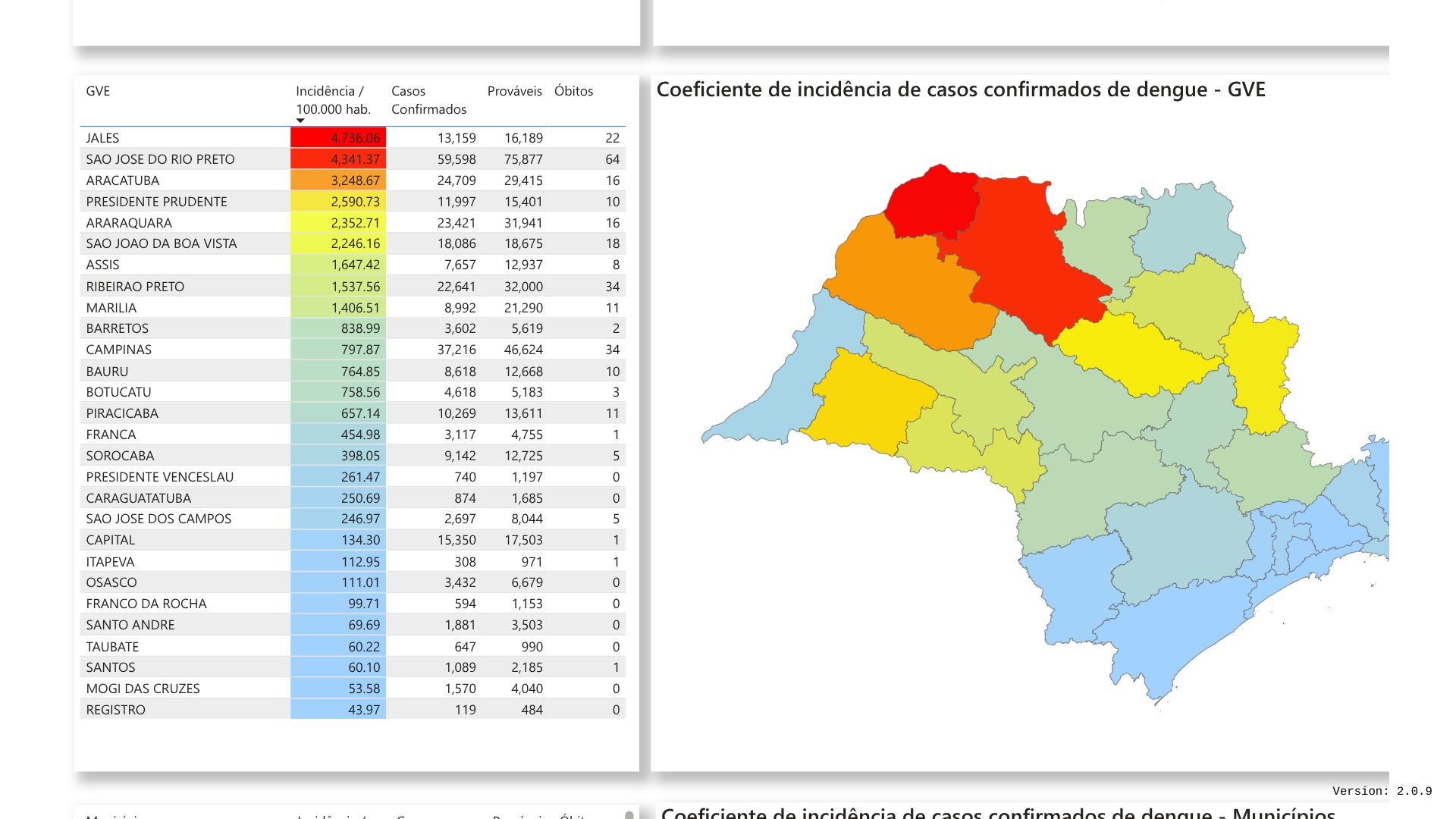
As of March 23, 2025, the Sao Paulo Ministry of Health's Dengue data dashboard indicates over 403,000 probable cases and 273 related fatalities have been reported this year.
The São José do Rio Preto region is the unfortunate leader during this Dengue outbreak, with 86 fatalities.
Throughout Brazil, one million Dengue cases and 304 fatalities have already been reported in 2025.
To notify international travelers of this infectious disease risk in Brazil, the U.S. Centers for Disease Control and Prevention (CDC) recently published three notices.
On March 19, 2025, the CDC reported 1,158 travel-related Dengue cases and one local case in 28 jurisdictions this year. Of these, 3% were Severe Denge cases. DENV-3 was the most (84%) common serotype identified in 2025.
The CDC recently reissued a Global Travel Health Notice regarding Dengue outbreaks in the Region of the Americas. Transmission of Dengue remains high in the U.S. territories of Puerto Rico and the U.S. Virgin Islands.
And on March 18, 2025, the CDC's Health Update (CDCHAN-00523) highlighted the ongoing risk of Dengue virus infections and updated testing recommendations in the United States.
As of March 23, 2025, the CDC has not issued travel advisories for U.S. cities reporting Dengue cases, such as southeast Florida. Nor does the CDC endorse Dengue vaccinations in 2025.
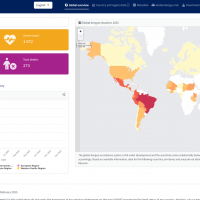

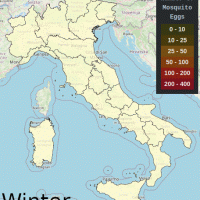
A recent change has been reported in the Republic of Paraguay's multi-year Dengue virus outbreak. Over the past 37 years, all four Dengue serotypes of the mosquito-transmitted virus have been recorded.
Recently, DENV-1 and 2 have been identified as the sources of Parauay's outbreaks.
However, as of March 2025, DENV-3 reappeared in the country after almost a decade of absence.
According to the recent weekly report of Health Surveillance, the first two cases of DENV-3 have been confirmed in Paraguay. This finding concerns public health as DENV-3 has been reported to be more infectious than the other subtypes.
Paraguay has been considered a Dengue endemic country by the Pan American Health Organization (PAHO) since 2009, meaning that the virus circulates throughout the year, with peaks generally occurring between March and April and a decline in May.
Following a record-setting 2024, Paraguay has already reported 7,487 Dengue cases in 2025.
To notify international travelers of this health risk, the U.S. CDC recently updated a Global Travel Health Advisory and identified more than expected Dengue cases among travelers returning to the U.S., such as in Florida.
In 2024, about 1 million travelers visited Paraguay.
According to the PAHO, Dengue is a vaccine-preventable disease. Approved vaccines are available in various countries but not the United States.

The Philippines's most populous city, Quezon City, has been a well-known hub for business activities and tourism as the city of stars in Asia. Unfortunately, it has become a hot spot for the mosquito-transmitted Dengue virus in 2025.
From January to March 9, 2025, the City Epidemiology and Surveillance Division of Quezon City recorded 3,608 Dengue cases and 12 related fatalities, a significant (300%) increase from 2024.
Overall, Quezon City has about 3 million residents and is 12 miles northeast of the capital city of Manila. Most of the Dengue cases have been reported in District #2 this year.
Previously, the City's Health Department declared a Dengue outbreak.
“Our declaration of a dengue outbreak ensures that we are on top of the situation, and we are doing everything we can to protect our residents from this deadly disease, especially our children,” Mayor Joy Belmonte said in a February 27, 2025, press release.
Recently, the Global Dengue Travel Health Advisory, updated by the U.S. CDC, highlighted the Philippines, saying that this disease is a year-round risk in many parts of the world, including the United States.
As of March 2025, there have been 893 Dengue cases reported in 23 U.S. jurisdictions this year, led by Florida.
While Dengue vaccines are no longer available in the U.S., the CDC recommends discussing immunization options with a travel vaccine expert.
Before visiting the Philippines, the CDC also suggests that future travelers discuss chikungunya, cholera, Japanese encephalitis, and malaria prevention options. And under International Health Regulations, proof of vaccination against yellow fever is required for certain travelers arriving from countries with a risk of yellow fever transmission in 2025.

According to a recent International Visitors Survey, the Kingdom of Tonga has become a preferred destination in Polynesia. Visitor satisfaction was highly ranked, with the friendly local population, water-based attractions, and cultural activities ranking very well.
However, a mosquito-transmitted disease may curtail tourism.
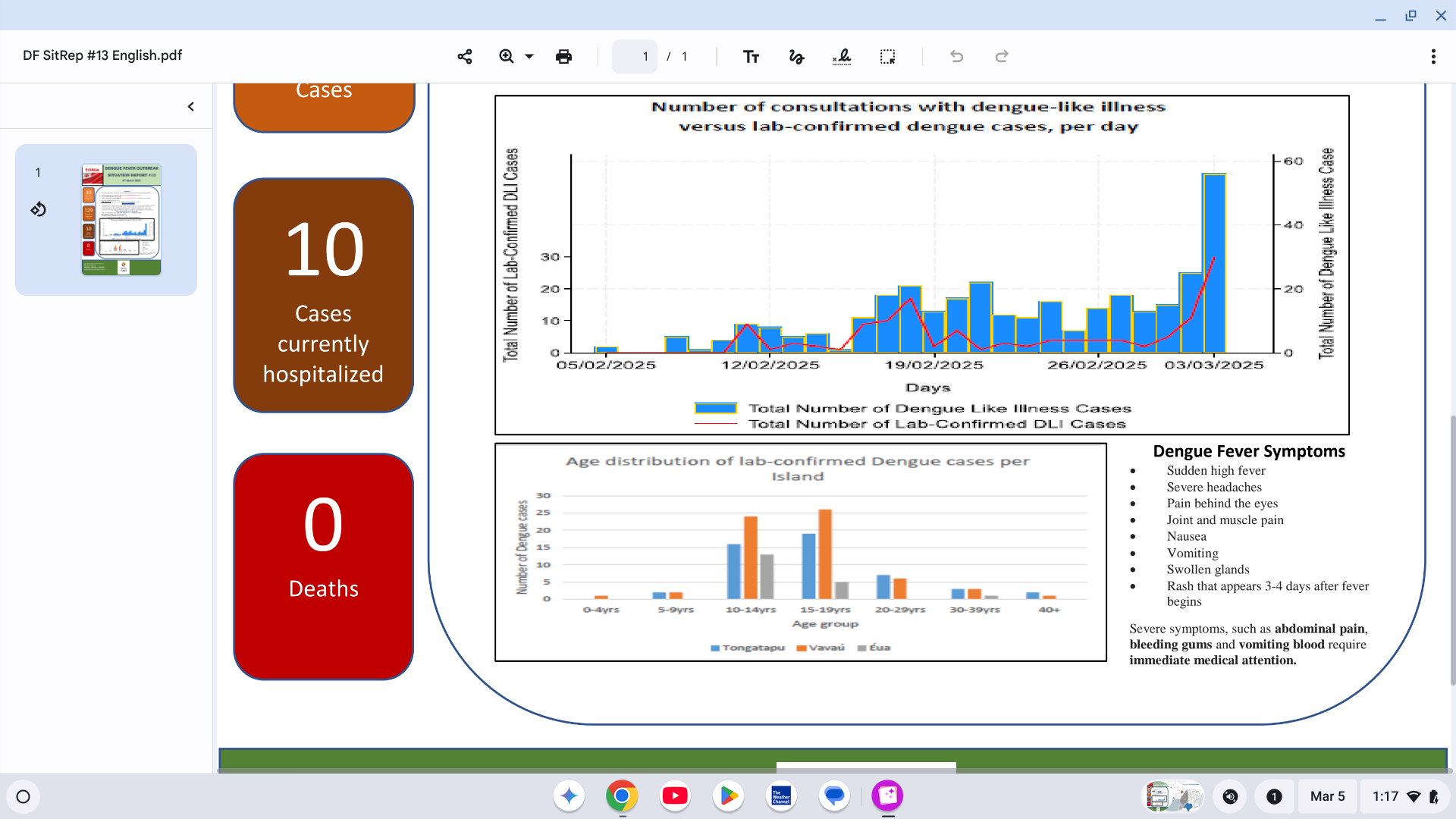
Tonga's government today reported a significant increase in dengue fever cases with 30 additional new cases.
As of March 5, 2025, there have been 129 dengue cases this year.
With 45 inhabited islands, the majority of dengue cases were from Vava'u (63), the rest from Tongatapu (47) and 'Eua (19).
Tonga's Ministry of Health (MOH) says dengue Virus Type 2 (DENV-2) is responsible for the current outbreak.
This dengue outbreak subtype is different from DEN-3, which is the dominant case in the region of the Americas, including in Florida and Puerto Rica.
The MOH recommends that residents and visitors wear appropriate clothing to minimize mosquito bites, use mosquito nets and repellents such as lotion and spray, and if you are sick, watch out for severe symptoms and seek medical attention immediately.
While the U.S. CDC does not recommend getting an approved dengue vaccine, it does support various routine and travel vaccines before visiting Tonga in 2025.
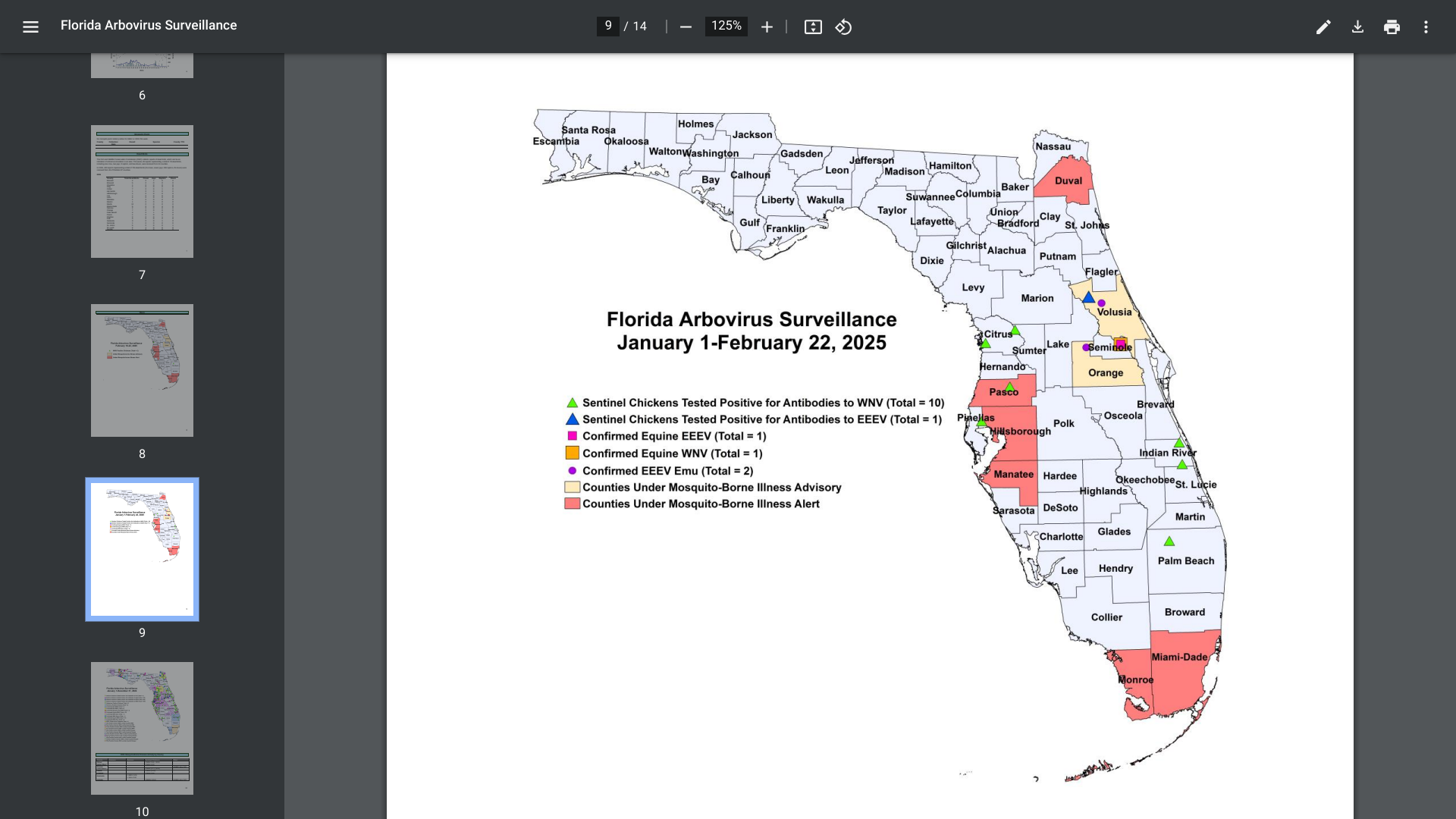
While no area within the United States has officially been declared endemic of Dengue, Florida's Health Department has continued to report both locally acquired and travel-related cases in 2025.
As of March 4, 2025, Florida's latest Arbovirus Surveillance update disclosed thirty-two cases of dengue reported among persons who had traveled internationally. These cases are in Lake, Collier, Hillsborough (2), Marion, Miami-Dade (19), Okeechobee (3), Orange (2), Palm Beach (2), and St. Lucie counties.
As of December 2024, 999 travel-associated dengue cases had been reported, mainly among Brazil, Cuba (567), and Puerto Rico visitors.
In 2024, 91 locally acquired dengue cases were reported from ten counties, such as Miami-Dade (50), Hillsborough (Tampa), Manatee, Monroe, Orange, Pasco (13), and Broward.
Most of these dengue cases are serotyped as DENV-3 and 4.
As of 2025, the U.S. Centers for Disease Control and Prevention, Canada, and the United Kingdom have not issued travel alerts or vaccination requirements for visiting Florida. However, Miami-Dade County is currently under a mosquito-borne illness alert.
These agencies do recommend avoiding mosquito bites while visiting Florida, as Dengue vaccines are unavailable in the U.S.