Search API

0 min read

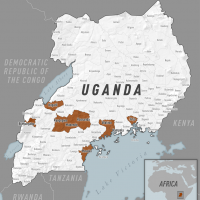
The U.S. Centers for Disease Control and Prevention (CDC) announced it joins the Republic of Uganda and the global public health community in marking the end of the Sudan Ebolavirus outbreak in Uganda.

Forty-two days, or two incubation periods, have passed since the last case of Sudan Ebola was reported in 2022, marking the official end of the fifth outbreak in Uganda, which had started in September.

In addition, the CDC confirmed entry screening and public health monitoring of travelers to the United States who have been in Uganda in the last 21 days would end on January 11, 2023.

The U.K. also launched airport screening for Ebola in November 2022.

“I commend the Government of Uganda, local health workers, and global public health partners who worked to end the country’s Ebola outbreak,” said CDC Director Rochelle P. Walensky, M.D., M.P.H., in a press release.

“I also want to thank the CDC staff on the front lines in Uganda and worldwide who worked countless hours to accelerate an end to the outbreak.”

The CDC confirmed it would continue supporting the Ugandan Ministry of Health in Ebola surveillance, infection prevention and control, and response activities to help ensure rapid detection and response to future cases and outbreaks.

Vaccine Treats: 
Image: 
Image Caption: 
by Nitsa Trabelsi
Live Blog Update Author: 
Location Tags: 
Marburg virus cases Africa
U.S. BARDA awarded Sabin Vaccine Institute multi-year Ebola Sudan and Marburg vaccine development contract
Sudan ebola outbreak Uganda
Preventing Sudan ebolavirus outbreaks require vaccines
Sudan ebola patients in Uganda 2023
Uganda Sudan ebolavirus ends

Ebola Outbreaks

Ebola Outbreaks September 2025

The initial Zaire Ebolavirus disease case was confirmed in 1976 in a village near the Ebola River in Africa, according to the World Health Organization (WHO). A study published on August 18, 2023, says the origins of Ebola remain enigmatic. Recent data suggest that some Ebola virus (EBOV) outbreaks may originate from the human-to-human transmission of prior Ebola virus disease (EBVD) outbreak strains, rather than spillover. Orthoebolaviruses are a group of four viruses that cause Ebola disease. As of 2025, more than 30 EBVD outbreaks have been reported. The WHO posted a Chronology of EBOV outbreaks.

Zaire Ebolavirus Outbreaks

Africa experienced Ebola virus outbreaks in the Democratic Republic of the Congo (DRC), formerly known as Zaire, in 2014, 2016, 2018, and 2022. Over 29,000 people were infected, and more than 11,000 died. On September 4, 2025, the DRC declared an outbreak of Ebola virus disease in Kasai Province, where 28 suspected cases and 15 deaths occurred, including four health workers. There have been 15 outbreaks in the DRC since the disease was first identified in 1976.    

Sudan Ebolavirus Outbreak

The Uganda Ministry of Health declared its eighth Sudan Ebolavirus Disease (SVD) outbreak in January 2025. As of April 26, 2025, Uganda's second SVD outbreak in three years was declared over by the WHO Africa. During this SVD outbreak, 14 cases and four deaths occurred.

The U.S. CDC reissued a Travel Health Advisory Level 2, Practice Enhanced Precautions notice on March 12, 2025, regarding Uganda's current SVD outbreak. The CDC previously issued Health Alert Network Health Advisory CDCHAN-00477 on October 6, 2022, and CDCHAN-00480 on November 7, 2022. Since October 2022, all U.S.-bound passengers from Uganda have been routed to designated airports for enhanced Ebola screening. Traveler screening at Ugandan entry points remains active in 2025, with 25,364 travelers screened for SVD as of March 2, 2025.

The UKHSA issued a public health message in November 2022 regarding the SVD outbreak in Uganda. All workers returning to the UK from areas affected by SUDV should undergo a risk assessment. On November 1, 2022, the WHO advised against imposing any travel and/or trade restrictions on Uganda based on the available information regarding the current SUDV outbreak.

On May 8, 2023, North Kivu, DRC, confirmed a positive case of SUDV.

Ebola in the United States

The U.S. CDC updated its Ebola Outbreak History on August 31, 2023. The CDC says that 11 people were treated for EVD in the U.S. during Africa's 2014-2016 epidemic. On September 30, 2014, the CDC confirmed the first travel-associated case of Zaire EVD was diagnosed in the U.S. in a traveler from West Africa to Dallas, Texas. The patient (the index case) died on October 8, 2014. Two healthcare workers who cared for him tested positive for EVD, and both recovered. On October 23, 2014, a medical aid worker who had volunteered in Guinea was hospitalized in New York City, NY, and was diagnosed with EVD. The aid worker recovered, and seven others were cared for in West Africa. Six of these EVD patients recovered; one died, reported the CDC.

Ebola Vaccines

As of 2025, Ebola vaccines are not commercially available in the United States. Ebola vaccine information is posted at the Vax-Before-Travel link.

Ebola Therapy

The U.S. Food and Drug Administration authorized Ebanga for intravenous injections on December 21, 2020.

Ebola Prevention and Control Guidelines

In August 2024, the WHO published updated research priorities for infection prevention and control in healthcare settings. Key recommendations are summarized in The BMJ. On December 18, 2023, Texas Biomed announced findings published in the Journal of Infectious Diseases (Sept. 2023) indicating that the Ebola virus creates and uses intercellular tunnels to move from cell to cell and evade treatments. "Our findings suggest that the virus can create its hiding place, hide, and then move to new cells and replicate," says Olena Shtanko, Ph.D., an Assistant Professor at Texas Biomed and senior author.

Ebolavirus Diagnostic Tests

A novel patch-based ebolavirus diagnostic test was announced in August 2023.

Ebolavirus Disease

The Ebolavirus family Filoviridae includes three genera: Cuevavirus, Marburgvirus, and Ebolavirus. Within the genus Ebolavirus, six species have been identified: Sudan, Zaire, Bundibugyo, Reston, Taï Forest, and Bombali. Ebola viruses (EBOV) assemble into filamentous virions whose shape and stability are determined by the matrix viral protein 40 (VP40). The pH-driven structural remodeling of the VP40 matrix acts as a molecular switch coupling viral matrix uncoating to membrane fusion during EBOV entry. According to the WHO, EVD is transmitted to people from wild animals and spread through human-to-human transmission, with case fatality rates varying from 25% to 90%. The time from infection with the Ebola virus to symptom onset, including fever, fatigue, muscle pain, headache, and sore throat, can range from 2 to 21 days.

5 min read
Last Reviewed: 
Thursday, September 4, 2025 - 11:50
Description: 
Zaire and Sudan ebolavirus outbreaks began in 1976 and continue in Africa.
Condition: 

Lassa Fever Vaccine

Lassa Fever Vaccine Candidates 2025

The U.S. Food and Drug Administration (FDA) and the European Medicines Agency (EMA) have not approved vaccines for the Lassa fever virus (LASV). As of November 2025, four Lassa fever vaccine candidates (LASSARAB, INO-4500, MV-LASV, rVSV∆G-LASV-GPC, and EBS-LASV) have entered clinical trials.

Given its potential to cause a public health emergency of international concern, LASV is included in the World Health Organization (WHO) R&D Blueprint, a list of priority pathogens for which there is an urgent need for accelerated research, vaccine development, and countermeasures. The WHO has ranked Lassa (arenaviruses) as the most likely animal virus to spill over into humans ahead of Ebolavirus. A detailed estimate of the damage caused by LASV outbreaks, published in August 2024, has found that it infects 2.7 million people annually, ten times more than health agencies had previously assumed. Modelling research predicts that up to 600 million people could be at risk of Lassa fever infection by 2050, due to the combined effects of climate change and population growth.

The International AIDS Vaccine Initiative (IAVI) LASV vaccine candidate is conducting research (IAVI C105 and C102) to evaluate the Safety, Tolerability, and Immunogenicity of the rVSV∆G-LASV-GPC Vaccine in Adults and Children living in West Africa. As of 2025, Ghana, Liberia, and Nigeria are vaccinating volunteers. The Coalition for Epidemic Preparedness Innovations supported a Phase I (clinical trial IAVI C102). Batavia Biosciences manufactured the IAVI's LASV vaccine candidate in Leiden, the Netherlands.

rLASV/IGR-CD, developed by the Texas Biomedical Research Institute, The Scripps Research Institute, and the National Institute of Allergy and Infectious Diseases, incorporates both attenuation determinants and further enhances the vaccine's safety. Data published in November 2024 support the development of rLASV/IGR-CD as a live-attenuated LF vaccine with stringent safety features.

The Lassa fever vaccine candidate LASSARAB uses a deactivated rabies virus platform to deliver antigens to protect against the Lassa fever virus. Researchers from Thomas Jefferson University and the University of Maryland, Baltimore, have developed LASSARAB in collaboration with the United States Army Medical Research Institute of Infectious Diseases and the Geneva Foundation. The primary completion date of the Phase 1 study is 2026-03.

ChAdOx1-Lassa-GPC is a chimpanzee adenovirus-vectored vaccine candidate encoding the Josiah strain LASV glycoprotein precursor gene.

Themis Bioscience GmbH is a recombinant, live-attenuated, measles-vectored Lassa fever vaccine candidate (MV-LASV). In a first-in-human phase 1 trial, MV-LASV (V182-001showed an acceptable safety and tolerability profile, and immunogenicity was unaffected by pre-existing immunity against the vector.

Inovio discontinued the development of product candidates targeting Lassa Fever (INO-4500) on November 17, 2022.

Lassa Fever Overview

Lassa fever (LF) is an acute viral hemorrhagic fever (VHF) caused by the Lassa virus. The natural reservoir for the LASV is the Mastomys natalensis rodent (African rat). Lassa virus is endemic in the West African countries of Benin, Ghana, Guinea, Liberia, Mali, Nigeria, and Sierra Leone

In epidemiological week 23 (June 2025), 146 new confirmed cases of Lassa fever, including one death, were reported from four states across Nigeria. During 2025, a cumulative total of 765 cases with 143 deaths (CFR 18.9 %) have been reported from 18 Nigerian states, mainly in Ondo, Bauchi, Edo, Taraba, and Ebonyi.

As of March 2025, Liberia has reported confirmed Lassa fever cases, with none in the latest update. Grand Bassa County remains the only area with active transmission of the disease. Since January 2022, the cumulative total stands at 186 confirmed cases, including 56 deaths (CFR 30%), with Bong, Nimba, and Lofa counties being the most affected historically.

Lassa Fever Vaccine News

December 16, 2024 – A vaccine candidate against the Lassa virus completely protected guinea pigs exposed to an otherwise lethal dose of the virus, reported researchers from Texas Biomedical Research Institute, The Scripps Research Institute, and The National Institute of Allergy and Infectious Diseases.

January 4, 2024 - Research findings defined a prefusion-stabilized GPC trimer, revealed an apex-situated site of vulnerability, and demonstrated that a cleavage-intermediate LASV trimer elicits LASV-neutralizing responses.

August 24, 2023 - Imunon, Inc. entered into a Cooperative Research and Development Agreement with the National Institute of Allergy and Infectious Diseases to evaluate the immunogenicity and efficacy of two IMUNON DNA-based Lassa vaccine candidates.

March 16, 023—The Lancet published a study that concluded that MV-LASV showed an acceptable frequency and tolerability and that immunogenicity seemed unaffected by pre-existing immunity against the vector. 

August 31, 022 – IAVI announced that volunteers at the PREVAIL clinical trial site at Redemption Hospital in Monrovia, Liberia, have been vaccinated with its novel vaccine candidate against LASV in a Phase 1 clinical trial.

4 min read
Last Reviewed: 
Monday, November 10, 2025 - 13:20
Description: 
Lassa fever vaccine candidates are conducting clinical trials.
Condition: 

Marburg Disease Vaccines

Marburg Vaccines 2025

Marburg virus disease (MVD), a member of the Filoviridae family, is a severe but rare viral disease that has infected humans since 1967. As of December 15, 2025, no approved MVD vaccines are available.

The World Health Organization (WHO) published its landscape of Marburg virus (MARV) vaccine development in February 2023. On April 4, 2023, the WHO Technical Advisory Group summarized the evaluations and recommendations on the four Marburg vaccine candidates. In March 2022, the WHO R&D Blueprint team defined the Strategic Agenda for Filovirus Research and Monitoring (AFIRM) to establish research priorities for developing vaccines targeting filovirus diseases during the next decade.

Marburg Vaccine Candidates 2025

cAd3-MARV (chimpanzee adenovirus vector) and VSV-based platforms, which have shown protective efficacy in preclinical trials and phase 1 human studies. This vaccine uses a modified chimpanzee adenovirus, caD3, which is no longer capable of replicating or infecting cells and displays a surface glycoprotein to induce immune responses against the virus. cAd3-Marburg was developed at NIAID's Vaccine Research Center.

On April 16, 2025, the Sabin Vaccine Institute launched a multi-site Phase 2 clinical trial in the U.S. for its Marburg vaccine candidate, administering the first doses to participants in Melbourne, Florida. In addition to Melbourne, the vaccine candidate will be tested at sites in Texas, Alabama, and Illinois. On October 5, 2024, Sabin announced that it had entered into a clinical trial agreement to provide 700 investigational doses of the PHV01 vaccine candidate for use at six clinical trial sites in Rwanda. Pending a request from Rwandan officials and authorization from BARDA, Sabin plans to supply additional vaccines. Sabin's partner, ReiThera, has produced the drug substance and filled and finished doses for shipment to Rwanda. Public Health Vaccines, LLC launched its Phase 1 clinical trial (NCT06265012) in March 2024 to evaluate the safety and immunogenicity of its single-dose vaccine candidate, PHV01 (rVSV∆G-MARV-GP [Angola]), against the Marburg virus. The PHV01 vaccine utilizes the proven recombinant vesicular stomatitis virus (rVSV) vector platform, initially developed by the Public Health Agency of Canada. The U.S. Biomedical Advanced Research and Development Authority (BARDA) has funded PHV01.

Soligenix, Inc. MarVax™ is a subunit protein vaccine of recombinantly expressed MARV glycoprotein. On April 15, 2024, the U.S. FDA granted orphan drug designation to the active ingredient in MarVax™, the subunit protein vaccine of recombinantly expressed MARV glycoprotein, for "the prevention and post-exposure prophylaxis against MARV infection. On January 2, 2023, Soligenix, Inc. announced that the journal Vaccine published a study describing the preclinical efficacy of a novel, single-vial, bivalent vaccine providing 100% protection against Sudan ebolavirus and Marburg marburgvirus infections. As of October 2024, the vaccines are being developed using the company's proprietary ThermoVax™ technology, which consists of a glycoprotein antigen from the viral surface of each virus that is manufactured in an S2 insect cell expression system and the CoVaccine HT™ adjuvant, which is known to stimulate both humoral (antibody) and cell-mediated (T cell) immunity. These are combined and lyophilized to ensure stability even at elevated temperatures (40ºC) for extended periods (at least two years). The vaccines are being developed with support from a U.S. NIH grant awarded to the University of Hawaii. A pre-IND meeting is expected in the next 12 months.

J&J Innovative Medicine and the NIAID launched a phase 1 study on August 9, 2016, evaluating AD26 FILO + MVA-BN-FILO's safety, Tolerability, and Immunogenicity of Heterologous Prime-boost Regimens Using the Multivalent Filovirus Vacvaccine26—Filo and MVA-BN-Filo Administered in Different Sequences and Schedules in Healthy Adults.

IAVI's single-dose rVSVΔG-MARV-GP vaccine candidate against Marburg virus. Recently published preclinical data demonstrate that a single dose of the vaccine candidate is 100% efficacious at preventing MVD in nonhuman primates.

London School of Hygiene and Tropical Medicine—Ebola viruses, MARV GPs, and Tai Forest NP have been included in the modified vaccinia Ankara (MVA) vector vaccine (Ad26.ZEBOV, MVA-BN-Filo) in a Phase 2, open-label clinical trial that launched on March 17, 2022. This study evaluated the safety and immunogenicity of the 2-dose vaccination regimen in adults and children initially enrolled in the control arm of the EBOVAC-Salone study.

Researchers at the University of Oxford are developing the ChAdOx1 Marburg vaccine candidate in 2024. The Department of Health and Social Care funded the research as part of the U.K. Vaccine Network.

GeoVax Inc.'s vaccine candidate, GEO-MM01, against the Marburg virus conferred 80% survival in cynomolgus macaques following a lethal dose of the Marburg virus on April 5, 2023. Vaccination protected nonhuman primates from viremia, weight loss, and death following challenges with a lethal Marburg virus dose. Evaluation of immune responses following immunization revealed the presence of both neutralizing antibodies and functional T cells, indicating a broad range of responses that combine to provide optimal protection.

In January 2023, the University of Texas Medical Branch in Galveston was awarded nearly $25 million from the government to develop vaccines to protect against infection, including Marburg.

On October 27, 2021, Original Research demonstrated that the VSV-MARV is a fast-acting vaccine suitable for use in emergencies, such as disease outbreaks in Africa. Furthermore, data published on February 10, 2023, highlighted V-MARV as a viable, acting MARV vaccine candidate, supporting the administration of a single low-dose vaccine during emergency outbreaks and decreasing the likelihood of vaccine-induced adverse events. 

Marburg Outbreaks

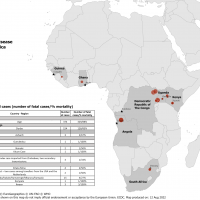
As of 2025, various countries have reported cases, deaths, and outbreaks of Marburg disease since 1967.

5 min read
Last Reviewed: 
Monday, December 15, 2025 - 11:20
Description: 
Marburg virus disease vaccines are in clinical development in 2025.
Condition: 

Travel Diseases 2025

Travel Diseases December 2025

Vaccine-preventable disease outbreaks, such as polio, yellow fever, Ebola, measles, cholera, and chikungunya, continue to disrupt international travel in 2025, says the U.S. Centers for Disease Control and Prevention (CDC). In the United States, the National Notifiable Diseases Surveillance System collects data on reportable diseases from various jurisdictions. As of December 2025, the CDC published Travel Health Advisories and digital maps indicating disease outbreaks in multiple countries.

The World Health Organization (WHO) and the UK Health Security Agency (UKHSA) emphasize the importance of checking your destination before travel and staying prepared by staying up to date with the latest outbreaks and events. The UKHSA published an analysis of travel-related diseases in the United Kingdom for the first half of 2025. The WHO and the Pan American Health Organization (PAHO) publish weekly Epidemiological Updates for mosquito-transmitted diseases in 2025. The WHO publishes global trends and total numbers in reported cases of selected vaccine-preventable diseases.

Travel Diseases

As of 2025, the U.S. Food and Drug Administration (FDA) has approved vaccines targeting travel-related diseases, such as the following:

Chagas Disease - Researchers from Texas A&M University, the University of Florida, and the Texas Department of State Health Services say the time is now to recognize Chagas disease as endemic in the U.S. As of 2025, no vaccines are available to prevent Chagas disease.

Chikungunya: Chikungunya is a viral disease transmitted to humans by mosquitoes infected with the Chikungunya virus (CHIKV). Outbreaks are primarily found in Africa, Asia, Brazil, and the Indian subcontinent. In 2023, the U.S. FDA approved a CHIKV preventive vaccine, nd in 2025, a second one, VIMKUNYA® 2025.

Cholera: The WHO has recorded seven cholera pandemics over the past two centuries, with the current (7th) cholera epidemic, which began in 1961, expected to continue in 45 countries by 2025. WHO-prequalified oral cholera vaccines (OCV), such as DUKORAL, are available. VaxChora® became available in the U.S. in late 2023.

Dengue: The dengue virus is transmitted to humans through the bite of infected mosquitoes. There are four Dengue serotypes, and any of them can infect you.

Ebola: Ebola virus disease is a rare but often fatal illness in humans. The Ervebo® vaccine was approved by the U.S. FDA in 2020. 

Hepatitis: Hepatitis is an inflammation of the liver. The five main strains of hepatitis viruses include hepatitis A, hepatitis B, hepatitis C, hepatitis D, and hepatitis E. The CDC updated hepatitis vaccination schedules for children, adolescents, and adults. 

Influenza: Various influenza viruses continually spread worldwide. Several FDA-approved flu shots are available in 2025.

Japanese Encephalitis (JE) is a severe virus that spreads to people through the bites of infected mosquitoes. FDA-approved JE vaccines are available in the U.S.

Lassa Fever is an acute viral infection that originates and spreads through contact with a typical African rodent, such as the multimammate rat. As of 2023, the U.S. FDA has not approved a Lassa fever vaccine.

Lyme disease is a Tickborne disease common in Europe and the United States, transmitted to humans through the bite of infected ticks. No vaccine has been approved in 2025.

Malaria: A life-threatening disease caused by parasites transmitted to people through the bites of infected female Anopheles mosquitoes. It is preventable with the Mosquirix and R21/Matrix-M malaria vaccines, which are available in Africa, not the U.S.

Marburg: Marburg virus disease (MVD) is a severe human disease caused by the Marburg virus. Recent outbreaks in Africa have caused MVD. As of 2025, the FDA has not approved a vaccine for MVD.

Measles: Highly contagious, severe viral Disease; vaccines (MMR-II and Priorix) are available throughout the U.S., but the Disease poses a risk to international travelers visiting countries such as India.

Meningococcal: Vaccines can help prevent meningococcal Disease, which is any illness caused by the bacterium Neisseria meningitidis.

MERS: Middle East Respiratory Syndrome vaccines are not approved in 2025, but several vaccine candidates are being tested in clinical trials.

Mpox: Mpox is caused by the mpox virus, and outbreaks began in May 2022 and continue in 2023. Authorized vaccines such as JYNNEOS® are available in various countries in 2023.

Oropouche is a known disease that is emerging in parts of South America, Central America, and the Caribbean. As of July 2025, a commercial test was announced. Reverse transcription PCR testing can identify the RNA of the virus during the early stages of infection, aiding in diagnosis. Serology testing, which identifies antibodies produced by the immune system in response to the virus, can assist in diagnosing the virus in later stages of infection.

Polio is a highly infectious disease caused by the poliovirus. There is no cure for polio, but vaccines can prevent it. Canada, Israel, Germany, the UK, New York, Spain, and various African and European countries have detected the rabies virus in wastewater and in expanded vaccination programs. Rabies is a vaccine-preventable viral disease in over 150 countries and territories. It is present on all continents except Antarctica, with over 95% of human deaths occurring in the Asia and African regions. It is spread to people and animals through bites or scratches, usually via saliva. Dogs are responsible for up to 99% of rabies transmission to humans. 

Rift Valley Fever: An epidemic in Africa that can be fatal to humans. As of 2023, no vaccines are available for human use. However, the ThVF vaccine candidate was found safe, well-tolerated, and immunogenic when administered as a single dose in this University of Oxford phase 1 study population.

Rotavirus: Four rotavirus strains are WHO prequalified.

Tickborne encephalitis: The Tickborne encephalitis virus belongs to the family Flaviviridae. Four FDA-approved vaccines are currently available.

Typhoid: Typhoid fever is a life-threatening infection caused by Salmonella Typhi. It is usually spread through contaminated food or water. One FDA-approved vaccine has been used for many years to prevent typhoid.

Tuberculosis (TB) is a potentially severe infectious disease that primarily affects the lungs. The Bacillus Calmette-Guérin (BCG) vaccine helps prevent TB. 

West Nile Virus: Phoenix, Arizona, has become a West Nile Virus (WNV) hot spot in the U.S. in 2023. However, the U.S. FDA has not authorized a WNV vaccine for prevention.

Yellow Fever: Yellow fever is an acute viral hemorrhagic disease transmitted by infected mosquitoes. A small proportion of patients who contract the virus develop severe symptoms, and approximately half die within 7 to 10 days. Yellow fever vaccines (YF-Vax® and Stamaril®) are available worldwide.

Zika: Zika virus outbreaks in Brazil, India, and Puretro Rico are expected to continue in 2025. However, as of July 2025, no approved Zika vaccines are available.

Travel Vaccine Appointments

Request a pre-departure travel vaccination advisory appointment with a healthcare professional using this weblink.

6 min read
Last Reviewed: 
Saturday, December 13, 2025 - 20:10
Description: 
Vaccination prevents yellow fever, polio, malaria, measles, mpox, dengue, chikungunya diseases.
Condition: 

cAd3-EBO Z EBOLA Zaire Vaccine

cAd3-EBO Z EBOLA Zaire Vaccine

cAd3-EBO Z uses a chimpanzee adenovirus (cAd3) vector, or carrier, to deliver Ebola genetic material. The gene inserts express an Ebola virus protein designed to prompt the human body to make an immune response. cAd3-EBO Z EBOLA Zaire Vaccine is intended to protect against the Ebola Zaire virus species.

cAd3-EBO Z Vaccine Clinical Trials

There have been several EBOLA vaccine clinical trials over the last several years. This specific vaccine has proven to be safe and immunogenic when evaluated in numerous Phase 1 clinical trials, including at the NIH Clinical Center in Bethesda, Maryland. The vaccine candidate was also tested in multiple Phase 2 trials in both adults and children, including the Phase 2 PREVAIL 1 trial in Liberia. The PREVAIL findings indicated the vaccine was well-tolerated and induced an immune response in recipients.

0 min read
Generic: 
cAd3-EBO Z
Drug Class: 
Vaccine
Condition: 
Last Reviewed: 
Tuesday, June 18, 2024 - 07:00
Status: 

Ebola Vaccines

Ebola Vaccines 2025

Since 2014, Ebolavirus vaccine technologies have included replication-deficient adenovirus vectors, replication-competent vesicular stomatitis virus, human parainfluenza virus vectors, and virus-like nanoparticle preparations. The U.S. Biomedical Advanced Research and Development Authority (BARDA) has funded and is developing vaccine candidates against the six filoviruses. The World Health Organization (WHO) has approved Ebola vaccines to protect people against outbreaks of Zaire Ebolavirus since 2019.

As of March 2025, Sudan Ebolavirus vaccine candidates are in development. In 2024, ring vaccinations were introduced as an additional control measure for Ebola outbreaks. In 2021, the International Coordinating Group (ICG) on Vaccine Provision established a global Ebola vaccine stockpile.

Zaire Ebolavirus Vaccines

Zaire Ebolavirus vaccines have been approved by the U.S. Food and Drug Administration (FDA), the European Medicines Agency (EMA), the World Health Organization (WHO), and the United Kingdom. As of October 2024, the U.S. Centers for Disease Control and Prevention (CDC) recommends two licensed vaccines for the prevention of Ebola caused by Orthoebolavirus zairense: the rVSVΔG-ZEBOV-GP (ERVEBO) and the Ad26.ZEBOV and MVA-BN-Filo.

Merck's Ervebo® vaccine. Since its approval, 7,370 doses of the Ervebo vaccine have been administered in response to two EVD outbreaks in Africa. About 500,000 doses are stored in Switzerland. 

Johnson & Johnson Zabdeno and Mvabea (Ad26.ZEBOV, MVA-BN-Filo) Ebola vaccine regimen.

CanSinoBio's Ad5-EBOV vaccine.

U.S. NIAID/Nin collaborated to develop the 3-EBOV/MVA-BN-Filo vaccine.

MVA-BN (Mvabea®) was approved by the EMA in 2020 as part of a prime-boost vaccine regimen for the prevention of Ebola virus disease caused by the Zaire Ebolavirus in individuals aged 1 year and older.

Zaire Ebolavirus Vaccine Boosters

A study published by the journal Nature on September 3, 2024, guides booster vaccination recommendations and helps identify populations likely to benefit from Ebola revaccination.

Zaire Ebolavirus Vaccine Candidates

INOVIO's INO-4201 is a DNA vaccine candidate targeting the glycoprotein of the Zaire Ebola virus. It is designed to prevent ZEBOV infection. The candidate was evaluated in a Phase 1b clinical trial. INO-4201 was well-tolerated and boosted humoral responses in 100% (36 of 36) of treated participants. As of August 8, 2024, INOVIO anticipates submitting its revised protocol to the FDA for a Phase 2/3 clinical trial with INO-901 as a heterologous booster for the vaccine.

S.K. Biosciences entered into a development licensing agreement with Hilleman Laboratories in November 2023 the jointly develop a second-generation Zaire Ebola virus vaccine. "We look forward to working closely with MSD to accelerate broad access to the second-generation Zaire ebolavirus vaccine and help to improve vaccine coverage for populations in LMICs," said Dr. Raman Rao, CEO of Hilleman Laboratories.

The bivalent adenovirus vectored vaccine is conducting a phase 1 study (NCT05301504). The Sabin Vaccine Institute USA produces the ChAd3-SUDV monovalent adenovirus vector vaccine.

YF-EBO is a live YF17D-vectored dual-target vaccine candidate expressing EBOV glycoprotein (G.P.) as a protective antigen. A single dose of YF-EBO was sufficient to induce high levels of EBOV GP-specific antibodies and cellular immune responses that protected against lethal infection using EBOV GP-pseudotyped recombinant vesicular stomatitis virus (rVSV-EBOV) in interferon-deficient (Ifnar-/-) mice as a surrogate challenge model. Concomitantly induced yellow fever virus (YFV)-specific immunity protected Ifnar-/- mice against intracranial YFV challenge.

INOVIO announced on April 12, 2023, that an abstract had bee-4201 as an, la booster for rVSV-ZEBOV (Ervebo) at the, had been accepted for presentation at the 33rd European Congress of Clinical Microbiology and Infectious Diseases.

Sudan Ebolavirus Vaccine Candidates

As of April 26, 2025, no vaccines have been approved to protect people against the Sudan Ebola virus (SUDV). However, the WHO confirmed that candidate vaccines are being tested in the Solidarity Against Ebola human clinical studies, and the Vaccine Institute is developing a single-dose vaccine candidate for Sudan Ebolavirus. Based on the same cAd3 platform as its Marburg vaccine candidate, Sabin's Sudan ebolavirus vaccine was found to be promising in Phase 1 clinical and non-clinical studies. Results showed it to be safe while eliciting rapid and robust immune responses that lasted up to 12 months.

IAVI's rVSV Sudan ebolavirus vaccine candidate (IAVI C108, rVSVΔG-SUDV-GP) was confirmed on June 27, 2023. The first participants were vaccinated with an SUDV candidate in a first-in-human Phase I clinical trial in the U.S. In January 2025, about 2,160 doses of the vaccine candidate were being deployed in Kampala, Uganda.

Previously, BARDA issued financial awards to IAVI to support the development of rt IAVI's SUDV vaccine candidate.

Serum Institute of India's experimental Ebola virus vaccine.

GeoVax Labs, Inc.'s vectored vaccine, MVA-VL, P-SUDV, was genetically engineered to target Sudan Ebolavirus. Data published on July 25, 2022, demonstrates the MVA-VLP platform's single-dose protection and potency for use in emergencies to contain outbreaks.

Soligenix, Inc. proposes developing SuVax™, a single-vial, adjuvanted, heat-stable subunit vaccine to prevent filovirus infection for use in the event of a Sudan ebolavirus outbreak. On September 25, 2023, the thermostabilized bivalent and trivalent filovirus vaccine candidates demonstrated two-year stability at 40°C when formulated in a single vial, requiring reconstitution only with sterile water immediately before use. The filovirus vaccines represent the only recombinant subunit vaccines to date that have demonstrated complete protection against challenges with Zaire ebolavirus, Sudan ebolavirus, and Marburg marburgvirus in NHPs.

The U.S. government initially invested $35 million to produce up to 100,000 doses of ChAd3-SUDV. These vaccines may be part of ongoing U.S. preparedness efforts and response to future global outbreaks.

The National Institutes of Health Rocky Mountain Laboratories in Hamilton, Montana, developed a candidate for a vesicular stomatitis virus-based Sudan virus vaccine (VSV-SUDte). The investigators anticipate that administering VSV-SUDV at a dosage similar to that of VSV-EBOV would provide rapid protective immunity against SUDV.

VRC-EBOADC086-00-VP, a chimpanzee adenovirus serotype three vector-based Ebola vaccine, encodes wild-type glycoprotein from the Sudan strain of Ebolavirus and is administered intramuscularly. A Phase I Open-Label, Dose-Escalation Clinical Trial to Evaluate Two Doses of Safety, Tolerability, and Immunogenicity. In August 2023, a study found the cAd3-EBO S vaccine was safe at both doses, rapidly induced responses in most participants after a single injection, and was well tolerated. The rapid onset and durability of the vaccine-induced antibodies make this vaccine a strong candidate for emergency deployment in SDV outbreaks.

Ebolavirus Passive Immunization

The Lancet Infectious Diseases reported on November 30, 2023, that monoclonal antibodies (mAbs) were approved for emergency use by the U.S. FDA and used in clinical trials during the 2018–20 Ebola virus disease (EVD epidemic. These trials demonstrated that mAbs continued to increase the number of EVD survivors. The WHO recommended in 2022 that two monoclonal antibody treatments be used in the treatment of Ebola: mAb114 (Ansuvimab; Ebanga) and REGN-EB3 (Inmazeb). The U.S. National Institutes of Health (NIH) states that monoclonal antibodies (mAbs) are manufactured in a laboratory to combat a specific infection and are administered during an infusion. mAbs are different fromines, says the NIH.

On December 22, 2020, Ridgeback Biotherapeutics L.P. confirmed that the U.S. FDA approved Ebanga for the treatment of Ebola. The WHO issued a strong recommendation in August 2022.

On May 2, 2022, the U.S. FDA issued a priority review voucher for a material threat medical countermeasure (MCM) product application for INMAZEB (atoltivimab, maftivimab, and odesivimab-ebgn), manufactured by Regeneron Pharmaceuticals, Inc. As a result, the FDA approved Inmazed in October 2020.

On October 14, 2020, the U.S. Food and Drug Administration (FDA) approved an antibody cocktail from Regeneron that has been shown to reduce mortality rates associated with Ebola. The treatment, known as REGN-EB3, is a mixture of three monoclonal antibodies (atoltivimab, maftivimab, and odesivimab-ebgn) marketed under the brand name Inmazeb. Inmazeb is indicated for the treatment of infections caused by Zaire ebolavirus in adult and pediatric patients, including neonates born to mothers who are RT-PCR positive for Zaire ebolavirus infection.

The U.S. Administration for Strategic Preparedness and Response announced on October 4, 2022, a $109.8 million contract with Mapp Biopharmaceutical Inc. for the advanced development and potential purchase of an mAb therapy to treat Sudan Ebolavirus.

The Lancet Infectious Diseases published results from an observational cohort study on November 30, 202. The study concluded that almost 25% of survivors were seronegative on discharge from the Ebola treatment center, and antibody concentrations decreased rapidly over time. These results suggest that monoclonal antibodies may negatively impact the production of anti-Ebola virus antibodies in survivors of Ebola virus disease, potentially increasing the risk of reinfection or reactivation.

Ebolavirus Treatments

Obeldesivir (ODV; GS-5245) is an orally administered ester prodrug of the parent nucleoside GS-441524 with broad-spectrum antiviral activity inhibiting viral RNA–dependent RNA polymerases. Results from a study published in March 2025 support the potential of ODV as an oral post-exposure prophylaxis with activity against filoviruses, such as the Ebola virus.

On April 8, 2024, RedHill Biopharma announced that its two novel, oral, host-directed investigational drugs, opaganib and RHB-107 (upamostat), demonstrated a robust synergistic effect when combined individually with remdesivir (Veklury®), significantly improving viral inhibition while maintaining cell viability. Opaganib is believed to be the first host-directed molecule to show activity in the EVD, having recently delivered a statistically significant increase in survival time in a separate U.S. Army-funded in vivo Ebola virus study. When administered to the animals within 24 hours of virus exposure once daily for ten days, the drug conferred complete protection against lethal infection with Sudan ebolavirus. On October 14, 2024, RedHill announced an agreement with the U.S. Government.

RHB-107 was recently accepted for inclusion in the ACESO PROTECT adaptive platform trial for the early treatment of COVID-19 patients in the outpatient setting. The 300-patient PROTECT Phase 2 RHB-107 arm has received FDA clearance to start. The study is being conducted in the U.S., Thailand, the Ivory Coast, South Africa, and Uganda, and is estimated to be completed by the end of 2024. RHB-107 met primary endpoints and demonstrated tolerability in the endpoint Phase 2 study, delivering promising efficacy results.

9 min read
Last Reviewed: 
Thursday, November 13, 2025 - 08:25
Description: 
Zaire Ebolavirus vaccines are approved and Sudan vaccine candidates are in development in 2025
Condition: