Search API

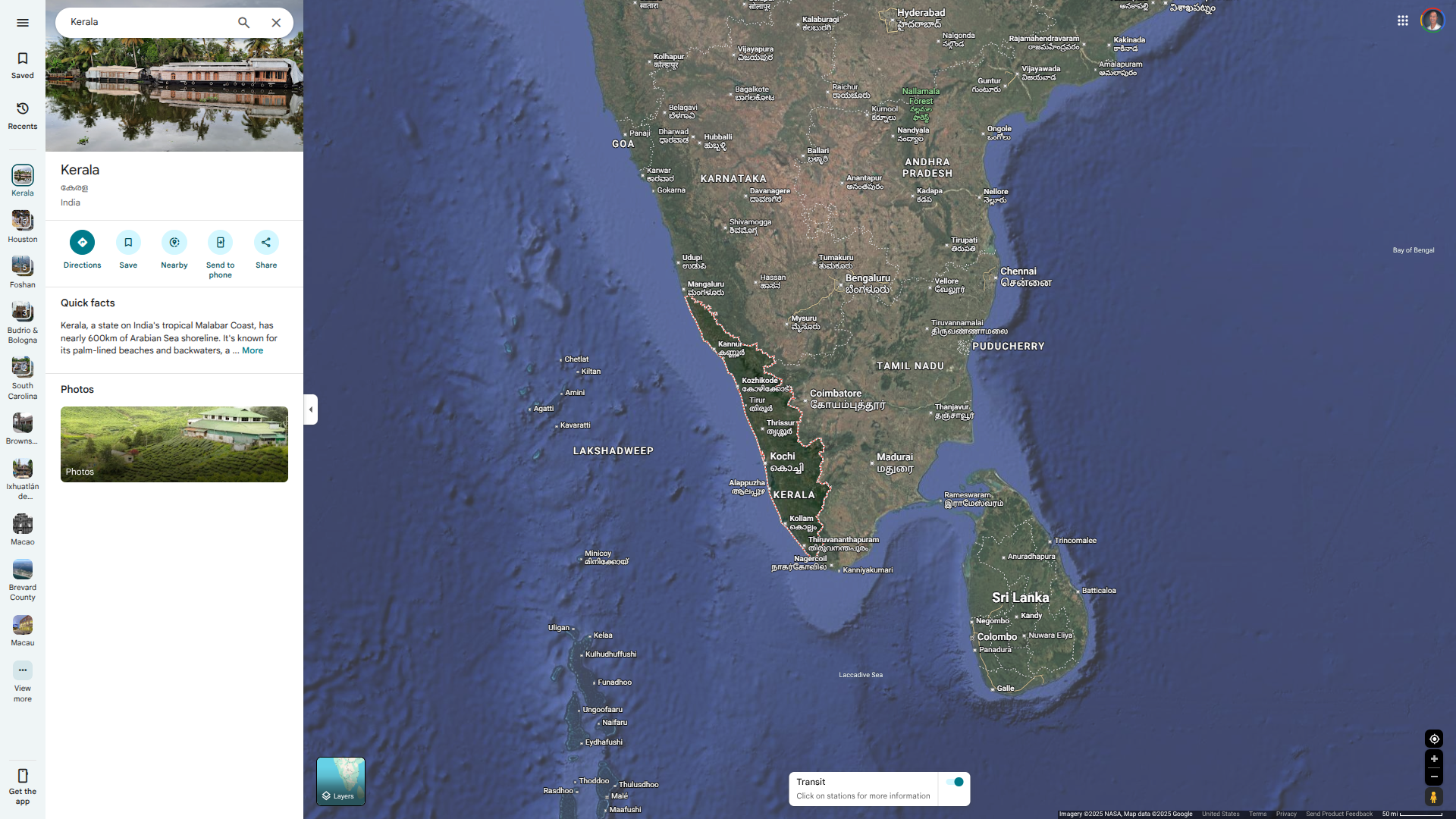
The World Health Organization (WHO) today published an update on the Nipah virus (NiV) outbreak in India. Since 2018, Kerala has experienced nine outbreaks of the Nipah virus, which is part of a pattern of recurring spillovers.
As of August 6, 2025, Kerala State health officials have reported four cases to the WHO since mid-May, two of which have been fatal.
Of the latest four patients in India's southwest area, two are from Malappuram district, where previous cases had been reported. The other two are from Palakkad district, which had not seen any earlier cases.
According to the WHO, NiV infection is a bat-borne zoonotic disease transmitted to humans through infected animals, or food contaminated with saliva, urine, and excreta of infected animals.
Since 1998, NiV outbreaks have been reported in Bangladesh, India, Malaysia, the Philippines, and Singapore.
Currently, the risk of international disease spread is considered low, as there is no evidence of human-to-human transmission of NiV internationally in this event.
The WHO wrote that, with no licensed vaccine or treatment available, public health efforts should focus on raising awareness of risk factors and promoting preventive measures to reduce exposure to the virus, and on early case detection supported by adequate intensive supportive care.
In 2023, the Coalition for Epidemic Preparedness Innovations invested $$100 million in four Nipah vaccine candidates: Auro Vacc, PATH, Public Health Vaccines, the University of Tokyo, and the University of Oxford.
Recently, the U.S. government announced a project in 2025 that would support the development of a Nipah monoclonal antibody (MBP1F5), currently undergoing Phase 1 testing in India and Bangladesh.
The WHO's Western Pacific Region continues to face a high burden of mosquito-borne arboviral diseases in 2025, particularly dengue fever.
The Dengue Situation Update #726 states that dengue has become endemic in various Member States, which are favorite vacation destinations.
For example, Fiji's Ministry of Health and Medical Services has reported 10,969 cases of dengue nationally. Eight deaths have been confirmed as directly attributed to the dengue outbreak, which has been driven predominantly by DENV-2.
According to local media reporting on August 4, 2025, Health Minister Dr Ratu Atonio Lalabalavu stated, "Ongoing awareness has been constantly done throughout, mainly in the Western Division and in the Northern Division."
To alert international travelers, the U.S. CDC lists various countries reporting dengue outbreaks in 2025.
From a prevention perspective, in addition to avoiding mosquito bites, various countries in the Pacific Region offer the second-generation dengue vaccine. This vaccine is unavailable in the United States.

According to Mexico's health ministry's latest epidemiological bulletin, an older woman recently died from New World Screwworm (NWS) in the city of Candelaria in Campeche state.
This disease is spread by the fly Cochliomyia hominivora, which deposits larvae that burrow into the flesh of livestock, wildlife, pets, and sometimes people, causing severe damage.
The health ministry has reported 35 human cases of NWS in 2025, mainly from Chiapas state.
Mexico and partners in the United States have been battling a recent northward spread of the fly through Central America.
The US Department of Agriculture writes that in 2023, NWS detections in Panama increased from an average of 25 cases per year to more than 6,500 cases in one year.
Since then, NWS has been detected in Costa Rica, Nicaragua, Honduras, Guatemala, Belize, El Salvador, and Mexico, north of the biological barrier that has successfully contained this pest to South America for decades.
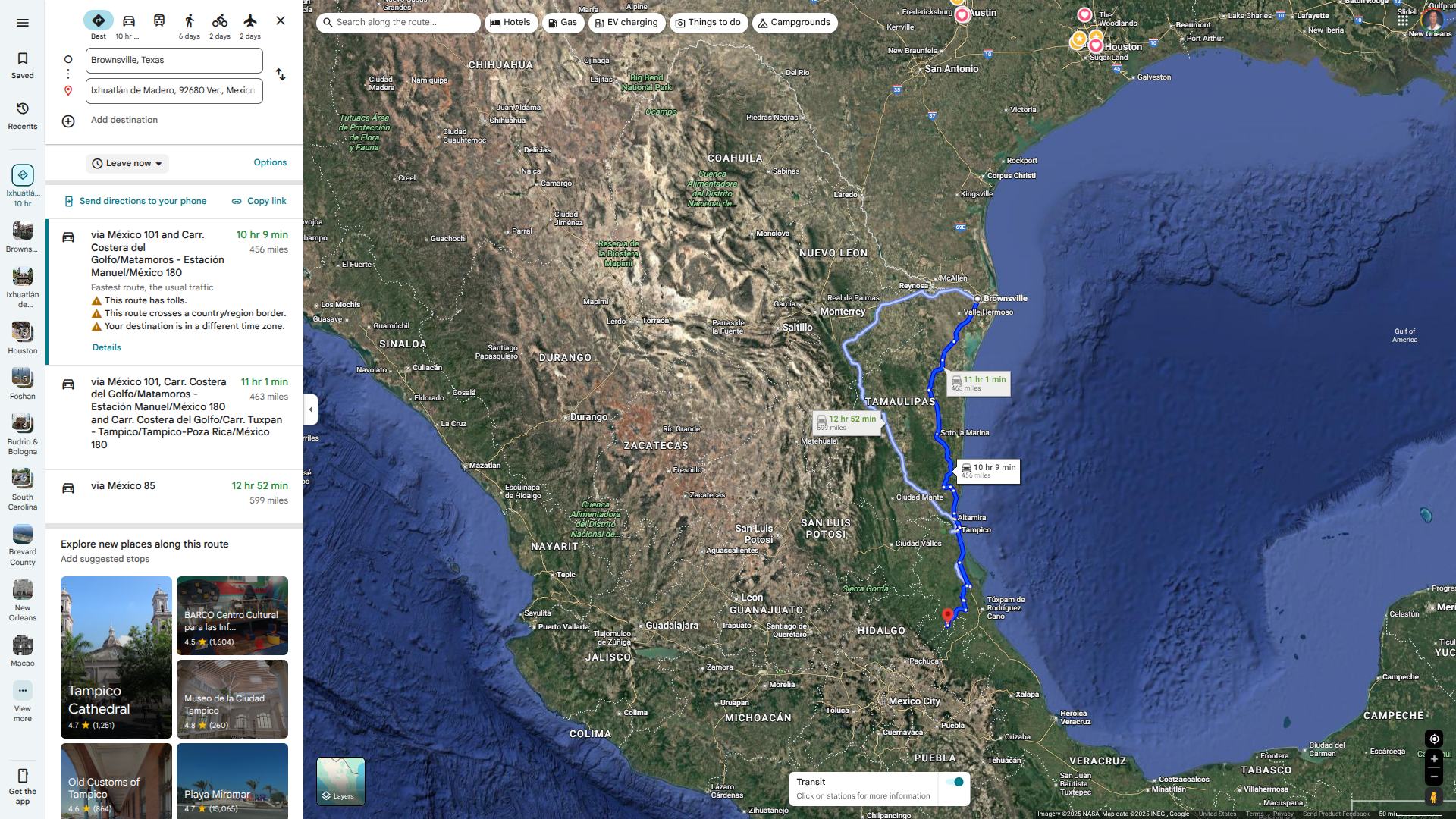
On July 9, 2025, Mexico's National Service of Agro-Alimentary Health, Safety, and Quality reported a new case of NWS in Ixhuatlan de Madero, Veracruz, Mexico, which is approximately 370 miles south of the US/Texas - Mexico border.
“The United States has promised to be vigilant, and after detecting this new NWS case, we are pausing the planned port reopenings to quarantine further and target this deadly pest in Mexico. We must see additional progress in combating NWS in Veracruz and other nearby Mexican states to reopen livestock ports along the Southern border," commented US Secretary of Agriculture Brooke L. Rollins, in a press release.
As of August 6, 2024, there are no NWS vaccines available.
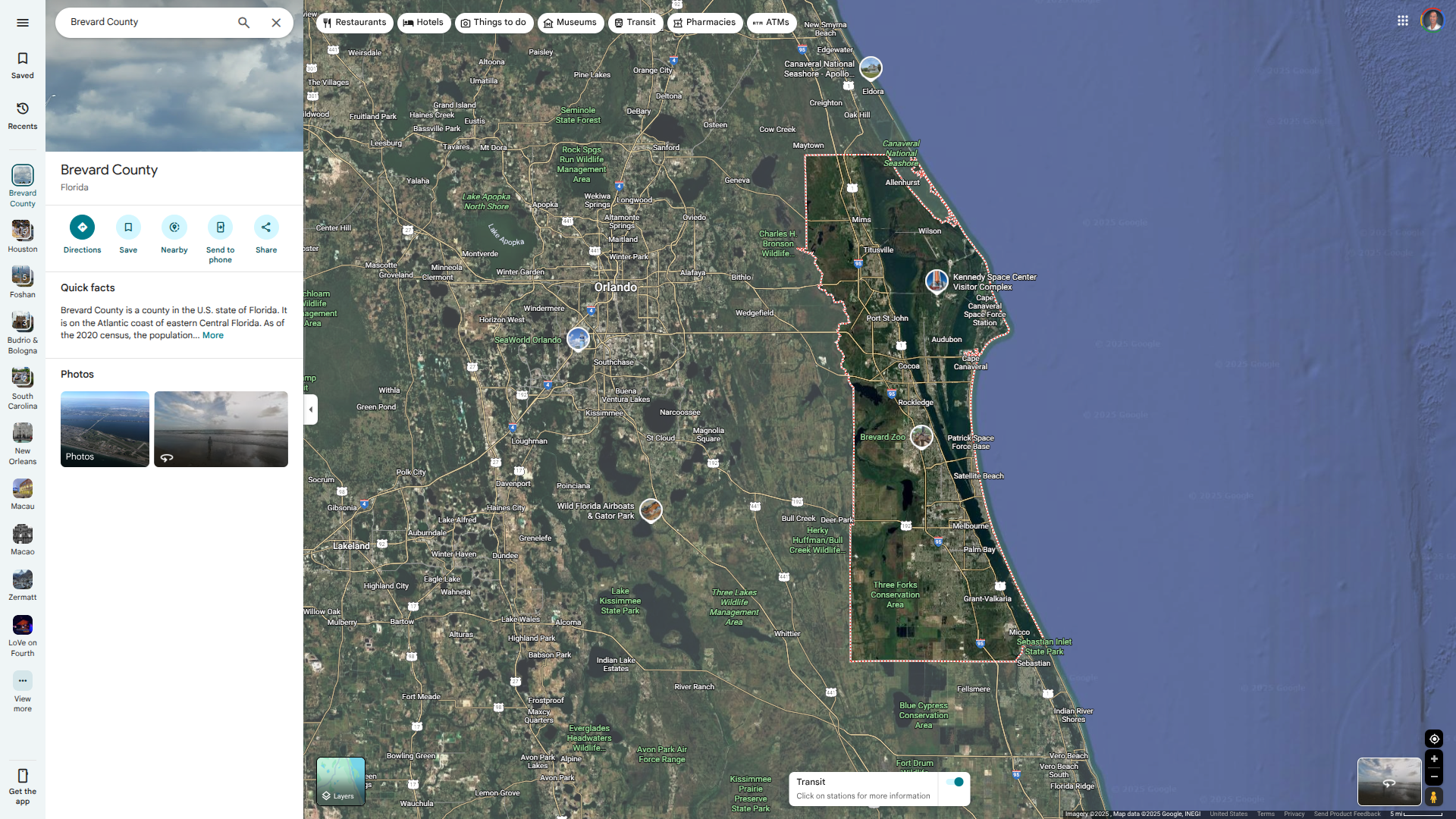
Historically, local cases of dengue fever have been concentrated in Miami-Dade County. However, recent reports indicate that mosquitoes in northeast Florida are now also transmitting the disease, placing about 600,000 people at risk.
On August 2, 2025, the Brevard County health department reported its sixth locally acquired dengue case of the year.
In response, the Florida Department of Health in Brevard County (DOH-Brevard) has issued a Mosquito-Borne Illness Alert that expires in September 2025.
DOH-Brevard and Brevard County Mosquito Control are coordinating surveillance and prevention efforts along this Atlantic Ocean coastal community by enhanced monitoring for mosquitoes and diseases, as well as targeted mosquito treatment and overnight spraying to reduce the risk of disease transmission.
This area of Florida includes these cities: Melbourne, Titusville, and Cocoa Beach. And to the west, Orlando.
Two other local dengue cases were reported by Miami-Dade in 2025.
Furthermore, there have been over 120 travel-related dengue cases confirmed in Florida in 2025.
Dengue fever is not contagious, causes flu-like symptoms, and can be prevented with vaccination. Currently, a first-generation dengue vaccine is being evaluated in children living in Puerto Rico.
Globally, a second-generation dengue vaccine is offered in numerious countries in 2025.

Since the start of the outbreak in May 2022, the Monkeypox virus (MPXV) clade I and clade II have been detected circulating in multiple countries, including those in Europe.
As of July 28, 2025, there have been 24,995 confirmed cases of mpox (MPX) reported from 29 EU/EEA countries.
Over the last seven weeks, the European CDC reported 12 EU/EEA countries reported 94 mpox cases.
These countires are led by Germany (56), followed by Spain (14), France (6), Netherlands (5), Belgium (3), Czechia (2), Portugal (2), Sweden (2), Ireland (1), Italy (1), Romania (1) and Slovenia (1).
The ECDC stated on August 1, 2025, that the overall risk remains low for most European populations. However, as summer travel and Pride season are ongoing, transmission of the MPXV could increase, and it is essential to raise awareness of this vaccine-preventable disease.
To the west of Europe, the United Kingdom has reported 14 mpox cases this year in England. As of the end of June 2025, most of these mpox cases have reported direct or indirect links to travel to countries where mpox clade Ib is circulating.
As of August 5, 2025, an effective and safe mpox vaccine (JYNNEOS®, MVA-BN®, IMVAMUNE®) is available throughout Europe and in the United States.

The Louisiana Department of Health (LDH) recently announced it was urging residents to take precautions to prevent infection from Vibrio vulnificus.
As of July 31, 2025, 17 cases of Vibrio vulnificus have been reported by LDH among Louisiana residents. All of these patients were hospitalized, and four of these illnesses resulted in death.
Of those 17 cases, 75% reported wound/seawater exposure.
During the same period over the previous 10 years, an average of seven Vibrio vulnificus cases and one death have been reported each year in Louisiana.
LHD says Vibrios are bacteria that naturally live in warm coastal waters and are found in higher numbers between May and October, when water temperatures are warmer.
About a dozen species of Vibrio can cause human illness. Some species, such as Vibrio vulnificus, can cause severe and life-threatening infections. Many people with Vibrio vulnificus infection can become seriously ill and need intensive care or limb amputation.
About one in five people with this infection dies, sometimes within a day or two of becoming ill. It can cause illness when an open wound is exposed to coastal waters or when a person eats raw or undercooked seafood, particularly oysters.
LHD wrote in this press release the precautions that can help keep you safe:
Stay out of brackish or salt water if you have a wound, including cuts and scrapes.
Wash wounds and cuts thoroughly with soap and water if they have been exposed to brackish or salt water, raw seafood, or raw seafood juices.
Use caution when consuming raw or undercooked seafood, especially if you have a weakened immune system, are pregnant, or have certain medical conditions like liver or stomach disorders. And wear protective gloves when handling raw seafood.
More information from LDH can be found at this U.S. CDC link.
Along the eastern Gulf of America, Florida reported 11 Vibrio vulnificus infections in various countries this year.
The Florida Department of Health reported that fatalities had occurred in Hillsborough, Bay, Broward, and St. Johns counties in 2025.
In 2024, Florida reported 82 cases and 19 fatalities, many in Citrus, Hernando, Hillsborough, Lee, Pasco, Pinellas, and Sarasota counties.

Throughout 2025, the Florida Department of Health has reported travel-related cases of Dengue fever and Oropouche fever in international travelers returning from Cuba.
Recent data from the Pan American Health Organization indicates that Chikungunya fever, which is also transmitted by mosquitoes, may soon be added to Florida's list of health concerns.
As of August 5, 2025, there have been a total of eight locally acquired Chikungunya cases reported in Cuba this year, with an outbreak confirmed in the Matanzas municipality of Perico, according to the Pedro Kourí Institute of Tropical Medicine.
In Florida, four travel-related cases of Chikungunya were confirmed as of July 2025, with the countries of origin being Bolivia, Brazil, Indonesia, and Sri Lanka.
Fortunately, Chikungunya is a vaccine-preventable disease, with two options available in the United States.
Furthermore, Florida has confirmed 59 dengue cases related to travel from Cuba have been reported in 2025.
Additionally, in 2024, there were 103 reported cases of Oropouche fever among individuals who had traveled to endemic regions, including Cuba.
Cuba is currently included in Oropouche Travel Health Advisories issued by the U.S. CDC.
The CDC recommends that when planning a visit to Cuba, you speak with a travel vaccine advisor regarding routine and travel vaccine options at least one month before departure.

