Search API
The Texas Department of State Health Services (DSHS) announced today that the first locally acquired dengue virus case in Texas was reported in Cameron County, the southernmost county.
As of November 25, 2024, 106 travel-associated dengue cases, including one death, have been reported in Travis (Austin) (14), Dallas (13), and twenty other Texas counties.
This is the highest annual case count that DSHS has reported since 2002.
Last year, Texas reported 79 travel-related dengue cases and one locally acquired case in Val Verde County.
Most dengue outbreaks in the U.S. have been linked to travelers visiting endemic areas, including Mexico. Located south of the Rio Grande River, Mexico has reported over 480,000 dengue cases and 262 related deaths in 2024.
From a prevention perspective, no dengue vaccines are currently unavailable in the U.S.

In Europe, dengue outbreaks are primarily associated with infections acquired in endemic countries. Local transmission remains rare, with only sporadic, small-scale outbreaks.
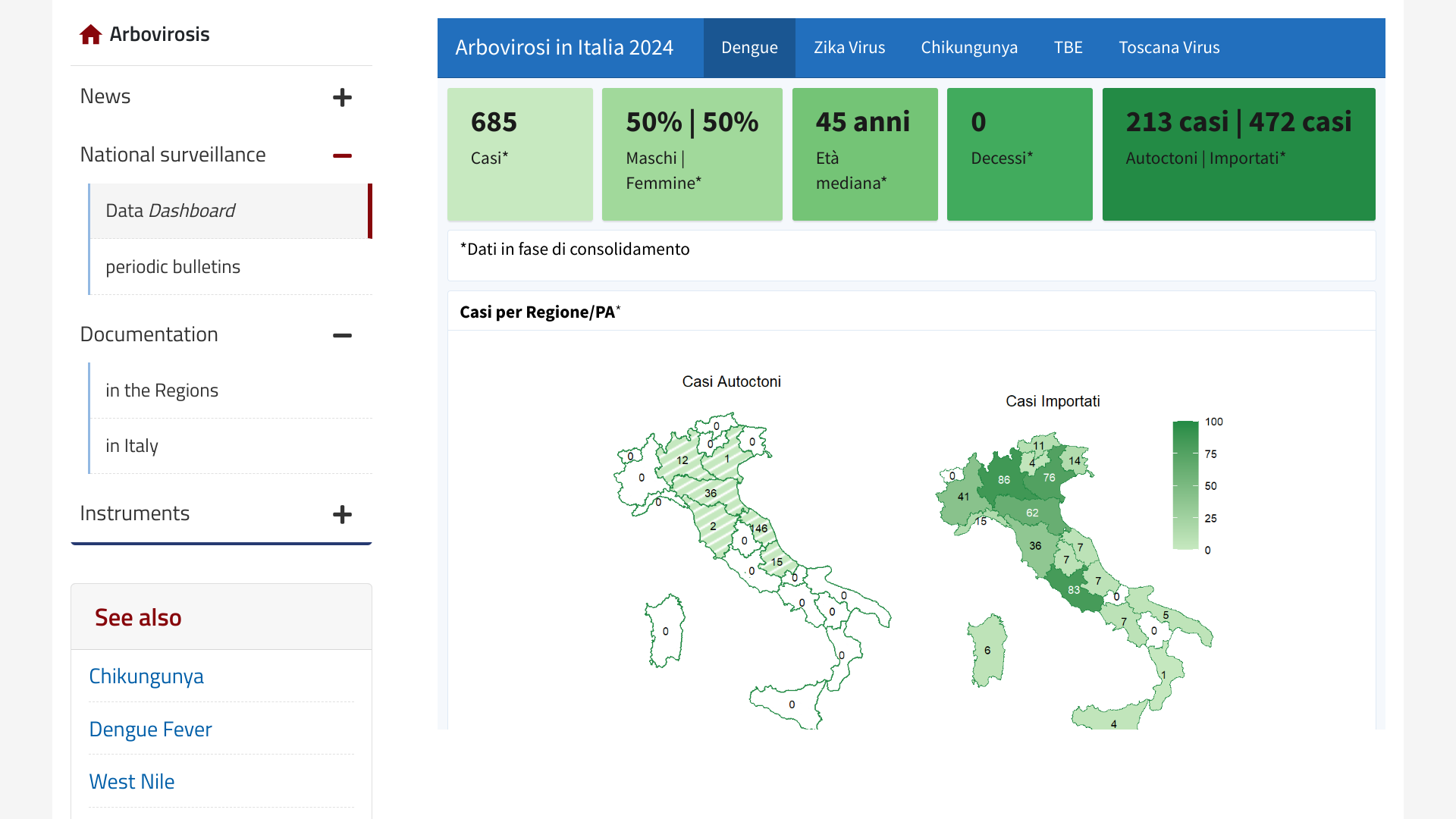
However, according to a Rapid Communication published by Eurosurveillance, Volume 29, Issue 47, on November 21, 2024, Italy's Marche Region experienced a locally-acquired dengue outbreak that peaked in early October 2024.
Fano, a small coastal city, reported autochthonous (local) cases beginning in August. By the end of October, 138 confirmed and 61 probable cases of DENV-2 had been notified.
In total, the Italian National Public Health Authority has reported 213 locally acquired dengue cases in 2024.
Of note, the U.S. CDC's updated Global Dengue Level 1 - Practice Usual Precautions, Travel Health Advisory listed 26 countries, but not Italy.
From a prevention perspective, Takeda's second-generation QDENGA® tetravalent dengue vaccine was approved in Italy in 2023. Unfortunately, it is not offered in the United States in 2024.
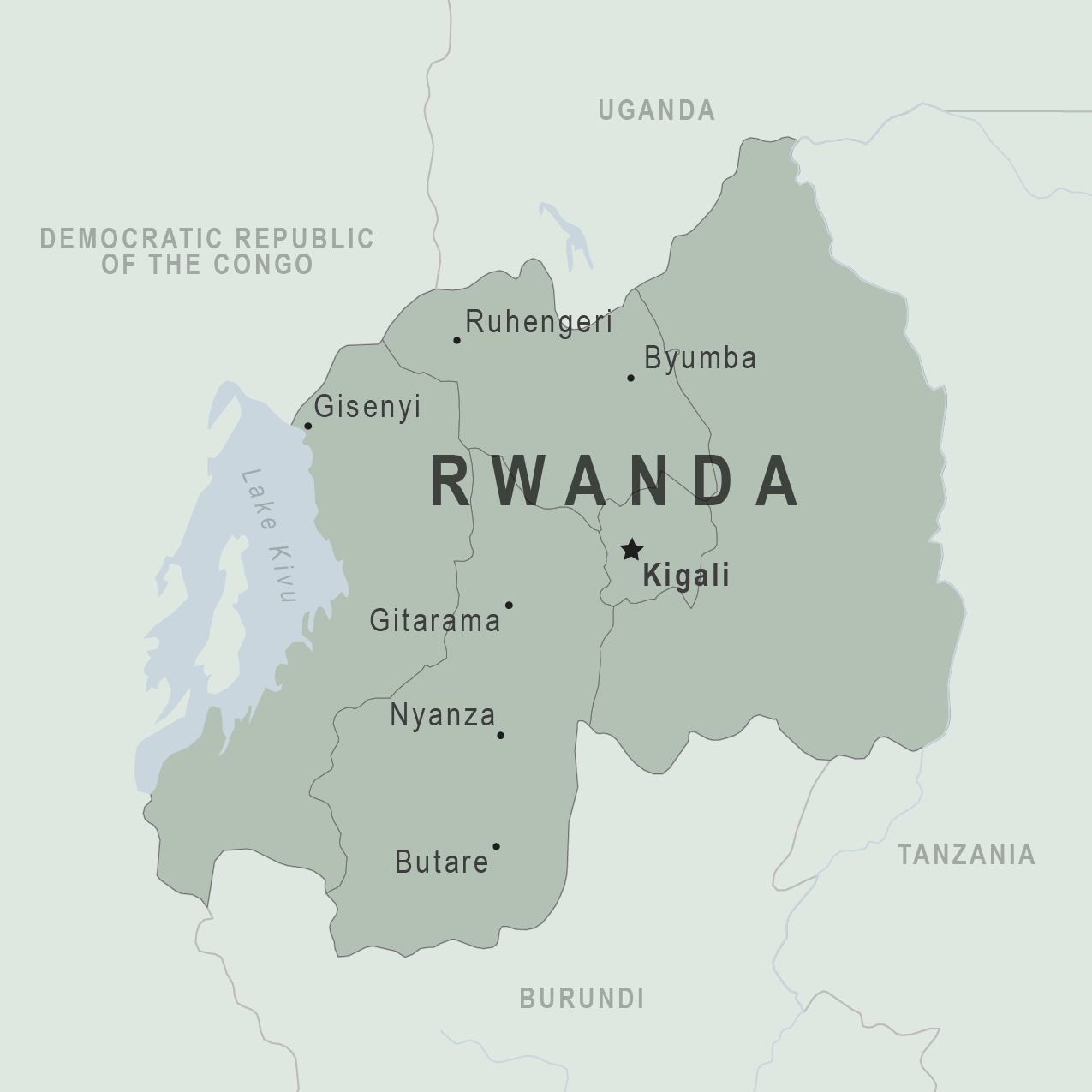
While the countdown continues towards the end of the Republic of Rwanda's Marburg disease outbreak, the U.S. Centers for Disease Control and Prevention (CDC) updated its Travel Health Advisory.
On November 22, 2024, the CDC stated that the last known patient with Marburg was discharged from the hospital with a negative test on November 8, 2024. That's when Rwanda started the 42-day countdown to declare the outbreak's end.
Over 1,700 experimental vaccines were delivered to Rwanda during the outbreak, which led to 15 related deaths.
The Africa CDC commended the U.S. government for its decisive action to reduce the Level 3, Reconsider Nonessential Travel advisory for Rwanda, initially issued on October 7, 2024.
“Africa CDC’s unwavering commitment was instrumental in ensuring that the Marburg outbreak remained contained within Rwanda’s borders, preventing further regional or international spread,” said Minister of Health Dr. Sabin Nsanzimana in a press release on November 23, 2024.
The CDC says travelers to Rwanda should review information on routine precautions, such as vaccinations targeting mpox, malaria, measles, dengue, and chikungunya.
When departing abroad from the United States in 2024, chikungunya and measles vaccines are available at travel clinics and pharmacies.
The U.K. Travel Health Pro says international travelers should ideally arrange an appointment with their health professional at least four to six weeks before travel. However, even if time is short, an appointment is still worthwhile.
The Florida Department of Health (FDH) published its Arbovirus Surveillance Update 46 on November 16, 2024, disclosing mosquito-borne disease cases, including chikungunya and dengue fever.
In Florida, 14 species of mosquitoes have been found to transmit diseases to humans.
As of November 2024, Alachua, Bay, Broward, Holmes, Madison, Mantatee, Nassau, Orange, Palm Beach, Pasco, Pinellas, Sarasota, and Volusia counties are under a mosquito-borne illness advisory.
Additionally, Duval, Hillsborough, Marion, Miami-Dade, Monroe, and Walton counties are currently under a mosquito-borne illness alert.
- 786 travel-associated dengue cases were reported, mainly by Brazil, Cuba, and Puerto Rico visitors.
- 90 Oropouche cases were reported in individuals with a travel history to an endemic area such as Cuba. Miami-Dade led the Florida counties with 53 cases.
- 66 cases of locally acquired dengue were reported from six counties, led by Miami-Dade with 40.
- 63 cases of malaria were reported in individuals with a travel history to a malaria-endemic area, such as Africa (Nigeria).
- 9 chikungunya cases with an onset in 2024 have been reported in individuals with a travel history to Brazil (5) and India (4).
The U.S. Centers for Disease Control and Prevention, Canada Health, and the United Kingdom have not issued vaccination requirements for visitors to Florida in 2024.
In Florida, the newly approved chikungunya vaccine (IXCHIQ®) is available at many pharmacies, but dengue and malaria vaccines are currently unavailable in the U.S.



Over the past few days, announcements have indicated more people may visit the Republic of El Salvador next year.
On November 1, 2024, Volaris El Salvador and Miami International Airport officials celebrated the launch of four weekly nonstop flights between San Salvador and Miami, Florida. In 2025, additional U.S. cities will also offer direct flights to this Central American destination.
On November 8, 2024, the U.S. Embassy in El Salvador reported significantly reducing gang-related activity and associated crime in the last two years. Recognizing these positive changes, the U.S. Department of State reduced its travel advisory to Level 2.
To keep visitors informed of local issues, the State Department recommends using major highways and roads and minimizing travel outside metropolitan areas when visiting El Salvador. It also recommends that visitors enroll in the Smart Traveler Enrollment Program to receive alerts and make locating you in an emergency easier.
From a health perspective, the U.S. CDC says dengue outbreaks are a year-round risk in many parts of the world, including El Salvador. As of November 2024, over 7,200 dengue cases were reported, an increase from the 5,788 cases confirmed last year.
Additionally, chikungunya, another mosquito-transmitted disease, has been confirmed in 47 people this year.
"For U.S. travelers with plans to visit El Salvador, it's essential to receive the hepatitis A and typhoid fever vaccines before visiting because you'll want to sample many of the excellent Salvadorian foods while on vacation. Be sure you're up-to-date on all routine vaccines, like hepatitis B, flu, measles (MMR), and tetanus," Jeri Beales, MSN, R.N., informed Vax-Before-Travel.
"Mosquitos are also a problem throughout El Salvador, and cases of dengue fever are on the rise this year. Unfortunately, no vaccine is available in the U.S. to protect people against dengue, so be sure to use an insect repellant with at least 20% DEET."
"But, the good news for U.S. travelers is you can now vaccinate (IXCHIQ®) against the chikungunya illness and travelers no longer need to take malaria medication while in El Salvador because it has been eradicated from all parts of the country," added Beales, who leads Destination Health Clinic. This Boston-area travel health provider specializes in health education and vaccination for international travelers.
The CDC suggests visiting your healthcare provider at least a month before your trip to El Salvador to acquire necessary vaccines such as chikungunya or typhoid. Visit the CDC's page for the latest Travel Health Information.

