Search API
The Department of State Health Services (DSHS) has launched a new sterilization program for dogs and cats to maximize the impact of sterilization across both urban and rural communities in Texas.
DHSH confirmed on March 19, 2026, that the Texas Spay and Neuter Program has received $13 million from the legislature to fund this initiative for two years. Organizations selected for the program must employ or subcontract with a veterinarian who has significant spay-and-neuter experience.
Operating through 2026-2027, this pilot program is designed to protect human health by reducing the number of dogs and cats at risk of unplanned breeding, which can lead to the transmission of infectious diseases such as rabies.
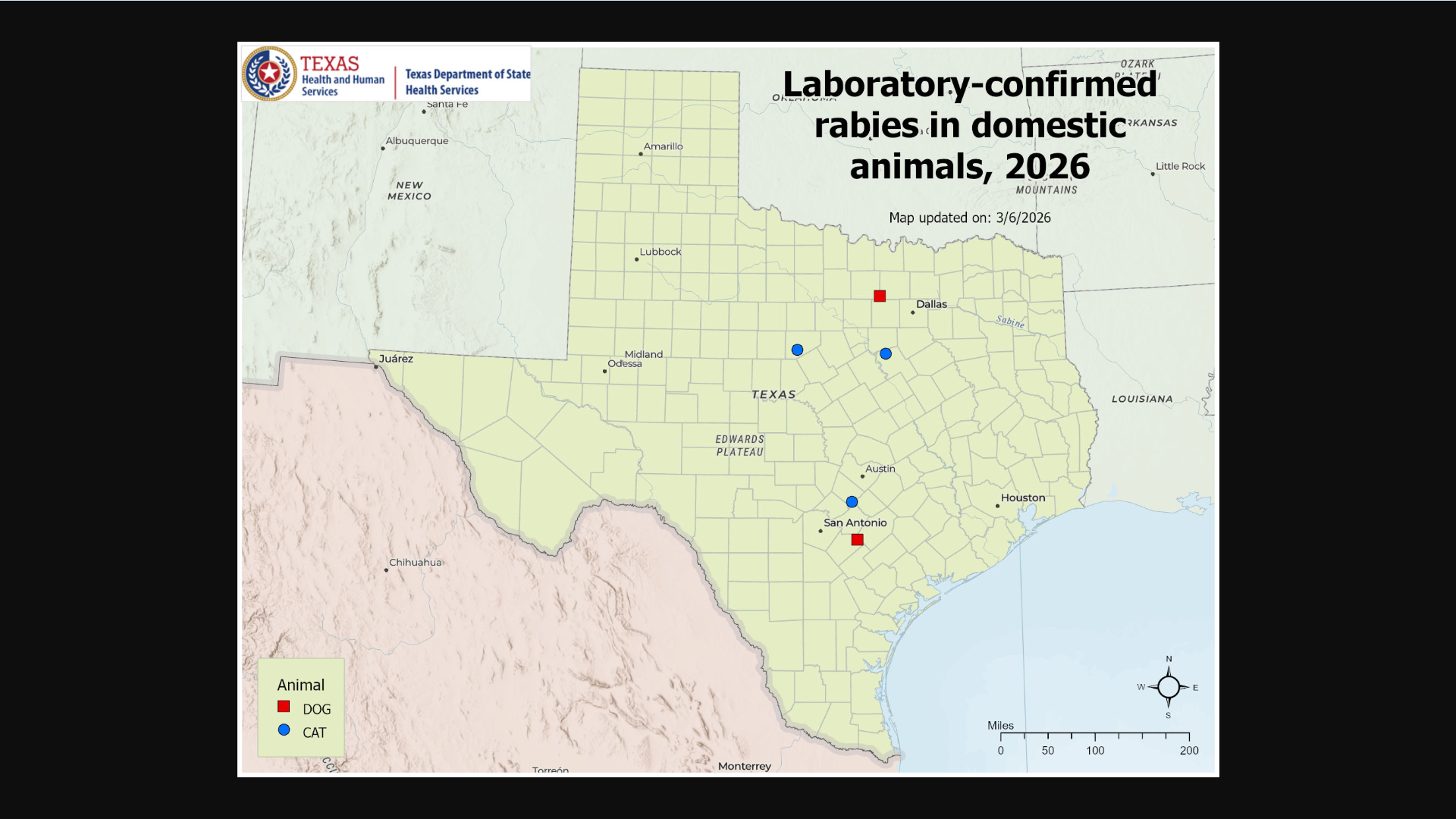
At least 33 confirmed animal rabies cases were reported by mid-March 2026.
From a local perspective, the most affected area in Texas was Travis County (Austin), with 68 cases in 2024, and patterns suggest a similar or higher number of cases in 2025.
From a disease prevention option for people, various clinics and pharmacies in Texas offer rabies vaccination services in 2026.
In addition to mitigating health risks for humans, spaying and neutering can also reduce the risk of cancer and other diseases in these animals. Research indicates that spayed and neutered cats and dogs tend to live longer on average.
For more information about the program, you can visit the Texas Spay and Neuter Program website.
Additionally, DSHS funds the Texas Animal Friendly Program, which assists communities in providing low-cost spay-and-neuter surgeries through the sale of custom Texas license plates that promote animal friendliness.
As the spring season of 2026 transitions into summer vacation planning, Belize is poised to welcome an influx of American visitors, thanks to its dry-season sunshine.
Known for its world-famous Barrier Reef, this Central American country is an ideal destination for snorkelers, divers, and adventure seekers alike.
Belize's tourism sector continues to recover strongly following the pandemic. In 2025, overnight arrivals totaled approximately 551,698, with Americans accounting for about 65-67%—around 372,300 visitors.
However, health officials are advising travelers to take precautions against mosquito-borne illnesses before boarding an airplane, as their activity has varied in recent years. Belize is currently monitoring four key mosquito-borne illnesses: dengue, chikungunya, Zika, and malaria.
Dengue: This is the most common health threat, with official reports showing roughly 232 cases as of March 2026 and 2,794 in 2025. Localized spikes in cases have occurred, particularly in the Belize District.
Chikungunya: No cases were reported in 2026 and 2025; however, 36 confirmed cases were reported nationwide in 2024.
Zika: There were 31 confirmed cases in Belize in 2024.
Malaria: Belize has maintained malaria-free certification from the World Health Organization since June 2023. Only sporadic imported cases were reported in 2025-2026, with no sustained local transmission.
Additionally, cases of New World screwworm myiasis have been reported in countries where it had previously been eliminated, including Belize.
The U.S. Centers for Disease Control and Prevention (CDC) provides clear guidance for travelers to Belize. No vaccines are required for entry, but routine and travel vaccinations are strongly recommended.
With record levels of U.S. tourism on the horizon and proactive health measures in place, millions of Americans can enjoy safe, memorable trips to Belize. Always check the latest CDC Travelers' Health page for the latest Belize news and consult a travel vaccine provider before departure.
Separately, the U.S. Department of State says, "Visiting Belize: Exercise increased caution in some areas, such as the Southside of Belize City."

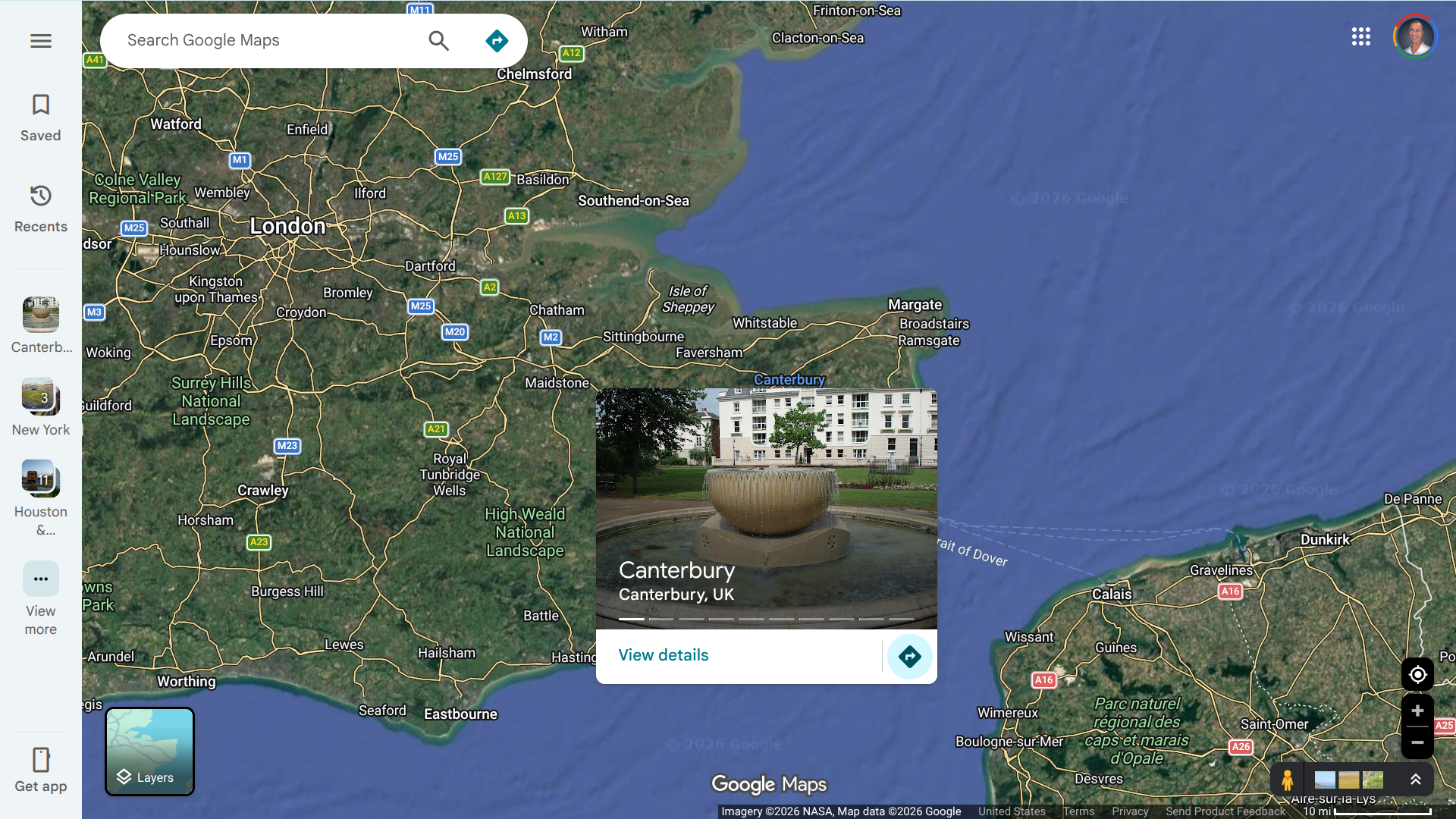
UK health officials today confirmed that they are investigating a concerning outbreak of invasive meningococcal disease in the Canterbury area of Kent, located in southeast England.
This outbreak involves invasive meningococcal disease, a serious bacterial infection that can lead to meningitis and septicaemia.
The UK Health Security Agency (UKHSA) reported that as of March 17, 2026, there have been 15 epidemiologically linked cases, including two fatalities.
Four of the cases have been laboratory-confirmed as group B meningococcal disease (MenB), which has been responsible for the majority of such infections in the UK in recent years. The remaining cases are still under investigation. Several affected individuals are students and are currently in serious condition in the hospital.
Close contacts of the confirmed cases are being traced and will be offered precautionary antibiotics to help limit the spread of the disease.
The UKHSA has linked many of the cases to social venues and networks in Canterbury, with reports suggesting that a significant number of infections can be traced back to visits to Club Chemistry nightclub between March 5 and 7, 2026.
The UKHSA emphasizes that there is currently no evidence of spread beyond the Kent area, and efforts are focused on containment.
Symptoms of meningococcal disease can develop quickly and may include fever, headache, stiff neck, vomiting, sensitivity to light, a non-blanching rash (which does not fade under pressure), and confusion. Authorities urge anyone experiencing these signs—especially young people and students—to seek urgent medical attention, as early treatment is critical.
Although meningococcal disease remains rare overall, this cluster highlights the ongoing risks among adolescents and young adults in close-contact settings like universities, says the UKHSA.
In response to this outbreak, which officials describe as "unprecedented" and "very unusual," a targeted vaccination program using the MenB vaccine will be implemented in the coming days for students living in halls at the University of Kent. Since 2015, the MenB vaccine has been available in the UK.
Trish Mannes, UKHSA Regional Deputy Director for the South East, commented in a press release, "Once again we remind anyone who visited Club Chemistry between 5 and 7 March to come forward for preventative antibiotic treatment as a precaution, as well as those offered antibiotics at the university."
As of March 17, 2026, the U.S. CDC has not issued a Travel Health Notice regarding this disease outbreak in the UK, nor has it issued vaccination recommendations.
In the U.S., the Bexsero® (MenB-4C) vaccine is available at clinics and pharmacies.
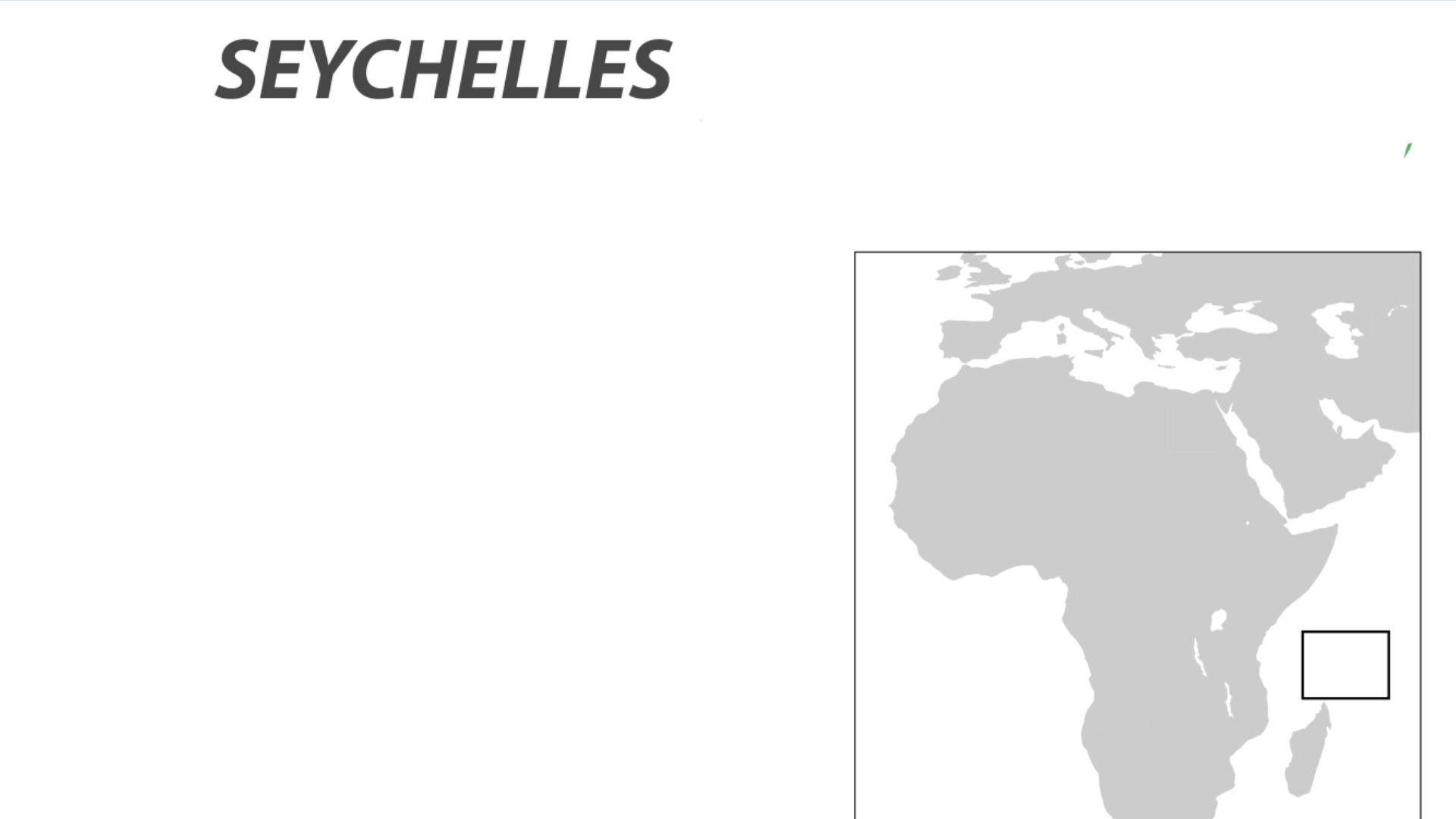
The European Centre for Disease Prevention and Control (ECDC) has reported a significant increase in travel-related cases of chikungunya virus disease among individuals returning from the Republic of the Seychelles, indicating an ongoing outbreak in this popular Indian Ocean destination.
Since November 2025 and as of March 13, 2026, over 110 travel-related cases have been documented across 13 EU/EEA countries among travelers returning from the Seychelles.
According to the ECDC report, this marks a notable rise compared to earlier months in 2025, with no cases linked to the Seychelles reported in previous years.
Local health authorities in the Seychelles have indicated that chikungunya is now more prevalent than other circulating arboviruses such as dengue or malaria.
Chikungunya is a viral illness primarily transmitted by Aedes mosquitoes, leading to symptoms such as high fever, severe joint pain, muscle pain, headache, nausea, fatigue, and rash. Although deaths from chikungunya are rare, the disease can cause debilitating long-term joint issues for some patients, and there is no person-to-person transmission, says the ECDC.
The Seychelles, a tropical island nation in the Indian Ocean located east of Africa, welcomed approximately 350,000 visitors last year.
Currently, the U.S. Department of State maintains a Level 1 travel advisory for the Seychelles for 2026.
The emergence of chikungunya in the Seychelles aligns with a broader regional spread throughout the Indian Ocean, particularly following a major outbreak in the French overseas department of Réunion in 2025.
In response to these concerns, the U.S. Centers for Disease Control and Prevention (CDC) issued a Level 2 Travel Health Notice — "Practice Enhanced Precautions" — for chikungunya in the Seychelles on February 5, 2026.
The CDC confirms an active outbreak in the country and emphasizes that protecting against mosquito bites is the primary line of defense. Additionally, if you are pregnant, reconsider travel to the affected areas, particularly if you are close to delivering your baby.
In the United States, Florida continues to report chikungunya cases.
This year, 21 cases of travel-related chikungunya fever have been reported among persons who traveled internationally. In 2025, 328 travel-related chikungunya cases, most from people who had visited Cuba.
While no specific antiviral treatment is available for chikungunya, supportive care can help manage symptoms, and approved vaccines became available in 2026.
International travelers are advised to consult healthcare providers or travel vaccine clinics before departure for personalized advice, including vaccination eligibility.
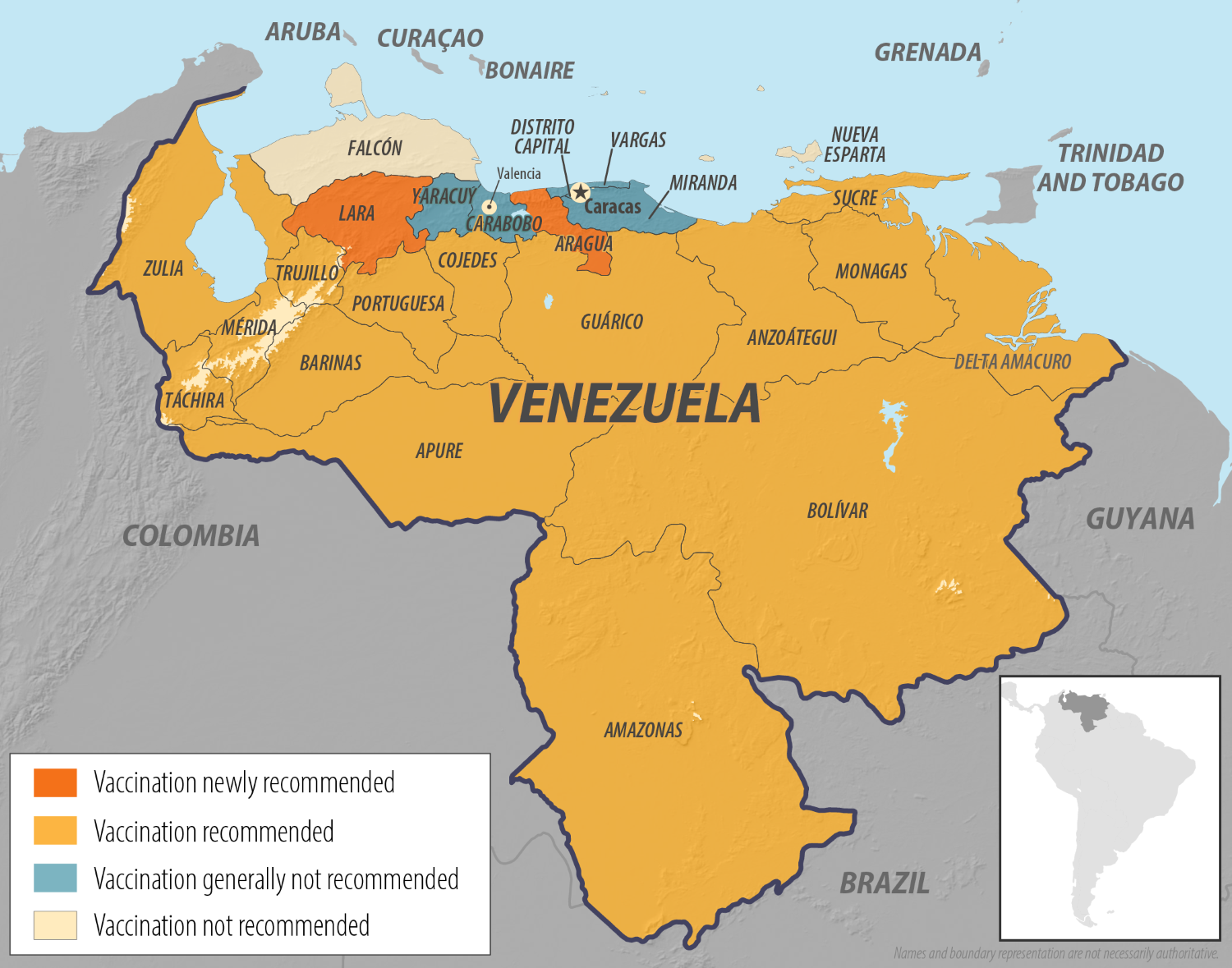
Health authorities in Venezuela are intensifying their efforts to combat a persistent yellow fever outbreak that began in 2025 and has continued into 2026.
As of late February 2026, Venezuelan health officials have confirmed 36 laboratory-verified human cases since the outbreak began, with at least six additional cases reported in the first seven weeks of 2026 alone, including one death.
According to recent reports from the Pan American Health Organization (PAHO) and Venezuelan officials, the outbreak has affected 14 states, marking a significant geographic expansion compared to previous localized incidents.
These confirmed cases have been reported across a wide area of the country. New areas affected include states such as Aragua, Barinas, Lara, and Portuguesa, which were not traditionally considered high-risk zones. This change has raised concerns about shifting transmission patterns, potentially influenced by environmental factors, reduced vaccination coverage in some regions, and population movements.
Venezuela's outbreak occurs amid broader regional challenges in South America, where 346 confirmed cases and 143 deaths were reported in 2025 across seven countries, such as Bolivia, Colombia, and Peru.
The PAHO says recent regional reports indicate that the case fatality rate hovers around 40-44%, highlighting the virus's lethality among those who develop serious illness.
In response, Venezuela's Ministry of People's Power for Health has launched a nationwide emergency vaccination drive using Stamaril (YF-VAX). Health Minister Nuramy Gutiérrez emphasized that a single dose of the yellow fever vaccine provides lifelong immunity.
As of March 16, 2026, the U.S. Centers for Disease Control and Prevention (CDC) maintains a Level 2 - Practice Enhanced Precautions travel notice for yellow fever in Venezuela. They advise travelers to get vaccinated at least 10 days before visiting at-risk areas, especially those located below approximately 2,300 meters (7,550 feet) in elevation.
The CDC advises travelers planning to visit Venezuela or other outbreak areas in 2026 to consult a healthcare provider or travel vaccine clinic well in advance, as not all facilities stock the yellow fever vaccine.
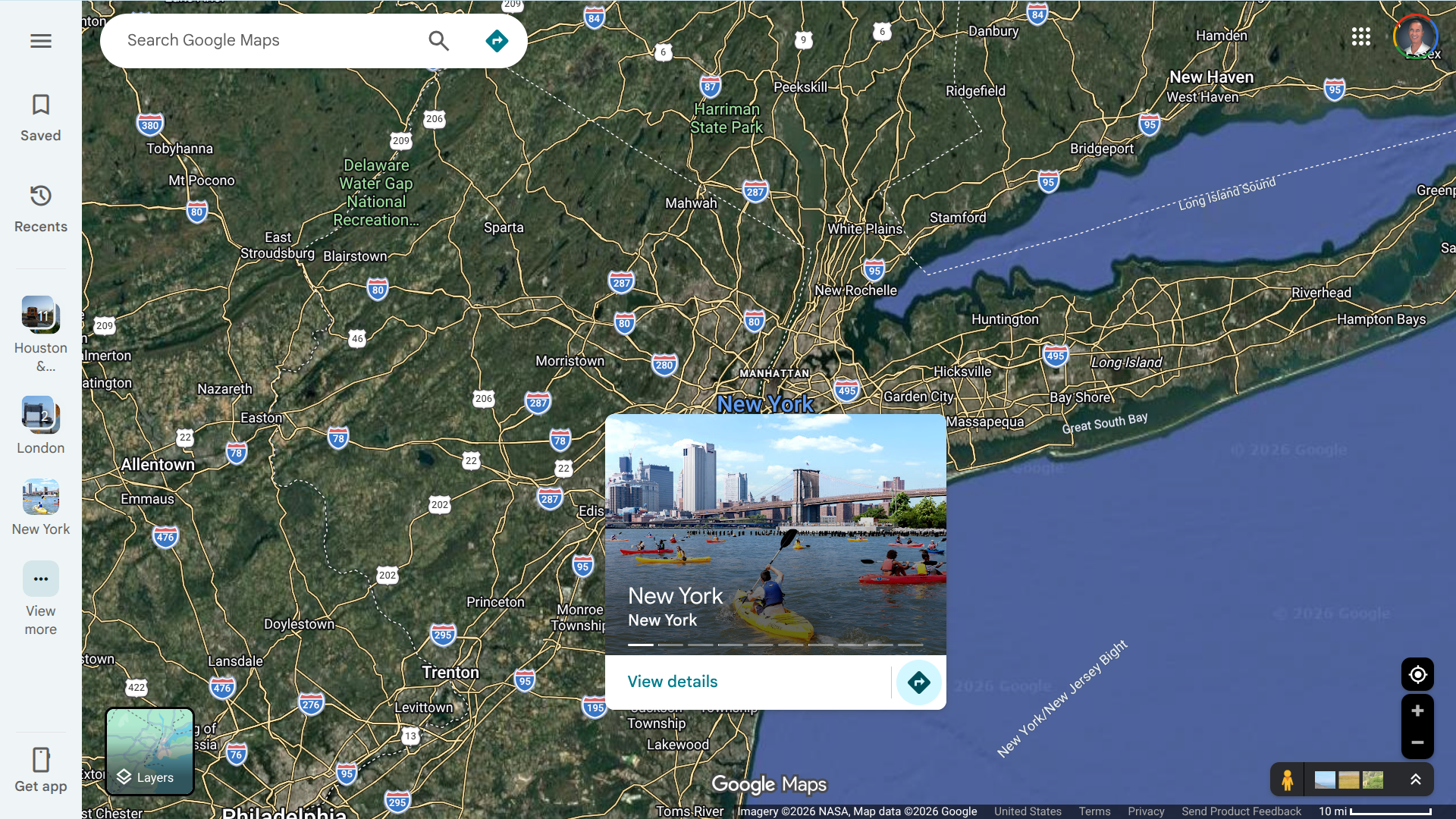
The New York City Health Department (NYCDH) recently confirmed the city's first known case of mpox clade I, a more severe strain of the sexually transmitted virus.
This case, announced by NYCDH on March 13, 2026, involves an individual who recently traveled to Europe. Officials have emphasized that this infection is travel-related, with no evidence of local transmission in New York City or its five boroughs.
The affected person has developed symptoms, sought medical care, and is currently isolating until their symptoms resolve completely.
Currently, NYCDH has not publicly disclosed the specific borough, neighborhood, ZIP code, or any other precise location within NYC for this mpox case.
"There is no known local transmission of mpox clade I in New York City, and the risk remains low for New Yorkers," stated NYC Health Commissioner Dr. Alister F. Martin.
As of today, there have been twelve clade I mpox diagnoses reported in the United States.
Clade I mpox, which is associated with ongoing outbreaks in parts of Africa, can cause more severe illness than the clade II strain responsible for the global outbreak that began in May 2022. Symptoms typically include a painful rash, fever, chills, swollen lymph nodes, and muscle aches.
The virus spreads primarily through close or intimate contact, including sexual contact.
NYCDH stressed that while the public risk is low, vaccination remains a key preventive tool, especially amid international travel.
NYC officials and the U.S. CDC continue to recommend Bavarian Nordic's JYNNEOS® (MVA-BN®) vaccination for at-risk groups.
A meta-analysis of 16 studies published in 2024 revealed that the vaccine efficacy (VE) for a single preexposure prophylactic JYNNEOS dose ranged from 35% to 86%, and the VE for two doses ranged from 66% to 90%.
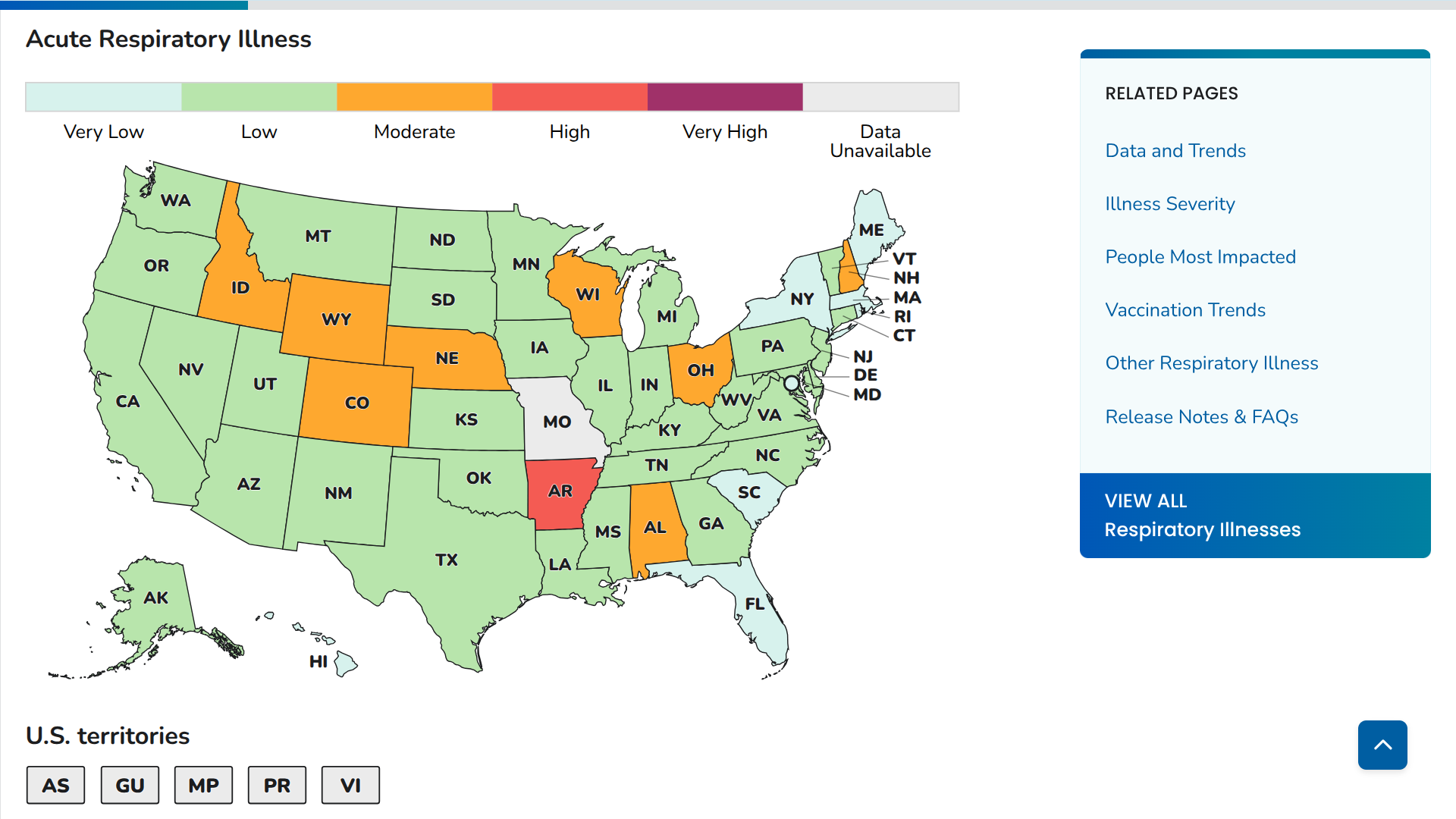
In preparation for the next Respiratory Syncytial Virus (RSV) season, which generally begins in Florida, the U.S. Food and Drug Administration (FDA) recently expanded the age range for Arexvy, an approved vaccine.
This GSK vaccine now includes adults aged 18 to 49 who are at increased risk for lower respiratory tract disease (LRTD) from RSV.
Previously, this vaccine was approved for most adults aged 60 and older, as well as those aged 50 to 59 with underlying health conditions who face heightened risks. It's important to note that this vaccine isn't designed for use by pregnant individuals.
Sanjay Gurunathan, GSK's Head of Vaccines and Infectious Diseases Research and Development, expressed optimism about the expansion in a press release issued on March 13, 2026, saying, "This age extension addresses a significant need for adults in the U.S. who are at higher risk for severe RSV disease due to certain medical conditions."
"It also helps alleviate pressure on our healthcare system."
GSK stated it is advancing its regulatory submissions globally to expand the availability of its RSV vaccine and support long-term growth goals.
According to the U.S. CDC, RSV can have a notable impact on younger adults as well, with the annual estimates showing around 17,000 hospitalizations, 277,000 visits to emergency departments, and a staggering 1.97 million outpatient visits among those aged 18 to 49.
As of February 22, 2026, the CDC reported that 43.2% of adults aged 75 years and older and 32.8% of adults aged 50─74 years with a high-risk condition for RSV reported having ever received an RSV vaccine.
RSV vaccines are available throughout the USA at various clinics and pharmacies.
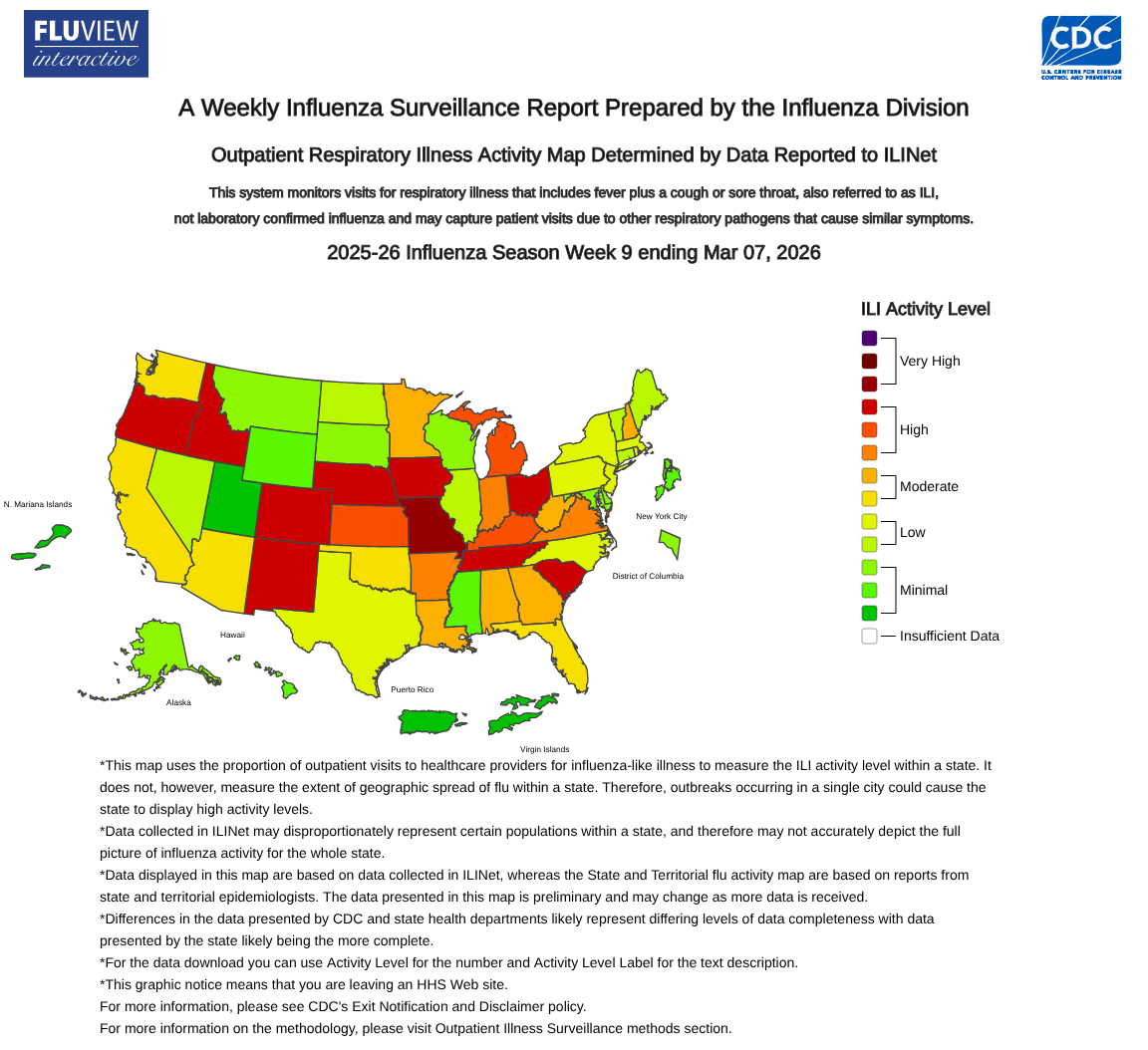
As the 2025-2026 influenza season comes to an end, the U.S. government recently released early data regarding the effectiveness of this year's flu shot.
On March 12, 2026, the U.S. CDC's Morbidity and Mortality Weekly Report (MMWR, 75(9);124–128) noted that influenza vaccine effectiveness (VE) can vary each year based on several factors, including the antigenic similarity between the vaccine and circulating viruses, as well as patient characteristics. VE can be estimated using data from paired laboratory surveillance and vaccination records.
According to the MMWR, the estimated VE against laboratory-confirmed influenza for all age groups in California during the period from October 2025 to January 2026 was 33% (32% effectiveness against influenza A and 47% against influenza B).
The CDC stated that these results suggest that influenza vaccination is associated with a decreased likelihood of laboratory-confirmed influenza among both children and adults.
Furthermore, the CDC recommends annual influenza vaccination for all individuals aged 6 months and older to reduce the risk of influenza and its associated adverse health outcomes.
Additionally, some individuals located in high-risk areas may consider receiving a second flu shot in the later stages of flu season.
For the fast-approaching 2026-2027 flu season, the Vaccine and Related Biological Products Advisory Committee recently endorsed recommendations for viral strains to include in flu shots.
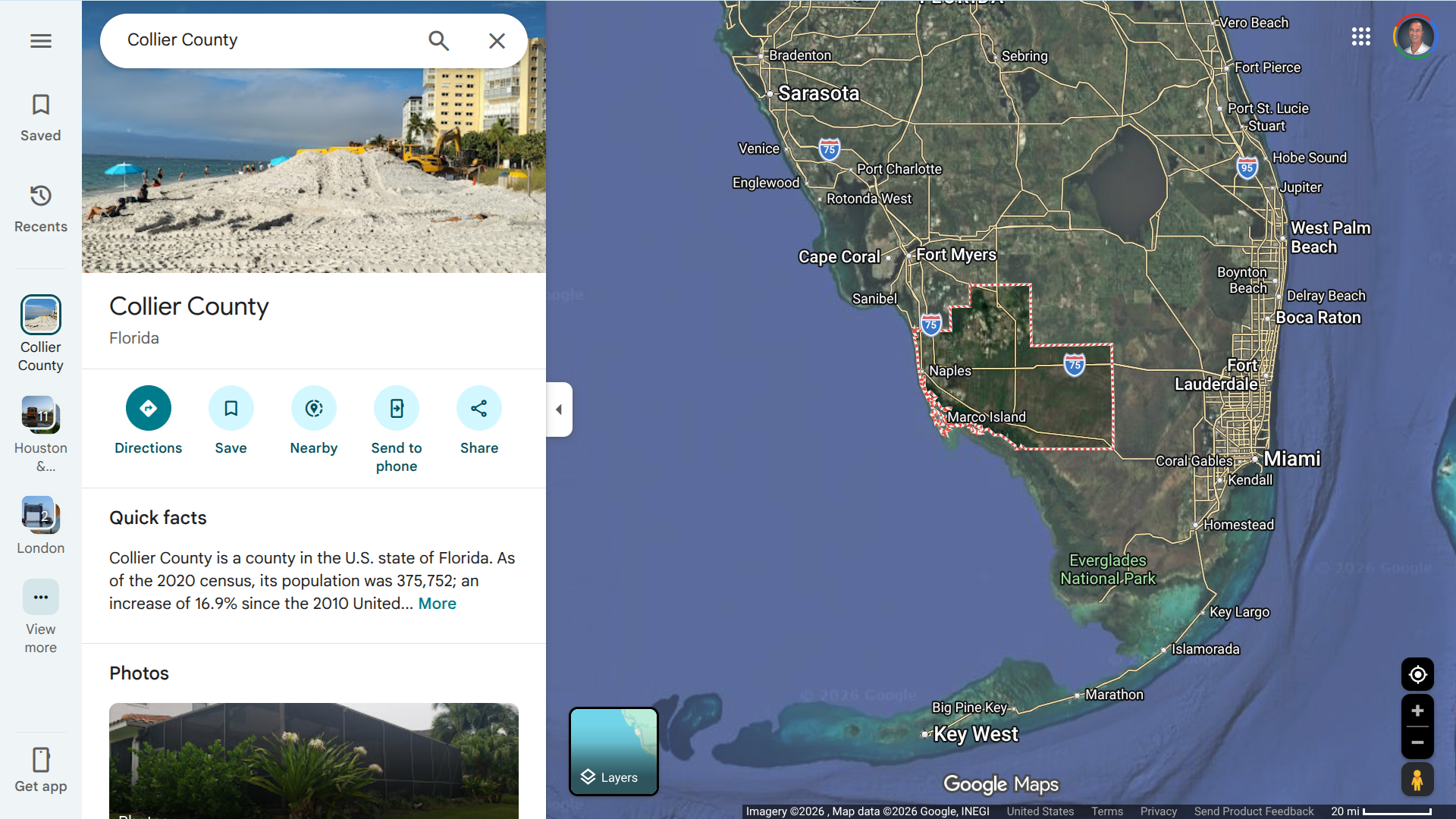
With measles outbreaks accelerating in various states in March 2026, Florida's west coast continues as one of the unfortunate market leaders.
According to the Florida Department of Health's Reportable Diseases Frequency Report, the state has recorded 132 measles cases statewide so far in 2026, with Collier County accounting for the majority of infections.
Located southeast of Fort Myers and east of Naples, Ave Maria University's most recent health update as of March 16, 2026, notes that the Department of Health's website reported 93 confirmed and probable cases in Collier County through the end of February.
The university also states that there are currently zero nurse-assessed confirmed active cases on campus.
School officials emphasize that the vast majority of the Ave Maria community is vaccinated with the MMR vaccine.
Additionally, one confirmed case has been reported at the nearby Donahue Academy, a K-12 private school adjacent to Ave Maria University, indicating some community spread beyond the campus.
Florida DOH-Collier continues to collaborate with Ave Maria University to provide on-campus resources, including pre- and post-exposure guidance and MMR vaccinations at its Naples and Immokalee sites. The department urges anyone who may have been exposed or who is unvaccinated and eligible to seek preventive options promptly.
Florida residents with concerns about potential exposure or vaccination status are encouraged to contact DOH-Collier or visit their local health department for assistance.
Furthermore, Florida continues to report travel-related and locally acquired mosquito-transmitted cases of chikungunya, dengue, and malaria in 2025 and early 2026.