Search API
The U.S. Centers for Disease Control and Prevention (CDC) today reported there are outbreaks of Rift Valley fever (RVF) in Mauritania and Senegal.
In a Level 1 Travel Health Notice published on December 11, 2025, the CDC says RVF is an acute viral hemorrhagic fever that causes illness in livestock and people.
However, there is currently no evidence of person-to-person transmission of RVF, which was first identified in 1931 in Kenya.
According to previous WHO data, in Mauritania, between September 27 and October 30, 2025, a total of 46 confirmed human cases of RVF, including 14 associated deaths (case fatality ratio: 30%), were reported in eleven districts from thirteen regions.
In Senegal, between September 20 and October 30, 2025, the Republic of Senegal reported a total of 358 confirmed human cases of RVF, including 28 deaths (case fatality rate: 7.8%).
The CDC says less than 2% of people infected with RVF will develop severe symptoms, which can include eye disease, hemorrhage, and encephalitis. Most people recover within one week, with treatment limited to supportive care.
While mortality is higher in severe cases, only about 1% of people who get RVF die, says the CDC.
An inactivated vaccine has been developed for human use, but it is not licensed or commercially available. It has been used experimentally to protect veterinary and laboratory personnel at high risk of RVF exposure.
In 2024 and early 2025, RVF vaccine candidates recieved funding rounds.


As schools and colleges begin their winter vaccinations in December 2025, many students are heading south to warmer weather.
One of the most popular destinations this year is the Republic of Costa Rica.
While the U.S. Centers for Disease Control and Prevention (CDC) highlights that routine vaccines, such as measles, are needed before traveling abroad, several mosquito-transmitted viruses are currently infecting people in Costa Rica.
The positive news is that fewer infections are being confirmed in this Central American country.
Moreover, infection risks vary by city, such as San Juan, in the central mountains, or at the beach.
On December 5, 2025, the Costa Rica Health Department's Boletín Epidemiológico N° 46 confirmed recent cases of Chikungunya, Dengue, Malaria, and Zika virus infections.
So far in 2025, eight cases of Chikungunya have been reported. Last year, over 40 cases were reported.
Over 5,400 Dengue cases were reported in 2025. About 31,200 cases were reported in 2024.
And 12 cases of Malaria had been reported in Costa Rica. In 2024, 200 cases were reported.
Furthermore, the seldon discussed, but very serious Zika virus has caused 11 cases, far fewer than the 32 reported in 2024.
Regarding accessing preventive vaccines before a trip to Costa Rica, a travel consultant is best suited to answer questions, as some vaccines are available globally but not in the United States. Other vaccines, such as those for Zika, are still in clinical trials in late 2025.
In the U.S., travel clinics such as PassportHealth commercially offer consulting sessions for international travelers.

Since the beginning of 2025 and as of early December 2025, two countries in Europe have reported travel-related and locally acquired cases of chikungunya virus disease: France and Italy.
In France, the Health Ministry has reported 45 deaths linked to chikungunya. Among these deaths, 2 were neonatal patients.
As of December 3, 2025, the European Centre for Disease Prevention and Control's Epidemiological summary for week #49 indicates that the cumulative number of locally acquired cases in France is 788, with three clusters currently active.
The largest cluster is located in Antibes, part of the popular Côte d'Azur, where millions of vacationers visit annually. The Ministry's overall concern is that this mosquito-transmitted virus may have become endemic along the French Riviera since 2010.
As of December 11, 2025, the U.S. CDC advises international travelers to consult a travel vaccine expert about immunization options before visiting France.
The CDC recommends vaccination for travelers visiting an area with an active chikungunya outbreak.
In the United States, travel clinics offer commercial chikungunya vaccination services.

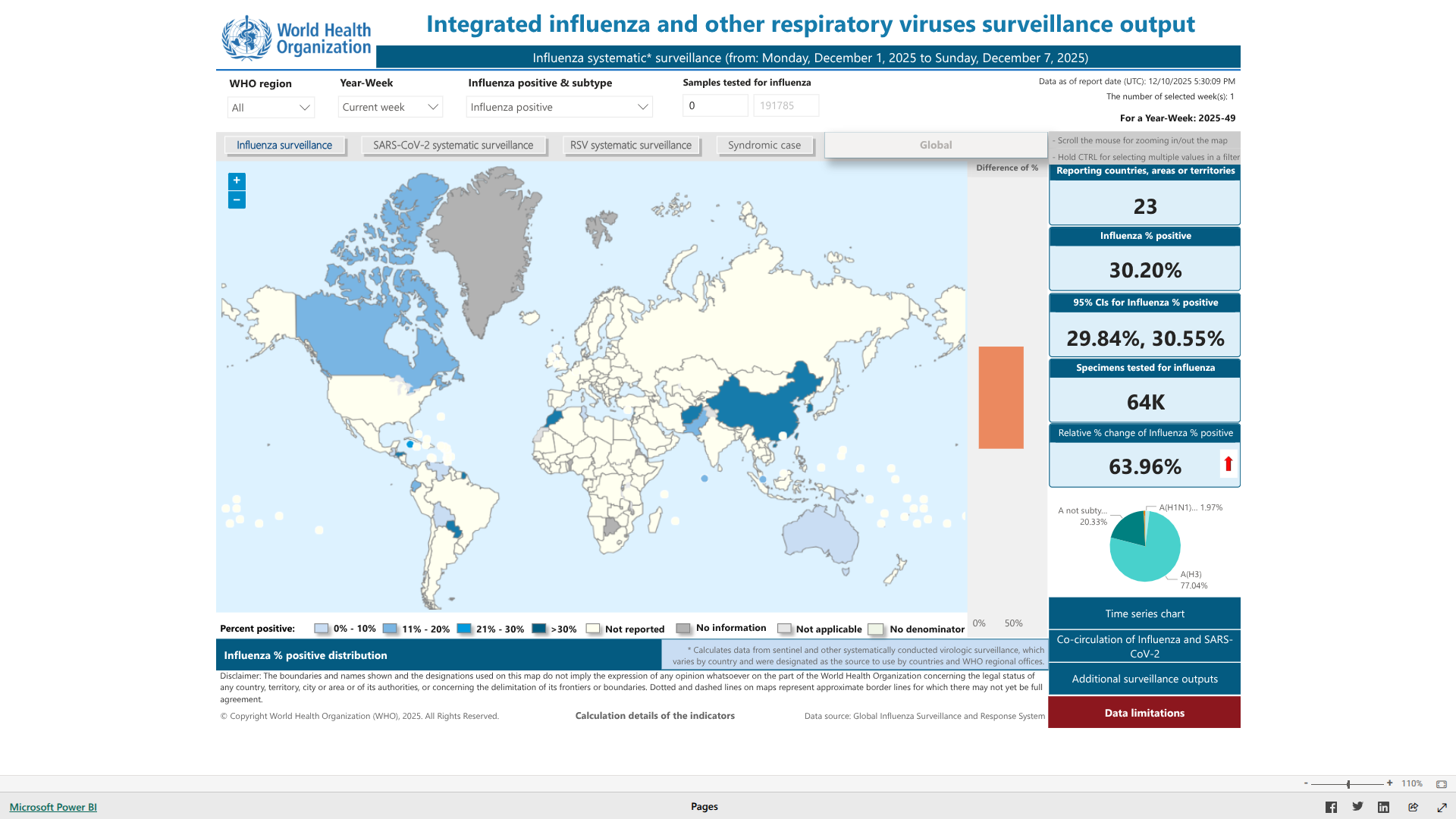
The World Health Organization (WHO) today published a Disease Outbreak News (586) titled "Seasonal influenza Global situation." In the Northern Hemisphere, influenza activity has increased since October 2025, with influenza A viruses predominant among the viruses detected globally.
As of December 10, 2025, the WHO stated that early estimates suggest the influenza vaccine continues to protect against hospital attendance in both children and adults. However, its effectiveness against clinical disease during the current season remains uncertain.
The WHO added that even if there are some genetic differences between the circulating influenza viruses and the strains included in the vaccines, the seasonal influenza vaccine may still protect against drifted viruses and the other virus strains included in the vaccine.
Vaccination is still expected to protect against severe illness and remains one of the most effective public health measures. WHO continues to monitor global influenza activity and influenza viruses, supports countries in surveillance capacity, and updates guidance as needed.
The WHO and U.S. CDC say vaccinations remain essential for international travelers, especially for people at high risk of influenza complications and their caregivers.
In the United States, recent reports have identified states such as Louisiana that have seen upticks in flu-related cases.
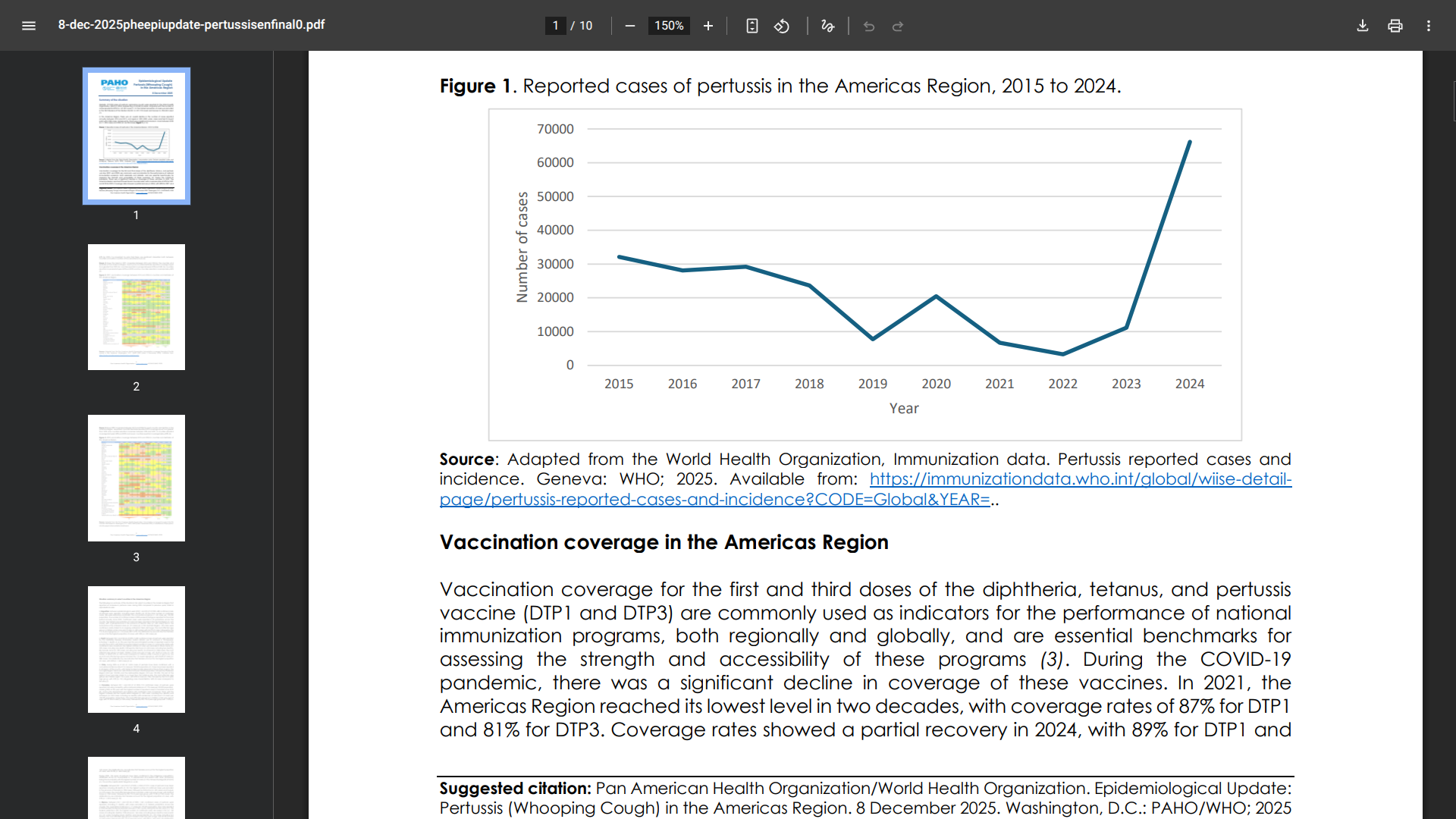
According to the latest epidemiological update from the Pan American Health Organization (PAHO), countries in the Americas must address vaccination gaps as there has been a resurgence of pertussis, commonly known as whooping cough, which has been steadily increasing since 2023.
As of December 9, 2025, the PAHO reports that there has been a significant rise in cases since then, with 11,202 cases reported in 2023 and escalating to 66,184 cases in 2024.
In the United States, so far in 2025, 25,057 confirmed and probable cases of pertussis have been reported, including 13 deaths.
The states with the highest numbers of confirmed and probable pertussis cases in 2025 are Washington (2,003), California (1,585), and Florida (1,422).
"Whooping cough is a vaccine-preventable disease, but its resurgence highlights gaps in immunization and epidemiological surveillance," said Dr. Daniel Salas, Executive Manager of PAHO's Special Program on Integrated Immunization, in a press release.
"It is urgent that countries ensure high and consistent vaccination coverage, especially among children under five, to protect the most vulnerable and prevent outbreaks," he added.
The PAHO recommends that countries ensure vaccination coverage is above 95% in children and provide booster doses for pregnant women and healthcare workers, prioritizing maternity staff and caregivers of infants.
"Timely and complete vaccination, together with robust surveillance, is the most effective strategy to prevent whooping cough, a disease that can cause severe illness, complications, or even death, especially in unvaccinated children under one year," emphasized Dr. Salas.
Before departing for at-risk areas in December 2025, the PAHO and the U.S. CDC suggest international travelers speak with a travel vaccine consultant about immunization options.
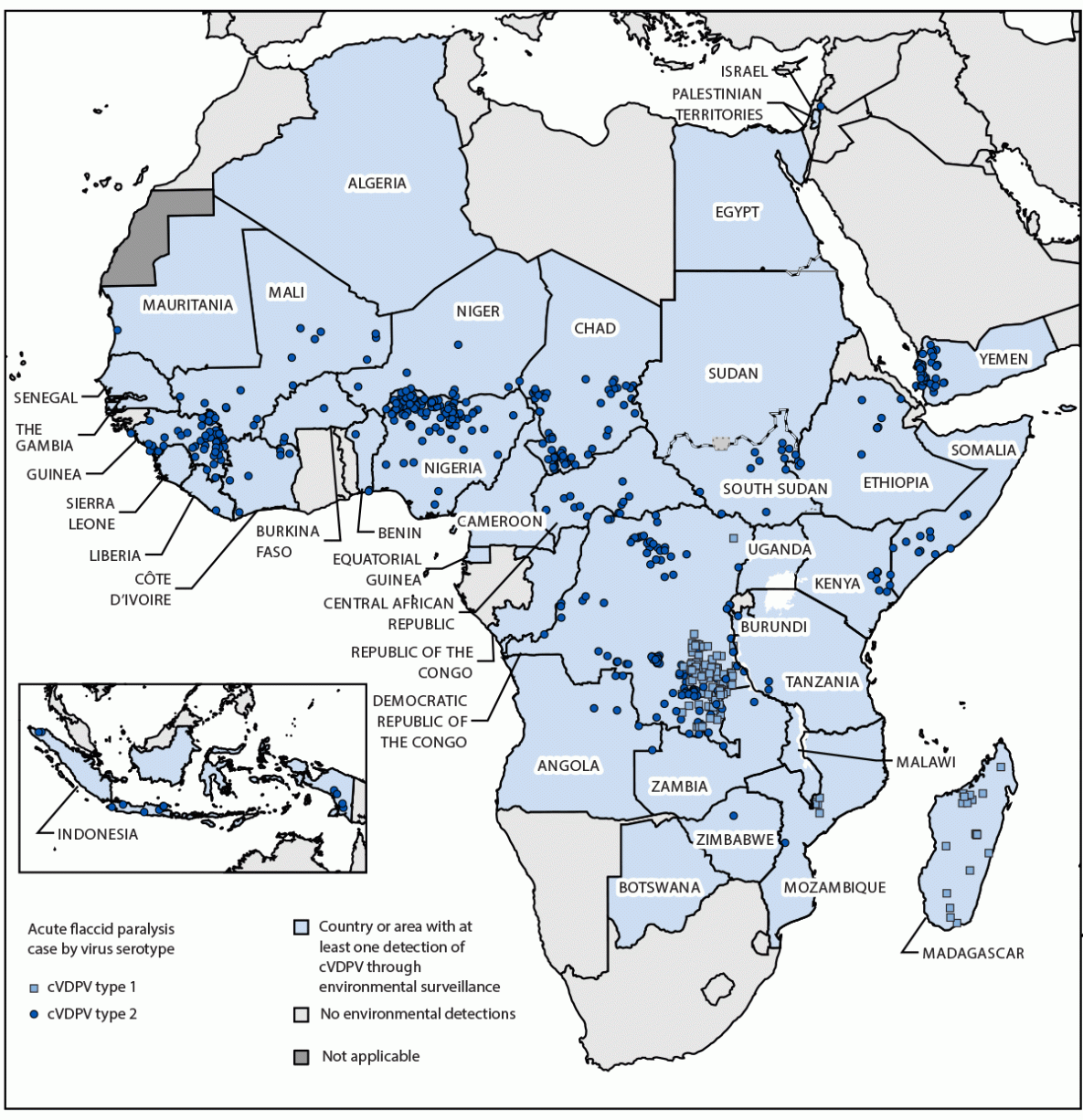
A new educational video takes viewers inside the Global Polio Laboratory Network, the "eyes and ears" of polio eradication. It demonstrates how laboratories around the world detect, confirm, and genetically track polioviruses.
When watching this video, you will learn how organizations like Rotary and the World Health Organization have successfully reduced polio cases in Africa by approximately 99%.
Discover how new laboratories, faster sequencing techniques, and enhanced surveillance are contributing to the effort to eradicate polio.
These insights are crucial for guiding responses to polio outbreaks.
As of December 10, 2025, the U.S. CDC's Travel Health Notice identifies 32 countries where polioviruses have recently been detected, including several in Africa.
The CDC suggests that before any international travel, you make sure you are up to date on your polio vaccines. Adults who previously completed the full routine polio vaccine series may receive a single lifetime booster dose of IPV.
Globally, the nOPV2 polio vaccine has been administered over 2 billion times during the last few years.
In the United States, polio vaccination services are commercailly offered at travel clinics and pharmacies.

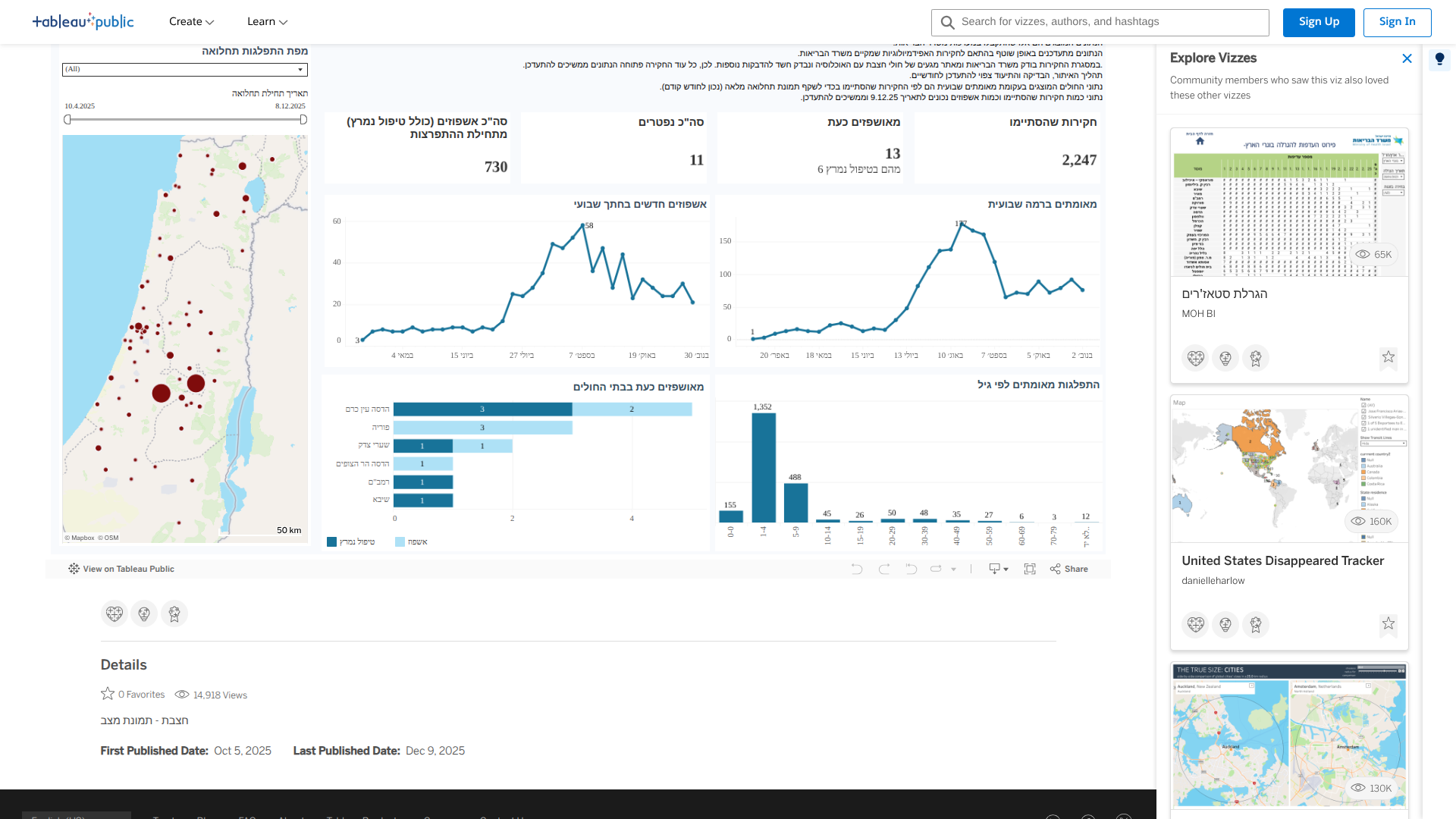
Israel's Ministry of Health recently reported another death of an unvaccinated toddler from measles.
As of December 9, 2025, this fatality marks the 12th since the outbreak began in Jerusalem, Beit Shemesh, Bnei Brak, Harish, Modiin Illit, Nof HaGalil, Kiryat Gat, Ashdod, Safed, Netivot, Haifa, Tiberias, the Mateh Binyamin Regional Council, and Tekoa.
Currently, 19 measles patients are hospitalized, most of them children under six who were not vaccinated. Four of them are in intensive care.
The Ministry stated in a media release that all the children who died were otherwise healthy and had no underlying medical conditions. These cases could have been prevented through vaccination.
'During the holiday season, anyone feeling unwell should avoid gatherings to prevent spreading this infectious disease,' added the Ministry.
According to Ministry of Health data, the first-dose measles coverage in targeted cities is about 85%.
According to the U.S. CDC's Level 1 Travel Health Notice, measles is an ongoing risk around the world, and more international travelers are getting infected.
Travelers can catch measles in many travel settings, including travel hubs such as airports and train stations, on public transportation such as airplanes and trains, at tourist attractions, and at significant, crowded events. Infected travelers can bring the disease back to their home communities, where it can spread rapidly among people who are not immune.
The CDC recommends that all travelers be fully vaccinated against measles before departing for any international destination. Measles vaccination services are offered at travel clinics and pharmacies in the United States.
The University of Oxford announced today that it has launched the world's first Phase II clinical trial of a Nipah virus vaccine candidate in Bangladesh in partnership with the International Centre for Diarrhoeal Disease Research.
This study is essential, as a vaccine is urgently needed, as the disease can be fatal in up to 75% of cases.
Funded by the Coalition for Epidemic Preparedness Innovations, this study will assess the safety and immune response of the ChAdOx1 NipahB vaccine in a region where the virus causes recurrent outbreaks.
The ChAdOx NipahB vaccine was manufactured for this clinical trial by the Serum Institute of India Pvt. Ltd., the world's largest vaccine manufacturer.
Professor Brian Angus, Professor of Medical Practice at the Nuffield Department of Medicine, University of Oxford and Chief Investigator of the trial at the Oxford Vaccine Group, commented in a press release on December 9, 2025, "Starting a Phase II trial in a country affected by regular Nipah outbreaks is a critical step in making sure this vaccine is both effective and relevant to the people who need it most."
"It's an essential part of ensuring equitable access to protection against emerging infectious diseases."
Nipah virus is a deadly disease from the same viral family as measles, the paramyxoviruses.
The World Health Organization recognises it as a research priority due to its pandemic potential. Of the 750 cases recorded since 1998, there have been 415 deaths related to this virus.
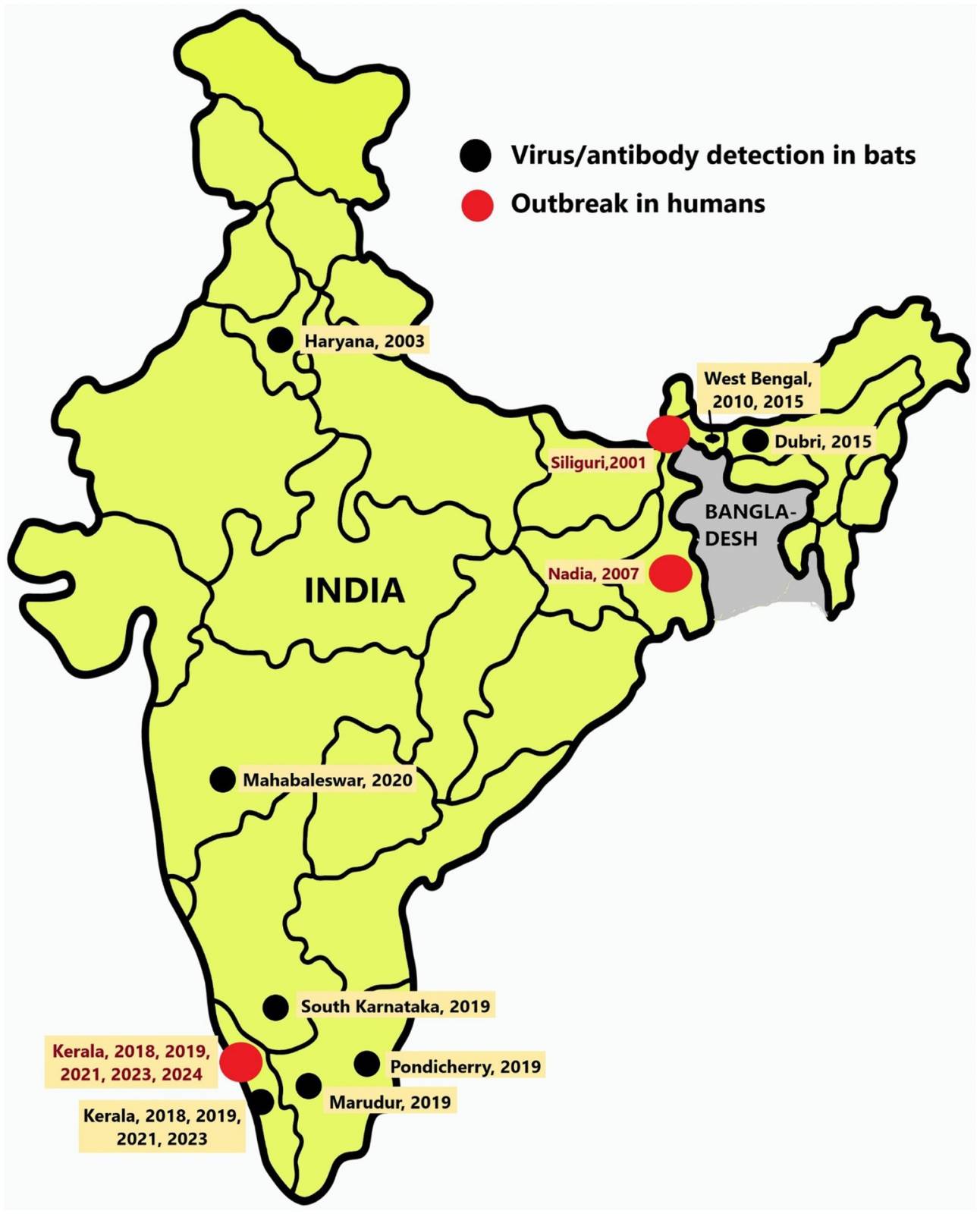
First identified after an outbreak in Malaysia, the Nipah virus causes small outbreaks in Bangladesh almost every year. In India, seven outbreaks of the Nipah virus have occurred since 2001, primarily occurring in the southern and eastern regions, according to a study published by the journal Frontiers.