Search API
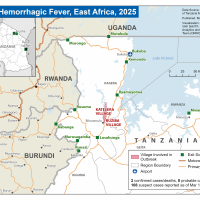
While the Pan American Health Organization has reported over 200,000 Chikungunya cases in 2025, none were confirmed in the Republic of Cuba.
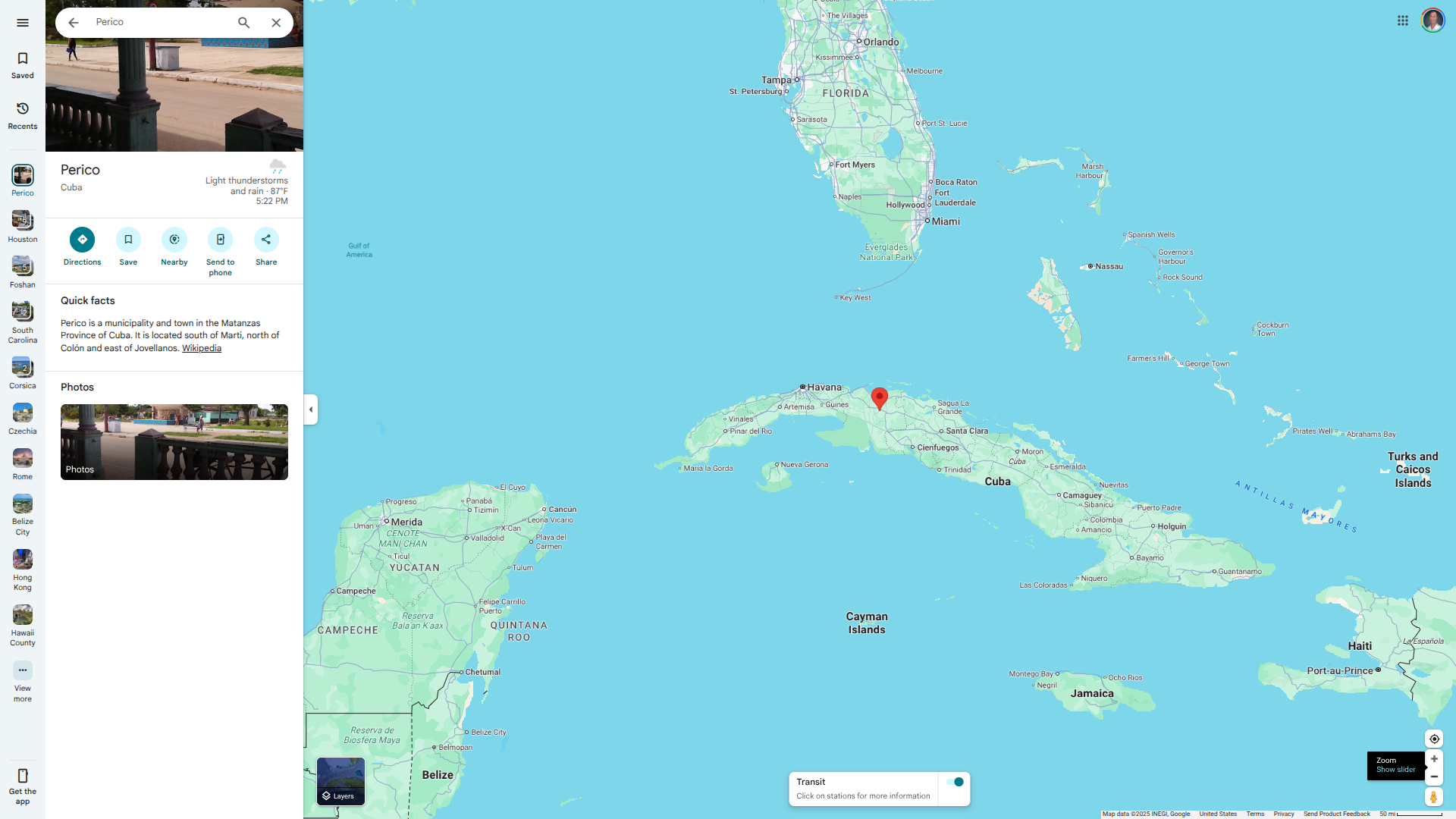
However, as of July 28, 2025, local media are reporting that the Pedro Kourí Institute of Tropical Medicine has stated a Chikungunya outbreak has been reported in the España Republicana neighborhood of Matanzas municipality, specifically in the Perico area.
According to news from the CubaHeadlines, tests detected the mosquito-transmitted virus in several patient samples from the area.
Recently, Cuban authorities confirmed five critical dengue cases in Cuba.
This outbreak is of concern to Florida, which is located about 100 miles north of this area in Cuba.
"Florida's subtropical climate, abundant mosquito populations (notably Aedes aegypti and Aedes albopictus), and high volume of international travelers create conditions conducive to potential outbreaks, Duellyn Pandis, DNP, APRN, FNP-C, CTM®, AFTM RCPS(Glasg), FAANP, informed Vax-Before-Travel.
"As of July 2025, Florida has reported travel-related chikungunya cases, which pose a risk of local transmission if infected individuals are bitten by local mosquitoes, which can then spread the virus to others," added Bandis, President of Passport Health of Tampa Bay Travel Medicine Clinic.
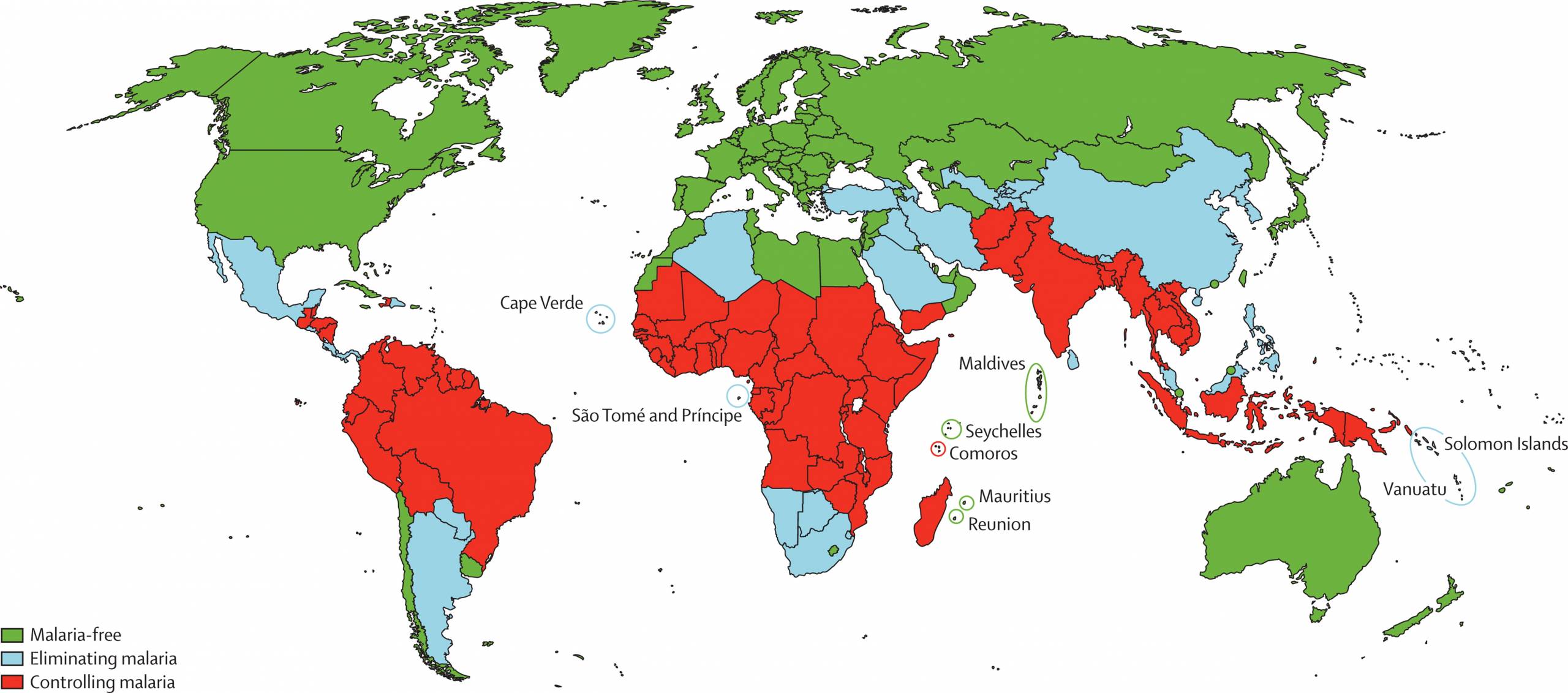
As of mid-July, the Florida Department of Health had reported hundreds of travel-related Chikungunya, Dengue, and about 23 Malaria cases, many related to travelers from Cuba.
To increase Chikungunya infections, commercial laboratories began offering diagnostic tests in 2025.
And from a disease prevention perspective, two Chikungunya vaccines have been approved and are commercailly available in the United States.
The U.S. Embassy in Bangkok is one of the largest in the world, with a mission to advance the interests of the United States and to serve and protect U.S. citizens when visiting the Kingdom of Thailand in 2025.
Last year, about 35 million tourists visited Thailand, many traveling from the U.S.
Based on today's announcement by Marco Rubio, Secretary of State, the U.S. applauds the ceasefire declaration between Cambodia and Thailand.
Announced in Kuala Lumpur on July 28, 2025, 'We are grateful to Malaysian Prime Minister Anwar Ibrahim for his leadership and for hosting the ceasefire talks. We urge all parties to follow through on their commitments.'
'The U.S. will remain committed to and engaged in this U.S.-Malaysia-organized process to end this conflict.'
For local assistance, the U.S. Embassy Bangkok is located at 95 Wireless Road or call + (66) (2) 205-4049.
From a health perspective, the U.S. advises tourists visiting Thailand to complete routine vaccinations, such as measles, before arrival.
Additionally, there is an increased risk of Chikungunya in Thailand.
The CDC recommends that Chikungunya vaccination may be considered for individuals traveling to or residing in areas with a risk of Chikungunya transmission.
Furthermore, Yellow fever vaccination may be required if arriving from certain countries.
These travel vaccines are commercailly offered at clinics and pharmacies in the U.S.
The global effort to eradicate poliovirus and limit polio outbreaks is a shared responsibility that continues in various countries as of late July 2025.
Despite significant progress, the detection of ongoing polio cases highlights the persistent risk to children.
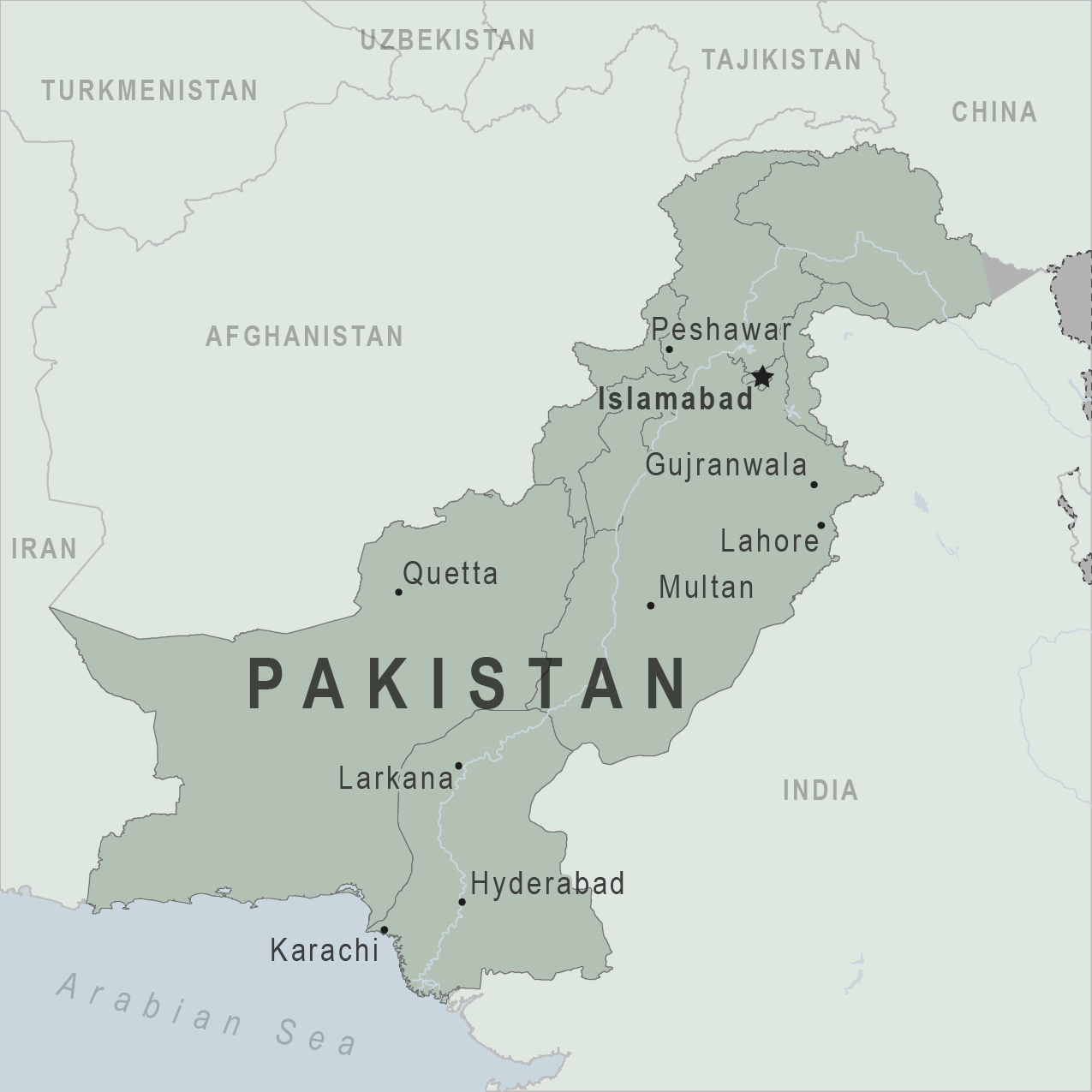
According to the U.S. Centers for Disease Control and Prevention (CDC), 41 countries remain at risk for polio outbreaks, including the Islamic Republic of Pakistan.
As of July 27, 2025, local media reported that the Regional Reference Laboratory for Polio Eradication at the National Institute of Health (NIH) in Islamabad confirmed three additional cases of polio.
So far this year, 17 reported cases have been identified, and the total number of cases for 2024 currently stands at 74.
In Pakistan, a vaccination campaign is currently underway in the bordering Union Councils of District Chaman and six districts of Balochistan, starting in late July 2025.
The CDC emphasizes that the only adequate protection against polio is through repeated doses of the polio vaccine for every child under the age of five, with optional booster doses for adults traveling to endemic areas.
In the United States, the IPV polio vaccine is offered at clinics and pharmacies.
With the onset of the rainy season in Central America, breeding sites for the mosquitoes that transmit the Dengue Fever virus have increased, leading to disease outbreaks.
According to local media reports on July 24, 2025, Belize City, a favorite destination for over 500,000 tourists, has recently been significantly impacted. The
Belize Ministry of Health and Wellness has reported 160 cases in the Belize District as of the end of June 2025, compared to 90 cases during the same period last year.
The Ministry is reportedly engaged in various interventions, including clean-up campaigns and spraying mosquito breeding sites, which are ongoing in several communities.
While 2024 was a record-setting year for Dengue cases (13 million) in the Americas, new data indicate that far fewer cases have been reported (3.4 million) so far in 2025.
As of July 27, 2025, the U.S. CDC's Global Dengue Travel Health Advisory does not highlight Belize's situation; various countries in the Region of the Americas are listed. The CDC recommends international travelers speak with a travel health advisor before visiting any area that is reporting a disease outbreak.
In the United States, the Miami, Florida, has reported both travel-related and locally acquired Dengue cases in 2025.

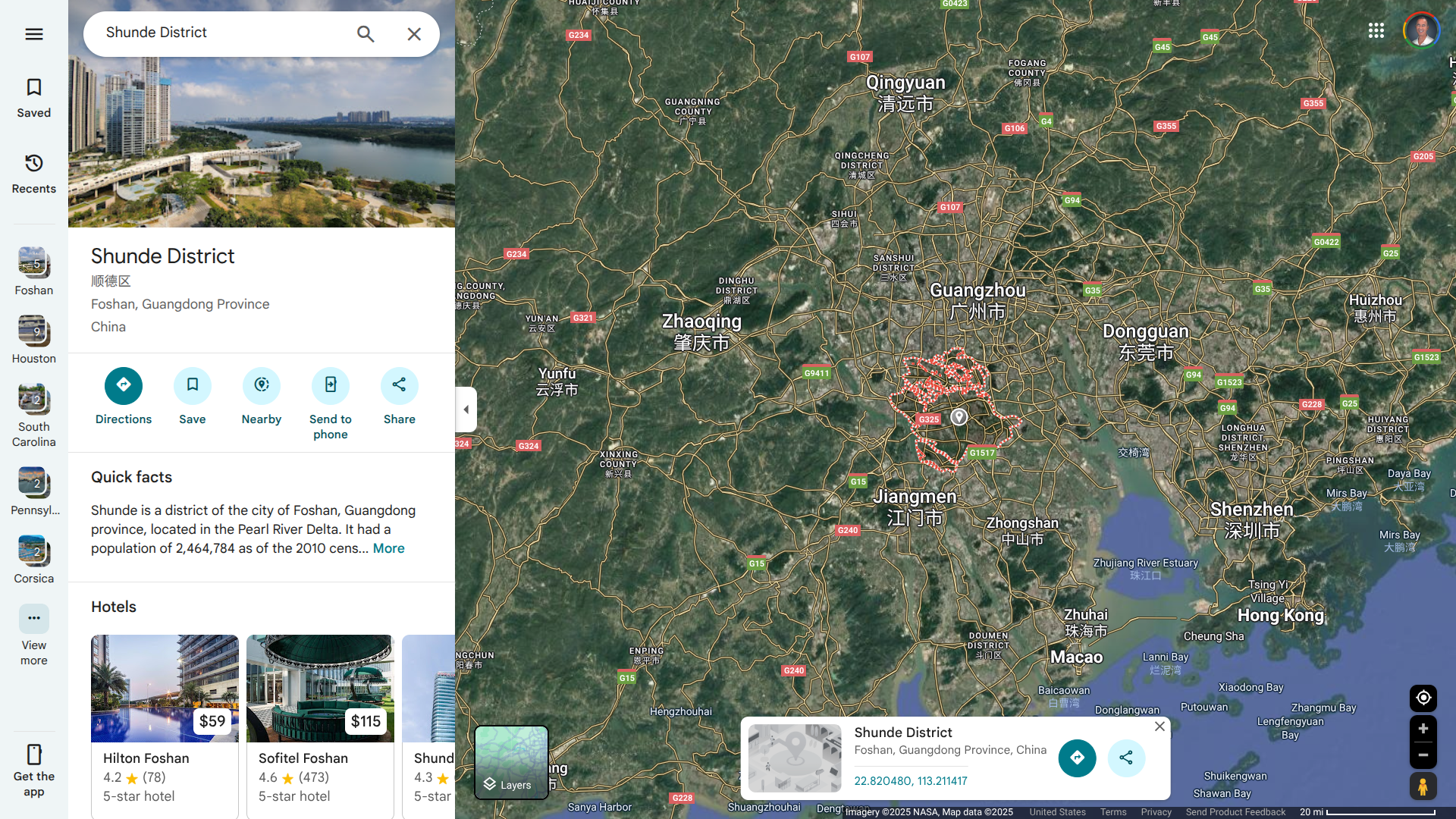
The Centre for Health Protection (CHP) of the Department of Health in the People's Republic of China recently announced that the outbreak of Chikungunya fever (CF) has accelerated approximately 119 km north of the Hong Kong Special Administrative Region of China.
In July this year, an outbreak of CF occurred in the Shunde District of Foshan City, Guangdong Province, triggered by imported cases.
As of July 24, 2025, the CHP reported 3,645 confirmed cases in Foshan. The majority of cases (3,317) were reported in Shunde District.
All cases have been mild, with no severe or fatal cases reported to date.
Furthermore, there have been no confirmed cases of CF in Hong Kong, a city with over 7 million residents, since 2020.
'Although Aedes aegypti, the primary vector for spreading CF, is not found in Hong Kong, Aedes albopictus is another vector that can transmit CF. Imported cases of CF can lead to local transmission if mosquitoes bite them during the communicable period,' wrote the CHP.
Regarding Macao, located south of Guangdong Province on China's eastern coast, the first and second confirmed cases this year were recorded in mid-July. These patients travelled to Shunde and Nanhai, respectively, during the incubation period and were classified as imported cases.
Dr Tsui added in a press release that CF can easily lead to large-scale outbreaks in environments with severe mosquito infestations, placing a burden on the healthcare system. Therefore, CF should not be taken lightly.
The CHP currently recommends that the public use DEET-containing insect repellents or other effective active ingredients properly to prevent mosquito bites effectively.
While two Chikungunya vaccines are approved for use in the United States and are recommended when visiting outbreak areas, they are not offered in China.
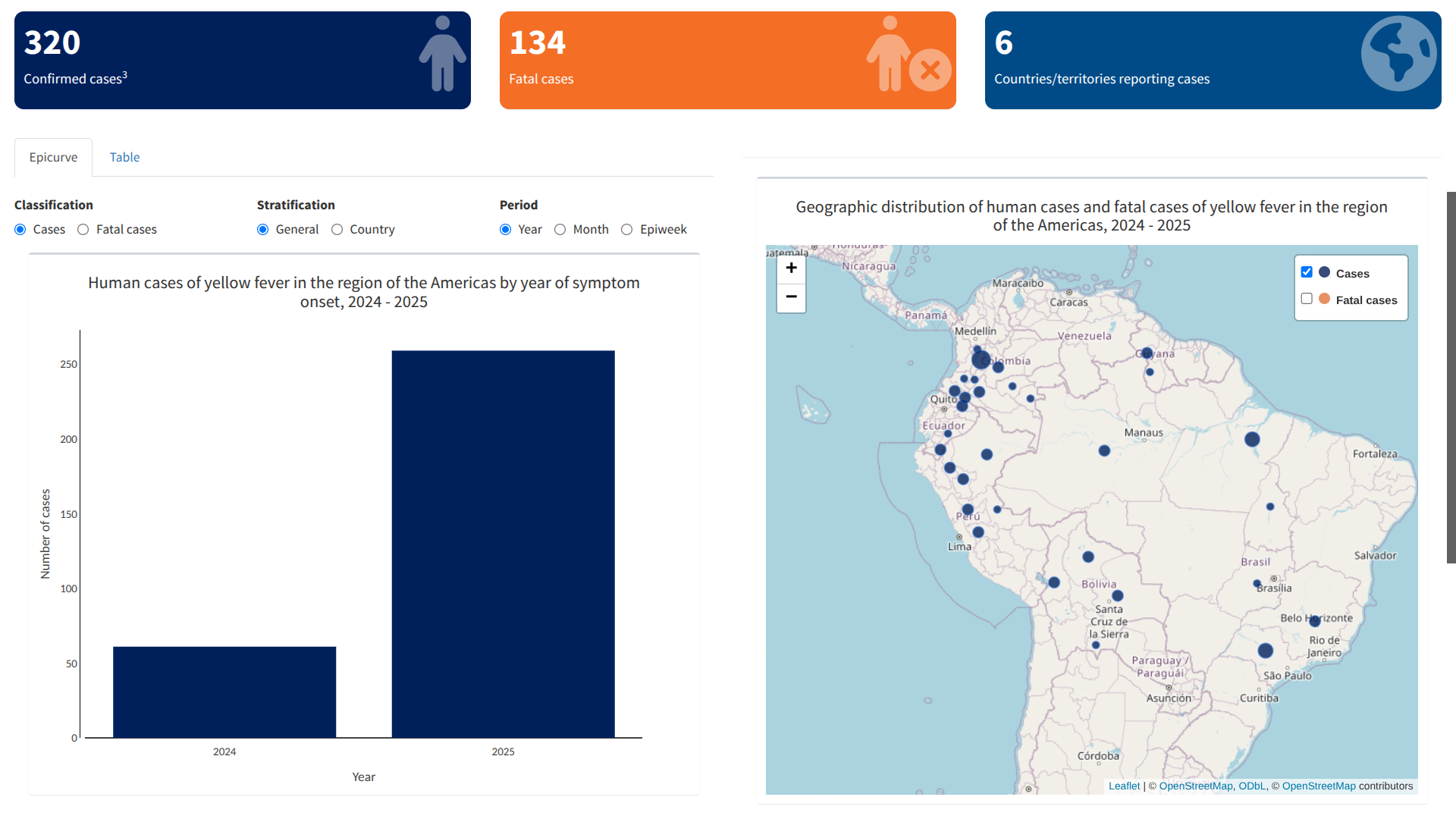
As millions of international travelers visit countries in South America, a mosquito-transmitted killer is devastating the Republic of Colombia in 2025.
As of July 23, 2025, the country has confirmed 103 cases of Yellow fever, resulting in 37 deaths, a staggering 36% fatality rate that underscores the virus's lethal potential.
The Pan American Health Organization (PAHO) previously sounded the alarm with a regional alert, warning that Yellow fever continues to pose a grave threat across the Americas.
While the disease is preventable through vaccination, gaps in immunization have allowed it to surge in Colombia's rural and forested areas.
At the epicenter of the crisis are the municipalities of Cunday and Rioblanco in the Tolima Department, which is unusual, given their high altitude.
Tolima's rural terrain has historically been a breeding ground for the virus, but officials are determined to contain it.
Katherine Rengifo, Tolima's Secretary of Health, highlighted the establishment of a Unified Command Post, personally led by the governor, to oversee containment efforts.
"Every time there is an unvaccinated resident of Tolima or a visitor, there is a risk of transmission," Rengifo warned in a press release.
"All efforts by the Departmental Government, the Ministry of Health, the National Institute of Health, and the Superintendency are focused on containing this outbreak and, above all, preventing its urbanization, which is the greatest risk we face."
"Urbanization, the spread of yellow fever into densely populated cities via the Aedes aegypti mosquito, could ignite a public health catastrophe, potentially overwhelming healthcare systems and leading to widespread panic."
To date, Tolima has rolled out over 728,000 doses of the yellow fever vaccine, achieving 57% coverage in a region that, until recently, lacked a robust immunization program.
This rapid scale-up is a testament to the collaborative push involving national and local health entities.
Unfortunately, the spotlight turned to Villarrica and Cunday, where teams are enforcing an "epidemiological lockdown"—a targeted approach combining surveillance, mosquito control, and mass vaccination drives.
Rengifo emphasized that the goal is to reach 95% vaccination rates to create a protective shield around vulnerable populations.
"The vaccine is free, safe, and saves lives," Rengifo added.
While Colombia's battle against yellow fever is far from over, the PAHO's latest data indicate that five other countries continue to report cases and fatalities in 2025.
Throughout the Americas, 134 fatal cases have been confirmed this year.
In addition to the PAHO's warning, the U.S. CDC has issued a Travel Health Advisory for the Americas, recommending Yellow fever vaccination for specific areas, such as in Colombia.
In the United States, the YF-VAX vaccine is expected to be commercially available at travel clinics and pharmacies in late July 2025.
In a significant stride toward combating one of the world's deadliest diseases, which is spread by mosquitoes, a large-scale, cluster-randomized clinical trial has demonstrated that mass administration of ivermectin, a drug used to treat parasitic infections, can substantially reduce malaria transmission.
Published in the New England Journal of Medicine on July 23, 2025, results from the BOHEMIA trial, the most extensive study of its kind, found that ivermectin led to a 26% decrease in new malaria infections among children when combined with standard bed nets.
Regina Rabinovich, BOHEMIA principal investigator and director of ISGlobal's Malaria Elimination Initiative, commented in a press release, "This research has the potential to shape the future of malaria prevention, particularly in endemic areas where existing tools are failing."
This finding, along with a study published in 2019, offers a promising approach against a parasite that continues to evade traditional control measures impacting the health of millions of people, primarily in Africa and South America.
In addition to reducing malaria transmission, the BOHEMIA team observed a significant reduction in the prevalence of skin infestations, such as scabies and head lice, in the ivermectin group in Mozambique. Furthermore, the Kenya community reported a substantial decrease in bed bugs.
According to the press release, the study's findings have been reviewed by the WHO Vector Control Advisory Group, which concluded that the study had demonstrated impact and recommended further studies.
The U.S. Centers for Disease Control and Prevention Algorithm for the Diagnosis and Management of Malaria guides the recommended steps to treat malaria patients. Recommendations for antimalarial drugs to prevent malaria vary by country of travel and can be found in the CDC's Yellow Book, specifically in the chapter on Malaria Prevention Information.
As of July 25, 2025, international travelers in the United States, such as those in Florida, have been diagnosed with malaria upon returning from Africa.
Malaria cases are on the rise in southern Africa, including Botswana, eSwatini, Namibia, and Zimbabwe.
Additionally, malaria vaccines have been approved for use in Africa; however, they are not available in the United States as of 2025.