Search API
As winter vacations approach, many international travelers are seeking the latest, reliable updates on disease outbreaks, travel advisories, and vaccine recommendations.
Whether heading to Costa Rica or exploring Florida's outstanding beaches, Vax-Before-Travel publishes up-to-date information focused on mosquito-transmitted viruses so you can confidently "Know Before You Go."
To help meet the growing consumer demand, Vax-Before-Travel's research-based travel information is now available for free when enrolling in a weekly newsletter.
Within a few seconds and key strokes, registered travelers will begin receiving fact-checked travel information in weekly newsletters.
Don Hackett, the publisher of Vax-Before-Travel (VBT), stated on December 16, 2025, "With over 15 million people traveling monthly, the U.S. CDC recommends that most vaccines be administered at least one month before departure, if not earlier."
"VBT's information is essential, as research suggests tens of millions of people are not adequately vaccinated before traveling to countries with endemic diseases, such as Chikungunya or Dengue.
"Data suggests last-minute travelers defer approximately 18% of their protective vaccines due to insufficient time before departure," added Hackett.
According to the CDC, the time between the vaccine's administration, the protection it offers, and the start of travel is significant.
Additionally, VBT connects you with a certified clinic to request an appointment for recommended routine and travel vaccines.

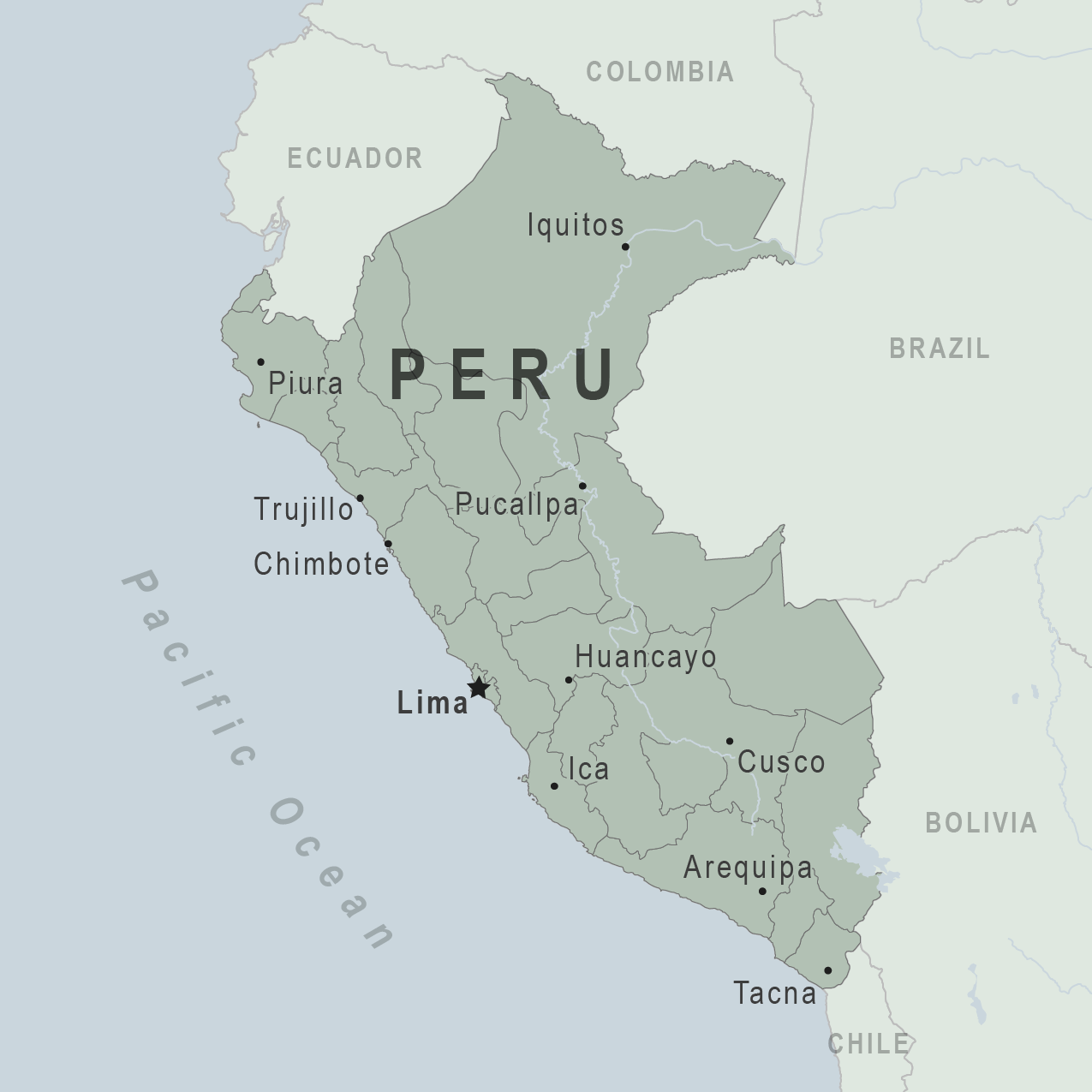
The Ministry of Health of Peru (MINSA) recently declared a national epidemiological alert in direct response to the significant increase in international travel and large gatherings associated with year-end festivities.
For example, local media reports that about 1.5 million visitors have already visited the historic site of Machu Picchu during the first 10 months of 2025. Machu Picchu is Peru's most visited tourist destination.
Announced on December 12, 2025, this proactive measure focused on the health risk associated with influenza A (H3N2) subclade K and measles.
A MINSA official clarified that the Influenza A H3N2 virus does not present any significant warning signs or severity. Minsa began influenza vaccinations in April 2025 for vulnerable groups.
In the United States and Europe, they use the same flu shot we use, which has a 70% effectiveness rate," explained Luis Quiroz.
Additionally, the spreading of measles in Peru was highlighted in a U.S. CDC Travel Health Notice.
Furthermore, the CDC recommends vaccinations, including Chikungunya, Typhoid, and Yellow Fever, for many visitors to Peru in 2025.
These travel vaccines are available from various clinics in the United States.
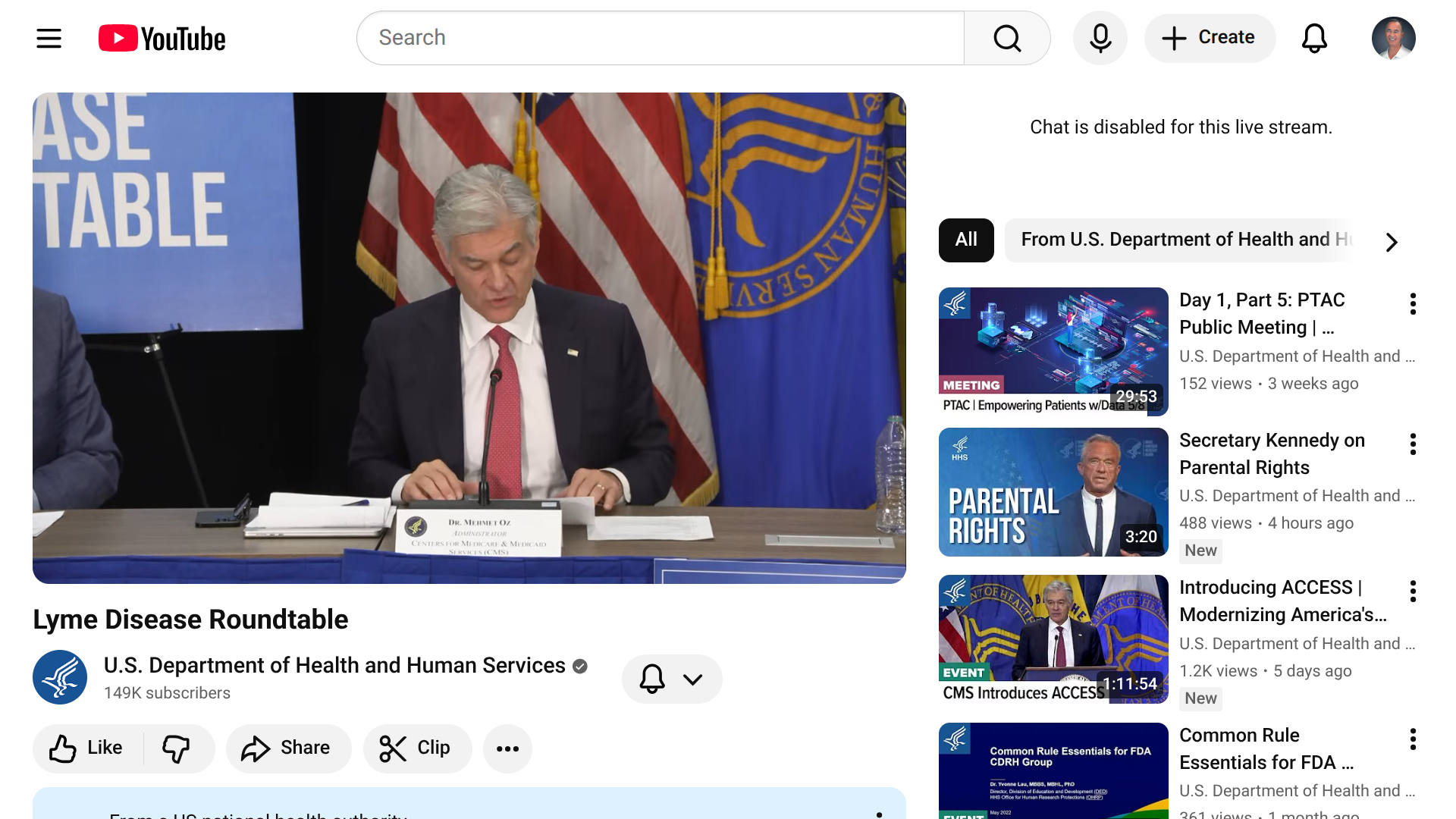
Senior leaders at the U.S. Department of Health and Human Services (HHS) convened a Lyme disease roundtable today, bringing together federal leaders, members of Congress, clinicians, researchers, innovators, and patient advocates for a public discussion on YouTube regarding the future of Lyme disease care and policy.
Since its detection in Lyme, Connecticut, in the late 1960s, this tick-transmitted virus has spread throughout the Northeast and into the upper Midwest of the United States. Lyme is also detected in various European countries.
On December 15, 2025, the Global Lyme Alliance Chief Scientific Officer will be in attendance to offer research integrity and patient perspectives central to the conversation.
A related HHS media statement confirmed 'This roundtable represents an important moment in national Lyme disease dialogue and underscores the growing recognition that addressing Lyme disease requires collaboration across medicine, public health, government, and patient advocacy.'
According to various information sources, a Lyme disease vaccine candidate has advanced to late-stage, phase 3 clinical studies. Analysts indicate there is significant consumer demand for this innovative vaccine in 2026.
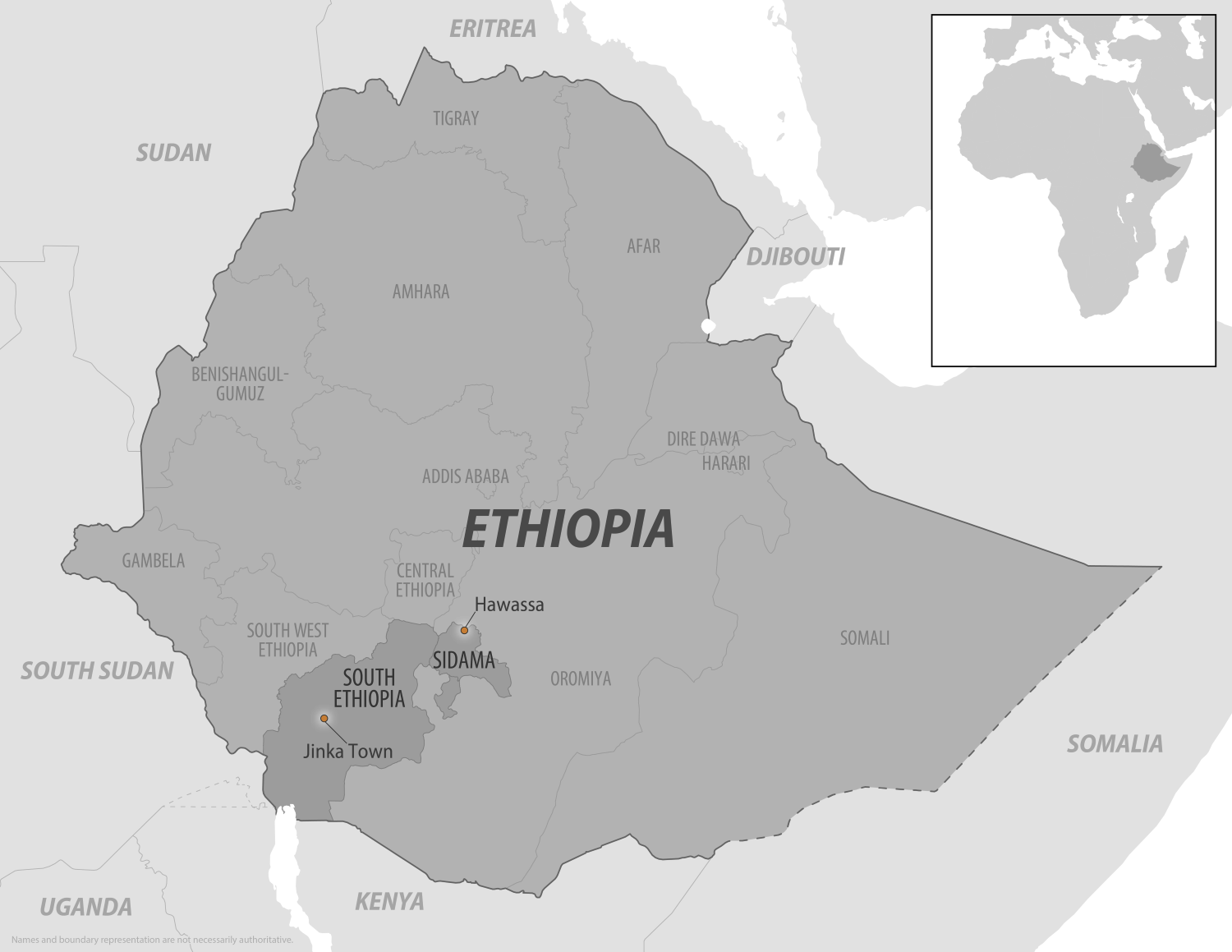
In late 2025, Ethiopia experienced its first outbreak of Marburg virus disease (MVD) in its southern regions.
As of December 12, 2025, Ethiopia's Ministry of Health posted on Facebook that there have been 14 confirmed cases of MVD with nine related fatalities.
Accordingly, the UK FCDO advises against all but essential travel within 5km of the towns of Jinka and Hawassa due to the ongoing MVD outbreak.
In early December, the U.S. CDC updated its Level 1 travel advisory, stating to watch for symptoms of Marburg while in the outbreak area and for 21 days after leaving Ethiopia. If you develop fever, chills, headache, muscle aches, rash, chest pain, sore throat, nausea, vomiting, diarrhea, or unexplained bleeding or bruising, contact a healthcare provider.
Since its initial outbreak in 1967, no suspected, probable, or confirmed MVD-related cases have been reported in the United States or the United Kingdom. Previous MVD outbreaks have been confirmed in Europe and other African countries.
Currently, no preventive vaccine has been approved for human use. However, Marburg vaccine candidates are conducting clinical research as of December 15, 2025.
The Pan American Health Organization (PAHO) recently released a briefing note informing countries about the increasing circulation of the influenza A(H3N2) subclade K (J.2.4.1) virus.
The PAHO noted in a media release that the genetic evolution observed in subclade K is part of the natural variation in seasonal influenza viruses.
As of December 12, 2025, in North America, particularly in the United States and Canada, there has been a gradual increase in detections of subclade K. As of now, similar circulation levels have not been reported in South American countries.
While evidence on vaccine effectiveness for the current season remains limited, preliminary data from Europe suggest that vaccination continues to offer comparable protection against severe disease, including hospitalization, wrote the PAHO.
The ECDC previously wrote that compared to previous years, influenza is increasing unusually early in the EU/EEA, with A(H3N2) driving the increases in recent weeks. Even if a less well-matched A(H3N2) virus dominates this winter, the vaccine is still expected to protect against severe disease.
The U.S. CDC wrote last week that subclade J.2.4.1, renamed "H3N2 subclade K," was identified in August 2025. Of the 401 influenza A viruses subtyped during Week #49 in the USA, 14.% were influenza A(H1N1)pdm09, and 86.0% were A(H3N2).
These viruses have slight changes in their hemagglutinin gene and have been antigenically characterized as "antigenically drifted" in comparison to the virus selected as the A(H3N2) component of the U.S. 2025-26 seasonal influenza vaccines.
The CDC reaffirmed its recommendation that most people in the USA, and those traveling abroad for the winter holidays, get an annual flu shot.
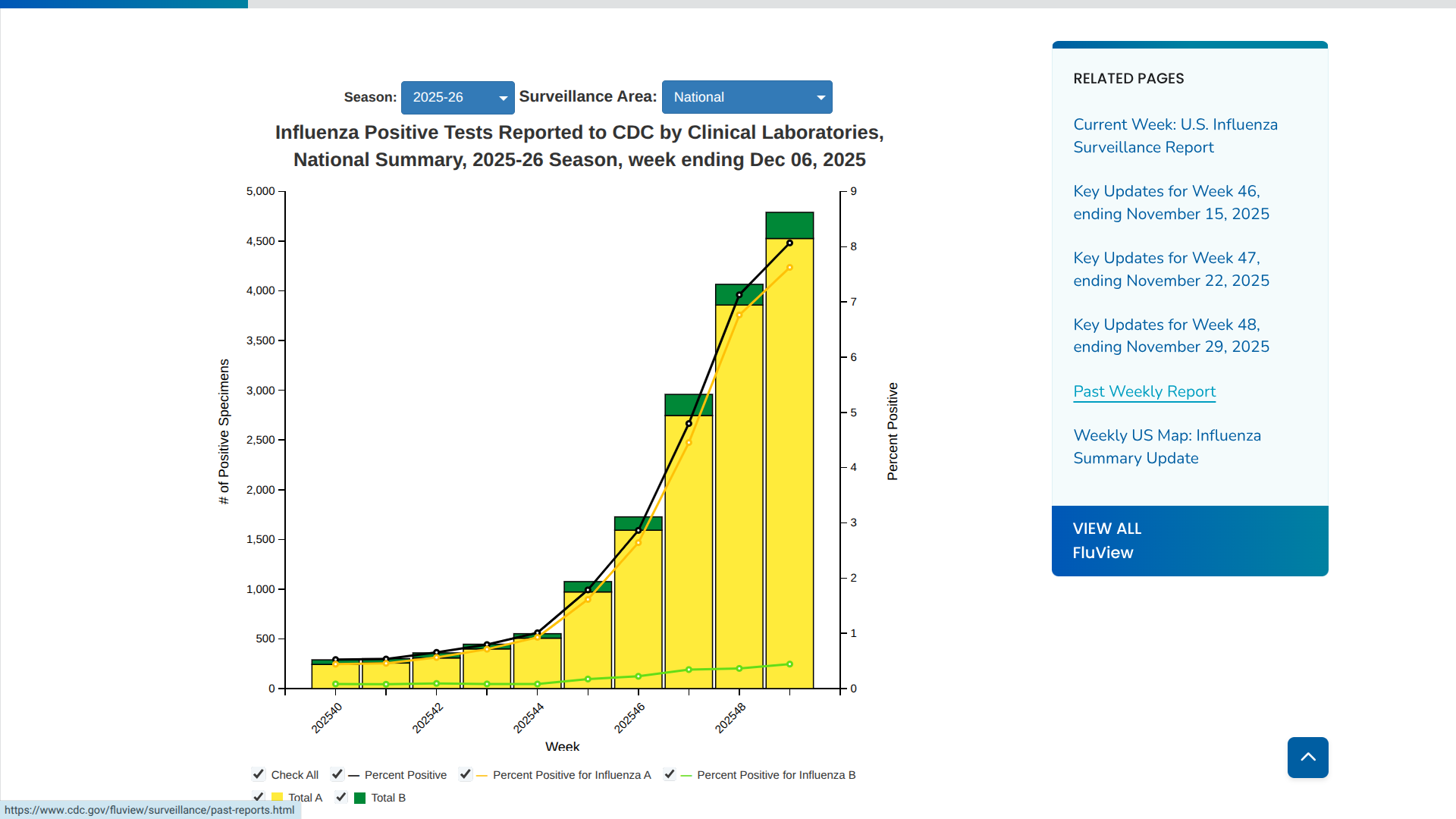
Local media in Mexico have reported human cases of myiasis associated with the northern expansion of New World Screwworms (NWS).
As of early December 2025, reports of myiasis cases in Chiapas, Oaxaca, Yucatán, Campeche, and Tabasco, totaling around 92 human cases, including five related fatalities.
Throughout the Region of the America, 1,000 NWS cases in people have been confirmed in 2025.
According to the United States government, NWS has not crossed into the state of Texas and is not currently present in the USA. However, there has been one confirmed case of NWS in a person who returned to the USA after traveling to El Salvador.
The U.S. CDC says Infestations by NWS maggots can cause painful and foul-smelling wounds. If not caught early and treated, it can lead to extensive tissue damage and potentially death.
The CDC recommends that healthcare providers, if they suspect a patient has an NWS infestation, report it immediately to their local or state health department.
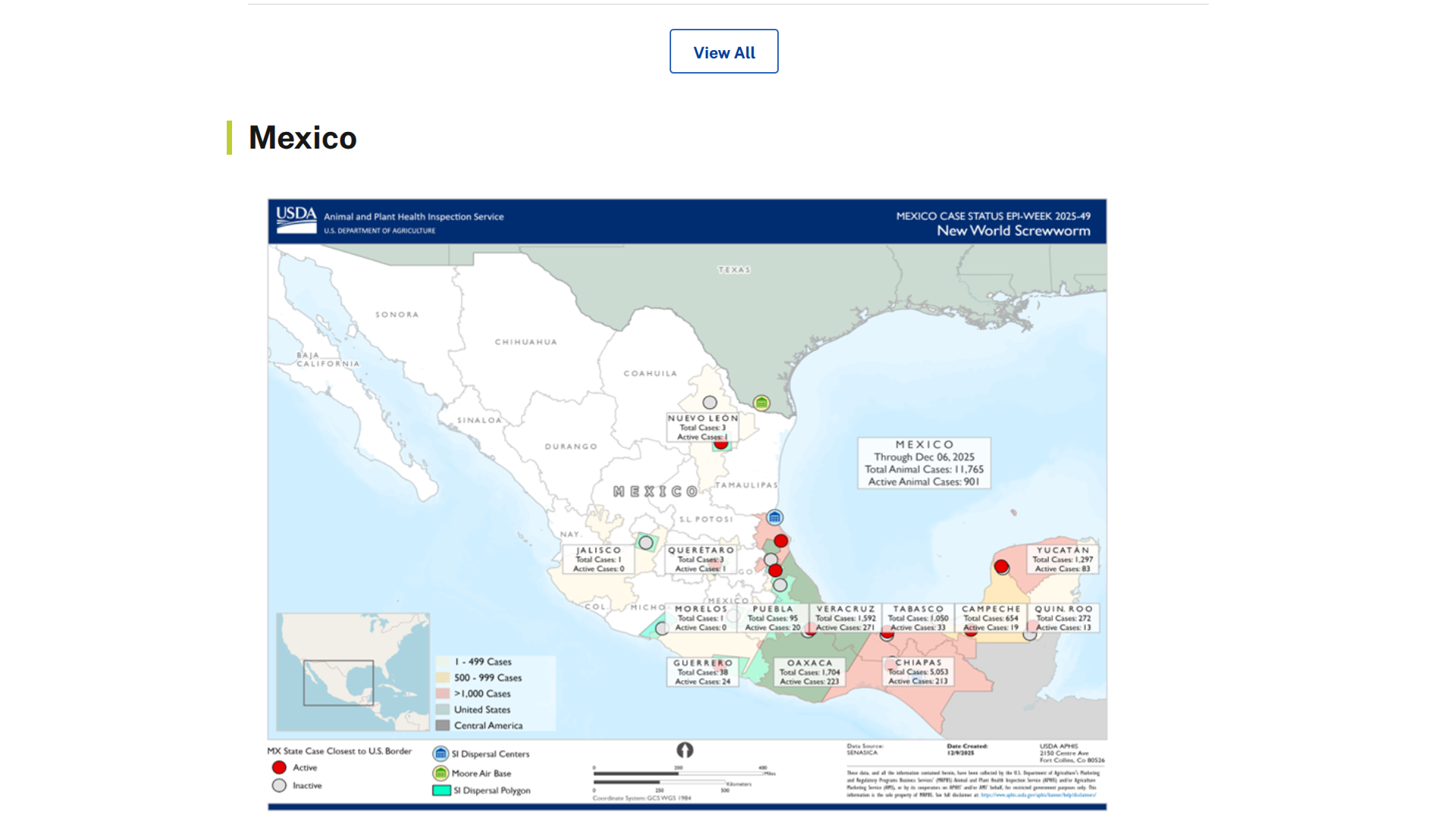

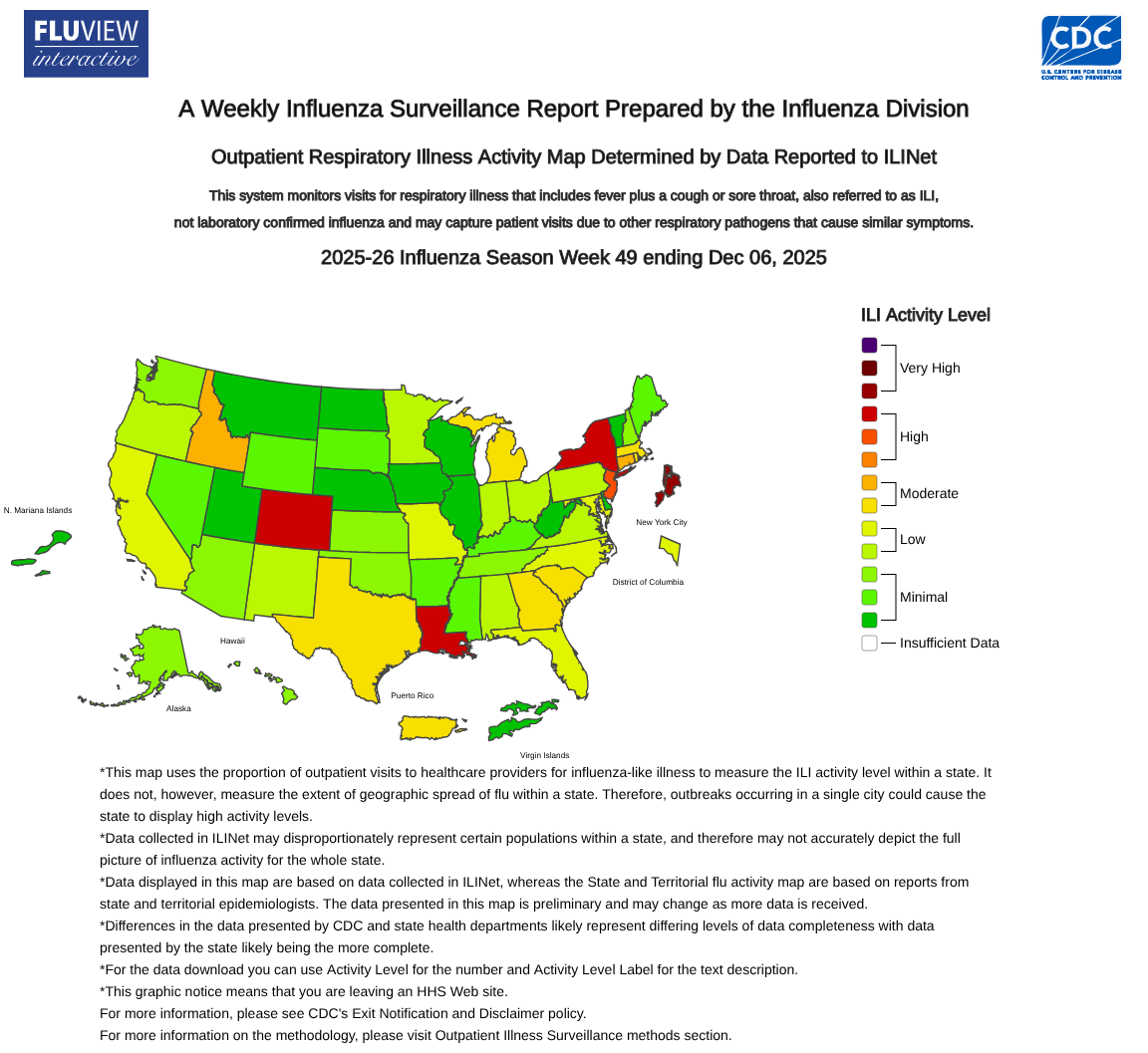
As the first part of the 2025-2026 influenza season comes to a close, three states have been classified as having flu outbreaks by the U.S. government.
According to the U.S. CDC FluView Week 49 report, ending December 6, 2025. Colorado, Louisiana, and New York are seeing significant numbers of influenza detections.
Additionally, the CDC reported two influenza-associated pediatric deaths during Week 49.
Furthermore, there is an early indication that this season's flu shots are effective.
Early estimates of 2025-26 influenza vaccine effectiveness in England against influenza-associated hospitalization remained within expected ranges of 70-75% for children and 30-40% for adults, suggesting that influenza vaccination remains an effective tool in preventing influenza-related hospitalizations this season.
The CDC recommends that everyone 6 months and older who has not yet been vaccinated this season get an annual influenza vaccine. This advice is especially valid when living in or visiting an area with a flu outbreak.
As of December 14, 2025, about 127 million doses of influenza vaccine have been distributed in the USA this season, and they are readily available at travel clinics and pharmacies.