Search API
The state of Texas may soon be added to the U.S. Centers for Disease Control and Prevention (CDC) travel advisory list of areas reporting measles outbreaks in 2025.
As of February 2025, the Texas Department of State Health Services (DSHS) has confirmed 50 measles cases in five counties this year. Most of these cases are unvaccinated children.
In the South Plains Region of western Texas, 48 cases have been identified in Gaines County (42), followed by Terry County (3), Yoakum (2), and Lynn counties (1).
In late January 2025, the Houston Health Department announced two measles cases.
DSHS said these are the first measles cases since 2023. Unfortunately, due to the highly contagious nature of this virus, additional cases are likely to occur in 2025.
Furthermore, the New Mexico Department of Health reported three cases just west of these Texas cases in February 2025.
Since measles is a vaccine-preventable disease, most community pharmacies in Texas offer the MMR vaccine.

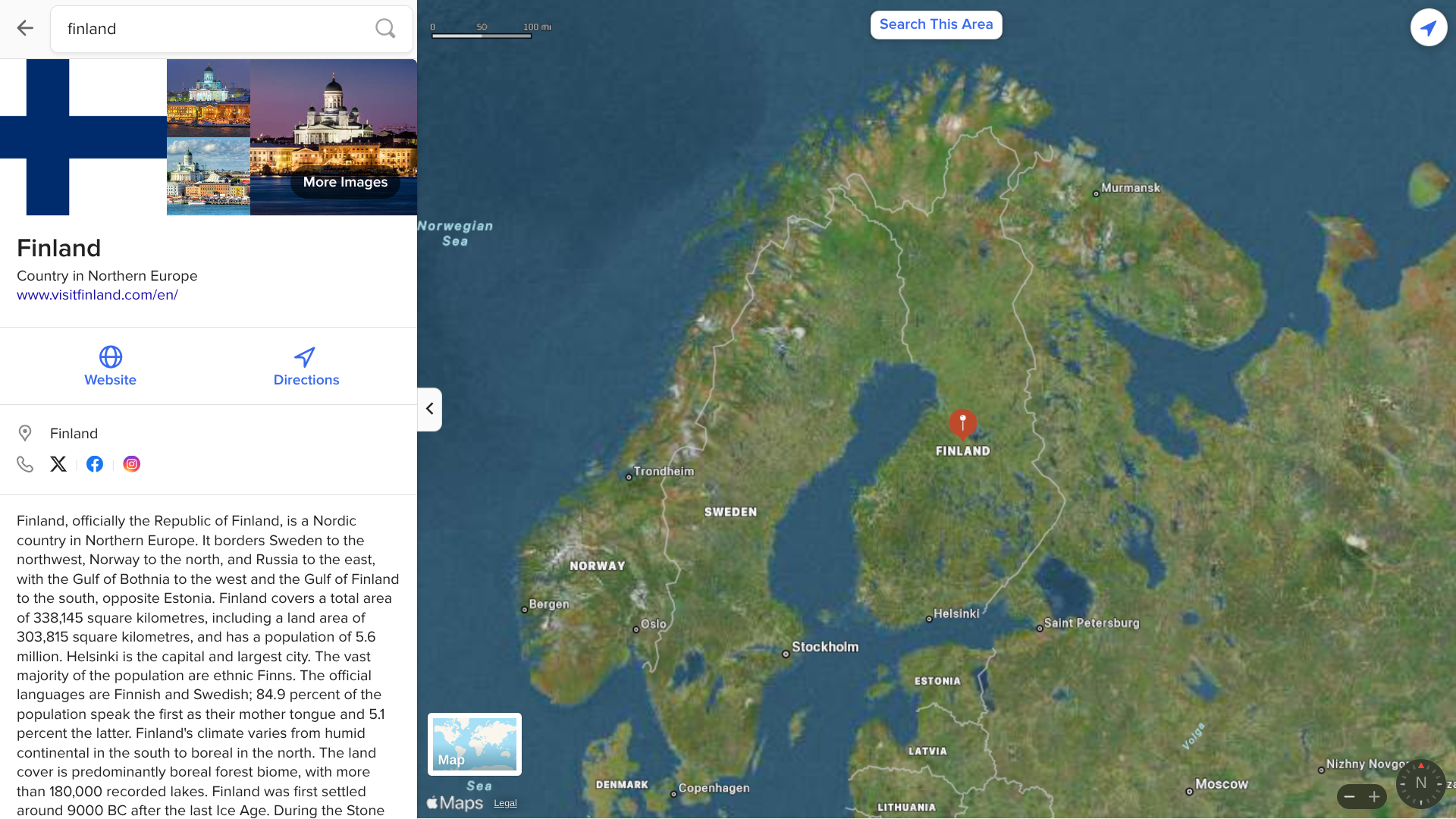
A recent study by the Finnish Institute for Health and Welfare (THL) shows that the Zoonotic Influenza Vaccine Seqirus injektioneste protects people against the disease caused by the currently circulating avian influenza viruses.
Since the summer of 2024, avian influenza vaccinations have been offered to occupational groups in the Republic of Finland at increased risk of the disease, such as those working with fur animals and poultry. They were offered Seqirus's vaccine, which the European Medicines Agency authorized.
Announced on February 13, 2025, the study showed that the vaccine-induced neutralizing antibodies identified the vaccine virus and the avian influenza viruses that caused the outbreaks on fur farms in Finland in 2023 and on dairy farms in the United States in 2024.
About half of the previously unvaccinated individuals received one vaccine dose, which induced antibody levels that were estimated to protect against the disease caused by the avian influenza virus. Two doses induced protective antibody levels in the majority. The results suggest that the vaccine protects against currently circulating avian influenza viruses.
In the United States, the FDA has authorized one avian influenza vaccine, and the government has funded various vaccine candidates.
These 'bird flu' vaccines are not commercially available in the U.S.
With the increased international travel expected this year, an unwelcomed health issue may interrupt these trips over the next decade. Travelers' diarrhea (TD) is the most predictable travel-related illness.
The U.S. CDC says TB attack rates range from 30%-70% of travelers during two weeks, depending on the destination and season of travel.
According to a new report, the traveler’s diarrhea market may grow by 5.26% between 2025 and 2035. The major markets for traveler’s diarrhea include the United States, Germany, France, the United Kingdom, Italy, Spain, and Japan.
Published on February 13, 2025, IMARC Group expects innovations in traveler’s diarrhea treatment to sustain the market's growth. Developing new treatments and pharmacologic agents to treat the illness reduces recovery time and concerns about antibiotic resistance.
These innovations include, but are not limited to, the emerging popularity of oral hydration formulas, which travelers can embrace. These formulas can optimize fluid absorption in the intestines, thereby quickly replenishing electrolytes in the body.
While clinically different from TD, Norovirus is a commonly reported cause of diarrhea among travelers in confined spaces, such as on cruise ships. The risk for infection is present anywhere food is prepared unsanitaryly and can be contaminated or where drinking water is inadequately treated. Contaminated ice has also been implicated in outbreaks.
Recently, a gastrointestinal illness outbreak on a cruise ship affected 7.4% of its passengers.
With the rapid expansion of the cruise industry, future Norovirus outbreaks can be expected.
For example, the Port of Galveston recorded about 3.4 million passenger movements on over 380 voyages last year. Once the island's fourth cruise terminal opens, that number could surpass 400.
While TD products are available at travel clinics and pharmacies in 2025, no Norovirus vaccines are approved.

According to disappointing news released today, the world must wait for an approved vaccine that prevents invasive E. coli disease (IED).
Sanofi announced today that a scheduled review of the E.mbrace phase 3 clinical study conducted by an independent data monitoring committee (IDMC) determined that Sanofi and Johnson & Johnson's vaccine candidate for extraintestinal pathogenic E. coli was not sufficiently effective at preventing IED compared to placebo.
As a result of the IDMC's determination, the E.mbrace study is being discontinued.
The study, initiated in June 2021, enrolled older adults with a history of urinary tract infections (UTIs) in the past two years. It was conducted at over 250 sites across five continents. Janssen Research & Development, LLC, is the trial sponsor and responsible party and will continue appropriate safety follow-up for the currently enrolled participants.
Jean-François Toussaint, Sanofi's Global Head of Research and Development Vaccines, commented in a press release on February 13, 2025, "E. coli sepsis is a devastating disease, and no preventative measures are available to date."
In October 2023, Sanofi agreed with Janssen Pharmaceuticals, Inc. (Janssen), a Johnson & Johnson company, to develop and commercialize the vaccine candidate. As a result of the discontinuation, Sanofi has recorded an impairment charge before tax of $250 million in the Q4 2024 results.
UTIs are among the most common bacterial infections, many of which are caused by uropathogenic E. coli. Still, less common pathogens, such as Enterococcus faecalis and other enterococci, can cause infections by infecting an abnormal or catheterized urinary tract.
UTIs are more common in females because their urethras are shorter, making it easier for bacteria to enter the urinary tract. Moreover, younger people also suffer from UTIs.
As of 2025, the U.S. Centers for Disease Control and Prevention says most UTIs can be treated with antibiotics prescribed by a healthcare professional.
However, international travelers seeking access to a non-FDA-approved UTI vaccine (Uromune™, MV140) outside of the USA can submit an appointment request using this Vax-Before-Travel link.

Despite decades of clinical research, Herpes Simplex Virus (HSV) remains among the most prevalent infectious pathogens, impacting millions annually. While herpes vaccine candidates continue to progress in clinical trials, none have been approved.
However, an innovative HSV therapy may soon become available.
Theralase® Technologies Inc. announced today that the previous University of Manitoba research has been validated, proving that Ruvidar® is safe and effective in the inactivation of Herpes Simplex Virus, Type 1 (HSV-1), in an animal model.
In the latest Theralase® research, announced on February 10, 2025, Balb/C mice were infected with the human HSV-1 virus. On day 6 post-infection, 20 uL of a 1% Ruvidar® solution was applied topically over the area of well-developed lesions once daily for four days.
Four days of Ruvidar treatment resulted in complete healing of the HSV-1 cutaneous lesions.
In a press release, the Company stated that these 'results support the safety and efficacy of topically applied non-light activated Ruvidar® against cutaneous HSV-1 lesions in a mouse model.'
Kevin Coombs, B.A., M.A., Ph.D., professor of medical microbiology and infectious diseases at the Max Rady College of Medicine, University of Manitoba (retired), stated, "I am delighted that Theralase® researchers were able to successfully translate my team's cellular inactivation of HSV into a safe and effective therapy in an animal model."
"Their research may prove to be instrumental in developing a clinical program that will have real-world impacts on the lives of billions of people infected with this prolific disease."
Effective U.S. FDA-approved anti-herpetic drugs available in 2025 include acyclovir and later-generation derivatives (penciclovir, valacyclovir, famciclovir, and ganciclovir), which inhibit viral DNA synthesis.
Independent research by the University of Manitoba verifies that Ruvidar is more effective than acyclovir in inactivating HSV after infection.
According to the Company's press release, Ruvidar inhibited HSV-1 replication at significantly lower concentrations.
The effects of Ruvidar versus acyclovir on HSV-1 yields when added 24 hours post-infection (hpi). Vero cells were infected with HSV-1 at a Multiplicity of infection ~ 1.5, incubated for 24 hours, and then treated at 24 hpi with indicated drug concentrations for an additional 44 hours.
Virus yields were then determined, and reductions in virus yields were compared to non-treated controls.
Roger DuMoulin-White, B.Sc., P.Eng, Pro.Dir., President and Chief Executive Officer, Theralase, stated, "Based on the success of Theralase®'s latest research, Theralase® plans to develop a vaccine and therapeutic for the prevention and treatment of HSV, with clinical development to commence thereafter."
This announcement was based on an animal model study, indicating the product is not commercially available.

While the U.S. Centers for Disease Control and Prevention (CDC) has issued measles outbreak advisories for 59 counties, it may soon issue one for western Texas, which has reported 25 measles cases in 2025.
On February 11, 2025, the Texas Department of State Health Services (DSHS) reported that the ongoing measles outbreak in Gaines County has exceeded previous records.
The local health department, South Plains Public Health District (SPPHD), has confirmed 24 measles cases with symptom onset within the last two weeks. Nine of the patients have been hospitalized.
All of the cases are unvaccinated and residents of Gaines County.
DSHS wrote, 'Due to the highly contagious nature of this disease, additional cases are likely to occur in Gaines County and the surrounding communities.
DSHS is working with SPPHD and Lubbock Public Health to investigate this measles outbreak.
Additionally, in early February, Lynn County, which is located south of Lubbock and east of South Plains, confirmed one measles case.
Previously, Harris County, located in eastern Texas, reported two measles cases in 2025.
There is no suspected link between the west Texas outbreak and the Harris County cases.
Elsewhere in the U.S., Alaska, Georgia, New York City, and Rhode Island have reported measles cases in 2025.
In 2024, the CDC reported 284 measles cases in 32 jurisdictions.
DSHS and the CDC's Advisory Committee on Immunization Practices recommend that children receive one dose of the MMR vaccine at 12 to 15 months of age and another at 4 to 6 years of age. Each dose lowers the risk of infection and the severity of illness if they are infected.
Children too young to be vaccinated are more likely to have severe complications if they contract the measles virus.
Measles vaccines will generally be offered at community pharmacies in 2025.

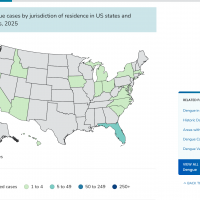
Since the clade II mpox outbreak began about three years ago, the U.S. Centers for Disease Control and Prevention (CDC) has issued Travel Health Advisories based on the type of virus.
Historically, clade I have been associated with a higher percentage of people with mpox developing severe illness or dying, compared to clade II.
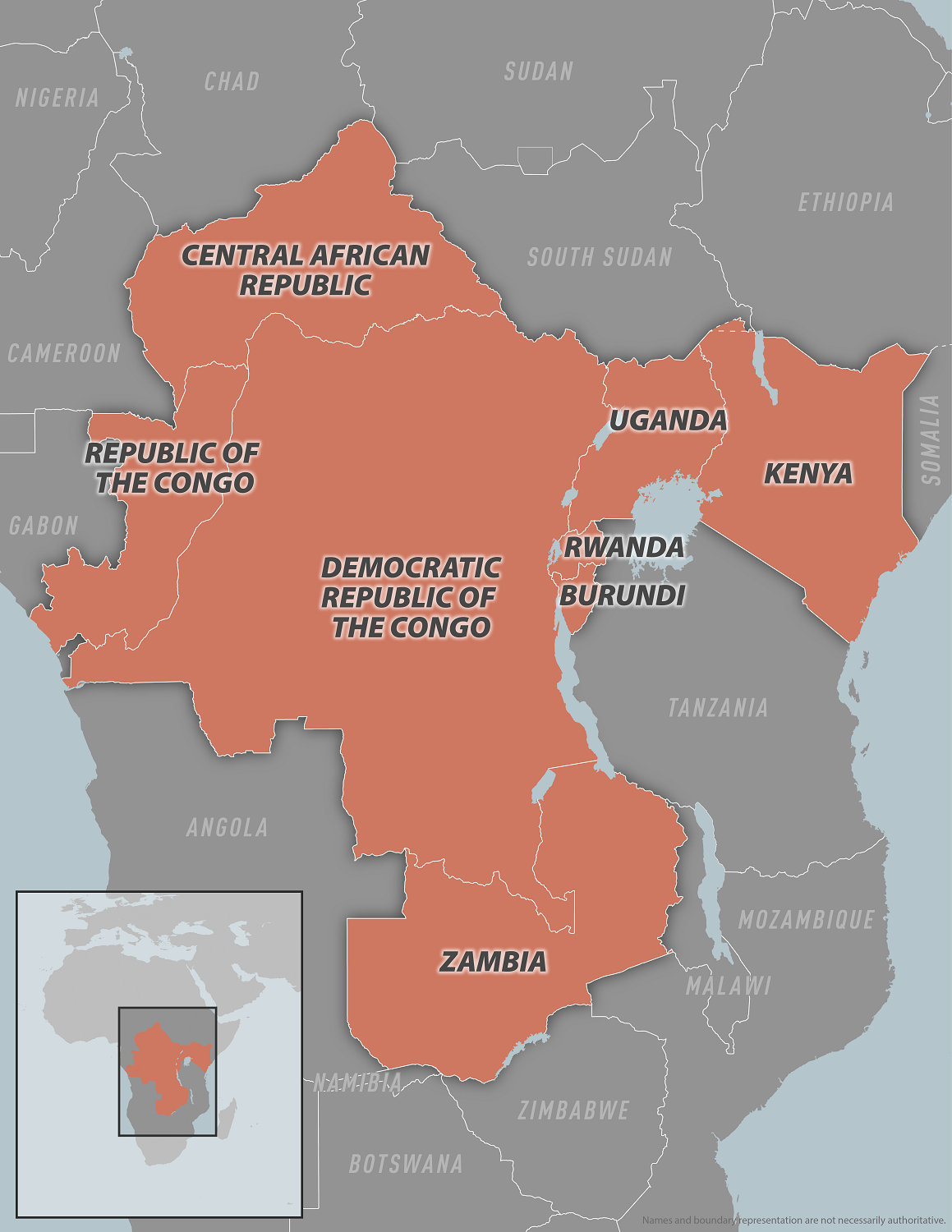
On February 10, 2025, the CDC reissued a Level 2 Practice Enhanced Precautions advisory regarding the clade I mpox outbreaks in eight Central and Eastern African countries.
The CDC wrote, 'There is an ongoing person-to-person transmission of mpox in Burundi, Central African Republic, Democratic Republic of the Congo, Kenya, the Republic of the Congo, Rwanda, Uganda, and Zambia.'
In the United States, the New Hampshire Department of Health and Human Services reported the third clade 1b case in the past four months. This mpox patient recently traveled to Eastern Africa.
During these mpox outbreaks, person-to-person transmission has occurred through various means, including sexual contact, day-to-day household contact, and within the healthcare setting. Transmission has also occurred from contact with certain live or dead wild animals.
Mpox is a disease caused by infection with the Monkeypox virus. Symptoms often include fever, rash, headache, muscle aches, and swollen lymph nodes, although fever is not always present.
The CDC says If you are sick and could have mpox, follow isolation and infection control measures at home and during travel.
Mpox vaccination is recommended by the CDC for certain people visiting at-risk areas.
In the U.S. and many countries, mpox vaccines (JYNNEOS®, MVA-BN®) are commercially available in 2025.