Search API
The Lancet Infectious Disease recently published a Correspondence focused on Nipah virus research priorities.
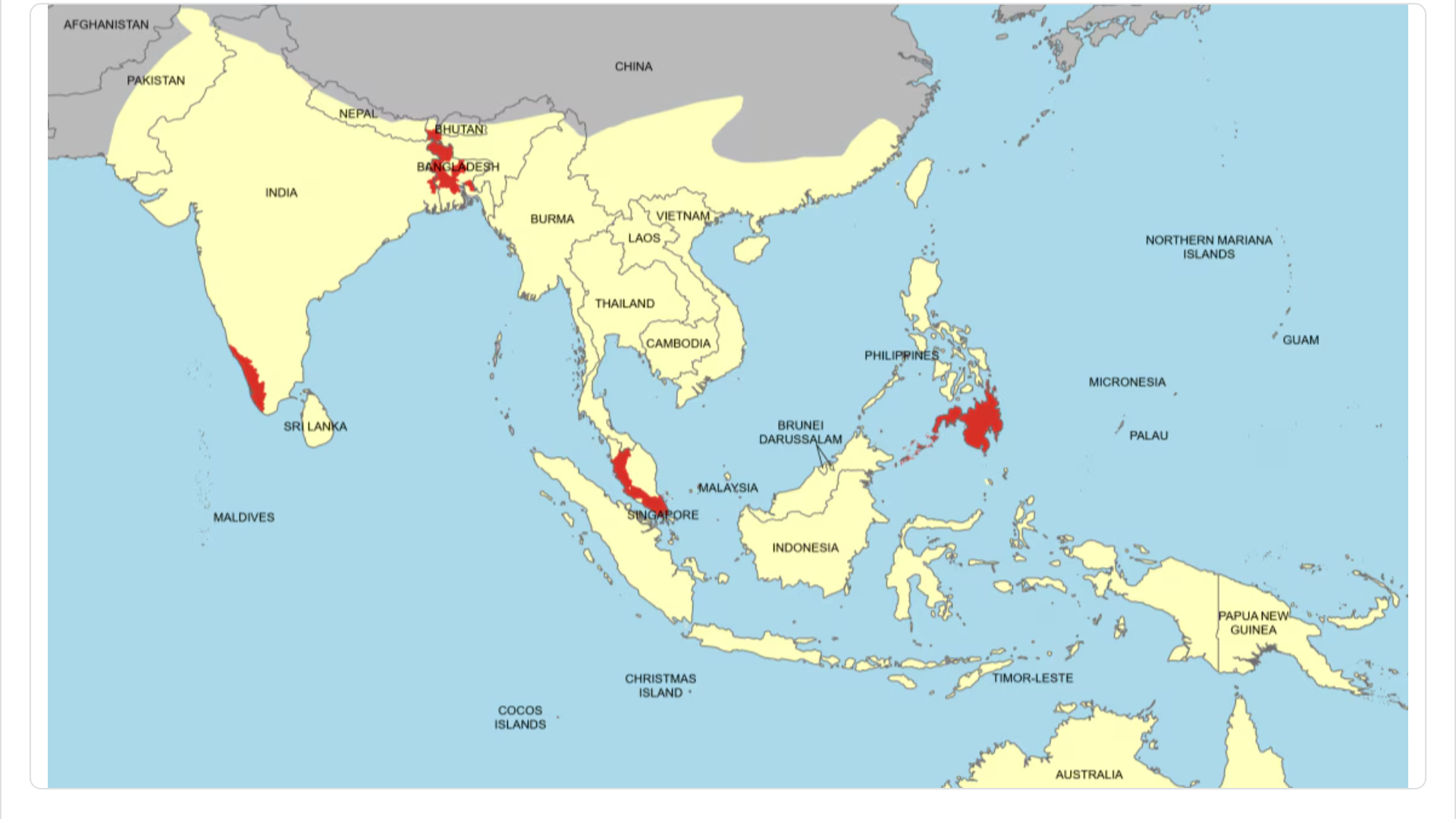
Nipah was first discovered in 1999 following an outbreak in pigs and people in Malaysia and Singapore. Since then, outbreaks have occurred nearly every year in many parts of Asia, often in Bangladesh (2023) and India (2024).
According to the U.S. CDC, around 40%–70% of people infected with Nipah die.
On November 18, 2024, these authors wrote, 'WHO's roadmap for Nipah virus research priorities (2024–29) outlines ambitious milestones for advancing diagnostics, therapeutics, and vaccines.
Although the roadmap signifies progress against the Nipah virus, it also exposes inequities in global health governance, raising concerns about who sets research agendas and for whose benefit.
We sincerely commend the distinguished experts involved in the roadmap development process for their exceptional leadership, expertise in henipaviruses, including Nipah and Hendra viruses, and representation of affected regions.
However, the low representation from the most affected countries highlights gaps in the priority-setting process. Of the 26 authors, only 3 (11%) were from the two countries—Bangladesh and India—that reported all Nipah virus cases in the last two decades, and other affected countries, including Malaysia and the Philippines, were not represented.
This exclusion contrasts with the roadmap's objective of addressing needs in regions most vulnerable to outbreaks.
To make meaningful progress, the global health community must adopt an inclusive approach to research prioritization and co-developing roadmaps with stakeholders from affected regions, including clinicians, public health practitioners, and community leaders. This approach will ensure that priorities are scientifically robust, implementable, and culturally relevant.
The unedited correspondence is found at this link.
In August 2024, Phylex Biosciences announced its new mRNA nanoparticle vaccine against the Nipah virus. The vaccine achieved positive results in an immunogenicity study conducted in collaboration with scientists from the U.S. CDC.
As of December 2, 2024, the CDC has not approved a vaccine against the Nipah virus.
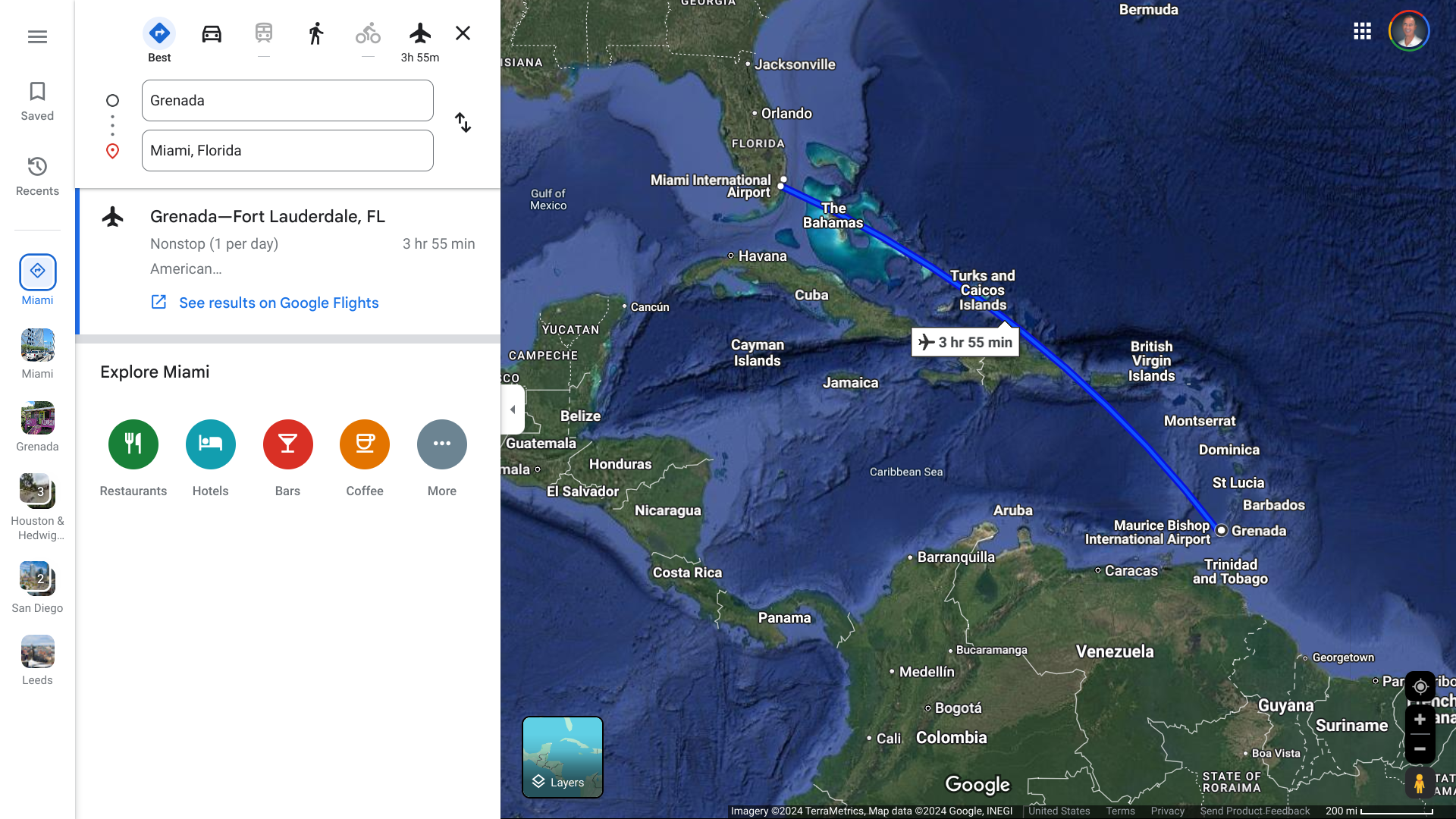
Grenada, located in the Caribbean's Windward Islands just north of South America, has emerged as a prime tourism destination in 2024. The island is now accessible from international airports in Miami, Toronto, and London.
With flight times of just over three hours and competitive pricing, visiting Grenada has never been easier.
Recent travel data indicates that the most significant number of visitors to Grenada are from the United States.
With continued support from the U.S. Government, the U.S. Embassy of Grenada will participate in the 11th Winternational on December 5, 2024, highlighting the island community's many advantages.
However, before departing to the South Caribbean, the Centers for Disease Control and Prevention (CDC) and the U.K. Travel Health Pro suggest several routine and a few required vaccinations.
Vaccines protect people from Chikungunya and Dengue, mosquito-transmitted diseases, and year-round risk in many parts of the Americas, including Granada.
And Typhoid vaccination is recommended for most travelers, especially those staying with friends or relatives or visiting smaller cities or rural areas.
The CDC says proof of Yellow Fever (YF) vaccination is required for travelers ≥1 year old arriving from countries with a risk for YF virus transmission (Brazil); this includes most airport transits or layovers in countries with a risk for YF virus transmission.
As of December 2, 2024, these vaccines are generally available at travel clinics and pharmacies in the U.S.
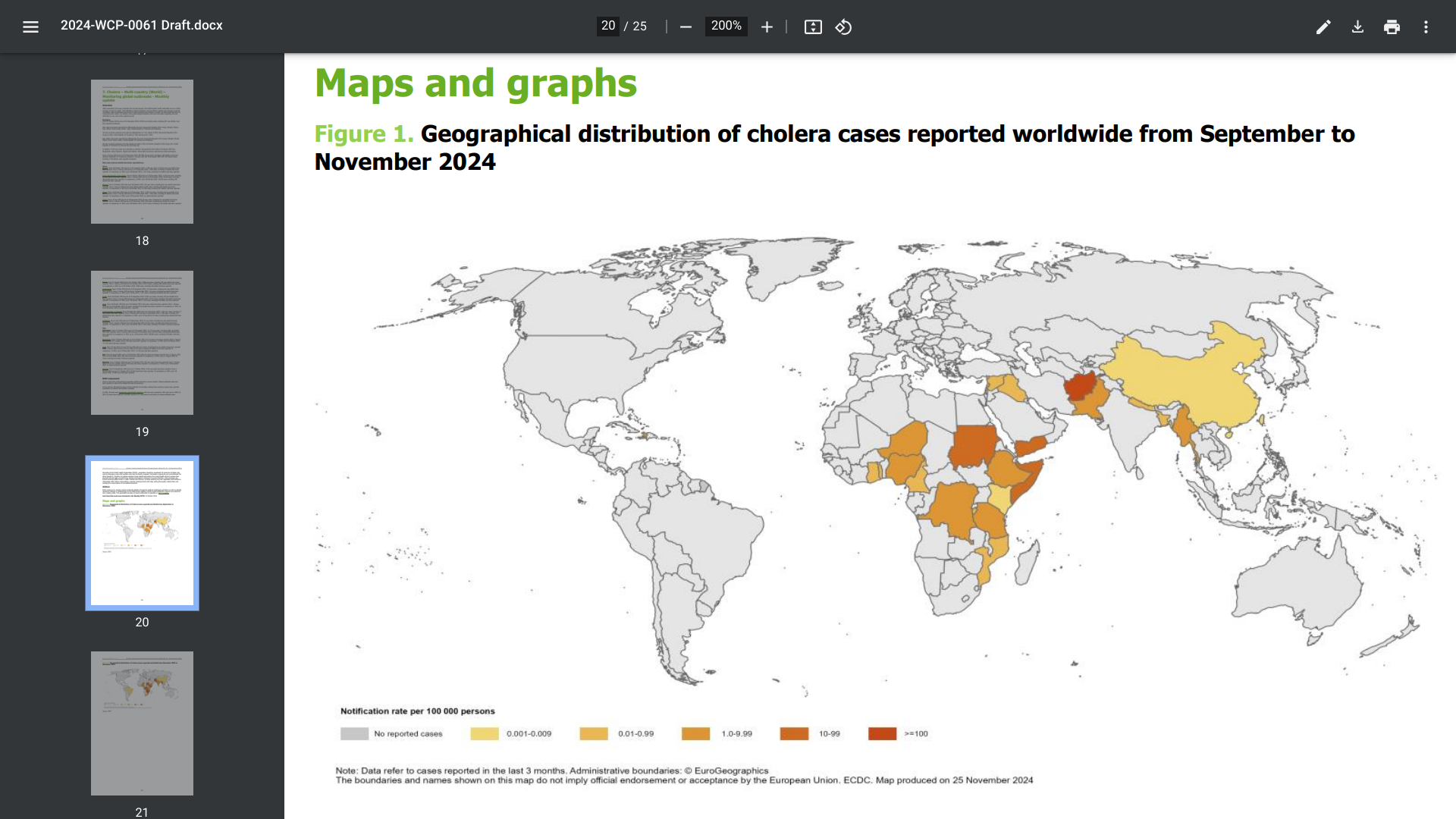
The European CDC recently confirmed cholera cases have continued to be reported in Africa and Asia in recent months, with outbreaks in parts of the Middle East and the Region of the Americas.
The Communicable Disease Threats Report for week #48 stated that since January 2024 and as of November 25, 2024, 490,700 cholera cases, including 3,693 deaths, have been reported worldwide.
New cholera deaths have been reported from Afghanistan, Burundi, the Democratic Republic of the Congo, Ethiopia, Ghana, Malawi, South Sudan, Sudan, the United Republic of Tanzania, and Zimbabwe.
Recent data from the WHO indicates the number of cholera-related deaths increased by 54% globally this year.
However, most European countries have escaped cholera outbreaks.
Nine EU/EEA countries reported 29 cases in 2022, two countries in 2021, and none in 2020.
In this context, the ECDC stated on November 29, 2024, that although the risk of cholera infection for travelers visiting these countries remains low, sporadic importation of cases to Europe is possible.
In the United States, nearly all cholera cases reported are acquired during international travel. As of the end of November 20224, seven cholera cases were reported to the CDC this year.
The CDC writes, 'Visit a healthcare provider or travel clinic to discuss cholera vaccination if you plan to visit an area where cholera is present, or where the water and food are unsafe to drink and eat.'
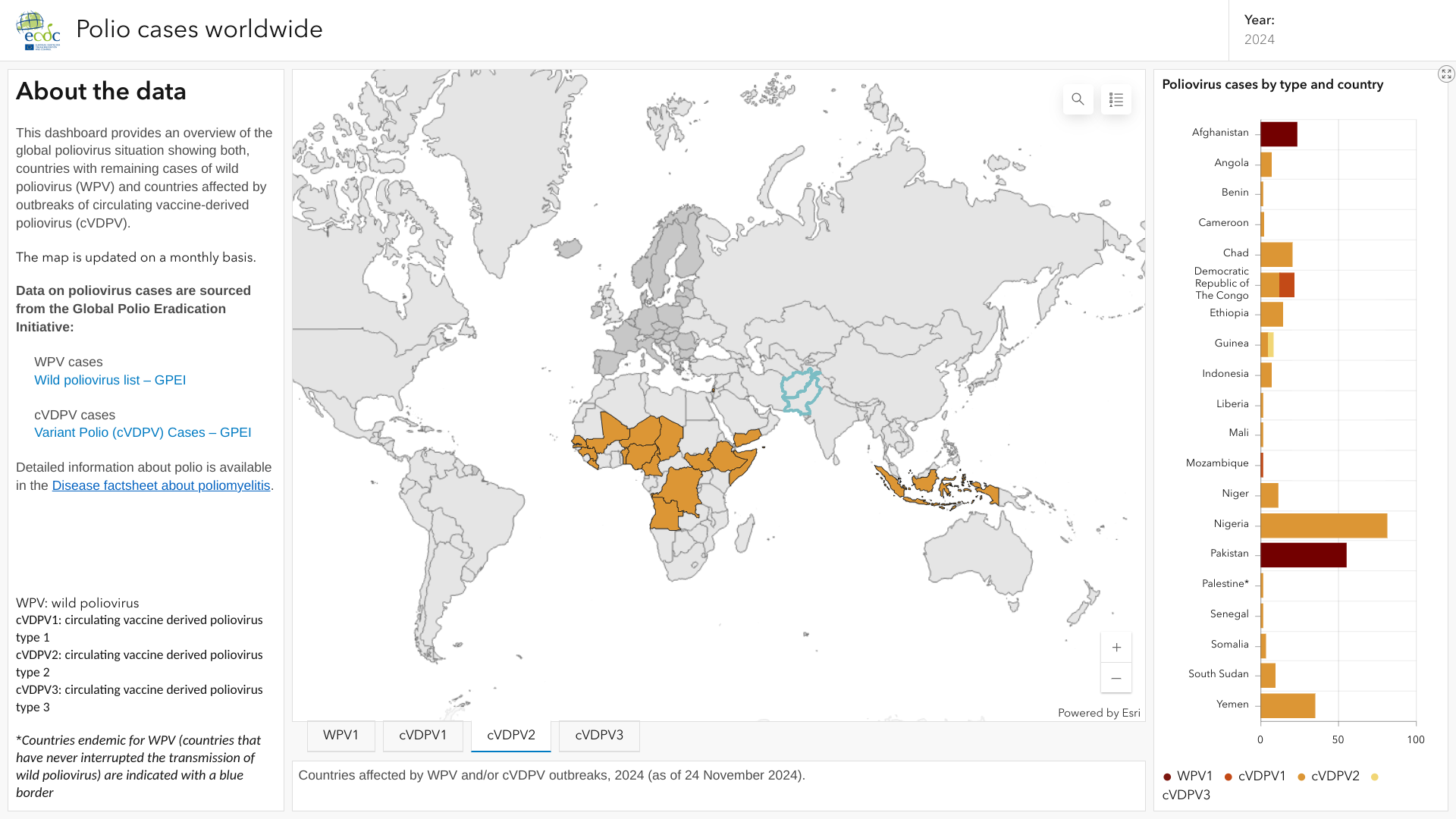
As 2024 comes to a close, health leaders say it has been challenging for polio eradication, as there has been an increase in the transmission of wild poliovirus in the last two endemic countries.
For example, Pakistan reported six WPV1 cases last week, bringing the total number of cases for 2024 to 55.
The U.S. Centers for Disease Control and Prevention (CDC) announced on October 17, 2024, that from January 2023 to June 2024, 74 cVDPV outbreaks were detected in 39 countries, with 672 confirmed acute flaccid paralysis cases.
Additionally, new and high-profile outbreaks have emerged. Despite these difficulties, the Global Polio Eradication Initiative (GPEI) wrote in November 2024 that the global commitment to eradicating polio remains stronger than ever.
To refocus polio vaccination efforts, the World Health Organization recently confirmed that the spread of the poliovirus remained a Public Health Emergency of International Concern.
For example, poliovirus has been detected in wastewater systems in Germany, Poland, and Spain since September 2024.
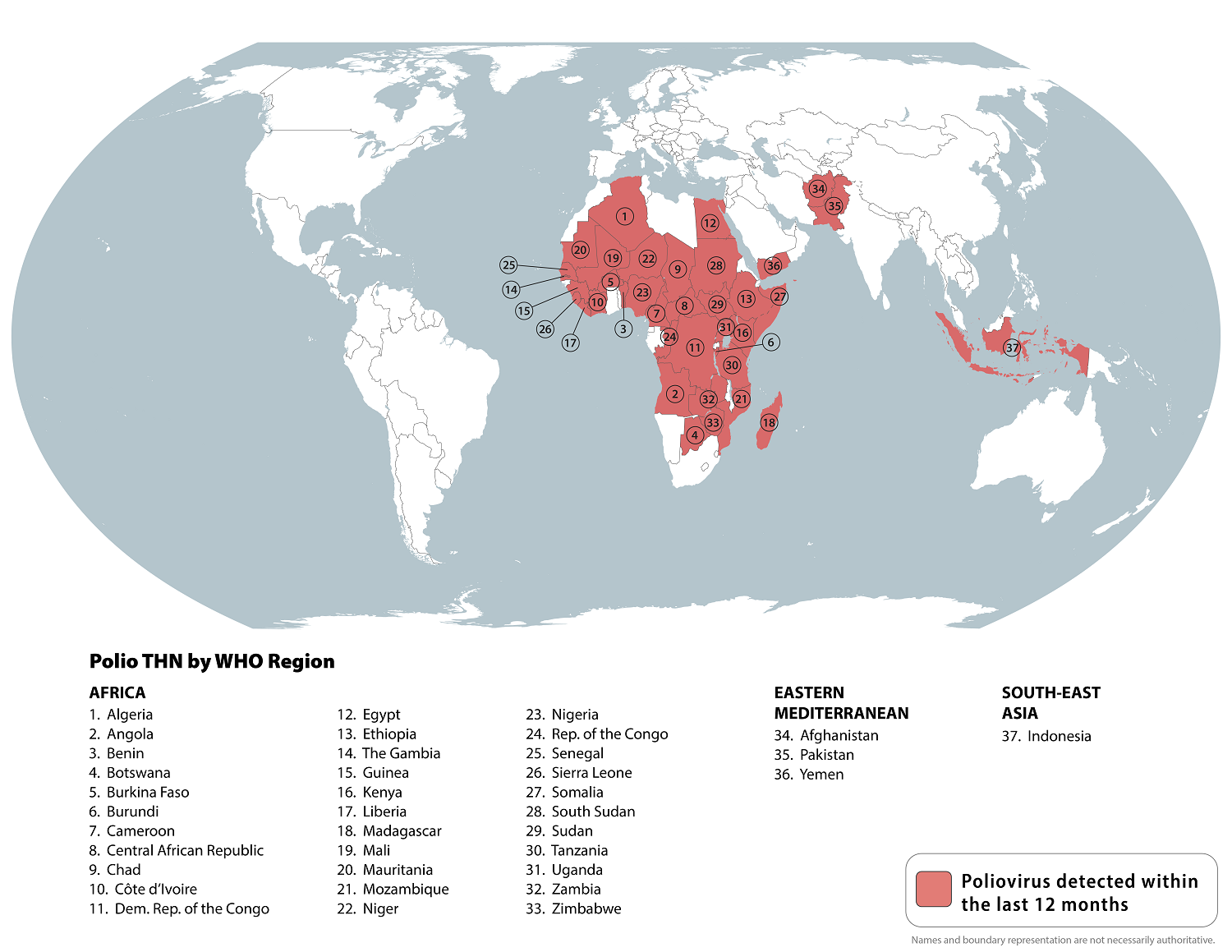
To alert international travelers of their polio risk, the CDC reissued a Global Polio Alert - Level 2 Travel Health Notice in August 2024 regarding polio outbreaks and poliovirus detections in 37 countries.
The CDC recommends that travelers speak with a vaccine expert before visiting these counties about completing their initial polio vaccinations or obtaining a booster for enhanced protection.
In the United States, polio vaccines are generally available in 2024 at health clinics and pharmacies.

Recent data published in the Vaccines scientific journal indicates a significantly reduced risk of variant type 2 poliovirus (cVDPV2) emergence after administering the novel oral polio vaccine type 2 (nOPV2) when compared to the monovalent oral polio vaccine type 2 (mOPV2).
Published on November 22, 2024, this research evaluated data from vaccination campaigns conducted between May 2016 and August 2024, and the findings align with existing clinical and field evidence supporting the enhanced genetic stability of the nOPV2 vaccine.
While nOPV2 has resulted in new emergences of cVDPV2, the number of cVDPV2 emergences is estimated to be approximately four-fold lower than if mOPV2 had been used instead.
As of early August 2024, about 98% of the approximately 1.19 billion nOPV2 doses administered globally were in African countries.
The inactive polio vaccine has been offered in the United States since 2000.
The U.S. CDC says before traveling to any of these 37 destinations, adults who previously completed the full, routine polio vaccine series may receive a single, lifetime booster dose of the polio vaccine.
The UK Health Security Agency (UKHSA) today announced that a new Clade Ib mpox has been detected in central England.
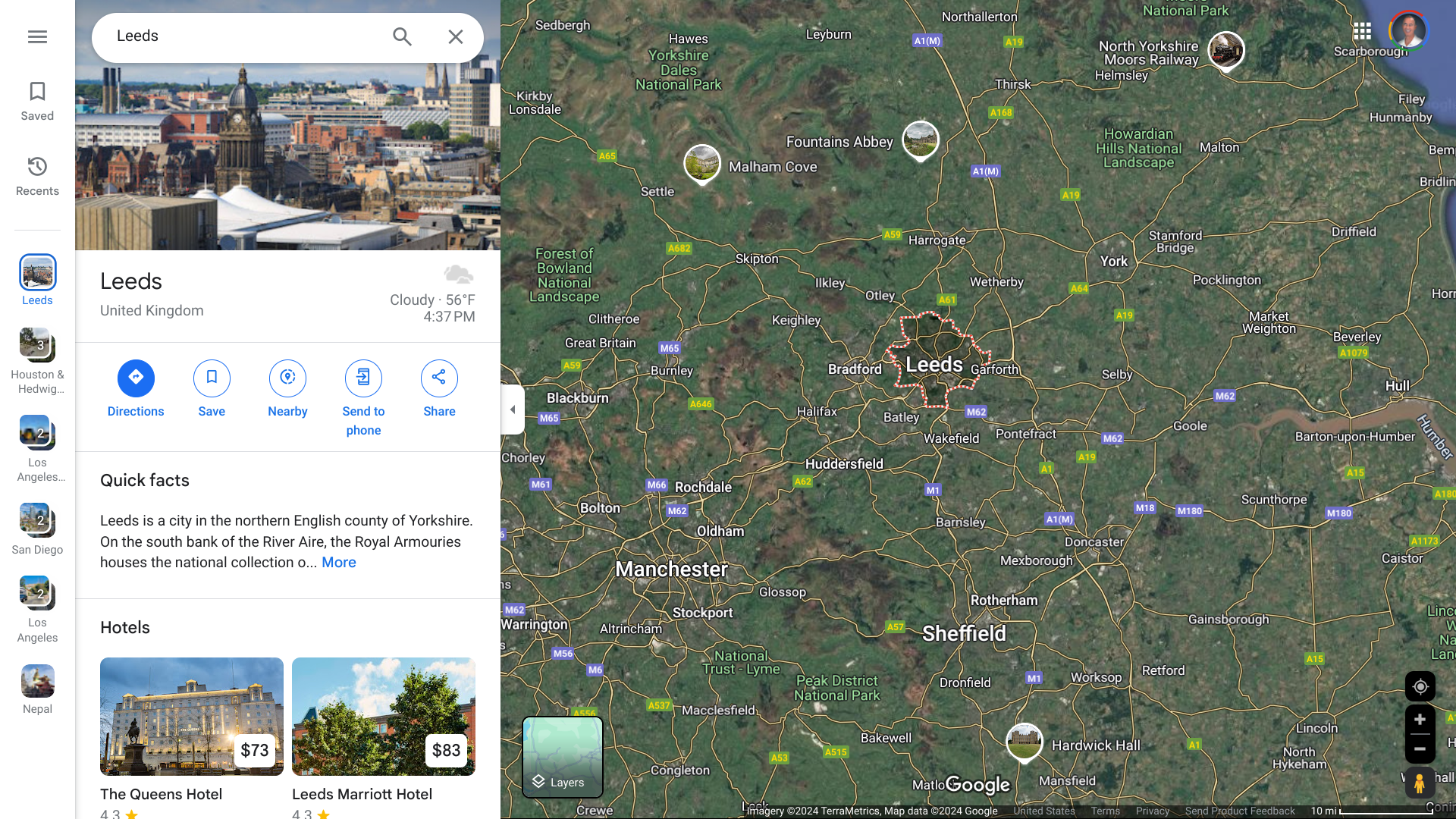
The case was detected in Leeds, and the individual is now under specialist care at Sheffield Teaching Hospitals NHS Foundation Trust. The UKHSA and NHS will not disclose any further details about the individual.
As of November 29, 2024, this is the fifth case of Clade Ib mpox confirmed in England in recent weeks. This case is related to travel to Africa and has no links to the previous instances identified, which have now fully recovered.
In a media release, Professor Susan Hopkins, Chief Medical Adviser at UKHSA, commented, "The risk to the UK population remains low following this fifth case, and we are working rapidly to trace close contacts and reduce the risk of any potential spread."
"Per established protocols, investigations are underway to learn how the individual acquired the infection and to assess whether there are any further associated cases."
According to the Africa Centers for Disease Control and Prevention, over 59,000 Clade 1b cases have been detected in 20 countries this year.
On November 22, 2024, the WHO Director-General determined that the upsurge of mpox continues to constitute a public health emergency of international concern.
This outbreak is unrelated to the Clade II global outbreak that began in May 2022.
Currently, Bavarian Nordic's JYNNEOS® (MVA-BN®, IMVAMUNE®, IMVANEX®) two-dose mpox / smallpox vaccine is available in numerous countries. The U.S. CDC recommends vaccination for people who anticipate sexual activities during travel to countries with ongoing person-to-person transmission of mpox.
For the Federal Democratic Republic of Nepal's healthcare workers, the memories of dengue fever outbreaks are reawakened each monsoon: the country has seen large-scale dengue outbreaks in the Himalayan mountain's rainy season each year.
The first case of dengue infection in Nepal was reported in 2004. Two years later, in 2006, 32 cases were reported in Chitwan district, which qualified as the country's first indigenous outbreak.
According to reports released by Nepal's Epidemiology and Disease Control Division, the country faced its first major outbreak in 2010, with 917 cases and five deaths.
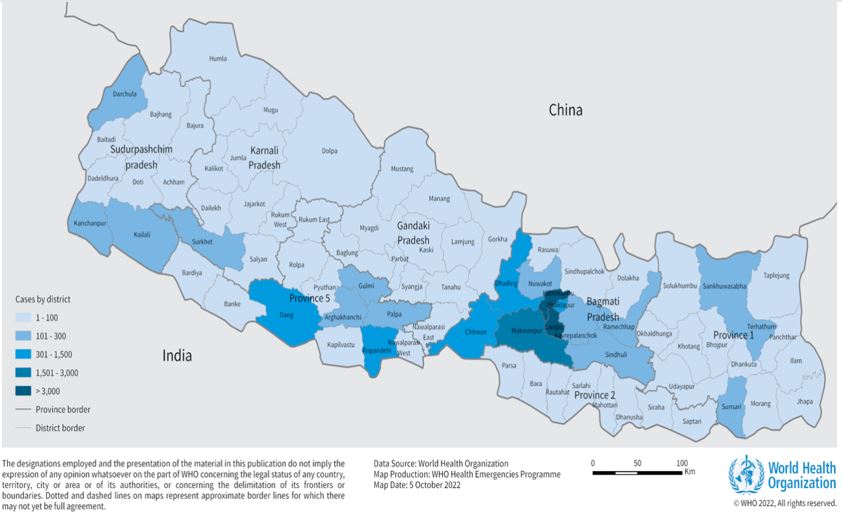
In 2022, the WHO confirmed 28,109 suspected and confirmed cases of dengue fever, including 38 confirmed deaths (CFR 0.13%), were reported from all seven provinces of Nepal, affecting all 77 districts.
In an op-ed published in the Kathmandu Post on October 26, 2024, Dr. Pun wrote, "the virus has become more complex and dangerous" over the years. But it's also hard to predict the virus's course."
To continue reading Pragya Timsina's unedited article, click here.
In 2024, the U.S. CDC reported that the countries listed in the WHO Western Pacific Region report higher-than-usual dengue cases, and travelers visiting these countries may be at increased risk.
Nepal's government data reveals that 96,305 persons visited the high-altitude mountain country in September 2024, compared with about 72,000 the previous month. Based on the information available for this dengue outbreak, the WHO does not recommend that any general travel or trade restrictions be applied to Nepal.
As of November 30, 2024, the CDC and the WHO say dengue outbreaks remain a global health threat.