Search API

Vaccine development
Marburg and Sudan vaccine candidates gain funding
0 min read

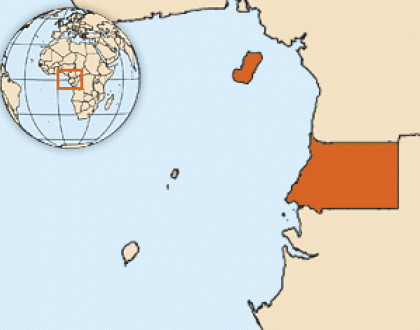
The World Health Organization (WHO) today announced it would convene an urgent Marburg virus vaccine consortium (MARVAC) meeting on February 14, 2023, to discuss the new Marburg virus disease outbreak in Equatorial Guinea, in Africa.

This is an open webinar, and non-MARVAC members can digitally attend at this Zoom link.

The MARVAC includes leaders in the field of vaccine research and development, working together to develop vaccines against this infectious disease threat.

As of February 14, 2023, no vaccines or antiviral treatments have been U.S. FDA-approved to treat this severe virus.

However, there are vaccine candidates currently being evaluated.

The emergence of the Marburg virus disease (MVD)in Africa triggered the assembly of the MARVAC consortium in 2022.

MVD is in the same virus family that causes Ebola virus disease.

This urgent action is related to yesterday's WHO announcement that Equatorial Guinea had confirmed its first-ever outbreak of Marburg virus disease.

Preliminary tests carried out following the deaths of at least nine people in the country's western Kie Ntem Province turned out positive for MARV viral hemorrhagic fever.

"Marburg is highly infectious. However, thanks to the rapid and decisive action by the Equatorial Guinean authorities in confirming the disease, emergency response can get to full steam quickly so that we save lives and halt the virus as soon as possible," commented Dr. Matshidiso Moeti, WHO Regional Director for Africa, in a press release.

Vaccine Treats: 
Image: 
Image Caption: 
WHO Marburg outbreak Feb. 2023
Live Blog Update Author: 
Location Tags: 
Equatorial Guinea map
Equatorial Guinea reported viral hemorrhagic fever fatalities in 2023
0 min read

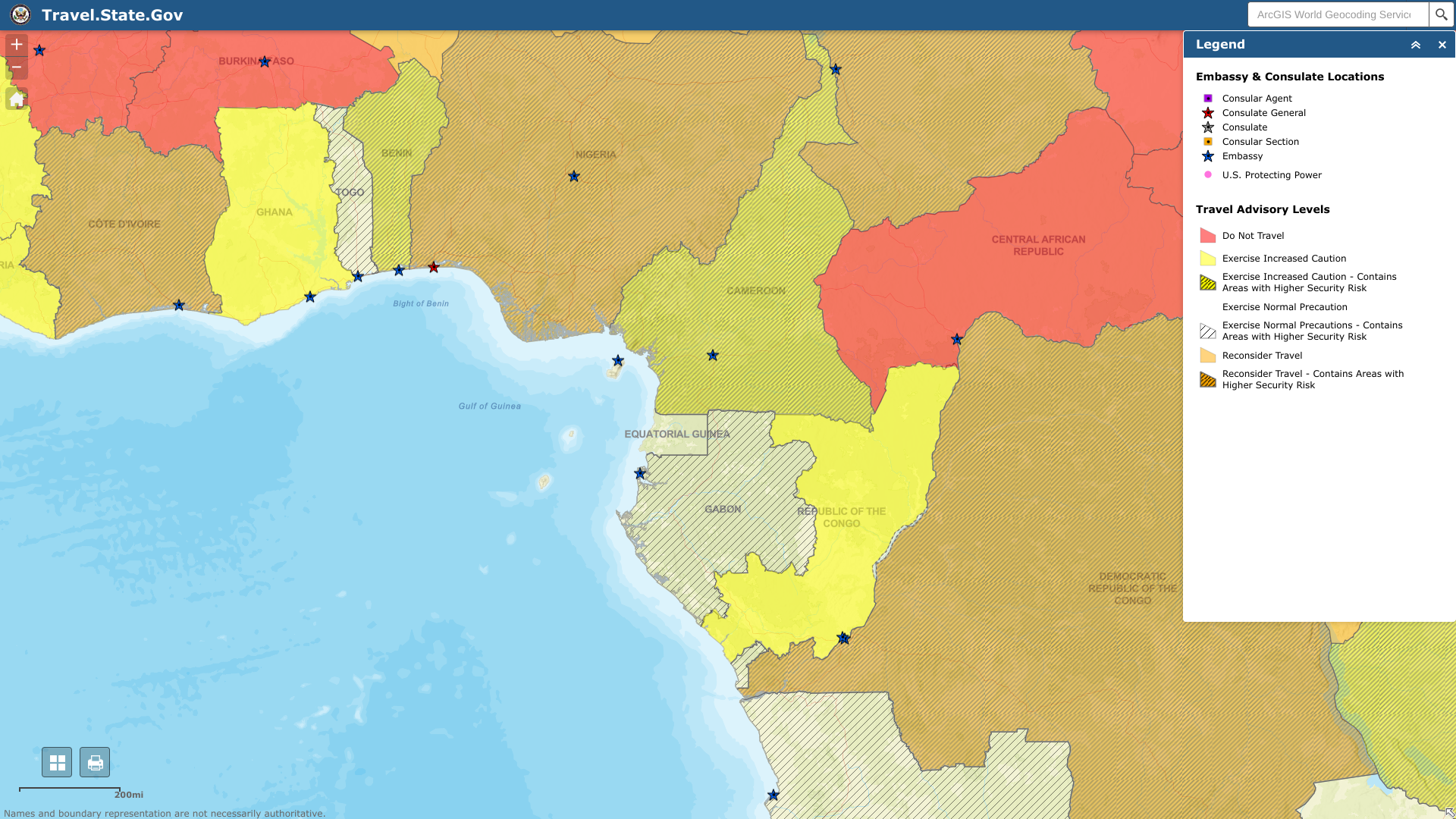
An outbreak of an undefined disease that has killed several people in Equatorial Guinea was reported on February 8, 2023, according to a Health Alert issued by the U.S. Embassy in Malabo.

The Government of Equatorial Guinea (EG) announced that over the past month, there had been an epidemiological outbreak of an unidentified disease in the Nsok Nsomo district of the Kie-Ntem province in the mainland region.

In a statement, EG said that travel restrictions had been imposed in "view of the high risk of importation of this disease.

According to preliminary investigations, these fatalities were linked to a funeral ceremony.

In reaction, the neighboring country of Cameroon has restricted movement along its border with Equatorial Guinea.

This area of Africa has been involved with numerous Ebolavirus outbreaks over the past decade.

The Republic of EG is located on Africa's west coast, consisting of Río Muni and five islands.

The local U.S. Embassy website has not posted an alert regarding this situation as of February 11, 2023, but does say in case of emergency, American citizens have access to an after-hours help line: (+240) 555-516 008.

Vaccine Treats: 
Image: 
Image Caption: 
Republic of Equatorial Guinea 2023
Location Tags: 
Vaccine: 
0 min read

A biotechnology company today announced positive results from a limited clinical trial evaluating a DNA vaccine candidate as a booster targeting the Zaire Ebolavirus.

This placebo-controlled Phase, 1b trial assesses its safety, tolerability, and immunogenicity in healthy adult participants who previously received a single injection of Merck's Ervebo®, a vaccine approved by the U.S. Food and Drug Administration for the prevention of disease caused by Zaire ebolavirus.

In the trial, INOVIO Pharmaceuticals, Inc.'s INO-4201 vaccine candidate was well-tolerated and boosted humoral responses in 100% (36 of 36) of study participants.

INO-4201 is a DNA vaccine targeting Zaire Ebola virus (ZEBOV) glycoprotein, designed to prevent ZEBOV infection. It encodes for a synthetic consensus antigen encompassing ZEBOV genetic variability from various outbreak strains to broaden immune coverage for divergent ZEBOV virus variants.

The participants were dosed with 1 mg of INO-4201 injected intradermally, followed by electroporation using our investigational proprietary smart device, CELLECTRA®.

Dr. Angela Huttner, MD, Infectious Disease Consultant, Geneva University Hospitals, and the study's lead investigator, commented in a press release on February 2, 2023, "INO-4201 was well-tolerated and all treated participants responded to the booster vaccine."

"These are encouraging results since our participants were initially vaccinated with Ervebo three to seven years ago."

"We remain grateful to our participants for their critical role in developing this vaccine candidate, which we hope will be a key player in future Ebola Virus Disease prevention."

This news is essential since recent research suggests dormant Ebola virus in a previously infected survivor could re-emerge up to nearly five years later and again allow human-to-human transmission Keita et al. Nature (Sept. 15, 2021).

The Ebola virus is classified as a Category A Priority Pathogen by the U.S. Centers for Disease Control and Prevention (CDC). This designation indicates a national security risk.

The Ebola virus family includes four virus species that cause periodic outbreaks of a highly contagious and lethal human infectious disease – called Ebola Virus Disease (EVD).

The virus is transmitted from wild animals to people and then easily spreads via human-to-human transmission.

Ebola outbreak news from 2022 and 2023 are posted at Vax-Before-Travel.com/Ebola.

The trial was spearheaded by Global Urgent and Advanced Research and Development, sponsored by Geneva University Hospitals, and funded by the U.S. Defense Advanced Research Projects Agency.

INOVIO is a biotechnology company focused on developing and commercializing DNA medicines. For more information, visit www.inovio.com.

Vaccine Treats: 
Image: 
Image Caption: 
WHO - Uganda Sudan Ebola outbreak 2022
Live Blog Update Author: 
Location Tags: 
0 min read

A Cincinnati-based biopharmaceutical company developing transformational vaccines today announced the development of vaccine candidates targeting Mpox and Marburg virus disease (“MVD”).

No vaccines or antiviral treatments are currently approved for MVD, which was first recognized in 1967.

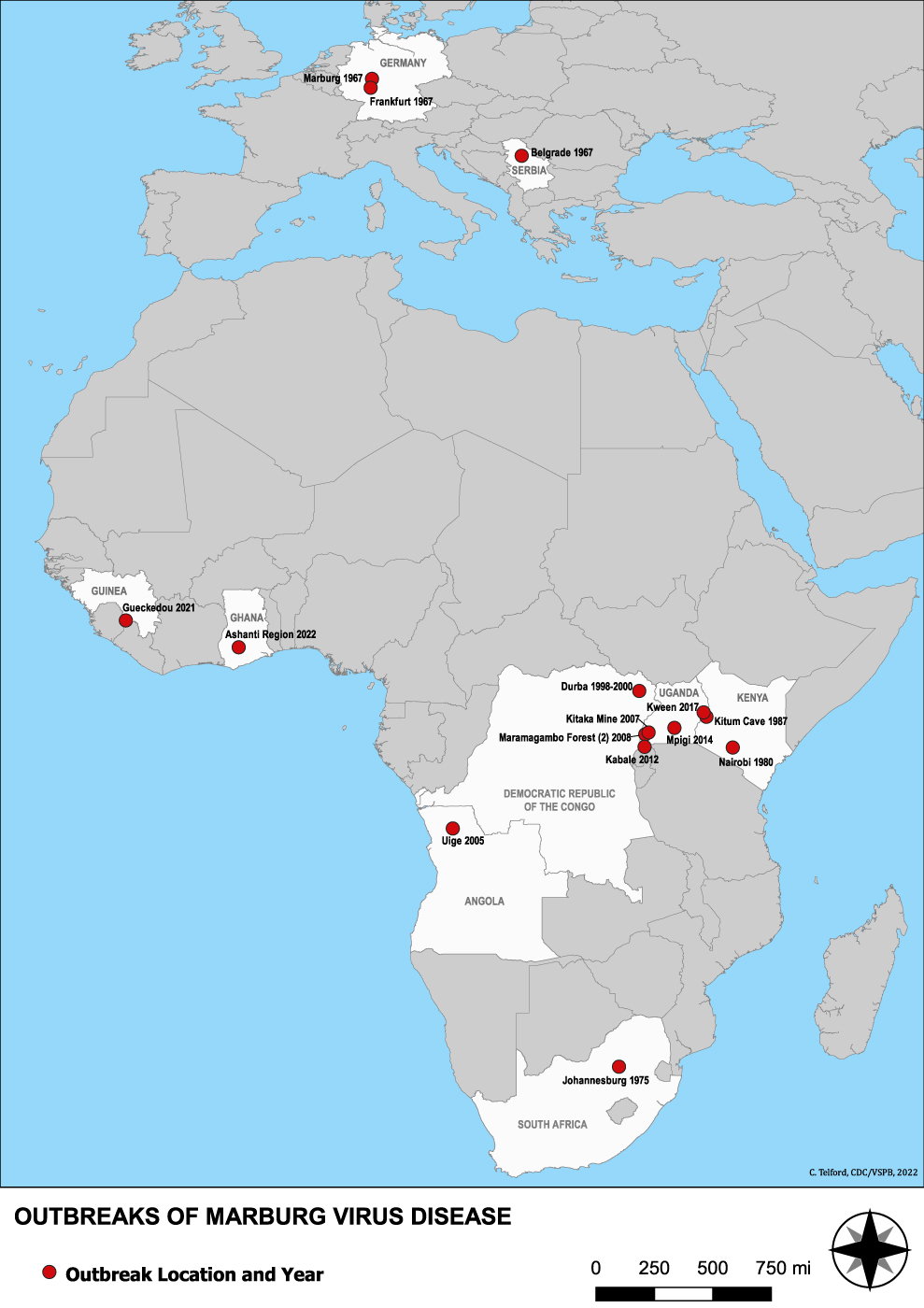
As of 2023, Angola, DR Congo, Germany, Ghana, Guinea, Kenya, Serbia, South Africa, and Uganda have confirmed MVD cases.

Both candidate vaccines will utilize Blue Water Vaccines (BWV) Inc. norovirus shell and protrusion virus-like particle platform, which allows for the presentation of multiple antigens on the surface of either the S or P particle of a norovirus backbone.

In addition to monkeypox vaccine development, AbVacc will utilize its extensive expertise in MVD to develop a novel vaccine targeting the Marburg virus using BWV’s VLP platform.

“As various epidemics continue to emerge around the world, there has never been a better time to invest in the creation of preventative vaccines,” said Joseph Hernandez, Chairman and CEO of BWV, in a press release on February 1, 2023.

MVD is caused by either the Marburg or Ravn viruses, both from the same family as Ebola viruses and can cause outbreaks with high transmission and fatality rates.

According to the World Health Organization (“WHO”), Marburg spreads through human-to-human transmission via direct contact with the blood, secretions, organs, or other bodily fluids of infected individuals or contaminated surfaces.

Case fatality ratios of MVD can reach up to 88%, indicating a severe unmet need for preventative and therapeutic options, says the WHO.

Marburg vaccine candidates at listed on this webpage.  

Vaccine Treats: 
Image: 
Image Caption: 
WHO Marburg cases 2023
Live Blog Update Author: 
Location Tags: 

cAD3-Marburg Vaccine

cAD3-Marburg Vaccine

The cAD3-Marburg vaccine candidate is being developed by the National Institute of Allergy and Infectious Diseases (NIAID), part of the U.S. National Institutes of Health (NIH). This vaccine uses a modified chimpanzee adenovirus, cAD3. cAD3 is not replicable and cannot infect cells. Instead, it displays a glycoprotein on the surface of the Marburg Virus (MARV) to induce immune responses against the virus.

The peer-reviewed journal The Lancet published a study on January 28, 2023, that concluded that the first-in-human clinical trial of the cAd3-Marburg vaccine showed the agent is safe and immunogenic, with a safety profile similar to that of previously tested cAd3-vectored filovirus vaccines. In addition, 95% of participants produced a glycoprotein-specific antibody response four weeks after a single vaccination, and 70% remained at 48 weeks. RV 507 was a Phase I, open-label study that conducted dose escalation of VRC-MARADC087-00-VP, a cAd3 vector vaccine encoding the wild-type glycoprotein from Marburgvirus. It has demonstrated rapid immunity within one week in non-human primates and safety and immunogenicity in humans in Phase 1 trials.

The NIAID plans to conduct further trials of the cAd3-Marburg vaccine in Ghana, Kenya, Uganda, and the United States. An Albert B. Sabin Vaccine Institute-sponsored Phase 2, Randomized, Double-blind, Placebo-Controlled Trial to Evaluate Safety, Tolerability, and Immune Responses of an Investigational Monovalent Chimpanzee Adenoviral-Vectored Marburg Virus Vaccine in Healthy Adults. The candidate is currently in Phase 2 trials in Uganda and Kenya, and no safety concerns have been reported. In September 2024, Sabin launched a clinical trial in the Republic of Rwanda. As of October 31, 2024, Sabin's Marburg vaccine has not demonstrated clinical benefit for vaccine recipients.

In early December 2025, Sabin sent more than 640 doses of cAd3-Marburg to Ethiopia to support the country's response to its first-ever outbreak of Marburg virus disease.

The Maryland-based NIAID conducts and supports research at the NIH, throughout the United States, and worldwide to study the causes of infectious and immune-mediated diseases and develop better means of preventing, diagnosing, and treating them. Other NIAID-related materials are available on the NIAID website.

cAD3-Marburg Indication

Marburg virus is in the same family as Ebola, causing a rapidly progressive febrile illness that leads to shock and death in many infected individuals. Human outbreaks begin when the virus jumps from the animal host to the human. In sub-Saharan Africa, bats are most likely the primary source of human infection. MARV symptoms are similar to those of Ebola, including fever, headache, chills, rash, abdominal pain, vomiting, and diarrhea. As the disease progresses, patients suffer from multiple organ dysfunction, delirium, and significant bleeding from the gastrointestinal tract or other sites that may result in death.

Marburg Vaccine Candidates

Marburg disease protective vaccine candidates are in clinical development, but none have been FDA-approved in the U.S.

cAD3-Marburg News

December 4, 2025 - Sabin Vaccine Institute's Investigational Marburg Vaccine Delivered to Ethiopia for Outbreak Response.

October 31, 2024 - Over 1,700 vaccines have already been delivered to Rwanda, with the first shipment of doses arriving just nine days after the outbreak was declared on September 27. The initial part of the trial focused mainly on health workers, a group that suffered the most casualties in this outbreak.

March 22, 2023 - Since the first WHO Disease Outbreak News published on February 25, 2023,  eight additional laboratory-confirmed cases of MVD have been reported in Equatorial Guinea.

February 15, 2023 - A news article was published by the journal Nature: Marburg virus outbreak: researchers race to test vaccines.

January 28, 2023 - Marburg vaccine shows promising results in a first-in-human NIH-funded clinical study. The RV 507 trial of this cAd3-Marburg vaccine showed the agent is safe and immunogenic, with a safety profile similar to previously tested cAd3-vectored filovirus vaccines. In addition, 95% of participants produced a glycoprotein-specific antibody response four weeks after a single vaccination, and 70% remained at 48 weeks. 

October 13, 2022 - An introduction to the Marburg virus vaccine consortium, MARVAC.

cAD3-Marburg Clinical Trial 2023

Phase 1 clinical trial enrolled 40 healthy adult volunteers. They received a single dose of either a low dose of the vaccine (1x10^10 particle units) or a higher dose (1x10^11 particle units). For safety, the volunteers were enrolled in a dose-escalation plan. Three participants received the lower dose. After no severe adverse reactions were observed after seven days, the trial enrolled the remaining 17 volunteers. The same procedure was also used for the higher-dose group. Volunteers were monitored for adverse reactions to the investigational vaccine and evaluated at regular intervals for 48 weeks to track their immune responses.

This is a multicenter, double-blinded, placebo-controlled, Phase II study to evaluate the safety, tolerability, and immunogenicity of a single dose of the cAd3-Marburg vaccine in healthy adults up to 70 years of age in Uganda and Kenya. The study will enroll 125 eligible participants, randomized 4:1 to receive the cAd3-Marburg vaccine at a dose of 1.0 × 10^11 PU intramuscularly in the deltoid muscle on Day 1, or placebo (0.9% sodium chloride (NaCl) solution). Participants will be screened for eligibility up to 28 days before enrollment. Enrollment will be staggered, starting with healthy adults 18 to 50 (inclusive). Upon enrollment of a minimum of 25 younger adult participants (sentinel), the safety data will be reviewed by the independent DSMB up to 7 days post-vaccination of these 25 sentinel participants. Progression to enrollment of the older adults (>50 to 70 years of age) will be dependent on the unblinded review of the Data Safety Monitoring Board (DSMB). Safety and immunogenicity will be assessed on Days 1, 8, 15, 29, 85, and 169 and conclude at the end of the study visit on Day 366.


0 min read
Availability: 
Ethiopia
Generic: 
cAD3-Marburg
Clinical Trial: 
https://www.niaid.nih.gov/clinical-trials
Drug Class: 
Adenovirus Vector Vaccine
Condition: 
Last Reviewed: 
Friday, December 5, 2025 - 10:20
Status: 
Manufacturer Country ID: 
FDA First In Class: 
Yes
Location tags: 
Marburg outbreak
cAd3-Marburg vaccine candidate at Walter Reed Army Institute of Research Clinical Trials Center
0 min read

EverGlade Consulting today announced that Sabin Vaccine Institute successfully secured up to $214 million in funding from the U.S. government to advance the development and production of single-dose vaccine candidates for Ebola Sudan and Marburg virus diseases.

Currently, no licensed vaccines against either virus cause hemorrhagic fever and kill approximately half the people infected.

There are U.S. Food and Drug Administration-approved vaccines for a different ebolavirus known as Zaire.

BARDA, part of the U.S. Department of Health and Human Services' Administration for Strategic Preparedness and Response, will initially invest $35 million to produce up to 100,000 doses of the ChAd3-SUDV Ebola Sudan virus vaccine candidate.

These vaccines may be part of ongoing U.S. preparedness efforts and response to future global outbreaks.

The contract also includes funding to manufacture Sabin's Marburg virus vaccine, ChAd3-MARV, which will generate doses that could be used in trials and response to a future Marburg virus outbreak.

Andrew Stiles, Principal at EverGlade, said in a press release on January 25, 2023, "The recent Ebola Sudan outbreak in Uganda emphasized the critical need for better preparedness."

The initial Ebola virus disease (EVD) case first appeared in 1976.

The recent Sudan Ebolavirus outbreak in the Republic of Uganda was declared on September 20, 2022, and was declared ended in early 2023.

Detailed ebola vaccine information is posted at PrecisionVaccinations.com/Ebola.

Vaccine Treats: 
Image: 
Image Caption: 
by Adrian P.
Live Blog Update Author: 
Location Tags: 
0 min read

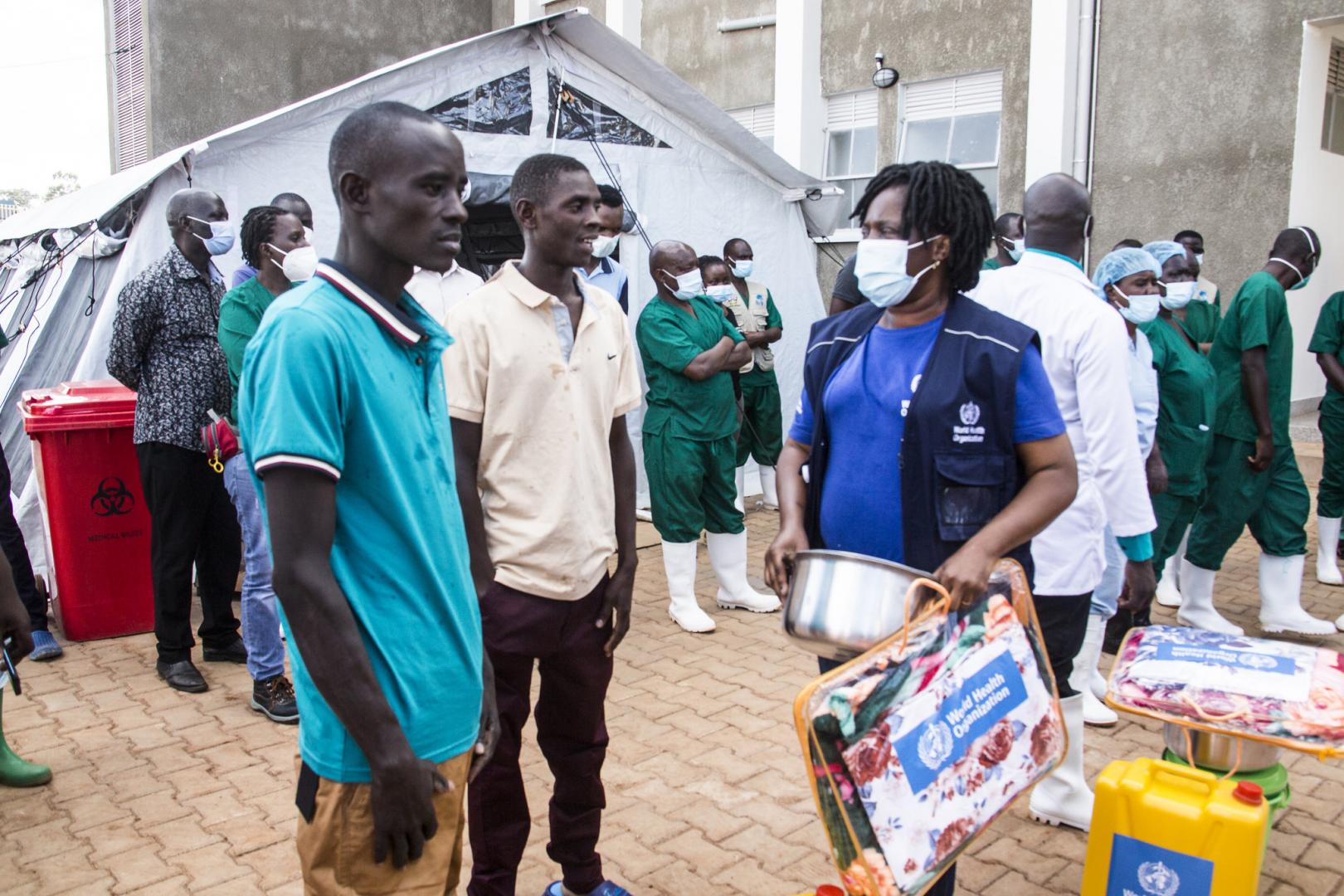
The U. S. Centers for Disease Control and Prevention (CDC) recently announced it joined the Republic of Uganda in marking the end of the fifth Sudan Ebolavirus outbreak in Uganda.

The last Sudan Ebola outbreak in Uganda was in 2012.

In addition, entry screening and public health monitoring of travelers to the U.S. who have been in Uganda in the last 21 days ended on January 11, 2023.

“I commend the Government of Uganda, local health workers, and global public health partners who worked to end the country’s Ebola outbreak,” said CDC Director Rochelle P. Walensky, M.D., M.P.H., in a media statement.

The CDC confirmed it would continue supporting the Ugandan Ministry of Health in continuing surveillance, infection prevention and control, and response activities to help ensure rapid detection and response to future cases and outbreaks.

Since this outbreak declaration in September 2022, there were 164 cases with a case-fatality ratio was 47%.

Furthermore, three vaccine candidates launched human clinical trials for this type of Ebola in December 2022.

Vaccine Treats: 
Image: 
Image Caption: 
by Rudy Skitterians
Live Blog Update Author: 
Location Tags: 
Vaccine: