Search API

0 min read

A Cincinnati-based biopharmaceutical company developing transformational vaccines today announced the development of vaccine candidates targeting Mpox and Marburg virus disease (“MVD”).

No vaccines or antiviral treatments are currently approved for MVD, which was first recognized in 1967.

As of 2023, Angola, DR Congo, Germany, Ghana, Guinea, Kenya, Serbia, South Africa, and Uganda have confirmed MVD cases.

Both candidate vaccines will utilize Blue Water Vaccines (BWV) Inc. norovirus shell and protrusion virus-like particle platform, which allows for the presentation of multiple antigens on the surface of either the S or P particle of a norovirus backbone.

In addition to monkeypox vaccine development, AbVacc will utilize its extensive expertise in MVD to develop a novel vaccine targeting the Marburg virus using BWV’s VLP platform.

“As various epidemics continue to emerge around the world, there has never been a better time to invest in the creation of preventative vaccines,” said Joseph Hernandez, Chairman and CEO of BWV, in a press release on February 1, 2023.

MVD is caused by either the Marburg or Ravn viruses, both from the same family as Ebola viruses and can cause outbreaks with high transmission and fatality rates.

According to the World Health Organization (“WHO”), Marburg spreads through human-to-human transmission via direct contact with the blood, secretions, organs, or other bodily fluids of infected individuals or contaminated surfaces.

Case fatality ratios of MVD can reach up to 88%, indicating a severe unmet need for preventative and therapeutic options, says the WHO.

Marburg vaccine candidates at listed on this webpage.  

Vaccine Treats: 
Image: 
Image Caption: 
WHO Marburg cases 2023
Live Blog Update Author: 
Location Tags: 
0 min read

A biotechnology company focused on developing and commercializing DNA medicines today announced it has strategically redirected resources to advance DNA vaccine candidates.

INOVIO Inc. reconfirmed on January 31, 2023, its focus on treating Recurrent Respiratory Papillomatosis, such as the INO-3107 vaccine candidate.

"Today's announcement is a reflection of measured efforts INOVIO has undertaken to assess the portfolio and prioritize those programs with the greatest benefit for patients and commercial potential," said INOVIO's President and CEO, Dr. Jacqueline Shea, in a related press release.

"This decision followed thoughtful consideration and thorough diligence to position the organization better and ultimately realize the potential of DNA medicines."

INOVIO's lead programs include its treatments for HPV-associated diseases, such as INO-3107 and VGX-3100 for cervical high-grade squamous intraepithelial lesions.

The data readouts for INOVIO's Phase 3 REVEAL2 trial for VGX-3100 and the second cohort from the Phase 1/2 trial for INO-3107 are expected to be announced in the first quarter 2023.

INOVIO's DNA medicines in development are delivered using its investigational proprietary smart device, CELLECTRA®, to produce immune responses against targeted pathogens and cancers. For more information, visit www.inovio.com.

Note: This news article is not paid content.

Vaccine Treats: 
Image: 
Image Caption: 
by Gerd Altmann
Live Blog Update Author: 
Location Tags: 

Tuberculosis BCG Vaccines

Tuberculosis BCG Vaccines December 2025

According to the World Health Organization (WHO) Global Tuberculosis Report, tuberculosis (TB) is a vaccine-preventable disease. Versions of the BCG vaccine have been used for about 100 years. Since 1921, more than 4 billion Bacille Calmette-Guérin (BCG) vaccinations have been administered worldwide. The WHO states that increasing access to BCG vaccines could save up to 1.9 billion antibiotic doses annually, thereby helping to reduce antimicrobial resistance and the disease burden, which is essential for achieving TB elimination. While BCG has demonstrated significant effectiveness (50%), protection against all TB forms in all age groups has not been consistent. As of November 2025, no universal BCG vaccination policy has been established.

On November 6, 2025, the WHO published the TB Vaccine Accelerator Council report, which estimates that global procurement of TB vaccines for all countries could cost US$5 billion to US$8 billion from 2030 to 2040. On November 6, 2025, the WHO published the report, "Catalysing solutions for equitable global access for sustainable financing for novel tuberculosis vaccines for adults and adolescents," which presents a first-of-its-kind analysis of the anticipated barriers, bottlenecks, and market dynamics that could impact timely, equitable, and sustainable access to novel TB vaccines. 

The WHO's Product Development for Vaccines Advisory Committee (PDVAC) has recommended the development of a preferred product characteristic (PPC) for new TB vaccines. Several BCG vaccines based on different bacterial strains are available worldwide. The WHO's End TB Strategy outlines the Sustainable Development Goals to End TB by 2030. As of May 2025, the WHO's TB Research Tracker listed vaccine candidates in clinical development, with four in Phase III scheduled to end in 2025. As of 2024, the Bill and Melinda Gates Foundation and Wellcome have pledged $550 million (to the Gates Medical Research Institute) to support late-stage clinical trials for a new tuberculosis vaccine.

As of October 2025, the WHO recommends BCG vaccination at birth in countries where tuberculosis is endemic. In 2023, 323 million doses of BCG were administered worldwide, and the most commonly used strains were those WHO prequalified: Danish 1331, Bulgarian SL-222, Russian I, and Tokyo 172-1. In 2002, BCG vaccination for neonates was practiced in 157 countries and territories. 

Tuberculosis BCG Vaccine United States

Merck's TICE® BCG vaccine is approved by the U.S. Food and Drug Administration (FDA) (STN: 103050) and produced by Organon Teknika Corp., LLC for use in the United States. According to the U.S. Centers for Disease Control and Prevention (CDC), BCG vaccination is considered for people who meet specific criteria, such as children with a negative TB test who are continually exposed and cannot be separated from adults who are untreated or ineffectively treated for TB. 

As of March 13, 2025, the Serum Institute of India and ImmunityBio's recombinant Bacillus Calmette-Guérin (rBCG) (TUBERVAC-rBCG) vaccine became available in the U.S. for bladder cancer therapies. The rBCG vaccine has two gene modifications to improve its immunogenicity and safety. It has demonstrated potent immunogenicity, stimulating both CD8+ and CD4+ T cells, and improved safety compared to earlier BCG strains and formulations. Anova Enterprises, Inc. is helping manage ImmunityBio's rBCG Expanded Access Program.

Tuberculosis BCG Vaccines Global

Blessina Kumar, a member of WHO's Civil Society Taskforce on TB, confirmed 16 TB vaccines were available in countries such as the U.S., Canada, China, Cuba, Ethiopia, Jamacia, Japan, Germany, UK, Mexico, Europe, Brazil, Korea, Russia, Spain, South Africa, Quebec, India (1948), New Zealand, Australia, Venezuela, and Nigeria. The BCG Atlas is an open-source database of global BCG vaccination policies and practices.

The Serum Institute of India (SII) rBCG vaccine TUBERVAC-rBCG was approved in 2023 as a single-dose vaccine for the prevention of TB. The National TB Elimination Program (NTEP) underscores the Government of India's goal to eliminate TB in the country. In July 2023, the Indian government approved the export of the rBCG vaccine to Canada for use in immunotherapy to treat bladder cancer. On February 19, 2025, the U.S. Food and Drug Administration (FDA) authorized an expanded access program to bring rBCG to patients in the United States. As of April 2025, SII is the world's largest manufacturer of BCG vaccines.

BCG vaccine AJV (A.J. Vaccines) is the only licensed BCG vaccine in the UK as of 2023. Beginning in September 2021, eligible babies born in the UK were offered the BCG vaccine at 28 days or soon after. This PGD is for the administration of BCG Vaccine AJV to individuals up to 16 years of age who are at increased risk of TB.

Verity Pharmaceuticals Inc. VERITY-BCG™ Strain Russian BCG-I) in Canada. VERITY-BCG™ is an adjuvant therapy and is only recommended for stage Ta grade 1 papillary tumors when there is judged to be a high risk (>50%) of tumor recurrence.

France BCG vaccine program (Pasteur 1173P2). In France, BCG vaccination is recommended from 1 month of age for children at high risk of TB and may also be offered up to 15 years, in unvaccinated children at risk.

Brazil strain (BCG oral Mearou RJ). The BCG vaccine, widely used in Brazil for newborns, provides adjuvant protection against several diseases, including childhood viral infections. The genomics, proteomics, and vaccine trials for oral BCG Moreau in Rio de Janeiro are under investigation. A 2023 study found that recombinant BCG generated high levels of immune memory cells for up to six months in animal models. The Brazilian Bolsa Família Program (BFP) reduced TB incidence, mortality, and case-fatality rates.

Bulgarian substrain (Sofia SL222)

Japan 172 strain (Tokyo 172-1)

BCG-Denmark 1331 - Statens Serum Institute BCG-Denmark vaccination had a beneficial effect on herpes. However, another study found that it did not reduce the initial risk of QFT Plus among healthcare workers.

Tuberculosis Vaccine Candidates

Sponsored by the International AIDS Vaccine Initiative, the H56:IC31 TB vaccine candidate contains the fusion proteins Ag85B, ESAT-6, and Rv2660c, along with the IC31 adjuvant. It has been highly anticipated for its potential to reduce tuberculosis recurrence rates. In clinical trials, H56:IC31 has been found safe and capable of eliciting strong T-cell responses and specific IgG antibodies in adults undergoing treatment for drug-sensitive tuberculosis and in HIV-negative healthy adolescents.

MTBVAC is the first live attenuated BCG vaccine of Mycobacterium tuberculosis isolated from a human. In 2024, Bharat Biotech International Limited started a series of clinical trials in collaboration with IAVI and Biofabri. If MTBVAC is shown to be efficacious, Biofabri, IAVI, and other partners will work together to ensure a sufficient and affordable supply is available for low— and middle-income countries.

The M72/AS01E (M72) subunit protein vaccine candidate and GSK's Adjuvant System AS01 are conducting phase 3 clinical research. As of March 2025, a Phase 3 trial is ahead of schedule and has already recruited 90% of the 20,000 people it needs.

The University of Oxford conducted a Phase 1 clinical trial for an aerosol-inhaled live-attenuated Mycobacterium bovis BCG vaccine. On April 12, 2024, the first-in-human aerosol BCG-controlled human infection model was reported to be sufficiently well-tolerated. Further work will evaluate the utility of this model in assessing vaccine efficacy and identifying potential correlates of protection.

Access to Advanced Health Institute published the results of a Phase 1 clinical trial (June 2023) in collaboration with the U.S. NIH. The trial demonstrated the safety and immune responses of a novel vaccine against TB that combines several proteins from M. tuberculosis (Mtb) into a fusion protein (ID93) and a proprietary immune-stimulating adjuvant (GLA-SE) in a freeze-dried formulation.

BioNTech SE announced clinical trial plans for its mRNA vaccine candidate for TB on July 26, 2021. In April 2023, BioNTech initiated a Phase 1 clinical trial of BNT164, an mRNA vaccine candidate against TB, in partnership with the Bill and Melinda Gates Foundation. A Phase Ib trial (NCT05547464) conducted in Africa evaluates three dose levels of the BNT164 investigational vaccines (BNT164a1 and BNT164b1) to select a safe and tolerable dose in a three-dose schedule. A Phase Ia trial (NCT05537038) will evaluate four dose levels of the BNT164 investigational vaccines (BNT164a1 and BNT164b1) in a three-dose schedule.

SII VPM1002 is a recombinant BCG vaccine derived from the Danish strain of BCG, also known as the Prague subtype. It expresses listeriolysin, which enables the bacilli to access the host cell cytoplasm and, thus, potentially enhance CD8+ T-cell activation. It also induces inflammasome activation.

IDRI's ID93 + GLA-SE TB vaccine candidate was found safe and immunogenic in healthy adults on March 6, 2023. A US NIH-funded randomized clinical trial of single-vial lyophilized ID93 + GLA-SE is ongoing. Christopher B. Fox, Ph.D., and scientists at the Access to Advanced Health Institute developed ID93+GLA-SE. It is a recombinant subunit vaccine composed of four proteins from the Mycobacterium tuberculosis bacterium, combined with GLA-SE, an immune-stimulating adjuvant.

BIOFABRI MTBVAC is a live-attenuated vaccine against TB, concurrently conducting phase clinical research. GamTBvac, developed by the Gamaleya Federal Research Center of Epidemiology and Microbiology, is in Phase 3 development.

Longhorn Vaccines and Diagnostics LLC LHNVD-301 is an unconjugated, peptide-based vaccine that combines an MTB heat shock protein epitope and a peptidoglycan (PGN) epitope. PGN is a bacterial cell wall component that plays an essential role in infections. The combination of heat shock proteins and PGN generates broadly reactive antibodies. It represents a novel approach that combats AM and targets tuberculosis by combining multiple MTB-specific epitopes and common to gram-positive bacteria into a peptide vaccine.

The National Institutes of Health recently awarded the University of Montana a $12.3 million contract to develop a novel adjuvant for TB vaccines. The grant to the University of Montana's Center for Translational Medicine will advance a TB vaccine candidate from pretrial to clinical trials.

CanSinoBio and Etana are conducting clinical research in Indonesia for the AdHu5Ag85A vaccine.

Research published in Nature Microbiology on January 10, 2025, by the University of Pittsburgh suggests that a self-destructing intravenously administered vaccine provides additional protection against tuberculosis in macaque monkeys.

Recombinant BCG Vaccine

Recombinant BCG (rBCG) has demonstrated potent immunogenicity, stimulating both CD8+ and CD4+ cells, and improved safety compared to standard BCG in European clinical trials. rBCG strains expressing immunomodulatory factors have been investigated for 30 years to enhance immunotherapy against bladder cancer and other diseases. Serum Institute of India (SII) confirmed in May 2024 that it was manufacturing next-generation rBCG. Researchers from Brazil's Butantan Institute and their collaborators announced on July 3, 2024, that they are developing an rBCG vaccine that increases the protection rate to 99% and offers more extended protection.

Universal BCG Vaccine

World leaders have committed to licensing at least one new TB vaccine. WHO-commissioned research estimates that, over 25 years, a universal BCG vaccine that is 50% effective in preventing TB could avert up to 8.5 million deaths and reduce health costs by $6.5 billion. Harvard T.H. Chan School of Public Health researchers announced on February 17, 2023, that a recent study found that introducing an effective TB vaccine in low—and middle-income countries could yield billions of dollars in potential health and economic benefits.

Gene-Edited BCG Vaccine Candidate

In April 2024, researchers at the University of the Witwatersrand School of Pathology published a breakthrough study in TB vaccine development. They gene-edited the BCG to make it more effective. A modified BCG that depletes enzymes involved in peptidoglycan amidation provides enhanced protection against tuberculosis in mice. In vitro and in vivo experiments in this study demonstrate the feasibility of gene-regulatory platforms, such as CRISPRi, to tailor antigen presentation in Ber, thereby tuning it towards more effective protection against TB disease.

Tuberculosis Vaccine Vs. TB Treatment Cost

The global average cost for BCG vaccination is about $5.00. A study summarizing evidence from 76 studies published between 2011 and 2024, and released in April 2025, found that the total mean costs per person for TB care ranged from $7.13 to $11,329. TB patients who incur catastrophic costs are 2-4 times more likely to experience treatment failure. A 2023 study estimated that introducing an adolescent/adult vaccine could yield $283 to $474 billion in economic benefits by 2050.

11 min read
Last Reviewed: 
Saturday, December 20, 2025 - 14:05
Description: 
Tuberculosis is a preventable disease with the BCG vaccine.
Condition: 
0 min read

Pfizer Inc. today announced its 2022 year-end financial results reflecting the COVID-19 pandemic's diminishing impact on society. Excluding COVID-19 products, the Company continues to expect 7% to 9% operational revenue growth in 2023.

While 2022 revenues for the Comirnaty vaccine exceeded the previous year by 3% at $37.81 billion, the company expects this amount to decrease to $13.5 billion this year.

Today's data indicates a projected demand reduction of just 65 million vaccines, compared to 92 million in 2022.

And from its COVID-19 antiviral treatment known as Paxlovid, Pfizer expects a 58% reduction in 2023.

Dr. Albert Bourla, Chairman and Chief Executive Officer, stated in a related press release on January 31, 2023, "2022 was a record-breaking year for Pfizer, not only in terms of revenue and earnings per share, which were the highest in our long history, but more importantly, in terms of the percentage of patients who have a positive perception of Pfizer and the work we do."

"As proud as we are about what we have accomplished, our focus is always on what is next."

"As we turn to 2023, we expect to once again set records, with potentially the largest number of new product and indication launches that we've ever had in such a short period."

"We believe that the combination of these expected near-term launches, additional pipeline products that could potentially come to market in the medium-term, and anticipated contributions from business development, has the potential to set the company up for continued robust growth through the rest of this decade and beyond."

Vaccine Treats: 
Image: 
Image Caption: 
Pfizer Inc. Jan. 31, 2023
Live Blog Update Author: 
Location Tags: 

cAD3-Marburg Vaccine

cAD3-Marburg Vaccine

The cAD3-Marburg vaccine candidate is being developed by the National Institute of Allergy and Infectious Diseases (NIAID), part of the U.S. National Institutes of Health (NIH). This vaccine uses a modified chimpanzee adenovirus, cAD3. cAD3 is not replicable and cannot infect cells. Instead, it displays a glycoprotein on the surface of the Marburg Virus (MARV) to induce immune responses against the virus.

The peer-reviewed journal The Lancet published a study on January 28, 2023, that concluded that the first-in-human clinical trial of the cAd3-Marburg vaccine showed the agent is safe and immunogenic, with a safety profile similar to that of previously tested cAd3-vectored filovirus vaccines. In addition, 95% of participants produced a glycoprotein-specific antibody response four weeks after a single vaccination, and 70% remained at 48 weeks. RV 507 was a Phase I, open-label study that conducted dose escalation of VRC-MARADC087-00-VP, a cAd3 vector vaccine encoding the wild-type glycoprotein from Marburgvirus. It has demonstrated rapid immunity within one week in non-human primates and safety and immunogenicity in humans in Phase 1 trials.

The NIAID plans to conduct further trials of the cAd3-Marburg vaccine in Ghana, Kenya, Uganda, and the United States. An Albert B. Sabin Vaccine Institute-sponsored Phase 2, Randomized, Double-blind, Placebo-Controlled Trial to Evaluate Safety, Tolerability, and Immune Responses of an Investigational Monovalent Chimpanzee Adenoviral-Vectored Marburg Virus Vaccine in Healthy Adults. The candidate is currently in Phase 2 trials in Uganda and Kenya, and no safety concerns have been reported. In September 2024, Sabin launched a clinical trial in the Republic of Rwanda. As of October 31, 2024, Sabin's Marburg vaccine has not demonstrated clinical benefit for vaccine recipients.

In early December 2025, Sabin sent more than 640 doses of cAd3-Marburg to Ethiopia to support the country's response to its first-ever outbreak of Marburg virus disease.

The Maryland-based NIAID conducts and supports research at the NIH, throughout the United States, and worldwide to study the causes of infectious and immune-mediated diseases and develop better means of preventing, diagnosing, and treating them. Other NIAID-related materials are available on the NIAID website.

cAD3-Marburg Indication

Marburg virus is in the same family as Ebola, causing a rapidly progressive febrile illness that leads to shock and death in many infected individuals. Human outbreaks begin when the virus jumps from the animal host to the human. In sub-Saharan Africa, bats are most likely the primary source of human infection. MARV symptoms are similar to those of Ebola, including fever, headache, chills, rash, abdominal pain, vomiting, and diarrhea. As the disease progresses, patients suffer from multiple organ dysfunction, delirium, and significant bleeding from the gastrointestinal tract or other sites that may result in death.

Marburg Vaccine Candidates

Marburg disease protective vaccine candidates are in clinical development, but none have been FDA-approved in the U.S.

cAD3-Marburg News

December 4, 2025 - Sabin Vaccine Institute's Investigational Marburg Vaccine Delivered to Ethiopia for Outbreak Response.

October 31, 2024 - Over 1,700 vaccines have already been delivered to Rwanda, with the first shipment of doses arriving just nine days after the outbreak was declared on September 27. The initial part of the trial focused mainly on health workers, a group that suffered the most casualties in this outbreak.

March 22, 2023 - Since the first WHO Disease Outbreak News published on February 25, 2023,  eight additional laboratory-confirmed cases of MVD have been reported in Equatorial Guinea.

February 15, 2023 - A news article was published by the journal Nature: Marburg virus outbreak: researchers race to test vaccines.

January 28, 2023 - Marburg vaccine shows promising results in a first-in-human NIH-funded clinical study. The RV 507 trial of this cAd3-Marburg vaccine showed the agent is safe and immunogenic, with a safety profile similar to previously tested cAd3-vectored filovirus vaccines. In addition, 95% of participants produced a glycoprotein-specific antibody response four weeks after a single vaccination, and 70% remained at 48 weeks. 

October 13, 2022 - An introduction to the Marburg virus vaccine consortium, MARVAC.

cAD3-Marburg Clinical Trial 2023

Phase 1 clinical trial enrolled 40 healthy adult volunteers. They received a single dose of either a low dose of the vaccine (1x10^10 particle units) or a higher dose (1x10^11 particle units). For safety, the volunteers were enrolled in a dose-escalation plan. Three participants received the lower dose. After no severe adverse reactions were observed after seven days, the trial enrolled the remaining 17 volunteers. The same procedure was also used for the higher-dose group. Volunteers were monitored for adverse reactions to the investigational vaccine and evaluated at regular intervals for 48 weeks to track their immune responses.

This is a multicenter, double-blinded, placebo-controlled, Phase II study to evaluate the safety, tolerability, and immunogenicity of a single dose of the cAd3-Marburg vaccine in healthy adults up to 70 years of age in Uganda and Kenya. The study will enroll 125 eligible participants, randomized 4:1 to receive the cAd3-Marburg vaccine at a dose of 1.0 × 10^11 PU intramuscularly in the deltoid muscle on Day 1, or placebo (0.9% sodium chloride (NaCl) solution). Participants will be screened for eligibility up to 28 days before enrollment. Enrollment will be staggered, starting with healthy adults 18 to 50 (inclusive). Upon enrollment of a minimum of 25 younger adult participants (sentinel), the safety data will be reviewed by the independent DSMB up to 7 days post-vaccination of these 25 sentinel participants. Progression to enrollment of the older adults (>50 to 70 years of age) will be dependent on the unblinded review of the Data Safety Monitoring Board (DSMB). Safety and immunogenicity will be assessed on Days 1, 8, 15, 29, 85, and 169 and conclude at the end of the study visit on Day 366.

0 min read
Availability: 
Ethiopia
Generic: 
cAD3-Marburg
Clinical Trial: 
https://www.niaid.nih.gov/clinical-trials
Drug Class: 
Adenovirus Vector Vaccine
Condition: 
Last Reviewed: 
Friday, December 5, 2025 - 10:20
Status: 
Manufacturer Country ID: 
FDA First In Class: 
Yes
Location tags: 
0 min read

Moderna, Inc. today announced that its investigational mRNA vaccine candidate for the respiratory syncytial virus (RSV) mRNA-1345, has been granted Breakthrough Therapy Designation by the U.S. Food and Drug Administration (FDA) for the prevention of RSV-associated lower respiratory tract disease (RSV-LRTD) in adults aged 60 years or older.

Moderna also confirmed it intends to submit a license application to the FDA for regulatory approval in the first half of 2023.

"The FDA's Breakthrough Designation for mRNA-1345 further emphasizes the significant health impact of RSV in older adults and the high unmet need," said Stéphane Bancel, Chief Executive Officer of Moderna, in a press release on January 30, 2023. 

Moderna's mRNA platform has demonstrated two positive Phase 3 infectious disease trial results."

This designation is granted to expedite the development and review of drugs intended to treat a serious condition and when preliminary clinical evidence indicates the drug or vaccine may demonstrate substantial improvement over available therapy on a clinically significant endpoint.

mRNA-1345 was previously granted Fast Track designation by the FDA in August 2021.

RSV can cause severe disease, with an estimated 5.2 million cases and nearly half a million hospitalizations in adults 60 years or older reported across high-income countries in 2019, says the U.S. Centers for Disease Control and Prevention.

Each year in the U.S., approximately 60,000-120,000 older adults are hospitalized, and 6,000-10,000 die due to RSV infection.

As of January 30, 2023, the FDA has not approved any RSV vaccine candidates but authorized RSV antibody treatments.

Image: 
Image Caption: 
from Pixabay
Live Blog Update Author: 
Location Tags: 

Syphilis Vaccines

Syphilis Vaccines 2024

As of April 2024, the U.S. Food and Drug Administration (FDA), the United Kingdom's NHS, and the European Medicines Agency (EMA) have not approved a syphilis prevention vaccine. The U.S. National Institute of Allergy and Infectious Diseases (NIAID) funds Sexually Transmitted Infection (STI) cooperative vaccine research centers (CRCs) to advance the development of syphilis vaccine concepts. In their pursuit of a syphilis vaccine, the CRCs are investigating the structure of proteins on the outer membrane (layer) of T. pallidum bacteria as potential vaccine targets and developing the tri-antigen vaccine featured at the STI & HIV World Congress. The continued prevalence and severity of Syphilis and Congenital Syphilis (CS) in women and infants highlights the need for an effective preventive vaccine, says the World Health Organization (WHO).

Syphilis Vaccine Candidates

April 6, 2023 - Frontiers in Immunology published Syphilis vaccine: challenges, controversies, and opportunities. "In this review, researchers describe what is known about the Treponema pallidum subspecie pallidum (TPA) immune response and the main mechanisms this pathogen uses to evade it. They also emphasize the importance of integrating this knowledge, in conjunction with the characterization of outer membrane proteins, to expedite the development of a syphilis vaccine that can protect against TPA infection.

March 1, 2023 - The U.S. NIAID seeks applicants who can develop advanced vaccines for STI pathogens with limited product development pipeline candidates.

December 12, 2022 - A study showed that immunization with a TprC/TprK/Tp0751 tri-antigen cocktail protects animals from progressive syphilis lesions and substantially inhibits the dissemination of the infection.

July 28, 2022 - The journal Frontiers in Immunology published: Notes on syphilis vaccine development. Herein, we overview current technologies and approaches employed in syphilis vaccinology and possible directions to develop a vaccine that could be pivotal to future syphilis control and elimination initiatives.

November 25, 2021 - Original Research: Two Potential Syphilis Vaccine Candidates Inhibit Dissemination of Treponema Pallidum. These results provide novel and critical information for understanding the pathogenic mechanisms of spirochetes and the development of spirochete-specific subunit vaccines. Furthermore, these findings indicate that Tp0136 and Tp0663 are promising syphilis vaccine candidates.

Syphilis Cases in the United States

The U.S. Centers for Disease Control and Prevention (CDC) confirmed that the rate of congenital syphilis among American Indians and Alaska Natives was triple the rate for African Americans and nearly 12 times the rate for white babies in 2022. The CDC reported over 3,700 CS cases in 2022, a one-year increase of 30%. In 2021, the state of California led Primary and Secondary Syphilis case reports.

Syphilis Testing

On February 8, 2024, new CDC syphilis testing recommendations were issued supporting a diagnosis of syphilis, including serologic testing and methods for the identification of the causative agent Treponema pallidum.

National Syphilis and Congenital Syphilis Syndemic Federal Task Force

Announced in 2023, the National Syphilis and Congenital Syphilis Syndemic Federal Task Force is utilizing HHS agencies, its expertise, and its stakeholder network to respond to the U.S. syphilis and congenital syphilis epidemic. 

Syphilis Treatments

The U.S. HHS Healthy People 2030 goal focuses on reducing women with syphilis who can also pass the virus to their children during pregnancy. The CDC's Vital Signs report published on November 7, 2023, confirmed about 88% of CS cases could be prevented by timely testing and adequate treatment during pregnancy. The Syphilis in Pregnancy Study (SIPS) is monitoring the outcomes of pregnant people diagnosed with and treated for syphilis, as well as the health outcomes of their infants. 

A new study presented at IDWeek 2023 found a single dose of benzathine penicillin G (BPG) is effective against early syphilis regardless of HIV status. The U.S. CDC recommends a single injection of BPG, indicating it can cure early syphilis and primary, secondary, and latent infections. However, three BPG doses at 1-week intervals for more severe infections, including late latent syphilis and latent syphilis of unknown duration. Bicillin L-A® is the first-line recommended treatment for syphilis and the only recommended treatment option for some patients. Benzathine penicillin G is the WHO and CDC's only recommended treatment for syphilis during a woman's pregnancy.

On January 10, 2024, the FDA's website confirmed the agency would temporarily allow the importation of Laboratoires Delbert's injectable benzathine penicillin G, Extencilline, Powder, and diluent for reconstitution for injection, 1,200,000 units and 2,400,000 units with Foreign, non-U.S. Labeling to Address Supply Shortage.

The University of California, San Francisco, led a phase 4 clinical trial that concluded the combined incidence of syphilis was lower by two-thirds with doxycycline postexposure prophylaxis than with standard care.

Syphilis Outbreaks

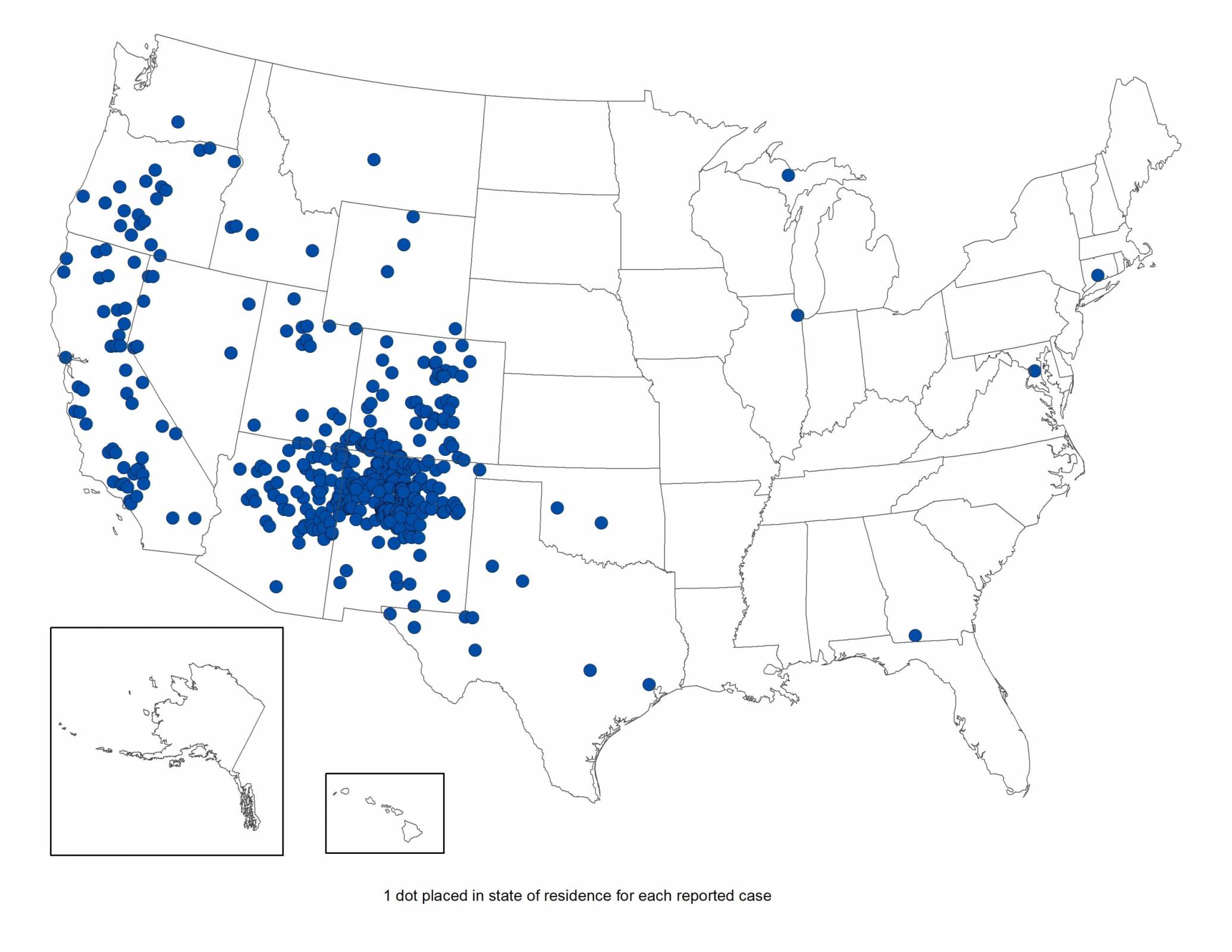
Syphilis is a curable bacterial sexually transmitted infection (STI). If untreated, it can cause serious health issues, says the WHO. People can get syphilis by direct contact with a syphilis sore during vaginal, anal, or oral sex, and syphilis can spread from a mother with syphilis to her unborn baby. The U.S.Health Resources and Services Administration (HRSA), in partnership with the Indian Health Service (IHS), noted in July 2023 the rate of syphilis within highly impacted jurisdictions in Alaska, Arizona, Montana, Nebraska, New Mexico, Oregon, and South Dakota.

Japan's National Institute of Infectious Diseases reported 14,906 syphilis cases in 2023, a record high for the third consecutive year. Tokyo accounted for the most cases, with 3,658, followed by Osaka (1,967).

Syphilis News

January 10, 2024—The U.S. FDA is allowing the importation of penicillin to combat an increase in syphilis cases in the U.S.

November 22, 2023 - The JAMA Network published - 90% of Congenital Syphilis Cases Could Have Been Prevented.

November 7, 2023 - The U.S. CDC published - Syphilis in Babies Reflects Health System Failures.

September 15, 2023 - Dr. Helen Fifer, senior author and lead microbiologist for bacterial sexually transmitted infections at the UK Health Security Agency, said in a press release, "We are seeing record levels of STIs (London), including syphilis."

April 2, 2023 - The Washington Post reported reasons syphilis is surging among the U.S.

6 min read
Last Reviewed: 
Wednesday, April 10, 2024 - 08:10
Description: 
Syphilis vaccines continue to be developed, but no vaccine candidate has been US FDA approved.
0 min read

AC Immune SA today announced the first interim safety, tolerability, and immunogenicity findings from the Phase 1b/2 ABATE trial of its anti-amyloid-beta (Abeta) vaccine ACI-24.060 in patients with prodromal Alzheimer's disease (AD). 

Early results from the first cohort of AD patients in ABATE showed that low dose ACI-24.060 could elicit an anti-Abeta antibody response as soon as week 6 (2 weeks after the second injection).

The data show that ACI-24.060 vaccination has been safe and well tolerated to date.

As a result, dosing in ABATE's second, higher-dose AD cohort has begun, and the trial is cleared to start screening specific individuals for part 2 of the study.

Dr. Andrea Pfeifer, CEO of AC Immune SA, commented in a press release on January 26, 2023, "We are delighted with the encouraging initial safety, and immunogenicity findings for ACI-24.060 in ABATE reported today."

"We believe ACI-24.060's successful development could provide patients with a novel therapeutic option offering numerous potential advantages in treatment, maintenance, and prevention settings."

"These early findings from ABATE represent an important step towards this goal, and we look forward to reporting more detailed data at a future conference."

ACI-24.060, derived from AC Immune's SupraAntigen® platform, has been shown in preclinical studies to induce a strong polyclonal antibody response that matures and is maintained against oligomeric and pyroglutamate-Abeta species, essential pathological forms of Abeta believed to drive Abeta plaque formation and disease progression.

Targeting Abeta using antibodies has recently been validated with U.S. FDA approvals of new monoclonal antibody treatments for patients with AD.

By eliciting polyclonal anti-Abeta antibodies, the ACI-24.060 anti-Abeta vaccine development program aims to ultimately deliver significant benefits to patients, their caregivers, and healthcare systems regarding potential safety and tolerability, low-frequency dosing, low overall costs, and durable responses.

Vaccine Treats: 
Image: 
Image Caption: 
by Sara Blatter
Live Blog Update Author: 
Location Tags: 
0 min read

EverGlade Consulting today announced that Sabin Vaccine Institute successfully secured up to $214 million in funding from the U.S. government to advance the development and production of single-dose vaccine candidates for Ebola Sudan and Marburg virus diseases.

Currently, no licensed vaccines against either virus cause hemorrhagic fever and kill approximately half the people infected.

There are U.S. Food and Drug Administration-approved vaccines for a different ebolavirus known as Zaire.

BARDA, part of the U.S. Department of Health and Human Services' Administration for Strategic Preparedness and Response, will initially invest $35 million to produce up to 100,000 doses of the ChAd3-SUDV Ebola Sudan virus vaccine candidate.

These vaccines may be part of ongoing U.S. preparedness efforts and response to future global outbreaks.

The contract also includes funding to manufacture Sabin's Marburg virus vaccine, ChAd3-MARV, which will generate doses that could be used in trials and response to a future Marburg virus outbreak.

Andrew Stiles, Principal at EverGlade, said in a press release on January 25, 2023, "The recent Ebola Sudan outbreak in Uganda emphasized the critical need for better preparedness."

The initial Ebola virus disease (EVD) case first appeared in 1976.

The recent Sudan Ebolavirus outbreak in the Republic of Uganda was declared on September 20, 2022, and was declared ended in early 2023.

Detailed ebola vaccine information is posted at PrecisionVaccinations.com/Ebola.

Vaccine Treats: 
Image: 
Image Caption: 
by Adrian P.
Live Blog Update Author: 
Location Tags: 
0 min read

HUTCHMED Limited today announced it entered into an exclusive license agreement with a subsidiary of Takeda Pharmaceutical Company Limited to further the global development, commercialization, and manufacture of fruquintinib.

Fruquintinib is orally administered and has the potential to be used across subtypes of metastatic colorectal cancer (“CRC”), regardless of biomarker status.

It is a highly selective and potent inhibitor of vascular endothelial growth factor receptors -1, -2, and -3.

CRC is a type of cancer that starts in either the colon or rectum.

Although early-stage CRC can be surgically resected, metastatic CRC remains an area of high unmet need with poor outcomes and limited treatment options. 

HUTCHMED confirmed on January 23, 2023, it will receive up to US$1.13 billion, including US$400 million upfront on closing, as well as potential regulatory, development, and commercial sales milestone payments, plus royalties on net sales.

“Fruquintinib has the potential to change the treatment landscape for patients with refractory metastatic CRC who need additional treatment options. We look forward to utilizing our development and commercial capabilities to expand the potential of this innovative medicine to patients beyond China,” commented Teresa Bitetti, President of the Global Oncology Business Unit at Takeda, in a related press release.

Positive results of FRESCO-2, the global Phase III multi-regional clinical trial of fruquintinib in refractory metastatic CRC, were presented at the European Society for Medical Oncology Congress in September 2022. FRESCO-2 met its primary endpoint of improving overall survival in patients with metastatic CRC and was generally well tolerated.

According to the International Agency for Research on Cancer, CRC is the third most prevalent cancer worldwide, associated with more than 935,000 deaths in 2020.

In the U.S., an estimated 155,000 patients were diagnosed with CRC, and there were 54,000 related fatalities.

HUTCHMED stated it would continue to focus on progressing late-stage clinical trials and the commercialization of fruquintinib in mainland China in collaboration with Eli Lilly and Company, where it is approved under the brand name ELUNATE® for the treatment of patients with metastatic CRC who have been previously treated with fluoropyrimidine, oxaliplatin, and irinotecan, including those who have previously received anti-vascular endothelial growth factor therapy and/or anti-epidermal growth factor receptor therapy (RAS wild type).

ELUNATE has been included in the China National Reimbursement Drug List since January 2020 and was commercially launched in China in November 2018.

Vaccine Treats: 
Image: 
Image Caption: 
by Gerd Altmann
Live Blog Update Author: 
Location Tags: