Search API

0 min read

SK bioscience today announced it is partnering with Hilleman Laboratories Singapore to develop a low-cost, improved manufacturing process, second-generation Ebola-Zaire vaccine.

Currently, Ebola vaccines have been authorized and used in Africa since 2019.

On November 22, 2023, SK bioscience confirmed it will acquire unique expertise and know-how for the use of recombinant Vesicular Stomatitis Virus Vector (rVSV) technology platform in close collaboration with Hilleman Laboratories to potentially jointly develop other vaccines against a variety of viral infectious diseases.

Jaeyong Ahn, CEO of SK bioscience, commented in a press release, "Developing a vaccine to prevent viruses causing diseases with a high fatality rate, such as Ebola-Zaire, is essential for us to protect humanity."

"By cooperating with Hilleman Laboratories for a successful development of the second-generation Zaire Ebolavirus vaccine, we will contribute to overcoming the Ebola Zaire disease burden and expand our cooperation with global companies and institutions."

In 2014, the World Health Organization declared an international public health emergency during the Ebola outbreak and encouraged the development of the vaccine when the virus was spreading rapidly in West Africa.

Ebola Virus Disease is a rapidly progressive, severe, and transmissible hemorrhagic illness caused by infection with one of the Ebola Virus (EBOV) species. While there are six identified EBOV species, the Zaire Ebola virus strain has been the leading cause of outbreaks over the last 20 years.

Ever since the Ebola virus was first discovered in 1976, there have been multiple outbreaks resulting in significant loss of lives (50% mortality rate) and economic impact.

Vaccine Treats: 
Image: 
Image Caption: 
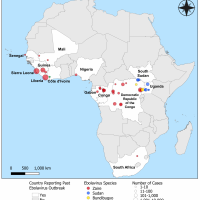
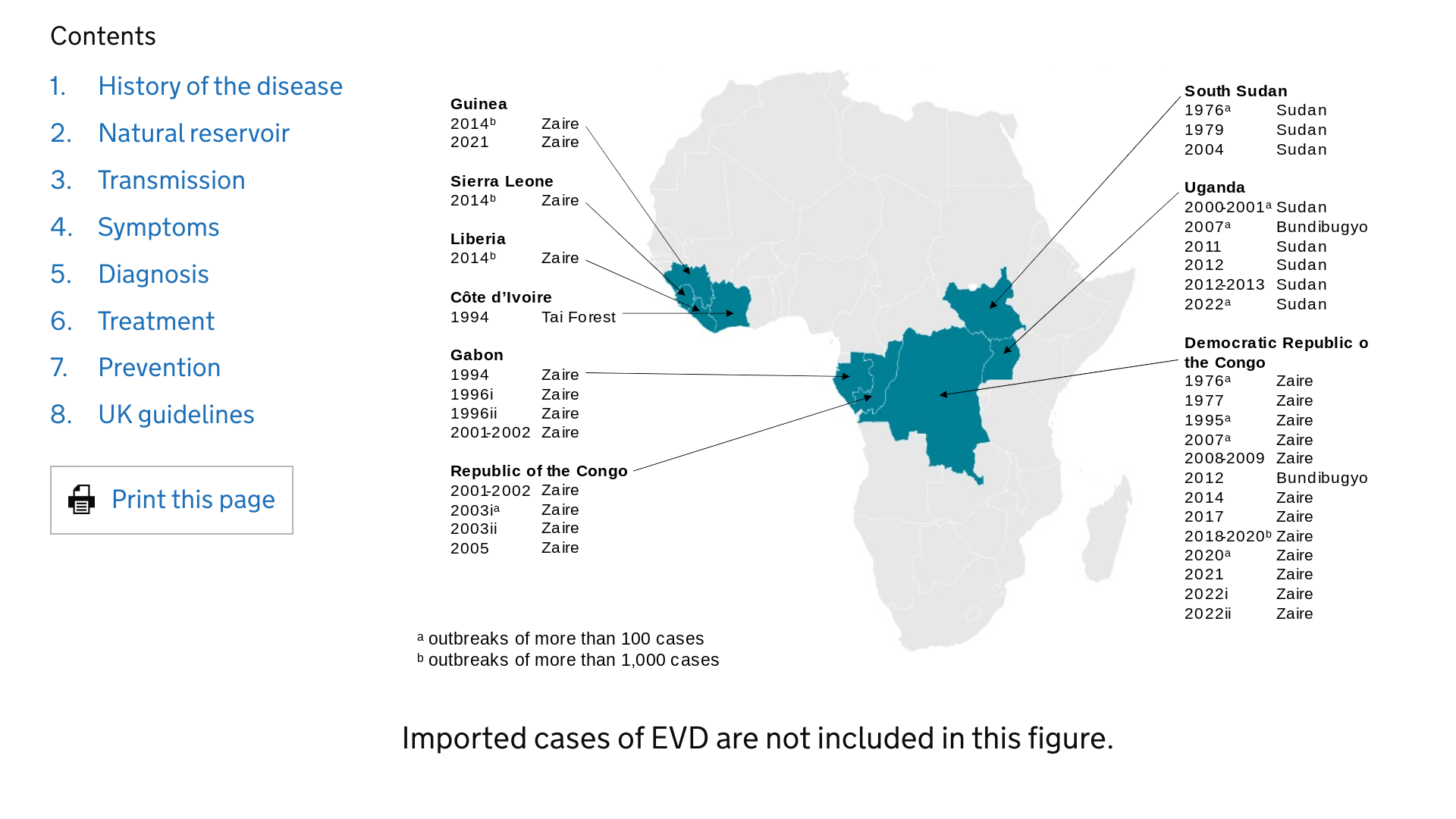
GOV.UK Ebola outbreak map 2023
Live Blog Update Author: 
Location Tags: 
Vaccine: 
0 min read

The Sabin Vaccine Institute today announced it launched a Phase 2 clinical trial for its vaccine candidate against the Marburg virus disease (MVD).

As of October 20, 2023, there are currently no vaccines or antiviral treatments approved to treat Marburg, a filovirus in the same family as the virus that causes Ebola.

Marburg has a case fatality rate of up to 88%.

Based on the ChAd3 platform, Sabin’s single-dose investigational Marburg vaccine was found to be promising in a Phase 1 clinical trial.

Dr. Betty Mwesigwa, deputy executive director of the Makerere University Walter Reed Project, is the principal investigator for the Kampala portion of the Sabin-sponsored trial.

A few weeks later, participants will also be enrolled at a second site at the Kenya Medical Research Institute, with Dr. Videlis Nduba as principal investigator. 

In a press release, Amy Finan, Sabin’s Chief Executive Officer, commented, “Sabin’s Phase 2 clinical trial builds on a solid safety and immunogenicity foundation, and we hope it will generate the information needed to move the vaccine toward licensure.”

In addition to the Sabin vaccine candidates, other Marburg vaccines are conducting clinical trials.

According to Sabin, the number of MVD outbreaks in Africa has climbed steadily in recent years.

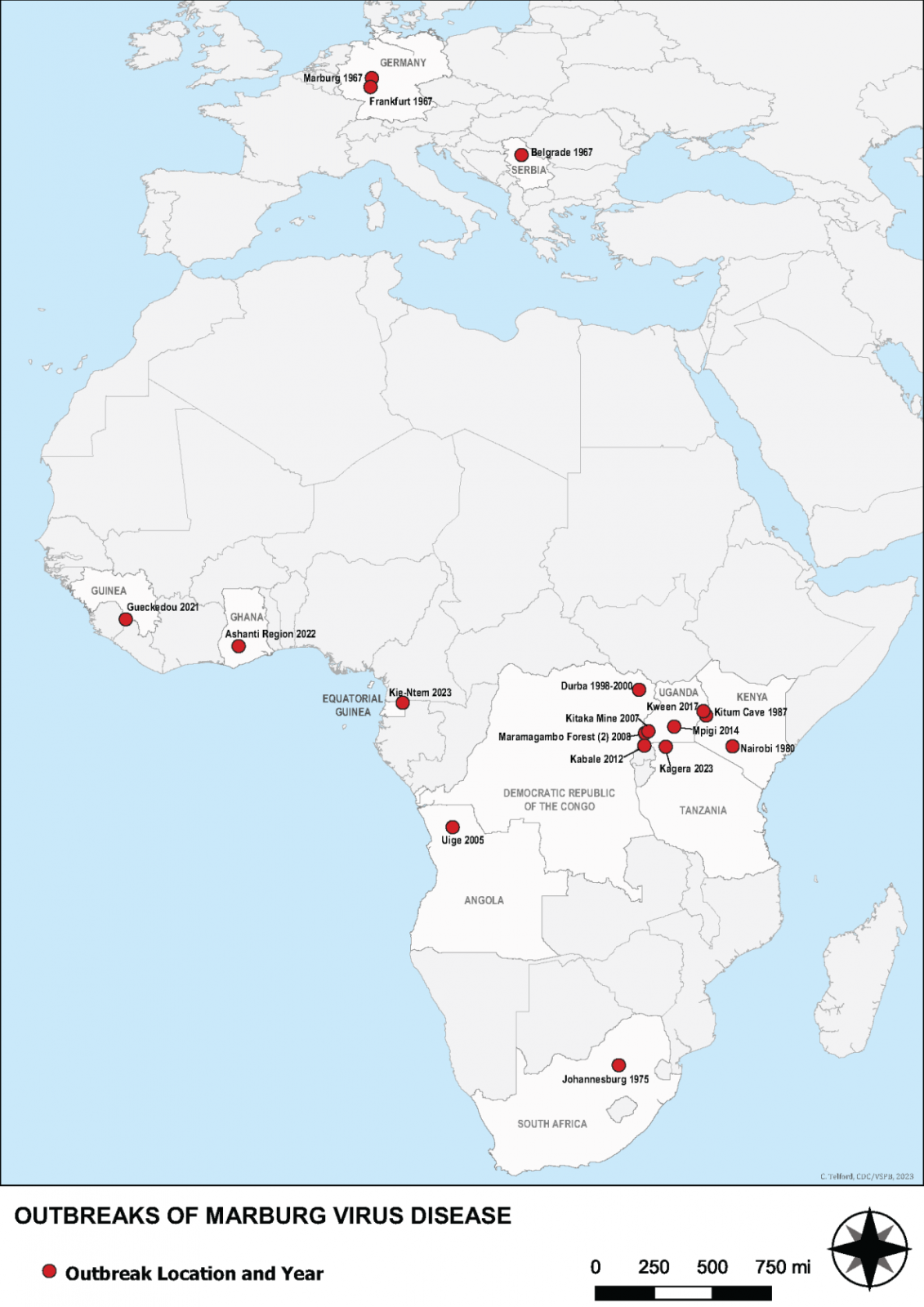
Two outbreaks of Marburg virus disease have occurred in 2023: Equatorial Guinea reported its first documented Marburg outbreak, which killed 12 people, followed by Tanzania, where six people succumbed to the virus.

Communities in Uganda and Kenya are familiar with Marburg, having been ravaged by outbreaks over multiple years in the last few decades.

MVD was first observed in 1967 during outbreaks in Germany. 

The U.S. Centers for Disease Control and Prevention published Health Alert Network CDCHAN-00489 on April 6, 2023, confirming no cases of MVD have been reported in the U.S.

Vaccine Treats: 
Image: 
Image Caption: 
US CDC marburg disease case map October 2023
Live Blog Update Author: 
Location Tags: 

Nipah Virus Vaccine

Nipah Virus Vaccines May 2025

The World Health Organization (WHO) states that it is developing Nipah vaccine candidates that encompass live-attenuated and replication-defective recombinant vaccine platforms based on poxviruses, VSV, adenovirus, measles, rabies, and virus-like particles, as well as subunit vaccines. As of May 29, 2025, no vaccine or treatment for the Nipah virus (NiV) has been authorized by the U.S. Food and Drug Administration (FDA) or the European Medicines Agency (EMA), but clinical trials are ongoing.

In June 2023, the Coalition for Epidemic Preparedness Innovations (CEPI) invested US$ $100 million in four Nipah vaccine candidates: Auro Vacc, PATH, Public Health Vaccines, the University of Tokyo, and the University of Oxford.

Nipah Virus Vaccine Candidates

On March 30, 2025, Gennova Biopharmaceuticals Limited confirmed its work with Houston Methodist Research Institute to develop a self-amplifying mRNA Nipah vaccine candidate. Coalition for Epidemic Preparedness Innovations provides up to $13.38 million in funding for this self-amplifying mRNA vaccine candidate.

On May 30, 2024, Auro Vaccines LLC published the Phase 1 study results for its Nipah Virus vaccine candidate, Hev-Sg-Vults. The induction of antibodies within one month of vaccination, along with the persistence afforded by subsequent doses, suggests that the vaccine candidate has the potential for reactive outbreak control and preventive use.

As of January 11, 2024, the ChAdOx1 NipahB vaccine is being developed by researchers at the University of Pandemic Sciences Institute. Fifty-one people aged 18 to 55 will participate in the first-in-human phase 1 clinical trial, which is being led by the Oxford Vaccine Group within the Department for Paediatrics (Miss Ella Morey, [email protected]) and funded by the CEPI. The study (ISRCTN87634044) will run over the next 18 months, with further trials expected to follow in a Nipah-affected country. NPJ reported in 2022 that ChAdOx1 NiV vaccination protects against lethal Nipah Bangladesh virus infection in African green monkeys. Vaccinated animals showed no signs of disease and were unable to detect infectious viruses in tissues or on all but one swab. No limited antibodies against fusion protein or nucleoprotein antigen could be seen 42 days post-challenge, suggesting that vaccination induced a robust protective immune response, preventing extensive virus replication. In 2019, a study reported that a single-dose ChAdOx1-vectored vaccine protects against Nipah in Bangladesh and Malaysia in Syrian hamsters.

Modern Inc.'s mRNA-1215 Nipah virus vaccine. The phase 1 clinical trial was updated in 2023.

Public Health Vaccines LLC sponsors PHV02, a live, attenuated, recombinant vesicular stomatitis virus vector vaccine candidate expressing the Nipah virus (Bangladesh strain) and the Ebola virus glycoprotein. The VSV-NiVG vaccine offers broad protection against NiV disease. It affords protection after a single injection, protecting against both homologous and heterologous challenges using the licensed VSV-EBOV vector as a backbone. The phase 1 clinical trial was last updated on March 14, 2023.

The International Centre for Diarrhoeal Disease Research in Bangladesh also studies survivors to better understand the body's response to the virus and support vaccine development. CEPI will provide up to $980,000 to support the research.

PhylexBioSciences's second-generation nanoparticle mRNA vaccine technology directly applies to developing a Nipah virus vaccine. The mRNA vaccine candidate encodes for a nanoparticle displaying 60 copies of the antigen based on the head domain of the G protein of the Nipah virus. On September 22, 2023, Phylex published proof of principle directly applicable to the development of a Nipah virus vaccine.

Nipah Outbreaks

Nipah is a zoonotic disease that is spread between animals and people by fruit bats, according to the U.S. National Institutes of Health (NIH). Nipah and henipavirus diseases are considered priority pathogens by the World Health Organization (WHO) because of their potential to cause public health emergencies.


4 min read
Last Reviewed: 
Sunday, April 6, 2025 - 05:40
Description: 
Nipah virus vaccine candidates are in development in 2025
Condition: 
0 min read

Since Ebola virus disease (EVD) impacts everyone in an outbreak area, another agency has approved a preventive vaccine for young children.

Merck today announced that the European Commission (EC) approved an expanded indication for the ERVEBO® vaccine for active immunization of individuals one year of age or older to protect against EVD caused by Zaire ebolavirus.

ERVENO was previously approved for use in the European Union for individuals 18 or older. 

The U.S. FDA recently issued similar approval for young children.

ERVEBO is approved in the European Union, United Kingdom, United States, Canada, Switzerland, and ten countries in Africa.

ERVEBO is a live recombinant viral vaccine with a vesicular stomatitis virus backbone that protects people from Zaire ebolavirus. This vaccine does not protect people from the Sudan ebolavirus or the Marburg virus.

Dr. Eliav Barr, senior vice president, head of global clinical development, and chief medical officer, Merck Research Laboratories, commented in a press release on September 7, 2023, “When outbreaks of Ebola virus disease occur, they can quickly become a public health crisis. We are proud to play a role, alongside the global public health community, in helping to prepare for potential outbreaks of Zaire ebolavirus.”

In January 2021, Merck confirmed an agreement with UNICEF to establish the world’s first global Ebola vaccine stockpile to support future Zaire ebolavirus (EBOV) outbreak preparedness and response efforts.

Over 500,000 doses of ERVEBO have been delivered to the stockpile, administered by the International Coordinating Group on Vaccine Provision.

The initial EBOV case was confirmed in 1976 in the African countries of South Sudan and the Democratic Republic of Congo. Recent data suggest EBOV outbreaks may originate from human-to-human transmission instead of spillover events.

The U.S. Centers for Disease Control and Prevention published a list of EBOV Cases and Outbreaks as of August 2023.

Vaccine Treats: 
Image: 
Image Caption: 
by Lori Heron
Live Blog Update Author: 
Location Tags: 
0 min read

The Coalition for Epidemic Preparedness Innovations (CEPI) and the International Vaccine Institute (IVI) recently renewed a multi-year collaboration to accelerate the development of vaccines against emerging infectious diseases.

Under the renewed CEPI-IVI Implementing Partnership Agreement announced on September 1, 2023, IVI will provide technical services for CEPI-funded projects, leveraging IVI’s expertise and capabilities at their headquarters in Korea.

And help accelerate vaccine development against pathogens with epidemic or pandemic potential, and in support of CEPI’s 100 Days Mission, a goal to reduce the time taken to develop safe and effective vaccines against pathogens with pandemic potential to 100 days.

To this end, IVI will support CEPI across a variety of projects, including providing strategic, technical, and scientific support for clinical development and manufacturing of vaccines, standards, and assay development, and capacity-building initiatives that strengthen local resources to help establish or improve research preparedness and emergency evidence generation for future outbreaks.

CEPI's 5-year plan lays out a $3.5 billion roadmap to compress vaccine development timelines to 100 days, develop a broadly protective vaccine against COVID-19 and other betacoronaviruses, and create a "library" of vaccine candidates for use against known and unknown pathogens.

CEPI has also invested in new platform technologies for rapid vaccine development against unknown pathogens (Disease X).

Before the recent pandemic, beginning in 2027, CEPI focused on developing vaccines against the Ebola, Lassa, MERS, Nipah, Rift Valley Fever, and Chikungunya viruses. 

CEPI's plan is available at https://endpandemics.cepi.net.

Vaccine Treats: 
Image: 
Image Caption: 
by Gerd Altmann
Live Blog Update Author: 
Location Tags: 

Disease X

Disease X July 2025

Disease X was first included in the World Health Organization (WHO) Blueprint for Epidemics in February 2018, with the primary goal of accelerating the development of medical countermeasures, including those for diseases such as Zika, MERS, and Ebola. According to the WHO, Disease X represents the knowledge that a serious international epidemic could be caused by a pathogen currently unknown to cause human disease. Based on the WHO's announcement in 2020, COVID-19 was recognized as the first Disease X.

On October 14, 2025, the Global Preparedness Monitoring Board's global report for 2025 outlined preparedness priorities to protect people worldwide from future pandemics and other health crises; it calls for scaled-up investment in primary health care, real-time risk assessment, and international cooperation to ensure local and global communities are ready to prevent and respond to the next pandemic.

On May 20, 2025, the World Health Assembly adopted a Pandemic Agreement to make the world more equitable and safer from future pandemics. On April 4, 2025, the WHO's Global Health Emergency Corps (GHEC) announced a framework designed to strengthen countries' emergency workforce, coordinate the deployment of surge teams and experts, and enhance collaboration between governments, which was tested.

On March 15, 2024, the WHO's "Science in 5: Disease X" episode #114 was published. Ana Maria Henao-Restrepo, Co-Lead of the R&D Blueprint for Epidemics, outlines the R&D needs that the world needs to address and how to prevent and prepare for the next pandemic. On February 14, 2024, at the World Government Summit, the WHO's Director commented that the planet is "unprepared" for a Disease X outbreak or future pandemics.

Disease X Coalition for Epidemic Preparedness Innovations

Disease X is expected to be caused by a "pathogen X" that is likely to be a zoonotic disease or infection, which can be transmitted between humans and animals, most likely an RNA virus, according to Richard Hatchett, CEO of the Coalition for Epidemic Preparedness Innovations (CEPI). CEPI's $3.5 billion, 5-year plan lays out a roadmap to compress vaccine development timelines to 100 days. Disease X is a priority disease for CEPI's research and development investments. "Compressing vaccine development against emerging pathogens down to 100 days will be critical to combating future pandemic threats", explained Dr. Jakob Cramer, Director of Clinical Development at CEPI. The CEPI, founded in 2017, established a Centralized Laboratory Network comprising ten laboratories to standardize immunological assays, provide testing support to vaccine developers, identify the immune correlates of vaccine protection, and facilitate the approval and dissemination of the most promising vaccine candidates. On January 23, 2024, Serum Institute of India Pvt. SII Ltd. joined CEPI's network of vaccine producers in the Global South.

On January 8, 2025, CEPI awarded Micron Biomedical $3.7 million to advance research into an innovative needle-free vaccine administration technology that could overcome critical vaccine access challenges. The new CEPI award will be used to study Micron's microarray technology in combination with a Next-Generation vaccine platform technology developed by CastleVax. On July 24, 2025, CEPI awarded POP BIO up to $1.5 million to advance research into POP BIO's SNAP™ (Spontaneous Nanoliposome Antigen Particleization) protein vaccine platform. The technology has been designed to develop potent nanoparticle vaccine candidates while simultaneously purifying antigens rapidly. If the project is successful, the SNAP platform has the potential to be adapted quickly for developing vaccine candidates against other pathogens, including a Disease X.

Disease X Pandemic Preparedness Plan United States

The U.S. National Institutes of Allergy and Infectious Diseases (NIAID) developed a Pandemic Preparedness Plan to prepare for future public health emergencies caused by infectious diseases. While it is recognized that pathogens other than viruses could lead to public health emergencies, the NIAID Pandemic Preparedness Plan focuses on viruses that could cause epidemics or pandemics. With a mandate to anticipate next-generation threats, DARPA has helped lay technological foundations for ending COVID-19 and preventing future pandemics. On June 5, 2023, H.R. 3832 - the Disease X Act of 2023, 118th U.S. Congress (2023-2024) - was introduced by Rep. Lori Trahan and Dan Crenshaw (R-TX-02). This U.S. bill expands the Biomedical Advanced Research and Development Authority (BARDA) priorities to include viral threats that could cause a pandemic. "Disease X is the culmination of what amounts to a conceptual shift in how the country prepares for infectious disease threats to enhance resiliency in a truly proactive manner," said Dr. Amesh Adalja, Senior Scholar and Project Director for the Disease X Medical Countermeasures Program Project at the Johns Hopkins Center for Health Security. A One Health approach has also been proposed, which provides a comprehensive way to address the underlying issues contributing to the spread of Disease X.

The U.S. Government Policy for Oversight of Dual-Use Research of Concern and Pathogens with Enhanced Pandemic Potential was updated on May 6, 2024. This Policy addresses oversight of research on biological agents and toxins that, when enhanced, can potentially pose risks to public health. The Implementation Guidance was also updated. According to the US CDC, these updates include gain-of-function research that seeks to alter the functional characteristics of a pathogen.

In February 2024, the US NIH All of Us Research Program confirmed over 1 billion genetic variants, including about 275 million previously unreported ones. This program enables the study of human biology at an unprecedented scale.

Disease X Pandemic Legal Limits in the United States

On May 20, 2025, the WHO announced regarding national sovereignty, the Agreement states that: "Nothing in the WHO Pandemic Agreement shall be interpreted as providing the Secretariat of the World Health Organization, including the Director-General of the World Health Organization, any authority to direct, order, alter or otherwise prescribe the national and/or domestic law, as appropriate, or policies of any Party, or to mandate or otherwise impose any requirements that Parties take specific actions, such as ban or accept travellers, impose vaccination mandates or therapeutic or diagnostic measures or implement lockdowns."

In February 2024, the BMJ published an analysis by Stanford Law of 65 laws adopted in 24 states from January 2021 to April 2023, which imposed limits on pandemic-related restrictions. They found substantive restrictions on officials during health emergencies. For example, four states adopted prohibitions on requiring vaccines or proof of vaccination, five prohibited mask mandates, seven limited officials' ability to close businesses, and 11 restricted the ability to restrict religious gatherings. Another group of reforms imposed procedural constraints on the exercise of public health power, such as shortening the number of days a governor's emergency declaration can remain in effect without the legislature's confirmation. They concluded, 'This federalist design (of U.S. laws) is a considerable impediment to implementing nationwide community mitigation measures for pandemics.'

U.S. Global Health Security Strategy

The U.S. Global Health Security Strategy was announced on April 16, 2024, to promote a collaborative, multisectoral, and transdisciplinary One Health approach that recognizes the interconnection between humans, animals, plants, and their shared environment, as well as the importance of coordination across government, business, and civil society.

U.S. Preparedness Plan For Infectious Disease Outbreaks

In 2015, the U.S. Government Accountability Office (GAO) recommended that the Department of Transportation (DOT) create a national aviation preparedness plan for infectious disease outbreaks. In July 2022, the GAO reported that federal leadership was needed to advance research on disease transmission in air travel, including real-world situations and the effectiveness of mitigation efforts. Furthermore, the GAO recommended that Congress direct the Federal Aviation Administration to develop a research strategy, which the U.S. Congress had not done as of March 2024. According to a report from the GAO dated April 18, 2024, the Department of Health and Human Services (HHS) failed to respond effectively or coordinate a national response to the 2022 mpox outbreak. Moreover, HHS still lacks a coordinated, department-wide after-action program to identify and resolve recurring emergency response challenges.

On May 6, 2024, the Biomedical Advanced Research and Development Authority (BARDA), a component of the U.S. Department of Health and Human Services (HHS), announced two hubs for its next-generation BARDA Accelerator Network: one targeting diagnostics and medical devices, and the other focusing on therapeutics and vaccines. The Vaccine Innovation and Therapeutic Acceleration Launchpad Hub is led by Start2 Group, a global accelerator and startup ecosystem platform based in Cambridge, Massachusetts. On June 13, 2024, BARDA awarded up to $500 million in Project NextGen funding for clinical trials of vaccines.

Research and Development of Vaccines and Monoclonal Antibodies for Pandemic Preparedness Network

Albert Einstein College of Medicine has received a five-year, $14 million per year grant from the National Institute of Allergy and Infectious Diseases (NIAID) to participate in a broad national effort to develop "plug-and-play" vaccines and antibody-based therapies against a wide range of emerging viruses. The Einstein-led consortium, PROVIDENT (Prepositioning Optimized Strategies for Vaccines and Immunotherapeutics Against Diverse Emerging Infectious Threats), will bring together 13 academic, government, and industry teams to conduct four projects.

WHO Pandemic Agreement

The ninth International Negotiating Body (INB9) meeting ended in March 202. WHO Member States agreed to resume negotiations on the draft agreement in May 2024 to finalize a WHO Pandemic Agreement. The U.S. is committed to contributing to the Pandemic Fund, which has included $700 million to date. The United States Agency for International Development (USAID) plans to provide a $250 million contribution to the Pandemic Fund, pending notification from Congress. 

World Bank Pandemic Fund

The World Bank Pandemic Fund is a financial intermediary fund (FIF) for pandemic prevention, preparedness, and response (PPR), officially established by the FIF Governing Board at its inaugural meeting in September 2022 under the International Health Regulations (IHR) (2005), and any amendments or enhancements thereof, as well as other internationally endorsed legal frameworks, including the Pandemic Agreement by the member states of the WHO.

Europe Health Emergency Preparedness and Response

The Health Emergency Preparedness and Response (HERA) department aims to prevent, detect, and rapidly respond to health emergencies. Created in the aftermath of the recent pandemic, HERA will anticipate threats and potential health crises through intelligence gathering and building the necessary response capacities.

India National Institute of One Health

The National Institute of One Health (NIOH) is a collaborative, multidisciplinary approach that unites human, animal, and environmental health sectors. It recognizes the interconnectedness of these domains, aiming to optimize health outcomes and address challenges across the sectors. Thirteen Ministries/Departments coordinate and synergize their activities to realize the objectives of the NOHM. The Indian Council of Medical Research (ICMR) and the Indian Council of Agricultural Research (ICAR) jointly decided to establish the NIOH in Nagpur, India. Two research projects have already started to study zoonotic diseases in Central India.

Nuclear Threat Initiative

In March 2021, the Nuclear Threat Initiative partnered with the Munich Security Conference to conduct a tabletop exercise on reducing high-consequence biological threats, such as mpox.

Potential Disease X Risks

The Lancet Infectious Diseases published a study on April 16, 2024, highlighting the impact of infectious diseases on global health. Globally, in 2019, an estimated 704 million disability-adjusted life years (DALYs) were associated with 85 different pathogens. Three leading pathogens were responsible for more than 50 million DALYs each in 2019: tuberculosis (65·1 million), malaria (53·6 million), and HIV / AIDS (52·1 million). 

Potential Disease X Vaccines

Bacille Calmette-Guerin (BCG) Vaccine—Data indicate non-specific protective effects against other respiratory tract infections and a balanced immune response comprising pro- and anti-inflammatory mediators. BCG has been used to prevent and treat various diseases, including tuberculosis and bladder cancer.

Project NextGen

Project NextGen is a U.S. government program focused on developing the next generation of vaccines and therapeutics. An initial investment of $5 billion accelerated and streamlined the rapid development of next-generation vaccines and treatments through public-private collaborations.

Disease X News

June 13, 2024 - HHS Secretary Xavier Becerra stated, "We are making progress on developing cutting-edge treatments, such as vaccines administered as a nasal spray or as a pill. The Biden-Harris Administration won't stop until we have the next generation of innovative vaccines, therapeutics, and other tools to protect against COVID-19 or any other pathogen that could threaten the American public."

January 23, 2024 - Adar Poonawalla, CEO of the Serum Institute of India, said in a press release, '...This (CEPI) collaboration will enable us to respond more rapidly and equitably to public health disease outbreaks, particularly in Global South countries where access to life-saving vaccines can be limited.'

January 17, 2024 - This Disease X session is linked to the Partnership for Health System Sustainability and Resilience and the Collaborative Surveillance Initiative of the World Economic Forum.

November 27, 2023 - Since October 2023, the WHO has been monitoring data from Chinese surveillance systems, which show an increase in respiratory illnesses among children in northern China. The journal Nature published an article titled "What's behind China's mysterious wave of childhood pneumonia?"

September 19, 2023 - CEPI and Bio Farma have entered into a 10-year partnership to accelerate the rapid manufacturing of outbreak vaccines at Indonesia's leading vaccine manufacturer. Indonesia's collaboration will help bring cutting-edge mRNA and viral vector quick-response vaccine manufacturing technologies to the Association of Southeast Asian Nations region, thereby reserving manufacturing capacity to supply Global South countries during future outbreaks and pandemics, and combating the type of devastating inequity witnessed during the recent pandemic.

September 19, 2023—The CEPI Centralized Laboratory Network, which consists of ten laboratories, standardizes immunological assays to help prepare for future disease outbreaks.

July 26, 2021 - Cambridge University Press: Disease X: A hidden but inevitable creeping danger. The COVID-19 pandemic was not the first to wreak havoc on the world, and it will not be the last. Thus, we must prepare for the next outbreak as soon as possible.
12 min read
Last Reviewed: 
Tuesday, October 14, 2025 - 04:10
Description: 
Disease X may be caused by a zoonosis pathogen or an RNA virus.
Condition: 
0 min read

Regeneron Pharmaceuticals, Inc. today announced that the U.S. Biomedical Advanced Research and Development Authority (BARDA) entered into an agreement with the Company to support the clinical development, clinical manufacturing, and regulatory licensure process of a next-generation COVID-19 monoclonal antibody (mAb) therapy for the prevention of SARS-CoV-2 infections, which cause COVID-19 in people.

The agreement is part of the U.S. Department of Health and Human Services (HHS) 'Project NextGen' initiative to advance innovative vaccines and therapeutics for COVID-19.

Regeneron's most advanced next-generation antibody candidate under this agreement is expected to enter clinical trials in 2023.

For the new COVID-19 program announced on August 22, 2023, HHS will fund up to 70% of Regeneron's costs for certain clinical development activities for a next-generation mAb therapy. 

The new BARDA contract has an estimated value of up to approximately $326 million of government funding.

Regeneron's first COVID-19 mAb cocktail, REGEN-COV, was granted Emergency Use Authorization in November 2020, with nearly 3 million doses delivered to the U.S. Government between 2020 and 2022.

"We're pleased to expand our longstanding BARDA relationship, which is predicated on Regeneron's decades of investment in deep scientific research and enabling technologies," said Leonard S. Schleifer, M.D., Ph.D., Board Co-Chair, President and Chief Executive Officer of Regeneron, in a press release.

"Although COVID-19 has moved to an endemic stage, many people – including those with immunocompromising conditions – continue to face exposure that impacts their everyday life and could cause serious health consequences."

Previously, the U.S. CDC wrote some immunocompromised people benefit from mAb therapy instead of COVID-19 vaccination.

Under the NextGen project structure, Regeneron independently invents and proposes an antibody candidate, which BARDA and Regeneron will evaluate and agree upon for further development, manufacturing, and regulatory activities.

BARDA and Regeneron have previously worked together to deliver novel medicines for Ebola.

The new program announced today falls under Regeneron and BARDA's ongoing Other Transactions Agreement initiated in 2017 to develop a portfolio of antibodies targeting up to ten pathogens that pose significant risks to public health.

Vaccine Treats: 
Image: 
Image Caption: 
from Pixabay
Live Blog Update Author: 
Location Tags: 
Ebola vaccines 2023
Ebolavirus outbreaks in 2023
0 min read

Merck today announced that the U.S. Food and Drug Administration (FDA) approved an expanded indication for the ERVEBO® vaccine, which is now indicated for preventing disease caused by Zaire ebolavirus in individuals 12 months of age and older.

ERVEBO was previously approved for use in individuals 18 and older.

This Ebolavirus vaccine does not protect against other species of Ebolavirus (Sudan) or Marburgvirus.

As of March 2023, over 500,000 doses of ERVEBO had been delivered to a stockpile administered by the International Coordinating Group on Vaccine Provision.

"Ebola virus disease is contagious and potentially deadly in children and adults. We're proud of the approval of ERVEBO for the prevention of disease caused by Zaire ebolavirus in children as young as 12 months old, which is another milestone in our continued commitment to help address the global health threat caused by Zaire ebolavirus," said Dr. Eliav Barr, senior vice president, head of global clinical development and chief medical officer, Merck Research Laboratories, in a press release on August 3, 2023.

The vaccine's effectiveness when administered concurrently with antiviral medication, immune globulin, and/or blood or plasma transfusions is unknown, and the duration of protection conferred by ERVEBO is unknown. 

ERVEBO includes a contraindication for individuals with a history of a severe allergic reaction (e.g., anaphylaxis) to any vaccine component, including rice protein.

The initial Ebola virus disease case first appeared in 1976 in Africa. Since then, numerous outbreaks of Zaire and Sudan have been confirmed.

As of August 3, 2023, the FDA and European Medicines Agency have approved other ebola prevention and treatment products.

Vaccine Treats: 
Image: 
Image Caption: 
by Peter Roe
Live Blog Update Author: 
Location Tags: 
Ebola treatment 2023
BARDA Contract for Ebanga Advanced Development and Procurement