Search API
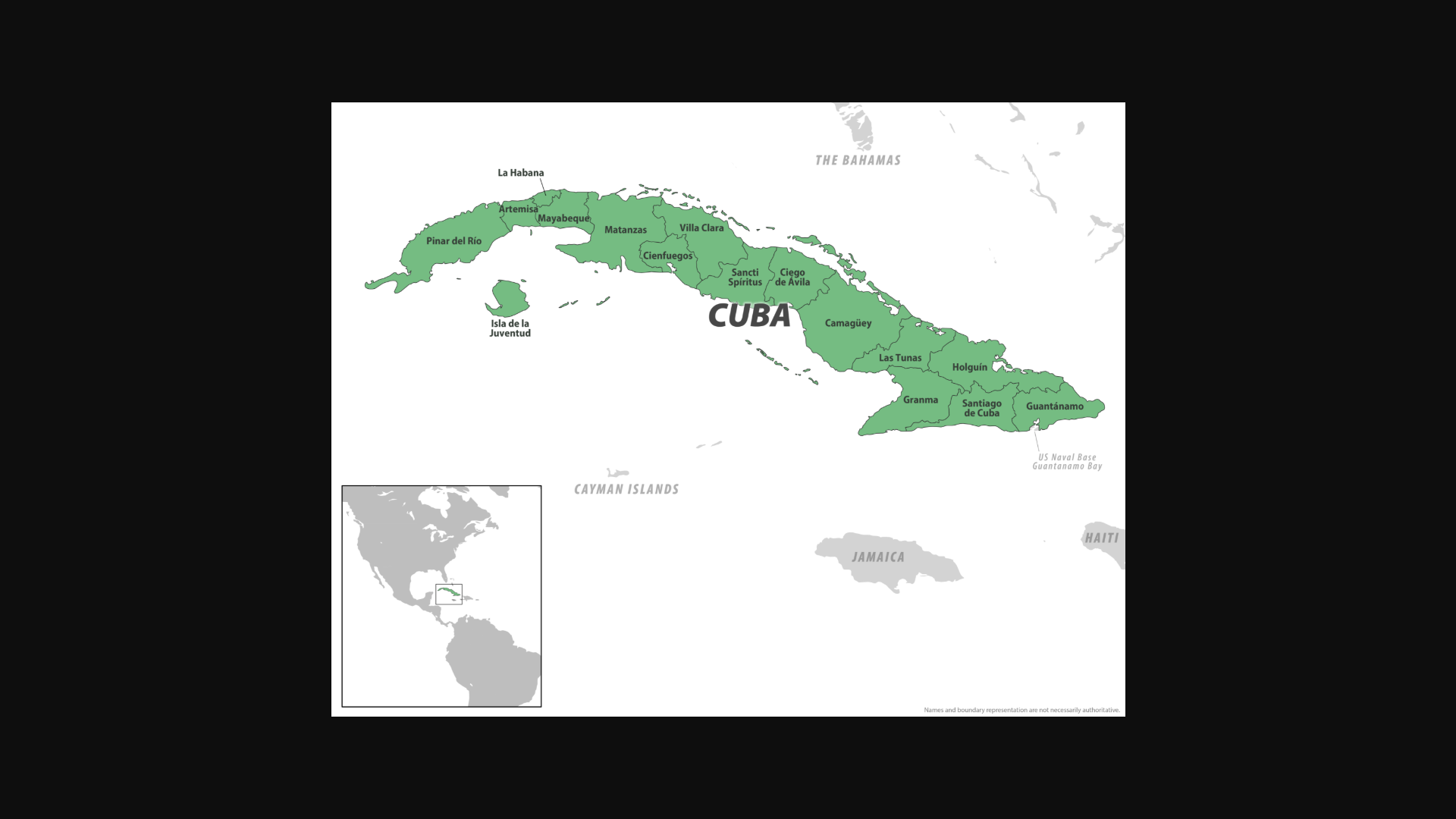
The U.S. Centers for Disease Control and Prevention (CDC) today issued a Level 2 Travel Health Advisory regarding the ongoing outbreak of Chikungunya Fever in Cuba.
Local media reported on September 26, 2025, that Andrés Lamas Acevedo, provincial director of Hygiene, Epidemiology, and Microbiology, stated the most affected territories are Matanzas, Cárdenas, Colón, Jovellanos, Jagüey Grande, and Pedro Betancourt.
Previously, in late August, the U.S. Embassy in Havana reported an increase in the number of arbovirus cases, including Chikungunya.
Chikungunya is caused by a virus that is transmitted to humans through the bites of infected mosquitoes. The CDC recommends vaccination for travelers before visiting an area with a Chikungunya outbreak.
For example, visitors from Cuba have been diagnosed in Florida with Chikungunya this year.
Additionally, the CDC advises that if you are pregnant, you should reconsider travel to the affected areas, particularly if you are close to delivering your baby. Mothers infected around the time of delivery can pass the virus to their baby before or during delivery.
Newborns infected in this way or by a mosquito bite are at risk for severe illness, including poor long-term outcomes.
In the United States, approved Chikungunya vaccines are commercailly available at travel clinics and pharmacies.
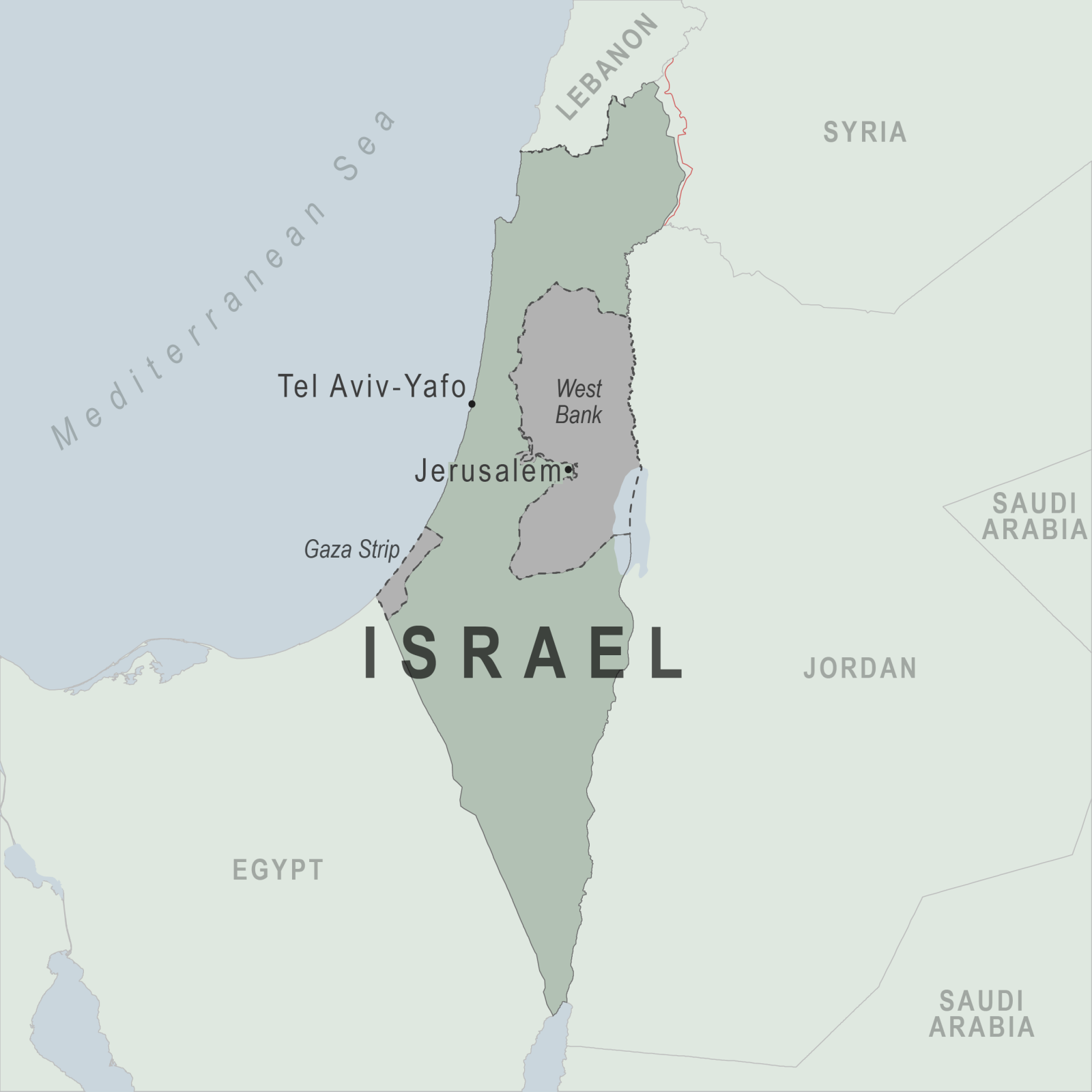
Israel's Ministry of Health today reported that another unvaccinated toddler has died from measles. This is the fifth death since the outbreak began this year, three of which occurred in the past week.
On September 25, 2025, the Ministry's press release confirmed that 21 measles cases were hospitalized, most of them children who had not been vaccinated. Of these, six children are in intensive care.
Additionally, the Ministry recommends an additional dose for infants in outbreak zones or before traveling to areas affected by the outbreak.
Areas currently defined as outbreak zones: Jerusalem, Beit Shemesh, Bnei Brak, Harish, Modi’in Illit, Nof HaGalil, Kiryat Gat, and Ashdod.
In these zones, you can visit family health centers (Tipat Halav), HMOs, and special measles vaccination stations. No appointment is needed.
In addition to measles, Israel is confronting the spread of poliovirus in 2025.
The U.S. CDC's Level 2, Practice Enhanced Precautions, Global Polio Travel Health Advisory issued on August 4, 2025, included Israel.
The CDC warns international travelers to Israel are at increased risk of exposure to poliovirus and has published updated recommendations for polio vaccinations for children and adults, which should be administered before traveling abroad.
The CDC also recommends various routine and travel vaccines before visiting Israel in 2025. These vaccines are offered in the U.S. at travel clinics and pharmacies.
The New Mexico Department of Health (NMDOH) recently declared the state's measles outbreak, which started in February 2025, to be over, as the last case was reported in Santa Fe County in mid-August.
According to the U.S. CDC, measles outbreaks are considered 'over' when 42 days pass without new cases, a timeframe that represents twice the virus's maximum incubation period.
One hundred cases of measles were identified during this outbreak, which was New Mexico's largest in decades. The outbreak began in Lea County, likely from exposures to an outbreak in neighboring Texas.
"We are thankful to the thousands of New Mexicans who received their measles, mumps, and rubella (MMR) vaccine," said Dr. Chad Smelser, NMDOH acting state epidemiologist, in a press release on September 26, 2025.
"Fully vaccinated people and those who got caught up with their vaccines during this outbreak prevented it from spreading further."
New Mexicans received over 56,000 MMR vaccines since February. The MMR vaccine remains widely available in New Mexico clinics and pharmacies for anyone who wishes to receive it.

With numerous travelers returning from African countries infected with malaria, access to treatment has become limited in the United Kingdom.
Neon Healthcare recently advised the UK's NaTHNaC that 250mg mefloquine (Lariam) antimalarial tablets are currently out of stock in the UK and will not be available until January 2026.
As of September 18, 2025, clinics and pharmacies with remaining supplies of mefloquine should prioritise travellers with imminent travel for whom mefloquine is the first choice of antimalarial. This includes pregnant travellers visiting high-risk malaria regions such as Sub-Saharan Africa.
The UK Malaria Expert Advisory Group's Malaria prevention guidelines for travellers from the UK provides detailed advice and guidance for health professionals advising travellers, and is the first port of call for queries.
As of September 26, 2025, this antimalarial shortage has not impacted travel clinics and pharmacies in the United States.

In August 2025, the New York State Health Department reported a small number of travel-associated Chikungunya Fever cases diagnosed in international travelers to countries such as France, with no identified local mosquito-borne transmission.
New York advised healthcare providers on procedures for testing and reporting suspected cases of Chikungunya.
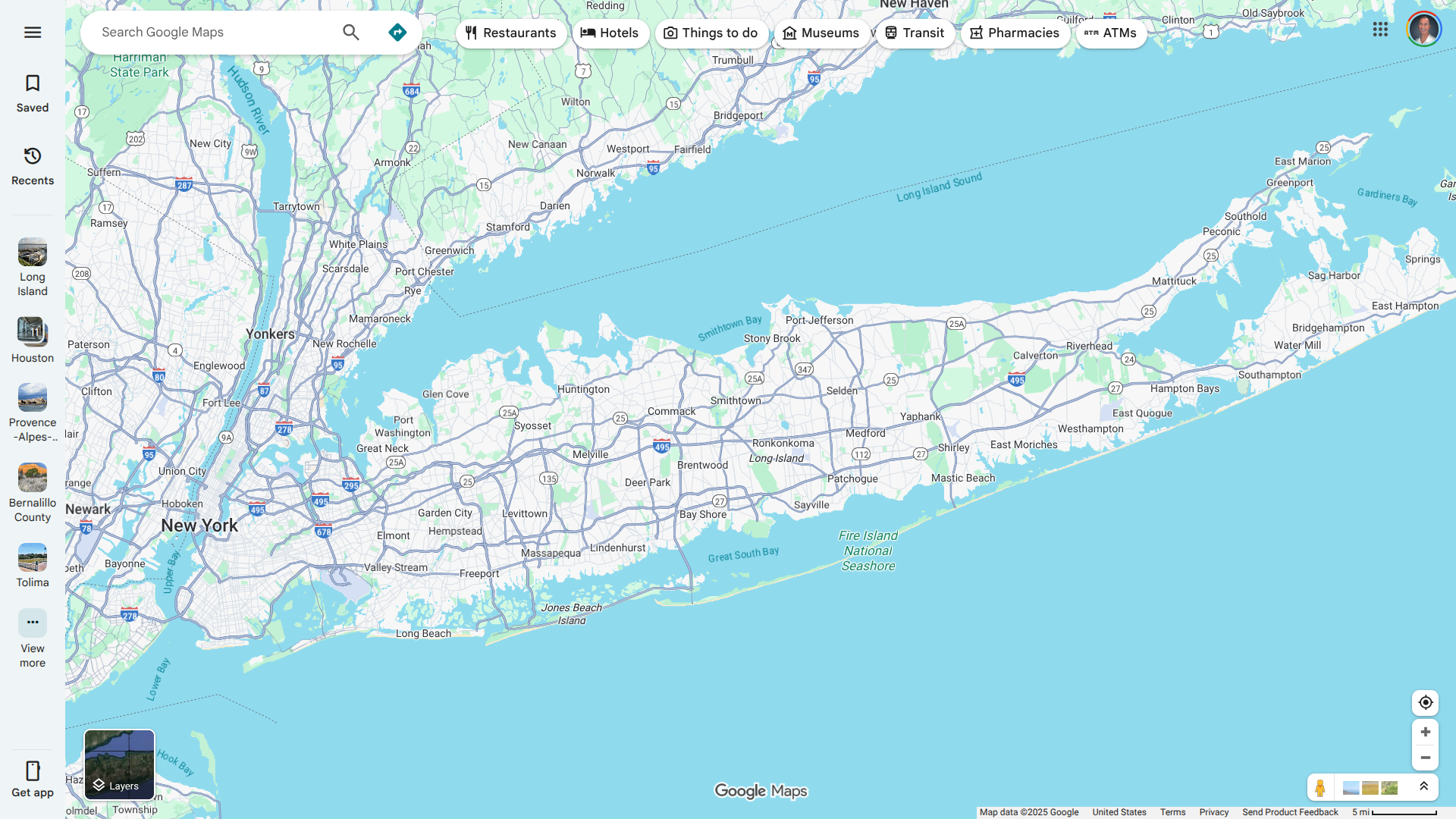
In related news, a Long Island resident recently tested positive for Chikungunya, marking what could be the first locally acquired case ever reported in New York state.
NY residents are encouraged to take preventive measures, such as avoiding mosquito bites, and to consult their healthcare provider before traveling to areas with a high risk of mosquito-borne diseases, which include dengue, malaria, and Zika.
On September 25, 2025, local media reported that Aedes aegypti mosquitoes, the primary ones responsible for Chikungunya virus transmission, are not naturally found in New York.
Currently, approved Chikungunya vaccination services are offered at travel clinics and pharmacies in New York.

Public Health France reported (Semaine 39-2025) today that a total of 570 locally acquired cases of Chikungunya Fever have been reported since the beginning of 2025.
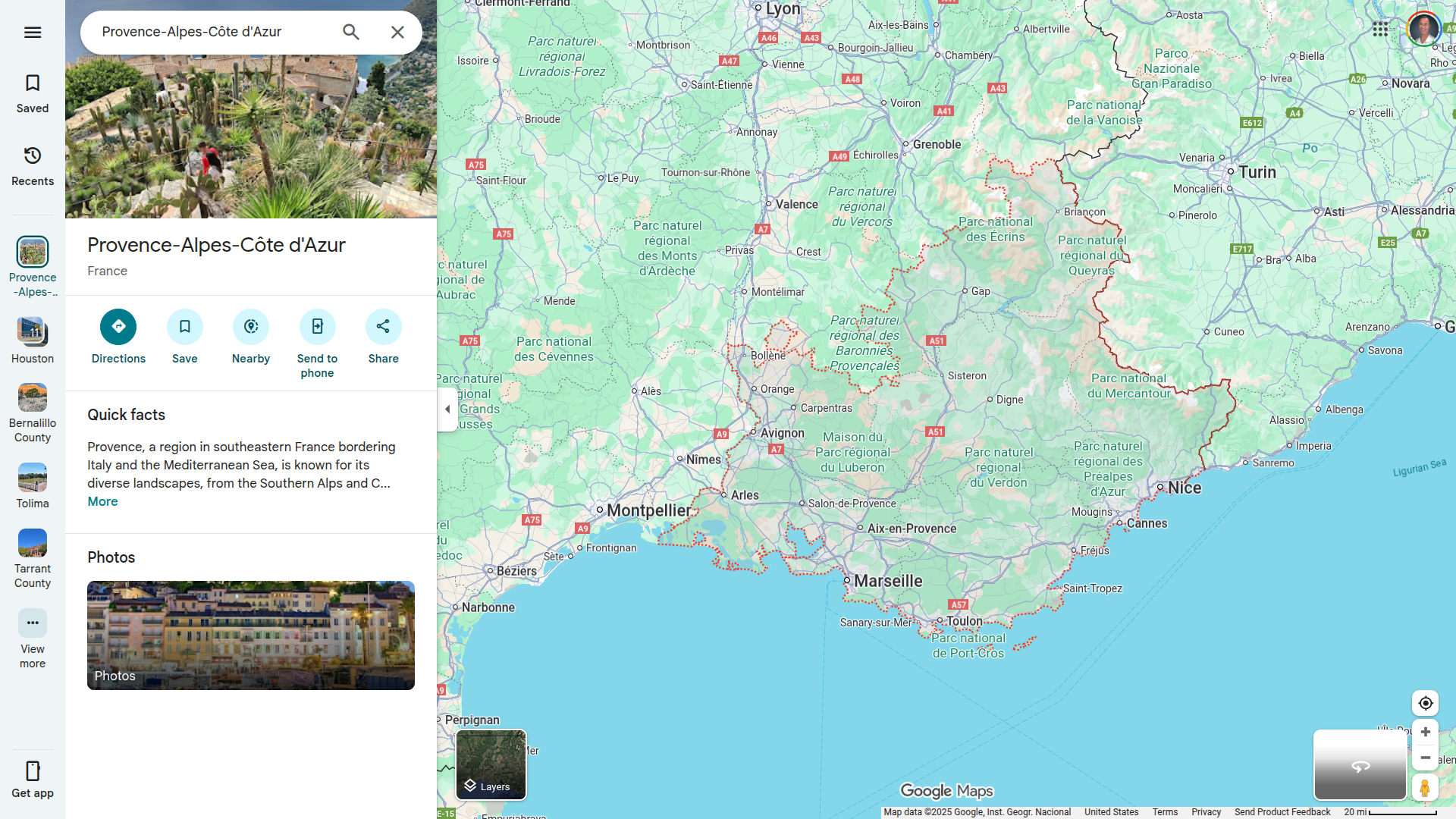
The Paca region, a favorite tourist destination, is the most affected by the indigenous circulation of the Chikungunya virus.
As of September 25, 2025, mosquito-transmitted cases have been reported from Provence-Alpes-Côte d'Azur, Corsica, Occitanie, Auvergne-Rhône-Alpes, Île-de-France, Grand Est, Bourgogne-Franche-Comté, and Nouvelle-Aquitaine.
Additionally, the Ministry confirmed 993 imported cases of Chikungunya, many of whom had visited the French Departments of Mayotte and Réunion.
In total, the ongoing Chikungunya outbreak in France may set new records for the country.
As an option to prevent this disease, approved vaccines are offered in France, throughout Europe, and at travel clinics and pharmacies in the United States.

While most rabies cases in the United States are from a bite by an infected bat, a broad investigation was begun in Coffee County, Alabama, after a horse was confirmed positive for Rabies. This viral disease is almost always fatal if untreated.
The owner, family members, and a neighbor who was exposed have begun Rabies post-exposure treatment.
The horse's owners reported noticing scratch marks on her nose, and she began rubbing and showing irritation in that area. The ill horse stopped eating, symptoms worsened over the 72 hours before her death, and she became violent and started attacking and biting herself.
The owners assumed the scratches came from a fox or raccoon that she had approached. Other unvaccinated horses on the property are being observed for a period of time.
Dr. Dee W. Jones, Alabama State Public Health Veterinarian, said in a press release on September 24, 2025, "Rabies is not as common in horses as in wildlife and domestic animals, but it is not rare. Rabies vaccines are available for horses and other livestock if recommended by a veterinarian. I encourage all horse owners to make Rabies a part of their annual vaccination, even though it is not legally required like in dogs and cats."
Vaccinating animals reduces the risk of rabies infection should exposure occur; thus, vaccinations protect animals, as well as their owners and caretakers.
Rabies prevention is multifaceted. It involves people taking precautions with wildlife, ensuring their pets are up to date on rabies vaccinations, and consistently reporting any animal bites or other exposures to their medical provider and the state health department.

The New Mexico Department of Health (NMDOH) today reported a case of plague from Bernalillo County, the second case of the year.
The 77-year-old man was hospitalized in Albuquerque and has since been discharged.
NMDOH stated in a media release on September 24, 2025, that there have been no deaths from plague in 2025.
Since 2000, an average of two human plague cases have been reported per year in New Mexico.
According to the U.S. CDC, an average of seven human plague cases are reported each year in the United States.
Plague is a bacterial disease primarily affecting rodents and is typically transmitted to humans through the bites of infected fleas, but can also be transmitted by direct contact with infected animals, including rodents, wildlife, and pets.
"The bacterium that causes plague can be found in wild rodents and their fleas throughout New Mexico," commented Dr. Erin Phipps, state public health veterinarian for the NMDOH.
"Keeping pets on the flea control product recommended by your veterinarian helps protect them and your family."
Symptoms of plague in humans include sudden onset of fever, chills, headache, and weakness. In most cases, there is a painful swelling of the lymph node in the groin, armpit, or neck.
Symptoms of plague in cats and dogs include fever, lethargy, and loss of appetite. There may be a swelling in the lymph node under the jaw.
See your doctor about any unexplained illness you may have involving sudden and severe fever.
With prompt diagnosis and appropriate antibiotic treatment, the fatality rate in people and pets can be significantly reduced. Physicians who suspect plague should promptly report to the NMDOH.
Plague vaccines have been used since the late 19th century; however, their availability remains limited in 2025.
