Search API
According to the U.S. Centers for Disease Control and Prevention (CDC), New World screwworm (NWS) was documented in people in Panama (79), Costa Rica (33), Nicaragua, and Honduras in 2024, causing concern about continued northward spread.
In addition, in this Clinician Outreach and Communication Activity (COCA) call, Rebecca Chancey, MD, will discuss travel-associated NWS cases occasionally identified in people returning to the United States in 2024.
For example, an infested traveler returned to Florida this year after vacationing in the Dominican Republic.
The COCA Webinar (ID: 160 646 0872) is at 2 p.m. ET today. Subject matter experts will present the biology and life cycle of C. hominivorax, explain the current epidemiology in Central America, review guidance on identifying infestations, and discuss how to appropriately manage and report cases of NWS in humans.
The CDC says New World screwworm larvae are screw-shaped and tapering toward the head. They are an obligate parasite that consumes and damages healthy tissue and can cause infestations of any mucus membrane or open body orifice, including the ears, eyes, nose, mouth, vagina, and rectum.
Symptoms will vary based on the infestation site, and death may occur due to secondary infection or tissue destruction.
In vitro lab studies and studies in livestock show that ivermectin is effective for killing New World screwworm eggs and larvae. However, the CDC says no such studies have been conducted in humans.

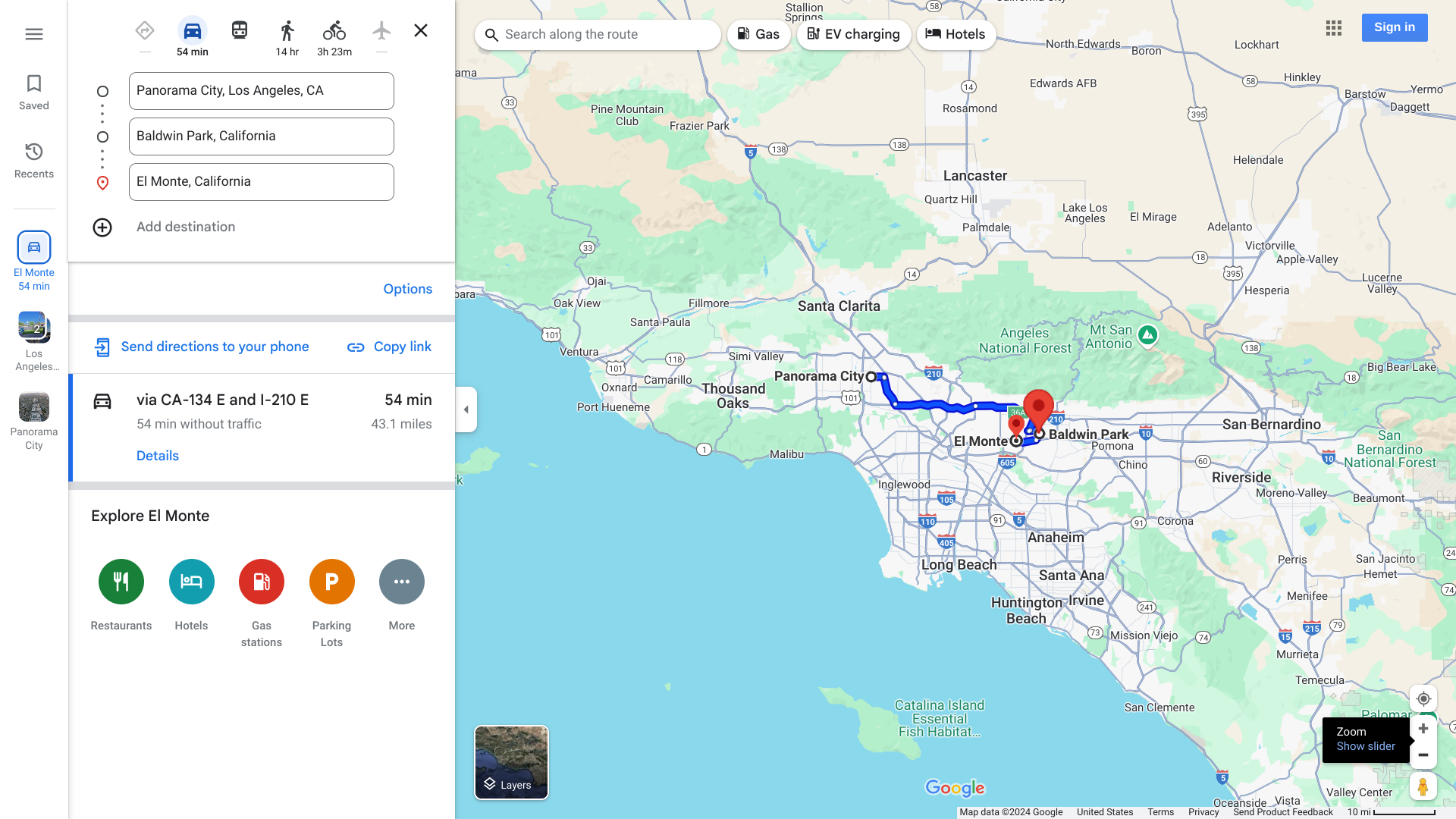
The Los Angeles County Department of Public Health recently announced it is investigating a new local dengue virus outbreak in Baldwin Park. Two additional cases of non-travel, locally acquired dengue have been identified, bringing the total to five cases concentrated in this area of the County.
L.A. County previously reported Panorama City (1) and El Monte (2) reported local dengue cases in 2024.
"We are still investigating, but these new cases raise concern about the potential for continued local spread of dengue through the bite of infected mosquitoes in Baldwin Park. Many people infected may not show symptoms, making it challenging to detect and control the spread of the disease. However, with the community's help, we can make a difference," said Muntu Davis, MD, MPH, Los Angeles County Health Officer, in a press release on October 15, 2024.
To the south of L.A., Escondido, CA, reported a local dengue patient on October 13, 2024.
Additionally, over 200 travel-related dengue cases have been confirmed in California this year.
Throughout 2024, the U.S. CDC has reported that 50 jurisdictions have reported 5,878 dengue cases. The state of Florida leads all other jurisdictions with 595 travel-associated dengue cases and 47 locally acquired cases, primarily in Miami-Dade County (29).
As of October 17, 2024, dengue prevention vaccines are not offered in the United States.
The U.S. Centers for Disease Control and Prevention (CDC) recently issued interim recommendations to prevent the transmission of the Oropouche virus.
Oropouche is usually spread to people by the bite of an infected biting midge. Biting midges are tiny flies, often called "no-see-ums."
A recent scientific report describes Oropouche virus was found in the semen of a patient, which raises health concerns about the possible risk of sexual transmission.
A previous study described the shedding of Oropouche virus RNA in a symptomatic traveler's whole blood, serum, and urine. Virus replication was detected in semen 16 days after infection, which the authors say suggests a risk of sexual transmission.
In June 2024, vertical transmission of the Oropouche virus was identified when RNA was detected in a stillborn infant born to a pregnant woman who had symptoms of Oropouche virus disease at 30 weeks gestation.
Therefore, as of October 15, 2024, the CDC announced men diagnosed with Oropouche infections are advised to use condoms or abstain from sex for six weeks starting from the onset of symptoms.
This is essential guidance since travel-related Oropouche cases have been confirmed in five states, including Florida (86).
Since there are no vaccines to prevent or medicines to treat Oropouche, the CDC says the best way to protect yourself from Oropouche is to prevent bites from biting midges and mosquitoes in areas where the virus is known to occur.
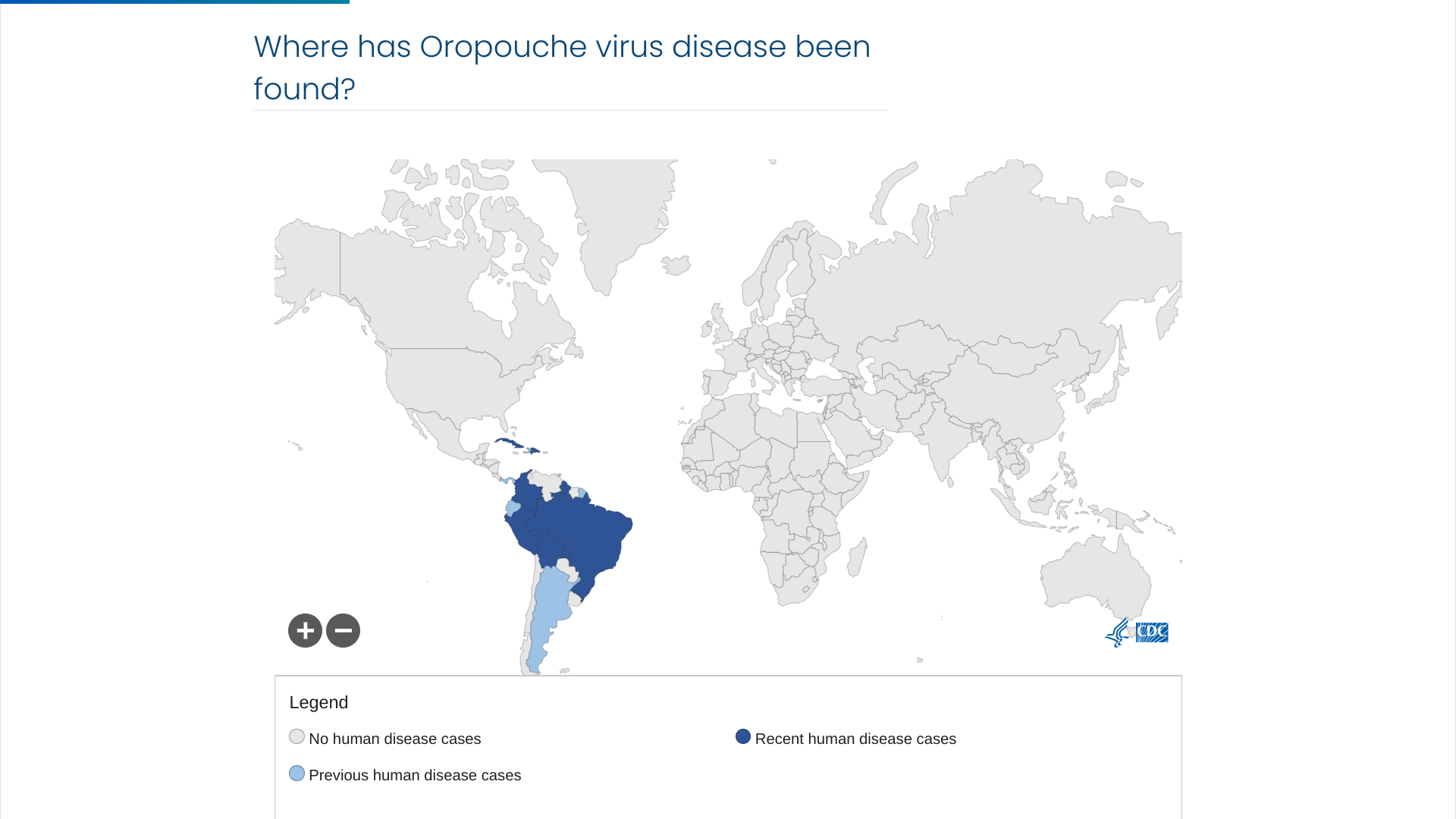
As of 2024, several countries in South America, Central America, and the Caribbean (Cuba) are reporting increased cases. In July 2024, the Brazil Ministry of Health reported two deaths, which represent the first reported fatalities attributed to the Oropouche virus disease in the Americas.
However, there is no evidence of Oropouche virus transmission within the U.S.

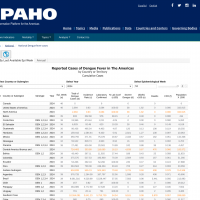

The Los Angeles County Department of Public Health confirmed today that locally acquired Dengue is emerging, which is extremely rare in a region where mosquitoes have not previously transmitted the virus.
LA is investigating a new case of locally acquired Dengue in an El Monte resident.
This case of local transmission is the fifth case of locally acquired Dengue reported in LA County's San Gabriel Valley (2 million population) this year.
Similar to the cases reported in Baldwin Park (3) and Panorama City (1), this person had no history of travel to areas where Dengue is endemic.
“This case further indicates that Dengue can spread in our community. Preventing mosquito bites and breeding is the best way to stop local dengue transmission,” said Muntu Davis, MD, MPH, Los Angeles County Health Officer, in a press release on October 3, 2024.
On the U.S. southeast coast, the state of Florida reported 548 travel-associated and 40 locally acquired dengue cases in 2024.
Throughout the Region of the Americas, over 11 million Dengue cases and 6,700 related fatalities have been confirmed in the Americas this year.
While Dengue is a vaccine-preventable disease, no vaccine is currently available in the U.S.
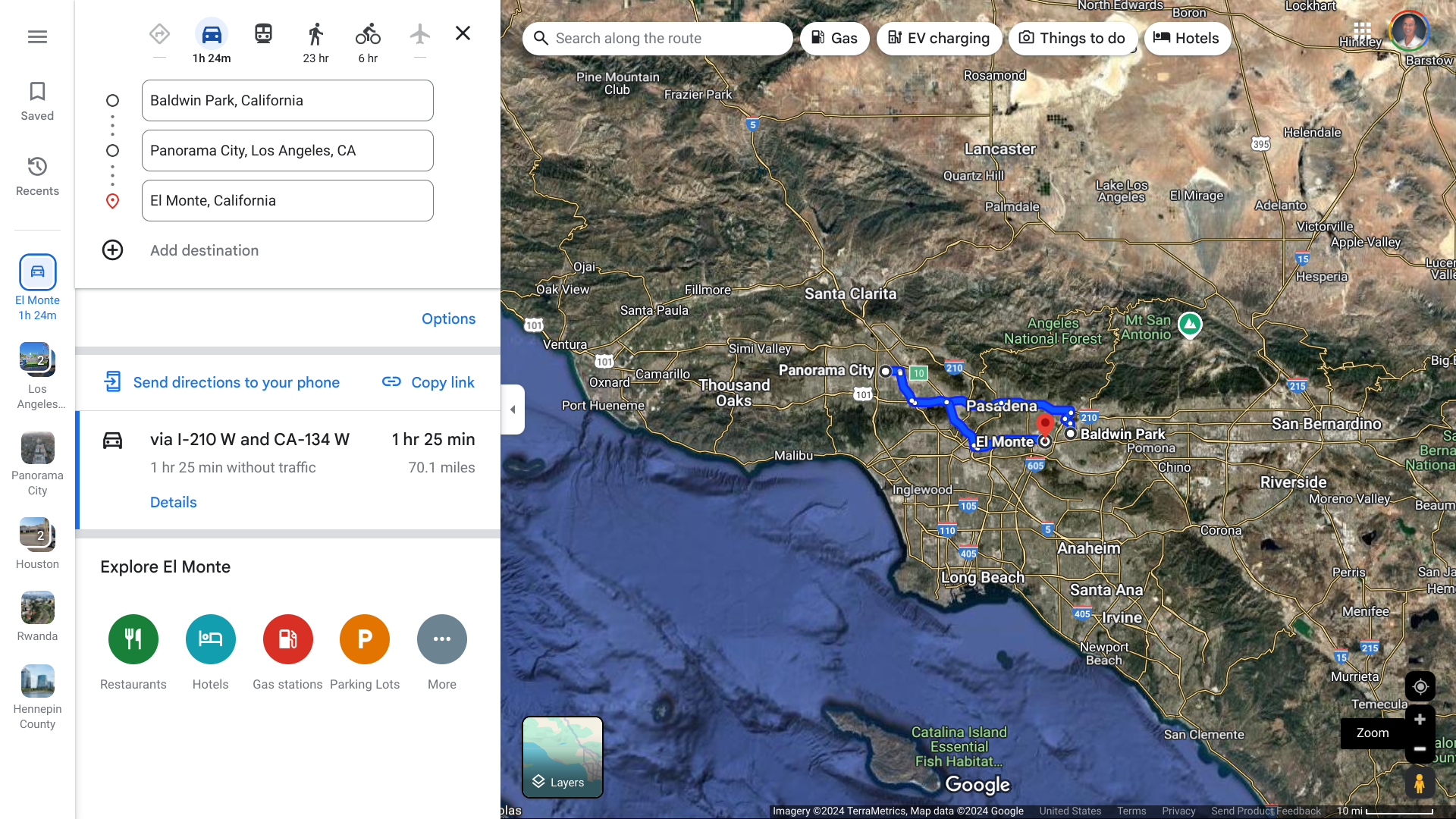
The Los Angeles County Department of Public Health is investigating another case of locally acquired Dengue in a Panorama City resident. The person had no history of travel to areas where Dengue is endemic.
This case of local transmission is not related to the cluster of 3 cases in the City of Baldwin Park on September 18, 2024.
About 55 miles are separating these cities.
Long Beach and Pasadena previously confirmed cases of locally acquired Dengue in fall 2023.
Although Aedes mosquitoes are common in LA County and can spread the dengue virus, almost all previously reported dengue cases in LA County have been associated with travel to a country where Dengue is endemic.
“We are seeing the local dengue transmission unprecedented in Los Angeles County. Preventing mosquito bites and mosquito breeding is the best way to stop the ongoing local transmission of Dengue,” said Muntu Davis, MD, MPH, Los Angeles County Health Officer, in a press release.
As of September 30, 2024, Public Health has reported four cases of locally acquired Dengue. These local transmission cases are extremely rare in LA County, and residents are urged to take proactive steps to prevent mosquito breeding and bites.
The U.S. CDC reported that 50 jurisdictions, led by Florida, New Jersey, New York, and Puerto Rico, had reported over 5,300 dengue cases this year.

A recent study stressed the possible underestimation of Oropouche Fever (OF) cases and the potential global threat this arbovirus infection represents.
The U.S. Centers for Disease Control and Prevention (CDC) recently confirmed multiple cases of Oropouche in U.S. and European travelers returning from travel to Cuba, indicating an ongoing risk.
In the United States, Florida has reported 70 Oropouche cases in individuals with a travel history to an endemic area such as Cuba. The counties reporting cases are Broward (3), Duval, Hillsborough (6), Lee (2), Miami-Dade (28), Orange (2), Palm Beach (2), Pasco, Polk (2), and Sarasota.
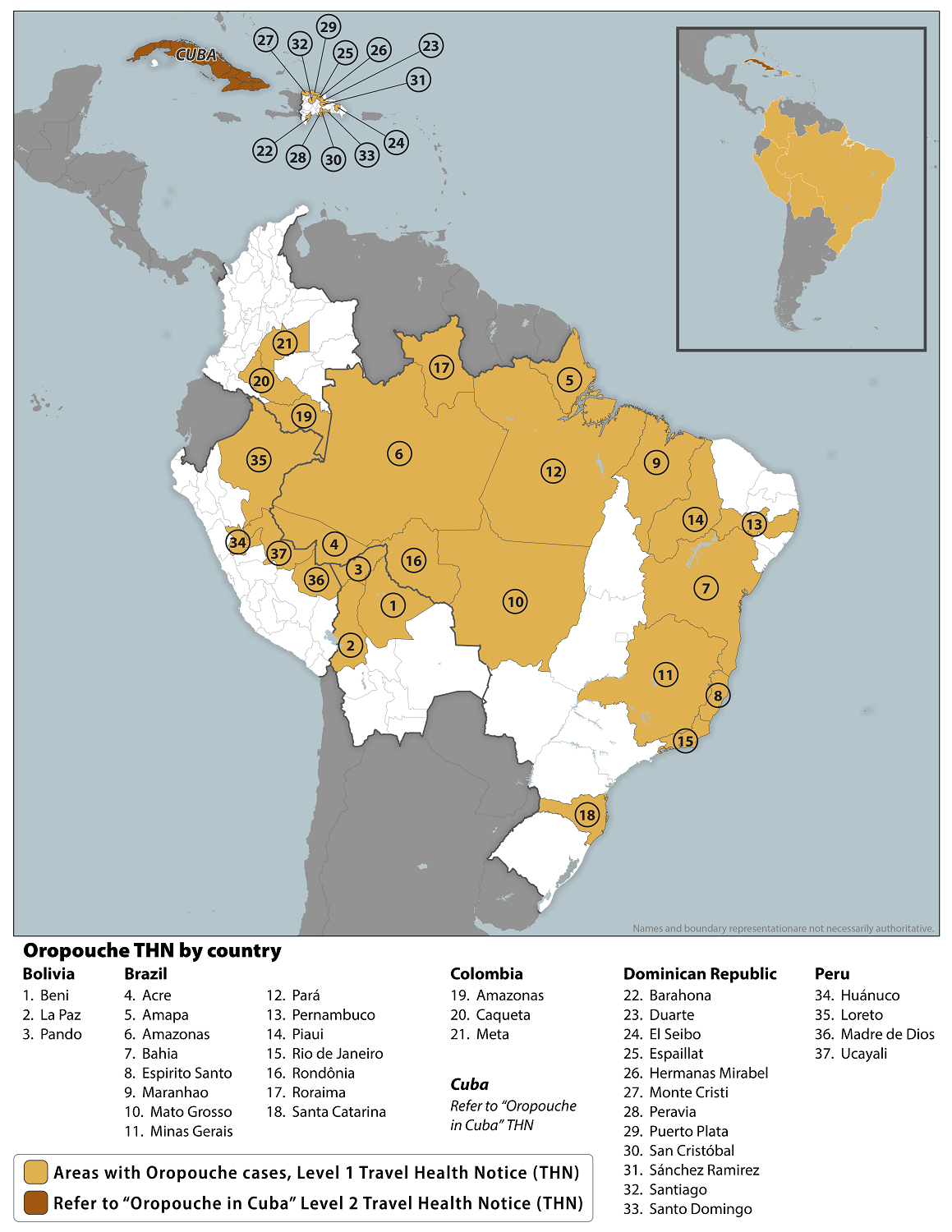
As of September 29, 2024, the CDC has issued a Level 2 Travel Health Notice (THN) focused on Cuba's expanding Oropouche outbreak.
The CDC has issued a Level 1 THN for the Region of the Americas, identifying 37 areas at risk in Bolivia, Brazil, Colombia, the Dominican Republic, Guyana, and Peru.
Travelers to these affected areas should take steps to prevent insect bites, as the bite of infected midges and mosquitoes spreads Oropouche. This illness can occur in people of any age and is often mistaken for dengue fever.
Oropouche Virus (OROV; genus of Orthobunyavirus) is the causal agent of OF. Due to the lack of specific signs and symptoms and the limited availability of diagnostic tests, the actual epidemiology of OROV infections remains elusive.
While most infected people recover, there were also concerns about an increase in possible cases of the Oropouche virus being passed from a pregnant person to their fetus associated with fetal deaths and congenital abnormalities.
The CDC has confirmed no specific treatment or preventive vaccine for Oropouche exists.