Search API
A World Health Organization committee recently agreed that the risk of international spread of poliovirus continues to constitute a Public Health Emergency of International Concern.
During the 41st meeting of the Emergency Committee under the International Health Regulations, the Committee members unanimously recommended extending the Temporary Recommendations three months into July 2025.
On April 9, 2025, the WHO Director-General accepted the Committee’s assessment.
The Committee also called on national governments to prioritize polio eradication in their domestic funding allocations to ensure sustained progress toward eradication and appreciates the Kingdom of Saudi Arabia’s recent confirmation of its $500 million commitment to global polio eradication.
Over the last three years, the nOPV2 polio vaccine has been administered about 1.1 billion times worldwide in various countries.
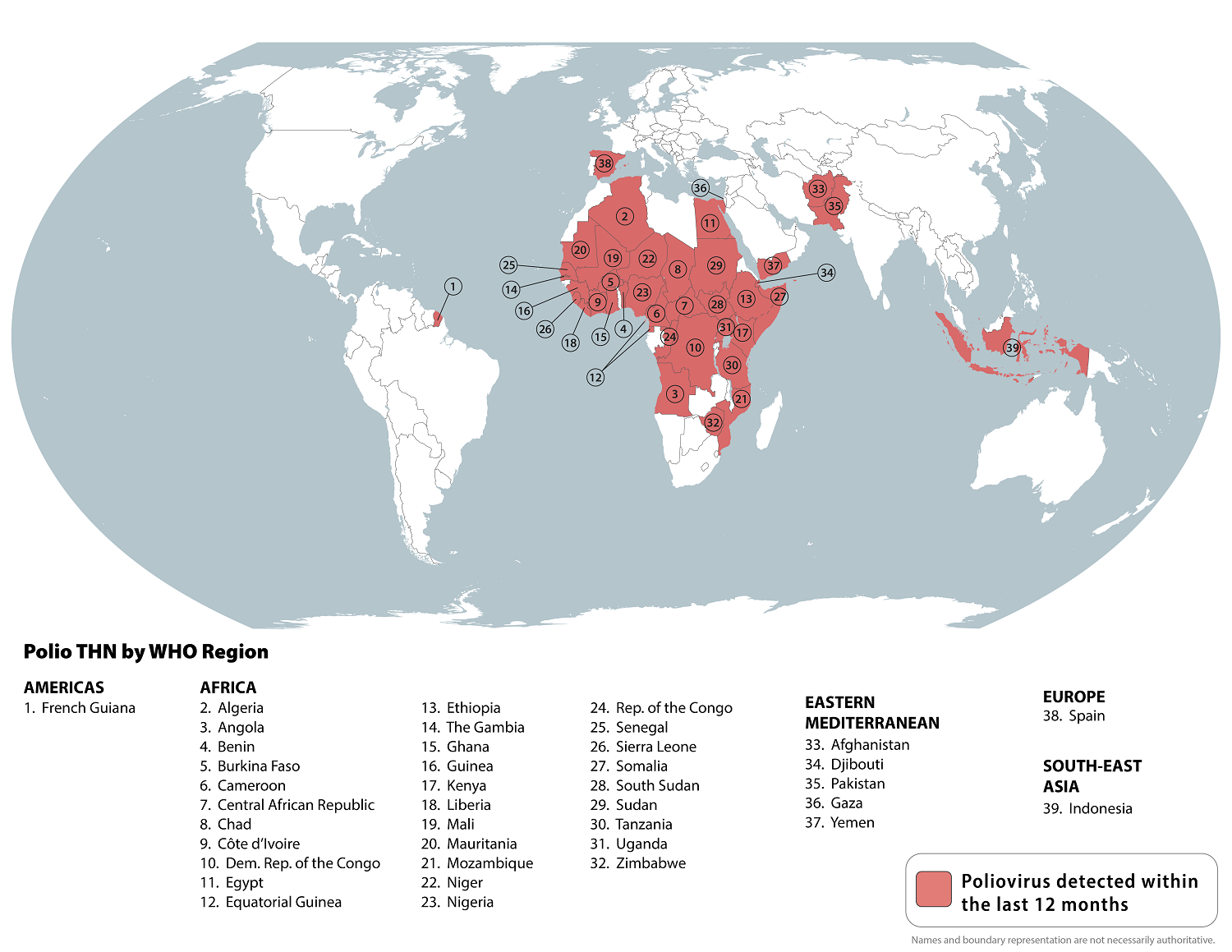
As of April 11, 2025, the U.S. CDC maintains a Global Measles Outbreak Travel Health Advisory that identifies 39 countries at risk for the spread of poliovirus.
In 2022, the United States was added to the list of polio-identified countries.
To reduce this significant health risk, the CDC says children and adults should be current on their routine polio vaccines, and that certain adult travelers visiting outbreak areas may get an inactivated polio vaccine (IPV) booster dose.
In the United States, IPV vaccination services are offered at travel clinics and pharmacies in 2025.
Over the years, meningococcal disease has remained a global public health concern, particularly in mass gatherings such as the Hajj and Umrah.
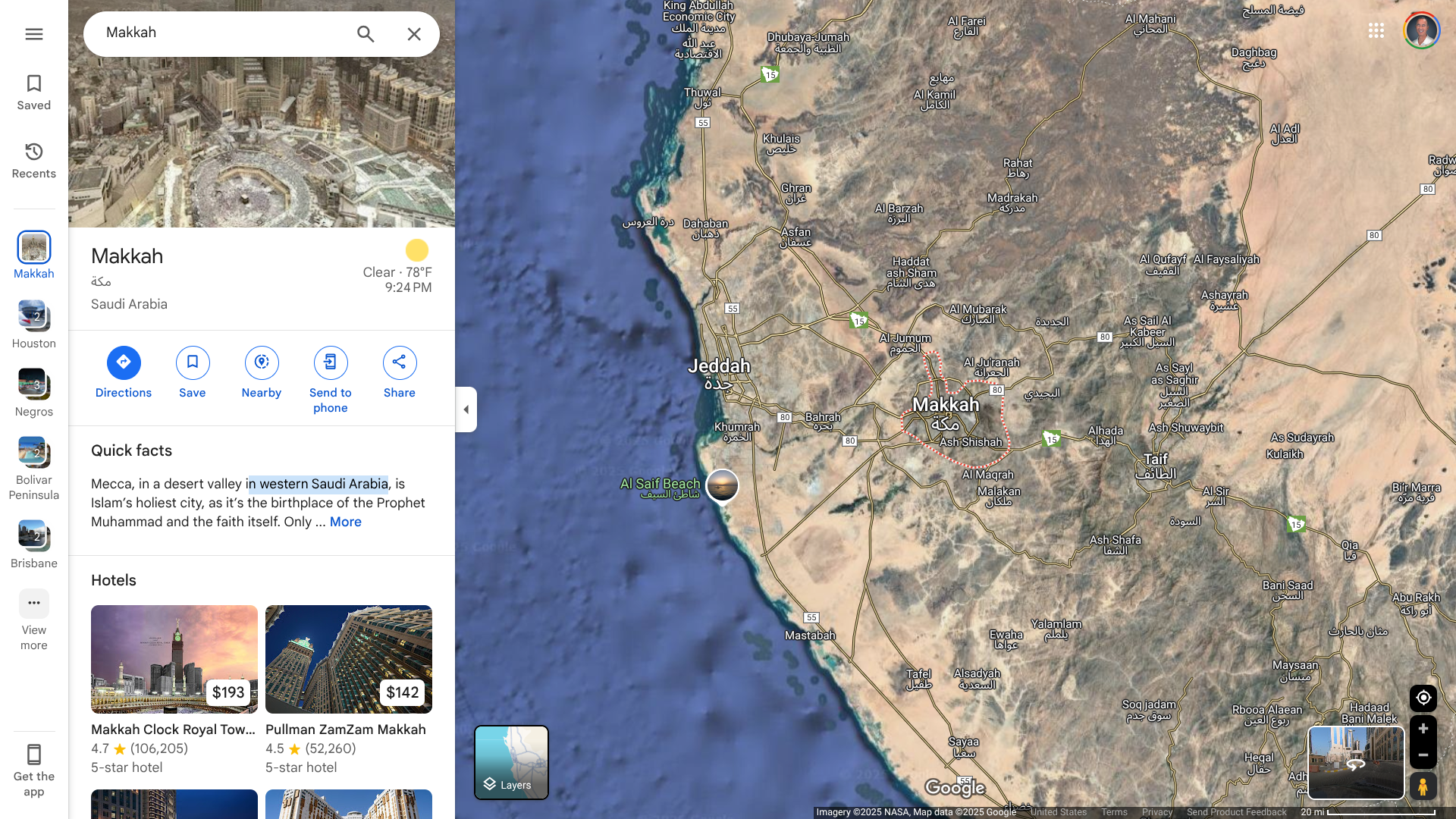
As of March 2025, the Kingdom of Saudi Arabia (KSA) health authorities estimated that only 54% of international Umrah pilgrims had complied with the meningococcal vaccination requirements.
Umrah is a year-round pilgrimage to Mecca in western Saudi Arabia, attended by millions of people.
According to the World Health Organization (WHO) DON563, the International Health Regulations (IHR) National Focal Point (NFP) for the KSA reported 11 cases of invasive meningococcal disease (IMD) as of March 13, 2025.
Additionally, between early February and March 18, 2025, the WHO Eastern Mediterranean Regional IHR contact point received reports of six isolated cases of IMD.
These cases involve individuals who had recently returned from Umrah.
The significant number of pilgrims traveling to KSA from countries with varying levels of meningococcal disease incidence presents a risk of international spread during these gatherings.
Given the recent notification of these cases linked to Umrah, WHO strongly advises all individuals planning to attend mass gatherings such as Hajj and Umrah to receive vaccination against meningococcal disease at least ten days before travel.
The government of Saudi Arabia regularly issues health requirements for the Hajj and Umrah, including vaccination policies. Based on the information available for the current event, the WHO does not recommend any restriction on travel and/or trade to the KSA.
In addition to meningococcal, the U.S. CDC recommends that visitors to the KSA in April 2025 consider routine and travel vaccinations such as measles and yellow fever, available at travel clinics and pharmacies.
The New York State Department of Health recently issued a travel advisory for all New Yorkers, urging them to ensure they are fully vaccinated against measles before international travel or travel to an area in the U.S. experiencing an outbreak.
New York's advisory, published on April 2, 2025, listed Canada among the countries with increased measles cases.
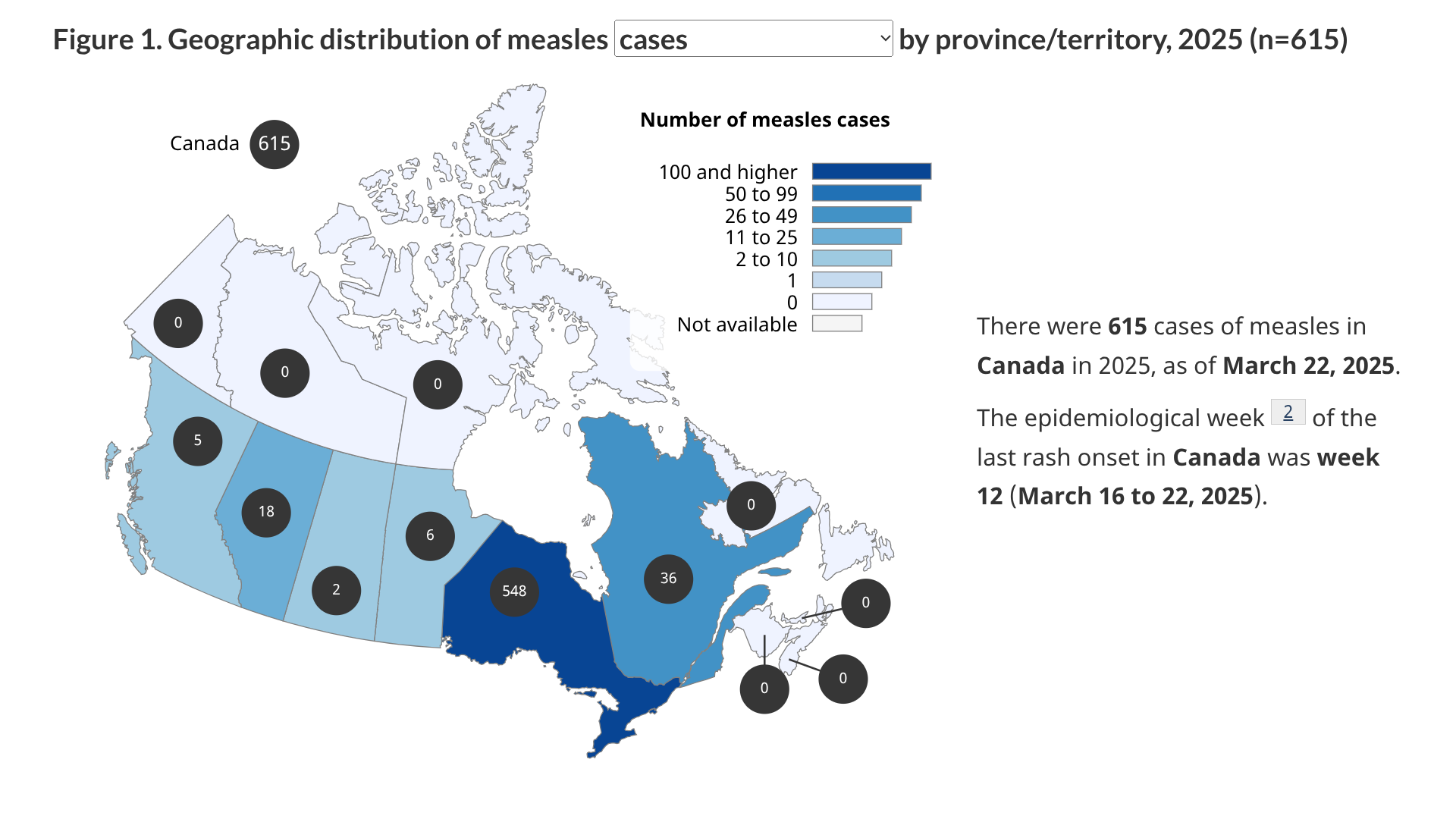
As of March 22, 2025, six jurisdictions (Alberta, British Columbia, Manitoba, Ontario (548), Quebec, Saskatchewan) in Canada had reported 615 measles cases.
"Measles is more common in different places, and exposure during travel is something we need to consider. It's important that New Yorkers ensure they are up-to-date regarding being immunized against measles. In some cases, measles is as close as a car ride away," State Health Commissioner Dr. James McDonald said in a press release.
"Measles can be a serious disease. It is not just a rash; it can cause pneumonia, hospitalization, and even death. Protect yourself and your family against measles and ensure you are up-to-date on immunization with the measles, mumps, and rubella (MMR) vaccine."
Currently, MMR vaccines are offered at clinics and pharmacies in the United States.
As of April 11, 2025, the U.S. CDC maintains a global Travel Health Advisory that lists various countries impacted by the ongoing measles outbreak.
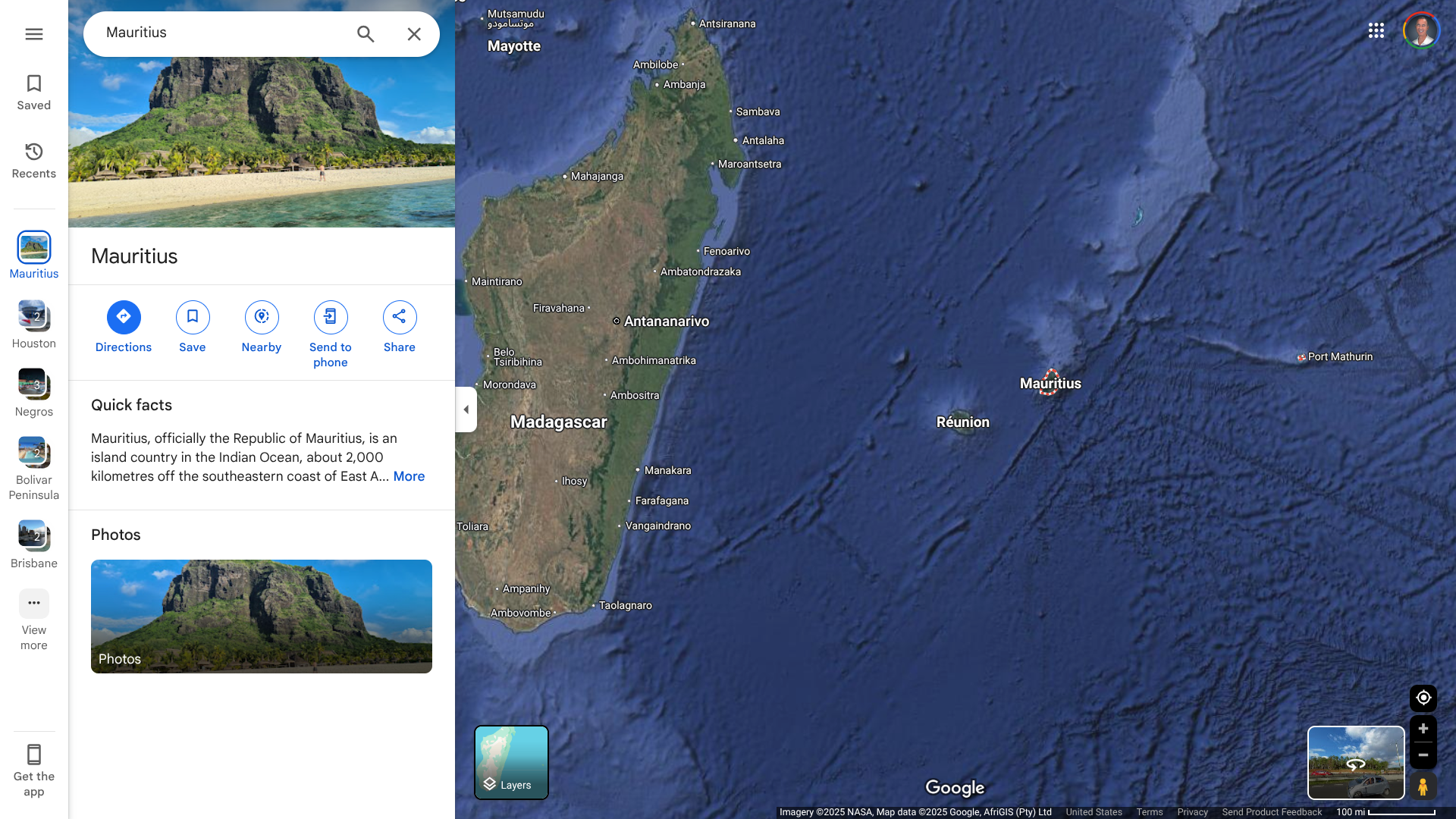
While the South Indian Ocean chikungunya outbreak has been focused on France's Réunion Island, the Republic of Mauritius has also reported imported and local cases in 2025.
According to the Mauritius health services, most mosquito-transmitted chikungunya cases were imported from Asia and Africa.
On March 17, 2025, Mauritius, located east of Africa and Madagascar, reported the first local case in the country since 2009.
Then, on April 8, 2025, the World Health Organization (WHO) reported 17 local chikungunya cases in Mauritius.
The WHO says virus transmission persists in populations with low prior exposure, making vaccines essential to a comprehensive chikungunya outbreak response.
As of April 10, 2025, the U.S. CDC has not issued a Travel Health Notice regarding this chikungunya outbreak.
For travelers departing from the United States, the United Kingdom, or Europe, effective chikungunya vaccines, such as IXCHIQ®, have been approved by government agencies and are commercially available at most travel clinics and pharmacies.
While most malaria cases are detected in Africa, on the other side of the world, malaria outbreaks continue to be detected in South Korea.
According to a post on X, the South Korean government has recently confirmed locally acquired malaria cases and is taking immediate action.
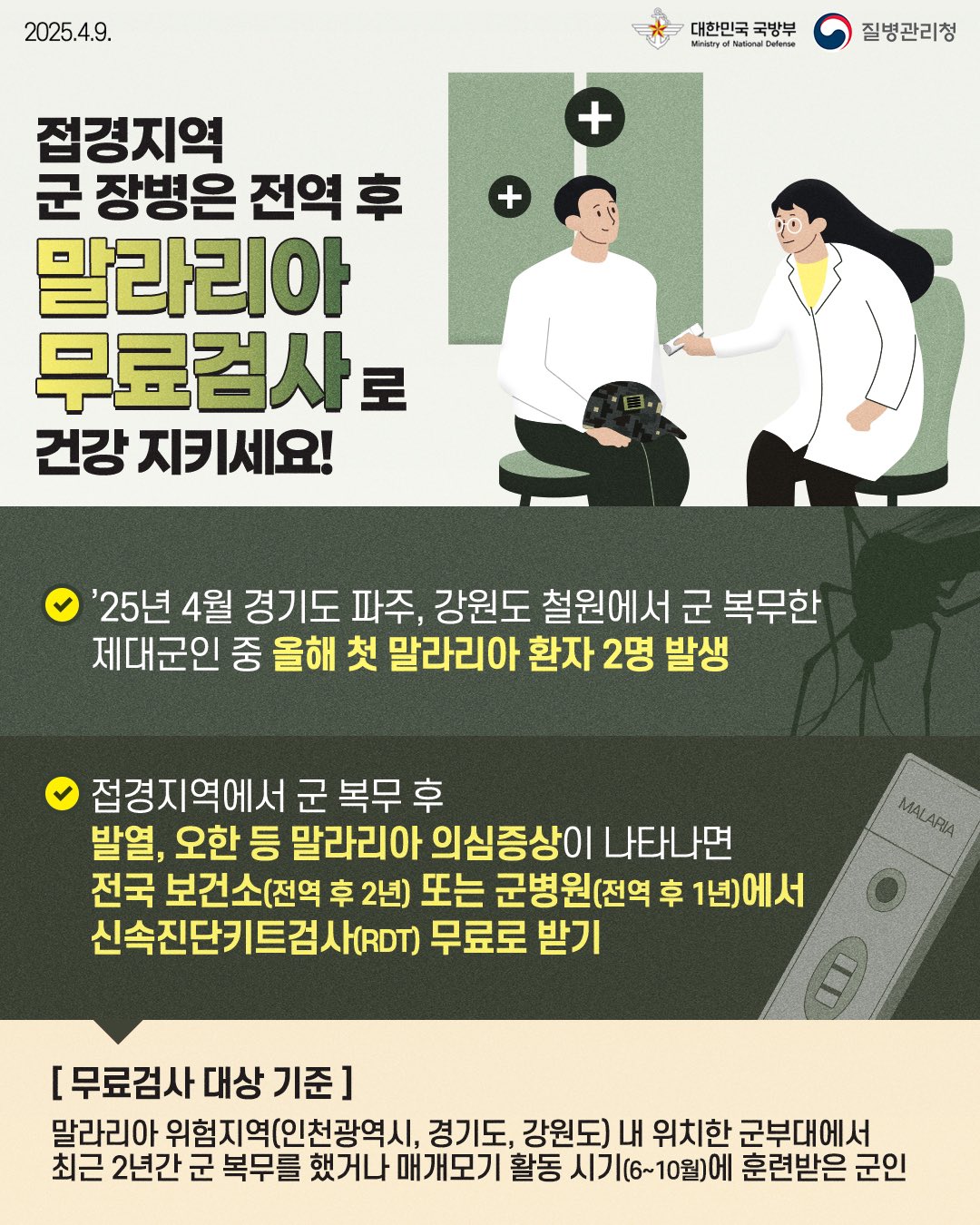
On April 9, 2025, the Ministry of National Defense wrote, 'Recent outbreak of malaria patients among soldiers discharged from military service in border areas such as Paju, Gyeonggi Province, and Cheorwon, Gangwon Province.'
The Ministry of National Defense and the Korea Disease Control and Prevention Agency are working to achieve a 'Malaria-Free Republic of Korea' to eradicate malaria domestically by 2030.
The Joint establishment of the "Second Malaria Eradication Action Plan (2024-2028) includes:
- Free malaria diagnostic tests and treatment prescriptions for one year after discharge at 14 military hospitals nationwide.
- Free diagnostic testing is available two years after discharge at public health centers nationwide.
In 2024, the Agency issued malaria warnings for areas, including Seoul's Yangcheon and Gangseo districts. In 2023, over 719 cases of the mosquito-borne disease were confirmed.
According to the U.S. CDC, travelers going to areas of South Korea should take prescription medicine to prevent malaria. Depending on the medicine you take, you will need to start taking this medicine multiple days before your trip, as well as during and after your trip.
As of April 10, 2025, malaria vaccines are offered in Africa, but not South Korea or the United States.
The Switzerland Federal Office of Public Health today reported its first case of Clade Ib mpox in an individual who had returned from Africa.
On April 8, 2025, the Swiss government stated that this person was in isolation and that there was no risk of infection to others.
The treatment of mpox consists primarily of treating its symptoms. In particularly severe cases, an antiviral therapy may also be conducted. The appropriate medicine is available in Switzerland in 2025.
Since September 2023, the World Health Organization has observed increased infections, especially of a new mpox variant designated Clade Ib, in Several African countries, including the Democratic Republic of the Congo.
The other well-known Clade II began infecting people worldwide in May 2022.
A preventive vaccination (Jynneos®) is assumed to be effective against Clade I infection. The vaccine is safe and highly effective in preventing severe mpox infections.
Jynneos is also available in numerous countries, such as the United States.