Search API
In an effort to reduce the ongoing Marburg Virus Disease (MVD) outbreak in Ethiopia, the Sabin Vaccine Institute has announced that it has sent about 640 doses of its investigational cAd3-Marburg Vaccine to Ethiopia.
As of December 5, 2025, there are currently no licensed vaccines or treatments for MVD.
Sabin's single-dose cAd3-Marburg Vaccine is being used in a Phase 2 outbreak clinical trial in Rwanda; the vaccine is also in Phase 2 clinical trials in the U.S., Uganda, and Kenya.
"The Ethiopian Ministry of Health reached out to Sabin early in the outbreak, and we have been working in partnership to support Minister of Health Dr. Mekdes Daba and her team," says Sabin Chief Executive Officer Amy Finan, in a press release.
"We've built on our previous outbreak response experience to assist our Ethiopian colleagues as requested quickly."
The Biomedical Advanced Research and Development Authority, part of the U.S. Department of Health and Human Services' Administration for Strategic Preparedness and Response, funds the development and manufacture of Sabin's investigational vaccine candidate.
Ethiopia's Ministry of Health recently confirmed 13 Marburg infections, including eight deaths, in its latest update.

The Ministry of Health, Families, Autonomy and Persons with Disabilities, and Public Health France have been informed of two cases of Middle East Respiratory Syndrome Coronavirus (MERS-CoV) in France.
According to a press release dated December 4, 2025, these two cases were confirmed based on suggestive symptoms and a history of shared travel to the Arabian Peninsula. Management measures have been implemented to limit the risk of virus transmission.
These two cases occurred in individuals who had participated in the same trip, but no secondary transmission chains have been identified within the country at this stage. The other individuals who participated in the trip have also been monitored since the identification of the first confirmed case.
In France, only two cases were recorded as of 2013.
MERS-CoV is a virus that was first identified in Saudi Arabia in 2012 and is primarily transmitted from animals to humans. Since then, more than 2,600 cases of MERS-CoV have been reported worldwide.
The virus is endemic to dromedary camels and bats in the Arabian Peninsula and parts of Africa.
France says: if you experience these symptoms and have recently traveled to these areas and/or been in contact with people who have experienced them, do not hesitate to consult your doctor.


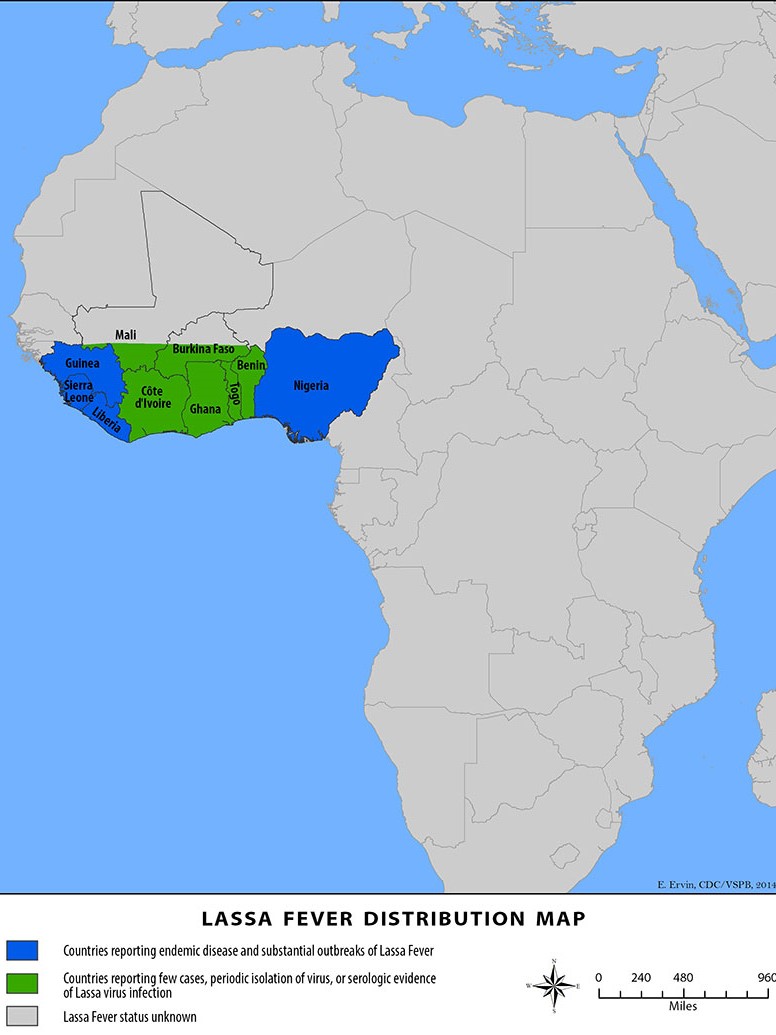
The first volunteer has received a dose in Oxford Vaccine Group's first-in-human trial of the Lassa vaccine, marking a significant milestone in the fight against the deadly virus, which was first discovered in the late 1960s.
The trial, funded by the Coalition for Epidemic Preparedness Innovations, will assess the safety and immune response of the ChAdOx1 Lassa vaccine.
Commenting on the launch of the trial, Professor Maheshi Ramasamy, Chief Investigator of the trial at the Oxford Vaccine Group, commented in a press release on December 4, 2025, "Vaccines are one of the most powerful tools we have in global health: they save lives, stop outbreaks, and strengthen health systems, and so we're delighted to start the VITAL01 Lassa fever vaccine study here in Oxford."
The World Health Organization has identified Lassa fever and related viruses as priority pathogens in urgent need of research and development because they pose a significant public health risk due to their potential to cause large outbreaks. Experts estimate that up to 700 million people could live in regions at risk of Lassa fever by 2070, although there are currently no licensed vaccines or treatments for Lassa fever.
In addition to the launch of new clinical trials, plans to advance a Lassa vaccine to licensure are progressing through regional leadership and coordination by the Lassa fever Coalition.
The Centre for Health Protection (CHP) of the Department of Health announced today that the CHP has recorded a total of 76 confirmed Chikungunya fever (CF) cases this year.
As of December 2, 2025, seven CF cases were local, and the rest were imported. Furthermore, the risk of imported cases persists.
Recently, the CHP also informed approximately 130 primary care doctors in Kwai Tsing District, located north west of Hong Kong, urging them to closely monitor patients with compatible symptoms and arrange blood tests for those concerned. The CHP's Public Health Laboratory Services Branch will provide free virus testing services.
The CHP's media statement confirmed all relevant departments have comprehensively enhanced the mosquito control operations in Hong Kong since July 2025, and this has continued.
Controlling this mosquito-transmitted disease is essential as the symptoms are generally self-limiting and last for a few days, while in some cases, joint pain may persist for several months or even years. Severe symptoms and deaths from Chikungunya are rare and usually related to other coexisting health problems.
Although the northern hemisphere has entered the winter, temperatures in subtropical and some temperate regions remain elevated due to climate change, creating favourable conditions for mosquito breeding and the transmission of viruses, such as Chikungunya.
In addition, CF outbreaks continue to occur in many countries worldwide.
Since the beginning of 2025, and as of September 30, a total of 445,271 suspected and confirmed CF cases and 155 CF-related deaths have been reported in 40 countries/territories. Cases have been reported in the Americas, Africa, Asia, and Europe.
To alert international travelers departing from the United States, the US CDC has published Level 2 - Practice Enhanced Precautions, Travel Health Advisories for countries in the Indian Ocean and Cuba.
In Florida, over 60 Chikungunya cases have been associated with visitors from Cuba.
The CDC advises travelers to consult a travel vaccine expert about Chikungunya immunization options before visiting these countries in 2025.

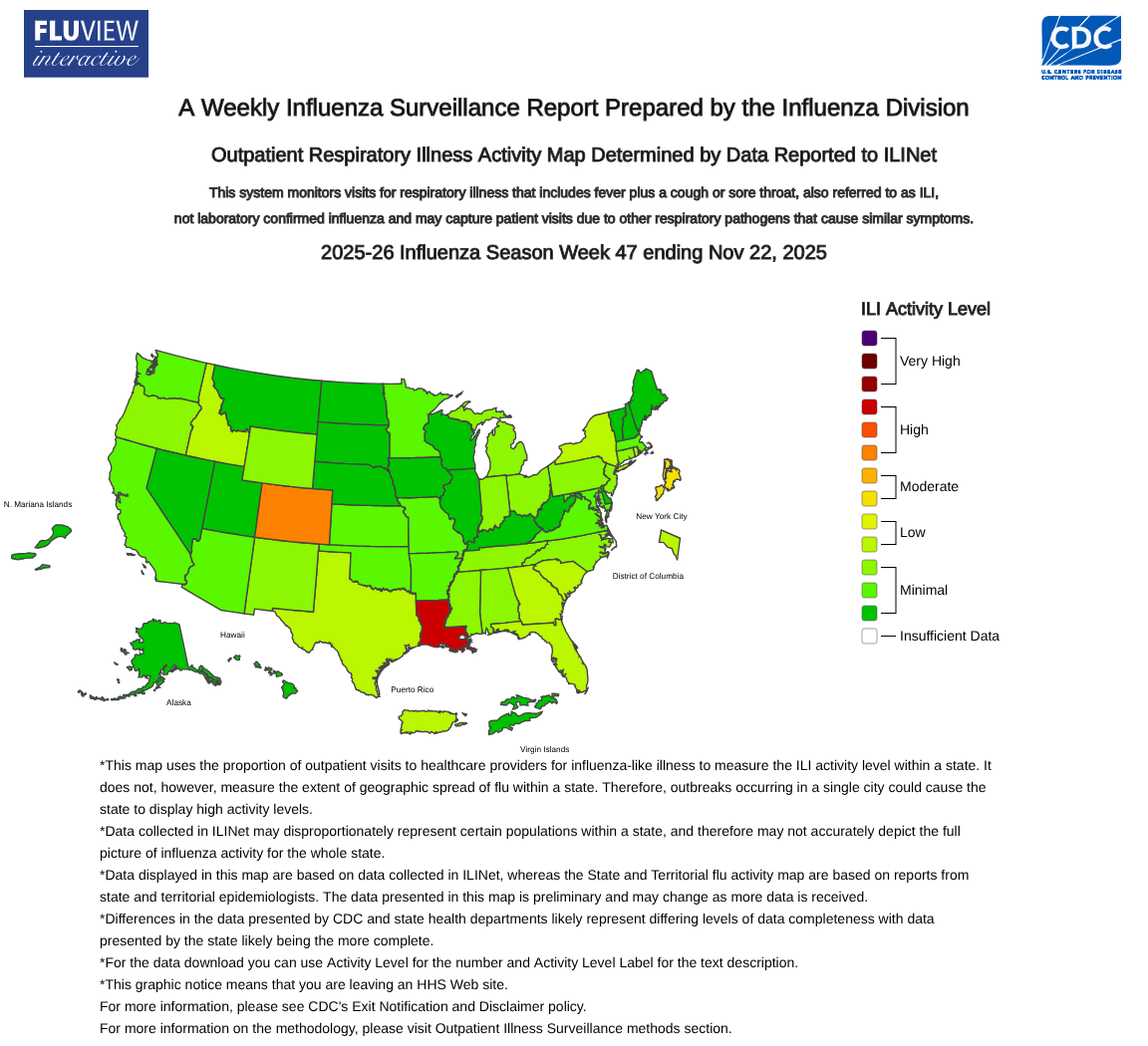
The US CDC's Weekly US Influenza Surveillance Report for Week #47 for 2025 recently offered these insights regarding respiratory disease activity, including Influenza.
The CDC states that 'seasonal influenza activity remains low nationally but is increasing in a few states, such as Colorado and Louisiana, primarily among children and young adults.'
Additionally, the percent positivity for Influenza and the percentage of outpatient visits for respiratory illness and emergency department visits for Influenza among pediatric age groups increased this week.
And the timing of these increasing activities is similar to that of several past flu seasons, with peaks expected during early 2026.
The best news posted by the CDC on December 1, 2025, is that no influenza-associated pediatric deaths occurring during the 2025-2026 season have been reported to the CDC.
From a disease prevention option, the CDC says vaccine manufacturers have projected that they will supply the United States with as many as 154 million doses of flu vaccine for 2025-2026. Most of the projected influenza vaccine supply produced this influenza season does not contain thimerosal as a preservative.
These flu shots are generally available at community pharmacies.
Speaking at a recent press conference, Jamaica's Minister of Health & Wellness, Dr. the Hon. Christopher Tufton, CD MP, noted that while the Caribbean island country has managed the recent Leptospirosis outbreak following the passage of Hurricane Melissa, there is no great risk to tourists coming to Jamaica.'
According to the Minister on November 28, 2025, "We have discerned no great risk as it relates to facilities that cater to tourists, including hotels and attractions. There is a certification process that is required for these facilities, and this is done collaboratively with the local health and tourism authorities."
"We are not giving an advisory to discourage visitors, but to alert the vulnerable communities, which have been identified."
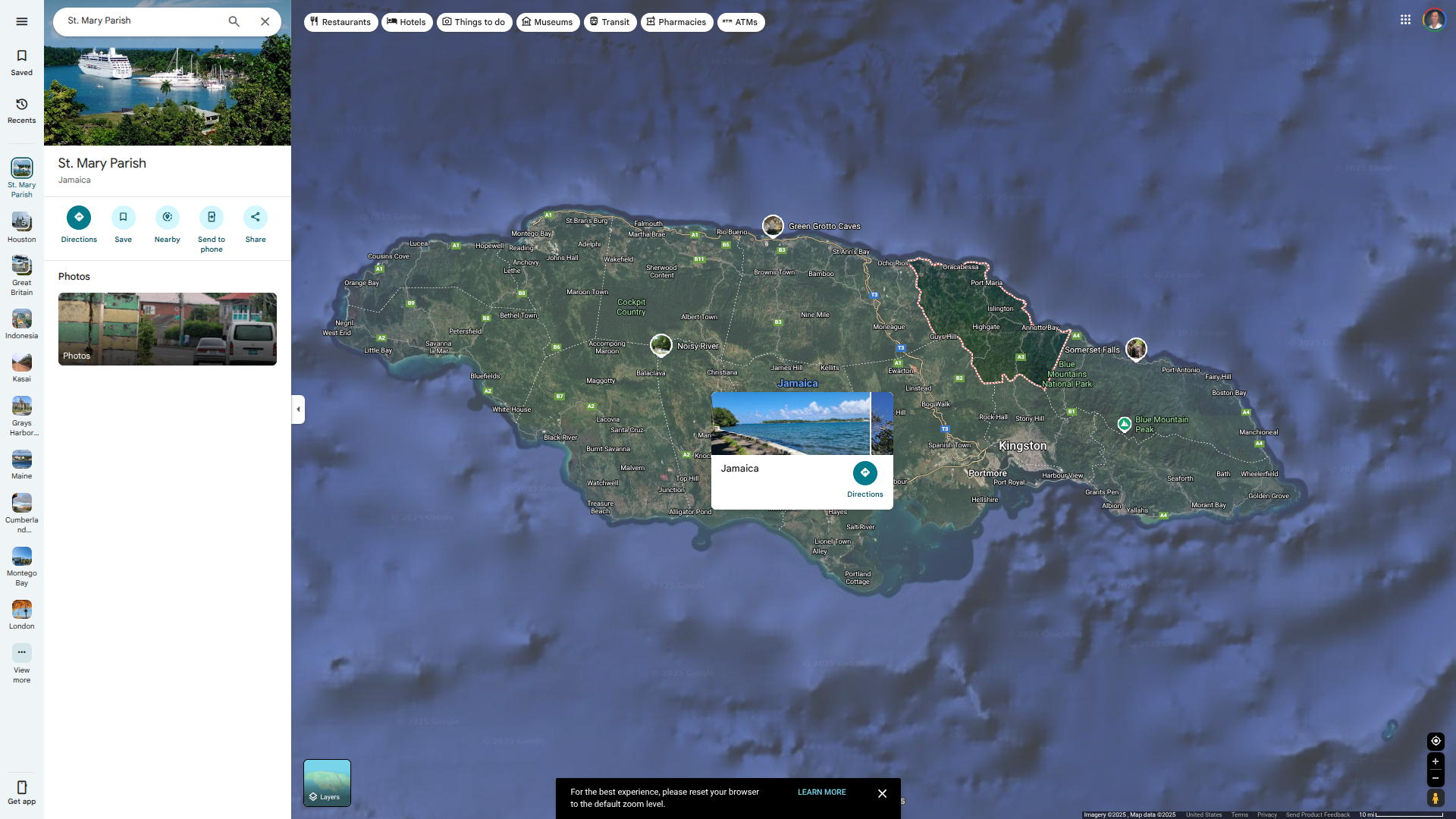
Jamacia reported that between October 30 and November 20, 2025, a total of 9 confirmed and 28 suspected cases of leptospirosis were reported in eight parishes, including St. Ann, St. Mary, St. James, Hanover, Westmoreland, St. Elizabeth, St. Catherine, and Trelawny.
According to the U.S. CDC, Leptospirosis is a disease caused by the bacterium Leptospira and can be transmitted through contaminated water or soil. Without treatment, leptospirosis in people can lead to kidney damage, meningitis, liver failure, trouble breathing, and even death.
Leptospirosis is found worldwide, including throughout the United States. About 1 million cases occur globally each year, with nearly 60,000 deaths.
As of December 2, 2025, the CDC has not issued a Travel Health Notice regarding this outbreak in Jamaica, and reports that no preventive vaccines are currently available for this disease.
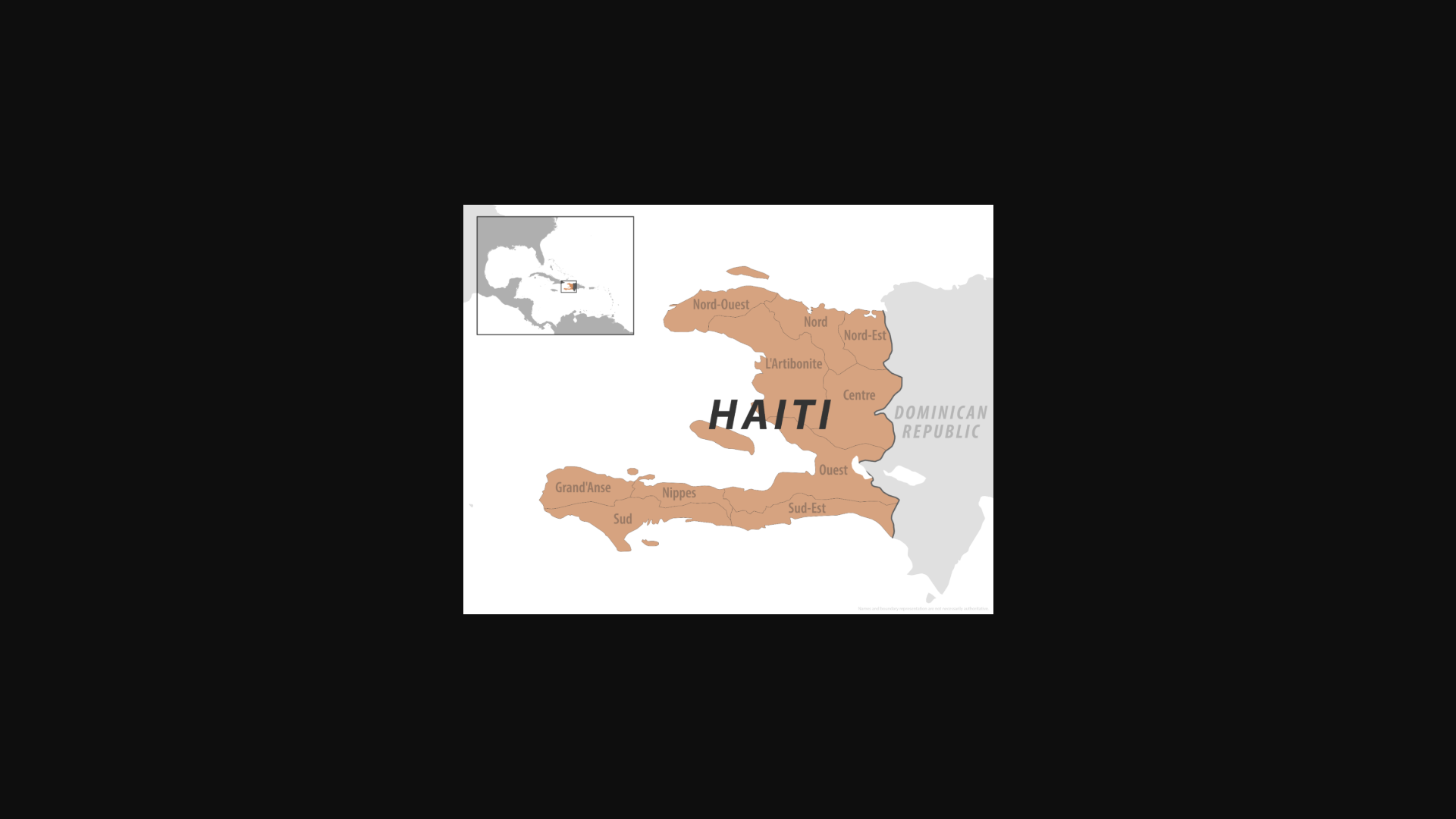
The Republic of Haiti has the highest rate of human rabies in the Western Hemisphere, with infected dogs being the primary carriers of this severe virus.
According to the U.S. Centers for Disease Control and Prevention (CDC), Level 1 - Practice Usual Precautions, Travel Health Notice issued on November 25, 2025, there have been an increased cases of rabies reported in animals and humans in Haiti.
Additionally, one case of rabies has been reported in the U.S. in a traveler from Haiti.
The CDC writes that travelers to Haiti, located on the western portion of the Caribbean island of Hispaniola, who may have been exposed to rabies, should immediately seek medical care. Upon returning home, travelers should follow up with their health care provider as soon as possible.
The CDC previously confirmed that rabies is a vaccine-preventable disease for both animals and people.
Achieving an estimated 80% vaccination coverage among Haiti's dog population, as recommended by PAHO's Regional Rabies Elimination Program and the Directors of Rabies Programs in the Americas, is expected to reduce rabies virus circulation in dogs significantly.
"Despite the challenges and limitations posed by the security situation and the overall instability in the country, we consider this vaccination campaign a significant success," said Dr Haïm Joseph Corvil, Protection Unit Coordinator at the Ministry of Agriculture, Natural Resources and Rural Development, in a previous PAHO media release.
And the CDC says: Consider getting vaccinated against rabies before travel if you might come into contact with dogs, cats, or wildlife, or plan to work with animals during a visit to Haiti.
In the United States, travel clinics and pharmacies currently offer preventive and reactive rabies vaccination services.