Search API
Recent experiences with the introduction of Chikungunya and Zika viruses to the United States could foretell what might occur with the Oropouche virus because all three arboviruses are maintained in an urban cycle between humans and arthropod vectors.
Both Chikungunya and zika viruses are transmitted by Aedes (Stegomyia) mosquitoes, which oviposit and develop in containers in and around homes. This makes persons more susceptible to mosquito exposure and, ultimately, infection.
In contrast, the primary Oropouche vector, the biting midge, is low-abundance in North America and primarily resides in tree holes in the southeast and midwestern U.S., says the U.S. CDC Emerging Infectious Disease, Volume 30, Number 11—November 2024.
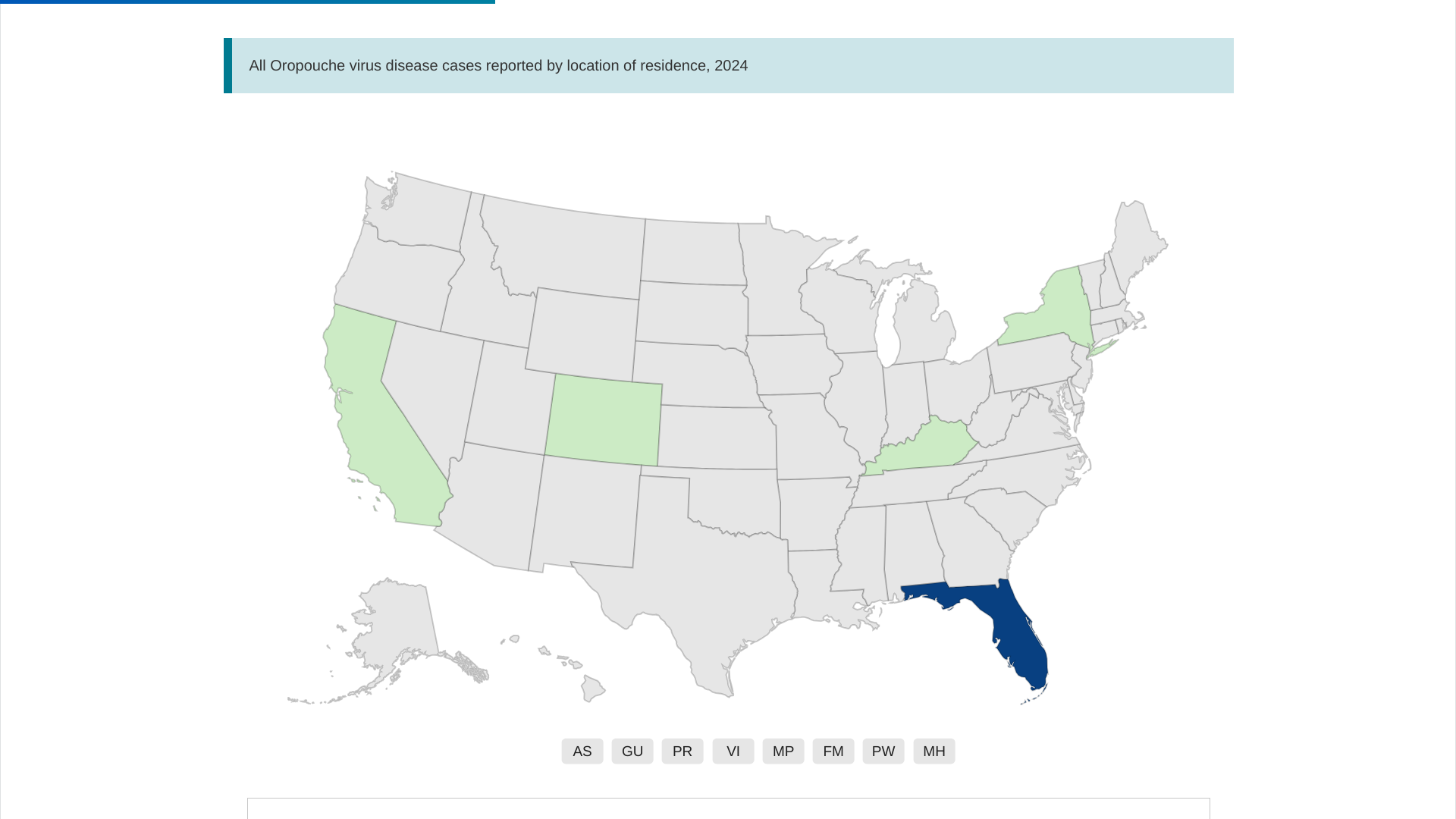
As of October 7, 2024, local transmission of the Oropouche virus had not been reported in the United States, although 92 cases have been reported in travelers, primarily arriving from Cuba.
Cuba is in the midst of its peak rainy season, which is associated with increased vector abundance. This suggests that more travel-associated cases might be expected in the U.S., in particular, Puerto Rico.
The U.S. CDC wrote on October 1, 2024, that various factors are likely to affect the risk of the local spread of the virus, including the rate of introduction from travel-associated cases, the presence and distribution of the vectors and potential host reservoirs, and potential virus adaptation.
Should the virus infect wild bird populations in North America, it is possible that the Oropouche virus could become endemic, similar to the progression of the West Nile virus, says the CDC.
While Chikungunya has one approved vaccine and several Zika vaccine candidates are progressing in clinical research, Oropouche vaccine research is in its early stages in 2024.
According to the U.S. CDC's Morbidity and Mortality Weekly Report (MMWR), only 21.3% of patients hospitalized for flu during the Southern Hemisphere flu season had received an influenza vaccine in Argentina, Brazil, Chile, Paraguay, and Uruguay.
Published on October 3, 2024, this MMWR reported that the effectiveness of the seasonal flu vaccine was about 35%, which is a decrease from the 50% reported in 2023.
Among 3,848 influenza case patients, 18.3% had received a 2024 seasonal influenza vaccine.
The CDC wrote flu shot effectiveness might be similar in the Northern Hemisphere, including the United States, if similar A(H3N2) viruses predominate during the 2024–25 influenza season.
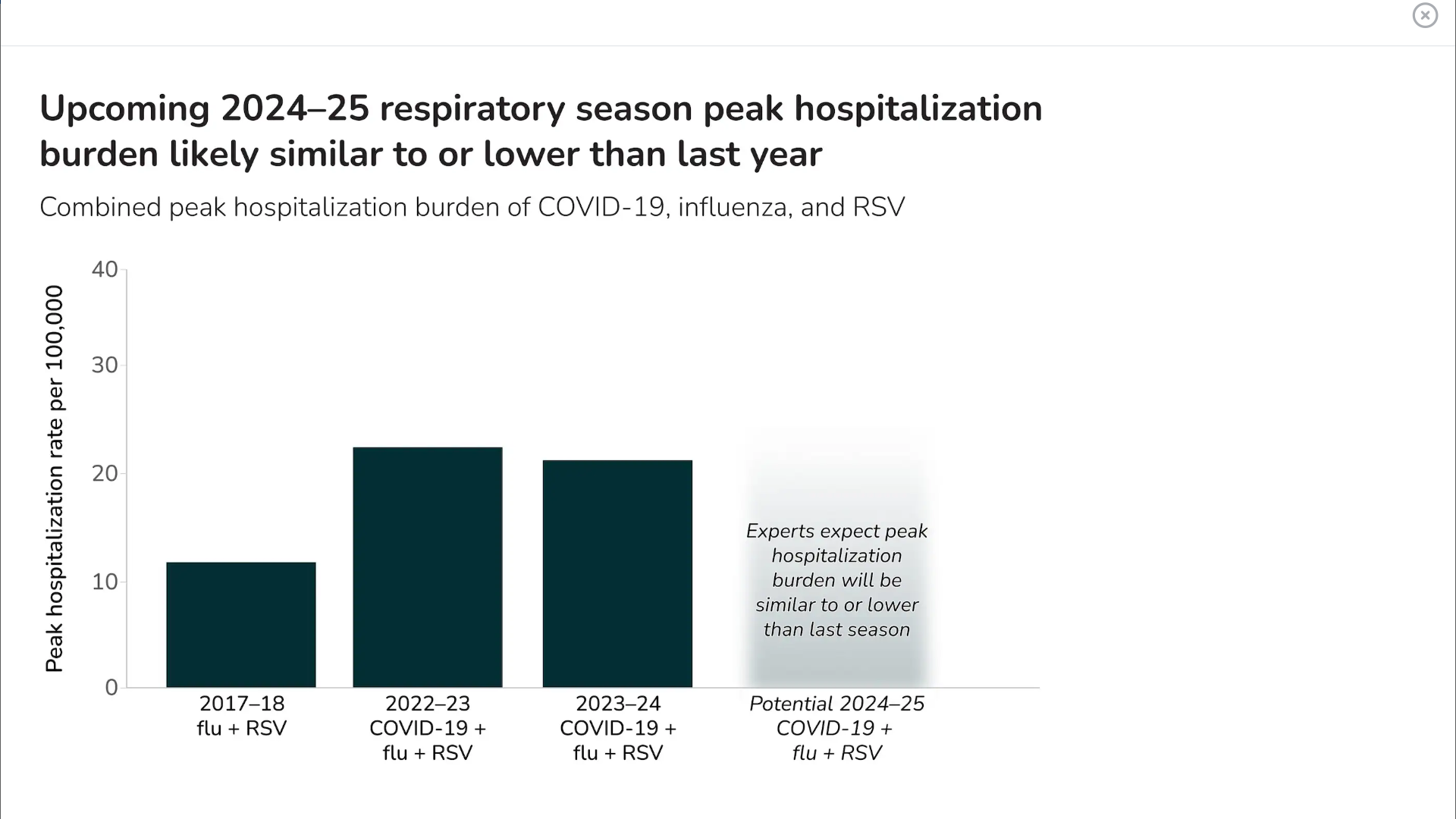
The CDC expects the upcoming fall and winter respiratory disease seasons to have a similar or lower number of combined peak hospitalizations due to COVID-19, influenza, and RSV than last season.
To protect yourself, the CDC recommends that all eligible persons receive seasonal influenza and RSV vaccines, generally available at clinics and pharmacies in the U.S.
Furthermore, to enhance this year’s modest influenza vaccine protection against hospitalization, providers should treat patients with suspected or confirmed influenza with antivirals as soon as possible.

Millions of people will be infected with the Dengue virus in the last few months of 2024 without being able to be treated with an approved antiviral.
Johnson & Johnson (J&J) announced on October 4, 2024, that it discontinued the Phase 2 field study evaluating the efficacy of investigational antiviral candidate mosnodenvir (JNJ-1802) for the prevention of dengue virus in adults.
Recent results from the Phase 2a human challenge study found that the compound induced antiviral activity against one of dengue's four viruses (DENV-3) in humans, compared to placebo.
J&J's decision to discontinue this study is part of a strategic reprioritization of the Company’s Communicable Diseases research and development portfolio. However, J&J will continue to support the fight against dengue by sharing study results with the medical community in the future.
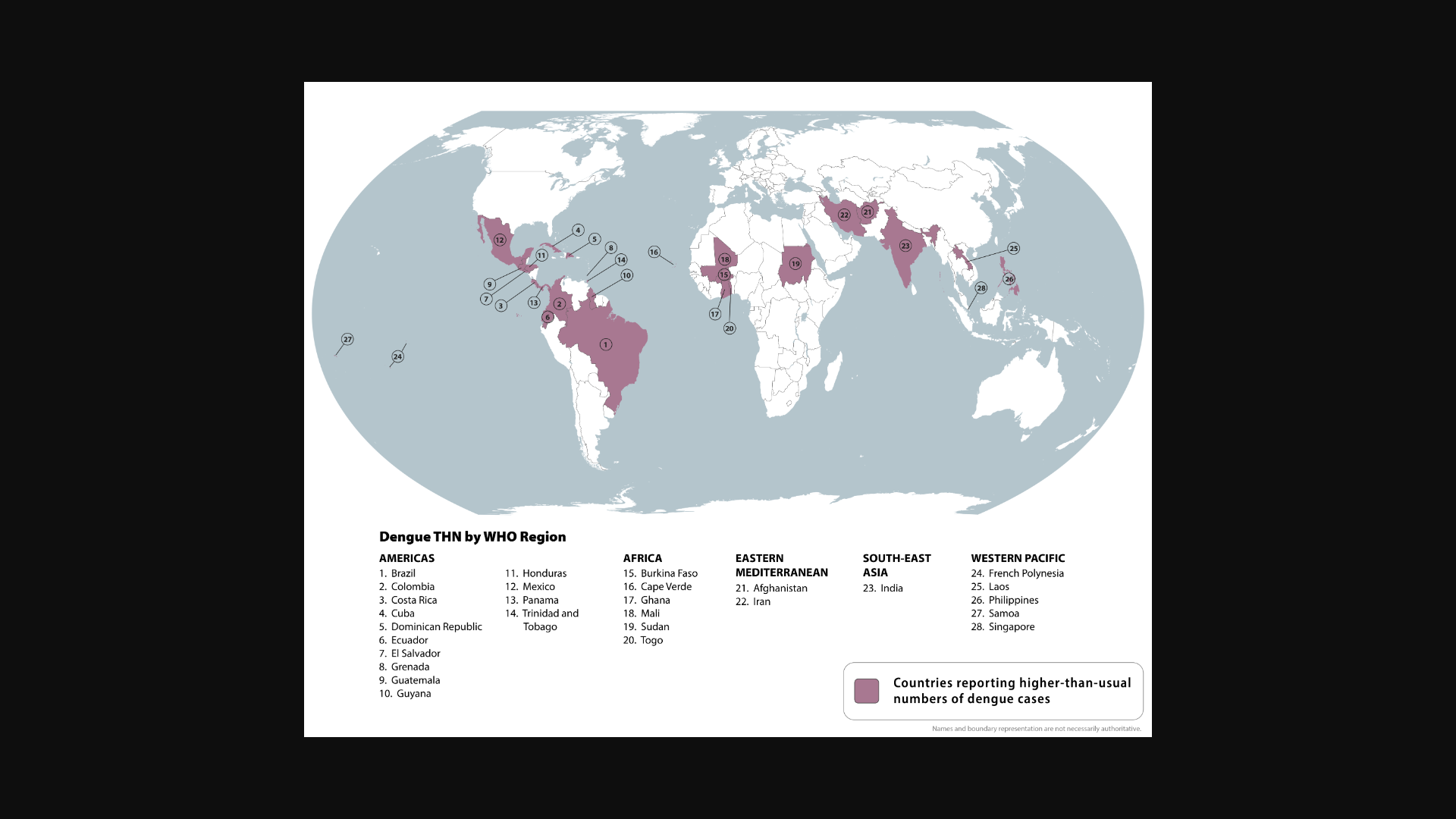
Almost 4 billion people will live in areas at risk of dengue in 2024, including 26 countries recently highlighted by the U.S. Centers for Disease Control and Prevention (CDC).
According to the U.S. CDC, dengue symptoms can become severe within a few hours. See a healthcare provider if you develop a fever or have symptoms of dengue. Dengue can be found in the blood during the first week of illness.
Furthermore, time is of the essence as severe dengue is a medical emergency.
Dengue is a vaccine-preventable disease. Various approved vaccines have limited availability, and candidate vaccines are conducting late-stage research in October 2024.
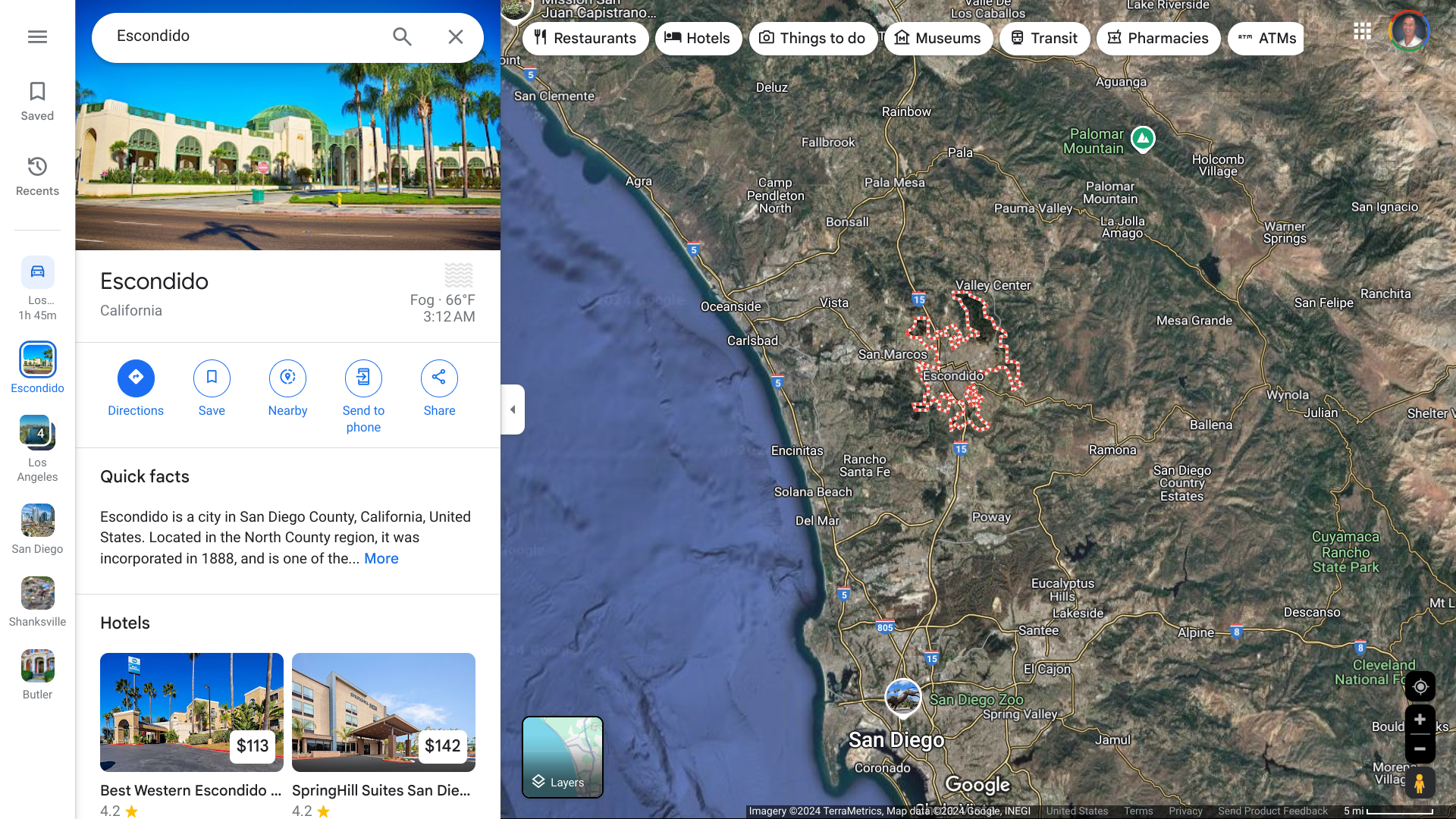
San Diego County's Communications Office recently announced it is investigating the first-ever case of locally acquired dengue. The Escondido resident did not travel to an area where the mosquito-transmitted illness is common.
"While the risk of widespread transmission of dengue remains low in San Diego County, County Public Health and Vector Control are working closely to respond quickly to prevent mosquitoes from spreading the illness in this area," said Dr. Ankita Kadakia, County interim public health officer, in a press release.
However, the County did not disclose whether this person has visited east Los Angeles, about 120 miles to the north, where several dengue cases have been confirmed over the last month. Five locally acquired dengue cases were reported in the San Gabriel Valley.
Additionally, over 200 travel-related dengue cases have been confirmed in California this year.
Furthermore, to the south of San Diego, Mexico has reported over 339,000 dengue cases and 172 related fatalities in 2024.
On October 6, 2024, the County confirmed that to protect the public's health and keep mosquitoes from potentially spreading the dengue virus, County Vector Control began spraying for mosquitoes at about 170 homes in Escondido and will continue through October 10, 2024.
Last year, Long Beach and Pasadena reported locally acquired dengue cases.
As of October 7, 2024, dengue vaccines are not offered in California.
According to the Pan American Health Organization (PAHO) chikungunya data dashboard, the Federative Republic of Brazil has reported 16 additional fatalities related to chikungunya virus (CHIKV) disease outbreaks in one month.
As of October 6, 2024, Brazil has confirmed 177 fatalities and 394,739 CHIKV cases this year.
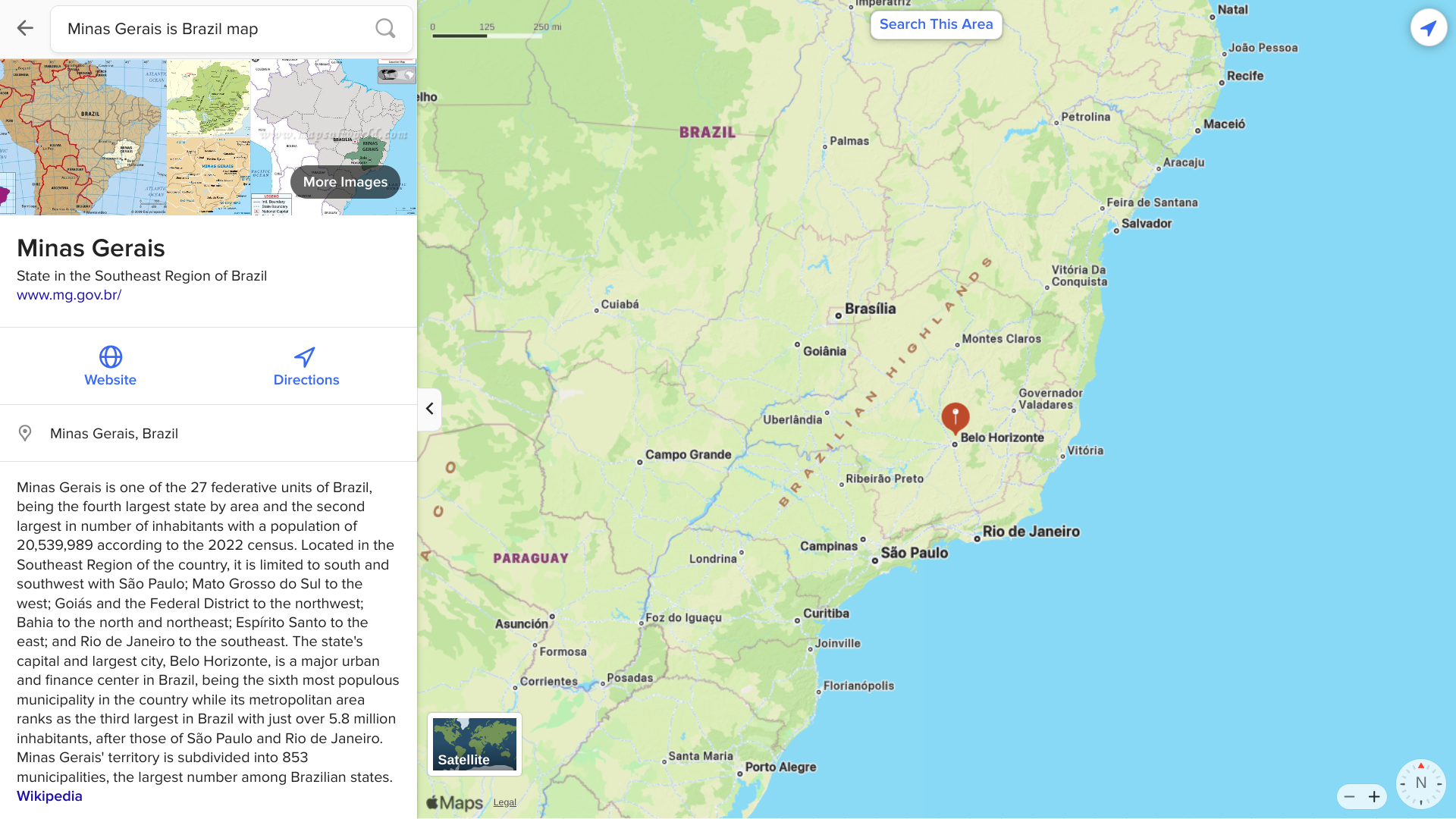
Data from Brazil's Ministry of Health indicates that Minas Gerais has reported the most chikungunya cases, over 160,000, followed by Mato Grosso and Bahia.
Minas Gerais is Brazil's fourth-largest state by area, with a population exceeding 20 million.
In 2023, Brazil welcomed about 6 million foreign tourists, many visiting Minas Gerais.
The U.S. CDC confirmed in September 2024 that there has been evidence of chikungunya virus transmission in Brazil within the last five years, and vaccination may be considered for certain visitors.
As of October 6, 2024, Valneva SE's IXCHIQ® chikungunya vaccine has been approved by the U.S. Food and Drug Administration and recommended for travelers to endemic areas by the CDC.
IXCHIQ is commercially available at travel clinics and pharmacies in the U.S.
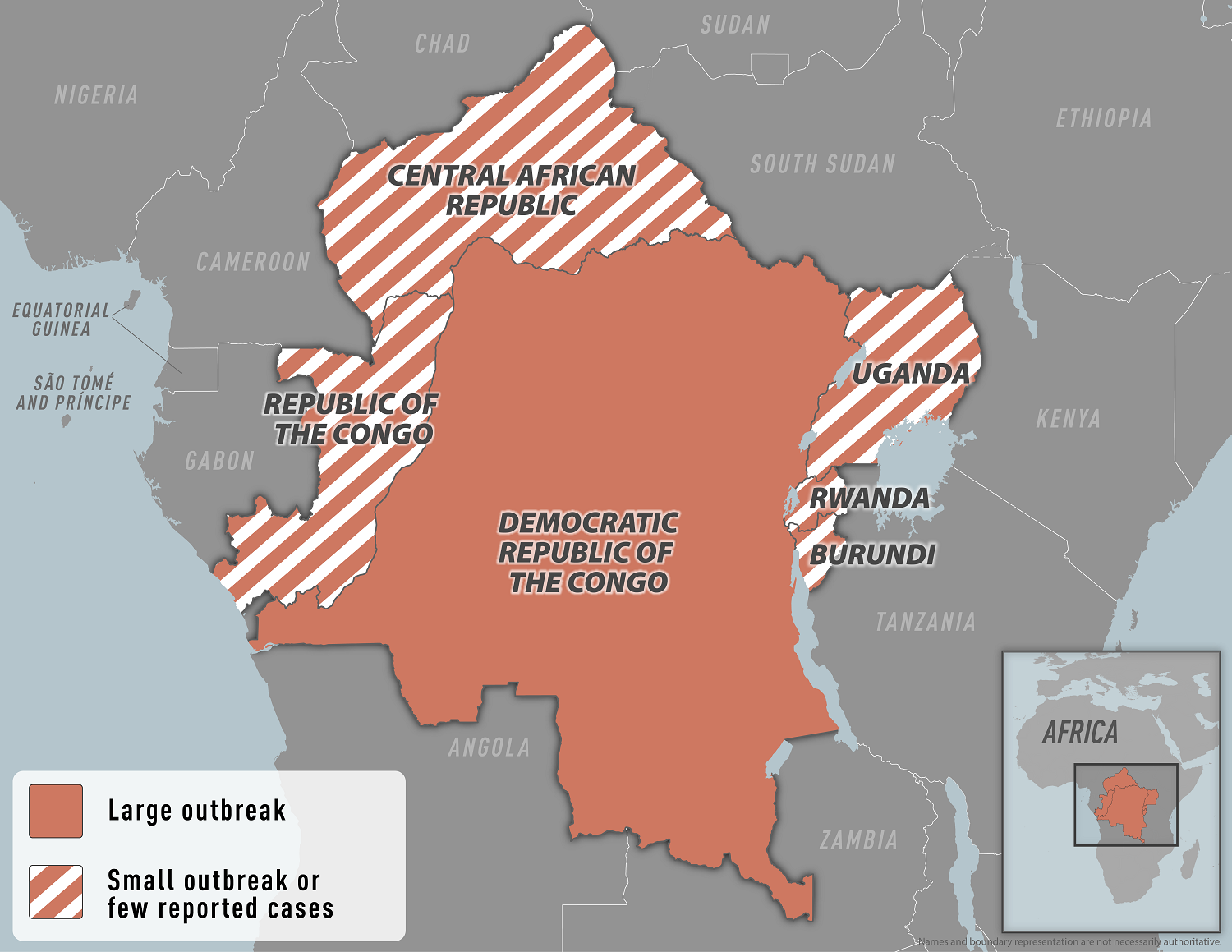
The European CDC recently reported there have been no significant changes in the global circulation of monkeypox virus (MPXV) clade I and clade II during the past week.
In 2024, over 34,000 confirmed and suspected mpox cases due to MPXV clade I and clade II, including over 850 deaths, have been reported from Africa.
To slow the spreading of clade I, the Democratic Republic of the Congo (DRC) announced today vaccination efforts to halt the spread of mpox disease.
The DRC received 265,000 doses of the MVA-BN (Bavarian Nordic A/S, JYNNEOS®) vaccine donated by the European CCommission'sHealth Emergency Preparedness and Response Authority, Gavi, the Vaccine Alliance, and the United States Government.
Vaccinations will be launched in the eastern North Kivu province on October 5, 2024, and will prioritize health workers and frontline responders, contacts of confirmed cases, contacts of those contacts, and other at-risk groups.
Subsequently, the vaccination will be rolled out in eleven of the most affected health zones in Equateur, North Kivu, Sankuru, South Kivu, Sud-Ubangi, and Tshopo provinces.
With a population of about 100 million and assuming two doses per person, 130,000, or 1% of the people in the DRC, can be better protected from mpox.
"The rollout of the vaccine marks an important step in limiting the spread of the virus and ensuring the safety of families and communities,” said Dr. Matshidiso Moeti, WHO Regional Director for Africa, in a WHO press release.
Person-to-person transmission of the MPXV has occurred during this outbreak, including through sexual contact, day-to-day household contact, and within the healthcare setting.
Mpox vaccination is now recommended for most people visiting outbreak areas, says the ECDC. There are now several Mpox vaccines available worldwide.