Search API
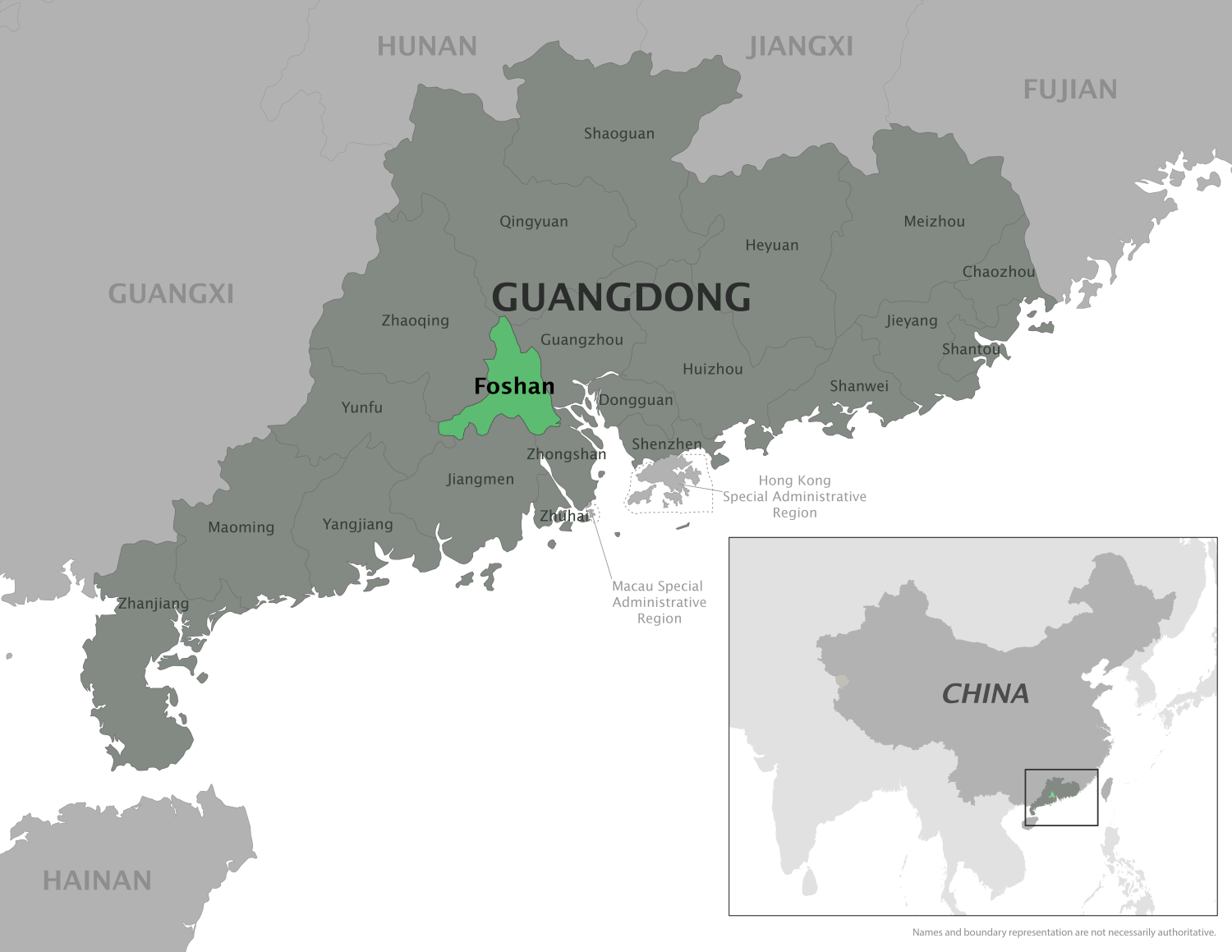
Chikungunya virus (CHIKV) disease is currently not classified as a notifiable disease in China. However, both Aedes albopictus and Aedes aegypti mosquitoes, which transmit this serious virus to people, are known to be present in Guangdong Province, a southeastern Chinese province.
According to the European Centre for Disease Prevention and Control (ECDC), as of August 16, 2025, 9,933 CHIKV disease cases have been reported in Guangdong Province since the outbreak began in July 2025.
Last week, the Guangdong Provincial CDC reported 830 new CHIKV cases, primarily from Foshan (644) and Guangzhou (85).
Since international travelers frequently visit these Chinese cities, the ECDC has assessed the risk to visitors.
According to International Air Transport Association data from July and August 2024, more than 60,000 travelers arrived in the mainland EU/EEA from the affected region via the two major international airports situated near the epicenter of the outbreak.
The positive news is that Chinese public health authorities have implemented stringent vector control measures aimed at reducing mosquito populations.
Furthermore, given the typically self-limiting nature of the disease and the limited severity of clinical outcomes in most cases, the overall impact is considered low.
Therefore, based on current epidemiological data and control measures in place, the risk of chikungunya virus infection in travellers returning from the affected areas of Guangdong province to the EU/EEA is assessed as low.
However, the importation of the virus by travelers returning from China may result in additional local transmissions, as seen in France and Italy.
To alert travelers, on August 26, 2025, the U.S. CDC updated its Travel Health Advisory, stating, 'if you are pregnant, reconsider travel to the affected areas, particularly if you are close to delivering your baby.'
Additionally, vaccination is recommended for travelers who are visiting an area with a chikungunya outbreak.
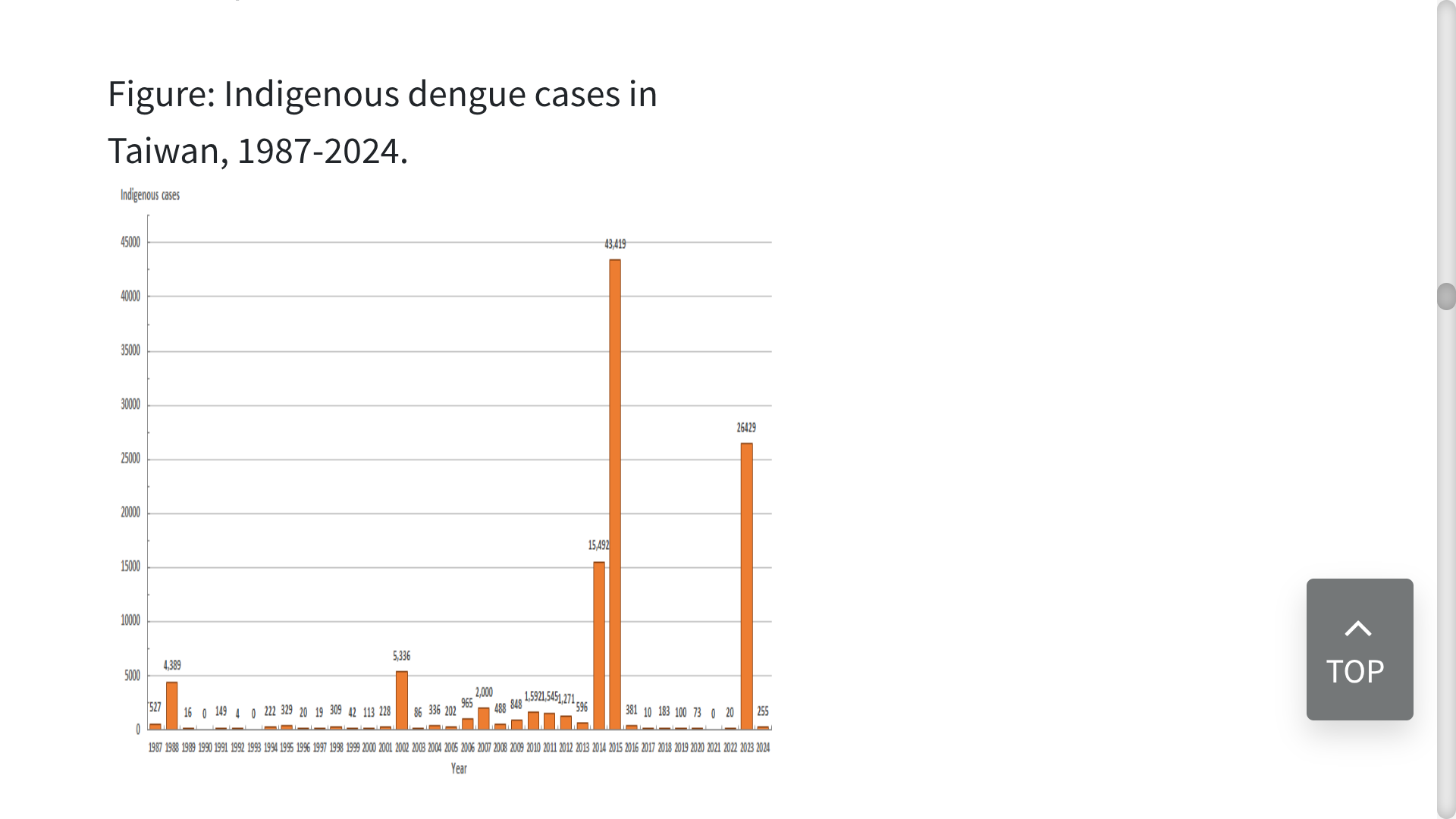
During the first half of the 20th century, there were three island–wide dengue fever outbreaks in the Republic of China's Taiwan. In 2015, Taiwan battled one of the most severe dengue outbreaks in history with over 43,000 dengue cases, including 228 related fatalities.
Based on new data from the Taiwan Centers for Disease Control (TCDC), four confirmed cases of dengue type 2 have been reported in Gushan District, Kaohsiung City. These individuals are receiving treatment at a local hospital.
According to CNA reporting on August 25, 2025, positive breeding sources were detected at the cases' residences. Additionally, the confirmed cases had no recent record of travel abroad. The TCDC judged that all cases were local and that it was a community cluster event.
The TCDC reminds everyone that it is currently dengue fever season, and recent rainfall has increased the population of mosquitoes that carry the virus.
To alert international travelers of this global health risk, the U.S. CDC reissued its Level 1 Travel Health Advisory on August 21, 2025. While the CDC listed various countries, it did not include Taiwan.
From a disease prevention perspective, several countries in the Asia-Pacific region offer a second-generation dengue vaccine that has been found effective against type 2 virus infections.
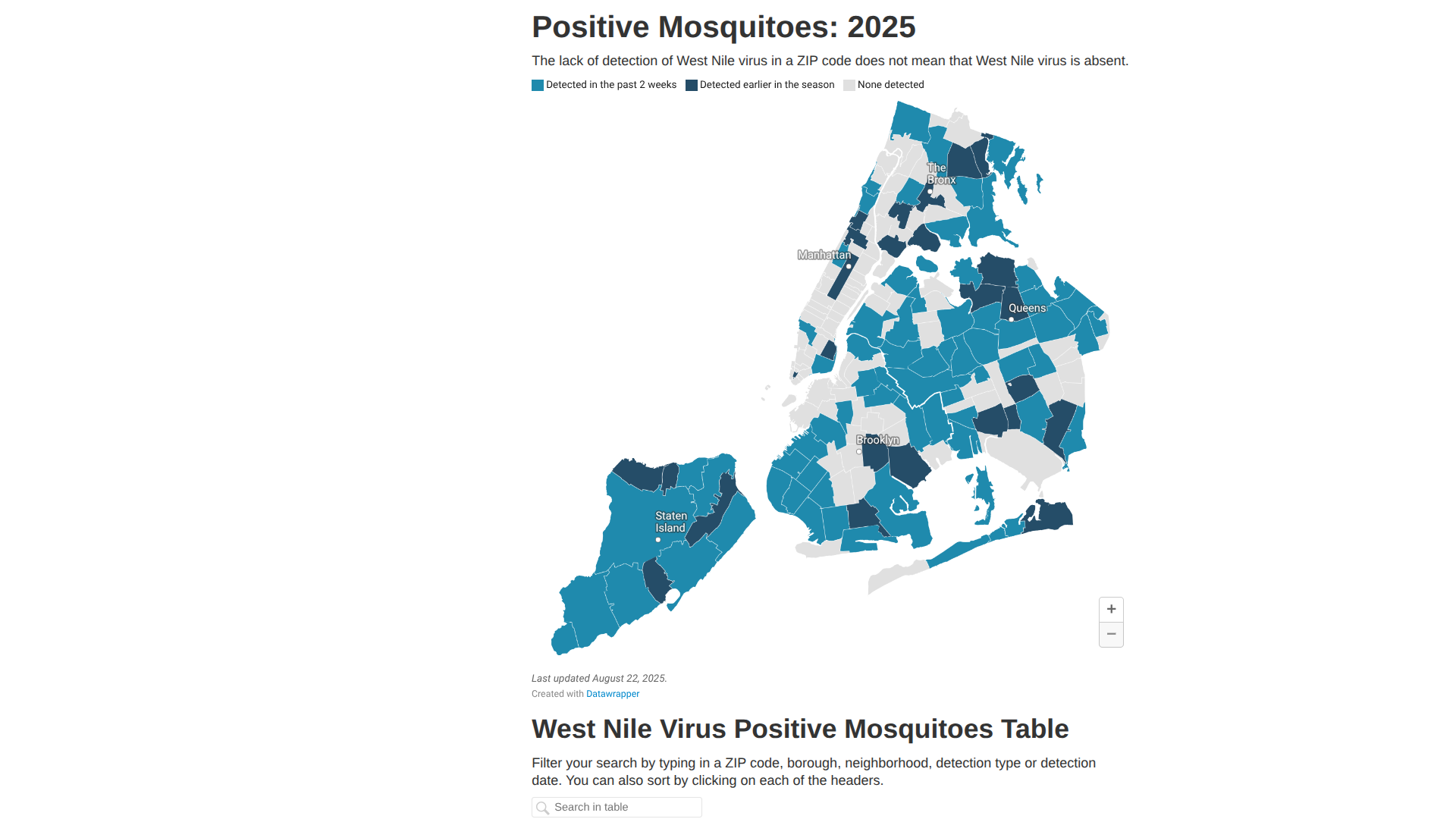
The mosquito-transmitted West Nile virus was first detected in New York's five boroughs more than 25 years ago, with about 31 people infected in recent years.
According to the New York Health Department press release on August 22, 2025, West Nile virus disease has been reported in two New Yorkers, both residents of Queens.
One individual was diagnosed with West Nile fever, was briefly hospitalized, and has since been discharged.
The second individual was diagnosed with West Nile neuroinvasive disease and is currently hospitalized with encephalitis, an infection in the brain.
In addition, the virus was detected in blood donations from two individuals, one a resident of Brooklyn, the other of Staten Island.
Recent reports of two more individuals (both from Brooklyn) with possible West Nile virus disease are under investigation.
While most patients infected with West Nile virus disease go on to fully recover, some continue to have health problems months after infection. In addition, about 1 in 150 people, especially those 55 years and older or with a weakened immune system, can develop a serious and potentially fatal illness of the brain and spinal cord called West Nile neuroinvasive disease, leading to changes in mental status and muscle weakness requiring hospitalization, according to the Health Department.
"West Nile virus can cause serious illness, especially among people over 55 and with weakened immune systems," said Acting Health Commissioner Dr. Michelle Morse in the press release.
"The Health Department says ... use an EPA-registered repellent and wear long sleeve shirts and pants — especially at dawn and dusk when mosquitoes that transmit the virus are active."
And, "Eliminate standing water so mosquitoes can't breed, and make sure you have intact screens on your doors and windows. The virus has been detected in mosquitoes across the city — visit the online map."
The Health Department stated ten adulticiding spray operations, three aerial larvicidings, two rounds of catch basin larviciding, and 1,104 ground-based larvicidings have been completed to date.
Across the United States, the U.S. CDC reports that 33 states have confirmed over 320 WNV cases in 2025.
And in Europe, as of August 20, 2025, nine countries have reported human cases of WNV: Albania, Bulgaria, France, Greece, Hungary, Italy, Romania, Serbia, and Spain.
From a prevention perspective, there are no West Nile virus vaccines available in 2025.
The U.S. FDA's Center for Biologics Evaluation and Research (CBER) recently suspended the biologics license for Valneva Austria GmbH's live-attenuated IXCHIQ vaccine.
On August 22, 2025, the FDA media release stated CBER's decision is based on serious safety concerns related to the vaccine, which appears to be causing chikungunya-like illness in vaccine recipients.
Approved in 2023, this vaccine was initially approved by the FDA under the accelerated approval pathway for the prevention of disease caused by the chikungunya virus (CHIKV) in adults at increased risk of exposure to CHIKV.
Currently, over 100 countries have reported CHIKV infections.
Thomas Lingelbach, Valneva's Chief Executive Officer, commented in a press release on August 25, 2025, "As we determine potential next steps, and as the clear threat of chikungunya continues to escalate globally, Valneva remains fully committed to maintaining access to our vaccine as a global health tool for addressing and preventing outbreaks of this devastating illness."
The FDA's approval and commercial availability of the single-dose VIMKUNYA® remain unchanged in the United States.

Throughout 2025, many countries in the Pacific Region reported dengue fever outbreaks that affected thousands of people and disrupted vacation plans.
A popular travel destination has announced some positive news.
The Republic of Fiji Ministry of Health and Medical Services recently announced the end of the dengue outbreak in the Western and Central Divisions.
As of August 8, 2025, Fiji's government made this decision after concluding that the number of reported cases had decreased.
The outbreak officially began in February 2025 in the Western Division and in April in the Central Division.
About 11,599 dengue cases were reported across Fiji this year.
While the outbreak has ended, mosquito-transmitted dengue viruses remain endemic in Fiji and a health threat to everyone.
From a prevention perspective, numerious countries are offering a second-generation dengue vaccine that has demonstrated adequate protection against some of dengue's four virus types.
As of August 23, 2025, dengue vaccines are unavailable in the United States, except in Puerto Rico.

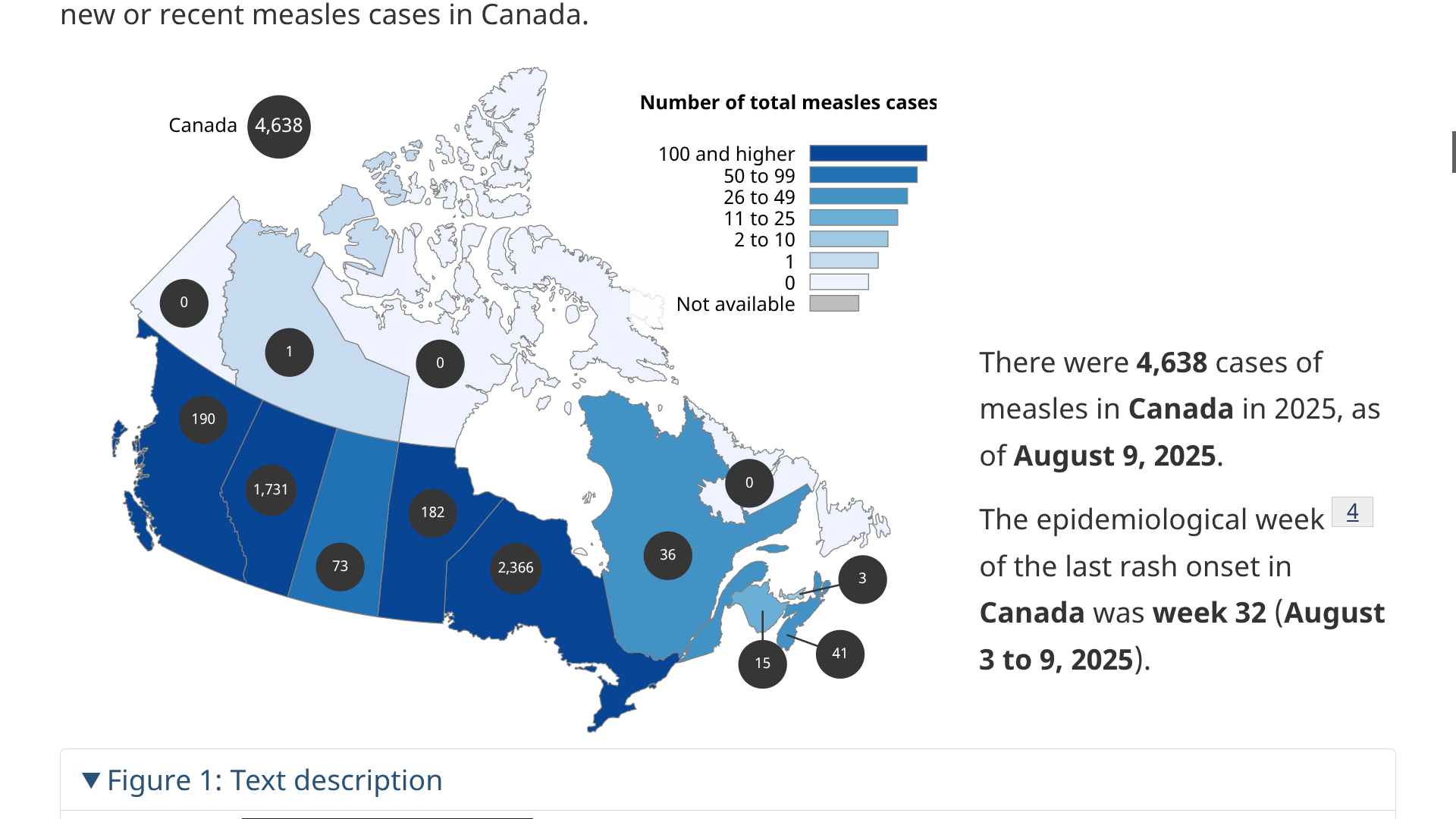
While there is a global alert issued regarding measles outbreaks, Canada is unfortunately the leader in the Region of the Americas.
As of mid-August 2025, over 4,638 measles cases have been reported to Health Canada.
According to the Pan American Health Organization (PAHO) weekly update, Canada's national trends show that transmission is persisting, particularly in Alberta, British Columbia, Manitoba, and Ontario, following an outbreak that began in New Brunswick in October 2024.
"Measles is preventable with two doses of a vaccine, which is proven to be very safe and effective. To stop these outbreaks, countries must urgently strengthen routine immunization and conduct targeted vaccination campaigns in high-risk communities," said Dr. Daniel Salas, Executive Manager of the Special Program for Comprehensive Immunization at PAHO, in a media release on August 15, 2025.
Following Canada, Mexico has reported over 3,911 measles cases this year.
Located between these countries, the State of Texas recently declared its extensive measles outbreak over.
To alert international travelers of this very contagious virus, the U.S. CDC includes Canada in its Travel Health Advisory.
The CDC recommends travelers be fully immunized against measles before traveling abroad in 2025.
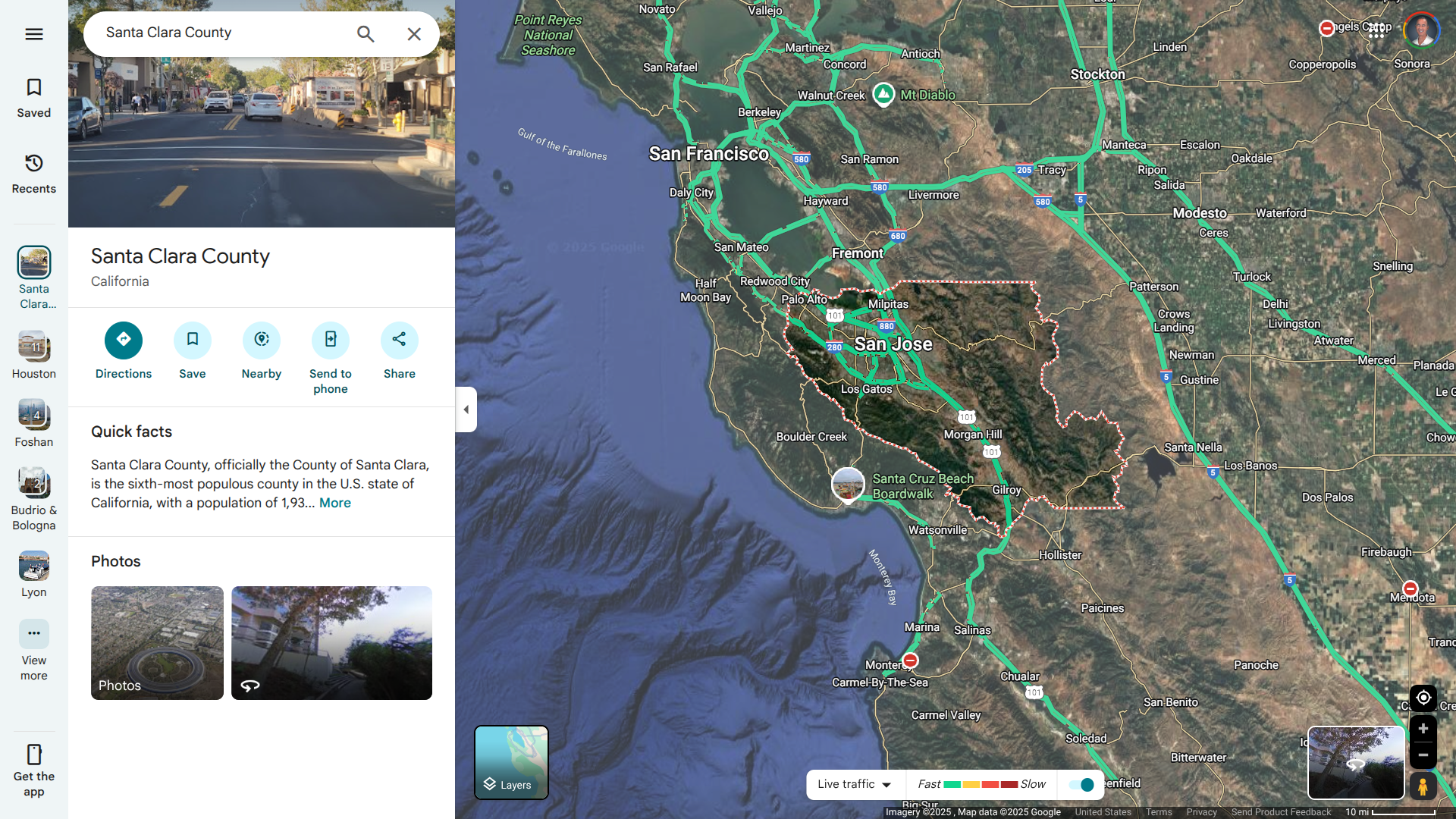
A portion of Santa Clara County has been placed under quarantine for the Mediterranean fruit fly (Medfly) following the detection of two wild female flies in the city of San José.
According to a media release by the California Department of Food and Agriculture Office of Public Affairs (CDFA) on August 21, 2025, if not stopped, Medflies can devastate fruits and vegetables by reproducing and leaving larvae in produce.
The quarantine area measures approximately 109 square miles, bordered on the north by Trade Zone Boulevard; on the south by Camden Avenue; on the west by San Tomas Expressway; and on the east by Evergreen Valley Community College.
The quarantine will cover parts of the cities of San José, Santa Clara, Campbell, and the town of Los Gatos. A link to the quarantine map may be found here: www.cdfa.ca.gov/plant/medfly/regulation.html.
Sterile male Medflies are scheduled to be released in the area as part of the eradication effort. The release rate will be 250,000 males per square mile per week in an 84.76 square mile area around the infestation.
Sterile male flies mate with fertile wild female flies in the natural environment but produce no offspring. The fly population decreases as the wild flies reach the end of their natural life span with no offspring to replace them, ultimately resulting in the eradication of the pest.
Additionally, properties within 200 meters of the detection sites are treated with an organic formulation of Spinosad, which originates from naturally occurring bacteria in soil, to eliminate any mated females and reduce the density of the population.
To further reduce the population, properties within 100 meters of infested properties are subject to host-plant or fruit removal to eliminate eggs and larvae.
Furthermore, the invasive flies can then spread to other regions outside the San Francisco Bay Area.
CDFA wrote that it is working collaboratively with the United States Department of Agriculture (USDA) and the Santa Clara County Division of Agriculture on this project. This project is new and separate from the recently eradicated Medfly infestation in Alameda County, CA.
The quarantine will affect any growers, wholesalers, and retailers of susceptible fruit in the area, as well as residents. Home gardeners are urged not to move homegrown produce from their property.
However, residents living in the quarantine area may consume or process fruit on the property where they were picked or dispose of fruit by bagging and sealing it and placing it in the garbage (not green waste).
These actions protect against the artificial spread of the infestation to nearby regions where it can affect California's food supply and backyard gardens.
The media statement confirms this eradication approach is the standard Medfly program used by CDFA and is the safest, most effective, and most efficient response program available. CDFA has successfully eradicated every detected Medfly infestation in California's history, dating back more than 40 years.
The pest is known to target more than 250 types of fruits and vegetables. Damage occurs when the female lays eggs inside the fruit. The eggs hatch into maggots, which tunnel through the flesh of the fruit, making it unfit for consumption. Residents who believe their fruits and vegetables are infested with fruit fly larvae are encouraged to call the State's toll-free Pest Hotline at 1-800-491-1899 or email [email protected].
Residents with questions about the project may call CDFA's Pest Hotline at 1-800-491-1899. To learn more about invasive species and how to protect California's fruits and vegetables, please visit www.cdfa.ca.gov/plant/fruitfly.
When Combating Antibiotic-Resistant Bacteria Biopharmaceutical Accelerator (CARB-X) was founded in 2016, the early-stage antibiotic pipeline was stalled.
Since its inception, CARB-X has supported 115 R&D projects in 14 countries, and CARB-X product developers have made significant progress.
Recently, CARB-X awarded Baxiva AG $3 million to develop its multivalent glycoconjugate vaccine to prevent extraintestinal pathogenic Escherichia coli (ExPEC) infections.
Baxiva's proprietary conjugation platform streamlines the development of multivalent vaccines targeting the serotype-specific polysaccharides of Gram-negative bacteria, including capsule and O antigens.
The multivalent vaccine targets the most common serotypes associated with invasive ExPEC infections.
Multivalent vaccines are designed to prevent infections caused by multiple strains or types of a single pathogen. The glycoconjugate formulation combines polysaccharide (sugar) from a pathogen's surface with a carrier protein to enhance immune response and therefore the effectiveness of the vaccine.
Escherichia coli is the leading cause of urinary tract infections, a frequent cause of neonatal sepsis, and is among the leading causes of antimicrobial resistance-associated deaths globally.
"Vaccines are a powerful tool in the global effort to prevent infections and curb the spread of antimicrobial resistance," said Erin Duffy, PhD, R&D Chief of CARB-X, in a press release on August 21, 2025.
"Baxiva's multivalent glycoconjugate vaccine project explores a range of novel polysaccharide antigens in vaccine candidate solutions, addressing a critical unmet need in infection prevention."
"We are excited to welcome Baxiva into the CARB-X portfolio and support the advancement of their platform."
The E. coli bacteria cause most urinary tract infections (UTIs).
As of August 2025, UTI vaccines are unavailable in the United States.

Since 2016, there has been an increase in the number of hepatitis A cases, primarily affecting men in low-endemic countries across Europe.
According to a recent report from the European Centre for Disease Prevention and Control (ECDC), Austria, Czechia, Hungary, and Slovakia reported higher-than-expected numbers of hepatitis A virus (HAV) subgenotype IB cases in 2025.
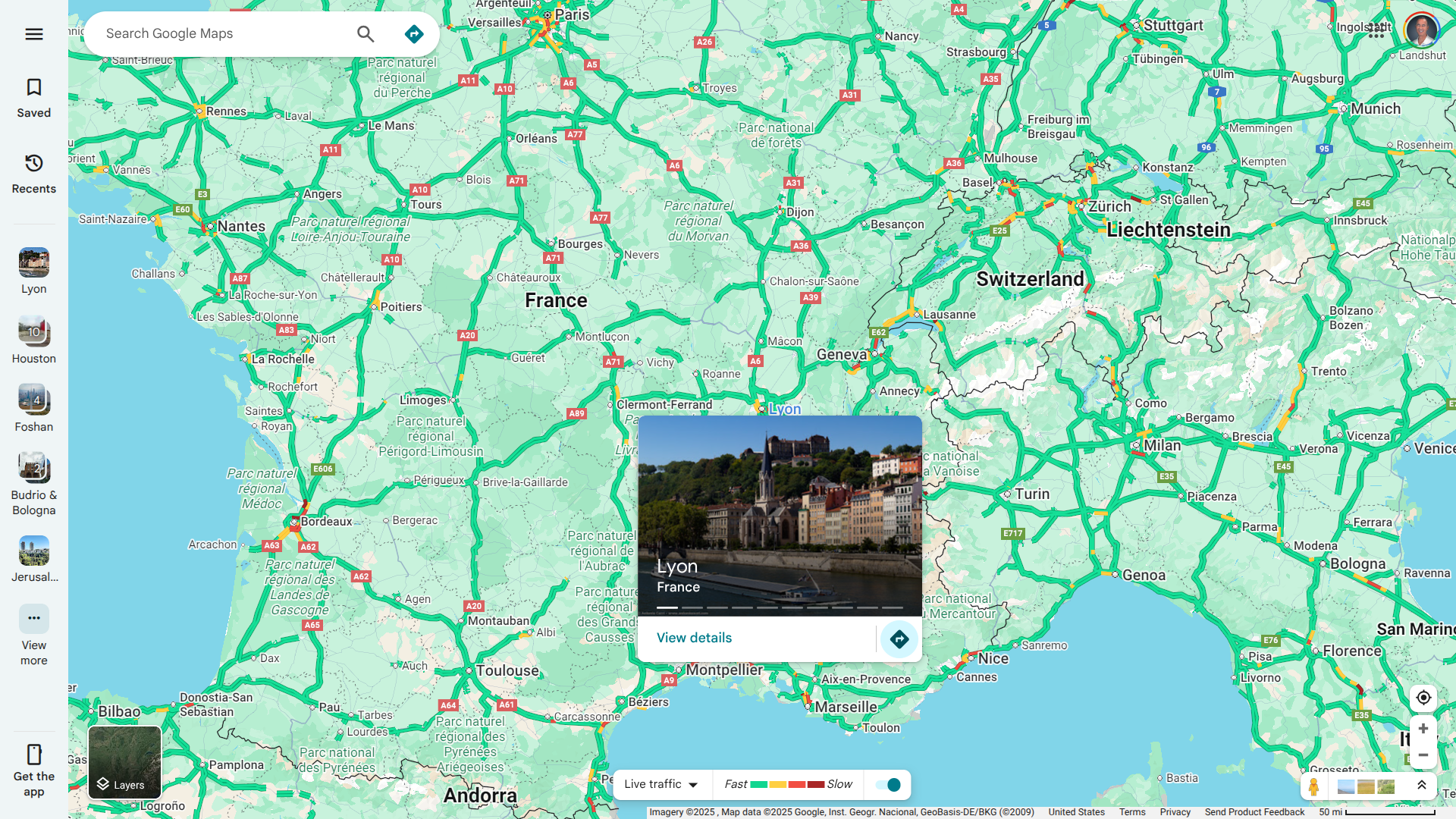
Additionally, France recently reported HAV cases, with 73 reported in the Rhône department as of August 19, 2025.
This French health ministry HAV data marks a 356% increase in cases compared to the same period in 2024.
The Rhône department is located in the east-central administrative region of Auvergne-Rhône-Alpes, which includes the Lyon Metropolis, and has a population of approximately 1,875,747.
Previous HAV outbreaks in France, particularly in the Seine-Maritime department, are reported by the ECDC.
Since HepA is a vaccine-preventable disease, the U.S. CDC recommends hepatitis A vaccination for most international travelers engaging in higher-risk activities, such as visiting smaller cities, villages, or rural areas where they may be exposed to food or water contamination.
And for travelers who plan on eating street food in France.
In the United States, HepA vaccines are generally offered at travel pharmacies and clinics in 2025.
In June 2025, the World Health Organization (WHO) renewed its global alert regarding the poliovirus emergency, highlighting several countries facing significant health risks.
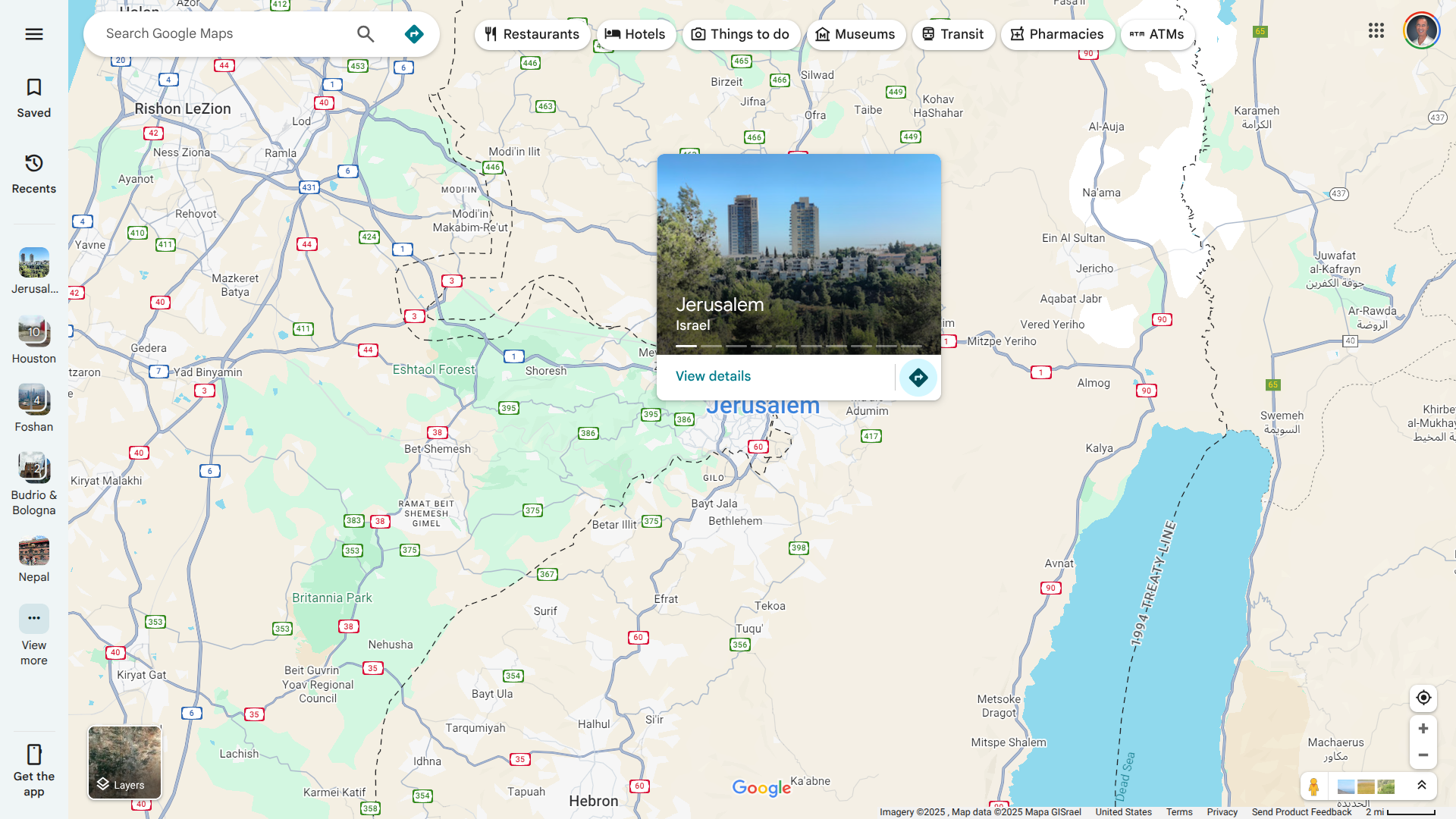
According to a WHO Disease Outbreak News published on August 20, 205, Israel is confronting an unquantified health risk that has been detected in Jerusalem and the Central Region.
On August 4, 2025, Israel notified WHO of a circulating vaccine-derived poliovirus type 1 (cVDPV1) outbreak.
Between February and July 2025, nine genetically linked virus isolates were found in environmental samples from seven sites. However, no human cases of paralytic polio have been reported.
Vaccine-derived poliovirus is a well-documented strain of poliovirus mutated from the strain contained initially in oral polio vaccines.
The WHO stated Israel discontinued routine use of the bivalent oral polio vaccine in March 2025 but continues to administer four doses of inactivated polio vaccine (IPV) as part of the routine immunization schedule up to 12 months of age.
The WHO/UNICEF Estimates of National Immunization Coverage for three doses of IPV in 2024 were 98%.
Unfortunately, polio vaccination coverage in Jerusalem is notably lower and below the WHO's recommended coverage threshold, which is necessary to maintain sufficient population immunity and prevent poliovirus transmission between people.
The WHO currently assesses the risk of international spread associated with this cVDPV1 detection as low due to high overall population immunity, robust poliovirus surveillance, and response capacity.
To alert international travelers visiting Israel, the U.S. CDC's updated Level 2 - Practice Enhanced Precautions, Travel Health Advisory, includes Israel.
The CDC writes, 'Before travel to any destination listed, adults who previously completed the routine polio vaccine series may receive a single, lifetime booster dose of polio vaccine.'
In the United States, the IPV polio vaccine is offered at travel clinics and pharmacies in 2025.