Search API
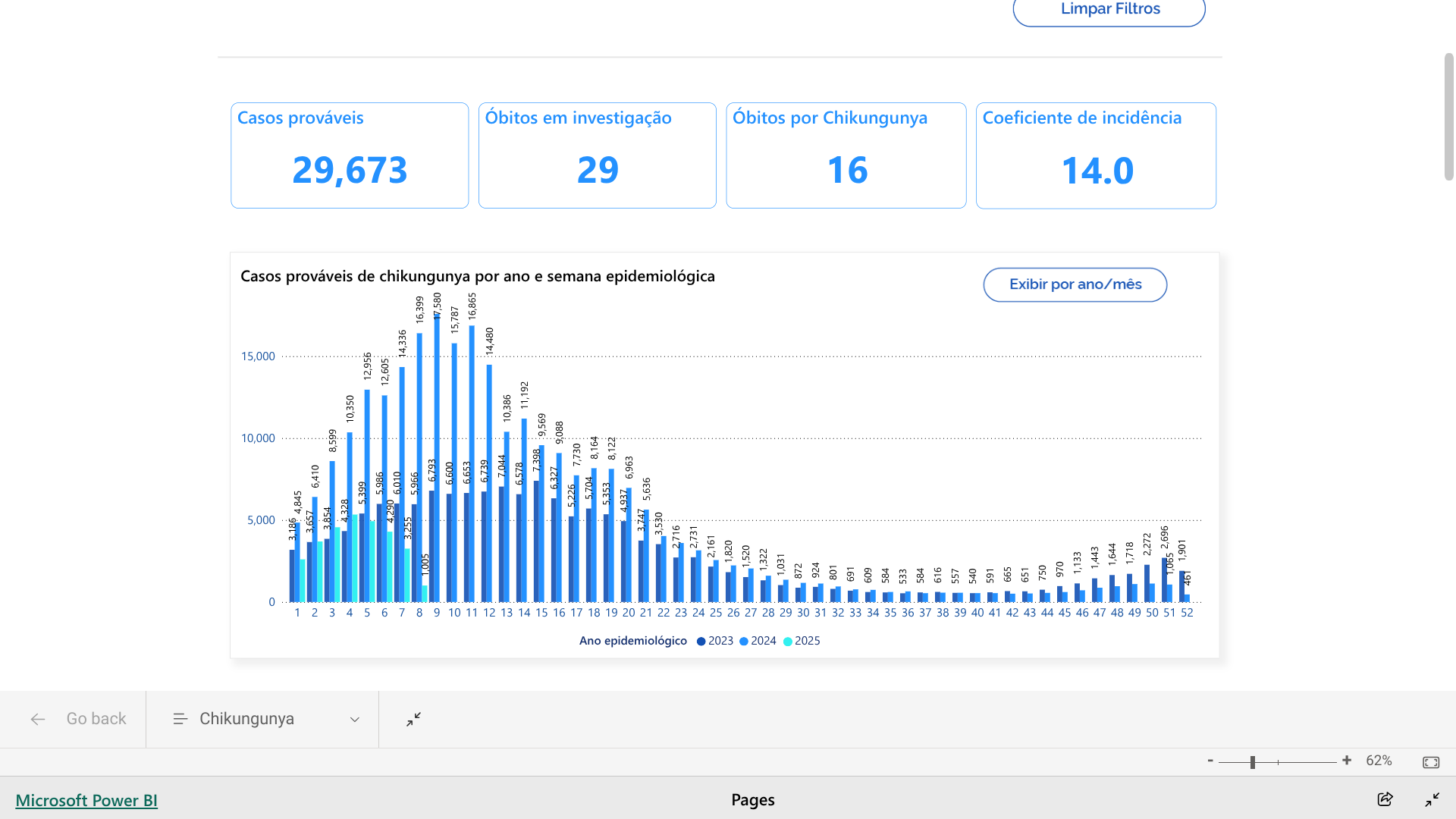
The mosquito-transmitted chikungunya disease virus has been reported in Brazil since 2014, with 2024 setting record increases in cases and associated fatalities.
According to Brazil's Ministry of Health Arboviruses report on February 25, 2025, 16 confirmed chikungunya deaths were confirmed this year, on pace with the 236 deaths in 2024.
Unlike last year, the case/death ratio currently exceeds the data reported in the previous year.
In Brazil's hot spot, Sao Paulo State's ratio (2,063/1) appears to be on pace with 2024.
When visiting Brazil, the U.S. CDC says vaccination is recommended for people aged 65 years or older, especially those with underlying medical conditions, who may spend at least 2 weeks (cumulative time) in indoor or outdoor areas where mosquitoes are present in Brazil, or those planning to stay in Brazil for a cumulative period of 6 months or more.
From a risk mitigation perspective, the U.S. FDA-approved chikungunya vaccine is more widely available in 2025, as most travel clinics and pharmacies will offer this innovative vaccine to international travelers visiting outbreak areas.
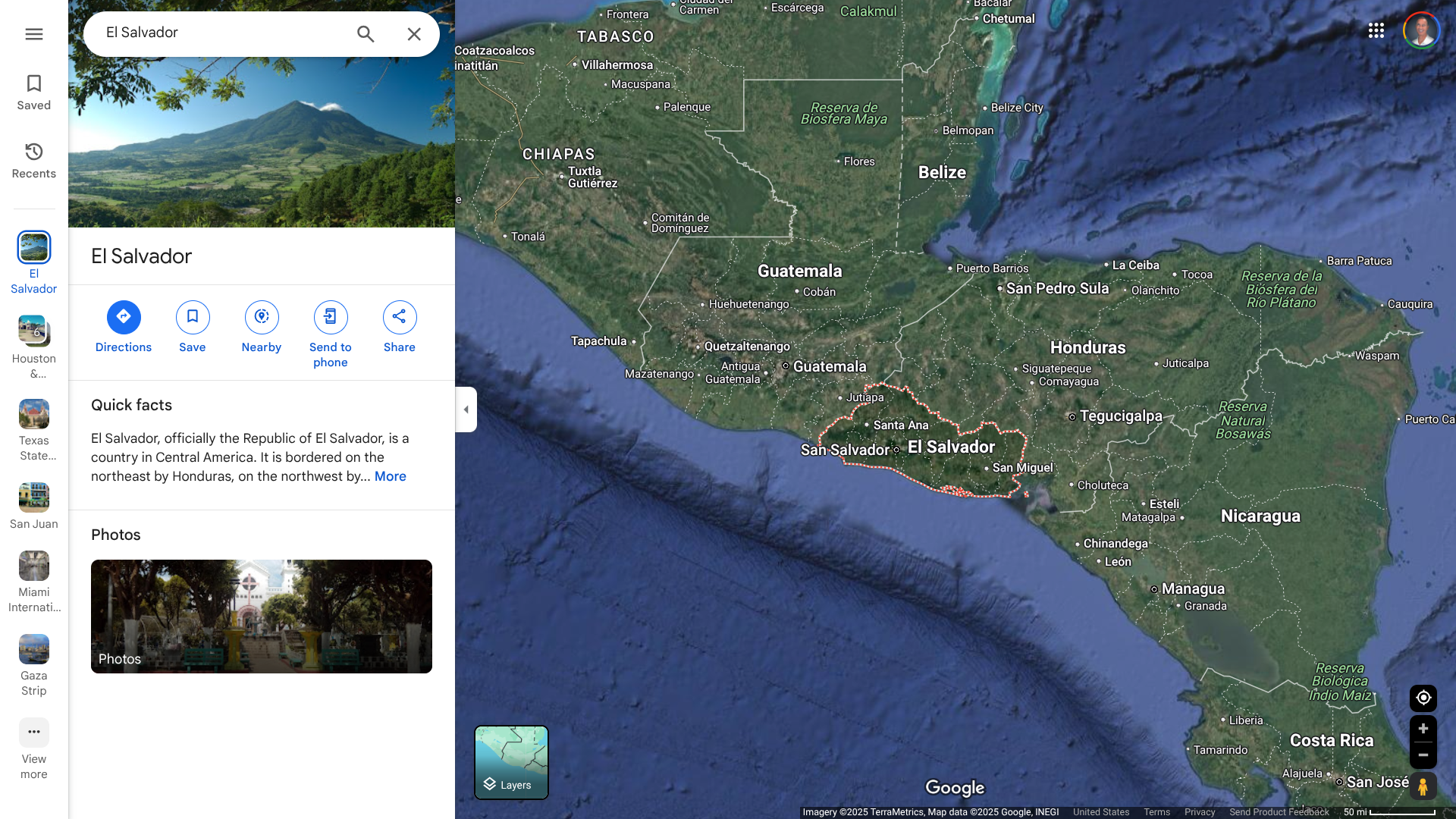
Over the past few years, the Republic of El Salvador has significantly rekindled its tourism industry. During 2024, market research data indicates about 17% more people, about 4 million, visited this Central American country's beaches and mountains.
One of the factors behind this tourism increase is safety.
In March 2022, the Government of El Salvador declared a "State of Exception", which remains effective in late February 2025.
The U.S. Department of State reissued its Level 2: Exercise Increased Caution, Travel Advisory, which stated that crime activity has dropped significantly over the last three years.
The State Department wrote on February 7, 2025, that hikers should engage local guides certified by the national or local tourist authority when in backcountry areas. They should also use caution and follow water condition warnings when swimming near El Salvador's beaches.
Additionally, the U.S. recommends enrolling in the Smart Traveler Enrollment Program to receive Alerts from the U.S. Embassy, which can help locate you in an emergency.
From a health perspective, El Salvador, like its neighboring countries, continues reporting mosquito-transmitted diseases such as chikungunya (2), dengue (411), and Zika (6) cases as of February 25, 2025.
Last year, the U.S. Embassy reported that a Red Alert warning had been issued for excessive dengue cases in 2024.
"Because of its natural beauty and improving public safety, more travelers are choosing a vacation getaway to El Salvador. While there is no risk of malaria and yellow fever, visitors do need to protect against other mosquito diseases like dengue fever, chikungunya, and Zika and use insect repellents for skin and clothing," Jeri Beales MSN, RN, BS informed Vax-Before-Travel News.
"Some travelers to El Salvador may benefit from the chikungunya vaccine, but there is no vaccine available yet in the US against dengue fever and zika."
"Other routine and travel vaccines like hepatitis A and typhoid fever are recommended by public health, but it's best to speak with your doctor or local travel clinic to review your vaccine records before leaving, added Beales, with Destination Health Travel Clinic in Massachusetts (Braintree, Natick, Longmeadow).
The U.S. CDC suggests speaking with a travel vaccine expert about vaccination options at least one month before visiting disease outbreak areas such as El Salvador.
Note: This news article was updated on Feb. 26, 2025, to include travel vaccine expert insight.
The European Centre for Disease Prevention and Control (ECDC) recently released its latest Annual Epidemiological Reports on sexually transmitted infections (STIs), revealing continued increases across Europe.
The findings highlight the urgent need for increased public awareness, prevention, testing, and treatment efforts to address this growing public health concern.
For example, in 2023, nearly 100,000 confirmed cases of gonorrhea were reported in EU/EEA countries, showing a 31% increase compared to 2022 and a striking increase of more than 300% compared to 2014.
The highest rates among women were within the age group 20 to 24, which is also the group with the steepest increase in 2023 (46%).
The ECDC says if left untreated, gonorrhea can lead to significant health problems, such as pelvic inflammatory disease and infertility in both men and women. It emphasizes the importance of proactive measures to address the rising STI rates.
From a prevention perspective, new and repurposed vaccines will be evaluated in 2025.
GSK's investigational vaccine (NgG) for Neisseria gonorrhoeae received the U.S. Food and Drug Administration Fast Track designation in 2023.
Various studies have also reported the effectiveness of a serogroup B outer membrane vesicle meningococcal vaccine in preventing gonorrhea infections. On July 8, 2024, the Journal of Infection published results from a systematic review and meta-analysis that found Outer Membrane Vesicles vaccine effectiveness against gonorrhea ranged from 22% to 46%.
On February 10, 2025, the ECDC wrote, 'Early detection and treatment are essential to prevent further transmission and potential complications. If you suspect you may have contracted an STI, seek medical advice immediately.'

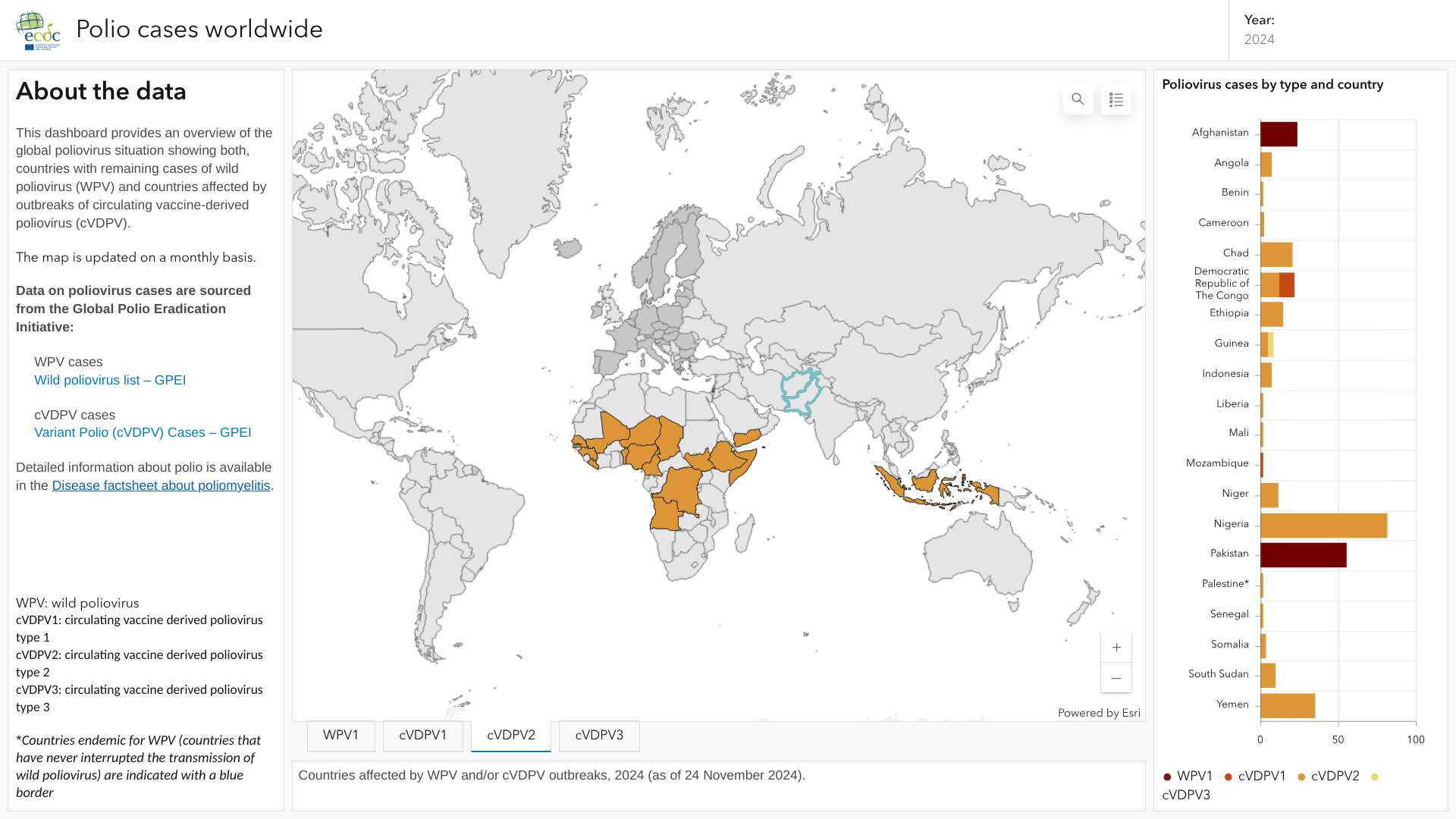
During the fourth Riyadh International Humanitarian Forum, the Kingdom of Saudi Arabia reaffirmed its $500 million pledge to the Global Polio Eradication Initiative (GPEI).
This agreement will help the GPEI and its partners reach 370 million children with polio vaccines annually.
The funds were initially pledged in April 2024 at the first World Economic Forum Special Meeting held in Riyadh.
“The world is on the path to eradicating polio once and for all, and the Kingdom of Saudi Arabia is proud to be part of this global initiative,” said H.E. Dr. Abdullah al Rabeeah in a press release on February 24, 2025.
“The Kingdom’s contribution will go toward the important work of protecting the most vulnerable children of today so that the generations of tomorrow can live free from this preventable disease.”
Since the GPEI was founded in 1988, polio cases have fallen by over 99% due to decades of leadership from GPEI partners, generous donor support, and the commitment of affected countries.
The World Health Organization recently confirmed during the 40th meeting of the IHR Emergency Committee for Polio that the spread of poliovirus remained a Public Health Emergency of International Concern.
To alert international travelers of this health risk, the U.S. CDC reissued an advisory revealing polio outbreaks and poliovirus detections in 39 countries. The CDC encourages anyone visiting polio-risk areas to be fully vaccinated in 2025.
Multiple counties in Texas reported an unusually high number of measles cases during the first two months of 2025. So far, 93 measles patients have been confirmed in Texas.
Recently, central Texas reported its initial case of 2025.
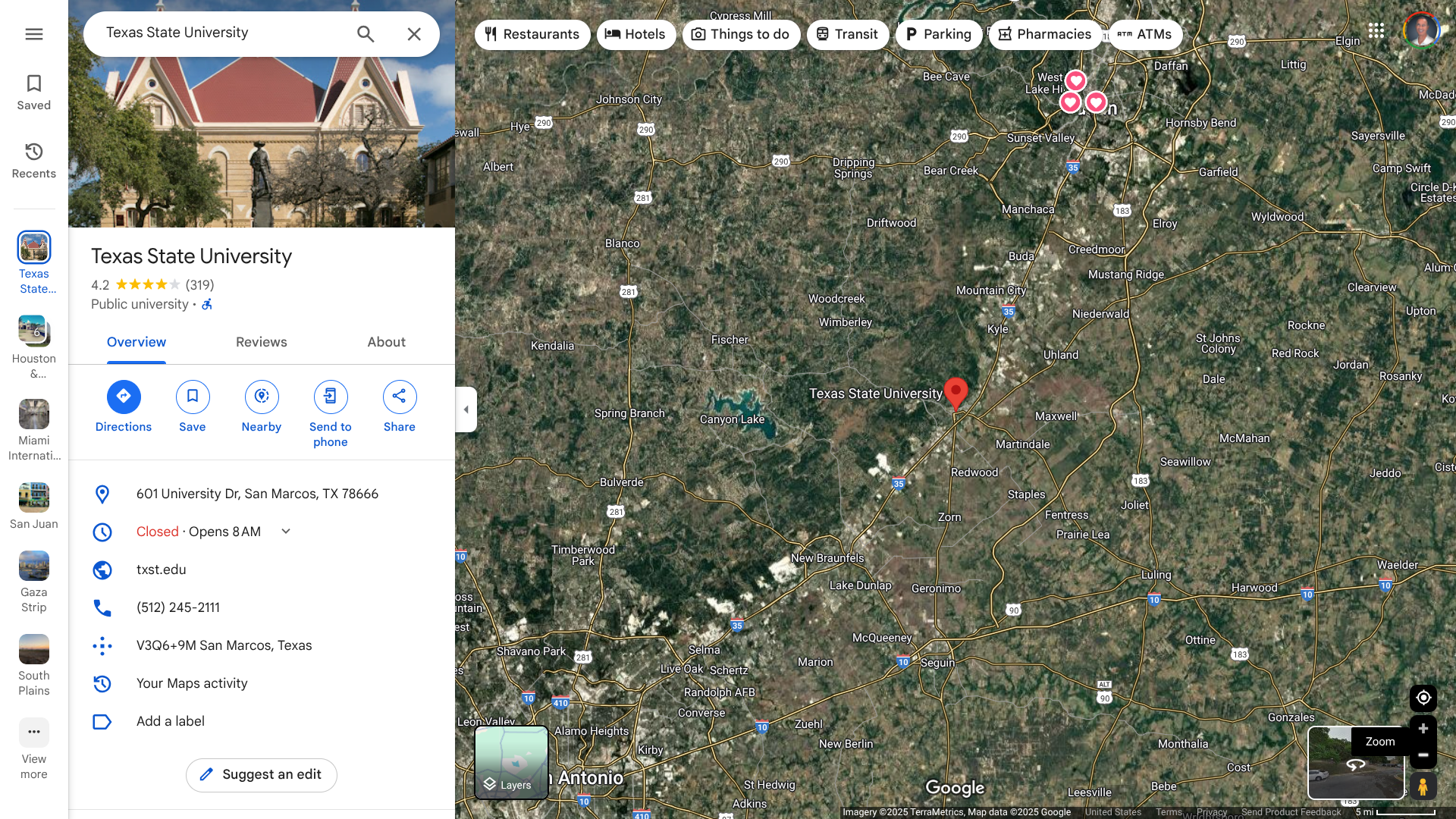
Health authorities notified the Hays County Health Department (HCHD) about the potential for residents to be exposed to someone who tested positive for measles. Confirmed with measles, the Gaines County (western Texas) resident visited San Marcos, Texas, on Friday, February 14, 2025.
HSCD wrote on February 23, 2025, that individuals on the campus of Texas State University (enrollment of 37,000) and those who visited a Twin Peaks Restaurant may be at risk of developing measles due to exposure to this individual.
HSCH wrote that the measles virus spreads quickly through the air when an infected person breathes, talks, coughs, or sneezes. The virus can stay in the air and on surfaces for two hours.
On February 15, 2025, the individual visited The University of Texas at San Antonio Main Campus. The San Antonio exposure sites include the River Walk area, a local restaurant, and a large travel plaza in New Braunfels, which is near San Marcos.
In collaboration with the Texas Department of State Health Services (DSHS), their respective local health authorities will notify individuals who may have been exposed to the measles virus.
HCHD stated that on February 23, 2025, DSHS and other local health agencies will work closely to investigate potential contacts. For more information, visit: https://www.hayscountytx.gov/current-public-health-situations.
In addition to this new alert, measles cases have been reported in western Texas (90) and Harris County (2) in 2025.
Since Texas State is located south of the University of Texas at Austin (enrollment of 50,000+) and north of San Antonio, these populations may also be at risk. However, as of February 24, 2025, DSHS has not issued an expanded health alert for these areas.
"As healthcare professionals, we are deeply concerned about the current measles outbreaks. We urge everyone to ensure their vaccinations are current to protect themselves and their communities from this highly contagious disease, V. Yvette Cheeks MSN, RN, NPE-C informed Vax-Before-Travel News.
Cheeks, the owner of The Immunization Clinic in Houston, Texas, added, "Please consult with your healthcare provider if you have any questions or need to schedule a vaccination. "
Furthermore, measles is a vaccine-preventable disease, with ample supply available at most travel clinics and pharmacies in Texas.
The Pan American Health Organization (PAHO) and the Spanish Agency for International Development Cooperation recently formalized a memorandum of understanding to reinforce their shared commitment to improving public health across the Americas.
Announced on February 21, 2025, the memorandum covers various areas of cooperation aligned with the United Nations' Sustainable Development Goals, with a key focus on eliminating cervical cancer. Each year, cervical cancer claims the lives of approximately 40,000 women in the Americas.
PAHO Director Jarbas Barbosa emphasized the significance of this collaboration for the region.
“Spain’s support in the fight against cervical cancer and other public health areas is critical for strengthening the health systems. With AECID’s support, we can make progress toward the elimination of this cancer, which disproportionately impacts women in the most vulnerable situations,” said Dr. Barbosa in a press release.
PAHO is leading efforts to eliminate cervical cancer in the Americas, aligning its actions with the World Health Organization's 90-70-90 targets.
These aim for 90% of girls fully vaccinated with the HPV vaccine by age 15, 70% of women screened using a high-performance test by age 35 and 45, 90% with pre-cancer treatment, and 90% with invasive cancer managed.
In the Americas, the PAHO recommends vaccinating against human papillomavirus (HPV). However, only 48 countries have introduced an HPV vaccine, and coverage rates vary widely.
Few countries have reached 90% HPV vaccination coverage, while others remain below 10%.
The PAHO's Revolving Fund announced on February 7, 2025, that the general availability of the 9-valent HPV vaccine will be easier and more affordable for Latin American countries. Health agencies are debating HPV dosage protocols.
The PAHO stated it is working to close these gaps, ensuring access to safe and affordable vaccines and diagnostic tools through its Regional Revolving Funds.


Over the past two years, the U.S. Centers for Disease Control and Prevention (CDC) has issued Travel Health Advisories focused on measles outbreaks.
These advisories highlight where there is an active health risk when people visit the highlighted countries.
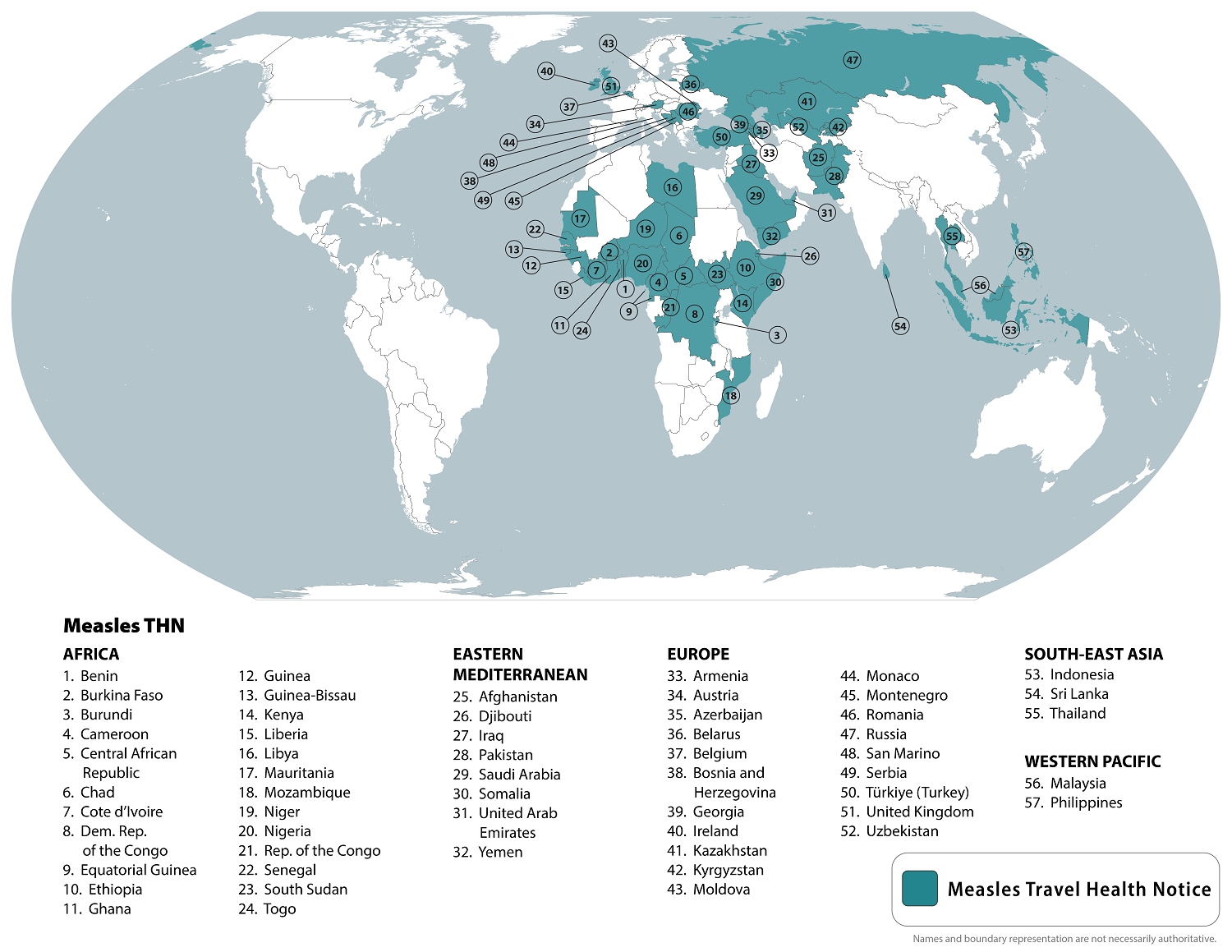
On February 21, 2025, the CDC reissued a Level 1, Practice Usual Precautions, alert for 57 countries. This CDC list does not integrate the Region of the Americas, with numerous countries reporting 537 measles outbreaks this year.
This is an essential advisory since most measles cases imported into the United States occur in unvaccinated U.S. residents who become infected during international travel.
The CDC recently confirmed 93 measles cases in eight jurisdictions, which may be under-reporting active outbreaks in New Mexico and Texas.
The CDC says to reduce measles cases in the U.S., 'All international travelers should be fully vaccinated against measles with the measles-mumps-rubella (MMR) vaccine, including an early dose for infants.'
In 2025, MMR vaccinations are offered at most clinics and pharmacies in the U.S.