
Search API

0 min read

The US Department of Agriculture's Animal and Plant Health Inspection Service reported five additional H5N1 avian influenza (bird flu) detections in mammals.

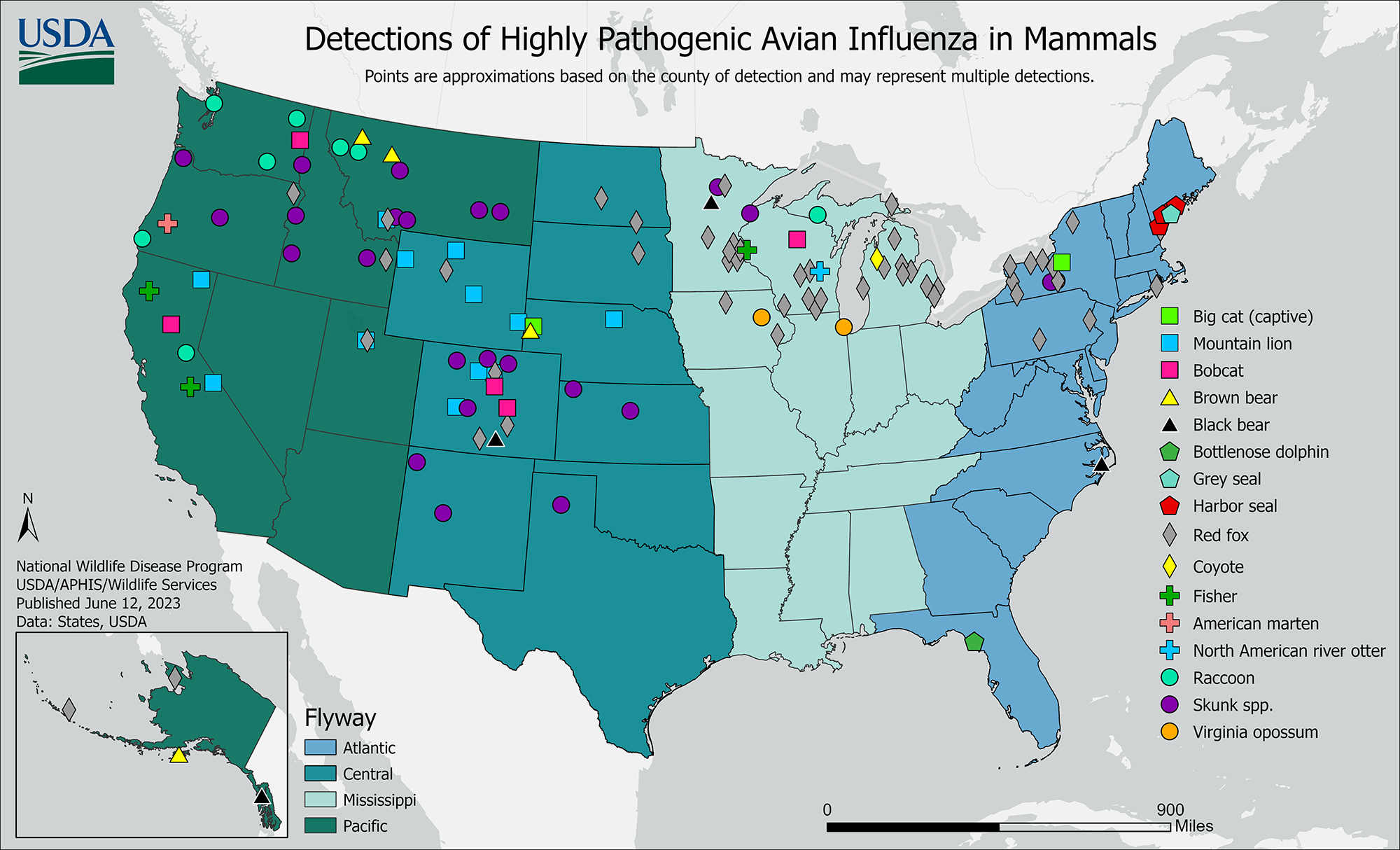
As of June 12, 2023, a total of 196 mammals have been recently infected with bird flu in the U.S.

Mammalian infections with the highly pathogenic avian influenza (HAPI) virus are a global concern, says the U.S. Centers for Disease Control and Prevention.

Various bears, cats, dogs, dolphins, ferrets, foxes, minks, penguins, sea lions, skunks, and other mammals were infected with HAPI viruses in 2023.

Bird flu HAPI outbreaks have been confirmed since 2003. Updated bird flu news is posted at Precision Vaccinations.

Vaccine Treats: 
Image: 
Image Caption: 
2022-2023 Detections of Highly Pathogenic Avian Influenza in Mammals
Live Blog Update Author: 
Location Tags: 
0 min read

Hong Kong's Centre for Health Protection today confirmed another H9N2 avian influenza virus (AIV) infection from Jiangxi province.

On June 13, 2023, VOLUME 19, NUMBER 23, reported a 7-month-old boy with the onset of bird flu on May 1, 2023.

Earlier in 2023, two other H9N2 cases were confirmed, one in Jiangxi Province and another in Hunan Province.

Differing from highly pathogenic H5 and H7 subtype AIV, H9N2 viruses have not been a priority for the disease control agencies in many countries.

Although H9N2 viruses are of low pathogenicity to birds and have only sporadically infected humans.

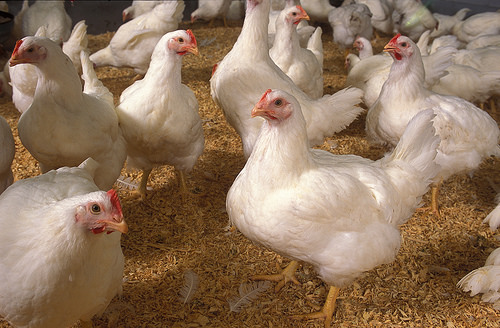
During influenza surveillance in poultry farms and live poultry markets of mainland China from 2019 to 2020, 22 H9N2 viruses were isolated from chicken populations in seven provinces of China, reported a Correspondence published by The Lancet Microbe in 2022.

Other bird flu outbreak news is posted by Precision Vaccinations.

Vaccine Treats: 
Image: 
Image Caption: 
U.S. Department of Agriculture
Live Blog Update Author: 
Location Tags: 
0 min read

The Florida Health Department reported as of week #23, four additional travel-associated dengue cases were reported this year.

As of June 14, 2023, there have been 84 dengue cases confirmed related to international travelers. 

In 2022, 903 travel-associated dengue cases were reported in Florida.

And Miami-Dade and Broward Counties remain under a mosquito-borne illness alert, as locally acquired dengue cases were confirmed in 2023.

Recent data published by the U.S. CDC indicates U.S. states have reported about 129 travel-related and three locally-acquired dengue cases this year.

Dengue is a vaccine-preventable disease with two authorized vaccines available in certain countries in 2023.

Vaccine Treats: 
Image: 
Image Caption: 
by Yaniv Matza
Live Blog Update Author: 
Location Tags: 
Malaria outbreak 2023
Sarasota Florida local malaria case in 2023
0 min read

CancerVAX, Inc. announced today that it recently launched a funding round of up to $10 million to empower the Utah-based Company to continue working on its breakthrough cancer treatments.

CancerVax CEO Ryan Davies said in a June 14, 2023, press release, “We’re working with a research team at UCLA to help us develop these treatments. We’ve raised $2 million of seed funding thus far and are using the StartEngine platform to raise an additional $10 million to further the development of these novel cancer therapies.”

CancerVAX recently announced that its UCLA research team had made positive progress towards developing a treatment for Ewing sarcoma, a deadly form of cancer.

Ewing sarcoma is an aggressive bone and soft-tissue cancer with limited chances of cure, more prevalent in adolescents and young adults.

Current therapies for Ewing sarcoma have reached a plateau over the last several decades, and there is an urgent need for improved outcomes.

Approaches that target chemotherapy-resistant tumors, especially in metastatic and/or microscopic residual disease, would be revolutionary, wrote CancerVAX on June 12, 2023.

Vaccine Treats: 
Image: 
Image Caption: 
National Cancer Institute June 2023
Live Blog Update Author: 
Location Tags: 
0 min read

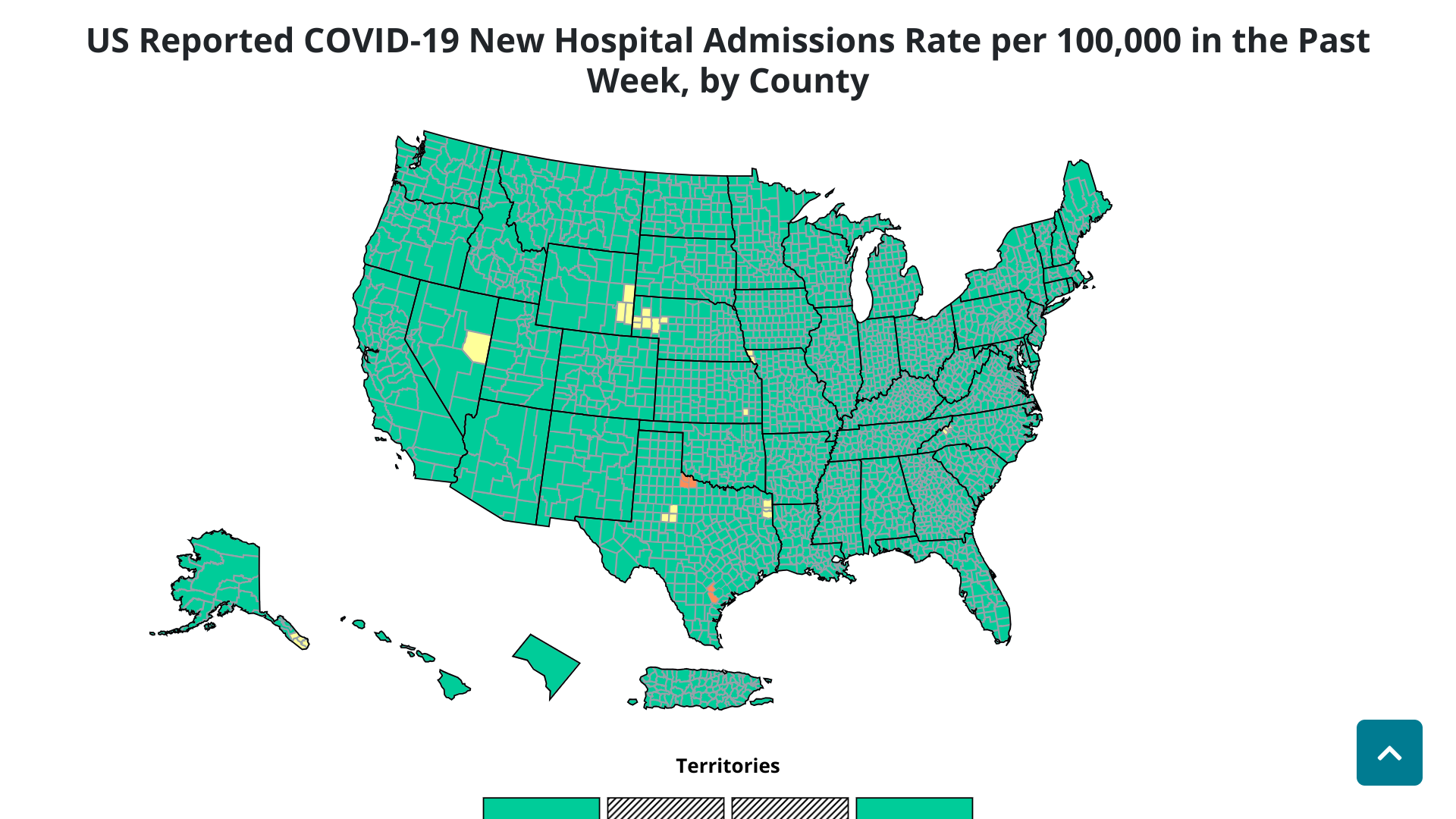
The U.S. Centers for Disease Control and Prevention (CDC) reported on June 3, 2023, the number of new COVID-19 hospital admissions for every 100,000 people decreased by 6.2% in the past week.

However, the leading COVID-19 hot spots are seeing hospitalization increases in counties in north and southern Texas.

Furthermore, COVID-19-related fatalities decreased by 14.3% throughout the U.S., except for the states of Mississippi and Ohio.

In Ohio, the Columbus Dispatch reported an unusual COVID-19 shedding case of a cryptic lineage found in Fayette County's wastewater.

On May 8, 2023, "This person was shedding thousands of times more (COVID-19) material than a normal person ever would... I think this person isn't well… I'm guessing they have GI issues."

The Dispatch reported that this discovery is not a public health threat, as the person may have a compromised immune system.

Vaccine Treats: 
Image: 
Image Caption: 
U.S. CDC COVID-19 case map June 3, 2023
Live Blog Update Author: 
Location Tags: 

Antimalarial Treatments

Antimalarial Treatment 2025

The U.S. Centers for Disease Control and Prevention (CDC) Algorithm for the Diagnosis and Management of Malaria outlines recommended steps for treating malaria patients. The CDC's Yellow Book outlines various treatment options for Malaria. Antimalarial treatment must be initiated immediately upon diagnosis of Malaria, according to the CDC's Malaria Diagnosis and Treatment. Furthermore, the CDC's Malaria Treatment Tables guide malaria treatment, and options for treating pregnant women are presented in the Alternatives for Pregnant Women. However, presumptive treatment should be reserved for extreme circumstances, such as when there is clinical suspicion of severe disease in a setting where prompt laboratory diagnosis is unavailable.

The World Health Organization's (WHO) recommendations on malaria elimination strategies may include mass drug administration, testing, treatment, or prevention of mass relapse. These strategies are generally not recommended in elimination settings unless there is local malaria transmission. The WHO published a Q&A developed by the Global Malaria Programme in collaboration with the Pan American Health Organization (PAHO).

Malaria Medications

On November 12, 2025, Novartis announced the Phase III trial for KLU156 (ganaplacide/lumefantrine, or GanLum), which meets the primary endpoint of non-inferiority to standard of care Coartem® (artemether-lumefantrine); Demonstrates PCR-corrected cure rate of 97.4% based on estimand method, equating to 99.2% under conventional per protocol analysis; the Novel ingredient in GanLum, ganaplacide, has an entirely new mechanism of action. If approved, GanLum would represent the first significant innovation in malaria treatment since 1999, with the potential to kill drug-resistant parasites and block transmission.

On July 22, 2025, the New England Journal of Medicine published a study that found ivermectin, an antiparasitic drug, reduced the incidence of Malaria by 26%. A 2019 study concluded similar benefits.

On July 8, 2025, Novartis announced that Swissmedic had approved Coartem® Baby (Riamet® Baby) as the first malaria medicine for newborns and young infants. The new treatment was developed in collaboration with Medicines for Malaria Venture to treat the potentially deadly mosquito-borne disease.

As of July 2025, four treatment options are available for P. falciparum infections acquired in areas with chloroquine resistance, specifically for adolescents and adults. These include artemether-lumefantriCoartemtem®), the preferred option if readily available, and atovaquone-proguanil (Malarone), according to the CDC. On June 20, 2023, the BMC Malaria Journal published a perspective article titled "ve: Real-life effectiveness of antimalarial treatment regime". Options for the treatment of pregnant women are presented in the Alternatives for Pregnant Women.

Tafenoquine is aKODA™), an 8-aminoquinoline, an antimalarial approved in the U.S., and it targets the liver stage of P. vivax malaria. When combined with chloroquine, tafenoquine provides a radical cure for the treatment of both the disease's blood and liver stages.

Novartis and Medicines for Malaria Venture announced on November 23, 2022, their decision to proceed with a Phase 3 study for a novel ganaplicide/lumefantrine-SDF combination in adults and children with Malaria. Ganaplacide is a novel agent with a new mechanism of action combined with a new formulation of lumefantrine optimized for once-daily dosing. Pyramax® (pyronaridine-artesunate) was included in the WHO's list of pre-qualified medicines in 2012 and the WHO's Essential Medicines Lists for adults and children in 2017. Pyramax subsequently underwent a positive review by the WHO's Advisory Committee on the Safety of Medicinal Products in 2019, including interim data from the CANTAM study.

Ocean Biomedical announces the discovery of a new therapeutic approach that could lead to the development of a novel class of antimalarials. Promising results from the malaria program include a monoclonal antibody that kills 94%-99% of malaria parasites in culture, as well as a small-molecule drug that kills 100% of parasites at low nanomolar concentrations. On October 24, 2023, Chief Scientist Jonathan Kurtis, MD, PhD, received the prestigious Falk Medical Research Trust Transformational Award of $1 million to advance a new class of antimalarial drugs, specifically targeting Candida. 

Global Health Innovative Technology Fund announced on December 14, 2023, that it would invest approximately $3.3 million in a global, multicenter Phase III clinical trial project led by Fosun Pharma for a triple artemisinin combination drug (Artemether-Lumefantrine-Amodiaquine fixed-dose formulation) against Malaria, aiming to accelerate the development and commercialization of this new drug combination.

Insight Partners publishes a new research report on the global malaria treatment market, which is projected to grow at a CAGR of 4.9% from 2022 to 2028.

Malaria Monoclonal Antibody

Artesunate for Injection™ was FDA-approved in May 2020 and is indicated for infants, children, adults, and pregnant women with severe Malaria or those unable to tolerate oral antimalarials. Available in vials of 110mg, Artesunate for Injection is dosed at 2.4 mg/kg given intravenously at 0, 12, and 24 hours, then daily for up to seven days. If after 24 hours of Artesunate, the percent parasitemia is ≤ 1% and the patient can tolerate oral medications, the patient can be switched to an antimalarial regimen.

The Lancet Infectious Diseases published results from an NIAID phase 1 clinical study on January 25, 2023, that found the antimalarial monoclonal antibody CIS43LS conferred high protection against parasitemia at doses of 20 mg/kg or 40 mg/kg administered intravenously fo,llowed by controlled human malaria infection, providing evidence that this approach might be helpful to prevent Malaria across several clinical use cases. The NEJM published an Original Article on October 31, 2022: Safety and Efficacy of a Monoclonal Antibody against Malaria in Mali. CONCLUSIONS - CIS43LS was protected against P. falciparum infection in a phase 2 clinical trial over a 6-month malaria season without evident safety concerns. In a related Editorial by Umberto D'Alessandro, M.D., Ph.D., currently available interventions for malaria control are unlikely to achieve the vision of a malaria-free world. And the NEJM published Aan ORIGINAL ARTICLE on August 4, 2022, anw-Dose Subcutaneous or Intravenous Monoclonal Antibody to Prevent Malaria. On October 18, 2022, the peer-reviewed journal Cell published results from a phase 1 clinical trial that concluded that S, a potent and safe antimalarial monoclonal antibody, demonstrated 88% protective efficacy against infection in healthy adults.

Malaria Testing

Malaria tests can detect parasites in a person's blood.

Malaria Netting

On March 14, 2023, the WHO recommended a new class of long-lasting insecticide-treated nets (LLINs) that combine insecticide mixtures with different modes of action. The Lancet published results from a study in January 223 that found chlorfenapyr-pyrethroid LLINs provided greater protection from Malaria than pyrethroid-only LLINs in an area with pyrethroid-resistant mosquitoes. Pyriproxyfen-pyrethroid LLINs conferred protection similar to pyrethroid-only LLINs. A study published by the BMJ Global Health Journal suggests that LLINs reduced the incidence in the first year. However, of the 88 malaria-endemic countries that provided data for 2010–2020, 78 did not report detecting resistance to at least one insecticide class reported by WHO in December 2022.

Malaria Vaccines

Malaria vaccines are approved for use in 2025.

6 min read
Last Reviewed: 
Thursday, November 13, 2025 - 06:25
Description: 
Malaria antibody and antiparasite treatments are FDA approved
Condition: 
Malaria Florida 2023
Florida local malaria case confirmed in May 2023
0 min read

 Valneva SE today announces that the Company’s pivotal Phase 3 data for its single-shot chikungunya vaccine candidate, VLA1553, have been published in The Lancet.

This article says the strong immune response and the generation of seroprotective titres in almost all vaccinated participants suggests that VLA1553 is an excellent candidate for preventing disease caused by the chikungunya virus.

VLA1553 demonstrated a very high seroresponse rate of 98.9% in participants 28 days after receiving the single administration, and 96% of participants maintained seroresponse six months after vaccination.

VLA1553 is currently the only chikungunya vaccine candidate worldwide for which regulatory review processes are underway. It has been designed by deleting a part of the chikungunya virus genome.

Juan Carlos Jaramillo, M.D., Chief Medical Officer of Valneva, commented in a press release on June 13, 2023, “We are pleased that more detailed results on our single-shot chikungunya vaccine candidate are now available to the scientific and broader public health communities.”

Chikungunya is a mosquito-borne viral disease caused by the chikungunya virus (CHIKV), a Togaviridae virus transmitted by Aedes mosquitoes. The infection leads to symptomatic disease in 72-92% of humans after four to seven days following the mosquito bite.

While mortality with CHIKV is low, morbidity is high. Clinical symptoms include acute onset of fever, debilitating joint and muscle pain, headache, nausea, rash, and chronic arthralgia.

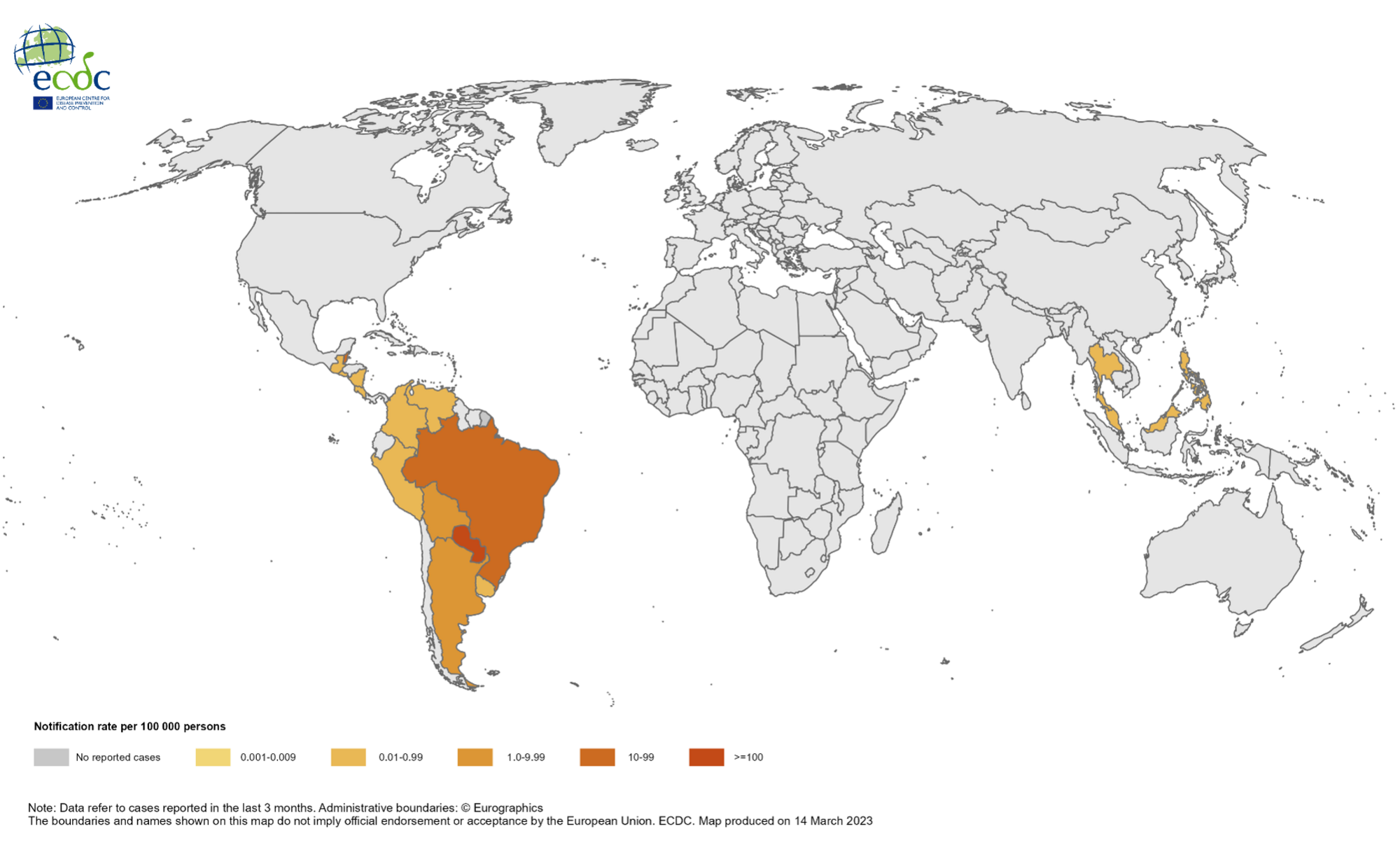
The high-risk areas of infection for travelers are places where chikungunya virus-carrying mosquitos are endemic, including the Americas, parts of Africa, and Southeast Asia, and the virus has spread to more than 110 countries.

The Pan American Health Organization recently confirmed chikungunya cases in the Americas region reached over 210,000 in the first months of 2023. And there were about 51 related fatalities, representing a four-fold increase compared to 2022. 

Vaccine Treats: 
Image: 
Image Caption: 
ECDC chikungunya map June 2023
Live Blog Update Author: 
Location Tags: 
0 min read

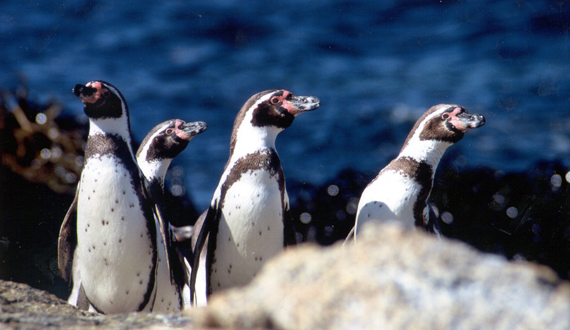
In the Republic of Chile, the avian influenza H5N1 virus has affected fifty species, including sea lions, pelicans, chungungos, seagulls, and penguins, in 2023.

The highly pathogenic avian influenza (HPAI) Eurasian lineage bird flu virus has been confirmed in 12 of Chile's 16 regions.

As of early June 2023, more than 1,300 Humboldt penguins have died from bird flu, reported Chile's National Fisheries and Aquaculture Service.

"The 1,300 (recorded cases) are probably less than the real number" of dead penguins, said Gerardo Cerda, from Sernapesca in Coquimbo, and explained to media on June 12, 023, that "there are sectors with cliffs, where the specimens can strand and not be seen."

In Chile, SERNAPESCA acts with respect to the species under its guardianship, corresponding to penguins and marine mammals.

The Pan American Health Organization (PAHO) recently issued an Epidemiological Alert confirming agricultural authorities in Argentina, Bolivia, Brazil, Canada, Chile, Colombia, Costa Rica, Cuba, Ecuador, the U.S., Guatemala, Honduras, Mexico, Panama, Peru, Uruguay, and Venezuela have detected outbreaks of HPAI viruses in domestic birds, farm poultry and/or wild birds, and in mammals in 2023.

Among mammals infected with bird flu, the PAHO says red foxes and skunks were the most frequently affected in North America, and fur seals in South America.

Vaccine Treats: 
Image: 
Image Caption: 
Center for Biological Diversity June 2023
Live Blog Update Author: 
Location Tags: