Search API
While most of the local media attention has been focused on the measles outbreaks in west Texas, the city of Houston actually reported Texas's initial two measles cases in January 2025.
Since then, the Houston Health Department (HDD) reported a third measles case involving an unvaccinated infant on March 16, 2025. This child was exposed to measles during international travel and is recovering at home.
HDD stated that this new case is unrelated to the earlier measles cases reported in Houston.
Dr. David Persse, Chief Medical Officer for the City of Houston, commented, "The best way to protect yourself and your loved ones from measles is through vaccination."
"Although measles was declared eliminated in the U.S. in 2000, international travel continues to present a risk," added Dr. Persse.
Houston and Harris County, TX, are home to about 5 million people, with two international airports serving millions of travelers annually. For more information on measles and vaccination options in Houston, including Harris County, visit HoustonHealth.org.
"The recent measles case in Houston highlights the continued importance of vaccination in protecting individuals and communities," V. Yvette Cheeks MSN, RN, NPE-C information Vax-Before-Travel News.
"As global travel presents ongoing risks, the Houston Health Department urges residents to confirm their measles immunity. Vaccines remain the most effective tool in preventing the resurgence of this highly contagious disease," added Cheeks, the CEO of Houston-based The Immunization Clinic.
Globally, the U.S. CDC has issued Travel Health Advisories that continue to identify measles outbreaks in 57 countries, including Canada, England, and Romania.
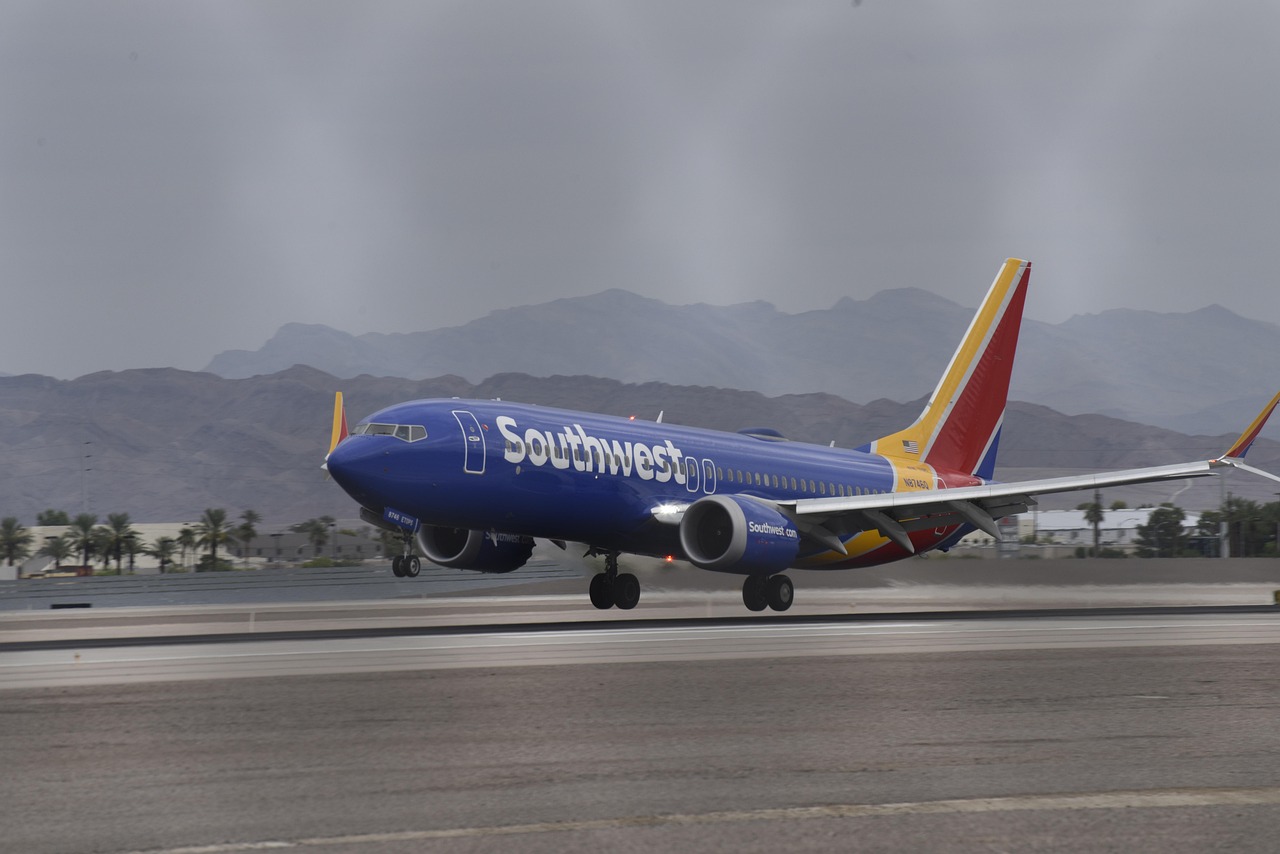
HDD and the CDC recommend that most people confirm their measles immunity before visiting outbreak areas like Texas or eastern New Mexico. The MMR vaccine is offered at travel clinics and pharmacies throughout the U.S.

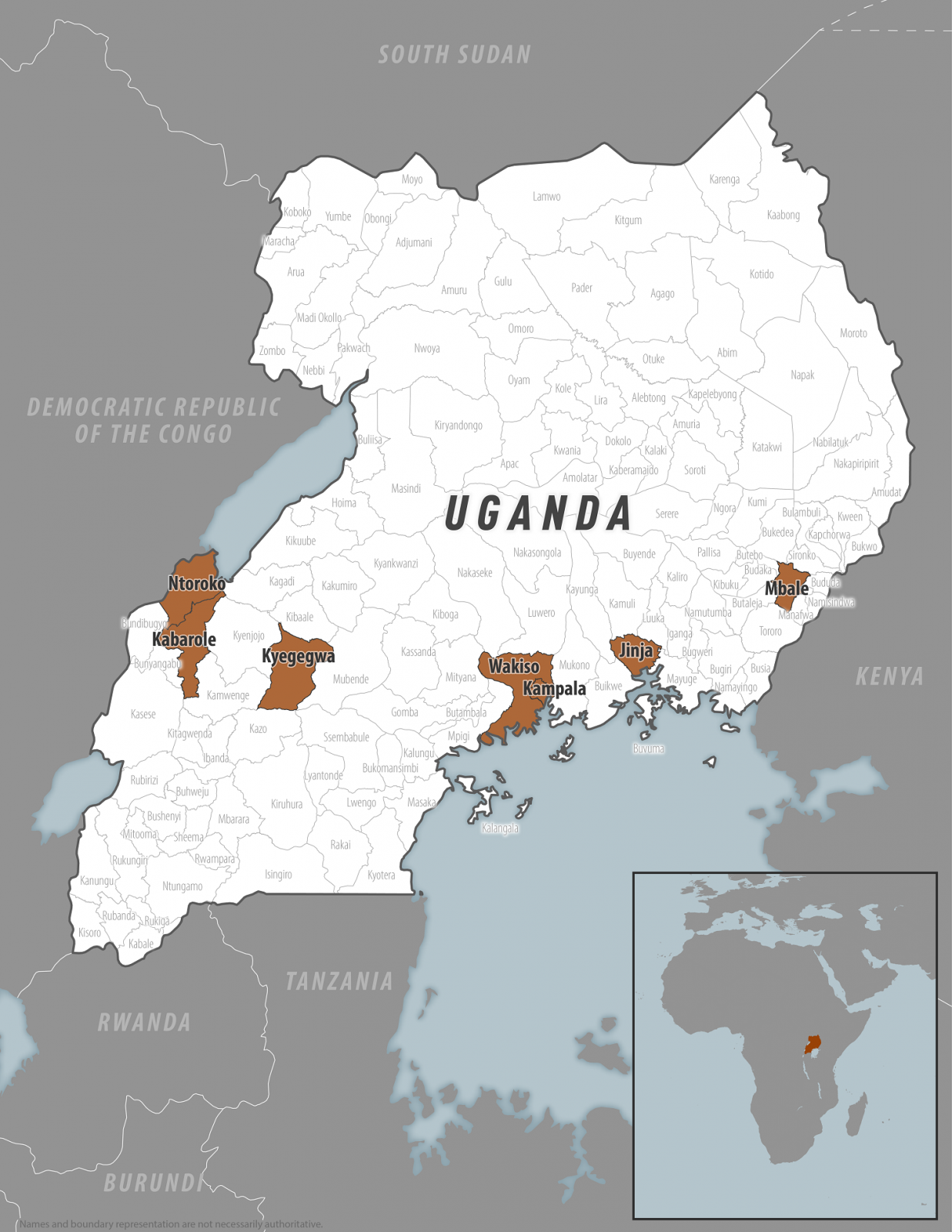
In response to the ongoing Sudan Ebola virus outbreak in the Republic of Uganda, the U.S. government recently updated a Level 2 Travel Health Advisory for this rare and deadly disease.
On March 12, 2025, the Centers for Disease Control and Prevention (CDC) confirmed a Sudan virus disease (SVD) outbreak in the Kampala, Wakiso, Jinja, Mbale, Kyegegwa, Kabarole, and Ntoroko districts.
Since late January 2025, about 14 cases, including four related fatalities, have been reported.
The CDC says local health authorities in Uganda are working to identify infected people and transmission sources, conduct investigations, take action to prevent further transmission, and educate communities and the public about the risks and dangers of SVD.
If you travel to Uganda, the CDC published an extensive list of activities to avoid.
About 200,000 people visited Uganda in 2024. Traveler screening at Ugandan entry points remains active as of March 2025.
Unlike Zaire Ebola, which has approved vaccines and therapeutics, SVD vaccines and therapeutics remain under development as of mid-March 2025.
From a safety perspective, the U.S. Department of State recently updated its Level 3 Travel Advisory to reflect current information.
The State Department advises reconsidering travel to Uganda and exercising increased caution due to potential risks and the unpredictable nature of public demonstrations. The U.S. Embassy in Kampala is available to support U.S. citizens.


Most older adults and immunocompromised individuals are familiar with herpes zoster (HZ), which causes painful rashes upon activating the varicella-zoster virus (VZV).
Although the U.S. FDA has approved a vaccine (Shingrix®) for preventing shingles, its administration is commonly associated with high reactogenicity.
On March 14, 2025, results from a new study published by the journal Nature focused on ten different vaccine candidate designs using two different codon optimizations targeting the VZV glycoprotein E (gE).
For this evaluation, researchers developed several VZV modRNA vaccine candidates targeting the glycoprotein gE, one of the most abundant proteins on the surface of the virion.
A subset of mRNA constructs was formulated into lipid nanoparticles and assessed for their ability to induce specific cellular and humoral immune responses in mice following vaccination.
Notably, the selected mRNA vaccine candidates induced high antibody levels and robust CD4+ and CD8+ immune responses.
Moreover, this study showed that alternate lyophilized vaccines provide comparable immunogenicity to liquid frozen formulations and are stable under long-term storage conditions.
Some of these investigational VZV modRNA candidates, including a lyophilized presentation, are currently being tested in a Phase I/II clinical study sponsored by Pfizer Inc.
This study's primary completion estimate is in late 2025.
While somewhat similar, no herpes simplex virus (HSV) vaccines are approved for use in 2025. However, this is an HSV mRNA vaccine candidate conducting research as of March 2025.

Each flu season, government agencies meet to review potential changes to influenza vaccines. These reviews are essential since influenza viruses often change during the migration between the Southern and Northern Hemispheres.
This means influenza vaccines must be updated annually to include the viruses that will most likely circulate in the upcoming flu season.
Today, the U.S Food and Drug Administration (FDA) announced its recommendations to vaccine manufacturers for the virus strains to be used in influenza (flu) vaccines for the 2025-2026 flu season in the United States.
On March 13, 2025, the FDA stated that after a comprehensive review of U.S. and global surveillance data, the recommendations are similar to those for the previous year’s strain selection.
Furthermore, the FDA does not anticipate any impact on the timing or availability of vaccines in the U.S. This year, about 100 million flu shots were distributed in the U.S.
To inform the selection of the flu virus strains, the FDA convened a meeting of scientific and public health experts from the FDA, Centers for Disease Control and Prevention, and Department of Defense. During the meeting, these federal partners collaboratively evaluated and analyzed U.S. and global surveillance data related to the epidemiology and antigenic characteristics of flu viruses currently circulating.
For the ongoing 2024-2025 flu season, most vaccines are trivalent (three-component), and many will be thimerosal-free and egg-based. These flu shots are offered at clinics and community pharmacies in the U.S.
Since the U.K. Health Security Agency (UKHSA) declared a national measles incident in parts of England in 2024, cases have been reported in various cities besides London.
So far in 2025, 151 measles cases have been confirmed in Yorkshire and Humber, in the South West, Bristol, Leeds, Hertfordshire, and in London.
As of March 13, 2025, no acute measles-related deaths have been reported in 2025.
Last year, the UKHSA reported the most measles cases (2,911) in England in over a decade.
To England's east, 127,350 people were diagnosed with measles in Europe in 2024, led by Romania (27,568). The WHO says this is the highest number of measles cases in over 25 years.
“Measles is back, and it’s a wake-up call.... without high vaccination rates, there is no health security,” warned Dr Hans Henri P. Kluge, WHO Regional Director for Europe, in a media statement.
“The measles virus never rests – and neither can we.”
While the U.S. Centers for Disease Control and Prevention (CDC) recent Travel Health Notice identifies 57 countries reporting measles cases, it does not mention England.
However, the CDC does suggest that anyone visiting a measles outbreak area be fully protected from this contagious virus with the MMR vaccine, which is generally available at clinics and pharmacies in the U.S.

As Chikungunya outbreaks continue to expand globally in 2025, France's La Réunion Islanders are urged to be vigilant in eliminating breeding sites.
According to France's Ministry of Health on March 12, 2025, 1,766 new Chikungunya cases were recorded last week. This represents an 18% increase compared to the previous week.
During 2025, 5,041 cases have been reported.
La Reunion's southern municipalities have been the most affected, accounting for 72% of cases since August 2024.
The last Chikungunya epidemic in La Réunion was reported in 2005–2006.
France's island off the east coast of Africa is not alone in reporting cases. In 2024, locally transmitted Chikungunya infections were confirmed in Paris and France's Mediterranean coastal communities.
These areas in France have also reported Dengue and Zika infections, which are also mosquito-transmitted diseases.
Also located in the South Hemisphere, Brazil has had a Chikungunya outbreak again this year, with over 40,000 cases, many centered in its mountainous states.
To alert international travelers to these outbreaks, the U.S. CDC has issued a Travel Health Advisory and suggests people speak with a travel vaccine expert about Chikungunya immunization options in 2025.