Search API
When most vacationers book their summer vacation in countries in the Southern Hemisphere, they should consider how to protect themselves from influenza. Currently, the World Health Organization (Influenza Update N° 534) is advising everyone in the 'south' to speak with a healthcare provider about immunization options.
As of July 2025, influenza positivity was elevated in countries of Tropical and Temperate South America, Southern and Eastern Africa, and South-East Asia.
The risk of exposure to the influenza virus during travel depends on the time of year and destination. In temperate regions, such as Brazil, influenza epidemics are more common from April to September in the Southern Hemisphere.
In the Northern Hemisphere, specifically in the United States, the previous flu season was notably severe, marking the worst in 15 years.
To help protect international travelers and others, CSL Seqirus recently announced that the company started shipping its differentiated portfolio of flu vaccines for the 2025-2026 season in the United States.
"During this past flu season, doctors' offices, emergency departments and hospitals across the country were filled with patients affected by the flu," said Gregg Sylvester, Chief Health Officer, CSL Seqirus, in a press release on July 10, 1025.
"We experienced the impact flu can have on our communities, our healthcare systems, and in our own homes. To make sure this doesn't happen again, vaccination is the first and most important action to help prevent flu and its potentially serious consequences."
According to the U.S. Centers for Disease Control and Prevention (CDC), it is recommended that all eligible individuals aged six months and older receive an annual influenza vaccine, especially those at an increased risk of severe influenza-related complications, such as older adults, pregnant individuals, and children under five years old.
Flu shots and other travel vaccines are offered at clinics and pharmacies in the U.S.
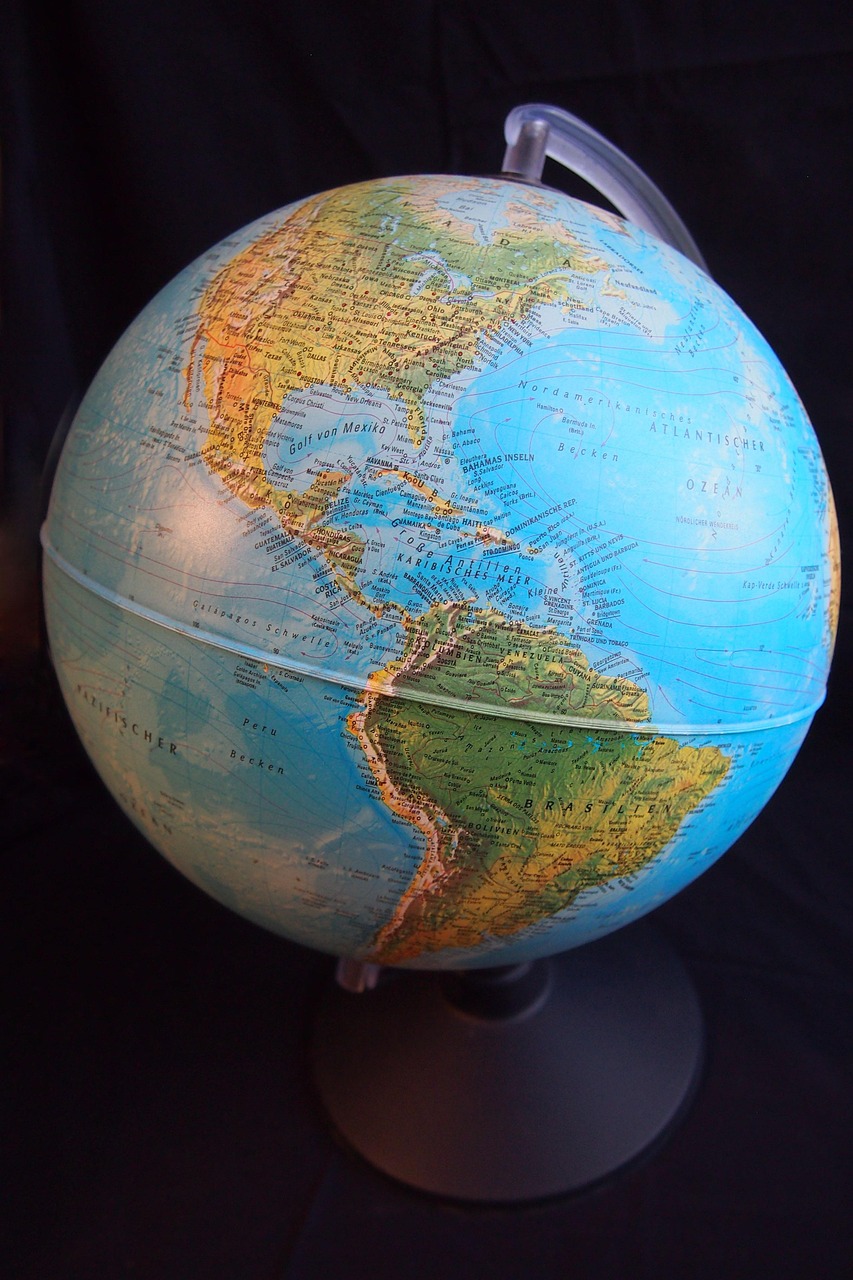
The World Health Organization (WHO) recently published updated clinical guidance for treating four arboviral diseases: chikungunya, dengue, Zika, and yellow fever.
As of July 4, 2025, this WHO resource is the first that covers all four diseases.
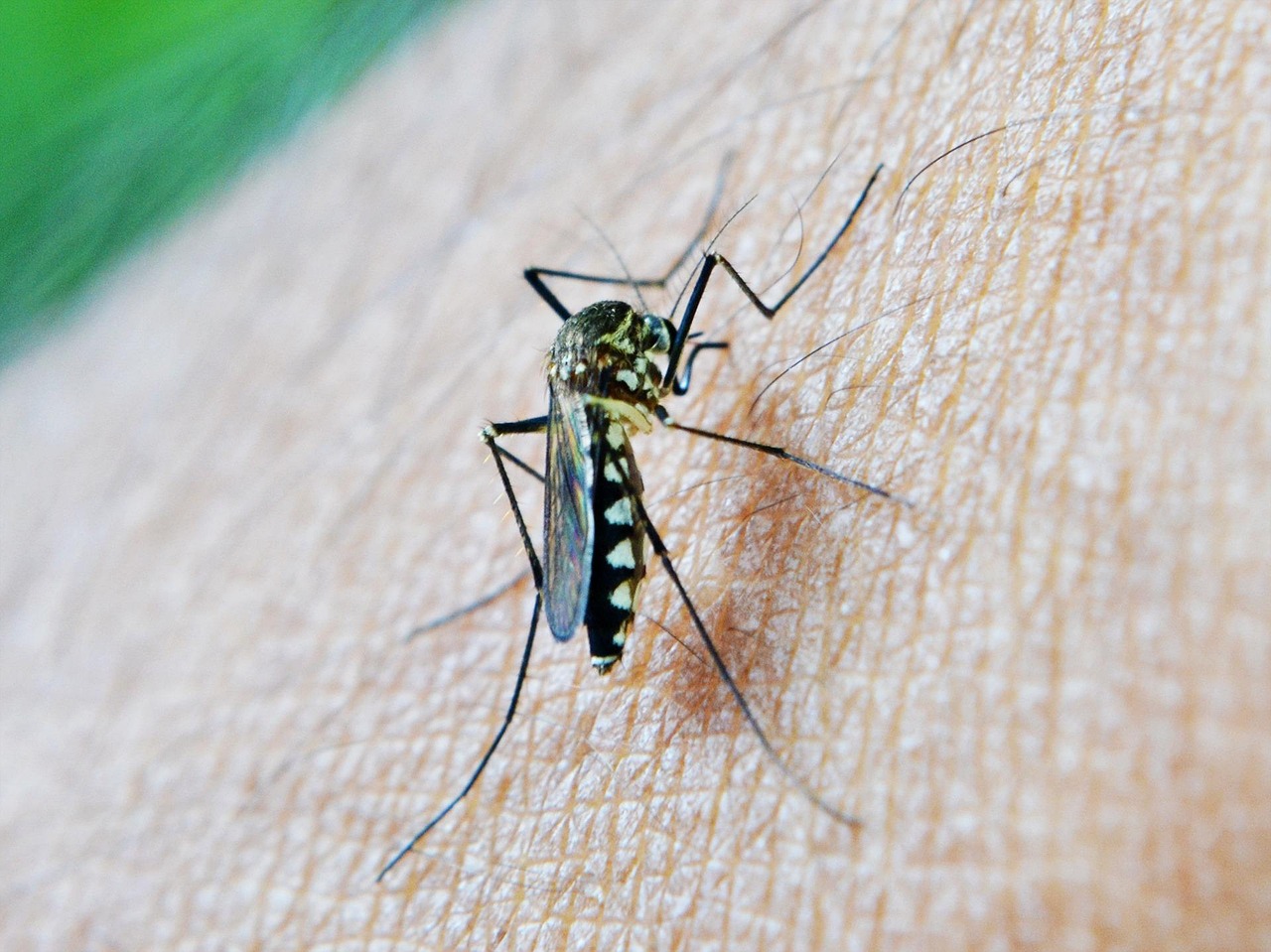
Arbovirus infections have become a growing public health threat, affecting 5.6 billion people.
These diseases are expanding into new regions, where virus-carrying mosquitoes are seldom found, increasing the likelihood of outbreaks beyond tropical and subtropical areas.
The WHO stated that an integrated approach is vital, as these four diseases often present with similar symptoms, especially in the early stages of infection, and multiple arboviruses may circulate simultaneously in certain regions. This makes clinical differentiation particularly challenging, especially when diagnostic testing is not readily available.
These diseases often affect international travelers who lack natural immunity and have not received appropriate immunization with travel vaccines.
Global risk maps are a crucial tool for evaluating the worldwide threat posed by mosquito- and tick-transmitted arboviral diseases.
The multi-year, global outbreak of pertussis (Whooping cough) cases has continued through the first half of 2025.
In Japan, pertussis has been a category V notifiable disease under the Infectious Diseases Control Law since January 2018. As of July 10, 2025, the Japan Institute for Health Security Infectious Disease Information website reveals that 39,672 pertussis cases were reported in 2025.
This total surpasses the amount recorded in 2019, 16,845, and the 4,096 pertussis cases reported in 2024.
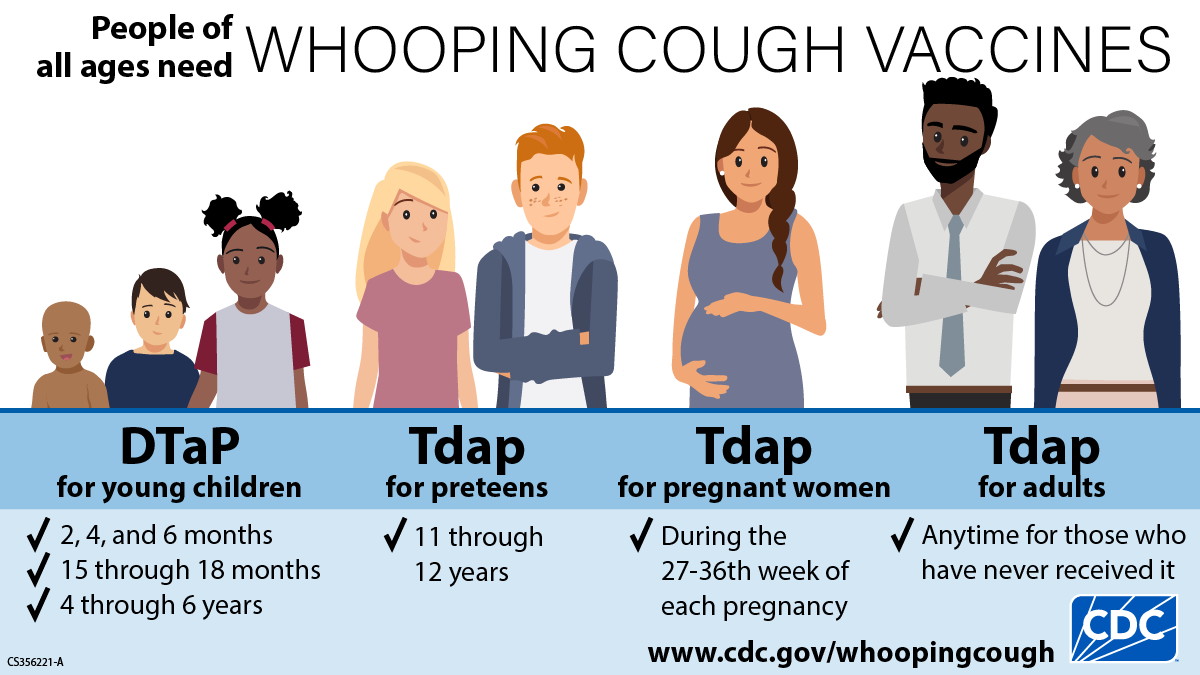
According to the U.S. CDC, pertussis is a highly contagious respiratory infection marked by severe coughing fits. It can lead to serious complications, including pneumonia and encephalopathy, and poses a potentially fatal risk to infants and other vulnerable individuals, such as pregnant women.
Since pertussis remains one of the leading causes of vaccine-preventable deaths worldwide, the CDC recommends that international travelers ensure they are immunized before visiting Japan in 2025.
The French Republic has been confronted with significant chikungunya outbreaks in various Departments in 2025.
As of July 9, 2025, Sante Publique France reported a total of 25 locally acquired cases of chikungunya in the mainland since May 2025.
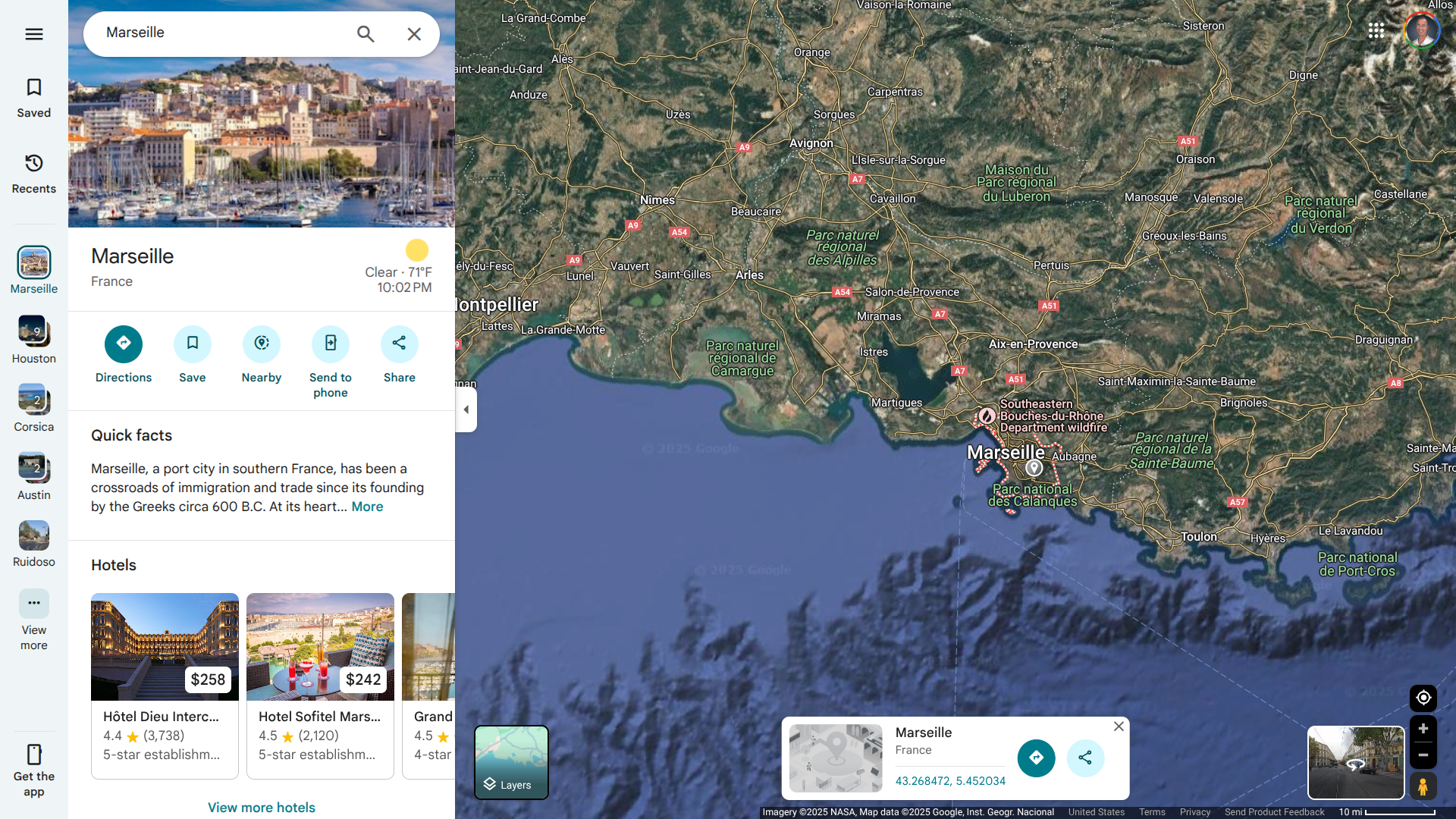
Mosquito-transmitted cases have been reported from Provence-Alpes-Côte d'Azur (PACA) (14), Corsica (3), Occitanie (2), Auvergne-Rhône-Alpes (4), Grand Est (1), and Nouvelle-Aquitaine (1).
Located at the far southeastern point of the mainland, PACA's largest city is Marseille, France's third-largest city, with over 800,000 residents, and a tourist favorite destination.
In addition to local cases, France has reported 761 imported cases of chikungunya in the last few months.
Many of these cases are related to international travel to France's Department of Reunion and Mayotte in the southwest Indian Ocean.
In France, as well as in the United States, chikungunya vaccines are commercially offered. Various governments have approved these vaccines and provide a high degree of protection against this mosquito-transmitted disease.
The U.S. CDC recommends vaccination before visiting areas with chikungunya outbreaks, such as the southern regions of France.
The reappearance of 138 chikungunya cases in the People's Republic of Bangladesh in 2024 after a 7-year absence indicated the potential for larger outbreaks in the future.
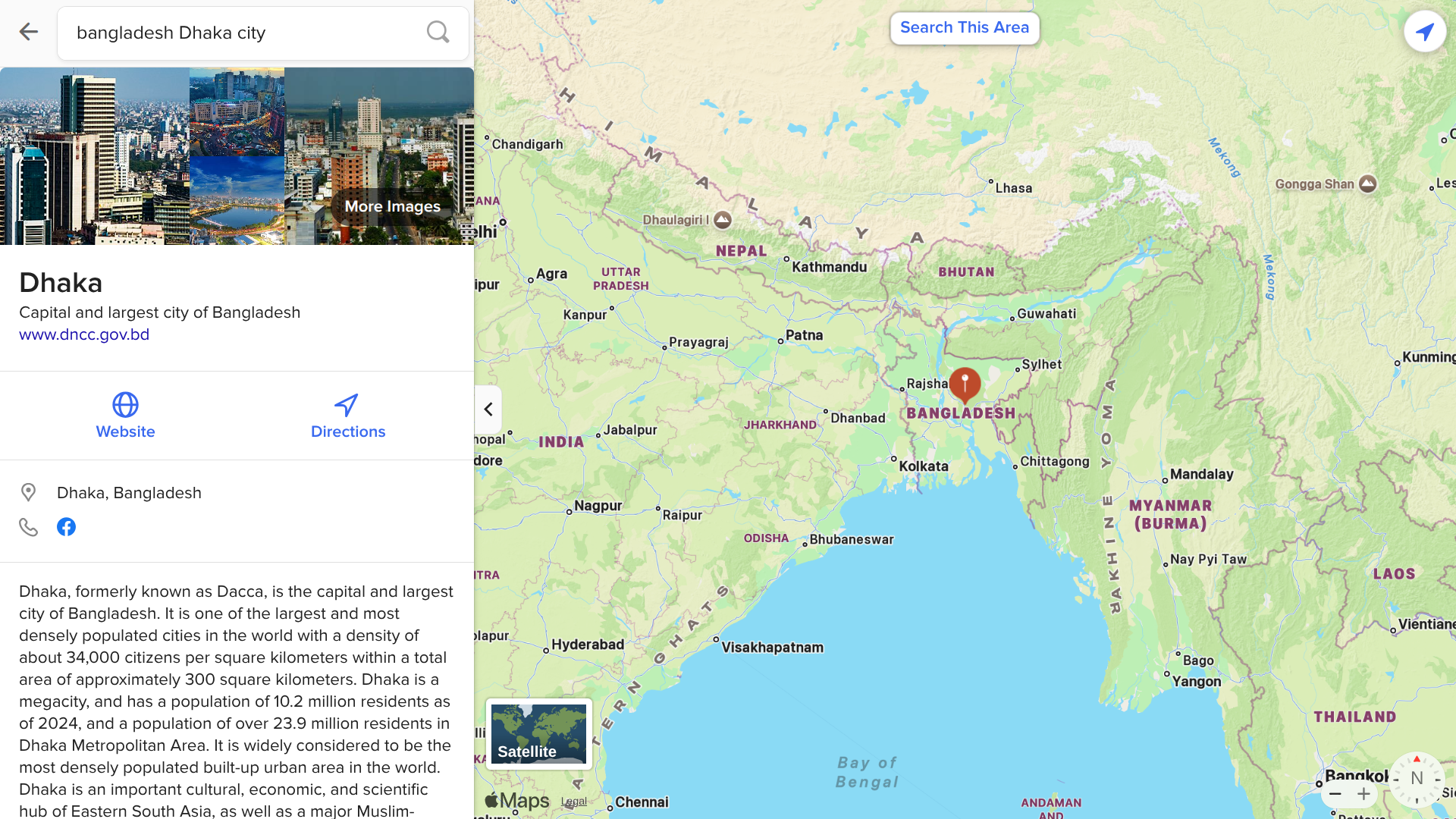
In June 2025, the Institute of Epidemiology, Disease Control and Research in Bangladesh reported an outbreak of chikungunya in Dhaka city, with 337 cases reported between January and May 28, 2025.
Dhaka is the capital and largest city of Bangladesh. It is one of the largest and most densely populated cities in the world, with a population exceeding 10 million.
In addition to locals being at risk for this mosquito-transmitted virus, over 650,000 foreign visitors are expected to visit Bangladesh in 2025.
According to the U.S. CDC, travelers visiting areas with ongoing chikungunya outbreaks are at risk of infection. These health risk areas are constantly changing and evolving; therefore, travellers should check the latest information on outbreaks before departing abroad.
As of July 9, 2025, two new chikungunya vaccines have been approved for use in the United Kingdom, the European Union, and the United States. These vaccines are commercially offered at travel clinics and pharmacies in the U.S.

With the mosquito season underway in the United States, Florida health authorities have recently reported the third locally acquired case of dengue fever in Brevard County.
As of July 8, 2025, the Florida Department of Health in Brevard County (DOH-Brevard) issued a Mosquito-Borne Illness Advisory, which is scheduled to be effective until mid-September 2025.
DOH-Brevard and Brevard County Mosquito Control have confirmed that they are coordinating surveillance and prevention efforts through both ground and aerial spraying.
Previously, further south along the Atlantic Coast, Miami-Dade County has reported two local cases of dengue this year.
In 2024, 91 locally acquired dengue cases were reported in ten Florida counties, with Miami-Dade leading the way.
As of July 2025, the U.S. Centers for Disease Control and Prevention, Canada, and the United Kingdom have not issued vaccination requirements for visiting Florida this year.
Currently, only Puerto Rico is offering dengue vaccinations in the United States.
