Search API
The Centre for Health Protection (CHP) of the Department of Health announced that two new imported cases of chikungunya fever (CF) had been recorded.
As of September 11, 2025, the Government of the Hong Kong Special Administrative Region of China has reported a total of 16 confirmed imported CF cases.
From 2016 to 2019, Hong Kong recorded between one and 11 imported cases annually.
While numerious countries have reported mosquito-transmitted, local CF cases this year, Hong Kong has not.
The CHP wrote that from January to July 2025, countries in Asia, including India and Indonesia, recorded thousands of local cases.
From a disease prevention option, the U.S. government and many others have approved chikungunya vaccines for use in at-risk international travelers. These vaccines are offered at travel clinics and pharmacies in the USA.

The Florida Department of Health (FDH) recently updated its Vaccine-Preventable Diseases Surveillance Report for 2025, revealing that both travel-related and locally transmitted diseases have been detected in various Florida counties.
Since late July 2025, the Florida Department of Health in Brevard County (DOH-Brevard) has informed residents of locally acquired dengue fever, transmitted to people by the bite of an infected Aedes aegypti mosquito.
As of September 6, nineteen cases have been confirmed in various cities, such as Cape Canaveral, Cocoa Beach, and Melbourne.
DOH-Brevard says dengue can present as a flu-like illness, characterized by severe muscle aches and joint pain, fever, and sometimes a rash. Usually, there are no respiratory symptoms.
The positive news is that dengue fever is not contagious.
Statewide, FDH also confirmed last week travel-related chikungunya cases (3), dengue (189), and malaria cases (28), primarily in the Miami-Dade County area.
Additionally, three West Nile virus cases in people have been confirmed in Florida this year.
From a disease prevention perspective, chikungunya has the only U.S. FDA-approved vaccine available in the USA. Travel clinics and pharmacies commercially offer chikungunya vaccination services in 2025.

Emergent BioSolutions Inc. recently announced that a contract modification has been executed for $56 million to supply ACAM2000® (Smallpox and Mpox (Vaccinia) Vaccine, Live) to the U.S. government.
As of September 9, 2025, deliveries are expected to begin this month.
"Our new contract modification for ACAM2000® vaccine reflects the continued collaboration between Emergent and the U.S. government to prioritize preparedness support," said Paul Williams, senior vice president, head of products business, global government & public affairs at Emergent, in a press release.
"With our North American manufacturing and supply chain capabilities at the ready, and Emergent's commitment to being a trusted partner of the U.S. government and offering most favored pricing as part of that commitment, we are helping to strengthen public health efforts through our medical countermeasures portfolio."
This brings the total projected sales for ACAM2000® vaccine and ancillary products to more than $120 million this year from a diverse base of customers. ACAM2000 is licensed for active immunization against smallpox and mpox disease in individuals determined to be at high risk for smallpox or mpox infection.
ACAM2000 was first approved by the U.S. Food and Drug Administration (FDA) in 2007 for active immunization to prevent smallpox disease in individuals determined to be at high risk for smallpox infection. Smallpox has been eradicated in the United States, with no cases occurring since 1977.
The FDA subsequently approved it in August 2024 for immunization against mpox in individuals identified as being at high risk for mpox.
As of September 11, 2025, the FDA has also approved Bavarian Nordic JYNNEOS® vaccine for the prevention of both diseases. Unlike ACAM2000, JYNNEOS is available at various pharmacies and clinics in the U.S.

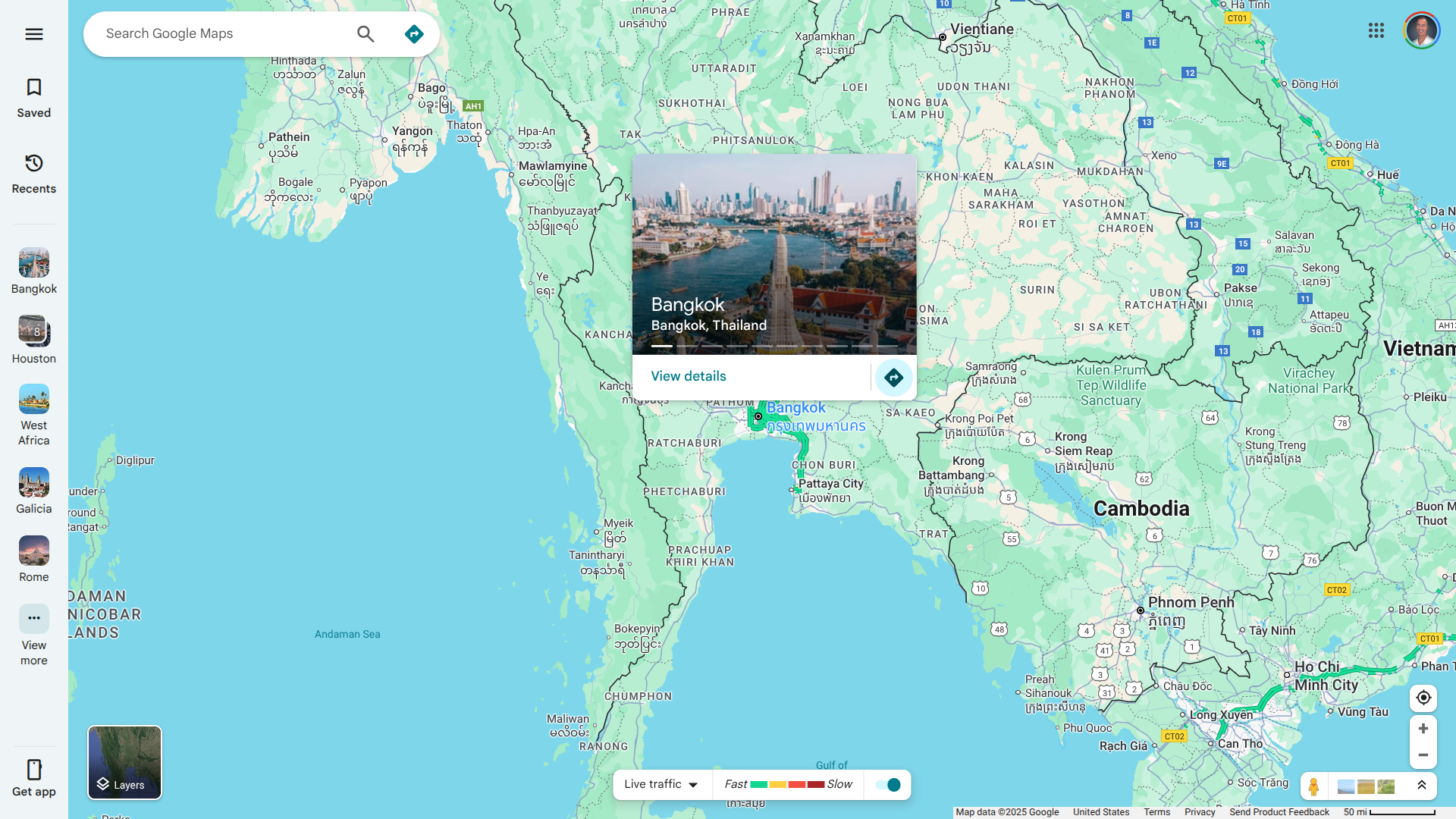
According to a recent Facebook post, a rabies alert has been announced for several areas in Bangkok (Krung Thep), the capital and most populous city of Thailand.
As of September 9, 2025, it is recommended that people avoid contact with stray animals and seek prompt medical attention if bitten or scratched. Rabies symptoms can take some time to develop, but when they do, the condition is almost always fatal.
The UK Travel Health Pro says pre-exposure vaccinations are recommended for travellers whose activities put them at increased risk.
A full course of vaccination simplifies and shortens the course of post-exposure treatment, removing the need for rabies immunoglobulin, which is in short supply worldwide.
The U.S. CDC also suggests various rabies vaccination recommendations.
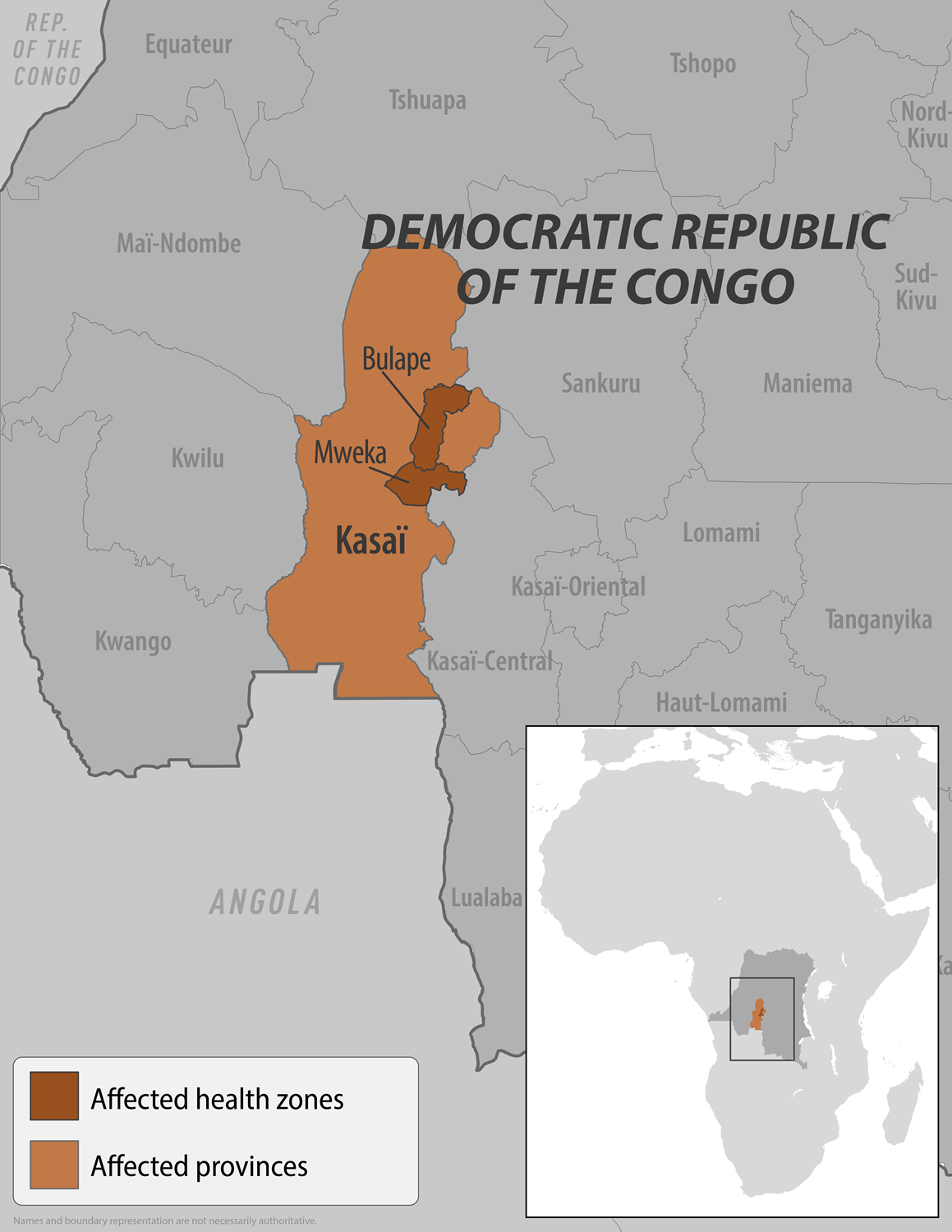
According to Reuters, the Democratic Republic of Congo (DRC) health ministry recently announced that Kasai's Bulape and Mweka zones, where the first Zaire Ebola case was reported, were placed under confinement.
In response to the DRC's 16th Ebola outbreak, and applying lessons learn, multiple travel checkpoints were put in place to prevent residents from moving in and out of the area.
On September 10, 2025, the U.S. CDC stated that there are 58 people with suspected or confirmed Ebola and 20 deaths, including four health workers.
The CDC stated it expects frequent changes to these case counts.
As of September 11, 2025, there have been no reported cases of Ebola in the United States related to this outbreak. During previous outbreaks, travel-related cases were confirmed.
The CDC has posted a Level 1 Travel Health Notice for the DRC, recommending people practice usual precautions if traveling to the DRC.
While not commercially available in the U.S., an FDA-approved vaccine and therapeutics are available for the prevention of Ebola virus infection (Orthoebolavirus zairense only). During previous outbreaks, Zaire Ebola has been shown to be a vaccine-preventable disease.
The other Ebolavirus type, Sudan, caused an outbreak in Uganda in early 2025.
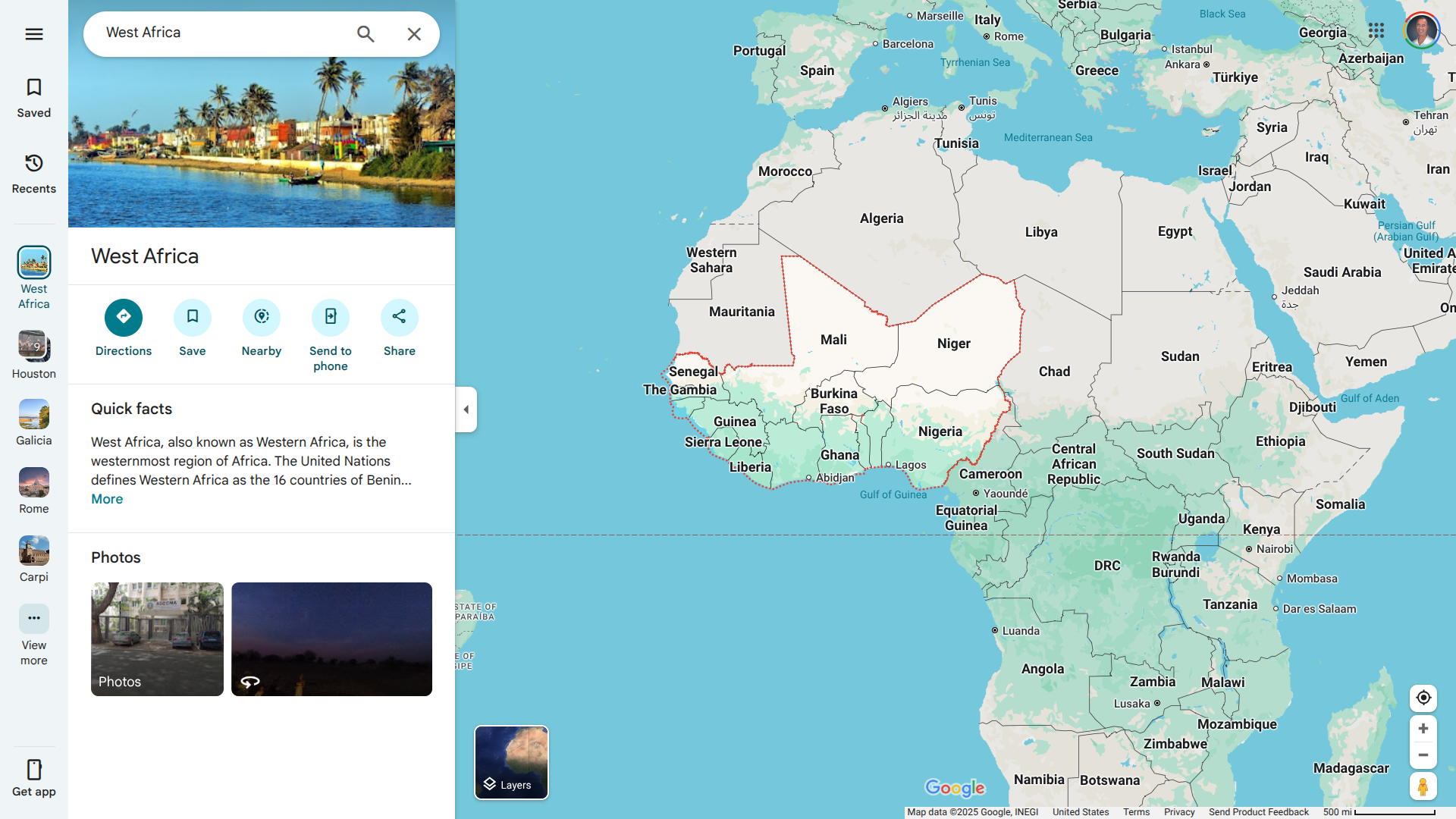
West African Ministers of Health today pledged their joint commitment to advance the development of, and readiness for, much-needed vaccines against Lassa fever.
First identified in 1969 in Nigeria, Lassa fever has a devastating impact on local populations.
Currently, there are no licensed vaccines to protect against Lassa fever.
As of September 8, 2025, these Ministers of Health are supported by the Coalition for Epidemic Preparedness Innovations (CEPI) and the International AIDS Vaccine Initiative (IAVI).
IAVI has developed the most advanced Lassa fever vaccine candidate, funded by CEPI and the European & Developing Countries Clinical Trials Partnership.
IAVI's promising vaccine candidate is currently being evaluated in a Phase IIa clinical trial in Ghana, Liberia, and Nigeria, the most advanced study of a Lassa fever vaccine to date.
According to the WHO, Lassa fever, an acute viral illness, is endemic in Benin, Ghana, Guinea, Liberia, Mali, Nigeria, and Sierra Leone, but is likely also present in other West African countries.
The Lassa virus is primarily transmitted to humans via contact with food or household items contaminated with rodent urine or faeces. Person-to-person transmission can also occur, particularly in healthcare settings that lack adequate infection prevention and control measures.
The overall case fatality rate is 1%, but the observed case fatality rate among patients hospitalized with severe Lassa fever is 15% or higher.
As of week #33 in 2025, there were no Lassa fever cases in the USA>

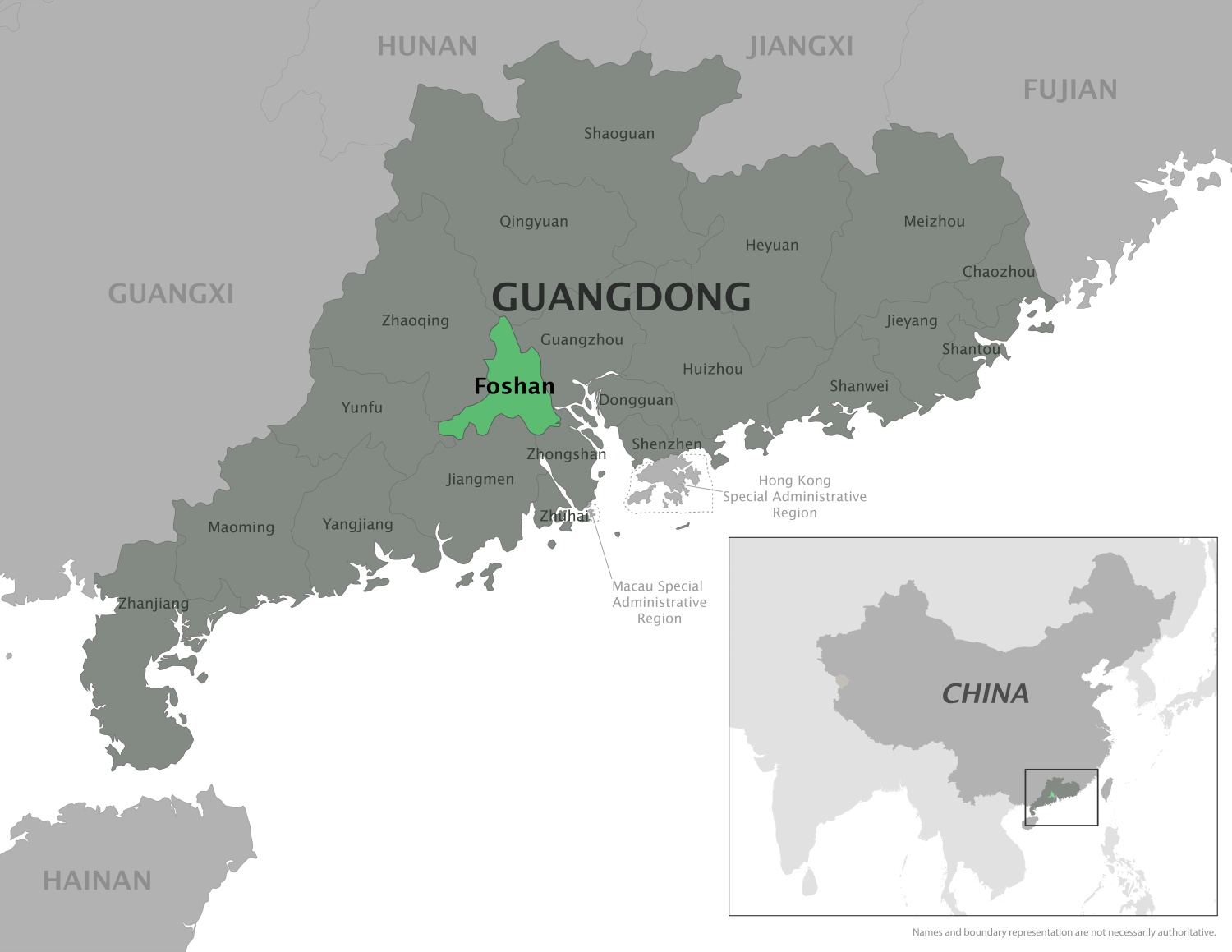
The Government of Hong Kong Centre for Health Protection (CHP) of the Department of Health (DH) announced today that Hong Kong has recorded a total of 13 imported confirmed chikungunya fever (CF) cases this year.
The CHP stated that from 2016 to 2019, Hong Kong recorded between one and 11 imported CF cases annually.
Since millions of people visit Hong Kong annually, the data reflects a minor health risk to visitors in this Special Administrative Region of China.
"According to information from the Guangdong Provincial Disease Control and Prevention Administration, there were 178 new CF cases in Guangdong during the past week (August 31 to September 6), showing a further decrease compared to the previous two weeks, which reported 225 cases (August 24 to 30) and 336 cases (August 17 to 23) respectively., in a media release on September 8, 2025.
"All cases were mild, with no severe or fatal cases reported. Although the number of new CF cases in Guangdong Province has continued to decline over the past month, many countries worldwide are still experiencing CF outbreaks."
"Members of the public should check the situation of the destinations before travelling abroad," the Controller of the CHP, Dr Edwin Tsui, commented.
The CHP's Port Health Division continues to step up inspections at boundary control points and to remind cross-boundary public transport operators and other relevant parties to ensure good environmental hygiene and effective implementation of anti-mosquito measures.
The public should call 1823 in case of mosquito problems in Hong Kong.
In late August 2025, the U.S. CDC's Level 2 Travel Health Advisory confirmed a CF outbreak in Guangdong Province, China. Most of the 10,000 cases have been reported in Foshan City.
The CDC recommends vaccination for travelers visiting an area with a chikungunya outbreak.
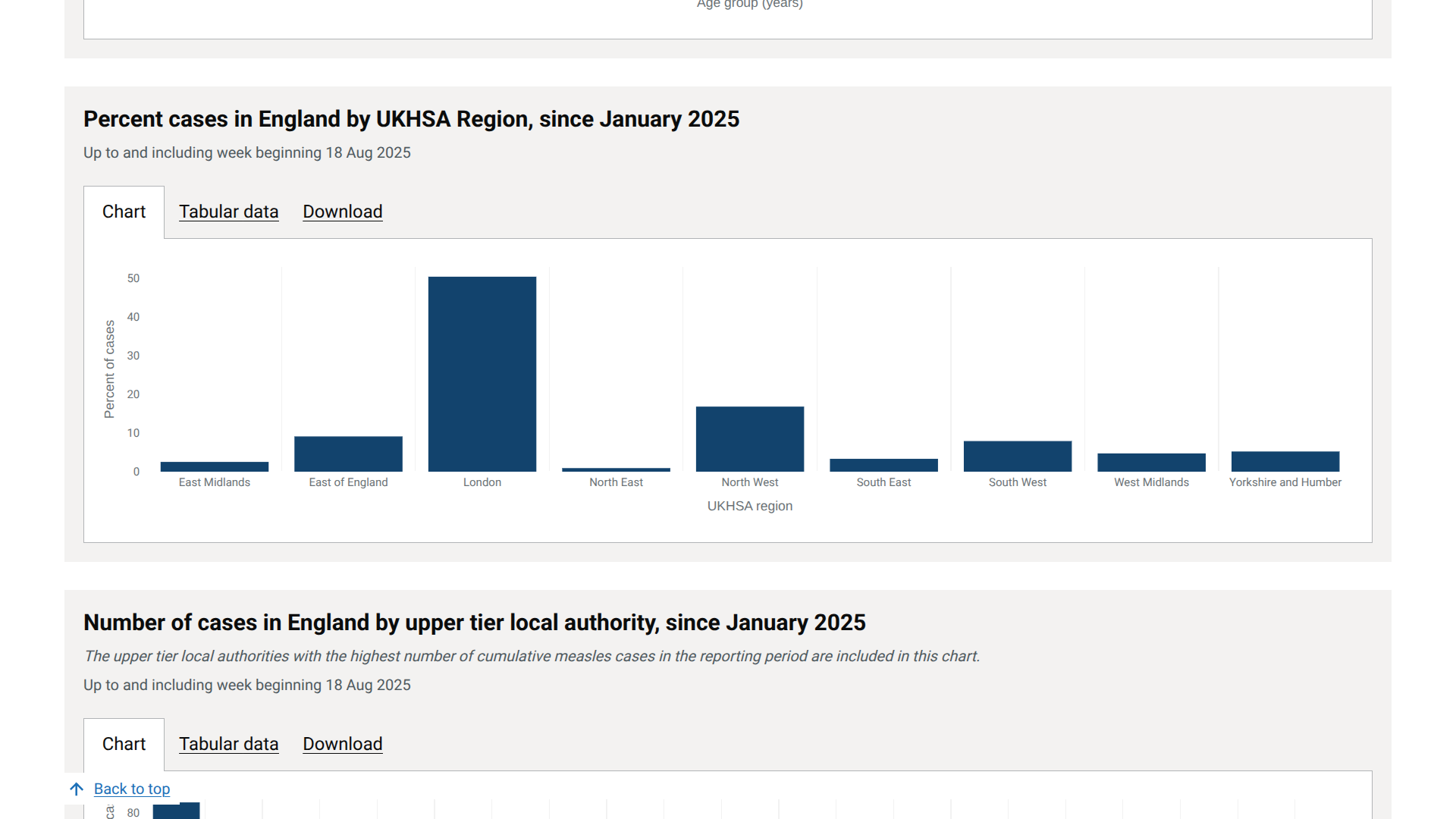
While the global measles outbreak has been recorded in numerious cities, in the United Kingdom, London has reported the most cases this year.
Since January 2025, the UKHSA has reported a total of 742 laboratory-confirmed measles cases in England, with 50% of these cases occurring in the London region.
This data is concerning since London welcomes over 20 million international travellers each year.
Since May 2025, the U.S. CDC's Level 1 Travel Health Advisory has confirmed that measles remains an ongoing risk worldwide, with an increasing number of international travelers contracting the disease. Travelers can catch measles in various travel settings, including travel hubs such as airports and train stations, on public transportation like airplanes and trains, at tourist attractions, and at significant, crowded events.
Infected travelers can bring the disease back to their home communities.
The CDC recommends that all international travelers be fully vaccinated against measles with the measles-mumps-rubella vaccine, in accordance with the CDC's measles vaccination recommendations for international travel.