Search API


The Government of Hong Kong's Centre for Health Protection (CHP) of the Department of Health announced today that Hong Kong has recorded a total of 18 confirmed travel-related Chikungunya Fever (CF) cases this year.
The CHP data for September 17, 2025, indicates a substantial increase from 2016 to 2019, during which Hong Kong recorded between one and 11 imported cases annually.
Additionally, the Food and Environmental Hygiene Department continues to conduct vector investigations and targeted mosquito control operations. It intensifies mosquito prevention and control measures at the residences of recently confirmed patients, as well as at locations visited after the onset of symptoms.
The public should call 1823 in case of mosquito problems.
Furthermore, the CHP's Port Health Division continues to step up inspections at boundary control points, reminding cross-boundary public transport operators and other relevant parties to ensure good environmental hygiene and the practical implementation of anti-mosquito measures.
Currently, there are no travel restrictions when visiting Hong Kong, a popular tourist destination.
According to recent information from the Guangdong Provincial Disease Control and Prevention Administration, although the situation in Guangdong Province has been under control since late August 2025, with only sporadic new cases reported daily, Chikungunya outbreaks continue in many countries worldwide.
In Asia, India and Indonesia recorded more than 32,000 and 17,000 CF cases, respectively, in 2025.
As of early 2025, the U.S. CDC maintains a Level 2 - Practice Enhanced Precautions, Travel Health Advisory, focused on Chikungunya outbreaks for countries in Asia and the Indian Ocean.
The CDC recommends vaccination for specific travelers visiting an area with a Chikungunya outbreak.
As of mid-September 2025, the UK states that, on an exceptional basis, vaccination can be considered for individuals aged 12 years and older. In these situations, further expert advice should be considered.
The final decision on vaccination rests with the health professional and the traveller after a detailed risk assessment has been performed.

While the actual number of typhoid cases in the United States is debatable, the U.S. Centers for Disease Control and Prevention (CDC) estimates that 5,700 cases of typhoid fever occur in the USA each year.
The CDC reports that nearly all confirmed cases (350) occur among international travelers.
Most travelers diagnosed with typhoid in the USA have returned from South Asia, primarily Bangladesh, India, and Pakistan.
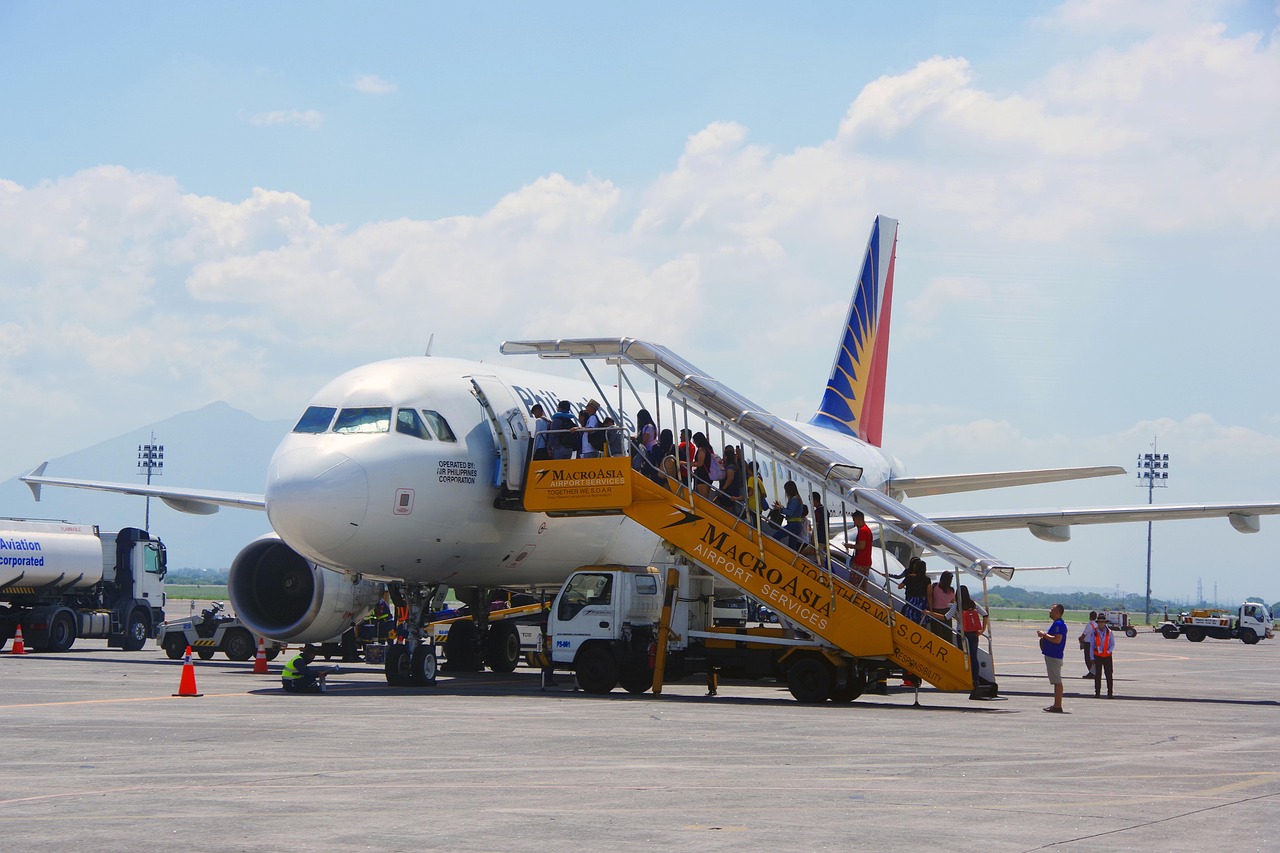
As an example, the Philippines has reported 344 cases and three fatalities in Negros Occidental in early 2025.
According to the U.S. CDC, typhoid is a vaccine-preventable disease. It is caused by Salmonella typhi bacteria, which spreads through contaminated food and water or through close contact with someone who is infected. A gradual onset of fever over 3–7 days is typical, and life-threatening complications can arise in the second week of untreated illness.
When visiting the Philippines in 2025, the CDC recommends that most travelers, especially those staying with friends or relatives or visiting smaller cities or rural areas, take steps to prevent disease.
In an unrelated article published by The Lancet on September 3, 2025, the author wrote, 'vaccines are available for prevention of typhoid disease, including the newer, more effective typhoid Vi-conjugate vaccines.'
'Vaccination as well as water, sanitation, and hygiene measures are cornerstones of prevention.'
Since the beginning of 2025, the European Centre for Disease Prevention and Control (ECDC) has identified ten countries in Europe reporting human cases of West Nile virus (WNV) infection: Albania, Bulgaria, France, Greece, Hungary, Italy, Romania, Serbia, Spain, and Türkiye.
As of September 17, 2025, the ECDC reported Spain has confirmed 8 WNV cases this year.
In southern Spain, north of Gibraltar, mosquito control efforts have begun after infected mosquitoes carrying WNV were found in Benalup-Casas Viejas, in the Cadiz region. This city has a population of 6,754, but is a tourist favorite in 2025.
The Andalusian Health Department recently announced that the Seville municipality of Guillena is now on alert after the virus was detected in mosquitoes and confirmed the first case of WNV in the autonomous community.
In total, 109 Andalusian municipalities are at a high risk level or in an alert area situation, distributed across all provinces.
Spain's initial human case of autochthonous WNV lineage two was confirmed in 2024. This detection linked the strain to Central Europe. In total, 158 people were infected, with 20 dying from related complications in 2024.
From a disease prevention perspective, the U.S. CDC recommends avoiding mosquito bites since there are no WNV vaccines available in 2025.
Additionally, the CDC reports an increased risk of exposure to poliovirus in Spain, advising visitors to be fully vaccinated.


During 2025, various African countries have reported outbreaks of cholera, which have killed tens of thousands of people.
This vaccine-preventable and treatable disease is caused by drinking water or eating food contaminated with cholera bacteria, such as raw shellfish.
According to the Africa Centers for Disease Control and Prevention (ACDC) Epidemic Intelligence Weekly Report, since the beginning of 2025, over 75,000 cholera cases and 490 deaths (CFR: 0.66%) have been reported across 22 African Union Member States this year.
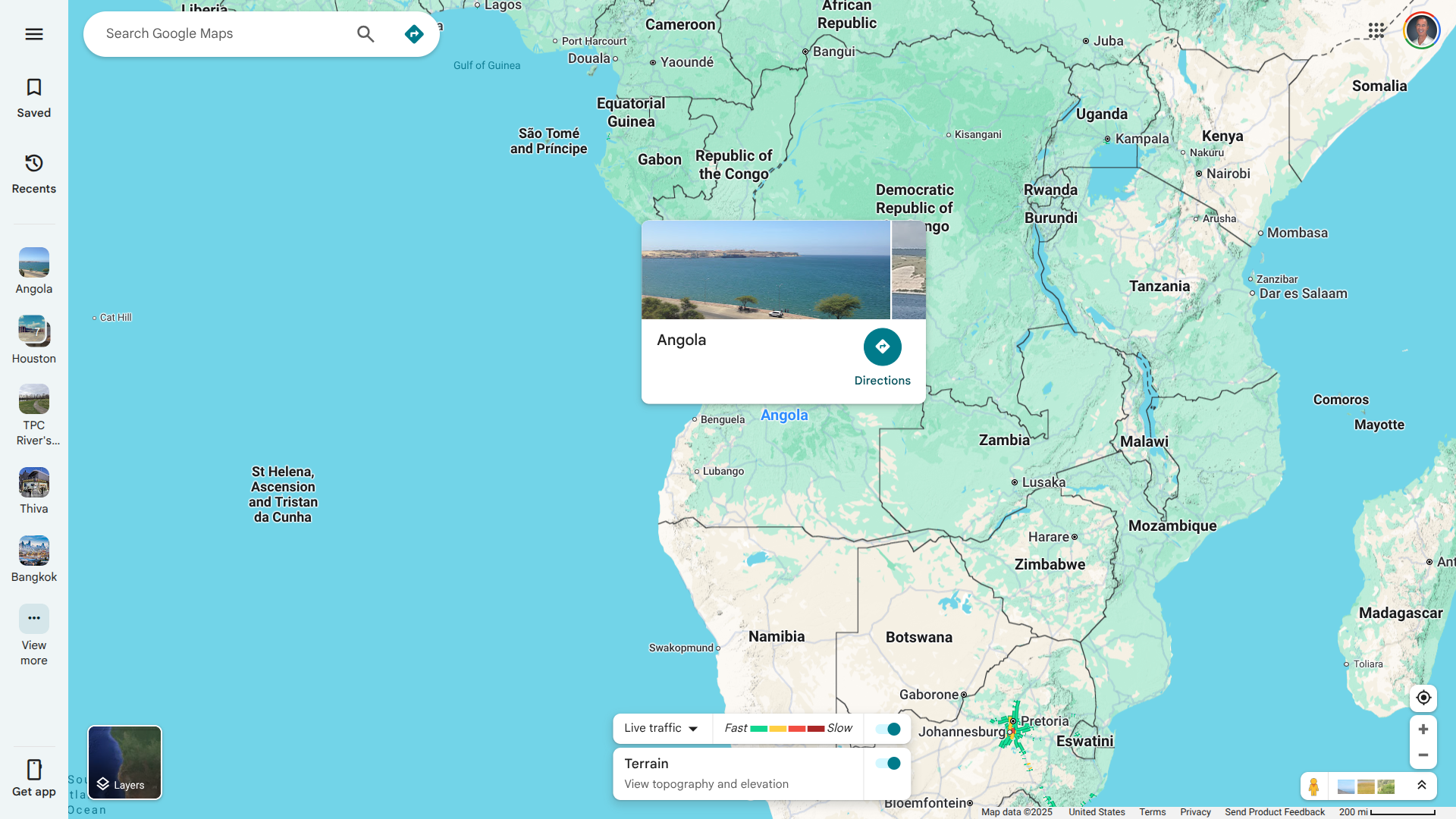
Specifically, the Republic of Angola has been the most impacted country this year.
The ACDC reported on September 15, 2025, that between January and early September, a total of 28,102 cases of cholera had been reported from 18 of the 21 Angolan provinces.
Most upsetting, there has been a 46% average increase in the number of new cases reported in the last four weeks.
The U.S. CDC recommends that if you're traveling to an area where cholera is present, or where the water and food are unsafe to drink and eat, follow these five prevention measures: visit a doctor or travel clinic/pharmacy to discuss cholera vaccination options.
In addition to cholera vaccination, the CDC recommends travel vaccines to protect travelers from measles and polio outbreaks in Angola, which is located on Africa's southwest coast.
Now in its third decade of serving travelers in Central Texas, Austin–Bergstrom International Airport welcomed over two million visitors last month, many of whom arrived from overseas.
Unfortunately, this year, eight visitors to Travis County, and Austin, Texas, contracted the Dengue virus while traveling abroad.
Last year, Travis County reported 18 travel-related cases of Dengue, the most in Texas.
According to the Texas Department of State Health Services' (DSHS) arbovirus weekly report #36, there have been 31 travel-related Dengue cases reported in Texas this year.
This news is relatively positive compared to 2024, when 143 imported Dengue cases and one related fatality occurred across 23 Texas counties.
Texas is not alone in reporting fewer Dengue cases in 2025.
Throughout the United States, 3,045 cases of mosquito-transmitted Dengue have been confirmed this year.
In 2024, 53 U.S. jurisdictions reported 9,391 Dengue cases.
Only a few states, such as Florida, reported locally acquired Dengue cases last year.
And in the Region of the Americas, as of epidemiological week 34, a total of 3,740,133 suspected cases of Dengue were reported in 2025. This data represents a 68% decrease compared to the same period in 2024.
To enhance disease detection, the U.S. Centers for Disease Control and Prevention (CDC) advised clinicians in July 2025 to consider Dengue in patients with fever who live in or have recently traveled to areas with a risk of Dengue.
Furthermore, to alert international travelers to this health risk, the CDC reissued a Global Travel Health Notice on August 21, 2025, regarding Dengue outbreaks in the Americas, Africa/Middle East, and Asia/Pacific regions, in countries such as India, Singapore, Thailand, the Philippines, Malaysia, and Myanmar.
From a disease prevention perspective, the CDC says mitigating mosquito bites is the best option, as access to Dengue vaccines in the USA is currently limited to children in Puerto Rico.

According to the latest weekly update from the Global Polio Eradication Initiative (GPEI), three countries have reported new cases of polio.
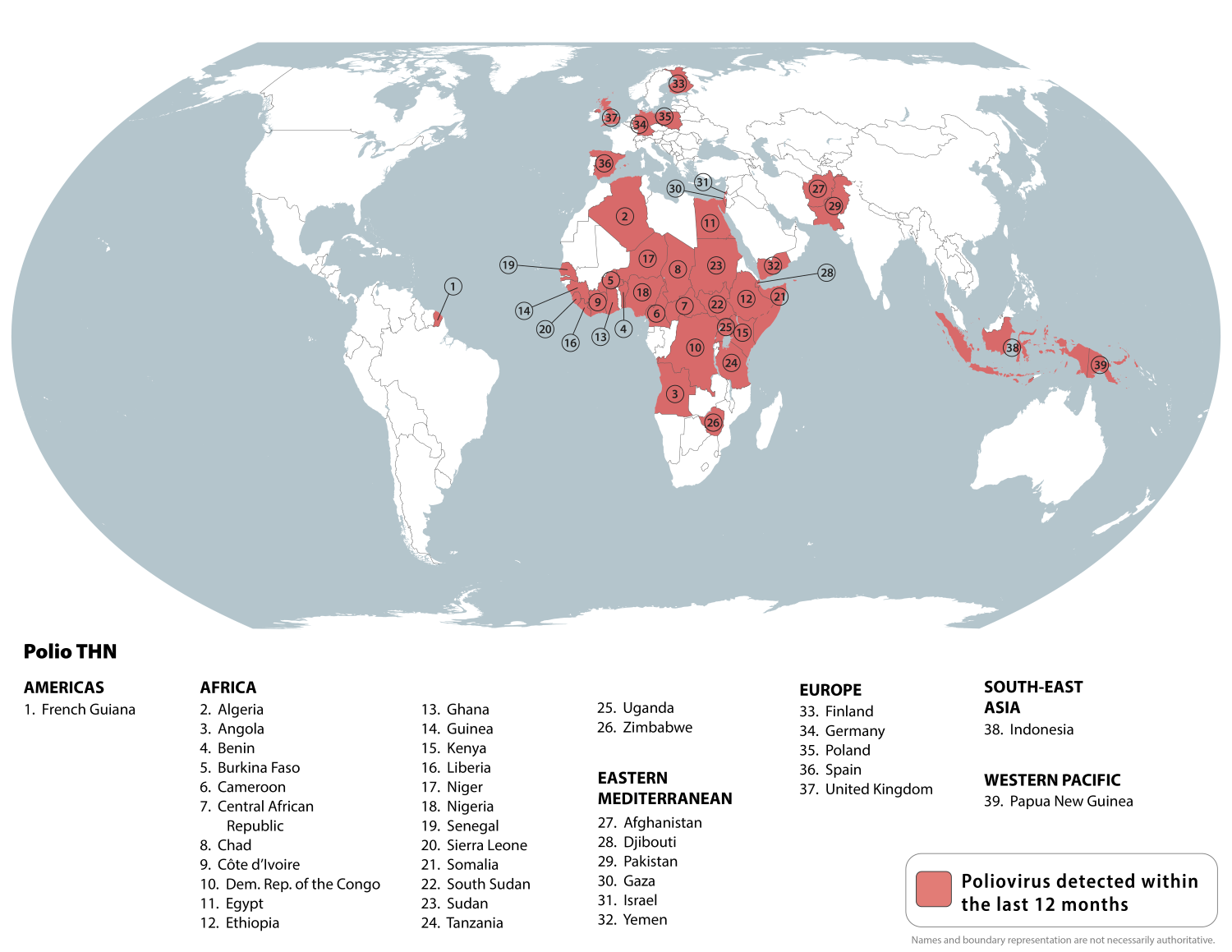
As of September 15, 2025, the GPEI confirmed that Chad, Nigeria, and Somalia reported vaccine-derived poliovirus types.
In the Federal Republic of Nigeria, four cVDPV2 cases were reported this week, two from Sokoto, and one each from Zamfara and Kaduna.
The total number of cases reported in Nigeria this year is 28. The number of cases from 2024 remains 98.
To alert international travelers of this serious health risk, the U.S. CDC published a Level 2 - Practice Enhanced Precautions, Travel Health Advisory in August 2025. In total, the CDC identified 39 countries where poliovirus has been identified.
The CDC advises that before traveling to any destination listed below, adults who previously completed the whole, routine polio vaccine (IPV) series may receive a single, lifetime booster dose of polio vaccine.
Polio vaccination services are offered at travel clinics and pharmacies in the USA.