Search API
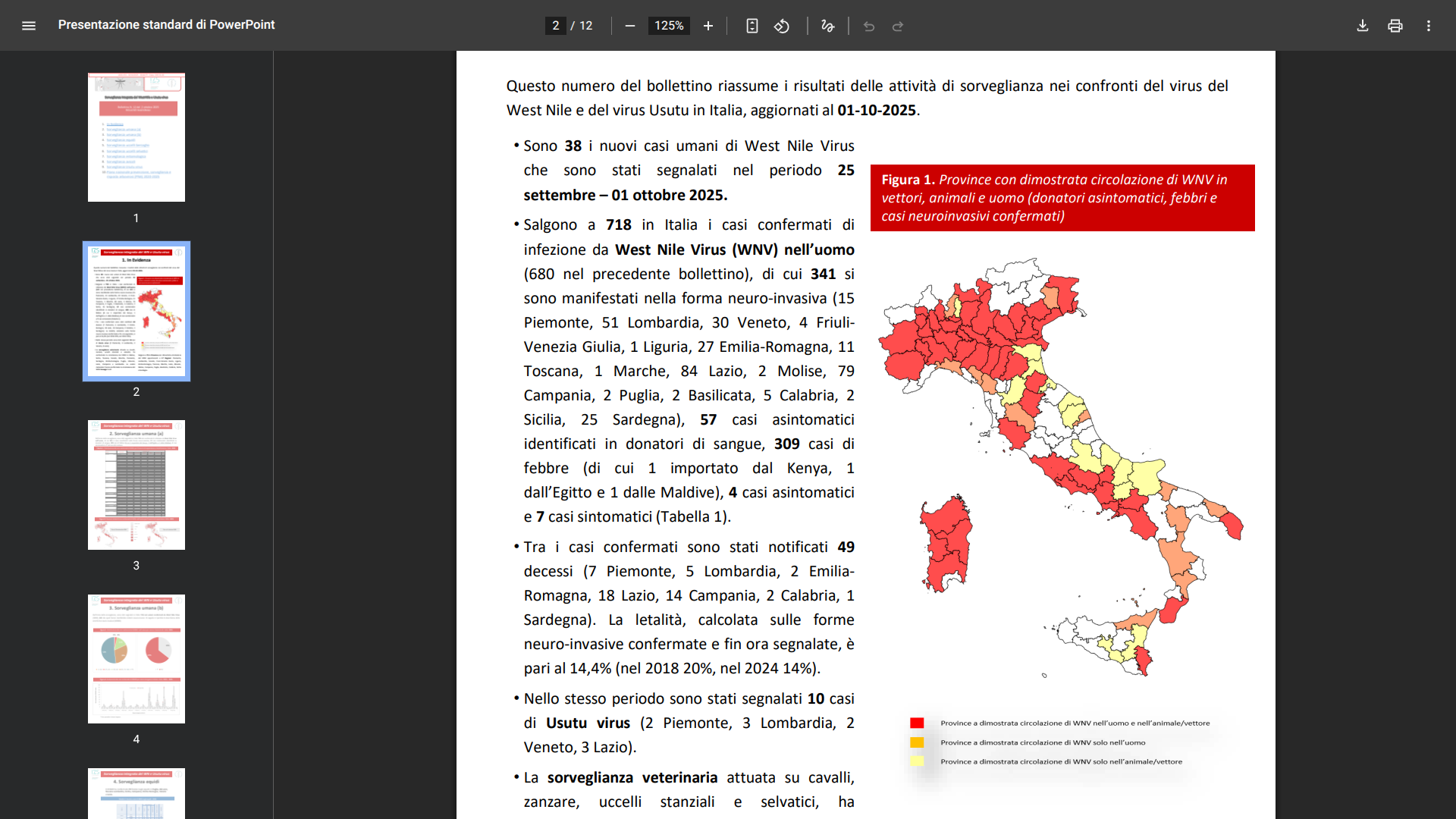
In Italy, where the West Nile virus (WNV) has become endemic, a total of 718 confirmed cases, including 49 related fatalities, have been reported in 2025.
As of October 3, 2025, the most affected regions are Lazio (252 cases), Campania (124 cases), and Veneto (91 cases).
As of September 2025, Italy accounted for 76.3% of all reported human cases and for 79.6% of all reported outbreaks in equids and birds, underscoring the significant WNV activity in the country.
Italy is not alone in reporting mosquito-transmitted WNV cases this year in Europe, as Albania, Bulgaria, France, Greece, Hungary, Romania, Serbia, Spain, and Türkiye have confirmed cases to the European Centre for Disease Prevention and Control.
Following several years of research, WNV vaccines remain unavailable in 2025.
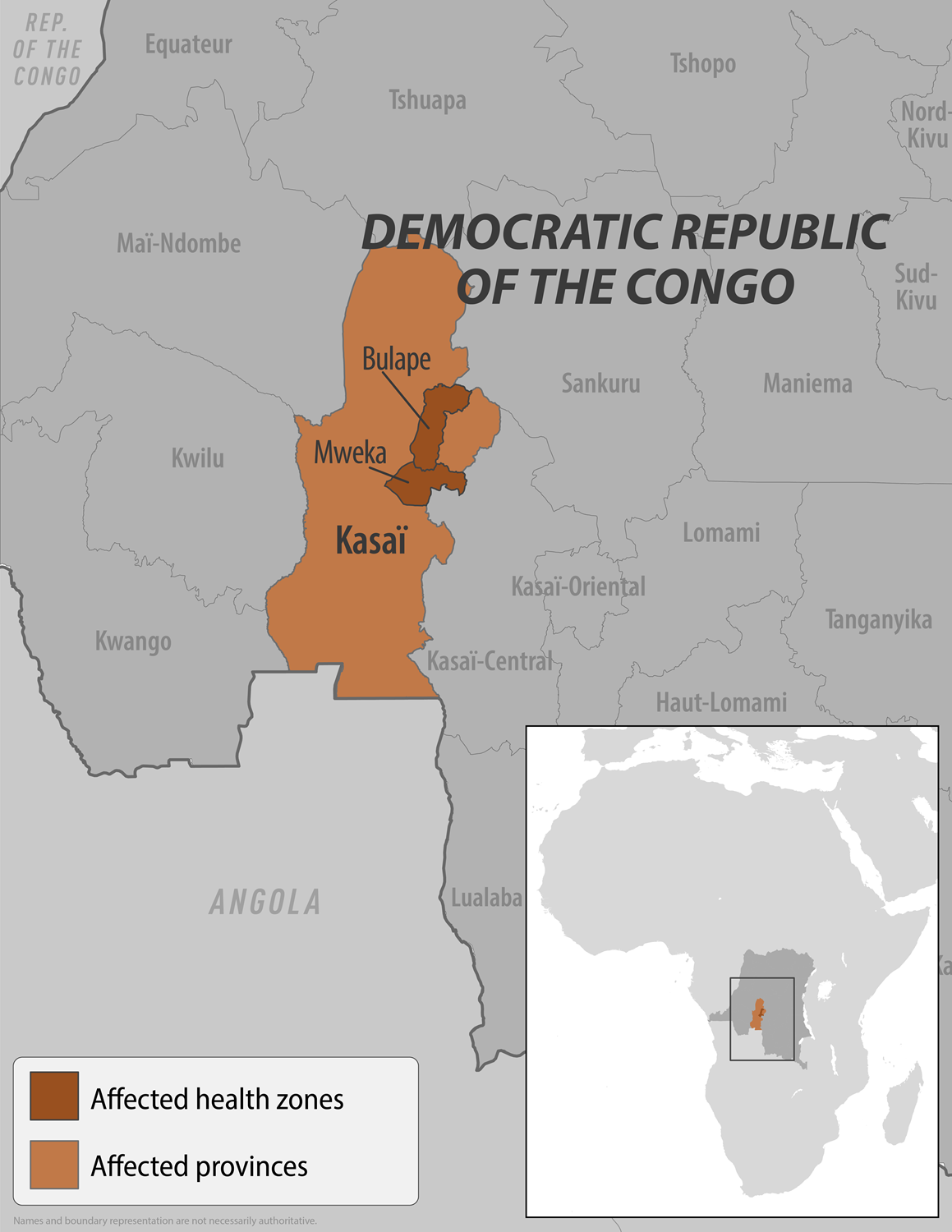
The 16th Ebola virus disease (EVD) outbreak in the Democratic Republic of the Congo (DRC) continues as of October 2025; however, there are signs of a notable decline in transmission.
As of the end of September 2025, a total of 64 cases (53 confirmed and 11 probable), including 42 deaths (31 confirmed, 11 probable), have been reported from Bulape Health Zone, Kasai Province, Democratic Republic of the Congo.
Since the World Health Organization (WHO) Situation Report #2, a total of seven new EVD cases have been reported. The latest cases were detected across three areas within Bulape Health Zone, namely, Bulape, Mpianga, and Dikolo.
During the same reporting period, seven deaths occurred among newly identified and previously hospitalized cases.
The overall case fatality ratio (CFR) during this, the 16th EVD outbreak in the DRC, is 65.6% (64 cases, 42 deaths).
The U.S. CDC recently stated that, although not commercially available in the USA, an FDA-approved vaccine exists for the prevention of Ebola virus (species Orthoebolavirus zairense). It is currently available to select individuals in specific occupations (e.g., outbreak responders).
Contact your healthcare provider to discuss eligibility and access to the Ebola vaccine (Ervebo), as recommended by the CDC.
Additionally, the CDC recommends vaccinations for measles, polio, and several routine diseases before visiting the DRC in 2025.
The U.S. Centers for Disease Control and Prevention's (CDC) Vessel Sanitation Program (VSP) reports on various norovirus outbreaks onboard cruise ships.
According to the CDC's recent report, the Serenade of the Seas's current voyage (September 19, 2025–October 2, 2025), about 5% of passengers (94 of 1,874) experienced diarrhea and vomiting related to norovirus infections while traveling from San Diego to Miami.
The CDC reported on September 30, 2025, that, in response to the outbreak, Royal Caribbean International and the ship's crew implemented several measures, including enhanced cleaning and disinfection procedures, as outlined in their outbreak prevention and response plan.
The CDC wrote that norovirus is often a cause of GI illness outbreaks on cruise ships, but we don't always know the cause of the outbreak when we begin an investigation. Identifying the agent that caused an outbreak can take time.
So far in 2025, the VSP has identified approximately 19 cruise ship outbreaks, 15 of which were caused by norovirus.
The VSP reported 15 norovirus outbreaks aboard cruise ships in 2024.
While there are no approved norovirus vaccines available in 2025, a recent study showed that an oral vaccine candidate triggers antibodies that can neutralise a wide range of norovirus strains. It may also reduce the amount of virus that infected people shed, raising hopes that a broadly protective vaccine may be within reach.

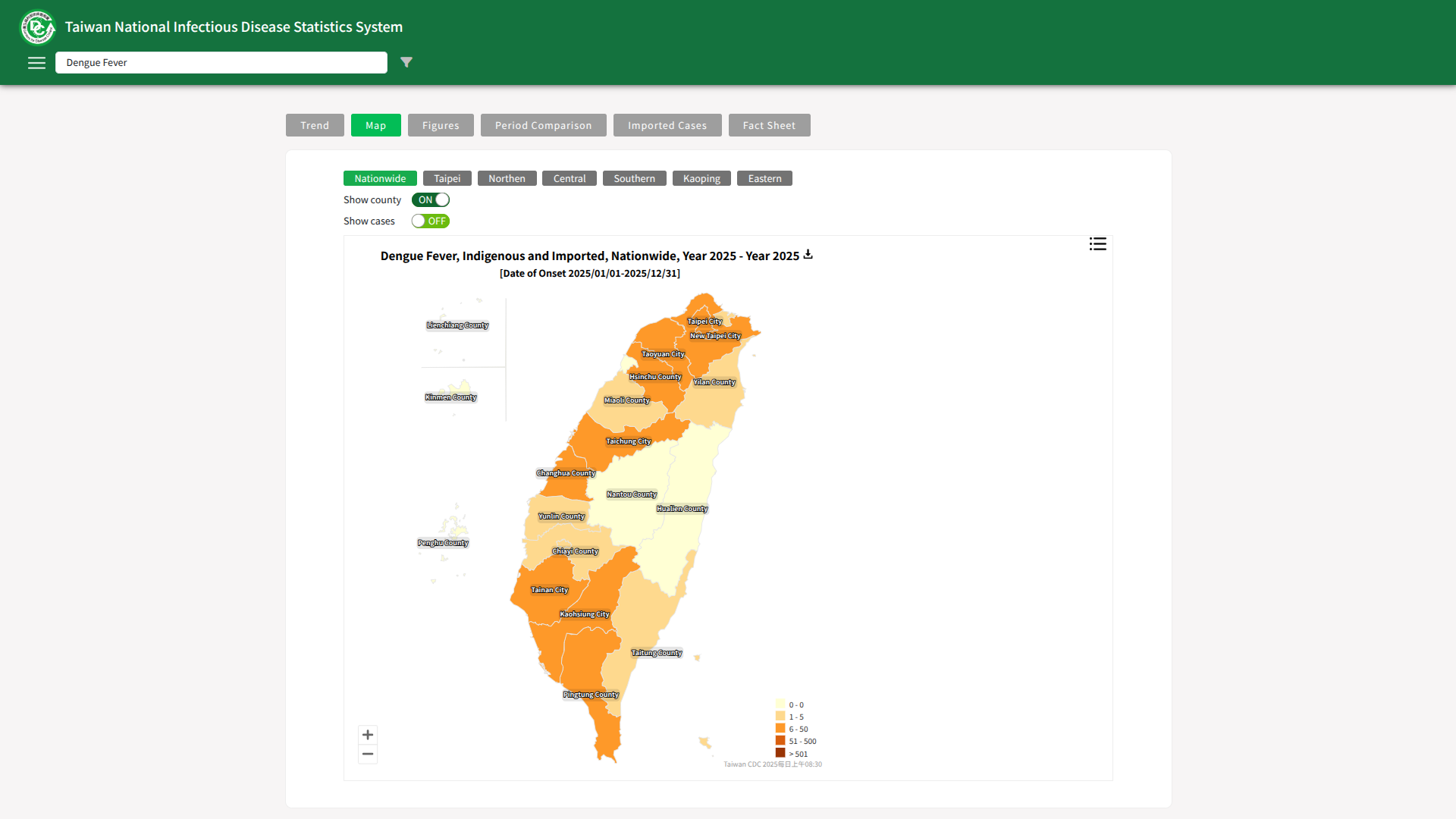
The Taiwan Centers for Disease Control (TCDC) recently announced new cases of mosquito-transmitted Dengue fever this year.
As of the end of September 2025, there have been 17 confirmed local cases of Dengue, with residents in Kaohsiung City (12 cases), Taoyuan City (4 cases), and Yilan County (1 case).
The TCDC reminds that although autumn has arrived, temperatures remain relatively high, making them suitable for the growth of mosquitoes that carry the disease. The public is advised to implement a "patrol, empty, sweep, and brush" approach to eliminate breeding sources to reduce mosquito density.
Additionally, the total number of imported cases this year is 181, the second-highest number in the same period over the past six years.
Most of the cases originated from Southeast Asian countries (92%), with Indonesia leading the way (56 cases), followed by Vietnam (42 cases), the Philippines (24 cases), and Thailand (20 cases).
Dengue cases have recently increased in neighboring Asian countries such as Bangladesh and China, with case numbers in Bangladesh, China, Vietnam, Sri Lanka, and Cambodia also exceeding the same period in 2024.
Taiwan medical institutions are also urged to heighten their vigilance and inquire more closely about patients' travel, occupational, contact, and social history.
They are also encouraged by the TCDC to use the dengue fever NS1 rapid screening test to assist in diagnosis and report cases early, enabling health authorities to implement preventive measures.
As of October 2025, fewer travel-related Dengue cases had been reported in the United States. However, the State of Florida continues to report both travel-related and locally acquired cases in 2025.
While Dengue is a vaccine-preventable disease, the current second-generation vaccine is unavailable in the United States.
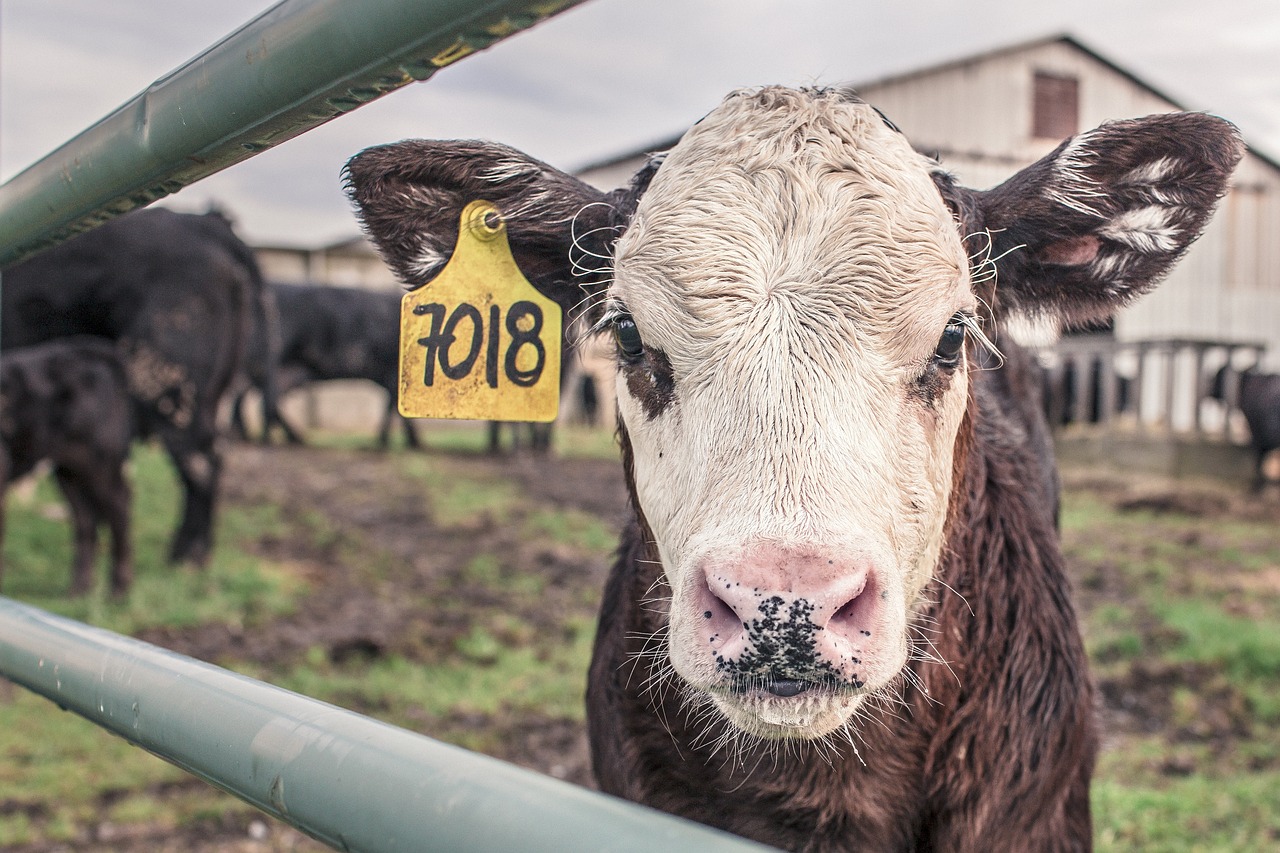
The U.S. Food and Drug Administration recently conditionally approved Dectomax-CA1 (doramectin injection) injectable solution for the prevention and treatment of New World screwworm larval infestations, as well as the prevention of NWS reinfestation for 21 days.
Dectomax-CA1, sponsored by Zoetis, is based in Michigan and is conditionally approved for use in cattle only, not for human use.
"We understand the urgency with which America's farmers and ranchers are asking for tools to fight New World screwworm," said FDA Commissioner Marty Makary, M.D., M.P.H., in a press release on September 30, 2025.
"Today's conditional approval – the first in the U.S. for NWS – shows our dedication to rapidly advancing important animal medicines when they are needed most. We continue to work tirelessly to complete the review of other NWS products to protect multiple animal species in the U.S."
Dectomax-CA1 is eligible for conditional approval because it is intended to prevent and treat a serious or life-threatening disease in cattle, it addresses an unmet animal health need, and demonstrating the effectiveness of the drug would require complex or complicated studies.
Dectomax is already fully approved under a New Animal Drug Application for treatment and control of specific nematode and arthropod parasites in cattle and swine. NWS fly larvae burrow into the flesh of cattle, causing severe wounds and death if untreated.
Dectomax and Dectomax-CA1 contain the same active ingredient (doramectin injection) at the same dose. Because the original approval of Dectomax included adequate target animal safety studies, manufacturing information, and human food safety information, the FDA did not require new information to support those aspects for the conditional approval of Dectomax-CA1.
To reduce the risk of antiparasitic resistance and preserve the effectiveness of drugs against other parasites, producers and veterinarians are encouraged to use antiparasitic drugs like Dectomax-CA1 only when medically necessary, in accordance with the product labeling, and as part of a comprehensive parasite management strategy.
According to the U.S. CDC, NWS is typically a disease of livestock but can also affect humans with open wounds; it can also occur in other body cavities with mucus membranes (e.g., nasal passages).
There is no medication to treat NWS; prevention and prompt removal are key.
As of late September 2025, NWS infections had been detected in the Mexican state of Nuevo Leónles, than 100 miles from the Texas border.
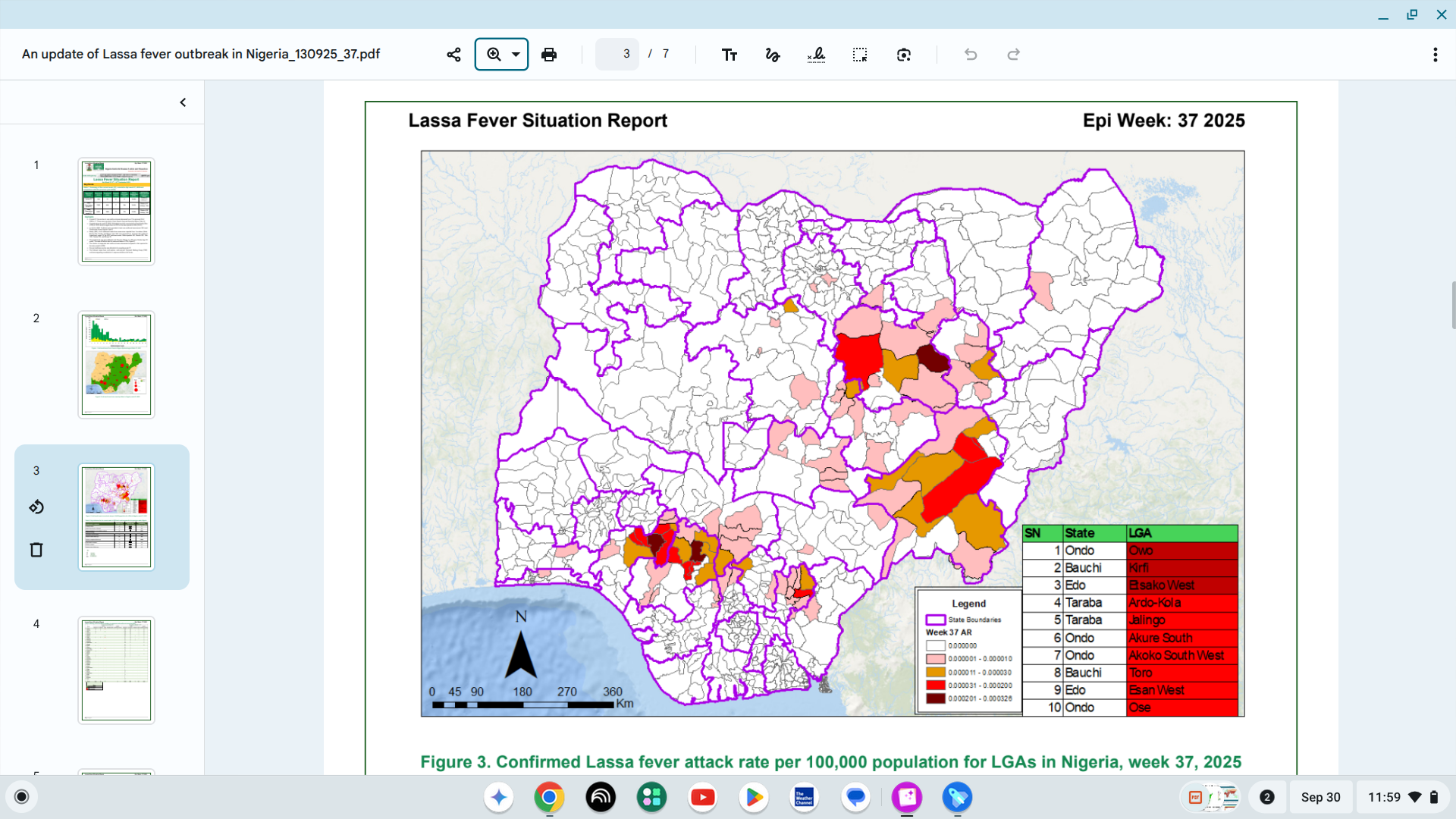
The Nigeria Centre for Disease Control and Prevention (NCDC) reported that since January 2025 and mid-September, a total of 7,673 suspected Lassa fever cases and 166 related fatalities have been reported.
Cumulatively, as at week #37, the Case Fatality Rate was 18.5%.
Ninety percent of confirmed cases are from the Nigerian states of Ondo, Bauchi, Edo, Taraba, and Ebonyi.
According to the NCDC, Lassa fever is an acute viral illness likely present in West African countries. The Lassa virus is primarily transmitted to humans via contact with food or household items contaminated with rodent urine or faeces.
As of September 30, 2025, the U.S. CDC has issued Travel Health Notices for diphtheria, measles, and polio, but not Lassa Fever. While approved vaccines are available for the three diseases, there are no vaccines available for Lassa.
However, the International AIDS Vaccine Initiative has developed a Lassa fever vaccine candidate, which is currently being evaluated in a Phase IIa clinical trial in Ghana, Liberia, and Nigeria.
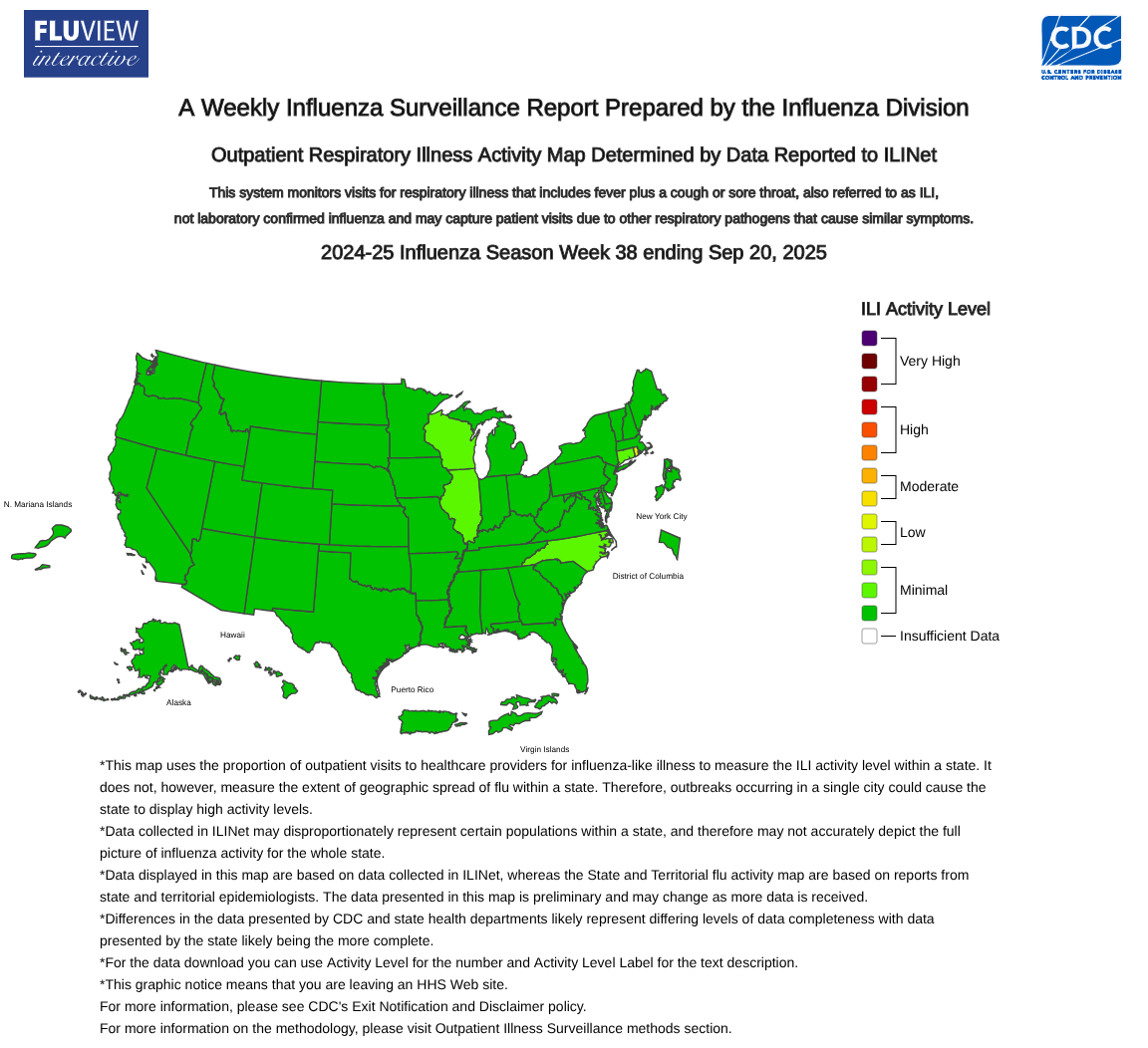
The US CDC recently published its Weekly US Influenza Surveillance Report: Key Updates for Week 38 of 2025, which indicates very few influenza cases have been reported this season.
As of late September, the percentage of respiratory specimens testing positive for the influenza virus in clinical laboratories was 0.4%. However, the 2025-2026 flu season generally accelerates in late Fall, peaking during the winter months.
This influenza test data indicates that people are seeing healthcare providers for respiratory illnesses referred to as influenza-like illnesses (fever plus cough or sore throat), not laboratory-confirmed influenza.
The CDC writes that this data may capture respiratory illness visits due to infection with any pathogen that can present with similar symptoms, including influenza, SARS-CoV-2, and RSV.
According to the World Health Organization (WHO), seasonal influenza vaccination can mitigate the impacts of annual outbreaks by preventing and mitigating the severity of infections.
As of mid-2025, 130 countries reported that seasonal flu shots were available in the public and/or private sector.
In the United States, as of September 30, 2-25, almost every pharmacy is currently offering influenza vaccinations.
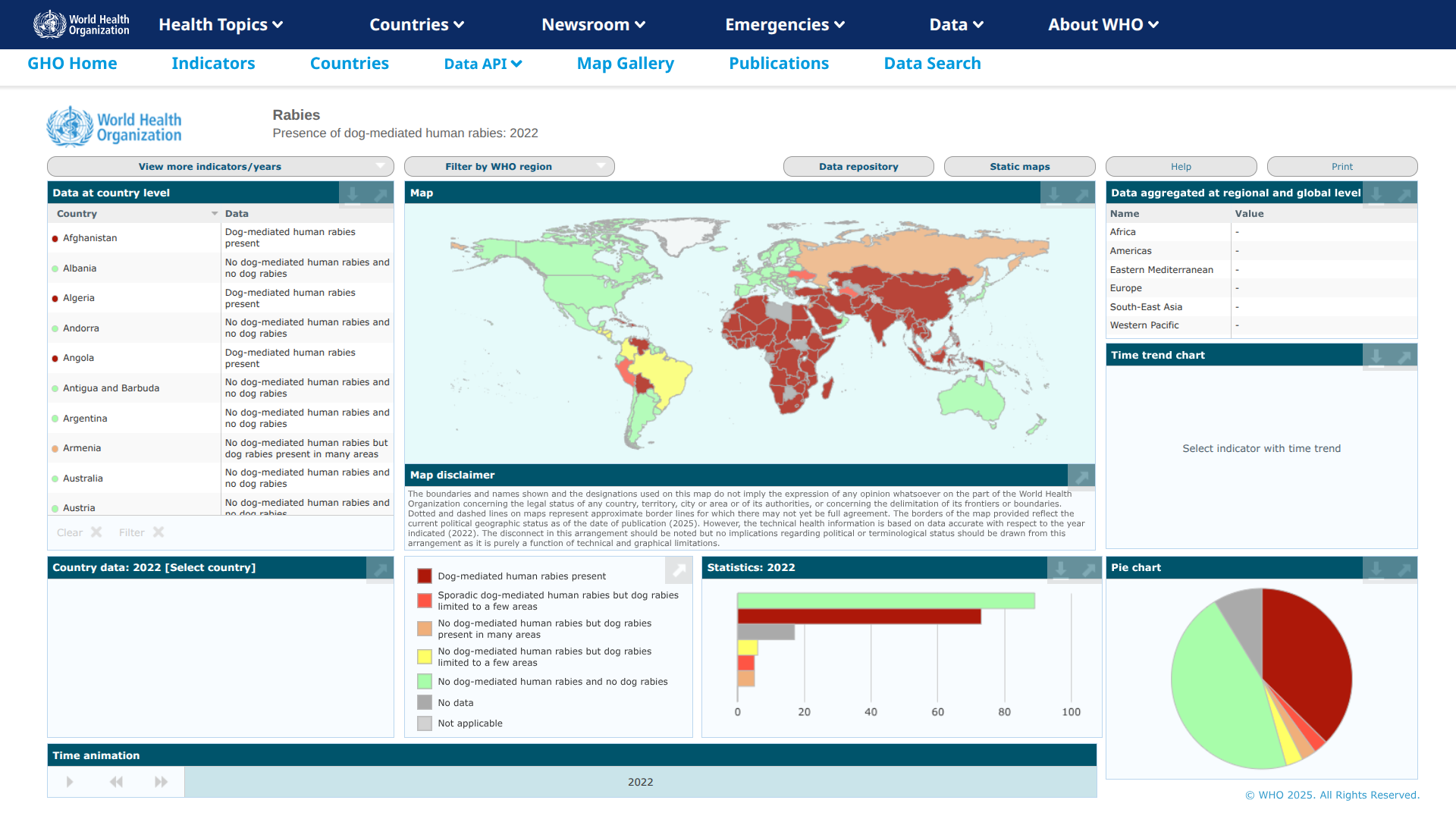
Since rabies is a viral disease that is almost always fatal following the onset of clinical signs, immediate action is the best solution. 2025 marks the 19th World Rabies Day with the theme "Act Now: You, Me, Communities."
For the first time in its 19-year history, the theme does not include the word "rabies," highlighting the well-established nature of this movement, wrote the World Health Organization (WHO) on September 28, 2025.
"Whether you are an individual, part of an organization, or a decision-maker, the time to act is now."
The WHO Global Health Observatory has been updated to include newly available rabies data, supporting data-driven policy and programming. This platform offers a clearer picture of global progress and remaining gaps in data and surveillance.
Globally, most rabies cases are attributed to dog bites, according to the WHO.
However, in the United States, most rabies infections in people are a byproduct of infected bat bites.
The U.S. CDC states that rabies post-exposure prophylaxis includes wound care, human rabies immune globulin, and a four-dose vaccine series.
As a preventive measure, Bavarian Nordic's RabAvert® rabies vaccine is often recommended by travel clinics and pharmacies in the U.S.