Search API
Bavarian Nordic A/S recently reported topline results from a phase 2 clinical study of its MVA-BN® (JYNNEOS®) mpox/smallpox vaccine in children 2 to 11 years of age.
Topline results from the study, comprising 451 individuals evaluable for the primary endpoint, showed that the immune response in children (n=227) two weeks after the second vaccination with MVA-BN was non-inferior to the adult group (n=224), with the highest immune responses observed in the youngest subgroup of children aged 2-5 years.
While the safety and immunogenicity generated from this study in adults were comparable to historical data with MVA-BN, the immune response in children was 2.5 times higher than in the adult group, as demonstrated by neutralizing antibody titers.
The vaccine's safety profile is similar to that of adults and has no unexpected signals.
Nina Wressnigg, Head of Clinical Development Science at the Coalition for Epidemic Preparedness Innovations (CEPI), commented in a press release on October 7, 2025, "Mpox has been raging across Africa for over a year and remains a declared continental health emergency."
"Although MVA-BN has been licensed for emergency use in children in the Democratic Republic of the Congo (DRC) - the worst-affected country - many other countries lack this access, causing children to continue to bear the brunt of the suffering, marked by severe illness and possible loss of life.
"These new topline data provide additional positive findings that could expand licensure to children in more countries to control the ongoing outbreak."
Pending final results from the study, Bavarian Nordic plans to submit the data to the European Medicines Agency (EMA) in 2026 to support an extension of the vaccine's approval to include children aged 2 years and older.
The European Commission currently approves MVA-BN for individuals aged 12 years and older.
The findings could also expand the use of the vaccine to children in countries severely affected by the current mpox outbreak, surging in Africa, with cases also reported in other countries around the world.
MVA-BN or Modified Vaccinia Ankara-Bavarian Nordic is the only non-replicating mpox vaccine approved in the U.S., Switzerland, Singapore, Mexico, Canada (IMVAMUNE®), the EU/EAA, and the United Kingdom (IMVANEX®).
In the United States, JYNNEOS is commercailly available at clinics and pharmacies.
Recently, the Chicago Department of Public Health reported 104 cases of Mpox have been confirmed in 2025. This data is more cases than were reported over the same time period in 2023 (40) and 2024 (53) combined.
The study was co-funded by the CEPI and was conducted at sites in the DRC and Uganda.

Japan's Ministry of Health, Labor, and Welfare (MHLW) recently announced an increase in influenza cases, declaring a nationwide epidemic.
An MHLW press release issued on October 3, 2025, stated that the number of flu patients at designated medical institutions over the most recent reporting period was 4,030. This equates to 1.04 patients per institution, exceeding the 1.00 threshold that indicates the start of an epidemic.
The MHLW states everyone should take preventive measures such as hand-washing and vaccination.
As of October 8, 2025, the U.S. CDC has not issued a Travel Health Notice regarding Japan's influenza outbreak. The CDC does recommend various travel vaccines before visiting Japan.
In the United States, the CDC recently reported a very low number of influenza cases as the 2025-2026 flu season began.

The WHO's Disease Outbreak News, published in early October 2025, reconfirmed that Chikungunya virus disease is a global situation and has recently impacted the People's Republic of China.
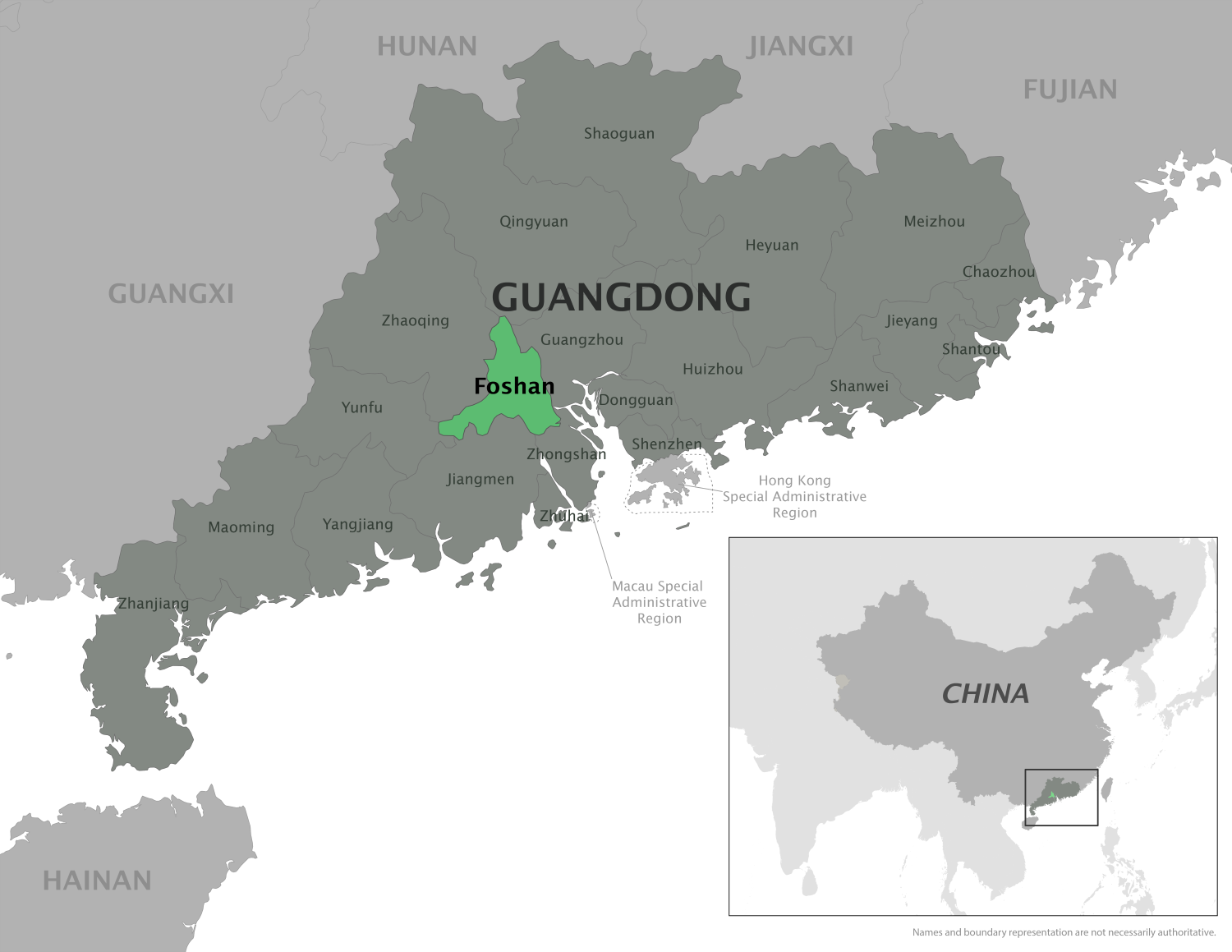
In China, a total of 16,452 locally transmitted Chikungunya cases have been reported in Guangdong Province.
According to the WHO, this represents the largest documented Chikungunya outbreak to date in China.
The cases have been reported in 21 cities, primarily in Foshan City (10,032), Jiangmen City (5,209), Guangzhou City, Shenzhen City, Zhanjiang City, Zhuhai City, and Zhongshan City.
The U.S. Centers for Disease Control and Prevention (CDC) recently updated a Level 2 Travel Health Notice regarding Guangdong Province, where mosquitoes spread the virus that causes Chikungunya.
The CDC advises visitors to this section of southeast China to protect themselves by preventing mosquito bites. Vaccination is recommended for travelers who are visiting an area with a chikungunya outbreak.
Additionally, the CDC says if you are pregnant, reconsider travel to the affected areas, particularly if you are close to delivering your baby. In general, vaccination against Chikungunya should be deferred until after delivery.
Regarding the duration of effectiveness of the new Chikungunya vaccines, Valneva SE, one of the producers, reported positive antibody persistence data four years after vaccination with a single dose of its Chikungunya vaccine IXCHIQ®.
In the United States, Chikungunya vaccination services are commercially offered at travel clinics and pharmacies.
While vaccination rates among kindergartners in Hawaiʻi improved last school year compared to the 2023-2024 school year, gaps in coverage remain a health risk.
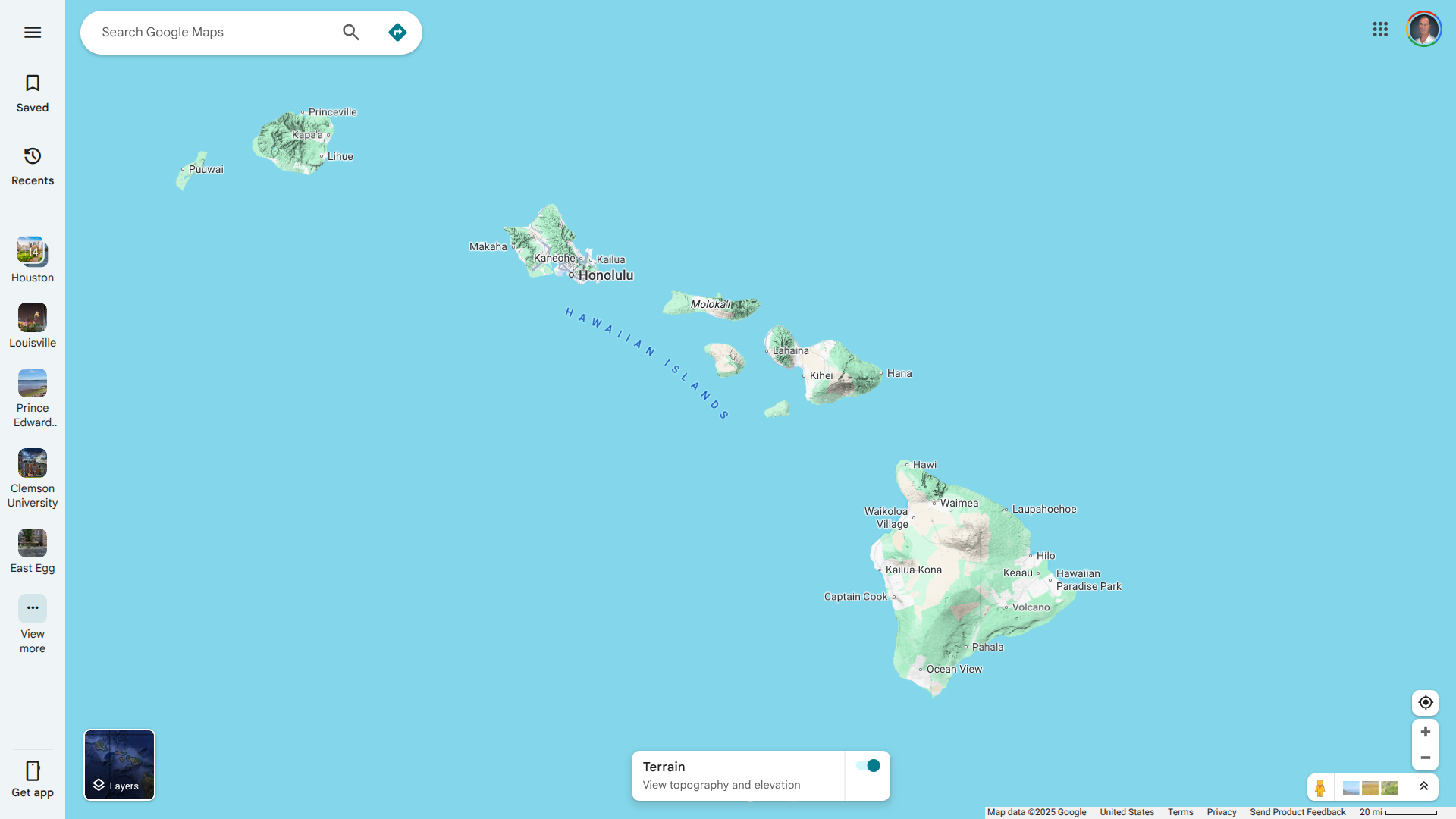
For example, the Hawaiʻi Department of Health (DOH) recently confirmed a case of mumps in an individual on Hawaiʻi Island. Mumps is a contagious viral illness that spreads through coughing, sneezing, talking, or sharing items.
On October 6, 2025, the DOH stated that The case is community-acquired and not travel-related, suggesting that mumps may currently be circulating on the island.
The DOH advises anyone who was a close contact of this person to monitor themselves for symptoms for 25 days after exposure. Anyone who develops symptoms should isolate for five days after the onset of symptoms to prevent the spread of the infection to others.
The DOH reported on October 2, 2025, that nearly 40,000 students statewide (20.7%) were not up to date with Hawaiʻi's school-required immunizations. This rate represents a slight improvement from the 21.3% of students who were not up to date as of the 2023-2024 school year.
This figure includes students with exemptions, missing records, or incomplete vaccinations.
The gap is most pronounced among seventh graders, where more than half (51.6%) were not up to date, compared to 15.6% of kindergartners.
'With record measles cases reported nationally and worldwide, as well as a recent surge of pertussis cases here in Hawai'i, the DOH urges families to check their child's vaccination records and make sure they are up to date, writes the DOH.
As of October 8, 2025, the U.S. CDC has not issued a travel alert regarding the potential risk to travelers regarding the recent mumps case. However, the DOH and CDC recommend everyone speak to a healthcare provider about MMR vaccination options.
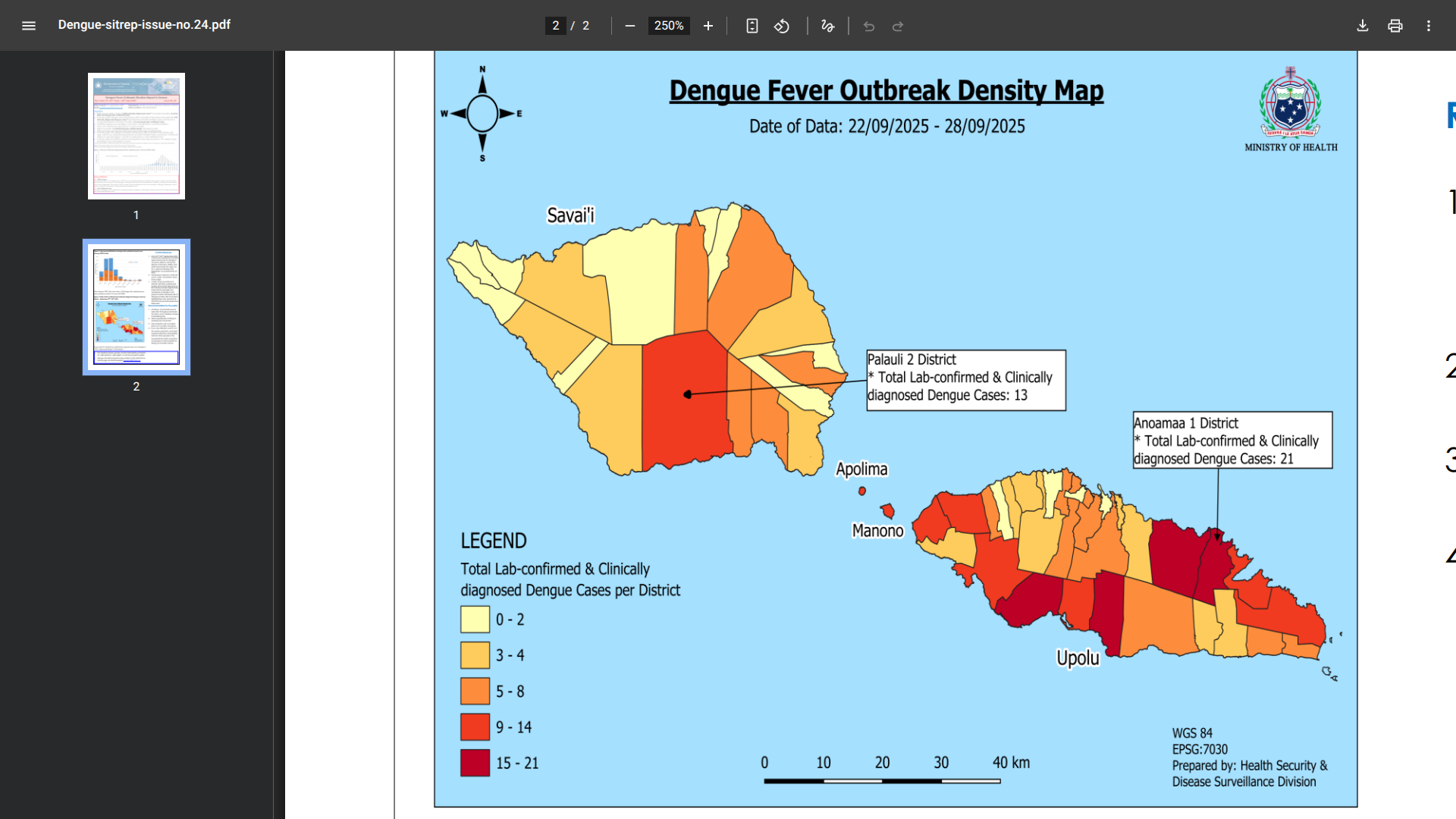
Dengue fever outbreaks have been on the rise across the Pacific Region for the last few years, and the Independent State of Samoa has been significantly impacted.
According to the latest government data (Issue No.24), as of September 29, 2025, the Samoa Ministry of Health has recorded a total of 14,435 clinically diagnosed dengue cases this year. The most affected districts in Samoa were Anoamaa in Upolu and Palauli district in Savai'i.
This data includes the total number of dengue-related fatalities to seven.
In response, the Ministry of Health declared a dengue outbreak in April 2025, and the Government activated the National Emergency Operations Center in July.
The circulating serotypes remain predominantly DENV-1 (91%) and DENV-2 (9%).
Furthermore, the blue alert for DENV-1 and DENV-2 remains in effect.
The Ministry of Health continues its whole-of-government response through the Integrated Vector Control Committee, focusing on source reduction, environmental sanitation, and widespread risk communication. While second-generation dengue vaccines are available, they are not readily available in Samoa.
Located to the east of Samoa, the American Samoa islands are also reporting a significant number of dengue cases in 2025.
As of October 2025, the red alert for DENV-1 and DENV-2 is maintained in American Samoa.
Samoa, but not American Samoa, is included in the U.S. CDC's recent Global Dengue Travel Health Notice.
PharmaJet today announced the expansion of its needle-free injection portfolio with the development of a suite of proprietary, needle-free, self-injector pens.
As of October 7, 2025, prototypes of the subcutaneous (SC) injectors, designed for the chronic disease and metabolic peptide self-injection markets, are currently undergoing early testing.
PharmaJet's needle-free injector pens aim to enhance the user experience, alleviate administration anxiety and discomfort, and simplify the injection procedure, particularly for patients with mobility challenges.
Importantly, the reusable PharmaJet injector pens may offer significant advantages over current disposable technologies that generate enormous waste.
"We are excited about the prospect of entering the pen injector market with the PharmaJet needle-free self-injector pens," said Wouter Latour, President and CEO of PharmaJet, in a press release.
"The PharmaJet devices are being designed to provide a superior, user-experience to a wide group of patients, while offering smart e-technology to track dosing and support patient compliance."
"We plan to reach out to industry in the coming months to build partnerships in the exponentially growing metabolic peptide segment and other markets where frequent injections are important."
PharmaJet is a commercial-stage world leader in needle-free injection systems. More than 12 million vaccine injections have been administered worldwide using Tropis®, PharmaJet's intradermal Needle-free Injection System.
Published research comparing Tropis with needle and syringe shows that it is preferred by over 95% of caregivers, and recipients reported reduced pain (68%) and soreness (69%).
PharmaJet's Needle-free Injection Systems deliver a spring-powered injection in 1/10 of a second by means of a narrow stream of fluid that penetrates the skin with a precise dose and depth.
The Stratis System has received U.S. FDA 510(k) marketing clearance, a CE Mark, and WHO PQS certification, enabling the delivery of medications and vaccines via intramuscular or subcutaneous routes. Tropis® ID has CE Mark and WHO PQS certification for intradermal injections and is commercially available for global immunization programs.

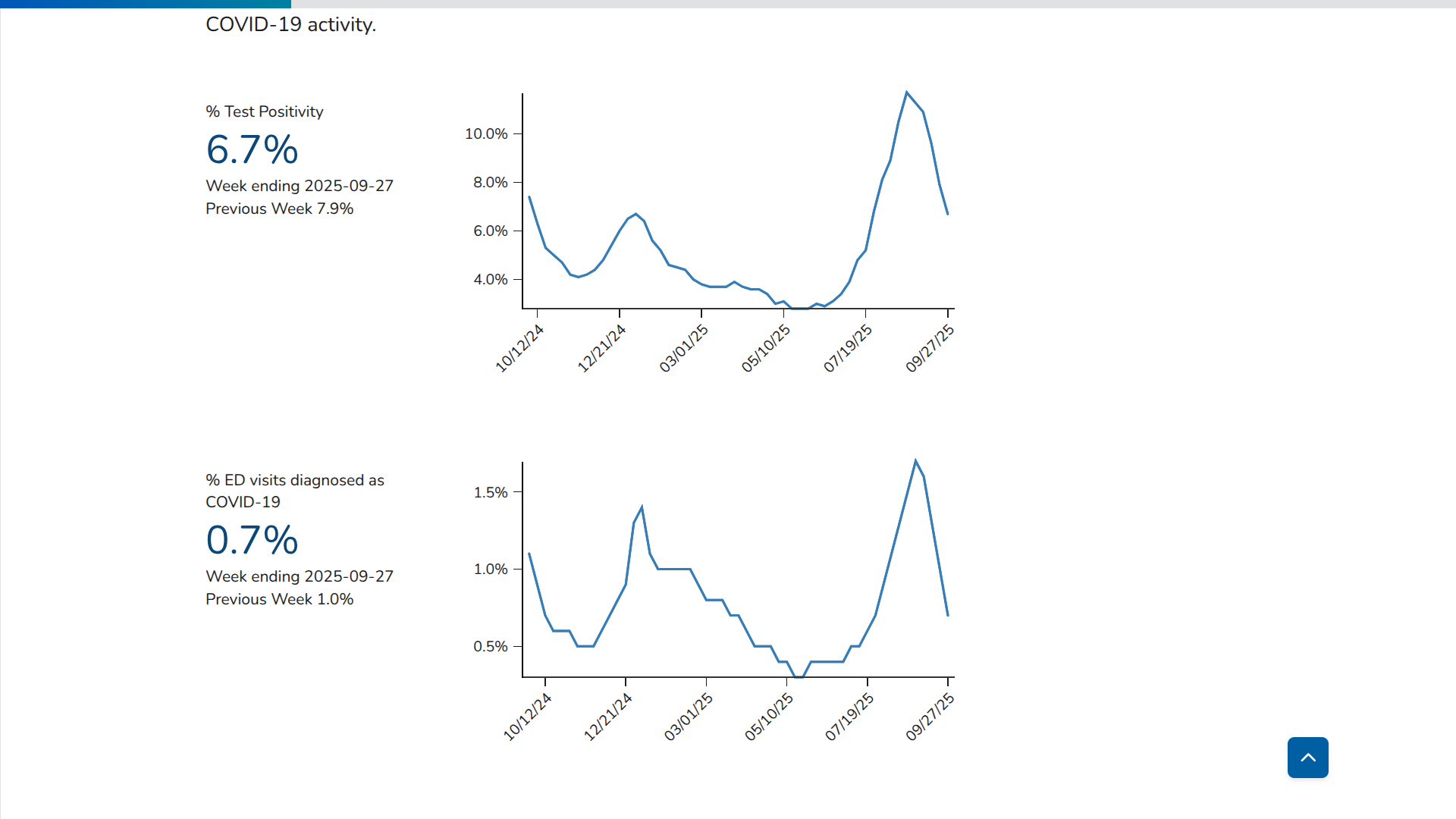
According to the U.S. Centers for Disease Control and Prevention (CDC), the upcoming fall and winter respiratory disease season in the United States is expected to have a similar number of combined peak hospitalizations due to COVID-19, influenza, and RSV compared to last season.
However, the rate of COVID-19 test positivity and emergency department (ED) visits continues to decrease in the Fall 2025 season.
As of the week ending September 27, 2025, CDC data indicates test positivity dropped to 6.7% compared to 9.6% the previous week.
And the percentage of ED visits diagnosed as COVID-19 fell from 1% to 0.7%.
Previously, the CDC's Influenza Surveillance Report for Week 38 of 2025 indicated that very few influenza cases had been reported this season.
The CDC writes, 'It is difficult to predict the magnitude and timing of peak activity for each disease, as well as how disease-specific timing might overlap.'
The CDC recommends consulting a healthcare provider in your local community for the best health and vaccination advice.
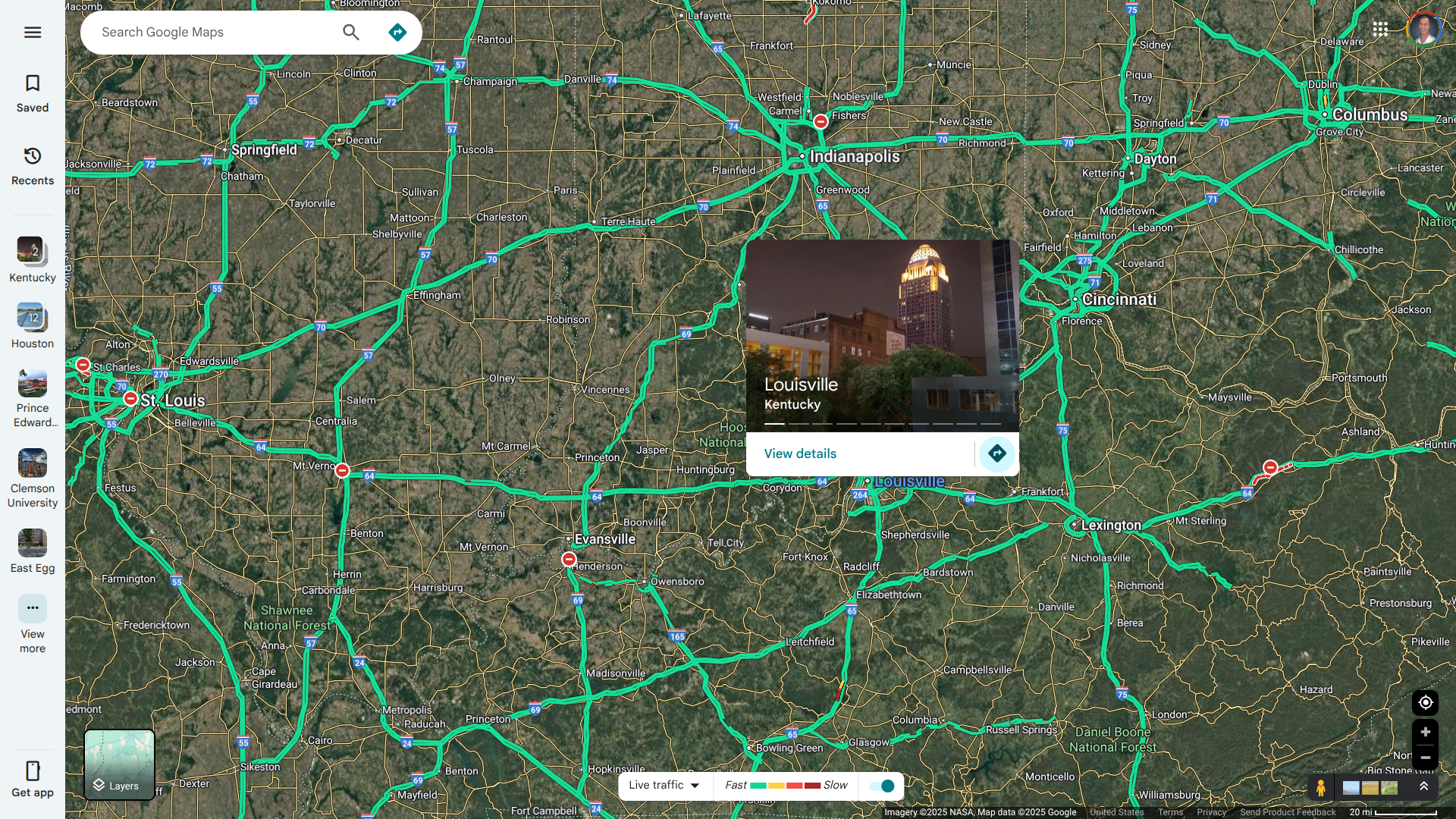
The Louisville Metro Department of Public Health and Wellness (LMPHW) is alerting the Kentucky community to a concerning increase in West Nile virus (WNV) infections in Jefferson County, home to over 780,000 residents.
As of early October 2025, nine residents have been confirmed to have contracted the virus, with seven requiring hospitalization.
All individuals affected have been adults between the ages of 40 and 70. No deaths have been reported in Jefferson County, located in the western portion of Kentucky, related to WNV in 2025.
West Nile virus activity typically occurs during the summer months and into the early fall in Kentucky. This year's spike in WNV contrasts with 1 case in 2024 and 7 in 2023, as reported by LMPHW.
Dr. Kris Bryant, pediatric infectious disease specialist and associate medical director for LMPHW, noted in a press release that in most instances, people infected with WNV either show no symptoms or relatively mild symptoms.
Less than 1% of infected people develop a serious neurologic illness such as encephalitis or meningitis.
"Serious illness can occur in people of any age," Dr. Bryant added.
According to the U.S. CDC, there were 1,324 WNV cases nationwide as of September 2025. The states of Colorado (241) and Texas (51) were among the leaders.
In Texas, Dallas County Health and Human Services recently reported 8 human cases and the first WNV-related fatality for the 2025 season.
From a prevention perspective, avoiding mosquito bites is best, as there are no WNV vaccines available this year.