
Search API

0 min read

Pfizer Inc. recently announced that the Committee for Medicinal Products for Human Use (CHMP) of the European Medicines Agency (EMA) adopted a positive opinion, recommending the granting of a marketing authorization for its 20-valent pneumococcal conjugate vaccine candidate (20vPnC, PREVNAR 20®, APEXXNAR®) for active immunization for the prevention of invasive disease, pneumonia and acute otitis media caused by Streptococcus pneumoniae in infants, children and adolescents from 6 weeks to less than 18 years of age.

The CHMP’s positive opinion will now be reviewed by the European Commission (EC) to decide whether to approve the vaccine.

This EC decision is expected in the coming weeks and will apply to all 27 EU member states plus Iceland, Liechtenstein, and Norway.

“Pfizer has a longstanding history of developing groundbreaking pneumococcal conjugate vaccines to help protect infants and their families from life-threatening infections,” said Annaliesa Anderson, Ph.D., Senior Vice President and Chief Scientific Officer, Vaccine Research and Development, Pfizer, in a press release on January 26, 2024.

“Today’s CHMP positive opinion represents a significant step forward in our continued efforts and, if approved, 20vPnC has the potential to cover more disease burden than any other available pediatric pneumococcal conjugate vaccine in the EU.”

In April 2023, the U.S. Food and Drug Administration approved PREVNAR 20® for most infants and children.

In February 2022, the EC Decision was adopted for APEXXNAR® (20vPnC) to prevent invasive disease and pneumonia caused by the 20 S. pneumoniae serotypes in the vaccine in adults.

The unedited Pfizer press release is available at this link.

Vaccine Treats: 
Image: 
Image Caption: 
from Pixabay
Live Blog Update Author: 
Location Tags: 
Include in VBT newsletter: 
Chikungunya
Coalition for Epidemic Preparedness Innovations funds Houston Methodist Research Institute vaccinology team
0 min read

Malaria affects millions of lives annually, particularly in tropical and subtropical regions, according to a Perspective published by the Malaria Journal.

Despite being largely preventable, malaria outbreaks caused  247 million infections and over 600,000 deaths across 85 countries in 2021,

In the ongoing battle against malaria outbreaks, a promising development has emerged with the endorsement by the World Health Organization of the R21/Matrix-M™ Malaria Vaccine.

Developed through a collaboration between the University of Oxford and Novavax Inc., this vaccine has demonstrated remarkable efficacy, reaching 77% effectiveness in Phase 2 clinical trials.

R21 is designed to be low-dose, cost-effective, and accessible, with approval for use in children under three years old.

Published on January 12, 2024, this paper critically examines the R21/Matrix-M malaria vaccine, its development, potential impact on global malaria eradication efforts, and the challenges and opportunities it presents.

The U.S. Centers for Disease Control and Prevention says about 2,000 malaria cases are diagnosed in the United States annually, mostly in travelers returning to cities such as Miami, Florida.

As of January 27, 2024, malaria vaccines are unavailable in the U.S.

Vaccine Treats: 
Image: 
Image Caption: 
by Kone Kassoum
Live Blog Update Author: 
Location Tags: 
Include in VBT newsletter: 
Typhoid
Typhoid vaccination recommended for certain international travlers

Project NextGen

U.S. Project NextGen For Vaccines and Therapeutics 2024

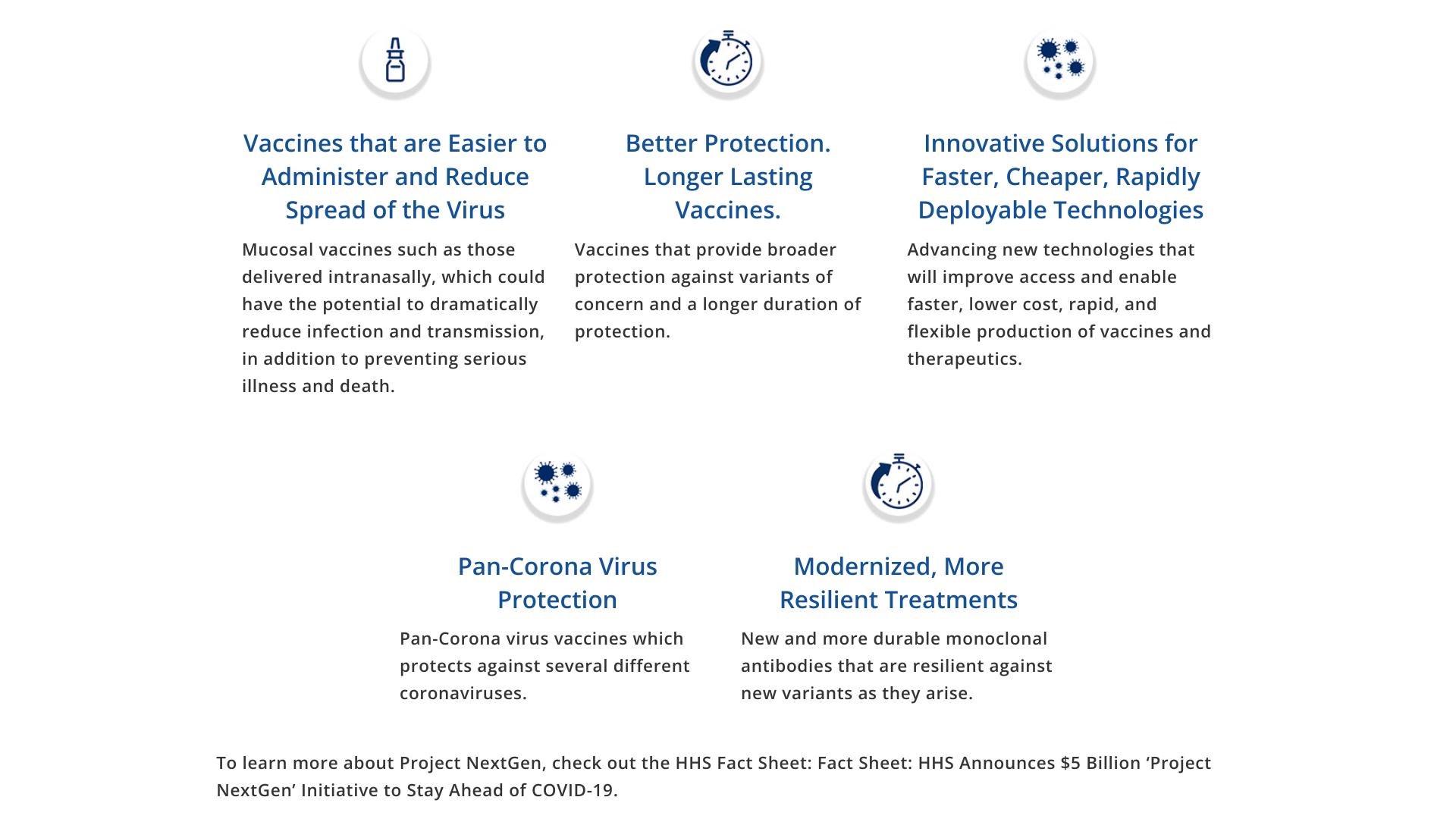
Project NextGen is a $5 billion multi-government agency initiative to develop the next generation of vaccines and therapeutics. The U.S. government (Biomedical Advanced Research and Development Authority (BARDA) announced it would collaborate with the U.S. National Institutes of Health's NIAID  across the federal government and the private sector to advance the pipeline of new, innovative vaccines and therapeutics from labs to clinical trials to potential FDA authorization, approval, and commercial availability for people nationwide.

In 2023, vaccines targeting more robust, broader, or longer-lasting immune responses were identified. Intranasal vaccines have the potential to stop viruses at the site of infection, and self-amplifying mRNA and additional antigens may generate a more robust immune response than current vaccine technologies.

The BARDA awards support vaccine candidates for clinical evaluation:

$8.5 million to CastleVax for a vector-based intranasal vaccine candidate. 

$10 million to Codagenix for a live-attenuated intranasal vaccine candidate (phase 3).

$10 million to Gritstone Bio for a self-amplifying mRNA vaccine candidate.

$9.27 million to Vaxart's Phase 2b clinical study evaluating oral pill XBB COVID-19 vaccine candidate.

Project NextGen will provide an initial $10 million and up to $389 million to support Codagenix's Phase 2b clinical study of CoviLiv™.

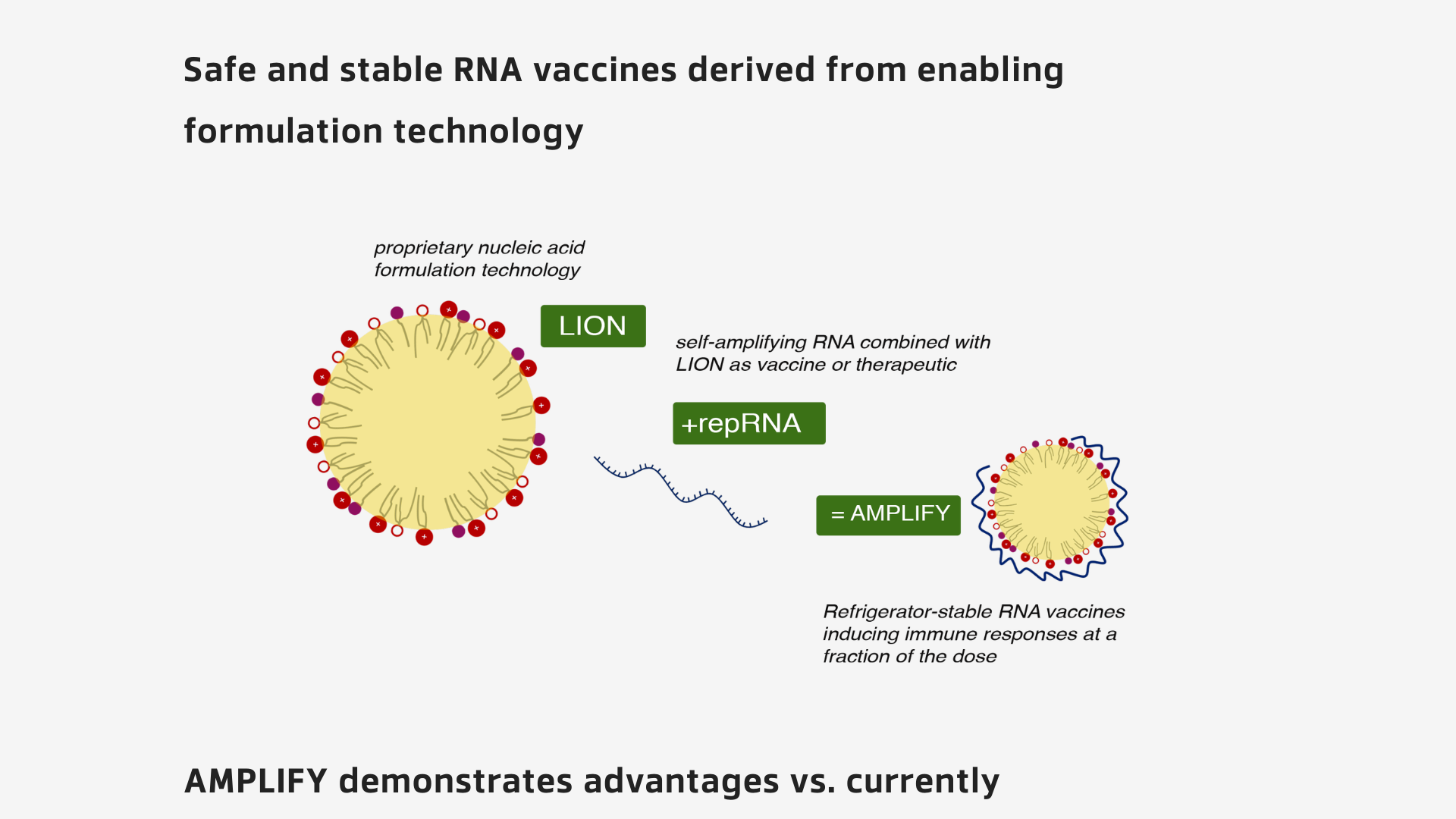
The $749,000 BARDA contract supports proof-of-concept studies for on-demand manufacturing and release processes that use HDT Bio's LION™ formulation for RNA vaccine production. LION is a proprietary nanoemulsion tailored for RNA-based vaccines and therapeutics production. It is designed to enable facile formulation and faster manufacturing compared to the characteristics of standard lipid nanoparticles used in existing products.

Project NextGen News

October 2, 2024 - Emergex Vaccines Holding Limited announced that the U.S. NIAID has selected the company for inclusion in its Project NextGen. Emergex's CoronaTcP candidate has demonstrated in a completed Phase I clinical trial in Switzerland to have a favorable safety profile and to successfully induce epitope-specific CD8+ memory subsets.

July 23, 2024 - BARDA will provide $25 million in Project NextGen funding to Walgreens to conduct a decentralized clinical trial. The agreement is BARDA's first with a major retail pharmacy to use this clinical trial approach.

July 1, 2024 - The U.S. NIH announced the investigational vaccine, MPV/S-2P, uses murine pneumonia virus (MPV) as a vector to deliver a version of the SARS-CoV-2 spike protein (S-2P) stabilized in its prefusion conformation. MPV has aan affinity for epithelial cells that line the respiratory tract and may be effective in delivering vaccines to the places where natural coronavirus infections begin.

March 14, 2024 - The Imperial College London is leading an international consortium on a $57 million project to develop advanced virus-blocking coronavirus vaccines.

January 19, 2024 - Dr. Michael Finney, Vaxart's Interim CEO, said, "We believe our oral pill vaccine platform may ultimately hold the promise of revolutionizing how we fight pandemics and vaccinate against several infectious diseases."

January 4, 2023 - ATCC announced a five-year, $87 million award from the BARDA to support the development of next-generation medical countermeasures to protect Americans from public health security threats such as coronaviruses.

November 2, 2023 - NIH/NIAID Project NextGen selected Tonix Pharmaceuticals' TNX-1800 for Inclusion in vaccine studies.

October 13, 2023—The U.S. Department of Health and Human Services announced the selection of initial next-generation vaccine candidates and more than $500 million in awards for Project NextGen, which is kick-starting planning for Phase 2b clinical trials and technologies that advance innovative next-generation vaccine and therapeutics platforms.

October 10, 2023 - Ocugen, Inc. announced that the NIAID will conduct a trial comparing the administration of Ocugen's mucosal vaccine candidate, OCU500, via two different mucosal routes: inhalation into the lungs and as a nasal spray. With funding from Project NextGen, NIAID will cover the total cost of the clinical trials, including operations and related analysis.

August 10, 2023 - The Institute for Progress filed the following comment in response to BARDA's Request For Information on ways Project NextGen could ensure future COVID-19 vaccine technologies bolster preparedness against future variants.

September 26, 2023 - The U.K. Health Security Agency agreed to an advance purchase agreement with CSL Seqirus to be on standby to produce over 100 million influenza pandemic vaccines if or when needed in the U.S.

September 22, 2023 - The U.S. CDC announced the recipients of 13 funding awards to establish a first-of-its-kind national network, the Outbreak Analytics and Disease Modeling Network (OADMN). The awards, totaling $262.5 million in funding over five years, will support state and local decision-makers in developing and implementing new tools to detect, respond to, and mitigate public health emergencies more effectively.

September 13, 2023 - ICON plc announced it is partnering with BARDA, contract number 75A50120D00017, to execute a clinical trial to evaluate the effectiveness of next-generation COVID-19 vaccine candidates.

March 15, 2021 - The Military Health System and Defense Health Agency granted the $72 million CDMRP PRMRP Technology/Therapeutic Development Award, a product-driven award mechanism intended to provide support for the translation of promising preclinical findings into products for clinical applications, including prevention, detection, diagnosis, treatment, or quality of life, in at least one of the Congressionally directed FY21 PRMRP Topic Areas.

Disease X information is posted at Precision Vax.
5 min read
Last Reviewed: 
Wednesday, October 2, 2024 - 09:55
Description: 
Project NextGen is a U.S. government initiative to develop the next generation of vaccines and therapeutics.
Condition: 
Disease X
Serum Institute of India joined CEPI network of vaccine producers
0 min read

HDT Bio Corp. today announced that it has partnered with the Biomedical Advanced Research and Development Authority (BARDA), under Project NextGen's Enabler's program. 

Through this BARDA partnership, HDT Bio has received a $749,000 contract, supporting proof-of-concept studies for on-demand manufacturing and release processes that use HDT Bio's LION™ formulation for RNA vaccine production.

These studies will provide proof-of-concept data on the LION platform in support of on-demand manufacturing and release processes that enable rapid production of 1000 repRNA vaccine doses in seven days.

LION is a proprietary nanoemulsion tailored for RNA-based vaccines and therapeutics production designed to enable facile formulation and faster manufacturing compared to the characteristics of standard lipid nanoparticles used in existing vaccine products. 

"We look forward to contributing to the broader access to treatment and prevention strategies of future infectious diseases," commented Steven Reed, Ph.D., Co-founder and Chief Executive Officer of HDT Bio, in a press release on January 23, 204.

With an initial investment of $5 billion, Project NextGen intends to accelerate and streamline the development of the next generation of vaccines and treatments through public-private collaborations.

The Project NextGen Enabler's program aims to advance next-generation vaccine and therapeutics technologies, including the development of innovative cGMP manufacturing of vaccines that decrease costs, speed production, increase efficacy, and improve access.

Previous BARDA - Project NextGen awards include, but are not limited to, $8.5 million to CastleVax for a vector-based intranasal vaccine candidate, $10 million to Gritstone Bio for a self-amplifying mRNA vaccine candidate, and $9.27 million to Vaxart's evaluation of its oral pill XBB COVID-19 vaccine candidate.

Project NextGen is separated from the Disease X initiative.

Vaccine Treats: 
Image: 
Image Caption: 
HDT Bio AMPLIFY Vaccine Platform: repRNA + LION™ 2024
Live Blog Update Author: 
Location Tags: 
Include in VBT newsletter: 
0 min read

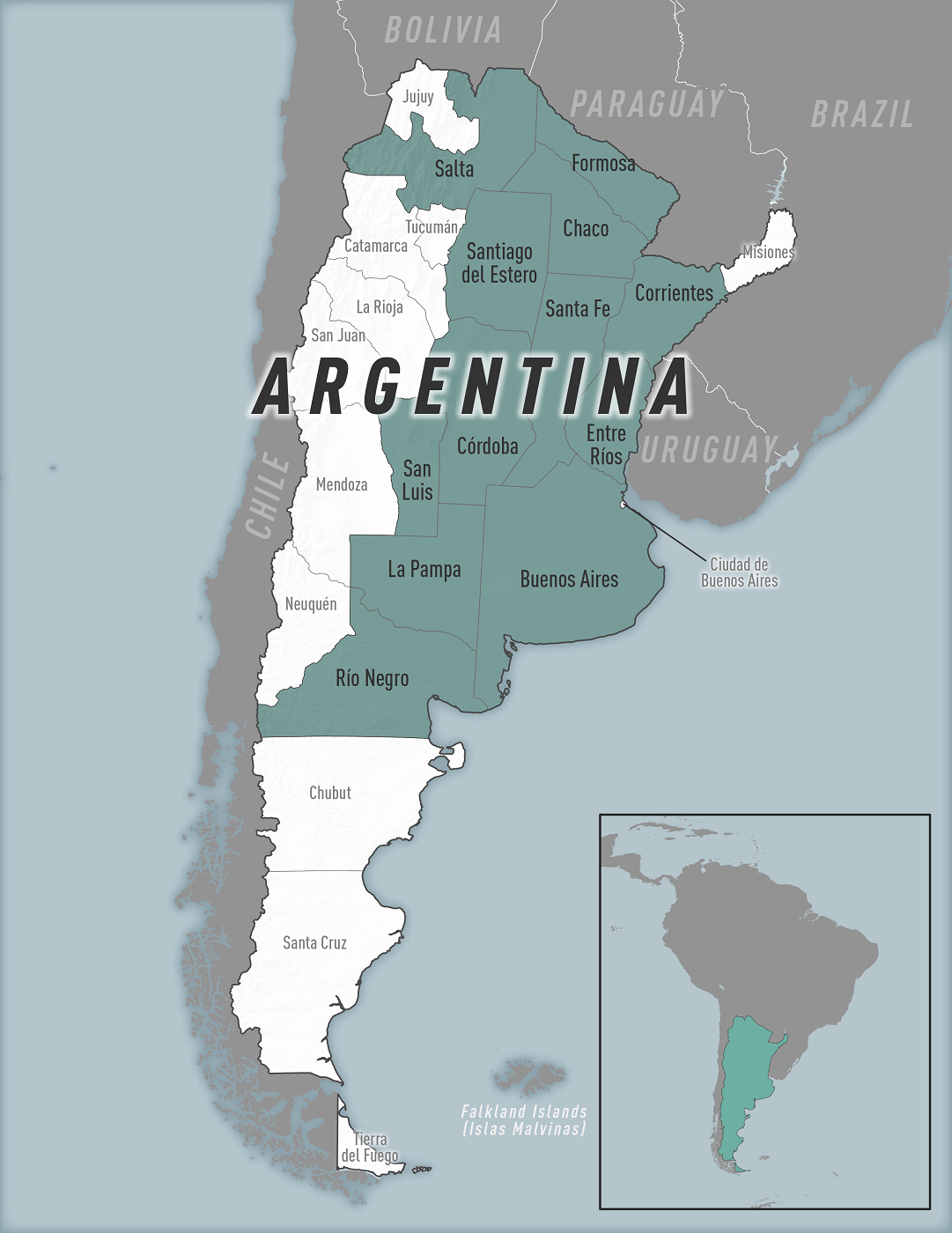
Last year, the World Health Organization (WHO) confirmed the first known case of Western Equine Encephalitis (WEE) in more than two decades in Argentina.

Since then, and until January 9, 2024, 21 human cases in Argentina have been confirmed by the WHO/PAHO.

To alert international travelers to this WEE health risk, the U.S. CDC issued a Level 1 - Practice Usual Precautions, Travel Health Notice on January 12, 2024.

WEE is a rare, mosquito-borne viral disease that affects equines and humans. Most human cases are associated with epidemics in birds or horses.

The CDC says travelers to these regions of Argentina should avoid mosquito bites, which can transmit the Eastern Equine Encephalitis Virus (EEEV).

EEEV transmission is most common in and around freshwater hardwood swamps in the Atlantic and Gulf Coast states and the Great Lakes region in the U.S.

Only about 4-5% of human EEEV infections result in EEE.

In the United States, an average of 11 human cases of EEE are reported annually, according to the CDC. There were 7 EEEV neuroinvasive disease cases in 2023, reported by four states.

From 2012-2021, most cases of EEE have been reported from Massachusetts, Michigan, Florida, Georgia, and North Carolina.

As of 2024, the CDC says no vaccine prevents EEE virus infection.

However, the U.S. Army Medical Research Institute of Infectious Diseases developed a human vaccine for EEE in the mid-1980s, but it has never been approved for public use.

The U.S. government recently invested in a vaccine against western, eastern, and Venezuelan equine encephalitis viruses. 

MVA-BN® WEV has completed Phase 1 clinical development demonstrating potential for broad, and long-term protection, with a Phase 2 study planned for 2024.


Image: 
Image Caption: 
US CDC travel alert Jan. 12, 2024
Live Blog Update Author: 
Location Tags: 
Include in VBT newsletter: 
0 min read

According to various news sources, Indian Immunologicals Ltd (IIL) launched Havisure, the 'first' indigenously developed two-dose Hepatitis A vaccine.

"Currently, Hepatitis A vaccines are imported into our country, and as a true meaning of Atma Nirbhar Bharat, IIL has tirelessly put in efforts and developed India's 1st vaccine for Hepatitis A," said K Anand Kumar, Managing Director, IIL, told newspersons such as Businessline on January 19, 2024.

Priced at ₹2,150 ($25) per dose, the vaccine is recommended for individuals at risk of exposure or travel to regions with high hepatitis A prevalence. In addition to this, people with occupational risk of infection and suffering from chronic liver diseases also need Hepatitis A vaccination.

According to the U.S. CDC, Hepatitis A is a severe liver disease. It is usually spread through close, personal contact with an infected person or when a person unknowingly ingests the virus from objects, food, or drinks contaminated by small amounts of stool from an infected person.

Hepatitis A vaccinations (Havrix, Twinrix, VAQTA) have made this disease much less common in the United States.

However, outbreaks of hepatitis A among unvaccinated people still happen. Since hepatitis A outbreaks were first identified in 2016, the World Health Organization estimates that 7,134 persons have died from hepatitis A worldwide.

In the U.S., 37 states have publicly reported the following cases as of January 12, 2024:

Cases: 44,947

Hospitalizations: 27,469 (61%)

Deaths: 424

In response to all hepatitis outbreaks, the CDC provides ongoing epidemiology and laboratory support and support on vaccine supply and vaccine policy development.

Vaccine Treats: 
Image: 
Image Caption: 
US CDC Hep A cases by State map 2024
Live Blog Update Author: 
Location Tags: 
Include in VBT newsletter: 
0 min read

Vaxart, Inc. today announced that the United States Biomedical Advanced Research and Development Authority (BARDA) has awarded the Company $9.27 million to fund preparation for a 10,000-subject Phase 2b clinical study evaluating Vaxart's oral pill XBB COVID-19 vaccine candidate against an approved mRNA vaccine comparator.

Vaxart's oral pill vaccine platform provides many of the features desired by BARDA, such as generating mucosal immunity and providing a cross-reactive response to many COVID variants.

"We believe we have the chance to improve on existing vaccines in two important ways," said Dr. James F. Cummings, Vaxart's Chief Medical Officer, in a press release on January 19, 2024.

"First, a thermostable pill vaccine such as Vaxart's offers the chance to overcome needle-phobia, a documented obstacle to vaccination, and offers the potential to make it easier to vaccinate more people faster than traditional injected vaccines."

"Second, our previous research on other vaccine constructs found Vaxart's oral pill vaccine to be cross-reactive against all tested SARS-CoV-2 variants and to trigger long-lasting immune responses, potentially offering broader, longer protection than the current first-generation vaccines."

"We believe our vaccine does this by triggering both a systemic and mucosal response."

This oral vaccine development project has been funded with federal funds from the U.S. Department of Health and Human Services (HHS). Project NextGen is a $5 billion initiative by HHS to develop new, innovative vaccines and therapeutics that provide broader and more durable protection against COVID-19 than the first-generation COVID vaccines and medicines.

Project NextGen is separate but similar to the Disease X initiative.

Vaccine Treats: 
Image: 
Image Caption: 
U.S. HHS Project NextGen 2024
Live Blog Update Author: 
Location Tags: 
Include in VBT newsletter: