Search API

Electronic cattle prods at airport screening
TSA airport screening top ten list
0 min read

The Government of Canada recently issued travel advice for the Republic of El Salvador. 

As of December 29, 2022, Canada confirmed visitors to the Central American country of El Salvador were advised to "exercise a high level of caution due to civil unrest."

Furthermore, foreigners, including Canadian citizens, are subject to emergency measures.

In the city of San Salvador, areas such as Escalón, La Cima, San Benito, and San Francisco are relatively safe.

Local authorities have managed to secure a few blocks in the downtown area to attract more tourists, known as the Centro Histórico de San Salvador.

Outside that area, San Salvador's downtown is generally unsafe for tourists.

Border areas often see higher criminal activity and violence, including rural areas.

El Salvador is bordered on the northeast by Honduras, on the northwest by Guatemala, and on the south by the Pacific Ocean.

If you're in El Salvador, expect a heightened security presence at times, including on roads, in public spaces, and residential neighborhoods, and follow the instructions of local authorities.

If U.S. citizens require local assistance, the U.S. Embassy in San Salvador is located at Final Boulevard Santa Elena, Antiguo Cuscatlán, La Libertad, Telephone: (503) 2501-2999.

From a health perspective, the U.S. CDC recommends various travel vaccination, including for dengue, when visiting El Salvador.

Vaccine Treats: 
Image: 
Image Caption: 
U.S. CDC travel
Live Blog Update Author: 
Location Tags: 

Chikungunya Outbreaks

Chikungunya Outbreaks September 2025

Chikungunya virus (CHIKV) disease outbreaks have been recorded as early as 1824 in India. As of September 2025, the World Health Organization (WHO) reports that Chikungunya transmission has occurred frequently in approximately 119 countries, placing 5.6 billion people in Africa, Asia, the Indian Ocean, and the Americas at risk over the past decade. The WHO has published questions and answers about Chikungunya, including what it is, where it occurs, how to protect against it, its symptoms, treatment, and measures to reduce its spread.

The U.S. Centers for Disease Control and Prevention (CDC) published Travel Health Advisories in 2025, which list countries and territories with evidence of CHIKV transmission among humans within the last five years. For example, in June 2025, the CDC issued a Level 2 Travel Health Advisory for the Plurinational State of Bolivia and the Indian Ocean region. France's CorsicaLa Réunion, and Mayotte Departments, as well as Mauritius, Somalia, Sri Lanka, and the Maldives, are also experiencing significant CHIKV outbreaks in 2025. U.S. international travelers can use this information on chikungunya risk to help with vaccination decisions.

The European CDC reported that since the beginning of 2025, and as of July, approximately 90 CHIKV-related deaths have been reported in 16 countries/territories. Research published on June 10, 2025, estimates that 104 countries have experienced CHIKV transmission, affecting 2.8 billion people. In epidemic settings, the mean duration between outbreaks is 6.2 years, with 8.4% of the susceptible population infected with CHIKV per outbreak.

On August 5, 2025, a preprint study stated, 'Chikungunya epidemics are consistently associated with underrecognized mortality ( 1.34 (95% CI: 1.22–1.47; p < 0.000001) in April 2025.'.

Africa Chikungunya Outbreaks

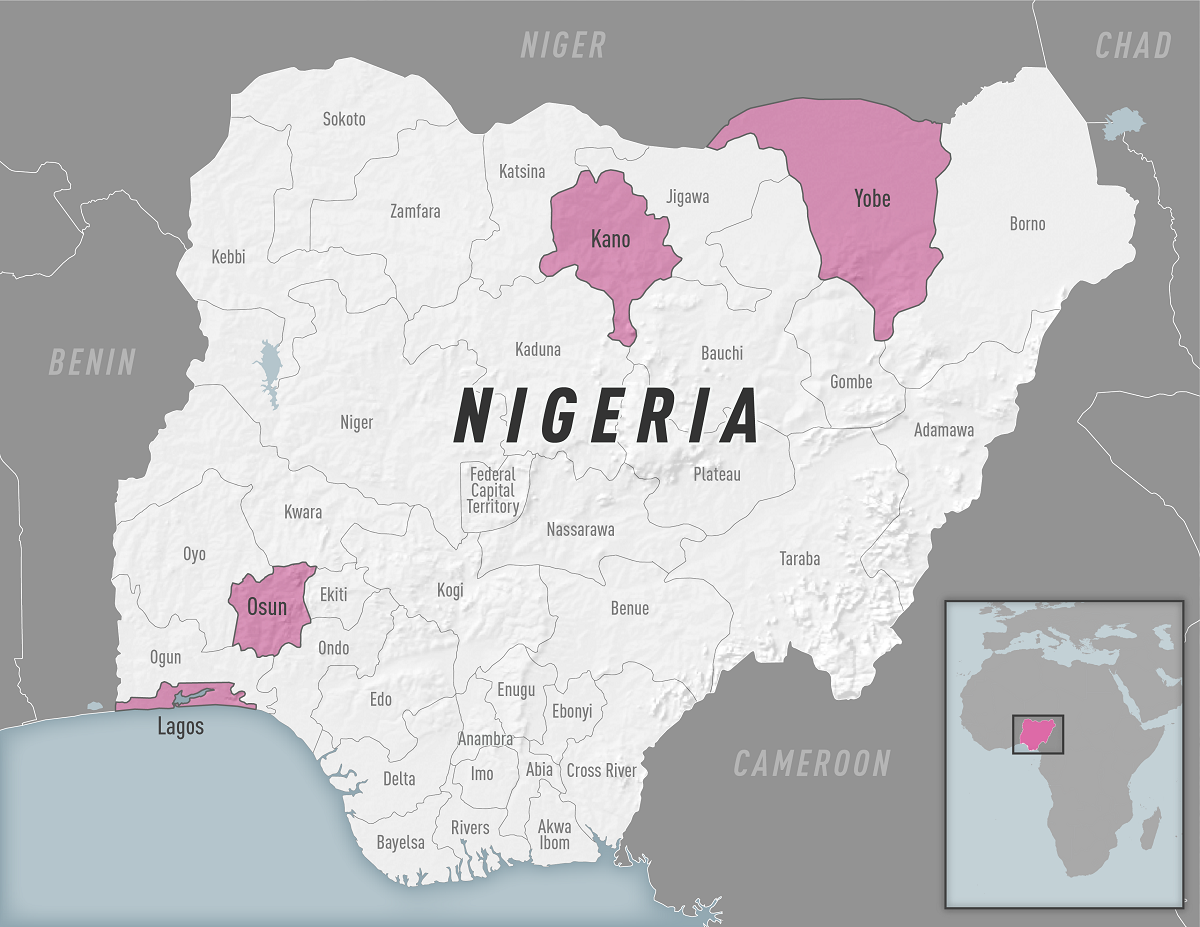
Chikungunya cases are primarily located in Africa's Sahel region, where approximately 33 million people reside, including Senegal, The Gambia, Burkina Faso, Kenya, Mali, and Somalia. There have been ongoing or previous local transmissions in 2025. The Africa CDC reported over 1,900 cases of Chikungunya as of July 2025. As of February 2025, Senegal's Ministry of Health has reported Chikungunya cases in the Birkilane district of the Kafferine region. In August 2025, Nigeria issued a warning about the risk of a chikungunya outbreak.

A Review Article published in October 2024 disclosed Chikungunya cases in tropical Africa. The overall pooled prevalence of Chikungunya in East Africa was 20.6%. Subgroup analyses revealed that Rwanda and Djibouti exhibited high prevalence rates of 63% and 50.4%, respectively, while Kenya and Somalia reported a moderate prevalence of 12.2%. The Republic of Djibouti reported 8 CHIV cases among U.S. armed forces members between 2016 and 2022.

In 2023, the U.S. CDC published a Level 2—Practice Enhanced Precautions, Travel Health Advisory regarding chikungunya outbreaks in Burkina Faso. From 2019 to 2020, a large-scale Chikungunya outbreak occurred in the Republic of Djibouti.

Region of the Americas Chikungunya Outbreaks

As of August 19, 2025, the Pan American Health Organization (PAHO) reported over 212,029 Chikungunya cases and three related fatalities in the Americas this year, with the highest numbers in Argentina, Bolivia, Brazil, Paraguay, and Peru. In 2024, 431,408 CHIKV cases were reported by the PAHO.

As of August 2025, 50 cases of chikungunya had been reported in various states in the USA. As of December 2024 (Week 47), the U.S. CDC reported 173 Chikungunya cases in Territories and non-U.S. residents in 2024, led by Massachusetts (20), Texas (21), California, Colorado, Illinois, and New York. From 2006 to 2023, 4,590 travel-related CHIKV cases were reported in the U.S. in areas such as Florida and Puerto Rico

Chikungunya was first reported in Argentina in 2016. In 2024, 425,138 CHIKV cases and 236 associated fatalities were reported in the Americas. Between 2013 and 2023, the PAHO reported more than 3.7 million CHIKV cases in the Americas. The PAHO reported 1,746 CHIKV cases in Argentina in 2023. A recent study traced the evolution of the virus in Argentina from 2016 to 2023.

The first case of Chikungunya in Bolivia was reported in early 2015. On August 15, 2025, the U.S. CDC reported an outbreak of Chikungunya in Bolivia and issued a Level 2 Travel Health Advisory. As of 2024, over 474 cases have been reported. In 2023, 1,455 cases were reported with no deaths, representing an 8-fold increase in patients compared to the same period in 2022. This study, concluded in October 2024, focused on seven years after the 2014-2015 CHIKV outbreak in Piedecuesta, Colombia, to determine the incidence of post-chikungunya chronic rheumatism (pCHIK-CR) and its impact on quality of life and chronic fatigue in adults. Chronic fatigue prevalence increased from 8.6% in patients without rheumatic Disease to 25% in non-inflammatory pain, likely degenerative, and 54.6% in pCHIK-CR cases. 

Chikungunya outbreaks have been reported in Brazil since 2014. In 2025, Brazil's Ministry of Health published weekly arbovirus reports highlighting CHIKV cases, deaths, and locations. As of June 2025, the Ministry reported about 400,000 CHIKV cases. On March 18, 2025, the city of Xanxerê registered its second CHIKUNGUNYA-related fatality of the year. By the end of 2024, the PAHO reported over 420,139 CHIKUNGUNYA  cases and 236 associated deaths in Brazil.

The highest-risk clusters were initially located in the northeast, dispersed to the central west and coastal areas of São Paulo and Rio de Janeiro (2018–2021), and then increased in the northeast (2019–2021). According to data from the Brazilian Vigilance Health Secretary, the three Brazilian states that have reported the most CHIKV cases are São Paulo, Pernambuco, and Paraíba. On October 28, 2024, a study reported that in 2023, during the Chikungunya epidemic in Minas Gerais, 890 excess deaths were attributed to the Disease, translating into a mortality rate of 35.1 per 100,000 inhabitants. The São Paulo dashboard was updated on February 25, 2025, indicating 2,063 confirmed cases and one CHIKV-related death in 2025. In March 2024, a study conducted at the São José do Rio Preto Medical School in São Paulo State, Brazil, revealed that the virus had been circulating in the city silently for years. An analysis of the blood samples showed that the number of Chikungunya cases in proportion to the population rose from 0.35% in 2015 to 2.3% in 2019. In February 2024, The Lancet Infectious Diseases published results from a study in Brazil that concluded the Chikungunya virus disease is associated with an increased risk of death for up to 84 days after symptom onset, including deaths from cerebrovascular diseases, ischaemic heart diseases, and diabetes. In 2021, São Paulo, Brazil's most populous state, saw a significant increase in cases, from 468 in 2020 to 18,156. 

As of August 5, 2025, a total of eight confirmed locally acquired cases of chikungunya have been reported in Cuba in 2025. According to the Pedro Kourí Institute of Tropical Medicine, as of July 2025, a chikungunya outbreak has been reported in the Matanzas municipality of Perico. 

Chikungunya cases have been reported in Equiador. CHIKV was introduced into Ecuador at multiple points in time between 2013 and 2014. These introductions were associated with the Caribbean. Our findings indicated no direct connection between CHIKV and Ecuador, Colombia, and Venezuela as of 2015.

In the eastern Caribbean​​​, Grenada reported CHIKV cases in September 2024.

study published in May 2025 suggests a 37% seroprevalence of Chikungunya virus in Paraguayan blood donors. In 2024, Paraguay reported over 2,700 cases. As of 2023, the PAHO reported 115,000 CHIKV cases in Paraguay. The U.S. CDC Advisory Committee on Immunization Practices workgroup presented "Update and Observations on a Large Chikungunya Outbreak in Paraguay" on June 22, 2023. From October 2022 to June 3, 2023, a total of 167,239 Chikungunya cases were reported. The CDC Health Alert Network issued CDCHAN-00487 on March 2, 2023, confirming that the Ministry of Health in Paraguay reported 71,478 suspected chikungunya cases in Paraguay since the outbreak began in October 2022. The East/Central/South African (ECSA) chikungunya genotype is circulating in the region. It was first identified in 2018 during an outbreak in the Amambay department and was subsequently detected in samples from 2022 in the Metropolitan Area of Asunción. As a result, an outbreak in Paraguay and surrounding countries is possible. In addition, the CDC reissued a Watch - Level 1, Practice Usual Precautions notice on April 6, 2023, confirming the presence of Chikungunya in the Asunción metropolitan area of Paraguay.

The first documented autochthonous transmission of the CHKV in the Caribbean island of Saint Martin was in 2013. Since 2014, Chikungunya outbreaks have been confirmed. As of March 2025, 3 CHIKV cases have been reported, and 16 cases were reported in 2024. Between 2014 and 2021, there were 221 confirmed Chikungunya cases and two deaths in Barbados

Asia Chikungunya Outbreaks

Chikungunya disease was initially reported in India in 1963. Since late 2005, the CHIKV has caused major outbreaks in Southeast Asian countries. In 2004, the CHIKV East/Central/South African (ECSA) genotype, characterized by E1: A226V and E1: K211E mutations, spread from Africa to the Indian Ocean islands and India, resulting in a large epidemic in Southeast Asia. A retrospective review of CHIKV cases in Southeast Asia found neurological manifestations or shock in 20% of hospitalized children. In India, CHIKV is one of the six critical vector-borne diseases in the National Vector Borne Disease Control Programme.

In 2025, the European CDC reported that IndiaPakistanThailandTimor-LesteMyanmar, and Singapore had reported recent cases of Chikungunya disease. In 2024, the US CDC published an updated Level 2—Practice Enhanced Precautions —Travel Health Advisory regarding chikungunya outbreaks in various Indian states, including Maharashtra and Telangana. On January 2, 2025, India's National Center for Vector Borne Diseases Control reported 192,343 CHIKV cases in 2024 and 200,064 in 2023. As of 2024, Chikungunya has become endemic in every area of India. CHIKV cases have continued to be recorded in most states in India, such as Maharashtra (658) in May 2025. Pune's National Institute of Virology (NIV) is studying patient samples to determine if Chikungunya virus variants (Indian Ocean Lineage) contribute to the increase in cases and prolonged observed symptoms in 2024. Pune was among India's hotspot cities, recording 462 confirmed cases in 2024. 

As of September 2025, the Institute of Epidemiology, Disease Control, and Research in Bangladesh has reported an outbreak of Chikungunya in Dhaka city, with 732 cases reported in 2025.

Karachi, Pakistan, experienced a Chikungunya outbreak in 2024. The Aga Khan University Hospital states that vaccination is the best way to prevent severe complications and fatalities associated with this virus in 2025. As of October 2024, 2.447 CHIKV cases have been reported in Pakistan.

The Republic of Singapore reported 19 CHIKV cases as of August 2025, 9 cases in 2024, and 13 cases in 2023.

Australia Chikungunya Outbreaks

Australia's National Notifiable Disease Surveillance System dashboard reported Chikungunya cases from 2019 to 2025. Queensland Health says autochthonous CHIKV cases do not routinely occur in Australia. Between 2002 and 2023, 26 cases of CHIKV were reported in Australia, with the infections acquired in Timor-Leste.

China Chikungunya Outbreaks

As of August 11, 2025, the Centre for Health Protection of the Department of Health reported that Foshan, a city in South China's Guangdong Province, confirmed a significant CHIKV outbreak in 2025. According to the information provided by Guangdong Province, the current CHIKV outbreak is active in the towns of Lecong, Beijiao, and Chencun in Shunde. The U.S. CDC issued a Level 2 Travel Health Advisory for Foshan, China, on August 1, 2025.

On August 10, 2025, the Centre for Health Protection of the Department of Health is investigating five imported cases of chikungunya fever (CHIKV) and a potential local case in Hong Kong. Between 2016 and 2019, the number of CF cases recorded in Hong Kong ranged from one to 11 each year. All of which were imported cases. There have been no CF cases in Hong Kong since 2020.

In August 2025, Macau's Health Bureau confirmed the city's first locally transmitted CF case and six travel-related cases this year.

In June 2025, the Taiwan CDC reported 19 CHIKV cases—16 of which were travel-related, compared to 20 cases in 2024.

Europe Chikungunya Outbreaks 2025

The geographic expansion of the Aedes aegypti (tiger) mosquitoes to more temperate regions in Europe in 2025 has increased the risk of arboviral disease outbreaks. As of August 2025, the European CDC assessment for CHIKV outbreaks was low. The ECDC states that the likelihood of local chikungunya virus transmission in the mainland EU/EEA is linked to the importation of the virus by viraemic travelers into receptive areas with established and active, competent mosquitoes. Past autochthonous outbreaks of CHIKV in mainland EU/EEA have occurred between June and November. Approximately 4,730 Chikungunya cases were documented across twenty-two countries in mainland Europe from 2007 to 2022.

As of August 12, 2025, Sante Publique France reported a total of 115 locally acquired and over 914 travel-related cases of Chikungunya in 2025. Cases have been reported from Provence-Alpes-Côte d'Azur, Corsica, Occitanie, Auvergne-Rhône-Alpes, Grand Est, and Nouvelle-Aquitaine. A press release from the Occitanie Regional Health Agency detected a locally transmitted Chikungunya case in the Hérault Department on June 16, 2025. An indigenous (locally) case was reported in La Crau (Var) on June 11, 2025, and in Île-de-France (Paris) in 2024. During 2024, 24 travel-related cases were reported in France. Two autochthonous cases were recorded in the commune of Cannet des Maures in the Var department in 2010, 11 cases in Montpellier in 2014, and 2 cases in the Var Department in 2017.

As of July 2, 2025, a third locally acquired case of Chikungunya has been detected in southern Corsica, in Porticcio (municipality of Grosseto-Prugna). In late June 2025, two instances of Chikungunya from the same family, residing in the city of Grossetto-Prugna, with no history of travel to tropical areas, were reported. ARS Corsica states that the presence of the virus-carrying tiger mosquito is now well established on the French island of Corsica.

As of August 2025, Italy's National Health Institute reported 66 confirmed cases of Chikungunya (37 travel-associated cases and 29 indigenous cases, but no deaths. Four local transmission events have been identified in Emilia-Romagna and Veneto. As of December 2024, Italy's National Institute of HealthEpidemiology for Public Health, reported 15 travel-related Chikungunya cases. A study published in December 2024 indicates that without vaccination, a CHIKV outbreak is estimated to infect up to 6.21% (170,762) of Rome's population. Travel-associated outbreaks led to CHIKV transmission in Italy in 2007.

An indigenous case of Chikungunya was confirmed in Hendaya, in the Basque Country, by the Basque Government's Department of Health in July 2025. 

In 2024, 112 Chikungunya cases were reported in England (London: 43), Wales, and Northern Ireland (EWNI), more than double the 45 cases reported in the previous year. Most cases were linked to travel in Southern Asia, specifically India, where 66 cases were reported. This data represents about a 120% increase in EWNI compared to the same period in 2023.

Indian Ocean Chikungunya Outbreaks

According to the WHO and U.S. CDC, chikungunya outbreaks were active in Madagascar, the Maldives, Mayotte, Mauritius, Réunion, and Sri Lanka as of June 12, 2025.

Since August 2024, La Réunion Island has reported that Chikungunya has become endemic. As of May 12, 2025, about 47,000 confirmed cases and nine deaths have been reported in 2025. The municipalities of Étang-Salé and Le Tampon have the highest number of Chikungunya cases. In 2025, the U.S. CDC issued a Level 2 Travel Health Advisory regarding the Chikungunya outbreak in France's Réunion Department. France issued a Level 4 emergency for Réunion in March 2025. In 2024, Réunion reported 138 confirmed CHIKV cases, primarily in Étang-Salé, specifically in the Sheunon ravine district, with 70 cases. The last Chikungunya virus disease epidemic in La Réunion was in 2005–2006. Although CHIKV is generally transmitted by Ae. aegypti mosquitoes, the outbreak that occurred on La Réunion Island was caused by Ae. albopictus, which acted as the primary vector due to the ECSA CHIKV genotype's adaptation to this vector, specifically the E1-A226V mutation, resulting in a dramatic increase in infectivity.

During May 2025, six individuals who were infected with Chikungunya while visiting Madagascar were reported in France. Chikungunya outbreaks have been reported in Toamasina, Madagascar, since 2006.

Local authorities reported elevated Chikungunya activity in multiple areas of the Maldives, with over 300 cases reported in 2024. The U.S. CDC says there has been evidence of CHIKV  transmission in the Maldives within the last five years. A significant Chikungunya outbreak occurred in 2019, with 1,736 cases reported. On May 28, 2024, the CDC issued a Level 2—Practice Enhanced Precautions, Travel Health Advisory for the Maldives.

Cases of Chikungunya, both imported and local, were detected in the Republic of Mauritius in 2025. As of March 17, 2025, Mauritius reported the first local case in the country since 2009. As of July 8, 2025, a total of 1,395 locally acquired chikungunya cases have been reported by the Africa CDC in Mauritius during 2025. According to the Mauritius health services, most chikungunya cases were imported from Asia, Africa, and the island of Réunion. 

The French Department of Mayotte Regional Health Agency announced in June 2025 that 650 indigenous and travel-related cases had been confirmed in 2025. With the identification of the first indigenous Chikungunya case on Mayotte, health authorities activated level 2A of the ORSEC plan on March 26, 2025.

As of May 28, 2025, the UK Foreign, Commonwealth & Development Office (FCDO) issued travel advice about the risks of Chikungunya in Sri Lanka. As of March 2025, Sri Lanka reported 173 chikungunya cases in Colombo, Gampaha, and Kandy (22 cases in November and December 2024, and 151 cases during 2025).

Pacific Ocean Region Chikungunya Outbreaks

Chikungunya outbreaks have been reported in various countries in the Western Pacific Region. Large chikungunya outbreaks have been reported in the Philippines and Cambodia. Chikungunya outbreaks occurred in Malaysia in 1998-1999 and 2006. In 2024, over 72 cases were reported. 

United Kingdom Chikungunya

UK Health Security Agency, dated August 14, 20indicatehows an increase in travel-associated chikungunya cases in England. A total of 73 cases were reported between January and June 2025. The same period in 2024 saw 27 cases. In 2025, the majority of cases reported travel to Sri Lanka, India, and Mauritius.

Chikungunya Vaccines

As of August 2025, the U.S. FDA and the EMA have authorized chikungunya vaccines, and clinical trials are accepting new participants.

Chikungunya Disease

According to the U.S. CDC, Chikungunya is a viral disease transmitted to humans through the bites of mosquitoes infected with the chikungunya virus (CHIKV). In 2013, the CHIKV Asian genotype drove an outbreak in the Americas, and Southeast Asian countries have detected the Chikungunya virus East/Central/South African-derived genotype with E1 mutations A226V and K211E. On January 20, 2025, the WHO published a Global Strategic Preparedness, Readiness, and Response Plan for Aedes-borne arboviruses and reported that Chikungunya mortality rates can vary from .01% to .05%.

The acute phase of the Disease caused by CHIKV begins shortly after the incubation period, which averages 2-7 days, and lasts up to fourteen days. In September 2024, an Original Article reported that Chikungunya-affected people experience damage to their physical and mental health, and positive screening for depression risk was 13.5 times more likely in chronically affected people. Patients with chronic chikungunya fever had a 76 times higher risk of walking impairments. In April 2024, the journal Cell Host & Microbe published results from a study, "Pathophysiology of Chikungunya Virus Infection Associated with Fatal Outcomes," which suggests that the Chikungunya virus crosses the blood-brain barrier, contributing to central nervous system infections.

Chikungunya encephalitis is a significant neurologic disorder of the central nervous system (CNS) with increased morbidity and mortality. As of 2025, a high index of clinical suspicion and aggressive management can lead to better outcomes. 

The Lancet Infectious Diseases published results from a study in February 2024 that investigated the risk of death in people infected with Chikungunya two years after the first symptoms of the Disease appeared. Between 2015 and 2018 in Brazil, Chikungunya virus disease was associated with an increased risk of death for up to 84 days after symptom onset. The Lancet Infectious Diseases researchers published a study on February 8, 2024, that found the Chikungunya virus disease is associated with an increased risk of death for up to 84 days after symptom onset, including deaths from cerebrovascular diseases, ischaemic heart diseases, and diabetes. Data from 2015 to 2018 in Brazil revealed the incidence rate ratio (IRR) of death within seven days of chikungunya symptom onset was 8.40 (95% CI 4·83–20·09) as compared with the unexposed group and decreased to 2.26 in 57–84 days, and 1,05 at 85–168 days, with IRR close to 1 and wide CI in the subsequent periods.

Chikungunya Infection Impact on Neurodevelopment

A study published in January 2025 concluded that abnormal neurodevelopmental results were seen in both infected and uninfected children with intrauterine or perinatal CHIKV exposure.

Chikungunya Mortality Rate

In 2024, the ECDC reported about 620,000 CHIKV cases and 213 deaths were detected from countries in the Americas, Asia, Africa, and Europe, representing a 03% mortality rate. IN 2025, A case report disclosed discordant Chikungunya manifestations in a married couple, From acute undifferentiated fever to fatal sepsis with purpura fulminans. 

Chikungunya-Carrying Mosquitoes

Over thousands of years, mosquito bites have caused more human suffering than any other organism. People can become infected with the chikungunya virus when mosquitoes feed on and bite an infected person. During the first few days of illness, people infected with the virus have high enough levels of the virus in their blood (viremia) to transmit it to mosquitoes. Recent studies published by the Royal Society and The Lancet indicate that disease-carrying mosquitoes are expanding their range by an average of 6.5 meters of elevation and have moved polewards by 4.7 km annually.

19 min read
Last Reviewed: 
Monday, September 15, 2025 - 12:10
Description: 
Chikungunya outbreaks in Africa, Asia, Brazil, Caribbean Islands, China, France, Hong Long, India, Maldives, Mexico, Paraguay, Spain, Timor-Leste, and Thailand.

Lyme Disease Outbreaks

Lyme Disease Outbreaks December 2025

Lyme disease (Lyme borreliosis) is a bacterial disease transmitted to humans through the bite of infected ticks. Lyme disease is common in Europe, the United Kingdom, and the United States, according to the World Health Organization (WHO). In 1977, the first 51 cases of Lyme arthritis were reported, and the Ixodes scapularis (black-legged) tick was linked to the discovery of the Lyme disease in Connecticut.

As of 2025, the U.S. Centers for Disease Control and Prevention (CDC) publishes the Tick Bite Data Tracker, which displays case data, and the CDC published a Lyme disease case map for the U.S. Seperately, the Pennsylvania Department of Health Tickborne Disease Dashboard shows Lyme disease cases peak in June through August. Wisconsin, Vermont, Rhode Island, New Jersey, New YorkNew Hampshire, Maine, Pennsylvania, and Connecticut were the leading states.

The Kay Hagan Tick Act (S.1657) requires the U.S. Department of Health and Human Services to develop a national strategy to address vector-borne diseases, including Tickborne diseases. The CDC reported on February 15, 2024, that Lyme disease cases, the most common vector-borne disease in the United States, increased by 69%, which is 1.7 times the annual average during 2017–2019 in the United States. In November 2024, a study determined that 50% of adult blacklegged ticks carry the bacteria that cause Lyme disease, while up to 25% of the younger (nymph) blacklegged ticks carry the bacteria.

Lyme Disease Outbreaks in the United Kingdom

In the UK, the Health Security Agency says Lyme disease-carrying ticks are most active in the spring and summer. Approximately 4% of ticks in England and Wales are infected with Lyme disease. Lyme Disease UK advises that if you find an embedded tick in your skin, remove it. The longer a tick is left to feed, the greater the chance that it will pass on any diseases it's carrying.

Lyme Disease Outbreaks in Europe

The World Health Organization Europe says the number of Lyme disease cases in Europe has increased steadily, with more than 360,000 cases reported over the last two decades. The highest-risk regions for future expanding tick colonization in Europe were France, Spain, Ukraine, Germany, Italy, Poland, Romania, and the UK.

A 2023 study found that, on average, 128,888 Lyme Disease cases are reported annually in Europe. The national Lyme disease incidence rates were highest in Estonia, Lithuania, Slovenia, and Switzerland (>100more than cases/100,000 Population per year), followed by France and Poland (40-80/100 cases per 000 Population per year), and Finland and Latvia (20-40/100 cases per 000 Population per year). At the subnational level, the highest LD incidence rates (more than 100/100,000 population per year) were observed in areas of Belgium, the Czech Republic, France, Germany, and Poland.

Lyme Disease Causes

Lyme disease is a Tickborne infection caused by a particular species of Borrelia spirochetes. Ticks transmit at least 20 different disease-causing bacteria, viruses, and parasites to people. The risk of contracting a Tickborne infection, including Lyme disease, is determined by the number of ticks in an area, the proportion of ticks that carry the bacteria, and human behavior, such as walking in areas infested with ticks. A study found that the overall risk of developing Lyme borreliosis after a tick bite was 2.2.6% (95% CI 1.4–5.1).

PrecisionVaccinations publishes Lyme disease vaccine news.

3 min read
Last Reviewed: 
Wednesday, December 3, 2025 - 05:40
Description: 
Lyme disease areas are located in the USA, Europe, and the United Kingdom.
Condition: 

Anktiva BioShield Platform

Anktiva® (N-803) IL-15 Superagonist Vaccine BioShield Platform Availability, Clinical Trials, Dosage, Side Effects

ImmunityBio, Inc.'s BioShield platform, powered by Anktiva®, represents a paradigm shift in cancer care. Anktiva® (N-803) (nogapendekin alfa inbakicept-pmln) is a first-in-class interleukin-15 agonist IgG1 fusion complex consisting of an IL-15 mutant (IL-15N72D) fused with an IL-15 receptor alpha, which binds with high affinity to IL-15 receptors on NK, CD4+, and CD8+ T cells. The fusion complex of Anktiva mimics the natural biological properties of the membrane-bound IL-15 receptor alpha, delivering IL-15 through dendritic cells and driving the activation and proliferation of NK cells, resulting in the generation of memory killer T cells that retain immune memory against these tumor clones. The proliferation of the trifecta of these immune-killing cells and the activation of trained immune memory result in immunogenic cell death, inducing a state of equilibrium that leads to durable, complete responses. Anktiva has improved pharmacokinetic properties, longer persistence in lymphoid tissues, and enhanced anti-tumor activity compared to native, non-complexed IL-15 in vivo. 

The Company's Cancer Moonshot program, QUILT clinical trials, was launched in January 2016. Anktiva is the backbone of ImmunityBio's Quantum Oncotherapeutics immunotherapy-based vaccine approach for treating multiple tumor types. Anktiva's triangle offense against cancer includes natural killer cells, T cells, and memory T cells. "We hypothesized that activation and proliferation of natural killer cells through IL-15 stimulation could rescue T cells after checkpoint failure, regardless of tumor type or location. As with non-muscle invasive bladder cancer, we believe that ANKTIVA enhanced the NK and T cell activity critical for targeting and killing cancer cells, which have entered the phase of tumor evasion and resistance," said Patrick Soon-Shiong, M.D., Executive Chairman and Global Chief Scientific and Medical Officer at ImmunityBio, in a press release in April 2024. The Company is applying its science and platforms to treat cancers, including the development of potential cancer vaccines, immunotherapies, and cell therapies that significantly reduce or eliminate the need for standard high-dose chemotherapy.

On April 22, 2024, ImmunityBio announced that the U.S. Food and Drug Administration (FDA) had approved BLA 761336, Anktiva plus BCG, for treating patients with BCG-unresponsive non-muscle-invasive bladder cancer (NMIBC) with carcinoma in situ (CIS), with or without papillary tumors. The U.S. FDA has approved Merck's TICE BCG and ImmunityBio's recombinant Bacillus Calmette-Guérin (BCG) vaccine for this therapy. The BCG vaccine is an approved combination therapy for treating adults with NMIBC carcinoma in situ, either alone or in combination with Ta/T1 papillary disease. On February 27, 2025, ImmunityBio announced that the FDA had granted Regenerative Medicine Advanced Therapy (RMAT) designation for Anktiva and CAR-NK (PD-L1 t-haNK) for the reversal of Lymphopenia in Patients Receiving Standard-of-Care Chemotherapy/Radiotherapy and in multiply relapsed, locally Advanced, or Metastatic Pancreatic Cancer.

On July 4, 2025, the UK's Medicines and Healthcare products Regulatory Agency approved nogapendekin alfa inbakicept (Anktiva) for adults with BCG-unresponsive non-muscle-invasive bladder cancer, where the disease remains confined to the inner lining of the bladder and may include tumors. The approval was granted to Serum Life Science Europe GmbH.

ImmunityBio is a vertically integrated biotechnology company based in Culver City, CA. It is developing next-generation therapies and vaccines that bolster the natural immune system to defeat cancers and infections. The Company's pipeline is based on broad immunotherapy and cell therapy platforms designed to attack cancer and infectious pathogens by orchestrating the innate and adaptive branches of the immune system. ImmunityBio's clinical pipeline comprises 27 clinical trials, 18 of which are in Phase 2 or 3 development.

Anktiva Plus BCG Therapy Bladder Cancer Indication

On April 27, 2025, ImmunityBio presented updated clinical data highlighting the durability and impact of Anktiva in combination with BCG. The results demonstrated the most extended complete response duration and the highest cystectomy-avoidance rate among therapies studied in BCG-unresponsive NMIBC, including CIS with or without papillary disease and papillary-only disease without CIS. Sam S. Chang, M.D., Professor of Urology and Chief Surgical Officer of the Vanderbilt Ingram Cancer Center stated, "Our latest findings, including an 82% cystectomy avoidance rate, provide additional evidence that Anktiva can restore BCG activity and promote durable complete responses and, most importantly, help patients preserve their bladder for a prolonged duration from surgery in both CIS, as well as papillary without CIS disease."

On July 2, 2024, Taylor and Francis Online published a Plain Language Review. It reported that N-803 plus BCG eliminated NMIBC in all nine BCG-naïve participants in NCT02138734 (Phase 1/2 study) and NCT03022825 (Phase 2/3 study), and the effects were long-lasting. Participants remained NMIBC-free for 8.3 to 9.2 years. On November 19, 2024, ImmunityBio announced that 100 patients with BCG-unresponsive NMIBC and CIS have been treated with ANKTIVA in combination with BCG, achieving a 71% complete response (CR) rate. In these responders, the range of durable responses extended to Companynths.

The Company stated that while BCG vaccination is an effective treatment for many patients, it doesn't work for an estimated 40% of NMIBC cases. Patients with intermediate or high-risk NMIBC typically receive a treatment of transurethral resection of the bladder tumor (TURBT) followed by BCG intravesical instillation. However, cancer will recur in 30% to 40% of patients with NMIBC despite adequate treatment with BCG. Moreover, even among those in whom a complete response is achieved with BCG, up to 50% see their cancer return. The cytokine interleukin-15 (IL-15) plays a crucial role in the immune system by influencing the development, maintenance, and function of critical immune cells—namely, natural killer (NK) cells and CD8+ killer T cells—that target and kill cancer cells

Bladder cancer was the 9th most commonly diagnosed cancer in 2022. In the U.S., the American Cancer Society estimates there will be 83,190 new cases and 16,840 deaths from bladder cancer in 2024.

Anktiva Plus BCG Vaccine Mechanism of Action

Anktiva's mechanism of action involves the direct, specific stimulation of CD8+ T cells and Natural Killer (NK) cells through beta-gamma T-cell receptor binding, thereby generating memory T cells while avoiding stimulation of T-regulatory cells (Tregs). N-803 is designed to have improved pharmacokinetic properties, longer persistence in lymphoid tissues, and enhanced anti-tumor activity compared to native, non-complexed IL-15 in vivo. The IL-15 superagonist N-803 acts synergistically with Bacille CaCalmette-Guérin (BCG). As a result, n-803 has improved pharmacokinetic properties, longer persistence in lymphoid tissues, and enhanced anti-tumor activity compared to native, non-complexed IL-15 in vivo.

The superagonist N-803 has been studied in over 700 patients across multiple Phase 1 and 2 clinical trials for liquid and solid tumors. In addition to the NMIBC study, it is currently being investigated in trials for pancreatic cancer, non-small cell lung cancer (NSCLC), non-Hodgkin lymphoma, and HIV. On November 10, 2022, the journal NEJM Evidence published its conclusion from a phase 2/3 study: In patients with BCG-unresponsive bladder carcinoma in situ and papillary NMIBC treated with BCG and the novel agent NAI, CRs were achieved with the persistence of effect, cystectomy avoidance, and 100% bladder cancer–specific survival at 24 months. Given the observed strong efficacy and favorable adverse event (AE) profile, as well as the mode of administration, N-803 represents a significant advance in treatment options compared to existing therapies for BCG-unresponsive CIS and Papillary NMIBC, as these researchers wrote in 2022. On December 27, 2022, an editorial from urological cancer experts from Memorial Sloan Kettering Cancer Center stated: "The efficacy and minimal toxicity of this combination represents a major advance for the care of patients with BCG-unresponsive NMIBC, and the authors should be congratulated. In addition, this promising combination offers a potential alternative to cystectomy and may allow us to move beyond single-arm studies toward randomized phase 3 trials against other novel therapies."

In February 2024, the Company announced that the journal Urology Practice had published findings from the Patient-Reported Outcomes (PROs) of participants in the phase 2/3 QUILT 3.032 study. These PROs support the positive interim results from the study published in NEJM Evidence, in which 71% of patients in cohort A with CIS, with or without Ta/T1 disease, achieved a complete response. The finding of relative stability in global health and physical function during the study is similar to that reported by others for BCG monotherapy. This suggests that the novel combination is as tolerable as treatment with BCG alone.

Anktiva Plus BCG Vaccine Dosage

For dosage induction, 400 mcg of Anktiva is administered intravesically with BCG vaccine once weekly for 6 weeks. A second induction course may be administered if the complete response is not achieved at month 3. For maintenance, 400 mcg of Antiva is administered intravesically with BCG once a week for three weeks at months 4, 7, 10, 13, and 19. Additional maintenance instillations with BCG may be required for patients with an ongoing complete response at month 25 and later.

U.S. FDA Review Anktiva Plus BCG Vaccine

The U.S. FDA approved Anktiva on April 22, 2024. On October 23, 2023, ImmunityBio announced that it had resubmitted a Biologics License Application (BLA) to the U.S. Food and Drug Administration (FDA) for Anktiva. Recent study results support the BLA, including the pivotal Phase II/III, open-label, single-arm, multicenter QUILT-3.032 clinical study published in NEJM Evidence in November 2022. Anktiva has received both FDA Breakthrough Therapy and Fast Track designations for treating BCG-unresponsive NMIBC CIS and a Fast Track designation for BCG-unresponsive NMIBC papillary and BCG-naïve NMIBC CIS.

Anktiva Plus BCG Papillary Disease Indication

In Company 2025, the Company submitted a supplemental Biologics License Application (sBLA) for the use of Anktiva® plus Bacillus Calmette-Guérin (BCG) in BCG-unresponsive NMIBC for the indication of papillary disease. The data submitted to the FDA included efficacy results demonstrating durable complete remissions in patients with BCG-unresponsive NMIBC papillary disease. In 88% and 82% of subjects, the probability of avoiding surgical removal of the bladder was achieved for 2 and 3 years following Anktiva plus BCG, respectively. The mortality and morbidity associated with a radical total cystectomy are high, and this long-term bladder-sparing therapy has the potential to provide a significant benefit and quality of life to patients suffering from BCG-unresponsive papillary disease. In a pivotal study published in NEJM Evidence, BCG plus Anktiva resulted in disease-free survival (DFS) rates of 55%, 51%, and 48% at 12, 18, and 24 months, respectively, in participants with papillary non-muscle-invasive bladder cancer (NMIBC). In addition, patients receiving the novel treatment achieved a 93% avoidance of cystectomy (surgical removal of the bladder) with a median follow-up of 20.7 months.

Anktiva Long COVID Indication

ImmunityBio announced on August 19, 2025, the opening of a new Phase 2 clinical study to assess the BioShield™ platform in 40 individuals in California, anchored by ANKTIVA®, in patients with long COVID. This condition comprises a broad range of symptoms. The new study, COVID-4.019-Long, aims to evaluate the safety of ANKTIVA when administered subcutaneously in participants with long COVID. The secondary objective is to assess the effect of ANKTIVA on absolute lymphocyte count. Exploratory objectives include evaluation of ANKTIVA's ability to improve post-COVID natural killer cell and CD8+ T cell counts, and assessment of the immunological function of NK cells and CD8+ T cells. The safety and tolerability of ANKTIVA for long COVID is also being assessed in a separate Phase 2 study conducted at the University of California, San Francisco. ImmunityBio supports both studies.

Anktiva Plus BCG Vaccine Availability

As of August 20, 2025, Anktiva plus BCG Vaccine is approved in the UK and the United States and is available at various clinical sites and cancer centers in the U.S. On August 11, 2025, the Company announced that the Michael E. DeBakey Department of Veterans Affairs (VA) Medical Center had recently become the first VA hospital in the Houston, Texas, region and one of the first in the U.S. to provide treatment with ANKTIVA® to a veteran with bladder cancer. On May 27, 2025, ImmunityBio announced that a multi-party collaboration will introduce the Cancer BioShield platform to Saudi Arabia and the broader Middle East. 

In September 2024, ImmunityBio announced that more than 100 million medical lives are covered by medical reimbursement policies that include ANKTIVA reimbursement eligibility. In May 2024, it was added to the National Comprehensive Cancer Network guidelines. On June 20, 2024, ImmunityBio, Inc. announced the initial treatment of multiple patients in the U.S. with ANKTIVA. According to an X post by @DrPatSoonShiong, the initial 1,000 doses of ANKTIVA were shipped on Company2024. The Company previously announced that the ANKTIVA Drug Substance had been completed and released, accompanied by two-year storage stability data sufficient for 170,000 doses.

Anktiva Availability Europe

ImmunityBio confirmed on January 27, 2025, that the filing process for regulatory approval of Anktiva for the Treatment of Patients with BCG-unresponsive non-muscle-invasive bladder cancer (carcinoma in situ) in the European Union (EU) has commenced. The filing will include 30 countries, including 27 in the EU and three in the European Economic Area.

Anktiva Access to BCG Vaccines

In the second quarter of 2025, the Serum Institute of India will become an alternative source of BCG vaccines, including TUBERVAC. On May 2, 2024, ImmunityBio, Inc. announced an exclusive arrangement with the Serum Institute of India (SII) to supply the Company with BCG vaccines. The agreement encompasses the manufacturing of standard BCG (sBCG), which is currently approved for use outside the United States, as well as a next-generation recombinant BCG (iBCG) that is undergoing clinical trials. BCG has been modified with two genetic modifications to enhance immunogenicity and safety, resulting in iBCG. It is intended for use with Anktiva for currently approved and potential future indications, pending regulatory approval. The companies plan to accelerate the ongoing Phase 2 clinical trials of iBCG in Europe, which have demonstrated safety advantages over sBCG and enhanced immunogenicity in driving both CD8+ and CD4 T cells. ImmunityBio plans to submit this protocol to the U.S. Food and Drug Administration (FDA) and global regulatory bodies in mid-2024.

ANKTIVA® and CAR-NK Regenerative Medicine Advanced Therapy Designation

The U.S. FDA's Regenerative Medicine Advanced Therapy designation in February 2025 follows clinical data showing correlations between Absolute Lymphocyte Count (ALC) and significant overall survival in QUILT trials across multiple tumor types, including third-line or more advanced metastatic pancreatic cancer, checkpoint-relapsed non-small cell lung cancer (NSCLC), and supportive data from healthy volunteers. The reversal of lymphopenia by ImmunityBio's IL-15 superagonist is consistent with the mechanism of action of ANKTIVA, which demonstrates the proliferation and activation of NK cells, CD4+ T cells, CD8+ T cells, and memory T cells, without upregulation of suppressive T regulatory cells, as approved in the ANCompanyabel. The Company intends to submit an FDA BLA for the indication of reversing lymphopenia in patients receiving standard-of-care chemotherapy and/or radiation, as well as for the treatment of locally advanced or metastatic pancreatic cancer, which includes the first-in-class CAR-NK (PD-L1 t-haNK).

On August 13, 2025, ImmunityBio announced early findings from its QUILT-106 Phase I trial, showing highly promising complete responses in the first two patients treated to date with late-stage Waldenstrom macroglobulinemia, using its CD19 CAR-NK natural killer cell therapy.

Anktiva Plus Checkpoint Inhibitor Therapy Non-Small Cell Lung Cancer Indication

Non-small cell lung cancer (NSCLC) accounts for about 80% to 85% of all lung cancer diagnoses (230,000). The development of checkpoint inhibitors in NSCLC has been revolutionary, doubling the median overall survival in some settings; however, patient responses may be short-lived, with late responses and/or progression after achieving an initial response.

On September 9, 2024, the phase 2b study of ANKTIVA in combination with the checkpoint inhibitors KEYTRUDA or OPDIVO in multiple tumor types, including NSCLC who failed CPI, showed long-term overall survival of 57% (49/86) and 34% (29/86) at 12 and 18 months, respectively, exceeding the current standard of care. Based on the results of the QUILT 3.055 study and other trials involving ANKTIVA with checkpoint inhibitors, ImmunityBio is opening Phase 3 trials of ANKTIVA plus KEYTRUDA or OPDIVO in 1st and 2nd-line NSCLC.

On April 25, 2024, ImmunityBio announced positive overall survival results in the QUILT 3.055 study of 2nd- and 3rd-line Non-small cell lung cancer (NSCLC) patients who progressed after checkpoint inhibitor therapy (pembrolizumab, nivolumab, or atezolizumab) and standard-of-care chemotherapy. The study's results reinforce ImmunityBio's belief in the unique mechanism of action of ANKTIVA (N-803, or nogapendekin alfa inbakicept-pmln) and its potential efficacy as a next-generation immunotherapy across multiple solid and liquid tumor types.

Anktiva Endometrial Cancer Indication

ImmunityBio, Inc. announced on August 6, 2024, the opening of the QUILT 502 clinical trial to study ANKTIVA® together with the investigational AdHER2DC vaccine (autologous dendritic cells transduced with HER2-expressing adenovirus) in individuals with HER2-expressing endometrial cancer. This trial will evaluate ANKTIVA as a replacement for the short-term activity of checkpoint inhibitor immunotherapies, with long-term effectiveness. The Phase1/2 interventional study will enroll 60 participants with HER2-positive endometrial cancer, who will also receive pembrolizumab and lenvatinib, two FDA-approved drugs for endometrial cancer. The study is expected to be completed in 2026.

Ankylosing Spondylitis Indication

ImmunityBio partnered with the NCI in February 2024 to study the use of ANKTIVA in cases of Lynch syndrome. This genetic condition is linked with a significantly increased incidence of cancers, particularly colon cancer. 

Cancer BioShield™ Platform Lymphopenia Indication

On June 2, 2025, ImmunityBio announced that the U.S. FDA had granted Expanded Access authorization for the use of its Cancer BioShield™ platform, anchored by ANKTIVA®, to treat lymphopenia in adult patients with refractory or relapsed solid tumors independent of tumor type who have progressed after first-line standard-of-care treatment, chemotherapy, radiation, or immunotherapy.

BCG Naïve Trial Global Expansion

ImmunityBio continues to add U.S. sites to the BCG-naïve trial (QUILT-2.005) and to enroll patients in the study; the Company has received regulatory approval to begin patient enrollment in QUILT-2.005 in India. The Company plans to submit an application to the South African regulatory authorities in Q3 2024 to initiate the QUILT-2.005 trial in that country.

Anktiva Plus BCG Therapy Side Effects

Anktiva's most common adverse reactions (occurring in≥15% of patients) include laboratory test abnormalities, such as increased creatinine, dysuria, hematuria, urinary frequency, micturition urgency, urinary tract infection, increased potassium, musculoskeletal pain, chills, and pyrexia. Pregnancy: May cause fetal harm. Advise females of reproductive potential of the potential risk to a fetus and to use effective contraception.

Tri-Ad5 Vaccine Combination With N-803

On April 25, 2023, ImmunityBio, Inc. announced the opening of a phase 2b clinical trial to study its investigational Tri-Ad5 vaccine combination (Adenovirus 5 CEA/MUC1/brachyury) together with its IL-15 superagonist N-803 for people with a hereditary condition known as Lynch syndrome to prevent colorectal and other cancers in study participants.

Bladder Cancer Patient Treatment Costs

The annual projected cost of bladder cancer treatment is over $2 billion. The cost profile varies substantially across the different stages of the disease. The average price per patient ranged from $19,521 (stage 0a) to $169,533 (metastatic disease).

Anktiva plus BCG Vaccine Price

In 2024, Anktiva will be priced at $35,800 per dose. On January 1, 2025, the Healthcare Common Procedure Coding System J-code assigned by the Centers for Medicare & Medicaid Services for ANKTIVA® became effective. Healthcare providers may now use the permanent J-code, J9028 (Injection, nogapendekin alfa inbakicept-pmln, for intravesical use, one microgram) when submitting claims for ANKTIVA.

Anktiva Plus BCG Vaccine Payment Options

The ImmunityBio CARE™ program is designed to help patients access ImmunityBio's innovative treatment. Since its launch in May 2024, ANKTIVA has become accessible to patients through commercial and government insurance programs, including the VA, DoD, and Medicare. In April 2025, the Company also announced that it had submitted an EAP to the FDA to make ANKTIVA available for the treatment of lymphopenia. Lymphopenia is characterized by the loss of natural killer cells and T cells, which are essential for fighting cancer. 

ImmunityBio Investments

In January 2024, the Company announced an aggregate capital raise of $850 million in 2023, comprising $320 million from institutional investors and $530 million from the Founder, Dr. Patrick Soon-Shiong. In April 2024, the Company confirmed a $100 million non-dilutive cash infusion following Anktiva's FDA approval, bringing its cash on hand to approximately $240 million for the launch of Anktiva in NMIBC. On ApCompany2025, the Company announced a securities purchase agreement with an investor.

ImmunityBio Revenues

In the second quarter of 2025, ImmunityBio reported $26.4 million in revenue, representing a 60% increase from $16.5 million in the first quarter of 2025. This growth reflects continued commercial traction of ANKTIVA + BCG in BCG-unresponsive non-muscle invasive bladder cancer with CIS with or without Papillary tumors. ImmunityBio announced on April 15 that the Company earned net product revenue of approximately $16.5 million during the three months ended March 31, 2025, representing a 129% increase over the $7.2 million in net revenue earned during the fourth quarter of 2024.

Anktiva News

August 11, 2025 - Dr. Patrick Soon-Shiong, Founder, Executive Chairman, and Global Chief Scientific and Medical Officer of ImmunityBio, commented in a press release, "Drs. Jones' and Taylor's leadership and commitment to innovation are exactly what's needed to expand access to transformative treatments like ANKTIVA across the VA system. This milestone at DeBakey underscores the real-world impact of our mission."

July 25, 2025 - The 1H 2025 sales of $42.9 million represent a 246% increase in unit volume during the first two quarters of 2025 since the J-code approval versus the last two quarters of 2024. 

May 27, 2025 - His Excellency Khalid A. AlFalih, Minister of Investment, Saudi Arabia, commented: "This partnership reflects the Kingdom's commitment to positioning itself as a global hub in the biotechnology sector in advanced therapeutics. Through this collaboration, we will localize cutting-edge technologies, build biomanufacturing capabilities, and enhance our national biotechnology infrastructure and human capabilities in alignment with the objectives of the National Biotech Strategy."

April 8, 2025 - The Company entered into a securities purchase agreement for a potential investment of up to $90 million. 

February 27, 2025 - "The Founder applied for RMAT designation for ANKTIVA combined with NK cells in the initial 2017 IND. With the clinical results of the QUILT trials across multiple tumor types from 2017 to 2024, validating the hypothesis that high-dose chemotherapy and radiation induce lymphopenia and can be reversed by ANKTIVA together with off-the-shelf CAR-NK cells, resulting in prolongation of overall survival, and enabling ImmunityBio to reapply for RMAT in 2025," said Dr. Patrick Soon-Shiong, Founder, Executive Chairman, and Global Chief Scientific & Medical Officer of ImmunityBio, in a press release.

February 6, 2025 - Patrick Soon-Shiong, MD, shares key updates in the development of Anktiva.

November 12, 2024 - "The response from the urologists and clinical practices about the utility of ANKTIVA in NMIBC CIS has been gratifying. ImmunityBio's clinical trial in BCG naïve NMIBC is enrolling well, and clinical sites have been expanded from the U.S. to multiple global locations. In the urology space, initial clinical trials of ANKTIVA are being designed for high-risk prostate cancer," said Dr. Patrick Soon-Shiong, Executive Chairman and Global Chief Scientific & Medical Officer of ImmunityBio.

September 9, 2024 - Patrick Soon-Shiong, M.D., Executive Chairman, Founder, and Global Chief Scientific and Medical Officer at ImmunityBio, commented, "Based on this study, the ResQ studies have been activated as randomized Phase 3 trials in both 1st- and 2nd-line NSCLC by combining ANKTIVA with pembrolizumab or nivolumab versus standard of care. The current results presented at the World  Congress on Lung Cancer confirm that by activating the body's natural immune system and proliferating natural killer cells, killer T cells, and memory T cells, this IL-15 superagonist boosts, or rescues, the checkpoint inhibitor, likely by reactivating MHC1 expression on the tumor. We are excited about the potential of converting an MHC-ve cold tumor to an MHC+ve hot tumor and evolving the field of immunotherapy beyond T cells."

September 8, 2024 - John Wrangle, M.D., MPH, Associate Professor, Medical University of South Carolina, presented an oral presentation of the data at the World Congress on Lung Cancer in San Diego in the session titled "Novel Immunotherapy Strategies and Combinations."

August 12, 2024 - "We are encouraged by the keen interest that physicians are showing in ANKTIVA as a treatment option for their patients with non-muscle invasive bladder cancer with carcinoma in situ (CIS), as well as by our conversations with payers as we see them adding our approved product into their policies," said Richard Adcock, President and CEO of ImmunityBio.

June 20, 2024 - Richard Adcock, President and CEO of ImmunityBio, stated, "We look forward to ANKTIVA reaching an increasing number of eligible NMIBC patients and for our science to deliver even more therapies from our pipeline."

May 2, 2024 - "We are pleased to partner with the Serum Institute of India so that the power of its large-scale, world-class GMP manufacturing capacity can be used to address the issue of BCG shortage, which affects thousands of bladder cancer patients annually," said Patrick Soon-Shiong, M.D., Executive Chairman and Global Chief Scientific and Medical Officer at ImmunityBio. 

April 25, 2024 - The Company announced positive overall survival results of ANKTIVA combined with checkpoint inhibitors in NSCLC from the completed QUILT 3.055 trial. 

April 22, 2024 - "The FDA's approval of ANKTIVA marks our launch of a next-generation immunotherapy beyond checkpoint inhibitors," said Patrick Soon-Shiong, M.D., Executive Chairman and Global Chief Scientific and Medical Officer at ImmunityBio.

February 5, 2024 - "Many current therapies for bladder cancer slow disease progression but can cause debilitating side effects," commented Principal Investigator Karim Chamie, M.D., Associate Professor of Urology at UCLA, in a press release. "The QUILT 3.032 Quality of Life study data suggest that many patients not only have a durable response but also report no decline in physical function, which is very important for these patients."

January 2, 2024 - "This transaction raises significant capital for the Company to support important growth plans, yet with limited equity dilution and with a cap on total payments tied to the initial investment," said Richard Adcock, Chief Executive Officer and President of ImmunityBio.

October 26, 2023 - "We are pleased that the FDA has accepted ImmunityBio's resubmission of the BLA as a complete response, following our productive interactions leading up to the resubmission," said Patrick Soon-Shiong, M.D., Executive Chairman and Global Chief Scientific and Medical Officer at ImmunityBio.

February 16, 2023—ImmunityBio, Inc. announced that it had executed financing expected to result in gross proceeds at closing of approximately $50 million before deducting any offering-related expenses, subject to customary closing conditions. The warrants could result in additional gross proceeds of up to $60 million if fully exercised.

November 10, 2022 -  NEJM Evidence has published results from the QUILT 3.032 phase 2/3 clinical trial studying N-803 plus BCG in adults with NMIBC CIS with or without Ta/T1 papillary disease.

July 28, 2022 - The U.S. FDA accepted a BLA from ImmunityBio, Inc. for review.

February 2022 - Data presented at the ASCO Genitourinary Cancers Symposium showed a complete response in 59 of 83 patients, with a 1% complete response rate (95% CI: 0.6, 1.8) and a median duration of complete response of 24.1 months. In patients who responded to the investigational therapy, the probability of avoiding bladder cancer and cystectomy progression at 24 months exceeded 90%. In addition, the combination of Anktiva and BCG had a well-tolerated profile, with 0% treatment-related severe adverse events (SAEs), 0% immune-related adverse events (irAEs), and 100% bladder cancer-specific overall survival at 24 months.

January 2019 - ScienceDirect published a Brief Correspondence: Prognostic Implications of the U.S. FDA-defined BCG-unresponsive Disease.

N-803 plus BCG Vaccine Clinical Trials

As of August 12, 2024, ImmunityBio continues to add U.S. sites to the BCG-naïve trial (QUILT-2.005) and to enroll patients in the study. The Company has received regulatory approval to begin patient enrollment in QUILT-2.005 in India, and the necessary medicines have been successfully imported into the country for use in the trial. A Companyally, the Company plans to submit an application to the South African regulatory authorities in Q3 2024 to initiate the QUILT-2.005 trial in that country.

N-803 is currently being evaluated in adult patients in two clinical trials for non-muscle-invasive bladder cancer (NMIBC). QUILT-2.005 is investigating the use of N-803 in combination with BCG for patients with BCG-naïve non-muscle-invasive bladder cancer (NMIBC); QUILT-3.032 is studying N-803 in combination with BCG in patients with BCG-unresponsive NMIBC, CIS, and Papillary Disease. QUILT 3.032 Registrational Trial of IL-15 Superagonist N-803 Plus BCG in Patients with Bladder Cancer - results presentation.

In February 2024 - The ongoing phase 2/3 open-label multicenter registrational study QUILT 3.032 (NCT03022825) is evaluating the safety and efficacy of the investigational interleukin-15 superagonist N-803 (also known as Anktiva® and nogapendekin alfa in Aricept, NAI) in combination with standard therapy for NMIBC, bacillus CaCalmette-GuérinBCG), in patients who failed or in whom cancer returned after BCG monotherapy, and thus were diagnosed as BCG-unresponsive. Durability, cystectomy avoidance, progression-free survival, disease-specific survival (DSS), and overall survival are secondary endpoints for cohort A. Cohort C was discontinued per the study design due to a low response rate with N-803 monotherapy.

In 2022, an open-label, multicenter Phase 3 study (QUILT 3.032) of intravesical BCG plus N-803 in patients with BCG-unresponsive high-grade non-muscle-invasive bladder cancer (NMIBC), including those with carcinoma in situ (CIS) and Papillary disease, was reported (NCT03022825). Results: Cohort A (CIS) Efficacy: Fully enrolled n = 81 with a 20.9-month median follow-up. CR rate 72% (95% CI: 60.5%, 81.1%) with a median duration for 3-month responders of 24.1 months and a 60% probability of maintaining this CR for ≥ 18 months (95% CI: 43.1%, 73.5%). The 12-month cystectomy-free rate is 89% (95% CI: 80.1%, 94.6%), with a 100% cancer-specific survival rate at 24 months. Cohort B (Papillary) Efficacy: To date, 73 patients have enrolled with a median follow-up of 17.3 months. The primary endpoint was met, with a disease-free rate of 57% (95% CI: 43.7%, 68.5%) at 12 months and 53% (95% CI: 38.8%, 64.8%) at 18 months. The 12-month cystectomy-free rate is 95% (95% CI: 84.7%, 98.3%), with a 98% cancer-specific survival rate at 24 months. Combined Efficacy: In the combined group (n = 154) of BCG-unresponsive NMIBC, with a 19.3 months median follow-up, the 12-month cystectomy-free rate was 92% (95% CI: 85.5%, 95.3%), and the 24 months OS is 94% (95% CI: 86.9%, 97.1%) with 99.5% cancer-specific overall survival. Combined Safety: There were 0% treatment-related SAEs and 0% immune-related SAEs, with 4/ 154 (3%) ≥ TR Grade 3 AEs. 0% treatment-related deaths have occurred as of the Sept 2021 analysis date.

0 min read
Availability: 
US FDA May 2024, UK July 2025
Generic: 
N-803 plus BCG Vaccine
Clinical Trial: 
https://immunitybio.com/bladder-cancer/
Drug Class: 
Vaccine
Condition: 
Last Reviewed: 
Tuesday, December 2, 2025 - 06:35
Brand: 
Anktiva
Abbreviation: 
nogapendekin alfa inbakicept
Status: 
Manufacturer Country ID: 
FDA First In Class: 
Yes
0 min read

The U.S. Department of State reissued its Level 4: Do Not Travel advisory for the Republic of Iraq. As of January 3, 2023, this travel alert indicates significant civil unrest and Mission Iraq’s limited capacity to support U.S. citizens.

Furthermore, U.S. citizens in Iraq face high risks to their safety and security.

Due to risks to civil aviation operating in the Baghdad Flight Information Region, the U.S. Federal Aviation Administration (FAA) has extended its Special Federal Aviation Regulation for an additional two years, prohibiting certain flights at altitudes below 32,000 feet.

Because of security concerns, U.S. government personnel in Baghdad are instructed not to use Baghdad International Airport.

U.S. citizens should consult the FAA Prohibitions, Restrictions, and Notices website for more information.

For local assistance, the U.S. Embassy in Baghdad is located at Al-Kindi Street, International Zone, Baghdad, Iraq.

From a health perspective, the U.S. CDC publishes travel vaccine recommendations at this link.

Image: 
Image Caption: 
U.S. Dept of State
Live Blog Update Author: 
Location Tags: 
0 min read

In response to a significant measles outbreak at the end of 2022, the state government of Maharashtra confirmed it would continue vaccinating children with a measles vaccine.

On January 3, 2023, the IndianExpress reported as many as 4.74 lakh young children were identified to receive an additional dose of vaccine against measles.

The first phase of the immunization program was completed in late December, and the second phase is scheduled to begin on January 15, 2023.

Maharashtra is a highly populated state located on the Deccan plateau in the western peninsular part of the subcontinent. 

Maharashtra has seven domestic airports located in Mumbai, Pune, Nagpur, Aurangabad, Kolhapur, Juhu, and Nanded.

And it has four international airports, with Mumbai International Airport being one of the busiest airports in India. 

According to the U.S. Centers for Disease Control and Prevention, the country of India reported the most measles patients in 2022.

Other measles outbreak news 2023 is posted at Vax-Before-Travel.com/Measles.

Vaccine Treats: 
Image: 
Image Caption: 
Google Maps
Live Blog Update Author: 
Location Tags: 
0 min read

Evaxion Biotech A/S today announced that the U.S. Food and Drug Administration ("FDA") determined that the Company may proceed with its Phase 2b clinical trial of EVX-01.

The study (EVX-01 plus Pembrolizumab 25 MG/ML) was first initiated in Australia in September 2022.

EVX-01 is a peptide-based cancer therapy intended for the first-line treatment of various metastatic and unresectable melanoma.

In November 2022, the Company submitted an Investigational New Drug Application ("IND") along with a Fast Track designation application to the FDA for a

On December 22, 2022, the FDA issued approval for the Company to proceed with its Phase 2b clinical trial of EVX-01 in combination with KEYTRUDA® for treating patients with metastatic melanoma.

"Receiving a green light from the FDA is a tremendous boost for our personalized cancer vaccine program. EVX-01 is already actively enrolling patients in Australia, and the FDA approval expands our ability to move forward quickly with our lead program in malignant melanoma," commented Erik Heegaard, Chief Medical Officer at Evaxion, in a press release on January 3, 2022.

"Moreover, the FDA is a universally recognized national authority, and its endorsement is an important step towards demonstrating a clinically meaningful benefit of our first personalized cancer vaccine,"

The Phase 2b study will be conducted at clinical sites across the U.S., Europe, and Australia. It is carried out in collaboration with Merck, supplying its PD-1 inhibitor KEYTRUDA®.

The U.S. NIH says melanoma is the third most common cutaneous malignancy after basal cell carcinoma and squamous cell carcinoma.

The treatment modalities currently used for metastatic melanoma include surgery, immunotherapy, targeted therapy, and chemotherapy.

The treatment paradigm of metastatic melanoma has changed dramatically within the last few years with the advent of immune checkpoint inhibitors and targeted therapy, says the NIH.

Evaxion Biotech A/S is a clinical-stage biotech company developing AI-powered immunotherapies. 

Vaccine Treats: 
Image: 
Image Caption: 
by Gerd Altmann
Live Blog Update Author: 
Location Tags: 
0 min read

The U.S. Centers for Disease Control and Prevention (CDC) recently announced that beginning early January 5, 2023, there are new requirements for air passengers two years of age and older traveling to the U.S. from China, Hong Kong, or Macau.

And these requirements apply to those traveling from Seoul, Toronto, and Vancouver who have been in China, Hong Kong, or Macau to the U.S. in the past ten days.

The CDC's Alert - Level 2, Practice Enhanced Precautions, issued on December 28, 2022, says to reconsider travel to China, Hong Kong, and Macau due to the rapid increase in COVID-19 cases and limited healthcare resources.

These changes are created to China ending its Zero-COVID policy in late December 2022.

In addition to COVID-19 vaccinations, the CDC suggests various travel vaccines before revisiting China.

Previously, the U.S. Department of State revised its Level 3: Reconsider Travel on December 22, 2022.

This travel advisory says mainland Peoples Republic of China visitors should prepare to be tested for COVID-19 and to quarantine at a government-designated location upon arrival. 

U.S. citizens in China can visit a local embassy for assistance, such as the U.S. Embassy in Beijing, located ta No. 55 An Jia Lou Road, Chaoyang District, Beijing 100600, China.

Vaccine Treats: 
Image: 
Image Caption: 
U.S. Dept. of State
Live Blog Update Author: 
Location Tags: 
0 min read

Since an Acute Flaccid Myelitis patient was identified in Rockland County, New York (N.Y.) in July 2022, wastewater samples have been tested for poliovirus.

Polio is hard to detect when relying on clinical symptoms in humans, says the U.S. Centers for Disease Control and Prevention (CDC).

Therefore, wastewater testing for poliovirus is required to determine if there is a community health risk.

As of December 30, 2022, an updated sequencing analysis by the CDC confirmed the presence of poliovirus in a total of 99 positive samples of concern, with 92 samples genetically linked to the Rockland County resident.

Of the 92 samples, 44 samples were collected in Rockland County, 29 in Orange County, 13 in Sullivan County, and 5 in New York City, all of which were from Brooklyn (Kings County), with 4 of these in an area that contains an adjacent portion in Queens County.

The NY Department of Health Poliovirus Wastewater Surveillance Report, dated December 28, 2022, is posted at this link.

To quantify the extent of the poliovirus exposure, the CDC announced on November 30, 2022, it would expand wastewater testing in select jurisdictions such as Detroit and Philadelphia.

Globally, poliovirus type 2 isolates have been identified in sewage samples collected in London and Israel related to the N.Y. findings.

On November 1, 2022, a World Health Organization Committee unanimously agreed that the risk of the international spread of poliovirus remains a Public Health Emergency of International Concern and extended Temporary Recommendations into 2023.

To notify international visitors, the CDC updated its global polio Alert - Level 2, Practice Enhanced Precautions on November 30, 2022, regarding outbreaks and poliovirus detections in various countries.

Furthermore, the CDC suggests eligible people become and maintain their polio immunizations.

Various polio vaccines are available in the U.S. at clinics and pharmacies.

Other polio outbreak news is posted at PrecisionVaccinations.com/Outbreaks2022.

Vaccine Treats: 
Image: 
Image Caption: 
NY Dept of Health Polio
Live Blog Update Author: 
Location Tags: