Search API

HPV vaccine
HPV Vaccination Core to Global Cervical Cancer Elimination
0 min read

ImmunityBio has announced that the combination of N-803 and natural killer cells can potentially reduce viral load in people living with human immunodeficiency virus (HIV), per the Phase 1 pilot study data.

Results from this study were published in The Journal of Infectious Diseases in January 2024; researchers at the University of Minnesota Medical School gave six HIV-positive individuals infusions of healthy NK cells from close relatives, along with N-803, to boost NK cell activity. All participants in this Phase 1 study experienced a significant reduction in infection levels following treatment with N-803.

The approach was well tolerated, with no unexpected adverse events.

N-803 is a novel investigational IL-15 superagonist complex with an IL-15 mutant (IL-15N72D) bound to an IL-15 receptor α/IgG1 Fc fusion protein. Its proposed mechanism of action is direct specific stimulation of CD8+ T cells and NK cells through beta gamma T-cell receptor binding with the generation of memory T-cells while avoiding T-reg stimulation.

N-803 is designed to have improved pharmacokinetic properties, longer persistence in lymphoid tissues, and enhanced anti-tumor activity compared to native, non-complexed IL-15 in vivo.

The use of N-803 is investigational. Safety and efficacy have not been established by any Health Authority or Agency, including the U.S. FDA.

Tim Schacker, MD, senior author of this paper, and colleagues are planning a follow-on study with additional participants to investigate these immunotherapies in HIV-infected individuals further.

“Antiretroviral therapies have had a profound impact on society, making it possible for those living with HIV to live longer lives with better outcomes. However, these therapies are not a cure, and still place a significant burden on people living with HIV and the healthcare system,” said Patrick Soon-Shiong, M.D., Chairman and Global Chief Scientific and Medical Officer at ImmunityBio, in a press release on March 5, 2024.

“These data preliminarily validate what we know about the benefit of enhancing NK cell function and the potential utility of N-803 in infectious diseases.”

In addition to this study, three other clinical trials are underway involving N-803 in HIV Cure-related strategies.

Two Phase 1 clinical trials are investigating N-803 in combination with bNAbs in HIV-infected individuals (ACTG A5386, NCT04340596: and NCT05245292 at the Rockefeller University), and a Phase 2 study is also underway to investigate the effect of combining N-803 with ART during acute HIV infection, sponsored by the Thai Red Cross and the U.S. Military HIV Research Program. To learn more about these studies, please visit our website.

HIV affects tens of millions globally and currently has no known cure. HIV can disable NK cells—a frontline defense against viral infections—making it difficult to clear the infection.

One current strategy for curing HIV is known as the “kick and kill” approach. N-803 is under evaluation using this strategy, given the molecule’s ability to activate viral transcription in CD4+ T cells (“kick”) and boost CD8+ and NK cells, crucial for identifying and eliminating infected cells (“kill”), directing them to viral reservoirs.

ImmunityBio’s IL-15 superagonist N-803 (also called Anktiva® and nogapendekin alfa inbakicept)

The cytokine interleukin-15 (IL-15) plays a crucial role in the immune system by affecting the development, maintenance, and function of the natural killer (NK) and T cells.

N-803 is currently being evaluated in adult patients in two clinical NMIBC trials. QUILT-2.005 is investigating the use of N-803 in combination with BCG for patients with BCG-naïve NMIBC; QUILT-3.032 is studying N-803 in combination with BCG in patients with BCG-unresponsive NMIBC CIS and Papillary Disease.

Vaccine Treats: 
Image: 
Image Caption: 
ImmunityBio website 2024
Live Blog Update Author: 
Location Tags: 
Include in VBT newsletter: 
0 min read

PhotonPharma, a biotechnology company that aims to revolutionize cancer treatment, announced today that it has received clearance from the U.S. Food and Drug Administration to proceed with its Phase I clinical study for the treatment of Stage III/IV ovarian cancer.

The company will use Innocell™, its groundbreaking investigational autologous cell-based vaccine therapy, for this purpose. The vaccine therapy will be manufactured at City of Hope's Los Angeles campus.

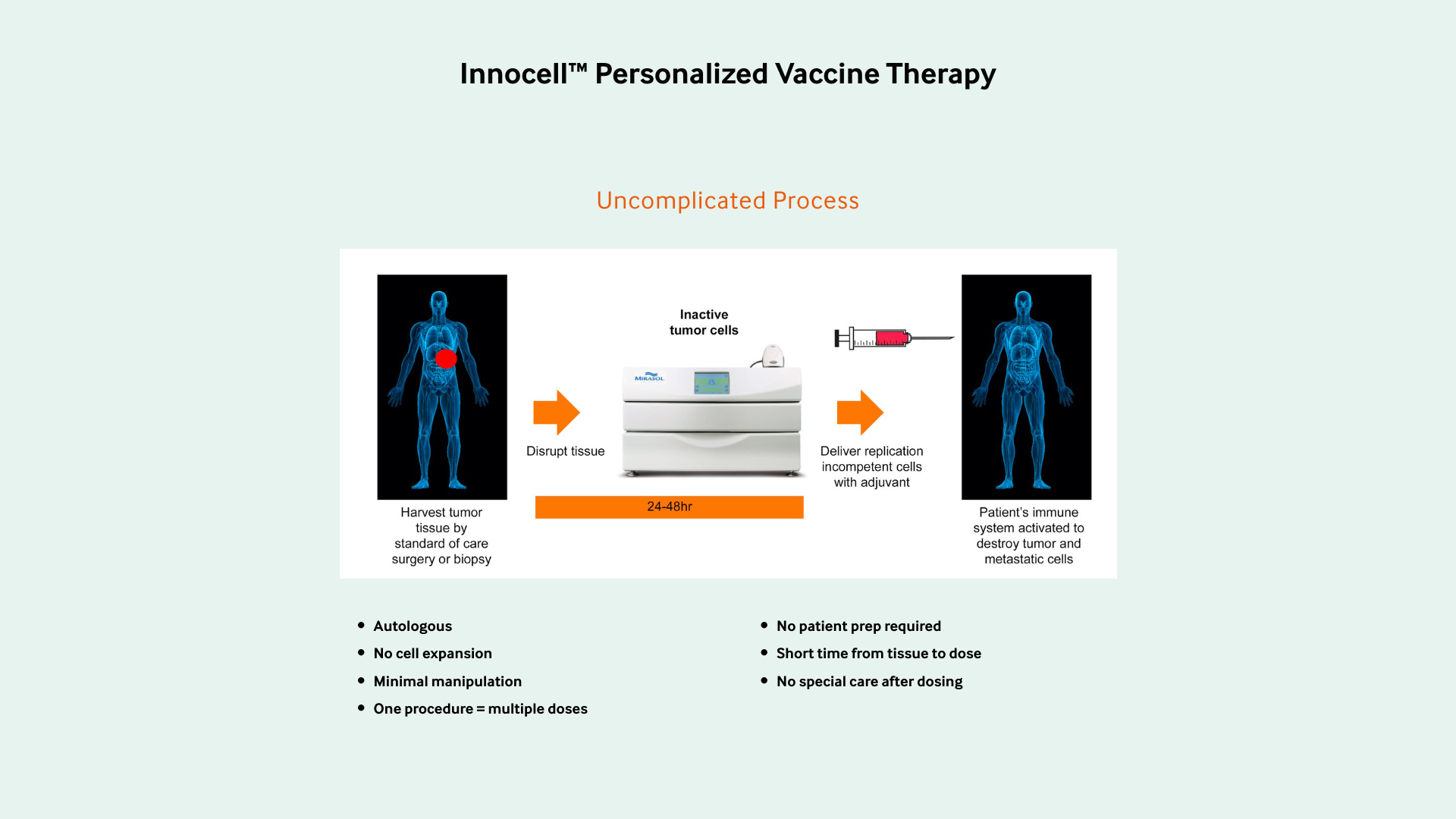
This therapy is based on the use of inactivated tumor cells prepared with a proprietary process that involves UV light and riboflavin.

These cells are isolated from a patient's tumor and inactivated and then used in a treatment that is designed to stimulate the patient's immune system to fight cancer.

Alan Rudolph, the CEO of PhotonPharma, expressed his enthusiasm about this development in a press release on March 5, 2024, stating, "We are thrilled to have reached this pivotal moment in our journey toward providing a novel treatment option for patients facing advanced ovarian cancer."

PhotonPharma anticipates initiating patient enrollment for this study shortly to profile the therapeutic potential of this innovative autologous vaccine therapy.

Vaccine Treats: 
Image: 
Image Caption: 
Innocell™ Personalized Vaccine Therapy
Live Blog Update Author: 
Location Tags: 
Include in VBT newsletter: 

GSK Herpes Simplex Virus Targeted Immunotherapy (GSK3943104A)

GSK Herpes Simplex Virus Immunotherapy (GSK3943104A)

GlaxoSmithKline plc. (GSK) Herpes Simplex Virus (HSV) targeted immunotherapy (HSVTI) is conducting a phase 1/2 clinical study (GSK Study ID: 215336) of a targeted immunotherapy (GSK3943104A) against HSV. This study's phases are being undertaken in the United States and Europe and include healthy participants aged 18-40 years or participants aged 18-60 years with recurrent genital herpes. This first-time-in-human (FTiH) study, involving 332 participants, aims to evaluate the reactogenicity, safety, immune response, and efficacy of an investigational HSV-targeted immunotherapy (TI). 

A trial is a combined phase I/II proof-of-concept study to assess the potential clinical efficacy of GSK3943104. Results show that GSK3943104 did not meet the study's primary efficacy objective. This vaccine candidate will therefore not progress to phase III studies. No safety concern was observed. The TH HSV REC-003 study will continue for routine safety monitoring and to generate follow-up data that could offer valuable insights into recurrent genital herpes. GSK is working closely with investigators to inform trial participants. The GSK study was terminated in September 2024.

GSK terminated a SAM-based herpes vaccine approach, GSK4108771A, in 2021.

GlaxoSmithKline plc. is a global biopharma company with a purpose to unite science, technology, and talent to get ahead of disease together. GSK is headquartered in Brentford, Middlesex, the UK.

GSK Herpes Simplex Virus Immunotherapy (GSK3943104A) Indication

Genital herpes is a sexually transmitted infection (STI) passed on through vaginal, anal, and oral sex. There's no cure for genital herpes. Symptoms typically clear up on their own, but the blisters can recur (resulting in an outbreak or recurrence).

GlobalData Assesses GSK-3943104A

The GlobalData report assesses how GSK-3943104A's drug-specific phase transition success rate and Likelihood of Approval scores compare to the indication benchmarks. The Likelihood of Approval data is updated regularly in response to events that affect the clinical development process and regulatory considerations. 

GSK Herpes Simplex Virus Targeted Immunotherapy Clinical Studies

GSK Study ID: 215336; March 2022 to May 2026 - Phase 1/2 clinical trial: EudraCT Number: 2021-003586-35; ClinicalTrials.gov Identifier: NCT05298254.

0 min read
Availability: 
N/A
Generic: 
GSK3943104A
Drug Class: 
Immunotherapy
Condition: 
Last Reviewed: 
Friday, December 12, 2025 - 09:55
Status: 
Manufacturer Country ID: 
FDA First In Class: 
Yes
0 min read

Escherichia coli (E. coli) is a harmful bacteria that poses a severe threat to newborns, causing neonatal sepsis infections that can be life-threatening. Given the underdeveloped immune systems of newborns, they are particularly vulnerable to such infections.

The risk of death from neonatal sepsis increases by 7.6% every hour a treatment is delayed.

However, there is currently no vaccine available for pregnant women to prevent this medical issue.

In an attempt to fill this void, the Combating Antibiotic-Resistant Bacteria Biopharmaceutical Accelerator (CARB-X) has taken an assertive stance by announcing $467k funding for GlyProVac to develop a maternal vaccine (GPV02) that targets E. coli.

This strategic move will help combat this bacterial species and save the lives of many newborns at risk of these severe infections.

GPV02 uses a selected bacterial protein, naturally decorated with small sugar molecules, to trigger an immune response for protection. This approach differs from previous attempts to develop protein-based bacterial vaccines since it involves specific natural sugar modifications previously undiscovered.

GlyProVac uses BEMAP technology to ensure that GPV02 correctly imitates E. coli, thus preparing the immune system to recognize the bacterium when an infection occurs.

Erin Duffy, Ph.D., R&D Chief of CARB-X, commented in a press release on February 29, 2024, "Because newborns at risk for neonatal sepsis are too young to be immunized, the vaccine would be administered to expectant mothers and target bacteria that cause neonatal bloodstream infections in babies."

"The vaccinated mothers would pass antibodies on to their babies in utero and through breastmilk after birth to strengthen their newborns' immune systems, helping them ward off infections."

The BARNARDS study estimated that 2.5 million neonates or infants in the first month of life die annually of sepsis, with the most significant burden in low- and middle-income countries. Since neonatal sepsis progresses rapidly, it requires immediate treatment with IV fluids and antibiotics.

GlyProVac is a research and development company from the University of Southern Denmark in Odense committed to reducing bacterial infections and antimicrobial resistance worldwide.

Vaccine Treats: 
Image: 
Image Caption: 
from Pixabay
Live Blog Update Author: 
Location Tags: 
Include in VBT newsletter: 
0 min read

CytoDyn Inc., a biotechnology company developing leronlimab, a CCR5 antagonist, announced that the U.S. Food and Drug Administration (FDA) has lifted its clinical hold on leronlimab.

According to a press release on February 29, 2024, the Company is now free to proceed with its proposed HIV clinical trial exploring leronlimab and its effects on chronic inflammation.

The FDA placed a partial clinical hold on the Company's HIV program on March 30, 2022.

CytoDyn's CEO, Dr. Jacob Lalezari, commented, "CytoDyn is grateful for the FDA's guidance on our (HIV) protocol, and we are excited to open a new chapter in the development of leronlimab as a therapy that provides clinical benefit by modulating chronic inflammation."

Leronlimab is a humanized monoclonal antibody that is a once-a-week subcutaneous injection that can also be administered intravenously.

However, it is not a traditional HIV vaccine candidate.

It is a competitive rather than allosteric inhibitor of the CCR5 receptor. This mechanism of action of binding competitively to the CCR5 receptor differentiates leronlimab from all other CCR5 antagonists.

The CCR5 receptor is a protein located on the surface of various cells, including white blood cells, stellate cells that produce scar tissue in the liver, and cells that undergo malignant transformation. It is the predominant co-receptor needed for certain strains of HIV to infect healthy T-cells.

The CCR5 receptor serves as a receptor for chemical attractants called chemokines. Chemokines are the key orchestrators of leukocyte trafficking by attracting immune cells to the sites of inflammation.

For HIV, leronlimab is a viral-entry inhibitor, protecting healthy T cells from viral infection by blocking the predominant HIV (R5) subtype from entering those cells. 

Dr. Lalezari plans to host a webcast on Tuesday, March 5, 2024, to provide a Company update. The update will include discussing the Company's clinical trial goals and expectations, upcoming publications, and overall development strategy.

Vaccine Treats: 
Image: 
Image Caption: 
from Pixabay
Live Blog Update Author: 
Location Tags: 
Include in VBT newsletter: 
0 min read

A new survey published in the journal Vaccine revealed about 68% of parents in high- and emerging-incidence states would vaccinate their children against Lyme disease.

With Lyme disease vaccines approaching approval, there appears to be significant consumer demand in some U.S. states. 

Announced on February 28, 2024, this survey found addressing safety concerns important, and a healthcare provider recommendation could also encourage those unsure or unwilling to be vaccinated.

Given the slight preference for monoclonal antibody passive immunization over-vaccination, particularly in rural areas, access to both may increase Lyme disease prevention.

Initially developed by Valneva SE, the VLA15 Lyme disease vaccine candidate development program was granted Fast Track designation by the U.S. Food and Drug Administration in 2017.

The journal The Lancet Infectious Diseases published results from a Jully 2023 study that concluded Valneva's novel multivalent Lyme vaccine candidate was safe and immunogenic. 

VLA15 is currently in advanced phase 3 clinical study.

Vaccine Treats: 
Image: 
Image Caption: 
by Alfonso Cerezo
Live Blog Update Author: 
Location Tags: 
Include in VBT newsletter: 
0 min read

Combating Antibiotic-Resistant Bacteria Biopharmaceutical Accelerator (CARB-X) today announced it awarded $2.2 million to LimmaTech Biologics AG to advance the development of its novel vaccine candidate targeted to prevent Neisseria gonorrhea (NG) infections.

The CARB-X award supports the development of LimmaTech's vaccine candidate that incorporates multiple antigens commonly found in NG bacteria. The goal is to develop a cost-effective vaccine that elicits a robust immune response against different NG bacterial strains.

"Gonorrhea is becoming increasingly resistant to treatment, which reinforces the pressing need for a highly effective and safe vaccine that can protect against this serious and pervasive pathogen," said Dr. Franz-Werner Haas, CEO of LimmaTech, in a press release on February 27, 2024.

"We believe our proprietary vaccine technology offers advantages in efficacy, production scalability, and simplicity to include multiple antigens that can effectively address bacterial infectious disease threats."

The WHO Global Health Sector Strategy on Sexually Transmitted Infections has set goals for reducing gonorrhea incidence by vaccination by 90%.

As of February 2024, no gonorrhea vaccine candidate has been approved by the U.S. Food and Drug Administration or European Medicines Agency.

However, the U.K.'s Joint Committee on Vaccination and Immunisation agreed in 2023 that a targeted program should be initiated using the 4CMenB (Bexsero®) vaccine for the prevention of gonorrhea in those who are at most significant risk of infection.

LimmaTech is a Swiss clinical-stage biotech company that has built a robust pipeline of innovative vaccines to provide solutions against increasingly dangerous infections, including Staphylococcus aureus and Shigella.

Vaccine Treats: 
Image: 
Image Caption: 
by Luis Tenorio
Live Blog Update Author: 
Location Tags: 
Include in VBT newsletter: 
0 min read

The U.S. Centers for Disease Control and Prevention (CDC) has confirmed Gonorrhea can be cured with the proper treatment for several years.

However, in 2024, the bacteria causing Gonorrhea is recognized by the World Health Organisation as a priority pathogen, for which resistance to existing treatments is rising.

According to industry news, an innovative product may offer better options than the CDC's recommended therapy (ceftriaxone).

GSK plc announced on February 26, 2024, that they had obtained positive headline results from the pivotal EAGLE-1 phase III trial for gepotidacin.

The clinical trial met its primary efficacy endpoint, with gepotidacin (oral, two doses of 3,000mg) demonstrating non-inferiority to intramuscular (IM) ceftriaxone (500mg) plus oral azithromycin (1,000mg), which is a leading combination treatment regimen for Gonorrhea.

Gepotidacin is a potential first-in-class oral antibiotic that has a novel mechanism of action for treating uncomplicated urogenital Gonorrhea in adolescents and adults.

In a press release, Chris Corsico, Senior Vice President, Development at GSK, said, "With rising incidence rates and concern around growing resistance to existing treatments, Gonorrhea threatens public health globally."

"These positive headline results demonstrate the potential for gepotidacin to provide a novel oral treatment option in the face of rising resistance and for patients who cannot take other treatments due to allergies or intolerance."

Detailed results from the EAGLE-1 trial will be presented at an upcoming scientific meeting and shared with global health authorities.

Gonorrhoea is a sexually transmitted infection caused by bacteria called Neisseria gonorrhoeae. It has been estimated that there are 82 million new cases globally each year.

Recently, repurposed vaccines have shown effectiveness against Gonorrhoea, while vaccine candidates conduct late-stage studies.

Vaccine Treats: 
Image: 
Image Caption: 
by Dean Moriarty
Live Blog Update Author: 
Location Tags: 
Include in VBT newsletter: 
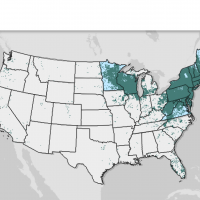
Lyme disease cases 2024
TP-05 demonstrated tolerability and statistically significant tick mortality