Search API
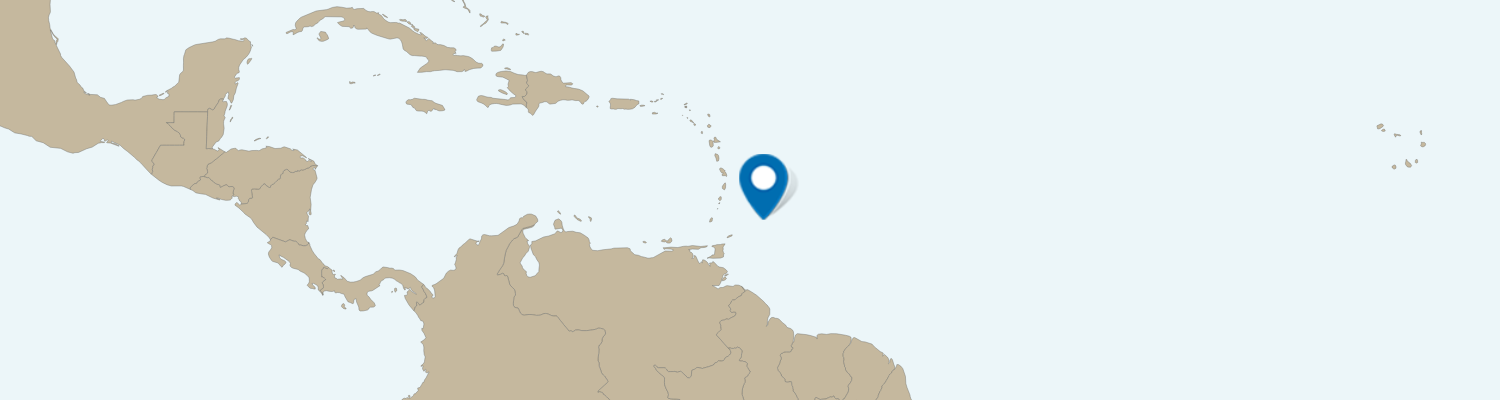
The Pan American Health Organization (PAHO) updated its Arboviral situation summary today with data indicating that a coral island in the Lesser Antilles of the West Indies was confronted with an extensive Zika virus (ZIKV) outbreak last year.
Zika transmission can occur in most areas where the mosquito Aedes aegypti is found. This means there is the potential for transmission throughout much of the Caribbean Islands, says the PAHO.
In 2022, the PAHO reported a total of 37,869 ZIKV cases in the Region of the Americas in 15 out of 52 countries and territories.
The most significant number of Zika cases in the Region was reported by Brazil, with 34,176.
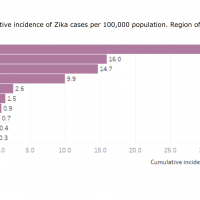
But on a cumulative incidence per 100,000 population basis. Barbados, with about 280,000 residents, led the Region at 48.
Brazil's rate was just 16, based on a population of 214 million.
To alert international visitors of their potential ZIKV health risk when visiting Barbados, the U.S. Centers for Disease Control and Prevention (CDC) issued an Alert - Level 2, Practice Enhanced Precautions. However, the CDC withdrew this Alert on June 30, 2021.
The CDC currently says, 'We do not have accurate information on the current level of risk.'
However, both Canada and the United Kingdom (UK) had enough information to publish ZIKV advice for people visiting Barbados last year.
The UK represented about 50% of all international visitors in 2022.
Because Zika is a cause of severe congenital disabilities, such as microcephaly, the CDC, Canada, and the UK recommend pregnant women and couples trying to become pregnant within the next few months speak with their healthcare providers to carefully consider the risks and possible consequences of travel to areas with risk of Zika.
Furthermore, if a woman is pregnant, she should not visit areas with ZIKV outbreaks, says the CDC.
Furthermore, these countries have not approved a Zika-prevention vaccine as of January 28, 2023.
The U.S. Department of State recently updated its travel advisory for the Plurinational State of Bolivia in western-central South America.
On January 26, 2023, the State Department's Level 2: Exercise Increased Caution notice highlighted areas of concern.
For the Chapare region, do not travel due to civil unrest. Also called The Chapare, this rural province is in the northern part of the Cochabamba Department in central Bolivia.
Chapare is adjacent to Peru, which also reported civil unrest in 2023.
The State Department also suggested reconsidering traveling to the Yungas region, which is located further north in Bolivia.
If you visit Bolivia or are in-country, the State Department says to avoid demonstrations and crowds and enroll in STEP to receive embassy alerts and to be located in an emergency.
And, due to ongoing public demonstrations in the southern city of Santa Cruz, the U.S. Consular Agency announced on January 4, 2023, it would remain closed until further notice.
And recommended visitors should limit travel to and around Santa Cruz.
American citizens in Santa Cruz needing urgent consular assistance can contact the Consular Section at the U.S. Embassy La Paz, located at Avenida Arce 2780, La Paz, Bolivia.
At over 3,500m elevation, La Paz is positioned in the Andes' Altiplano plateau near the snow-capped Mt. Illimani, with the world's highest cable car. Or visitors can visit Lake Titicaca, the world's highest navigable lake.
Furthermore, Canada confirmed that roadblocks are common on January 26, 2023, and can lead to significant traffic and public transportation disruptions. The following areas are vulnerable to blockades: along Bolivia–Peru border and roads leading to international airports.
From a health perspective, the U.S. Centers for Disease Control and Prevention (CDC) suggests several pre-visit vaccinations, such as yellow fever.
Yellow fever vaccination is recommended for all travelers ≥9 months of age traveling to areas in elevation and east of the Andes Mountains: the entire departments of Beni, Pando, Santa Cruz, and designated areas of Chuquisaca, Cochabamba, La Paz, and Tarija departments.
In the U.S., the YF-Vax vaccine is available at certified travel clinics and pharmacies.
The article was updated on Jan. 28, 2023.

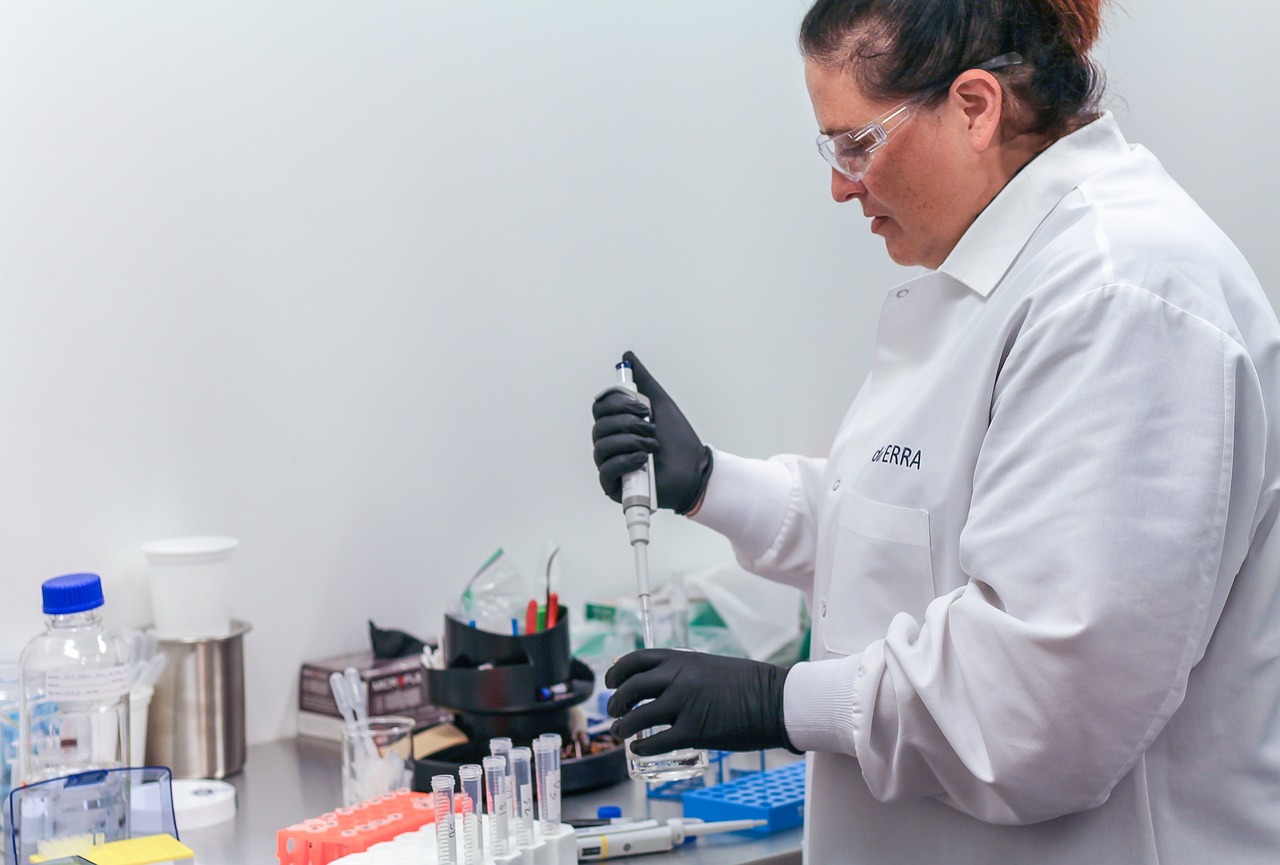
Roche and its subsidiary TIB Molbiol, recently announced they had developed a COVID-19 PCR test for researchers that detects and differentiates the latest variant of concern, XBB.1.5.
The XBB.1.5 variant is prevalent in the U.S. and is quickly spreading to other countries.
XBB.1.5 is a sub-variant of a SARS-CoV-2 beta coronavirus variant named XBB.
Differentiating emerging variants and understanding their similarities and mutations empowers experts to make predictions about treatment strategies.
The VirSNiP SARS-CoV-2 Spike F486P test is for use on the LightCycler® 480 II and cobas® z 480.
“Roche continues to develop timely diagnostic innovations related to COVID-19 by providing valuable insights - helping scientists and physicians understand this new strain, how it differs from other variants, and the impact it may have on public health,” said Matt Sause, CEO of Roche Diagnostics, in a press release on January 26, 2023.
“Since the start of this global health crisis, Roche has been committed to bringing effective diagnostic solutions to address unmet needs to healthcare communities worldwide.”
The research-use-only test, VirSNiP SARS-CoV-2 Spike F486P, adds to the broad suite of COVID-19 test kits developed by Roche and TIB Molbiol.
In the U.S., the Food and Drug Administration has authorized numerous COVID-19-related tests as of January 27, 2023.
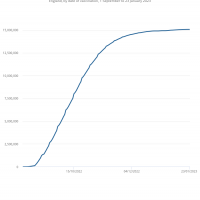

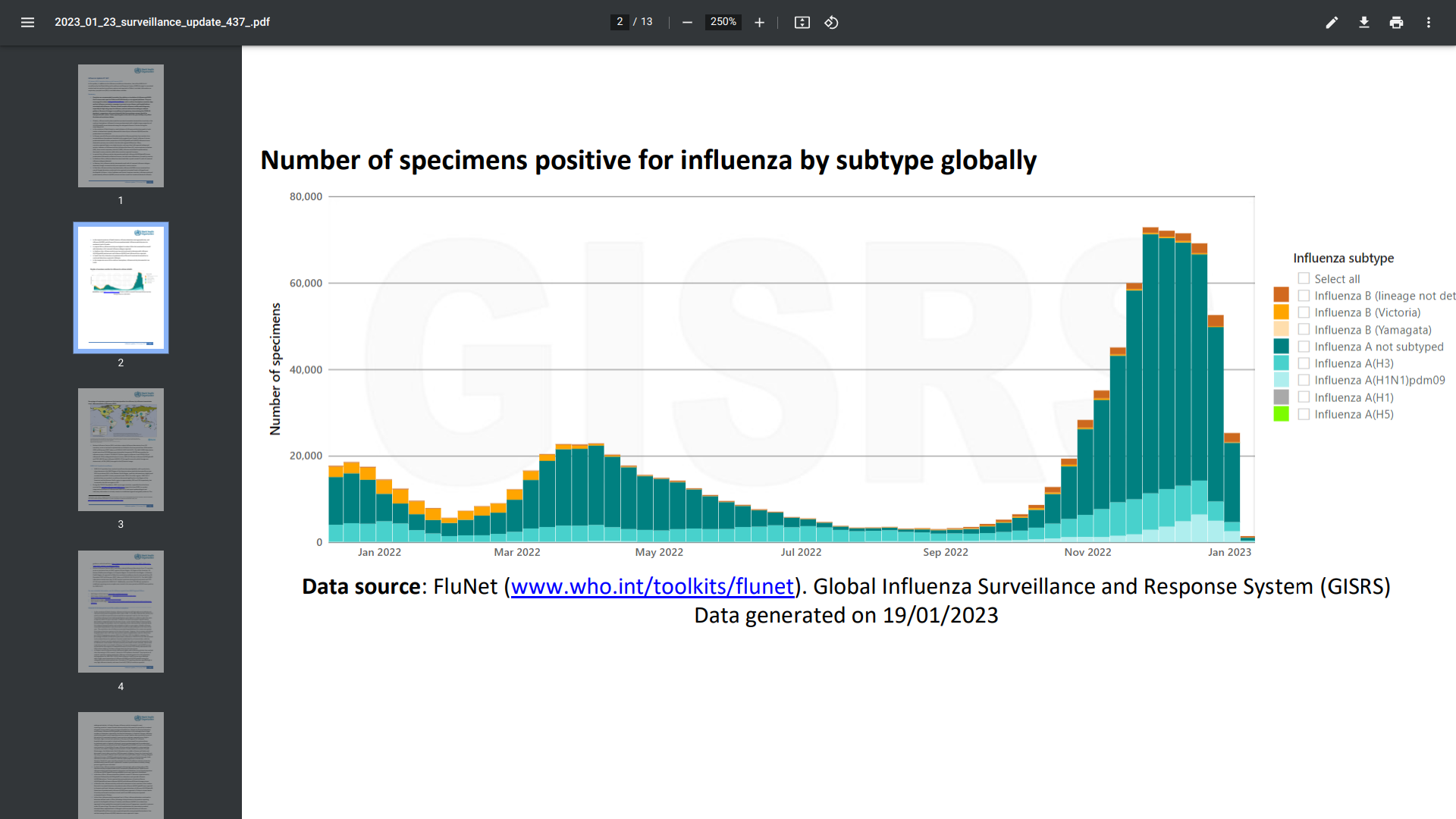
The World Health Organization (WHO) Influenza Update N° 437 report recently confirmed influenza activity decreased globally but remained somewhat elevated due to activity in the northern hemisphere.
In the countries of North America, most indicators of influenza activity decreased to levels similar to or below levels typically observed this time of year.
Influenza A(H3N2) was the predominant virus detected.
In Europe, overall influenza activity decreased.
Many European countries reported high or very high intensity, and more than half reported widespread activity. And various indicators of influenza activity decreased in many countries while others reported increases.
Overall, influenza A viruses predominated with similar proportions of A(H1N1)pdm09 and A(H3N2) influenza viruses detected in primary care sentinel sites but with regional differences.
The full, unedited WHO January 23, 2023 report is posted at this WHO link.
On January 20, 2023, the U.S. CDC FluView week #2 report confirmed seasonal influenza activity was declining in most areas.
Three regions in the U.S. were below their outpatient respiratory illness baselines for the first time since October 2022.
In the U.S., over 170 million influenza vaccines have been distributed during the 2022-2023 flu season. These flu shots remain generally available at most clinics and pharmacies in the U.S.
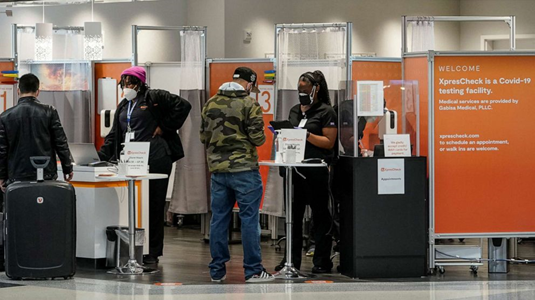
The U.S. Centers for Disease Control and Prevention (CDC) Travelers’ Health today announced the expansion of the Traveler Genomic Surveillance (TGS) program to two additional U.S. airports, Los Angeles and Seattle.
This expansion is helping the CDC to detect new SARS-CoV-2 coronavirus variants among international air travelers.
U.S. airports are visited by more than 1 billion travelers annually and can serve as the front line for public health officials to detect the virus that causes COVID-19.
Recently, the TGS program was among the first globally to identify BQ.1.1 and contributed towards its designation as a sub-lineage.
TGS also has been among the first to identify and report BA.2.75.2, XBB, and CH.1.1 in the U.S.
In total, the TGS program currently has sites in seven major U.S. international airports:
Hartsfield-Jackson International Airport in Atlanta
John F. Kennedy International Airport in New York City
Los Angeles International Airport
Newark Liberty International Airport
San Francisco International Airport
Seattle-Tacoma International Airport
Washington Dulles International Airport
The next time you travel through one of these airports, stop by the TGS booth, volunteer to participate, and receive a free COVID-19 at-home test kit for your time contributing to public health, stated the CDC on January 26, 2023.
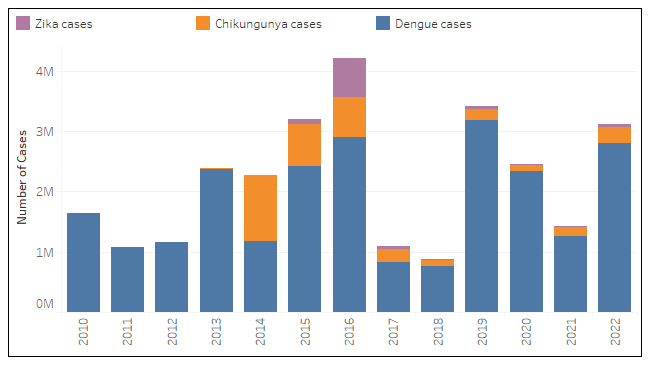
According to new data published today by the Pan American Health Organization (PAHO), the Region of the Americas reported 3,113,022 arboviral disease cases in 2022.
Of those cases, 90.1 % were dengue, 8.7 % were chikungunya, and 1.2 % were Zika virus.
Regarding related fatalities, dengue infections produced 1,289 deaths, chikungunya was 87, and Zika produced 2 deaths last year.
It is worth noting that in 2022 dengue peaked at week #17, whereas chikungunya peaked in week #18, and the Zika virus circulation was more robust in the first semester.
Country-specific data on case counts and completeness can be found at https://www.paho.org/plisa.
While dengue has two approved preventive vaccines available in certain countries, chikungunya and Zika candidates remain in various stages of human clinical trials as of January 26, 2023.