Search API

Fungal Disease Vaccines

Fungal Disease Vaccines April 2025

According to the World Health Organization (WHO), reproducible and comparable estimates of severe fungal infections are urgently needed to address this often underappreciated public health need. As of April 15, 2025, no fungal vaccines to protect people from disease have been approved by the European Medicines Agency (EMA) or the U.S. Food and Drug Administration (FDA). The WHO published a report on October 25, 2022, highlighting the first-ever list of fungal priority pathogens, a catalog of the nineteen fungi representing the greatest threat to public health.

The U.S. Centers for Disease Control and Prevention (CDC) says there are millions of fungal species, but only a few hundred can make people sick. On January 11, 2024, the CDC published an MMWR stating that the large volume of topical antifungal prescriptions (6.5 million in 2023) in the context of emerging resistance highlights the need to understand current prescribing practices better, encourage judicious prescribing by clinicians, and improve patient education about recommended use.

On August 13, 2024, a workshop between the FDA and CDC brought together a diverse group of stakeholders to summarize progress toward developing vaccines against fungal diseases.

Fungal Disease Vaccine Candidates 2025

Fungal candidate vaccines target common antigens expressed in multiple genera of fungi, thereby protecting against a broad range of mycoses. Encouragingly, three vaccines have reached human clinical trials. Fungal vaccine candidates are segmented into several broad categories based upon their composition, ranging from multiple to single antigens: whole organism vaccines (live-attenuated or killed fungal cells), crude extracts (fractions derived from cells and medium of fungal cultures), purified subunit vaccines (proteins, peptides), and nucleic acids (RNA and DNA) encoding the antigen(s) of interest.

A "pan-fungal" peptide NXT-2 vaccine is based on a previously identified vaccine candidate (Mar. 2022) and homologous sequences from Pneumocystis, Aspergillus, Candida, and Cryptococcus. Data in multiple animal models support the University of Georgia's concept that immunization with a pan-fungal vaccine before immunosuppression induces broad, cross-protective antifungal immunity in at-risk individuals.

Recombinant Candida vaccine candidates have reached human clinical testing with promising results. The PEV7 vaccine candidate consists of recombinant aspartyl-proteinase 2 (Sap2), a secreted protein of C. albicans, assembled into virosomes. After protection was demonstrated in C. albicans-challenged rats, a phase 1 clinical trial was conducted to assess the safety and immunogenicity of PEV7 in healthy female volunteers. All of the 48 vaccinated women developed specific B-cell memory responses.

The NDV-3A vaccine candidate contains the recombinant N-terminus of C. albicans agglutinin-like sequence three protein (Als3p, a cell surface adhesin, and invasin) formulated with aluminum hydroxide adjuvant. Preclinical studies demonstrated that the vaccine was immunogenic and protected mice from Candida species. In the phase 1 clinical trial, which recruited 40 volunteers, NDV-3 elicited increased antigen-specific IgG and IgA1 titers and increased IFN-γ and IL-17A cytokine production compared to placebo recipients. Based on these data and a favorable safety profile, a multicenter, double-blind, placebo-controlled phase 1b/2a clinical trial was undertaken to assess the immunogenicity and efficacy of the NDV-3A vaccine in 188 women with recurrent vulvovaginal candidiasis (RVVC)43. NDV-3A is identical to NDV-3, except it lacks a 6-His tag and linker sequences. As with NDV-3, NDV-3A was safe and highly immunogenic. There were no statistically significant differences between the treatment and placebo groups in the primary efficacy analysis. However, in a post-hoc subgroup analysis, subjects aged <40 had significantly fewer RVVC episodes during the 12-month study period.

Fungal Disease Outbreaks

The U.S. CDC's Mycotic Diseases Branch has assisted with dozens of fungal outbreak investigations. Invasive fungal infections cause over 1.5 million deaths worldwide. As of 2024, updated estimates suggest an annual incidence of 6.5 million invasive fungal infections and 3.8 million deaths, of which about 68% were directly attributable to fungal disease incidence. The CDC publishes a list of the most common Types of Fungal Diseases:

Valley feverCurrently, there is no vaccine to prevent Valley fever. Approximately 200 coccidioidomycoses (cocci) are associated with fatalities annually in the U.S., primarily in California and Arizona. Therefore, the U.S. NIAID awarded $4.5 million to establish Coccidioidomycosis Collaborative Research Centers to conduct vaccine research for Valley Fever.

Candida auris is an emerging fungus that presents a serious global health threat. Research published in November 2022 concluded that a vaccine candidate could potentially treat C. auris infection. 

The histoplasmosis outbreak occurred in campers in Louisiana in 2018.

Fungal meningitis and other fungal infections associated with contaminated steroid injections, 2012.

Fungal Disease Overview

The Annals of Internal Medicine reported on March 21, 2023, that fungal infections have risen dramatically since being detected in 2016. The increase in echinocandin-resistant cases and evidence of transmission is particularly concerning because echinocandins are first-line therapy for invasive Candida infections, including C auris. Invasive fungal infections cause over 1.5 million deaths worldwide. With the increased prevalence (~12%) of immunocompromised persons, invasive fungal infections have become considerably more frequent. High mortality rates caused by invasive mycoses and high morbidity because of intractable mucosal infections have created an unmet need for innovative prophylactic and therapeutic vaccine strategies against fungal pathogens

Fungal Disease Vaccine News

September 30, 2023—The Atlantic published an article titled "Humans Can No Longer Ignore the Threat" of Fungi.

April 11, 2023 - NBC News reported Michigan is investigating over 90 suspected cases of a potentially severe fungal infection linked to a Michigan paper mill. The Michigan Department of Health and Human Services, Surveillance for Healthcare-Associated and Resistant Pathogens Unit, publishes updates on the emergence of Candida auris.

March 31, 2023 - A mycologist in Kolkata, India, is the first person to be diagnosed with a fungal disease that usually affects plants. This case report (June 2023) demonstrates that plant pathogens can infect humans in close contact with plant fungi.

March 22, 2023 - Cidara Therapeutics, Inc. announced that the U.S. FDA approved REZZAYO™ (rezafungin for injection) for treating candidemia and invasive candidiasis in adults with limited or no alternative treatment options.

March 16, 2023—Researchers at the Department of Botany, Banaras Hindu University, and other institutions have discovered three distinct fungi.

February 6, 2023 - The journal Nature published The WHO fungal priority pathogens list as a game-changer.

January 31, 2023 - A vaccine candidate from the University of Georgia could be the first clinically approved immunization to protect people against invasive fungal infections.
6 min read
Last Reviewed: 
Tuesday, April 15, 2025 - 12:35
Description: 
Fungal disease vaccines are not U.S. FDA authorized.
Condition: 
Dengue vaccine availability 2023
Qdenga dengue vaccine authorized in Europe, Indonesia, UK
MERS cases related to camels
MERS vaccine candidates are conducting clinical research
0 min read

The World Health Organization (WHO) today announced, 'Over the past few weeks, several reports of mammals including minks, otters, foxes, and sea lions have been infected with H5N1 avian influenza. 

H5N1 has spread widely in wild birds and poultry for 25 years, but the recent spillover to mammals needs to be monitored closely. 

Since H5N1 first emerged in 1996, we have only seen rare and non-sustained transmission of H5N1 to and between humans. 

For the moment, WHO assesses the risk to humans as low. 

But we cannot assume that will remain the case, and we must prepare for any change in the status quo. 

The WHO is also continuing to engage with manufacturers to ensure if needed, supplies of vaccines and antivirals would be available for global use.'

The WHO previously confirmed the annual flu shot for 2023 would not be effective against this type of influenza virus.

The U.S. government has already approved a vaccine for this type of avian influenza (bird flu) and has invested in newer vaccinate candidates. And related bird flu vaccine information is posted at this link.

As of February 8, 2023, avian influenza (bird flu) outbreak news was updated.

Vaccine Treats: 
Image: 
Image Caption: 
USDA Feb. 2023 HAPI Detections in Mammals
Live Blog Update Author: 
Location Tags: 
0 min read

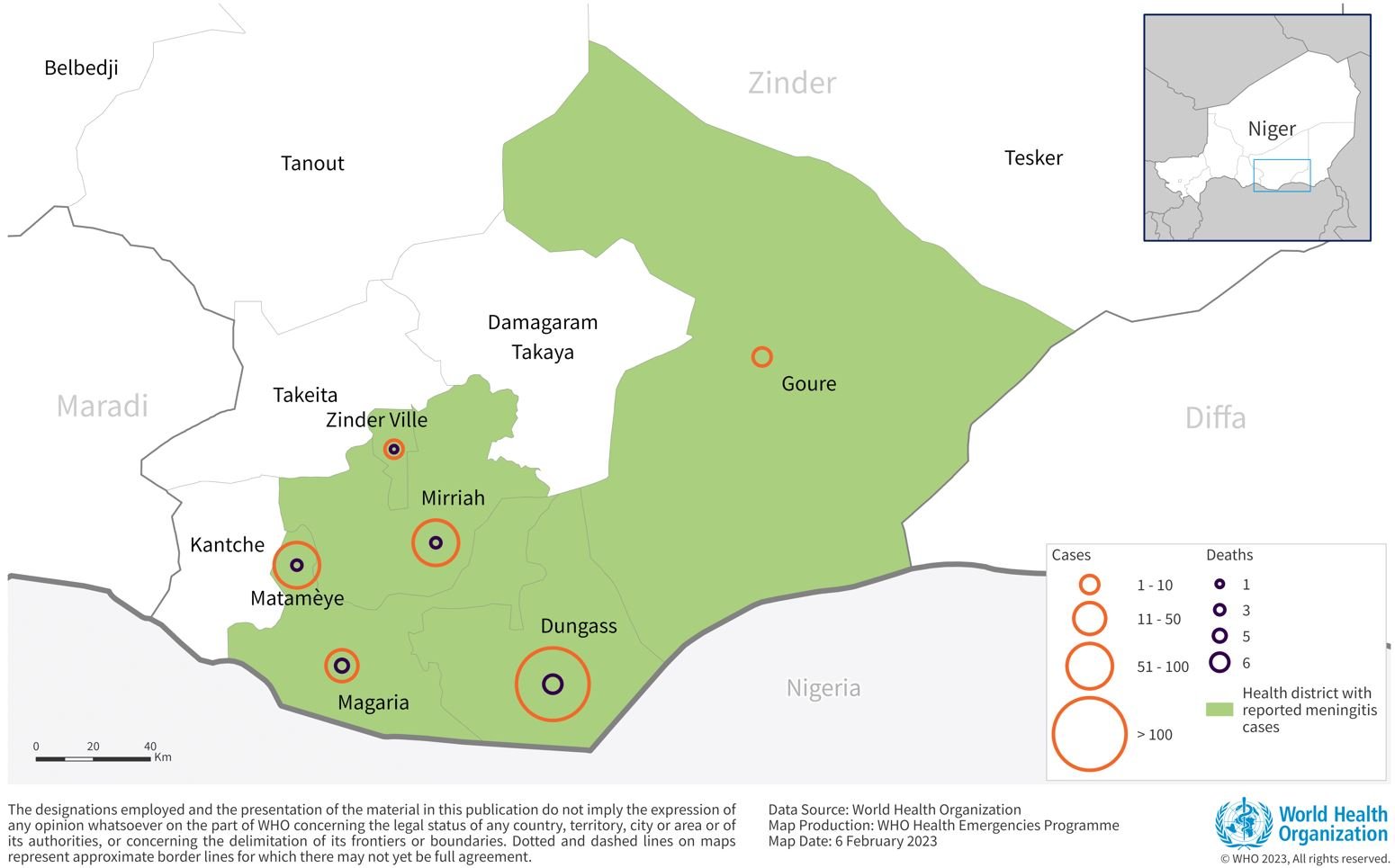
The World Health Organization (WHO) today announced 18 meningitis-related fatalities (3.2% of cases) had been reported in the Zinder Region, southeast of Niger, over the past three months.

The vast majority of cases are due to Neisseria meningitidis serogroup C (NmC).

The WHO confirmed on February 8, 2023, a reactive vaccination campaign with the trivalent ACW meningococcal polysaccharide vaccine has been implemented.

Niger has been affected by several meningitis epidemics resulting in 1,369 deaths (6.6% of cases) since 2015.

Niger is located mainly in the African meningitis belt, with seasonal outbreaks recurring yearly.

However, the ongoing outbreak shows an increased number of cases and an increased growth rate compared to the previous seasons.

Furthermore, the Zinder region shares a border with Jigawa State in Nigeria, where an NmC outbreak is also ongoing.

The WHO assesses the risk posed by the current meningitis outbreak in Niger as high at the national level, moderate at the regional level, and low at the global level.

And the WHO does not recommend any restriction on travel and trade to Niger based on the current event.

Separately, the U.S. Centers for Disease Control and Prevention (CDC) recommends vaccination for travelers two months old or older visiting areas of Niger that are part of the meningitis belt during the dry season.

While the CDC has not issued a Travel Alert for Niger's latest meningitis outbreak, it previously issued notices for polio and measles outbreaks.

These travel vaccines are available at select clinics and pharmacies in the U.S.

Vaccine Treats: 
Image: 
Image Caption: 
WHO meningitis cases by health district, Zinder region, Niger, 2023.
Live Blog Update Author: 
Location Tags: 
0 min read

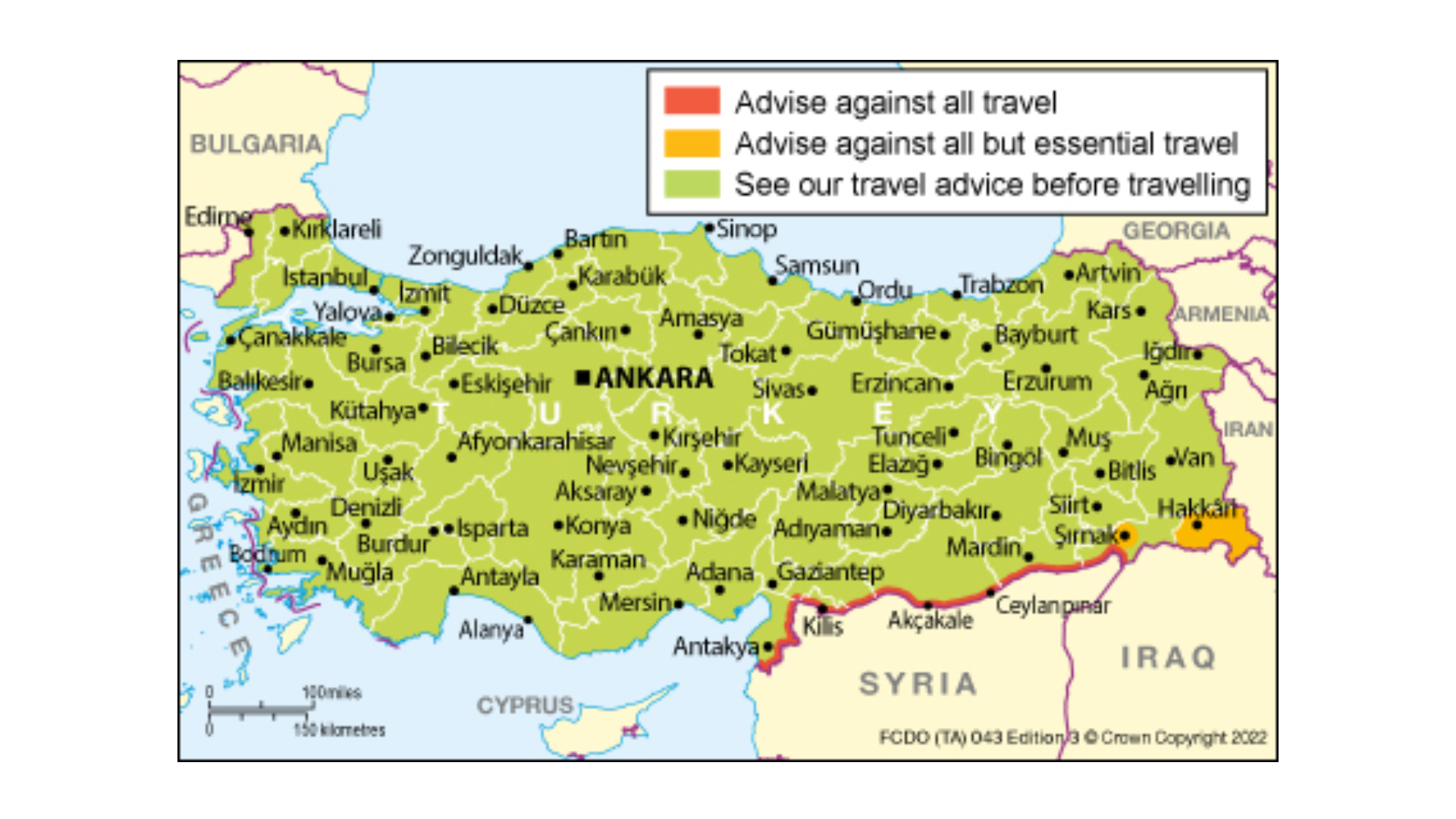
The UK Foreign Travel Advice confirmed today the Republic of Türkiye had announced a national emergency in the ten provinces affected by earthquakes and announced that only vehicles which carry aid teams and materials would be allowed to enter cities deemed to be inside the area of the disaster.

A 7.8 earthquake hit Gaziantep and neighboring provinces in the southeast of Turkey on February 6, 2023.

On the same day, a 7.5 magnitude earthquake hit the neighboring province of Kahramanmaras.

The provinces affected by the earthquake include Kahramanmaraş, Gaziantep, Malatya, Diyarbakır, Kilis, Şanlıurfa, Adıyaman, Hatay, Osmaniye, Adana.

If you are in Turkey or planning to travel there, you should follow the information and advice from local authorities/your tour operator, wrote the UK on February 7, 2023.

Image: 
Image Caption: 
UK Foreign travel advice Turkey Feb. 2023
Live Blog Update Author: 
Location Tags: 
0 min read

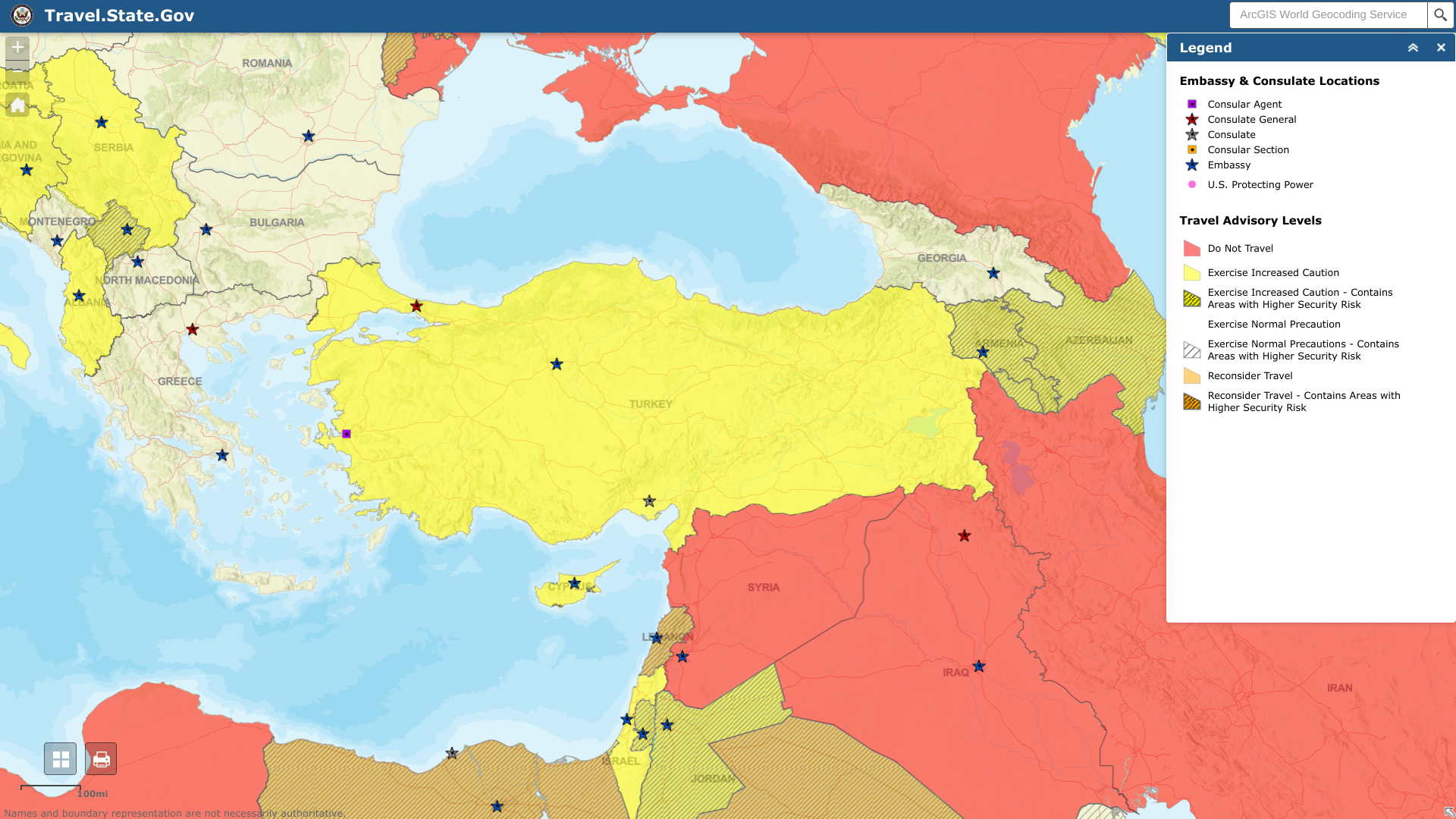
The U.S. Embassy and Consulates in Turkiye announced a large 7.8 earthquake that occurred on February 6, 2023, in the southeast region, near Gaziantep, affecting several provinces and the broader Central Mediterranean region.

Large aftershocks continue and are likely through the coming days.

U.S. Citizens should avoid traveling to areas affected by the earthquake, and if already there, we advise not to enter damaged buildings until Turkish authorities deem them safe.

The U.S. government is deferring all non-essential travel to U.S. Consulate Adana’s district – Adana, Adiyaman, Batman, Bingol, Bitlis, Diyarbakir, Elazig, Gaziantep, Hakkari, Hatay, Kahramanmaras, Kilis, Malayta, Mardin, Mersin, Mus, Osmaniye, Sanliurfa, Sirnak, Siirt, Tunceli, and Van.

Please note that there are reports of extensive damage to infrastructure including roads in these provinces.

U.S. Citizens in Türkiye in need of immediate, emergency assistance should call Turkish authorities using the phone number 112.

All other inquiries regarding U.S. citizens impacted by the earthquake should be directed to U.S. Embassy in Ankara at [email protected].

Note: This is a developing tragedy, with news updates are required.

Image: 
Image Caption: 
U.S. Dept of State Turkiye Map 2023
Live Blog Update Author: 
Location Tags: 
Dengue in Mexico
Dengue outbreaks in most Mexico states
0 min read

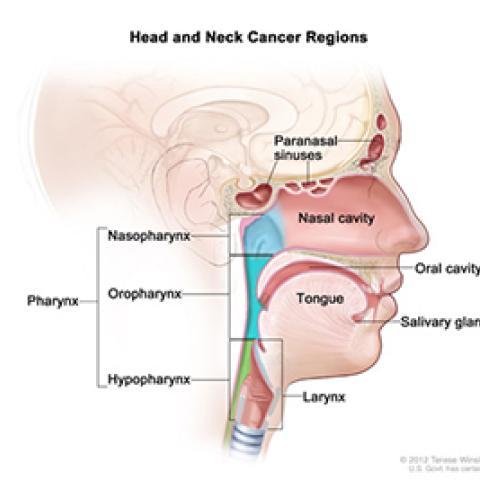
A biotechnology company developing immunotherapies and vaccines against cancers and infectious diseases announced today that its clinical trial of Gedeptin® for patients with recurrent head and neck cancers is now actively enrolling patients at three major research centers in the U.S.

GeoVax Labs, Inc.'s phase 1/2 trial (NCT03754933) is evaluating the safety and efficacy of repeat cycles of Gedeptin therapy in patients with recurrent head and neck squamous cell carcinoma (HNSCC), with tumor(s) accessible for injection and no curable treatment options.

A recent phase 1 dose-ranging study evaluating the safety of a single cycle of Gedeptin therapy found the therapy well-tolerated, with evidence of a reduction in tumor size in patients with solid tumors.

David Dodd, GeoVax President and CEO, commented in a press release on February 7, 2023, "The support of the U.S. FDA and collaborations with Stanford, Emory, and Jefferson enable us to evaluate Gedeptin rapidly in 10 patients, with the potential to expand the trial to 25 patients subsequently."

"A successful outcome may lead to labeling discussions with the FDA and initiation of further Gedeptin investigations, including in combination with immune checkpoint inhibitors, for additional cancerous and non-cancerous tumor indications."

Most patients are diagnosed with locally advanced disease and treated with surgery, chemotherapy, and radiotherapy. About 50% of these patients will experience a recurrence of the disease.

The GeoVax study is partially funded by the FDA under its Orphan Products Clinical Trials Grants Program. 

The FDA has also granted Gedeptin orphan drug status for the intra-tumoral treatment of anatomically accessible oral and pharyngeal cancers, including cancers of the lip, tongue, gum, floor of the mouth, salivary gland, and other oral cavities.

Vaccine Treats: 
Image: 
Image Caption: 
National Cancer Inst. 2023.
Live Blog Update Author: 
Location Tags: 

Mammals Infected With Highly Pathogenic Avian Influenza (HAPI) Virus

Mammals Infected With Highly Pathogenic Avian Influenza (HAPI) Virus

According to the U.S. Centers for Disease Control and Prevention (CDC) and the Department of Agriculture (USDA), mammalian infections with the highly pathogenic avian influenza (HAPI) virus will be a global concern in 2025. On January 6, 2025, the CDC stated that H5 bird flu is widespread in wild birds worldwide, causing outbreaks in wild birds, mammals, poultry, and dairy cows. Several recent human cases have been reported in U.S. dairy and poultry workers.

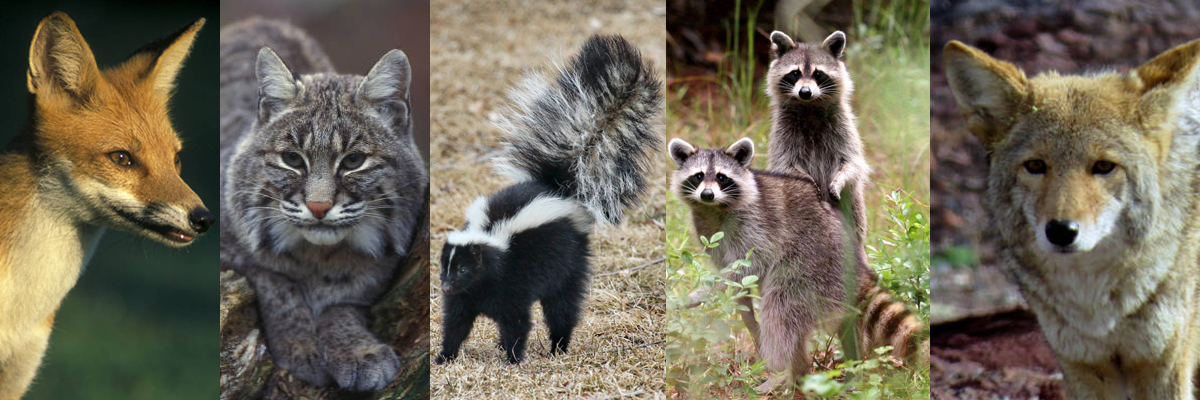
In addition, the World Health Organization (WHO) Technical report states that HAPI viruses (bird flu) are evolving, and various mammals are at risk. Furthermore, the U.K. Health Security Agency (UKHSA), World Organisation for Animal Health, the European CDC's Communicable Disease Threats Report, and the Pan American Health Organization (PAHO) have confirmed bears, cats, dogs, dolphins, ferrets, foxes, minks, penguins, sea lions, sea sealselephant seals, skunks, and other mammals had been infected with HAPI viruses.

On November 18, 2023, the CDC Emerging Infectious Diseases Volume 29, Number 12—December 2023, described the pathology of natural infection with highly pathogenic avian influenza A(H5N1) virus of Eurasian lineage Goose/Guangdong clade 2.3.4.4b in 50 red foxes (Vulpes vulpes), six striped skunks (Mephitis mephitis), four raccoons (Procyon lotor), two bobcats (Lynx rufus), 2 Virginia opossums (Didelphis virginiana), one coyote (Canis latrans), one fisher (Pekania pennanti), and 1 gray fox (Urocyon cinereoargenteus). This research confirmed that the genotype analysis indicates that the HAPI cases represent spillover infections from wild birds.

2 min read
Last Reviewed: 
Tuesday, January 14, 2025 - 09:25
Description: 
Avian influenza H5N1 viruses have infected bears, cats, condors, dogs, dolphins, foxes, otters, raccoons, seals, sea lions, skunks.
Condition: