Search API

Butantan-DV Dengue Vaccine

Butantan-DV Dengue Vaccine Clinical Trials, Dosage, Indication, News, Side Effects

Butantan Institute's tetravalent, live-attenuated, single-dose Butantan-DV Dengue Vaccine is an attenuated dengue vaccine against the four serotypes, or strains, of dengue that results from a partnership between Butantan, the U.S. National Institutes of Health (NIH), and the American Type Culture Collection (ATCC). Development of the tetravalent dengue vaccine began at the Butantan Institute in 2010, with FAPESP's support, using a formulation developed by researchers affiliated with the NIH.

In late November 2025, Brazil's national drug regulator approved the Butantan-DV vaccine for use in people aged 12 to 59, with availability in 2026. The official registration statement was posted on December 2, 2025. The first 1.3 million doses already manufactured will be allocated to primary care professionals in Brazil. Furthermore, Butantan has entered into an international partnership with WuXi to increase production. The agreement will allow for an expansion of supply capacity to deliver approximately 30 million doses in the second half of 2026.

Butantan-DV is a cocktail of four live-attenuated dengue viruses (DENVs). Three dengue serotypes are near full-length DENV genomes, whereas only one component (DENV-2) is a chimeric vaccine virus. This chimeric virus contains two structural genes of DENV-2 on the same attenuated DENV-4 genetic background as the DENV-4 component of the vaccine. Consequently, Butantan-DV contains more homologous immunogenic dengue proteins for each serotype in the cocktail (including non-structural proteins for three of the four serotypes) than the other two highly chimeric vaccines.

Human phase 1 clinical trials in Brazil started in 2013, with the support of the Butantan Foundation and Brazil's national development bank, BNDES. The ongoing Phase 3 clinical trial results, published in The Lancet on August 5, 2024, showed that the vaccine is safe and 79.6% effective across age groups 2-59 and among people with or without a prior history of infection by the dengue virus. A phase 3 study funded by Instituto Butantan and others, published an Original Article in the NEJM, found that a single dose of Butantan-DV prevented symptomatic DENV-1 and DENV-2 infections, regardless of baseline dengue serostatus, through 2 years of follow-up. Results from phase 3 of the clinical trial, published in The Lancet Infectious Diseases in November 2024, showed 89% protection against severe dengue and dengue with warning signs, with prolonged efficacy and safety for up to five years. As of December 2025, the vaccine demonstrated an efficacy of 74.7% against symptomatic dengue in people aged 12 to 59 and 89% against severe forms with warning signs, according to studies presented to the National Health Surveillance Agency.

Instituto Butantan is the leading producer of immunobiologicals (vaccines) in Brazil.

Butantan-DV Dengue Vaccine Availability 2026

The Butantan-DV vaccine was approved in 2025. On December 16, 2024, the Company submitted for Butantan-DV approval in Brazil. In January 2025, the Butantan Institute submitted a report to Brazil's health surveillance agency (ANVISA) to apply for the vaccine's registration in Brazil. ANVISA does not prohibit the production of vaccines by the licensor. If approved in 2025, Butantan-DV will be the world's first single-dose vaccine against dengue. The Institute plans to produce around 1 million doses in 2025, mainly for Brazil's Ministry of Health via the national vaccination program, and 100 million more doses by the end of 2027.

Butantan-DV Dengue Vaccine Dosage

Butantan-DV Dengue Vaccine is administered as a single dose.

Butantan-DV Dengue Vaccine Indication

Butantan-DV Dengue Vaccine offers people protection against four types of the dengue virus.

Butantan-DV Dengue Vaccine Side Effects

In a phase 3 study, solicited systemic vaccine- or placebo-related adverse events within 21 days after injection were more common with Butantan-DV than with placebo (58.3% of participants vs. 45.6%).

Butantan-DV Dengue Vaccine News

December 8, 2025 - Anvisa published the registration of the dengue vaccine developed by the Butantan Institute. The publication formalizes the conclusion of the regulatory process and allows the production and commercialization of the immunizing agent, which will be offered exclusively by the Unified Health System in the country

February 19, 2025 - "We are providing the Butantan Institute with all the necessary infrastructure to ensure that we can produce the vaccine properly, as we are again experiencing a dengue epidemic. There is only one way to end dengue in our country: to administer the vaccine in the arms of all Brazilians. In this sense, we have the full commitment of Butantan, the government, and the secretariat to focus on this," said Eleuses. 

December 16, 2024 - The fact that the Butantan Institute can contribute to the world's first single-dose vaccine against dengue shows that it is worth investing in Brazil's research and the internal development of immunobiologicals. We will wait and respect all the procedures of Anvisa, an agency of the highest competence. But we are confident in the results that will come," says Esper Kallás, director of the Butantan Institute. 

August 5, 2024 - A Commentary published by The Lancet Infectious Diseases highlighted the Butantan-DV vaccine's potential.

February 1, 2024 - The New England Journal of Medicine published Phase 3 clinical trial data. The dengue vaccine is safe for participants who have had dengue and for those who have never been exposed to the virus. "Findings from Phase 2 [the previous clinical trial] showed that the four attenuated viral serotypes in Butantan-DV multiply in the human organism and induce a balanced response in terms of antibody production. This leads us to conclude that its efficacy against DENV-3 and DENV-4 will also be good," said virologist Maurício Lacerda Nogueira.

December 16, 2022—The Butantan-DV dengue vaccine, under development by the Butantan Institute, is 79.6% effective in preventing the disease, according to initial phase 3 clinical study results. During the two-year follow-up of the volunteers, no cases of severe dengue fever or alarm signs were observed.

Butantan-DV Dengue Vaccine Clinical Trials

ClinicalTrials.gov ID NCT02406729 - Phase III, Double-Blind, Randomized, Placebo-Controlled Trial to Evaluate the Efficacy, Safety, and Immunogenicity of the Dengue 1, 2, 3, 4 (Attenuated) Vaccine From Instituto Butantan. This randomized, multicenter, double-masked, placebo-controlled Phase III study will evaluate the efficacy and safety of a live attenuated, tetravalent, lyophilized dengue vaccine produced by the Butantan Institute. Over a 3-year enrollment period, 16,235 participants were randomized to receive either Butantan-DV (10,259 participants) or a placebo (5,976 participants). The overall 2-year vaccine efficacy was 79.6% (95% confidence interval [CI], 70.0 to 86.3) — 73.6% (95% CI, 57.6 to 83.7) among participants with no evidence of previous dengue exposure and 89.2% (95% CI, 77.6 to 95.6) among those with a history of exposure. Vaccine efficacy was 80.1% (95% CI, 66.0 to 88.4) among participants 2 to 6 years of age, 77.8% (95% CI, 55.6 to 89.6) among those 7 to 17 years of age, and 90.0% (95% CI, 68.2 to 97.5) among those 18 to 59 years of age. Efficacy against DENV-1 was 89.5% (95% CI, 78.7 to 95.0), and against DENV-2 was 69.6% (95% CI, 50.8 to 81.5). DENV-3 and DENV-4 were not detected during the follow-up period.

ClinicalTrials.gov ID: NCT01696422. This is a phase II, step-wise, randomized, multicenter, double-masked, and controlled clinical trial to evaluate the safety and immunogenicity of an attenuated tetravalent lyophilized dengue vaccine manufactured by the Butantan Institute. Between November 5, 2013, and September 21, 2015, 300 individuals were enrolled and randomly assigned: 155 (52%) DENV-naive participants and 145 (48%) DENV-exposed participants. Of the 155 DENV-naive participants, 97 (63%) received Butantan-DV, 17 (11%) received TV003, and 41 (27%) received a placebo. Of the 145 DENV-exposed participants, 113 (78%) received Butantan-DV, three (2%) received TV003, and 29 (20%) received a placebo. Butantan-DV and TV003 were immunogenic and well-tolerated; no severe adverse reactions were observed. In step A, rash was the most frequent adverse event (16 [845] of 19 participants in the Butantan-DV group and 13 [76%] of 17 participants in the TV003 group). Viraemia was similar between the Butantan-DV and TV003 groups. Of the 85 DENV-naive participants in the Butantan-DV group who attended all visits for sample collection for seroconversion analysis and thus were included in the per-protocol analysis population, 74 (87%) achieved seroconversion to DENV-1, 78 (92%) to DENV-2, 65 (76%) to DENV-3, and 76 (89%) to DENV-4. Of the 101 DENV-exposed participants in the Butantan-DV group who attended all visits for sample collection for seroconversion analysis, 82 (81%) achieved seroconversion to DENV-1, 79 (78%) to DENV-2, 83 (82%) to DENV-3, and 78 (77%) to DENV-4.

0 min read
Availability: 
N/A
Generic: 
TetraVax-DV Vaccine
Drug Class: 
Vaccine
Condition: 
Last Reviewed: 
Friday, December 12, 2025 - 15:10
Brand: 
Butantan-DV
Status: 
Manufacturer Country ID: 
FDA First In Class: 
Yes
Location tags: 

PIKA Rabies Vaccine

PIKA Rabies Vaccine Clinical Trials, Dosage, Indication, Side Effects

YS Biopharma Co., Ltd.'s PIKA Rabies Vaccine (Vero Cell) for Human use, Freeze-dried, utilizes YS Biopharma's proprietary PIKA adjuvant technology and is designed to produce a more robust immune response in an accelerated timespan compared to currently approved rabies vaccines. PIKA technology originated from research in a class of well-defined dsRNA molecules synthesized using our proprietary technology. In 2017, the U.S. Food and Drug Administration (FDA) granted the PIKA Rabies Vaccine Orphan Drug Designation to prevent rabies virus infection, including post-exposure prophylaxis (PEP) for rabies. This vaccine development project was named a "National Key Medicine Innovation" in 2013.

On April 9, 2024, the Company announced interim results indicating that the PIKA Rabies Vaccine has successfully met the primary endpoints of the Phase 3 Clinical Trial and has the potential to achieve best-in-class accelerated protection and meet the World Health Organization (WHO) goal of a one-week rabies vaccine regimen to replace the conventional three- or four-week regimens. The data, which comes from the first 900 participants enrolled in the Trial, revealed that the RVNA seroconversion rate of the PIKA Rabies Vaccine was twice that of the comparator by Day 7, showing the superiority of PIKA rabies vaccine to offer quick onset of protection against virus infection. This accelerated and higher seroconversion rate came at no cost to safety, with the safety profile of the PIKA Rabies Vaccine remaining highly tolerable.

YS Biopharma Co., Ltd. is a global biopharmaceutical company located in Gaithersburg, MD., dedicated to discovering, developing, manufacturing, and commercializing new generations of vaccines and therapeutic biologics for infectious diseases and cancer.

PIKA Rabies Vaccine Clinical Trials

The Phase 3 Clinical Trial (NCT05667974) is a randomized, comparator-controlled, double-masked, multicenter trial with 4,500 participants from the Philippines and Pakistan. It is designed to assess the immunogenicity, safety, and lot-to-lot consistency of three lots of the PIKA Rabies Vaccine in healthy adults using a 7-day vaccine schedule versus a globally marketed comparator following the standard 28-day regimen. The primary immunogenicity endpoints of the study were geometric mean titers (GMTs) of rabies virus neutralizing antibodies (RVNA) and RVNA seroconversion rate at Day 14 in the first 900 participants. The secondary immunogenicity endpoints were RVNA seroconversion rate and GMTs of RVNA at Day 28, Day 42, Day 90, and Day 180 in the first 900 participants and RVNA seroconversion rate at Day 7 and Day 365 in all participants. Last Update Posted on January 24, 2024.

PIKA Rabies Vaccine News

April 9, 2024 - Dr. Zenaida Mojares, Chief Medical Officer of YS Biopharma, commented, "The interim results of the pivotal Phase 3 Trial provide compelling evidence of the robust immunogenicity and favorable safety profile of the PIKA Rabies. The PIKA Rabies Vaccine can potentially improve rabies treatment and compliance by providing a shortened treatment regimen without sacrificing safety or compliance. At present, the long and inconvenient regimen length for existing rabies vaccines represents a major barrier to treatment completion, and we are eager to see how the enhanced speed of the PIKA Rabies Vaccipositively impacts patients. We are proud of our team for the hard work and dedication that got us to this point, and we are excited to see how our advances will contribute to the ongoing global fight against rabies."

November 2, 2023 - Study: Potential option for rabies post-exposure prophylaxis: New vaccine with PIKA adjuvant against diverse Chinese rabies strains - these results indicate that the PIKA vaccine for rabies shows potential as a highly efficacious approach, resulting in a significant enhancement of the efficacy of rabies vaccines.

June 1, 2023 - YS Biopharma Co., Ltd. announced that its novel PIKA Rabies Vaccine was granted Phase 3 clinical trial approval from the Food and Drug Administration of the Philippines.

January 4, 2017 - Yisheng Biopharma announced that the U.S. FDA granted orphan drug designation for its lead vaccine candidate, PIKA rabies vaccine.

0 min read
Drug Class: 
Vero Cell vaccine
Condition: 
Last Reviewed: 
Thursday, May 9, 2024 - 10:05
Brand: 
PIKA Rabies Vaccine
Status: 
Manufacturer Country ID: 
0 min read

Pfizer Inc. today reported encouraging top-line data regarding the safety and immunogenicity of its ABRYSVO® vaccine from an ongoing Phase 3 clinical trial.

The study (NCT05842967) has been evaluating the effectiveness of a single dose of the vaccine compared to a placebo in adults between the ages of 18 and 59 who are at risk of developing severe lower respiratory tract disease associated with respiratory syncytial virus (RSV). 

On April 8, 2024, Pfizer confirmed the MONeT study achieved its co-primary immunogenicity endpoints and primary safety endpoint:

  • Participants demonstrated RSV-A and RSV-B subgroup neutralizing responses non-inferior to the response seen in the Phase 3 RENOIR study of ABRYSVO in more than 34,000 adults aged 60 or older where vaccine efficacy was previously demonstrated.
  • Participants also achieved at least a four-fold increase in serum neutralizing titers for RSV-A and RSV-B one month after receiving ABRYSVO compared to pre-vaccination.
  • During the trial, ABRYSVO was well-tolerated, and safety findings were consistent with those from previous investigations of ABRYSVO in other populations.

Pfizer stated it intends to submit these data to regulatory agencies and request expansion of the age group from the current indication to 18 years of age and older.

This is an essential study since no RSV vaccines were approved for adults in this age group during the 2023-2024 RSV season.

“These encouraging results provide evidence that ABRYSVO can help protect adults with increased risk against RSV-associated illness,” said Annaliesa Anderson, Ph.D., Senior Vice President and Head, Vaccine Research and Development, Pfizer, in a press release.

“We are excited to address a significant unmet need, pending regulatory authority approval, as ABRYSVO has the potential to become the first and only RSV vaccine for adults 18 years and older.”

As of April 5, 2024, RSV vaccines have been approved in Canada, Europe, Japan, the United States, and the United Kingdom.

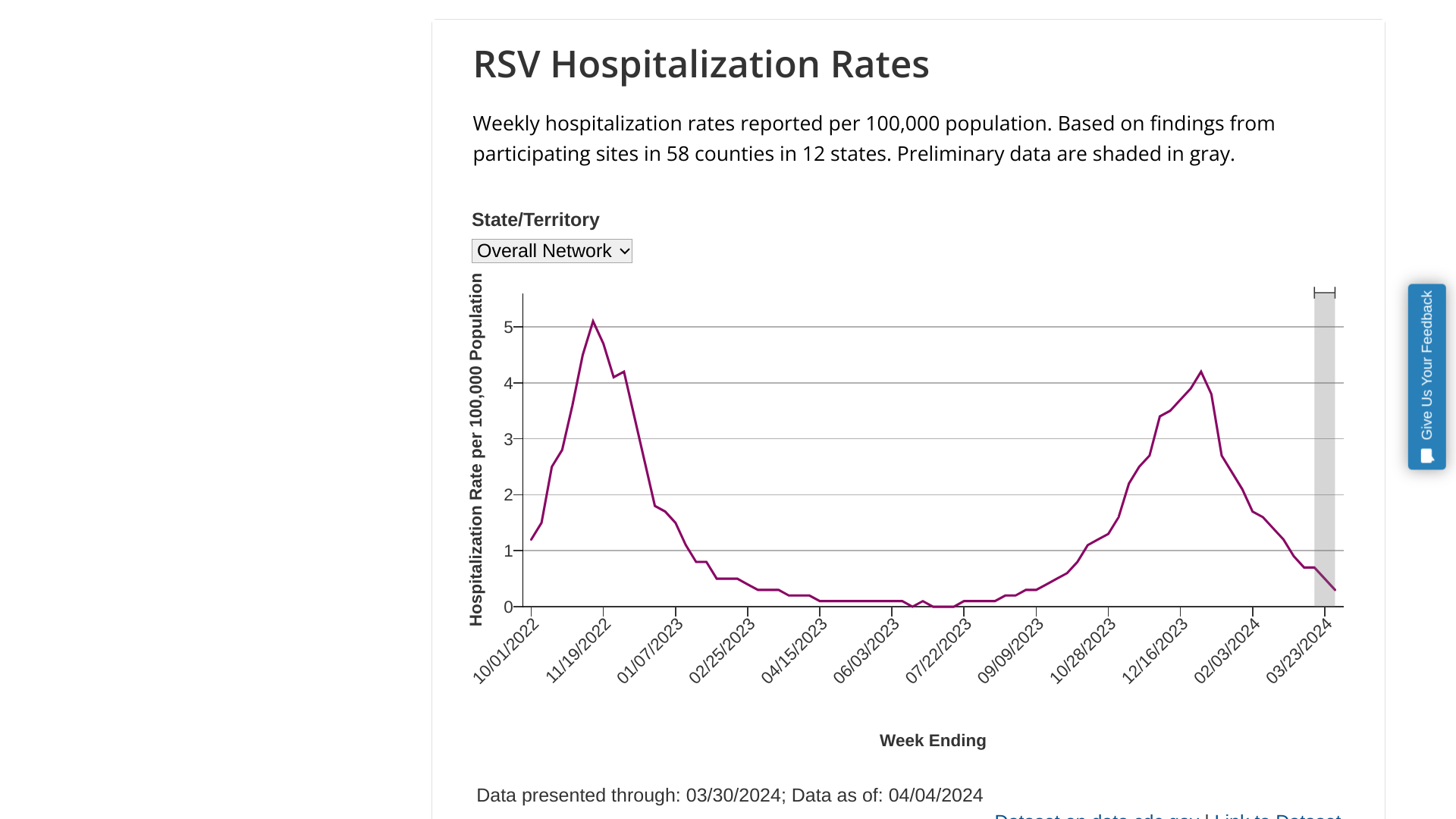
The U.S. CDC estimates the percentage of adults 60+ vaccinated this season was 23.6%. And RSVVaxView reported that the overall RSV vaccination rate among pregnant women was about 18%.

Image: 
Image Caption: 
US CDC RSV hospitalization trends 2024
Live Blog Update Author: 
Location Tags: 
Include in VBT newsletter: 
0 min read

According to an article written by Adam Tooze, in a world of polycrisis, in which intersecting problems compound each other and there are few easy wins, it is all the more important to recognise those policy choices that are truly obvious.

Funding vaccine development is one such investment. 

Published by The Financial Times on April 1, 2024, this opinion article says modest expenditures on public health have saved tens of millions of lives, reduced morbidity, and allowed children around the world to develop into adults capable of living healthy and productive lives. 

The complete, unedited article is posted at this link.

Vaccine Treats: 
Image: 
Image Caption: 
by Tung Lam
Live Blog Update Author: 
Location Tags: 
Include in VBT newsletter: 
Herpes vaccine 2024
Herpes vaccine, diagnostics, and therapeutics research advances in 2024
0 min read

Morris & Dickson today announced it became the first U.S. commercial distributor of the JYNNEOS® vaccine. This second-generation vaccine is U.S. FDA-approved to prevent mpox and smallpox disease.

On April 3, 2024, Morris & Dickson confirmed receiving the first U.S. shipment of JYNNEOS vaccines.

This vaccine must be safely stored at minus 20 degrees Celsius. Morris & Dickson's state-of-the-art distribution techniques feature this storage and transport capability.

"We are proud to be a key partner in expanding access to this first-to-market vaccine," says Layne Martin, CEO of Head of Specialty at Morris & Dickson, in a press release

"JYNNEOS meets a critical public health need and helps ensure equitable access to healthcare, which in turn helps significantly prevent the spread of mpox to at-risk populations."

As of April 2024, U.S. healthcare providers in the U.S. can order JYNNEOS to make it available for at-risk individuals at local pharmacies and physician offices in addition to public health clinics.

In 2023, the U.S. CDC confirmed that the effectiveness of the JYNNEOS vaccine against mpox ranges from 36% to 75% after one dose and 66% to 89% for two doses. As of 2024, third-dose boosters have not been clinically approved.

Founded in 1841, Morris & Dickson is now approaching $6 billion in annual sales, making it the industry's largest independently owned full-line distributor. Independent pharmacies in the U.S. rely on Morris & Dickson for quick responses and straightforward business practices.

Since the global mpox outbreak began in early May 2022, more than 32,000 cases have been reported in the U.S., representing a third of all cases reported worldwide.

Bavarian Nordic's JYNNEOS (MVA-BN®, IMVAMUNE®) vaccine is available in various countries.

Vaccine Treats: 
Image: 
Image Caption: 
Morris & Dickson website 2024
Live Blog Update Author: 
Location Tags: 
Include in VBT newsletter: 
0 min read

As influenza vaccine producers prepare for the 2024 - 2025 flu season, innovative vaccine candidates are progressing in clinical research, focused on enhancing efficacy and safety.

CureVac N.V. today announced interim data from an ongoing Phase 2 study, which is part of the combined Phase 1/2 study of its seasonal influenza vaccine candidate.

The purpose of this clinical trial (NCT05823974) is to find and confirm the dose and asses the reactogenicity, safety, and immune response of GlaxoSmithKline's (GSK) messenger RNA (mRNA)-based multivalent seasonal influenza vaccine (GSK4382276A) candidates administered in healthy younger and older adults.

Results from the planned interim analysis showed that the multivalent vaccine candidate using CureVac's proprietary second-generation mRNA backbone boosted antibody titers against all encoded flu strains and across all age groups and tested dose levels, including the lowest tested dose.

"The Phase 2 interim data show that CureVac's highly effective and flexible mRNA technology platform puts us on the right track to advance our joint seasonal influenza vaccine program," said Dr. Myriam Mendila, Chief Development Officer of CureVac, in a press release on April 4, 2024.

"Results regarding influenza A strains were strong. Immunogenicity for B strains was also in line with our expectations in view of other initial mRNA-based clinical flu development programs."

"We are confident that planned optimizations will improve performance against these historically challenging influenza strains."

The multivalent candidate was selected from a comprehensive Phase 1 part, which tested vaccine candidates with up to eight separate mRNA constructs per candidate.

It was designed for broad antigen coverage, encoding antigens that matched all World Health Organization (WHO) recommended flu strains.

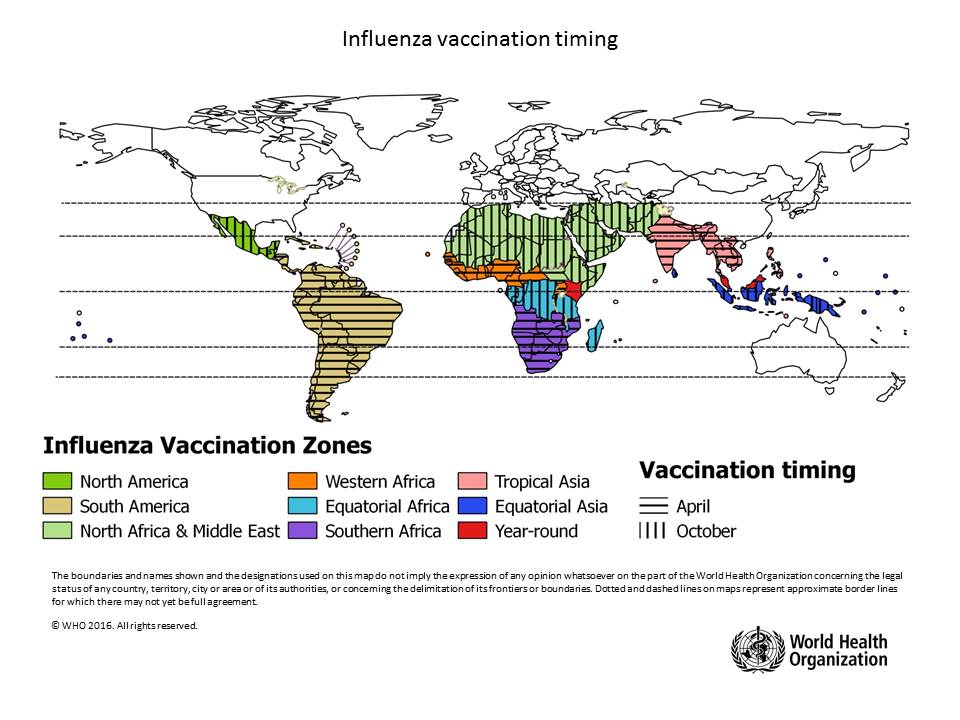
The WHO says flu shot campaigns should be timed according to local conditions.

Countries are encouraged to analyze local surveillance information to assess their seasonality pattern at both national and subnational levels, as appropriate, to make evidence-based decisions on the timing of vaccination campaigns.

Vaccine Treats: 
Image: 
Image Caption: 
WHO influenza vaccine administration timing map 2024
Live Blog Update Author: 
Location Tags: 
Include in VBT newsletter: 
0 min read

An advanced vaccine candidate for the Lassa fever virus (LASV) today announced the start of its second phase of clinical trials.

This is a significant development, as no approved vaccines for LASV are currently available.

The trial sponsor, International AIDS Vaccine Initiative (IAVI), a nonprofit scientific research organization, confirmed in a press release on April 4, 2024, that participants at HJF Medical Research International in Nigeria had been vaccinated in the first Phase 2 clinical trial of the vaccine candidate rVSV∆G-LASV-GPC.

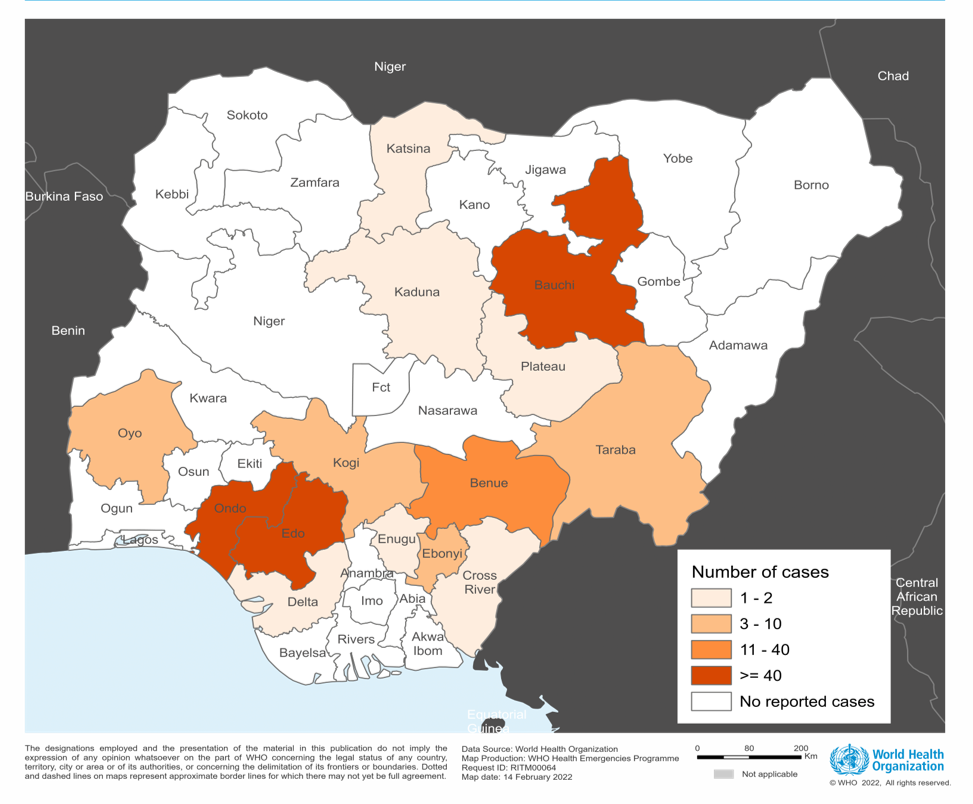
The IAVI C105/PREVAIL15 study began on March 4, 2024, and is expected to enroll over 600 people in Nigeria, Ghana, and Liberia, with results expected in 2025.

As of March 2024, 27 states in Nigeria have reported at least one confirmed case of LASV.

The vaccine has been developing since 2018 and has been supported and funded by CEPI and the European & Developing Countries Clinical Trials Partnership.

According to IAVI, rVSV∆G-LASV-GPC uses the same recombinant vesicular stomatitis virus vector platform as ERVEBO®, the single-dose Zaire ebolavirus vaccine licensed in North America, Europe, and various African countries.

“Continued outbreaks of Lassa fever and the emergence of Ebola Sudan in Uganda both underscore the need to have vaccines for known disease threats available for evaluation and use during outbreak situations – the overarching goal of IAVI’s emerging infectious disease program,” stated Swati Gupta, DrPH, MPH, vice president and head of emerging infectious diseases and epidemiology, IAVI.

The virus causes acute viral hemorrhagic illness and results in approximately 5,000 deaths and 300,000 illnesses in West Africa each year.

Furthermore, LASV has been included in the World Health Organization's R&D Blueprint of priority pathogens for which accelerated research and development and countermeasures are urgently needed.

In addition to rVSV∆G-LASV-GPC, several other LASV vaccine candidates are conducting clinical research in 2024.

Vaccine Treats: 
Image: 
Image Caption: 
WHO Lassa Fever outbreak - Nigeria - 2023
Live Blog Update Author: 
Location Tags: 
Vaccine: 
Include in VBT newsletter: 
mpox vaccine 2024
JYNNEOS and TPOXX access expands in 2024
0 min read

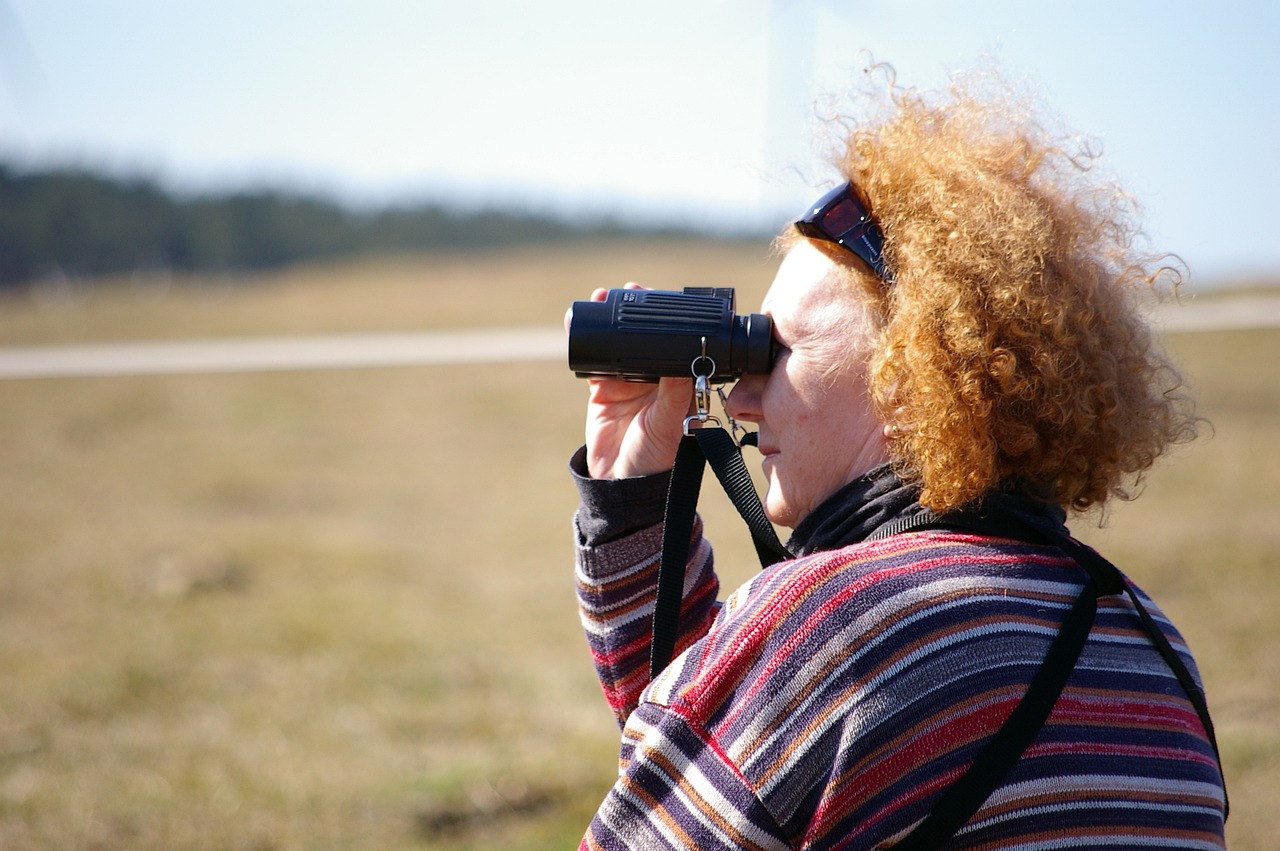
Although human infections with Avian Influenza HPAI A(H5N1) virus (Bird Flu) are rare, having unprotected exposure to any infected animal poses a risk of infection. 

The U.S. Centers for Disease Control and Prevention (CDC) issued guidelines on March 29, 2024, to prevent exposure to this virus.

These guidelines include using personal protective equipment, testing, antiviral treatment, patient investigations, monitoring exposed individuals, and administering antiviral chemoprophylaxis to those who have been exposed.

Currently, the CDC considers the human health risk to people in the U.S. from Bird Flu viruses to be low.

These CDC recommendations are based on information available as of March 2024 and will be updated as necessary when new information becomes available.

Influenza A viruses infect birds' respiratory and gastrointestinal tracts, causing them to shed the virus in their saliva, mucous, and feces. Human infections with avian influenza A viruses can happen when enough virus gets into a person's eyes, nose, or mouth or is inhaled.

Illnesses in people from HPAI A(H5N1) virus infections have ranged from mild to severe disease, resulting in death, says the CDC.

As of March 31, 2024, the U.S. FDA approved bird flu vaccines for people, such as CSL Seqirus Inc. Audenz™ (aH5N1c), but they are not commercially available.

Additionally, the U.S. government has previously invested in developing various avian influenza vaccines and candidates.

Vaccine Treats: 
Image: 
Image Caption: 
by Ingela Skullman
Live Blog Update Author: 
Location Tags: 
Include in VBT newsletter: