Search API

0 min read

Various media sources reported Merck would only supply 18.8 million HPV vaccine doses to Gavi-supported countries in 2024. Merck had previously promised to supply 29.6 million doses.

According to the Peoples Gazette, on April 19, 2024, Merck spokesman Patrick Ryan said the company "experienced a manufacturing disruption," requiring it to hold and check numerous doses manually.

Ryan disclosed that Burundi, Tajikistan, Mozambique, Sierra Leone, Ivory Coast, and Burkina Faso will not receive HPV vaccines in 2024.

By the end of 2022, 32 countries had successfully launched their HPV vaccine national program with Gavi support, fully immunizing more than 16.3 million girls since 2014.

GAVI says HPV vaccination is critical to reducing cervical cancer, especially in lower-income countries with a high disease burden and less developed cervical cancer screening and treatment programs.

On March 13, 2024, Merck announced plans to initiate clinical development of a new investigational multi-valent HPV vaccine designed to provide broader protection against multiple HPV types.

Separately, the company also plans to conduct clinical trials in both females and males to evaluate the efficacy and safety of a single-dose regimen of the GARDASIL®9 vaccine compared to the approved three-dose regimen.

"Evidence continues to emerge showing the importance of GARDASIL and GARDASIL 9 to public health," said Dr. Eliav Barr, senior vice president, head of global clinical development, and chief medical officer, Merck Research Laboratories, in a press release.

"These significant investments build upon our leadership and, importantly, provide the opportunity to further impact the global burden of certain HPV-related cancers and diseases."

The latest addition to Merck's pipeline employs the company's proprietary virus-like particle (VLP) technology to incorporate additional VLPs for expanded HPV-type coverage.

This includes several types known to have a greater impact on African and Asian populations and individuals of African and Asian descent. First-in-human phase 1 clinical studies are scheduled to start in the fourth quarter of 2024.

In the U.S., HPV vaccines remain available at clinics and pharmacies in 2024.

Vaccine Treats: 
Image: 
Image Caption: 
by Gerd Altmann
Live Blog Update Author: 
Location Tags: 
Include in VBT newsletter: 
Cholera 2024
Euvichol-S oral cholera vaccine developed by EuBiologics and IVI in South Korea
0 min read

GSK today announced positive results from the pivotal phase III trial for gepotidacin, a potential first-in-class oral antibiotic with a novel mechanism of action for uncomplicated urogenital gonorrhea in adolescents and adults.

The study's results showed that gepotidacin (oral, two doses of 3,000mg) was non-inferior, with 92.6% success rates, compared to 91.2% success rates for intramuscular (IM) ceftriaxone (500mg) plus oral azithromycin (1,000mg) combined therapy, a leading combination gonorrhea treatment regimen.

Chris Corsico, SVP of Development, GSK, said in a press release on April 17, 2024, "We are committed to working with health regulators globally to introduce this potential new antibiotic, focusing on solutions that meet critical patient needs."

This announcement is important since the U.S. CDC previously reported that approximately half of the gonorrhea cases each year in the US are resistant to one antibiotic.

Gonorrhea is a sexually transmitted infection caused by bacteria called Neisseria gonorrhoeae, which the World Health Organisation has recognized as a priority pathogen. If inadequately treated, it can lead to infertility and other sexual and reproductive health complications.

Additionally, GSK is developing gepotidacin to potentially treat uncomplicated urinary tract infections (uUTs). If approved, Gepotidacin could be the first uUTI oral antibiotic in over twenty years.

The development of gepotidacin has been funded in whole or in part with U.S. federal funds.

From a prevention perspective, there are no approved gonorrhea vaccines., but a repurposed meningococcal vaccine has been reported effective.

And the is an oral spray UTI vaccine (Uromune™, MV140) being evaluated in 26 countries in 2024.

Vaccine Treats: 
Image: 
Image Caption: 
from Pixabay
Live Blog Update Author: 
Location Tags: 
Include in VBT newsletter: 

CTH522 Chlamydia Vaccine

CTH522 Chlamydia Vaccine

Statens Serum Institut (SSI) CTH522 Chlamydia vaccine candidate is a multi-component prime-boost Chlamydia trachomatis vaccination regime. The vaccine antigen CTH522 is a recombinant, engineered version of the C. trachomatis major outer membrane protein (MOMP), comprising heterologous immunorepeats from four genital C. trachomatis serovars (D, E, F, and G). Preclinical research on the CTH522 vaccine led to the selection of the liposome-based cationic adjuvant formulation CAF®01, designed to induce a strong cell-mediated immune response combined with antibody induction. 

On February 23, 2024, Nature Communications published a report on a comparative immunological characterization of CTH522/CAF®01 in female mice and humans was published. We find a range of immune signatures that translate from mouse to human, including a Th1/Th17 cytokine profile and antibody functionality. We identify vac ine-induced T cell epitopes conserved among Chlamydia serovars and previously found in infected individuals. Using the mouse model, we show that the common immune signature protected against ascending infection in mice, and vaccine-induced antibodies could delay bacterial ascension to the oviduct and the development of pathology in a T cell-depleted mouse model. Finally, we demonstrate long-lasting immunity and protection of mice one year after vaccination.

A study funded by The EU Horizon Program TRACVAC at the National Institute for Health Research Imperial Clinical Research Facility, London, UK, reported on April 11, 2024, CTH522, adjuvanted with CAF01 or CAF09b, is safe and immunogenic, with 85 μg CTH522-CAF01 inducing robust serum IgG binding titers. Intradermal vaccination conferred systemic IgG neutralization breadth, and topical ocular administration increased ocular IgA formation. These findings indicate CTH522 vaccine regimens against ocular trachoma and urogenital chlamydia for testing in phase 2 clinical trials.

Statens Serum Institut (SSI) was inaugurated in September 1902 and is under the auspices of the Danish Ministry of Health. SSI has developed a unique vaccine strategy to combat this challenging infection. SSI envisions a vaccine that elicits cell-mediated and humoral immunity, with neutralizing antibodies as the primary role in reducing the initial infectious load. On the other hand, the bacteria are intracellular so that a bactericidal cell-mediated immune response will target them. 

CTH522 Chlamydia Vaccine Dosage

During the recent phase 1 study, participants were randomly assigned (1:1:1:1:1) to each of the group's A–E (12 participants each), and six were randomly assigned to group F. Investigators were masked to treatment allocation. GGrupsA–E received an investigational medicinal product, and Group F received a placebo only. Tw liposomal adjuvants, CAF01, and CAF09b, were comp red. Th groups were intramuscular 85 μg CTH522-CAF01, or placebo on day 0 and two boosters or placebo at days 28 and 112, and a mucosal recall with either placebo or CTH522 topical ocularly at day 140 (A); intramuscular 85 μg CTH522-CAF01, two boosters at day 28 and 112 with additional topical ocular administration of CTH522, and a mucosal recall with either placebo or CTH522 topical ocularly at day 140 (B); intramuscular 85 μg CTH522-CAF01, two boosters at day 28 and 112 with additional intradermal administration of CTH522, and a mucosal recall with either placebo or CTH522 topical ocularly at day 140 (C); intramuscular 15 μg CTH522-CAF01, two boosters at day 28 and 112, and a mucosal recall with either placebo or CTH522 topical ocularly at day 140 (D); intramuscular 85 μg CTH522-CAF09b, two boosters at day 28 and 112, and a mucosal recall with either placebo or CTH522 topical ocularly at day 140 (E); intramuscular placebo (F).

CTH522 Chlamydia Vaccine Indication

Chlamydia trachomatis is the most common sexually transmitted bacterial infection worldwide. An infection with the bacteria C. trachomatis causes chlamydia. The bacteria is like a virus, which relies on its host to survive and reply. Ate. C. trachoma tis has two developmental forms: a small (0.3 microns) non-replicating infectious form which, after attachment, is internalized into the host cell and instantly reorganized into a metabolically active and replicating form of almost triple the size. After completing a replicative cycle, it reorganizes into the infectious form and is released from the host cell. If the immune system does not control the bacteria, it may ascend to infect the fallopian tubes and cause significant damage, leading to pelvic inflammatory disease, scarring, and occlusion.

CTH522 Chlamydia Vaccine News

April 11, 2024 - Editorial: Immunological responses in a Chlamydia trachomatis vaccine trial.

November 22, 2022 - The Frontiers Immunology published an ORIGINAL RESEARCH article - This study evaluated the immunogenicity and protective efficacy of combined multi-component immunization strategies with both protein vaccines (CTH522, Con E), DNA vaccine and recombinant viral vector (MVA-MOMP), and adeno vector-based vaccines, in a non-human primate (NHP) model.

August 12, 2019 - The Lancet Infectious Diseases - Safety and immunogenicity of the chlamydia vaccine candidate CTH522 adjuvanted with CAF01 liposomes or aluminum hydroxide: a first-in-human, randomized, double-blind, placebo-controlled, phase 1 trial.

CTH522 Chlamydia Vaccine Clinical Trials

NCT03926728: A Phase I, Double-blind, Parallel, Randomised and Placebo-controlled Trial (CHLM-02) Investigating the Safety and Immunogenicity of a Chlamydia Vaccine, CTH522, in Healthy Ad ts. Biologica  CTH522-CAF01 IM; CTH522-CAF09b IM; CTH52  ID. Findings: Between February 17, 2020 and February 22, 2022, of 154 participants screened, 65 were randomly assigned, and 60 completed the trial (34 [52%] of 65 women, 46 [71%] of 65 White, mean age 26·8 ye rs). No serious adverse events occurred, but one participant in group A2 discontinued dosing after having self-limiting adverse events after both placebo and investigational medicinal products did. Study procedures were otherwise well tolerated; most adverse events were mild to moderate, with only seven (1%) of 865 reported as grade 3 (sev re). There was a 100% four-fold seroconversion rate by day 42 in the active groups (A–E) and no seroconversion in the placebo group. Serum IgG-CTH522 titers were higher after 85 μg CTH522-CAF01 than 15 μg, although not significantly (intention-to-treat median IgG titer ratio groups A–C: D=5·6; p=0·062), with no difference after three injections of 85 μg CTH522-CAF01 compared with CTH522-CAF09b (group E). IIntradermal TH522 (group C) induced high titers of serum IgG anti-CTH522 neutralizing antibodies against serovars B (trachoma) and D (urogeni al). Topical ooclarCTH522 (group B) at days 28 and 112 induced higher total ocular IgA compared with baseline (p<0· 01). Participants in all active vaccine groups, particularly groups B and E, developed cell-mediated immune responses against CTH522.

NCT02787109: Findings: Between August 15, 2016, and February 13, 2017, 35 women were randomly assigned (15 to CTH522:CAF01, 15 to CTH522:AH, and five to plac bo). 32 (91%) received all five vaccinations, and all participants were included in the intention-to-treat anal sex. No related serious adverse reactions were reported, and the most frequent adverse events were mild local injection-site reactions, which were reported in all (15 [100%] of 15) participants in the two vaccine groups and three (60%) of five participants in the placebo group (p=0·0526 for both companies ns). Intranasal vaccination was not associated with a higher frequency of related local reactions (reported in seven [47%] of 15 participants in the active treatment groups vs three [60%] of five in the placebo group; p=1· 00). CTH522:CAF 1 and CTH522:AH induced anti-CTH522 IgG seroconversion in 15 (100%) of 15 participants after five immunizations, whereas no participants in the placebo group were seroconve ted. CTH522:CAF 1 showed accelerated seroconversion, increased IgG titers, an enhanced mucosal antibody profile, and a more consistent cell-mediated immune response profile than CTH522:AH.


0 min read
Availability: 
N/A
Generic: 
CTH522
Drug Class: 
vaccine
Condition: 
Last Reviewed: 
Thursday, April 18, 2024 - 06:00
Status: 
Manufacturer Country ID: 
FDA First In Class: 
Yes
wastewater testing
Wastewater Tests Can Detect Mpox Viruses
0 min read

A global biopharmaceutical company developing a new class of transformative medicines based on messenger ribonucleic acid (“mRNA”) announced today a co-development and licensing agreement with The University of Texas MD Anderson Cancer Center to develop novel mRNA-based cancer vaccines.

CureVac N.V. stated in a press release on April 16, 2024, that the collaboration creates strong synergies between its unique end-to-end capabilities for cancer antigen discovery, mRNA design, and manufacturing and MD Anderson’s expertise in cancer antigen discovery and validation, translational drug development, and clinical research.

The collaboration will focus on developing differentiated cancer vaccine candidates in selected hematological and solid tumor indications with high unmet medical need.

Following the selection of the most promising validated vaccine candidates and the completion of Investigational New Drug approvals, Houston, Texas-based MD Anderson will be responsible for conducting initial Phase 1/2 studies in appropriate clinical indications.

“We look forward to collaborating with the team at MD Anderson to push the boundaries of mRNA technology and develop impactful therapeutic options for patients in need,” commented Dr. Alexander Zehnder, Chief Executive Officer of CureVac.

“By combining our respective expertise, we believe we can go further and faster in developing novel, off-the-shelf, mRNA-based cancer vaccines that have the potential to improve patient outcomes significantly.”

Both parties will contribute to identifying differentiated cancer antigens based on whole genome sequencing, combined with long- and short-read RNA sequencing and cutting-edge bioinformatics. 

Vaccine Treats: 
Image: 
Image Caption: 
UT MD Anderson Houston, Texas
Live Blog Update Author: 
Location Tags: 
Include in VBT newsletter: 
smallpox
JYNNEOS vaccination protects people from mpox and smallpox
RSV
RSVPreF3-Mat RSV prefusion F protein-based maternal vaccine development discontinued
0 min read

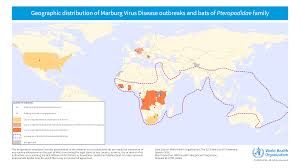
Soligenix, Inc. announced today that the Office of Orphan Products Development of the United States Food and Drug Administration (FDA) has granted orphan drug designation to the active ingredient in MarVax™, the subunit protein vaccine of recombinantly expressed Marburg marburgvirus (MARV) glycoprotein, for "the prevention and post-exposure prophylaxis against MARV infection."

MARV is a member of the Filoviridae family, which also includes Sudan and Zaire ebolaviruses. MARV outbreaks were first recognized in 1967 In Germany and Serbia, and continue in 2024.

MarVax was developed with Dr. Axel Lehrer at the University of Hawaiʽi at Mānoa.

In addition to providing a seven-year term of market exclusivity upon final FDA approval, orphan drug designation also positions Soligenix to be able to leverage a wide range of financial and regulatory benefits, including government grants for conducting clinical trials, waiver of expensive FDA user fees for the potential submission of a Biologics License Application, and certain tax credits.

The U.S. Orphan Drug Act assists companies in developing safe and effective therapies for treating rare diseases and disorders that affect fewer than 200,000 people in the U.S.

Christopher J. Schaber, PhD, President and Chief Executive Officer of Soligenix, commented in a press release on April 15, 2024, "Elements of this subunit vaccine platform... indicate its broad applicability."

"We have also demonstrated the ability to package more than one vaccine antigen in a single vaccine, particularly against MARV and Sudan ebolavirus where there are currently no available vaccines."

"The FDA's decision to grant orphan drug designation to both the MARV and Sudan ebolavirus vaccine candidates signifies an important step for Soligenix as we continue to advance the program and adds significantly to the existing patent estate surrounding this novel technology and the filovirus program." 

As of April 2024, several MARV vaccine candidates are conducting early-stage clinical studies.

Vaccine Treats: 
Image: 
Image Caption: 
WHO Marburg disease case map 2024
Live Blog Update Author: 
Location Tags: 
Include in VBT newsletter: 
0 min read

It has become clear that Brazil is currently facing its largest dengue fever outbreak. While two dengue vaccines have been approved for use in the country, each one has its own set of issues.

As of April 12, 2024, vaccine producers are focused on protecting more Brazilians against the virus over the next year.

Sanofi Pasteur's Dengvaxia vaccine is meant for individuals aged 9-45 who already have dengue. It requires three doses and pre-administration testing.

On the other hand, Takeda's second-generation QDENGA® (TAK-003) two-dose vaccine is also approved for use, but it has already sold out its production for 2024. 

As of January 2024, the Ministry of Health forecasted that 5.2 million doses will be delivered in 2024. Unfortunately, that amount will leave millions of people unprotected this year.

Furthermore, an article published by The New England Journal of Medicine in January 2024 stated that the Butantan-DV single-dose vaccine candidate offers protection against all four dengue virus serotypes without regard to dengue baseline serostatus and across a wide age range.

In addition to the logistical and economic benefits, Butantan-DV rapid protection may be necessary if Brazil's dengue outbreak accelerates.

The development of this novel tetravalent dengue vaccine began at Butantan Institute in 2010, using a formulation created by researchers affiliated with the U.S. NIH.

Based on recent phase 3 clinical trial results, Butantan Institute plans to submit a report to ANVISA in 2024, applying for the vaccine's registration. 

"The cost of dengue in Brazil is absurd," virologist Maurício Lacerda Nogueira said in a press release in February 2024.

"The (Butantan-DV) vaccine is expected to reduce mortality and hospitalizations due to the disease, so the Brazilian government's investment of several hundred million reais in developing an indigenous vaccine will have a huge impact on public health."

Vaccine Treats: 
Image: 
Image Caption: 
by Gerd Altmann
Live Blog Update Author: 
Location Tags: 
Include in VBT newsletter: