Search API

Pivya (pivmecillinam) Tablets for Urinary Tract Infections (UTI)

Pivya™ (pivmecillinam) Tablets for Uncomplicated Urinary Tract Infections (UTI) Clinical Trials, Dosage, Indication, Side Effects 

UTILITY therapeutics Ltd. pivmecillinam (Pivya™Selexid, Melysin, Coactabpenicillin class antibacterial tablet approved for the treatment of female adults with uncomplicated urinary tract infections (UTIs) caused by susceptible isolates of Escherichia coli, Proteus mirabilis, and Staphylococcus saprophyticus. Pivmecillinam is a prodrug of the beta-lactam antibiotic mecillinam, a pivaloyloxymethyl ester of amdinocillin that is well absorbed orally but broken down to amdinocillin in the intestinal mucosa. Pivmecillinam interferes with the biosynthesis of the bacterial cell wall; however, its activity is slightly different from that of other penicillins and cephalosporins. Pivya overcomes antimicrobial resistance by killing bacteria to resist the effects of a drug.

On April 24, 2024, the U.S. Food and Drug Administration (FDA) approved Pivya tablets for treating female adults with uncomplicated UTIs. The New Drug Application submitted to the FDA comprised six clinical studies supporting the efficacy and 12 clinical studies supporting the safety of PIVYA. Through a sequence of interactions with the FDA, UTILITY has reanalyzed all available data according to the FDA 2019 uncomplicated UTI guidance. The clinical data support first-line positioning due to its benign safety profile and consistent efficacy.

In the clinical trial comparing Pivya to placebo, 62% of the 137 subjects who received Pivya achieved the composite response compared to 10% of the 134 who received placebo. In the clinical trial comparing Pivya to another oral antibacterial drug, 72% of the 127 subjects who received Pivya achieved composite response compared to 76% of the 132 who received the comparator drug. In the phase 4 clinical trial comparing Pivya to ibuprofen, 66% of the 105 subjects who received Pivya achieved a composite response compared to 22% of the 119 who received ibuprofen. Pivya was granted FDA Priority Review and Qualified Infectious Disease Product Designations.

UTILITY is a privately held pharmaceutical development company. At UTILITY, we are committed to providing reliable and transparent information about our business, development programs, and regulatory progress in a clear and timely manner. For more information, please contact Tom Hadley, President and CEO. Email: [email protected]

Pivya™ (pivmecillinam) Availability

UTILITY has exclusive U.S. commercial rights to two European-approved antibiotics, pivmecillinam and mecillinam. Pivya is available in Europe and is expected to be available in the U.S. in 2025. Pivmecillinam has been approved in Canada, Denmark, the United Kingdom, and other countries.

Pivya (pivmecillinam) Indication

In the U.S., UTIs are a severe public health problem that is becoming increasingly more difficult to manage. A UTI is an infection of the urinary tract that can occur at different points in the urinary tract, including the Bladder, Kidneys, Ureters, or Urethra. The uUTI treatment is recommended for first-line use in many countries. It is part of the Infectious Diseases Society of America (IDSA) and the European Society for Microbiology and Infectious Diseases guidelines. A 2022 World Health Organization report found that more than 20% of Escherichia coli isolates are the most common cause of UTIs.

Pivya (pivmecillinam) Efficacy 

In a phase 4 clinical trial comparing Pivya to ibuprofen, 66% of the 105 subjects who received Pivya achieved a composite response compared to 22% of the 119 who received ibuprofen. 

Pivya (pivmecillinam) Format

Pivmecillinam (oral) and mecillinam (IV, hospital setting) are unique classes of antibiotics with potent in vitro and in vivo activity against the most common bacteria in UTIs, including resistant strains such as ESBL-producing E coli. Mecillinam (IV) solely targets penicillin-binding protein-2 (PBP-2) in the cell wall of gram-negative bacteria.17,21 This unique mechanism leads to favorable stability against β-lactamase hydrolysis compared to other penicillins.

Pivya™ (pivmecillinam) Side Effects

Pivya's adverse effect profile is similar to that of other penicillins; the most common side effects include nausea and diarrhea. Patients should not use Pivya if they have a known history of severe hypersensitivity to Pivya or other beta-lactam antibacterial drugs. Patients should also not use Pivya if they have primary or secondary carnitine deficiency resulting from inherited disorders of mitochondrial fatty acid oxidation and carnitine metabolism or if they suffer from porphyria. Pivya comes with specific warnings and precautions, such as hypersensitivity reactions, severe cutaneous adverse reactions, carnitine depletion, Clostridioides difficile-associated diarrhea, and interference with a newborn screening test for isovaleric acidemia, a rare metabolic disorder. 

Pivya™ (pivmecillinam) News

April 24, 2024 - “Uncomplicated UTIs are a prevalent condition impacting women and one of the most frequent reasons for antibiotic use,” said Peter Kim, M.D., M.S., director of the Division of Anti-Infectives in the FDA’s Center for Drug Evaluation and Research. “The FDA is committed to fostering new antibiotic availability when they prove safe and effective, and Pivya will provide an additional treatment option for uncomplicated UTIs.”

January 17, 2024 - UTILITY therapeutics Ltd. announced a private financing led by the AMR Action Fund.

Pivya™ (pivmecillinam) Clinical Trials

PIVYA™ (pivmecillinam, oral) research comprises six clinical studies (phase 3) supporting the efficacy. In the clinical trial comparing pivmecillinam to another oral antibacterial drug, 72% of the 127 participants who received pivmecillinam achieved composite response compared to 76% of the 132 who received the comparator drug.

0 min read
Availability: 
2025 in the USA
Generic: 
Pivmecillinan
Drug Class: 
Tablet
Last Reviewed: 
Saturday, August 2, 2025 - 07:10
Brand: 
Pivya
Status: 
Manufacturer Country ID: 
FDA First In Class: 
Yes

Urinary Tract Infection (UTI) Vaccine and Treatment

Urinary Tract Infection (UTI) Vaccine and Treatments 2025

Urinary tract infections (UTIs) are among the most common bacterial infections, affecting hundreds of millions of people worldwide each year. Most UTIs are caused by uropathogenic E. coli (E. coli). Less common pathogens, such as Enterococcus faecalis and other enterococci, cause infections by infecting an abnormal or catheterized urinary tract. As of 2025, patients with Uncomplicated and Recurrent UTI in the United States require prophylactic antibiotic regimens, as vaccines are not yet available. 

UTIs place an economic burden on the U.S. healthcare system, with direct and indirect costs estimated at around $3.5 billion annually. In England, the Hospital Episode Statistics for 2023-2024 indicate that there were nearly 190,000 hospital admissions for urinary tract infections (UTIs), a 9% increase from the previous year. These admissions accounted for 1.2 million bed-days, with an average hospital stay of 6 days, and cost over £600 million. Most cases affected older adults (aged 70 and above) and women. This situation highlights UTIs as a significant, often preventable, burden on the NHS.

As of 2025, the U.S. Centers for Disease Control and Prevention (CDC) says most UTIs can be treated with antibiotics prescribed by a healthcare professional. European guidelines recommend an immunoreactive (vaccine) strategy for preventing Urinary tract infections (UTIs). The Infectious Diseases Society of America announced in February 2025 that it accepts comments on the updated 2025 Guideline on the Management and Treatment of Complicated Urinary Tract Infections (cUTI). This update provides clinical practice guidelines for patients with cUTI, with and without sepsis.

On November 4, 2024, the JAMA Network published a Consensus Statement for the development of UTI clinical guidelines. However, most topics relating to the prevention, diagnosis, and treatment of UTIs lack high-quality prospective data. A mini-review published in January 2025 summarizes the current state of UTI diagnostics, covering both existing and emerging technologies, including rapid molecular-based pathogen identification, next-generation sequencing, and advanced antimicrobial susceptibility testing. However, these methods present challenges, and as they are implemented, they will need to adapt to new concepts to avoid misdiagnosis and overtreatment.

Urinary Tract Infection (UTI) Vaccines

As of 2025, international travelers seeking a rUTI vaccine appointment can submit a request to PassportHealth in London, England.

Immunotek S.L. Uromune™ (MV140), an oral spray for recurrent urinary tract infections, has been approved for adults in countries such as Mexico and the United Kingdom.

Uro-Vaxom® (OM-89) is an immunostimulant vaccine consisting of an oral tablet with 18 heat-killed strains of E coli bacteria. Uro-Vaxom activates the immunocompetent cells of the intestinal lining Peyer's plaques). In humans, Uro-Vaxom stimulates white blood cells and promotes the production of antibodies, thereby helping to prevent urinary tract infections (UTIs). A review found that the risk ratio for developing at least one UTI in the female population was significantly lower in the OM-89 group (risk ratio, 0.61; 95% confidence interval, 0.48–0.78), and the mean number of UTIs was approximately half that of the placebo group. It has been used in Europe with minimal documented adverse events and is recommended by the European Association of Urology.

StroVac® (Solco-Urovac, Strovac) is a vaccine against UTIs that contains 10 bacterial strains known to cause them. It acts not only through the adaptive immune system but also by stimulating the innate immune system. It is available in Germany, not in the USA.

Urinary Tract Infection (UTI) Vaccine Candidates

A Research Article published in March 2021 - Local induction of bladder Th1 responses to combat urinary tract infections - concluded that intravesical vaccination with one or more UPEC antigens to induce bladder Th1 responses represents a superior strategy to combat UTIs, especially in UTI-prone subjects.

Baxiva's proprietary conjugation platform streamlines the development of multivalent vaccines targeting the serotype-specific polysaccharides of Gram-negative bacteria, including capsule and O antigens. The multivalent vaccine targets the most common serotypes associated with invasive ExPEC infections.

Urinary Tract Infection (UTI) Treatment

There are approximately 40 million uUTI prescriptions written annually in the U.S., and approximately 1% of those UTI infections are caused by pathogens resistant to common oral antibiotics. The four leading oral antibiotic treatments for uUTI (slide #6) account for approximately 75% of the prescription market, but have resistance rates of 20% or higher.

GSK plc announced on March 25, 2025, that the U.S. FDA approved Blujepa (gepotidacin), a topoisomerase inhibitor antibiotic for the treatment of uUTIs. Blujepa is the first in a new class of oral antibiotics for uUTIs in nearly 30 years.

Iterum Therapeutics announced in August 2025 that Orlynvah™ (sulopenem etzadroxil and probenecid), a broad-spectrum oral penem antibiotic that's indicated for treating uUTIs caused by certain bacteria (Escherichia coli, Klebsiella pneumoniae, or Proteus mirabilis) in adult women, is the first U.S. FDA-approved oral penem antibiotic commercially available in the United States.

Spero Therapeutics, Inc. and GSK plc announced on May 28, 2025, that the pivotal, multi-country, Phase 3 PIVOT-PO trial evaluating tebipenem HBr ((TBP-PI-HBr) an investigational oral treatment for complicated urinary tract infections (cUTIs), including pyelonephritis, met its primary endpoint and will stop early for efficacy (NCT06059846). The decision follows a recommendation from the Independent Data Monitoring Committee, which completed a pre-specified interim analysis of data from 1,690 patients enrolled in the trial.

Pivya (Pivmecillinam) is an extended-spectrum penicillin antibiotic and a U.S. FDA-approved oral prodrug of mecillinam. Pivya has a unique mechanism of action that targets the penicillin-binding protein 2 (PBP-2) in the cell walls of Gram-negative bacteria. The Pivya tablet has been used throughout Europe for years and is expected to be available in the U.S. in 2025.

ORLYNVAH™ (sulopenem etzadroxil and probenecid) is a U.S. FDA-approved novel oral penem antibiotic for the treatment of uUTIs caused by the designated microorganisms Escherichia coli, Klebsiella pneumoniae, or Proteus mirabilis in adult women. Orlynvah is taken as one oral tablet twice daily for 5 days

RECCE® 327 (R327) is an investigational synthetic anti-infective developed for treating severe, potentially life-threatening infections caused by Gram-positive and Gram-negative bacteria, including the full suite of ESKAPE pathogens, even in their superbug forms. 

In various clinical trials, Locus Biosciences is developing LBP-EC01, a CRISPR-enhanced bacteriophage therapy for the treatment of UTIs and other infections caused by E. coli. It is a bacteriophage cocktail engineered with a CRISPR-Cas3 construct targeting the E. coli gene. It is not a broad-spectrum antibacterial that kills various bacterial species. The precision medicine product works through a unique dual mechanism of action, utilizing both the natural lytic activity of the bacteriophage and the DNA-targeting activity of CRISPR-Cas3.

UTI Tests

A Viewpoint published by The JAMA Network on May 5, 2025, stated urinary nitrites provide diagnostic redundancy in confirming the presence of bacteriuria at best and promote the unnecessary use of antibiotics in asymptomatic patients at worst. Future research should examine the effects of suppressing the nitrite result from the urinary dipstick to determine the downstream impact on antimicrobial prescribing. Additionally, future research should focus on refining diagnostic techniques to distinguish between true UTIs and symptomatic bacteriuria. We believe urinary nitrites should no longer be used to diagnose UTI in pediatric or adult patients. 

7 min read
Last Reviewed: 
Thursday, December 11, 2025 - 09:05
Description: 
Urinary Tract Infection (UTI) Vaccines and Treatments are available in 2025
0 min read

Repertoire® Immune Medicines announced today that it has entered a multi-year strategic collaboration with Bristol Myers Squibb to develop tolerizing vaccines for up to three autoimmune diseases.

Repertoire is developing tolerizing vaccines as a new class of programmable medicines for patients with autoimmune diseases.

These vaccines have the potential to re-establish immune homeostasis, leading to durable disease remission in the absence of generalized immune suppression, thereby overcoming the limitations of today's medicines and transforming the lives of patients who have been diagnosed with an autoimmune disease.

The collaboration aims to develop efficacious, selective, and durable treatments for patients suffering from autoimmune disease by resetting the immune system.

Repertoire will lead all activities through to development candidate nomination, while BMS will lead clinical development, regulatory affairs, and commercialization of the tolerizing vaccines under an exclusive worldwide license.

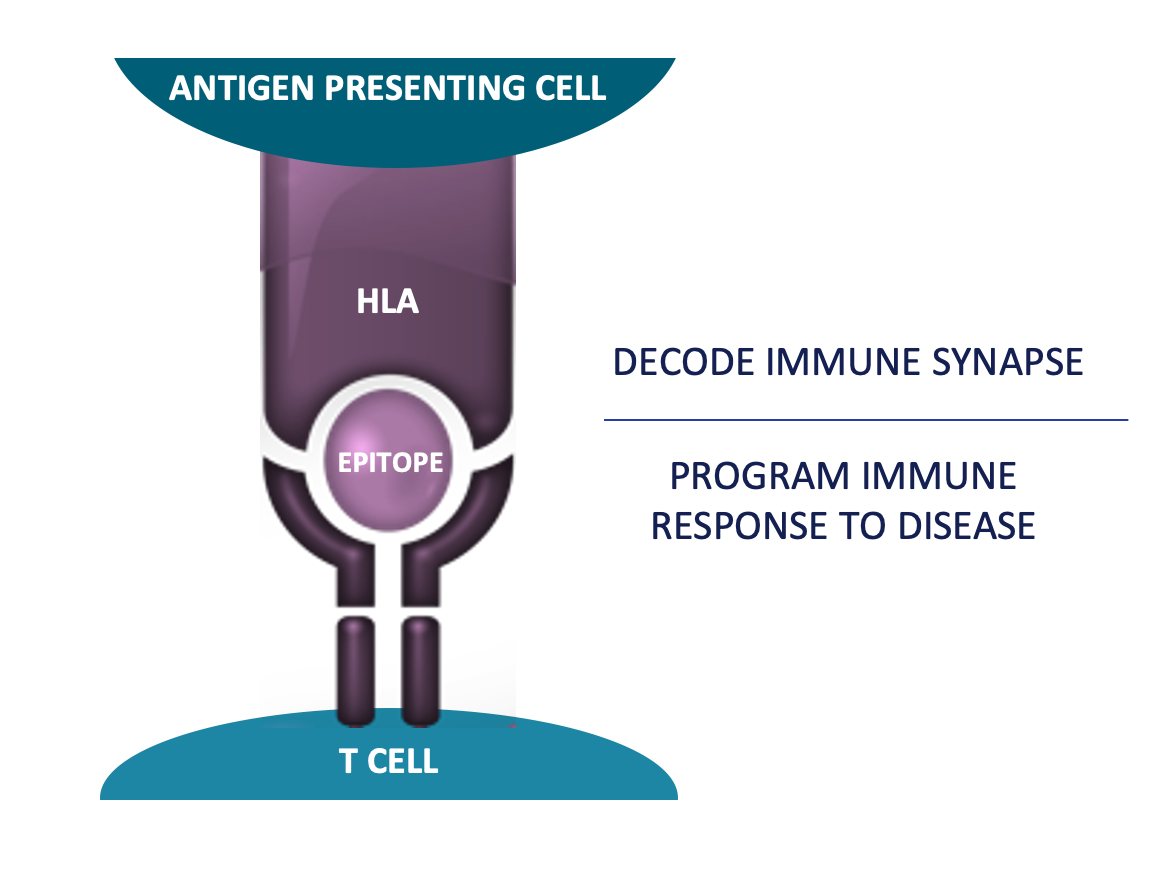
Repertoire will utilize its T cell receptor (TCR)-epitope discovery platform, DECODE, and its proprietary lipid nanoparticle delivery technology to discover and develop the tolerizing vaccine development candidates.

In addition, it will deploy DECODE to monitor immune responses to the tolerizing vaccines in patients during clinical development to provide key insights into the pharmacodynamic effect of the vaccines.

"This agreement is a recognition of the transformative power of Repertoire's DECODE platform to discover and develop programmable T cell targeted immune medicines," said Torben Straight Nissen, Ph.D., CEO of Repertoire and Executive Partner of Flagship Pioneering, in a press release on April 29, 2024.

"We are excited to collaborate with Bristol Myers Squibb to combine their leadership in immunology with our unique ability to discover key disease-associated epitopes in patients with autoimmune diseases. This collaboration enables us to serve patients suffering from autoimmune diseases by translating our DECODE discoveries into potentially transformative medicines that address the underlying cause of their disease." 

Under the terms of the agreement, Repertoire will receive an upfront payment of $65 million and up to $1.8 billion for achieving development, regulatory, and commercial milestones in addition to receiving tiered royalties.

Vaccine Treats: 
Image: 
Image Caption: 
Repertoire® Immune Medicines
Live Blog Update Author: 
Location Tags: 
Include in VBT newsletter: 
0 min read

Pfizer Inc. recently announced positive top-line data from the ongoing pivotal Phase 3 clinical trial evaluating a single dose of ABRYSVO versus placebo in adults 18 to 59 years of age at risk of developing severe respiratory syncytial virus (RSV)-associated lower respiratory tract disease (LRTD).

Highlights from this study include participants' achieving at least a fourfold increase in serum neutralizing titers for RSV-A and RSV-B one month following receipt of ABRYSVO compared to pre-vaccination.

During the trial, ABRYSVO was well-tolerated, and safety findings were consistent with those from previous investigations of ABRYSVO in other populations.

Among these U.S. adults, 9.5% have a chronic condition that puts them at risk of severe RSV disease, and this percentage rises to 24.3% among persons 50 to 64 years of age.

However, no RSV vaccines have been approved for adults aged 18 to 59.

Annaliesa Anderson, Ph.D., Senior Vice President and Head, Vaccine Research and Development, Pfizer, stated in a press release on April 9, 2024, "We are excited to address a significant unmet need, pending regulatory authority approval, as ABRYSVO has the potential to become the first and only RSV vaccine for adults 18 years and older."

In May 2023, the FDA approved ABRYSVO for the prevention of LRTD caused by RSV in individuals 60 years of age or older. 

Pfizer is currently the only company that has an approved RSV vaccine for protecting older adults and infants through maternal immunization.

The respiratory syncytial virus causes RSV disease. There are two major subgroups of RSV: RSV-A and RSV-B. Both subgroups cause disease and can co-circulate or alternate predominance from season to season.

Image: 
Image Caption: 
by Keith Johnston
Live Blog Update Author: 
Location Tags: 
Include in VBT newsletter: 
malaria
Malaria monoclonal antibodies deliver passive immunization
vaccines
Humanly Possible campaign to scale up vaccination programs
bladder cancer vaccine
ImmunityBio Anktiva N-803 Plus BCG vaccination is an FDA approved bladder cancer therapy
HPV vaccine
HPV vaccine protects against HPV16
0 min read

Although antiretroviral treatment (ART) can help manage the impact of the Human Immunodeficiency Virus (HIV), it is not a cure. People living with HIV need to take the treatment for their entire lives to suppress viral replication and protect their immune systems.

To address this clinical need, ACTG, a global clinical trials network focused on HIV and other infectious diseases, today announced the opening of A5374, a phase 1/2a study evaluating the safety, tolerability, and antiviral effect of a novel combination regimen that includes therapeutic T-cell vaccines, two broadly neutralizing antibodies (3BNC117-LS, 10-1074-LS), and an immune-system boosting treatment among people living with HIV who started ART during acute HIV infection.

This study hypothesizes that this combination regimen will be safe and result in a more extended period of viral control during a closely monitored pause in ART (known as an analytic treatment interruption) compared to placebo.

The approach being studied in A5374 is part of a potential path toward enabling the immune system to manage HIV in the absence of ART for weeks or months.

“We expect that controlling HIV in the absence of ART will require a combination of novel treatments to decrease the number of cells harboring HIV and simultaneously stimulate the immune system to keep the virus from replicating,” said ACTG Chair Judith Currier, M.D., M.Sc., University of California Los Angeles in a press release.

“A5374 is a pivotal trial, and we hope it will provide us with important insights into how to boost the immune system to control HIV.”

ACTG says carefully monitored analytic treatment interruptions are an essential part of HIV cure clinical trials. They can help determine whether a research intervention can reduce latent HIV (HIV that is “hidden” in different cells and tissues but not replicating) or increase immune function and delay or prevent latent HIV from actively replicating.

While there are no U.S. FDA-approved HIV prevention vaccines today, clinical development accelerated in 2023, with vaccine candidates utilizing innovative technologies such as mRNA.

Vaccine Treats: 
Image: 
Image Caption: 
ACTG is the largest HIV clinical trials network
Live Blog Update Author: 
Location Tags: 
Vaccine: 
Include in VBT newsletter: 
Immunization programs return measurable value