Search API

Valneva SE today announces that the Company’s pivotal Phase 3 data for its single-shot chikungunya vaccine candidate, VLA1553, have been published in The Lancet.
This article says the strong immune response and the generation of seroprotective titres in almost all vaccinated participants suggests that VLA1553 is an excellent candidate for preventing disease caused by the chikungunya virus.
VLA1553 demonstrated a very high seroresponse rate of 98.9% in participants 28 days after receiving the single administration, and 96% of participants maintained seroresponse six months after vaccination.
VLA1553 is currently the only chikungunya vaccine candidate worldwide for which regulatory review processes are underway. It has been designed by deleting a part of the chikungunya virus genome.
Juan Carlos Jaramillo, M.D., Chief Medical Officer of Valneva, commented in a press release on June 13, 2023, “We are pleased that more detailed results on our single-shot chikungunya vaccine candidate are now available to the scientific and broader public health communities.”
Chikungunya is a mosquito-borne viral disease caused by the chikungunya virus (CHIKV), a Togaviridae virus transmitted by Aedes mosquitoes. The infection leads to symptomatic disease in 72-92% of humans after four to seven days following the mosquito bite.
While mortality with CHIKV is low, morbidity is high. Clinical symptoms include acute onset of fever, debilitating joint and muscle pain, headache, nausea, rash, and chronic arthralgia.
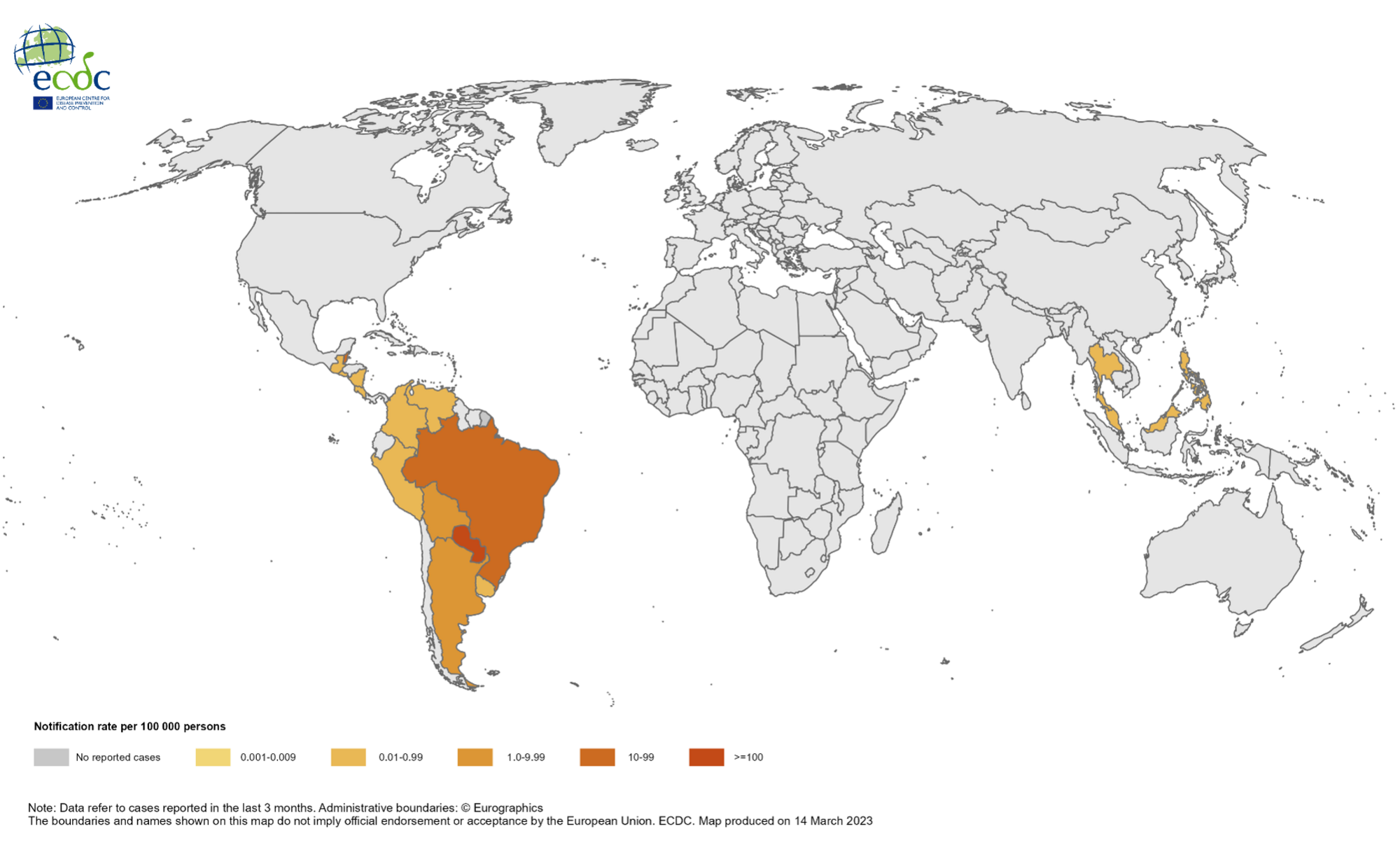
The high-risk areas of infection for travelers are places where chikungunya virus-carrying mosquitos are endemic, including the Americas, parts of Africa, and Southeast Asia, and the virus has spread to more than 110 countries.
The Pan American Health Organization recently confirmed chikungunya cases in the Americas region reached over 210,000 in the first months of 2023. And there were about 51 related fatalities, representing a four-fold increase compared to 2022.
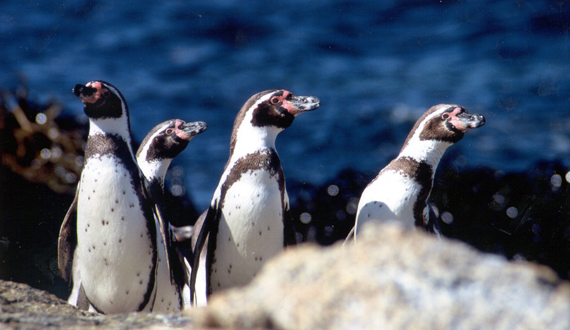
In the Republic of Chile, the avian influenza H5N1 virus has affected fifty species, including sea lions, pelicans, chungungos, seagulls, and penguins, in 2023.
The highly pathogenic avian influenza (HPAI) Eurasian lineage bird flu virus has been confirmed in 12 of Chile's 16 regions.
As of early June 2023, more than 1,300 Humboldt penguins have died from bird flu, reported Chile's National Fisheries and Aquaculture Service.
"The 1,300 (recorded cases) are probably less than the real number" of dead penguins, said Gerardo Cerda, from Sernapesca in Coquimbo, and explained to media on June 12, 023, that "there are sectors with cliffs, where the specimens can strand and not be seen."
In Chile, SERNAPESCA acts with respect to the species under its guardianship, corresponding to penguins and marine mammals.
The Pan American Health Organization (PAHO) recently issued an Epidemiological Alert confirming agricultural authorities in Argentina, Bolivia, Brazil, Canada, Chile, Colombia, Costa Rica, Cuba, Ecuador, the U.S., Guatemala, Honduras, Mexico, Panama, Peru, Uruguay, and Venezuela have detected outbreaks of HPAI viruses in domestic birds, farm poultry and/or wild birds, and in mammals in 2023.
Among mammals infected with bird flu, the PAHO says red foxes and skunks were the most frequently affected in North America, and fur seals in South America.
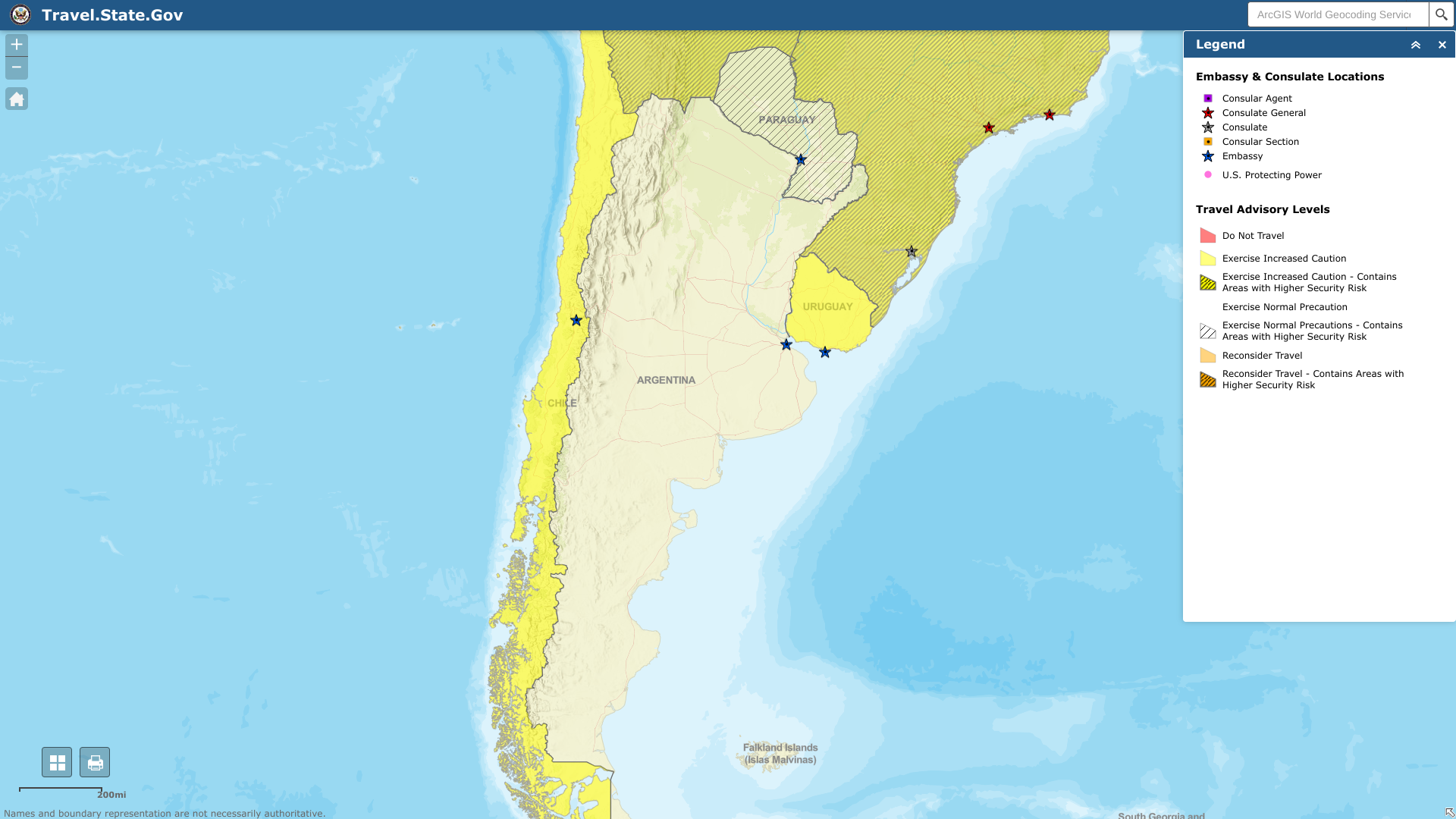
The U.S. Department of State today reissued its Level 1, Exercise Normal Precautions when visiting the Argentine Republic in 2023.
Published on June 12, 2023, this travel advisory is the highest rank issued by the State Department, indicating Argentina is a safe country to visit.
Prior to the recent pandemic, Argentina, which borders five different countries, and the Atlantic Ocean recorded a total of seven million tourists in 2019, ranking this scenic country 28th in the world.
To honor 200 years of diplomatic relations between the United States and Argentina, aircrew members from the Georgia Air National Guard and the Argentine Air Force made history when they jointly flew a C-130 Hercules aircraft to Argentina for use by the Argentine Air Force.
The Argentine Air Force said it plans to use the aircraft for disaster relief efforts and to support missions to Antarctica.
“This is the latest example of how our military cooperation has been an integral part of our strong friendship across 200 years of relations,” U.S. Ambassador Marc R. Stanley said in a press release on June 5, 2023.
If you decide to travel to Argentina, enroll in the Smart Traveler Program to receive alerts in case of an emergency.
The authorities in Argentina set and enforce entry rules. If you’re unsure how these requirements apply to you, contact the local embassy or consulate.
The U.S. Embassy in Buenos Aires is located at Av. Colombia 4300, (C1425GMN) Buenos Aires. U.S. citizens with emergencies while visiting Argentina can call: +(54-11) 5777-4354.
From a health perspective, the U.S. CDC included Argentina in its April 2023 advisory regarding dengue fever outbreaks in the region.
Argentina recently authorized the QDENGA® dengue vaccine for use.
Vaccitech plc today announced the dosing of the first patient in the PCA001 multi-center, Phase 1/2 clinical trial designed to determine the recommended Phase 2 regimen and evaluate the safety, efficacy, as measured by prostate-specific antigen (PSA) response, and T cell response of VTP-850 monotherapy in men with rising PSA after definitive local therapy for their cancer disease.
VTP-850 is a next-generation prostate cancer immunotherapeutic candidate which utilizes Vaccitech’s sequential dosing approach of two proprietary nonreplicating viral vectors, ChAdOx and MVA.
“VTP-850 encodes four prostate cancer antigens and is designed to induce a broader T cell response to tumor cells,” said Dr. Meg Marshall, Chief Medical Officer of Vaccitech, in a press release on June 12, 2023.
“When the immune system targets multiple molecules on tumor cells, it is generally harder for tumor cells to escape destruction by the immune system.”
In the U.S., about 13% of men will get prostate cancer during their lifetime.

The U.S. Food and Drug Administration (FDA) today published a Briefing Document regarding the selection of strain(s) to be included in the Periodic Updated COVID-19 Vaccines for the 2023-2024 vaccination campaign.
The FDA confirmed that the Vaccines and Related Biological Products Advisory Committee (VRBPAC) will meet in an open session on June 15, 2023, to discuss and recommend COVID-19 vaccine selection.
As noted in section 3.2, XBB sublineages accounted for about 95% of the circulating virus variants in the U.S. by early June 2023.
The FDA wrote the totality of available evidence suggests that a monovalent XBB-lineage vaccine is warranted.
And given the current state of naturally acquired, vaccine-induced, and hybrid (combined natural infection in the setting of at least one COVID-19 vaccination) immunity in the U.S. population, FDA suggested that each of the authorized bivalent vaccines moves to a single dose for most individuals, with additional doses for the very young, those 65 years and older, and individuals with certain kinds of immunocompromise.
The Florida Department of Health in Orange County (DOH-Orange) alerted residents on June 6, 2023, of an increase in mosquito-borne disease activity in areas of Orange County, and the risk of transmission to humans has increased.
Several sentinel chickens from a single flock tested positive for Eastern Equine Encephalitis Virus (EEE) infection.
According to the U.S. CDC, only a few cases of EEE are reported in the United States each year.
Approximately 30% of people with EEE die, and many survivors have ongoing neurologic problems.
There are no vaccines to prevent or medicines to treat EEE.
Orange County Mosquito Control and DOH-Orange continue surveillance and prevention efforts.
As of the 2020 census, Orange County's population was 1,429,908, making it Florida's fifth most populous county.
The Department continues to conduct statewide surveillance for mosquito-borne illnesses, including West Nile virus infections, Eastern equine encephalitis, St. Louis encephalitis, malaria, chikungunya and dengue.
Furthermore, Miami-Dade County has been on alert for these diseases in 2023.

The U.S. Transportation Security Administration (TSA) recently reported passenger screening at airports throughout the U.S. has been similar to 2019.
As of June 8, 2023, the TSA successfully screened over 2.2 million travelers at 200 airports each day this month.
Furthermore, the TSA reported its PreCheck® services to continue empowering an expedited screening process.
In May 2023, 89% of TSA PreCheck® passengers waited less than 5 minutes. And children 17 and under can join adults when TSA PreCheck appears on the child’s boarding pass.
And air travelers with disabilities with TSA PreCheck® on their boarding passes will receive on-person screening when screened in a standard lane for any reason.

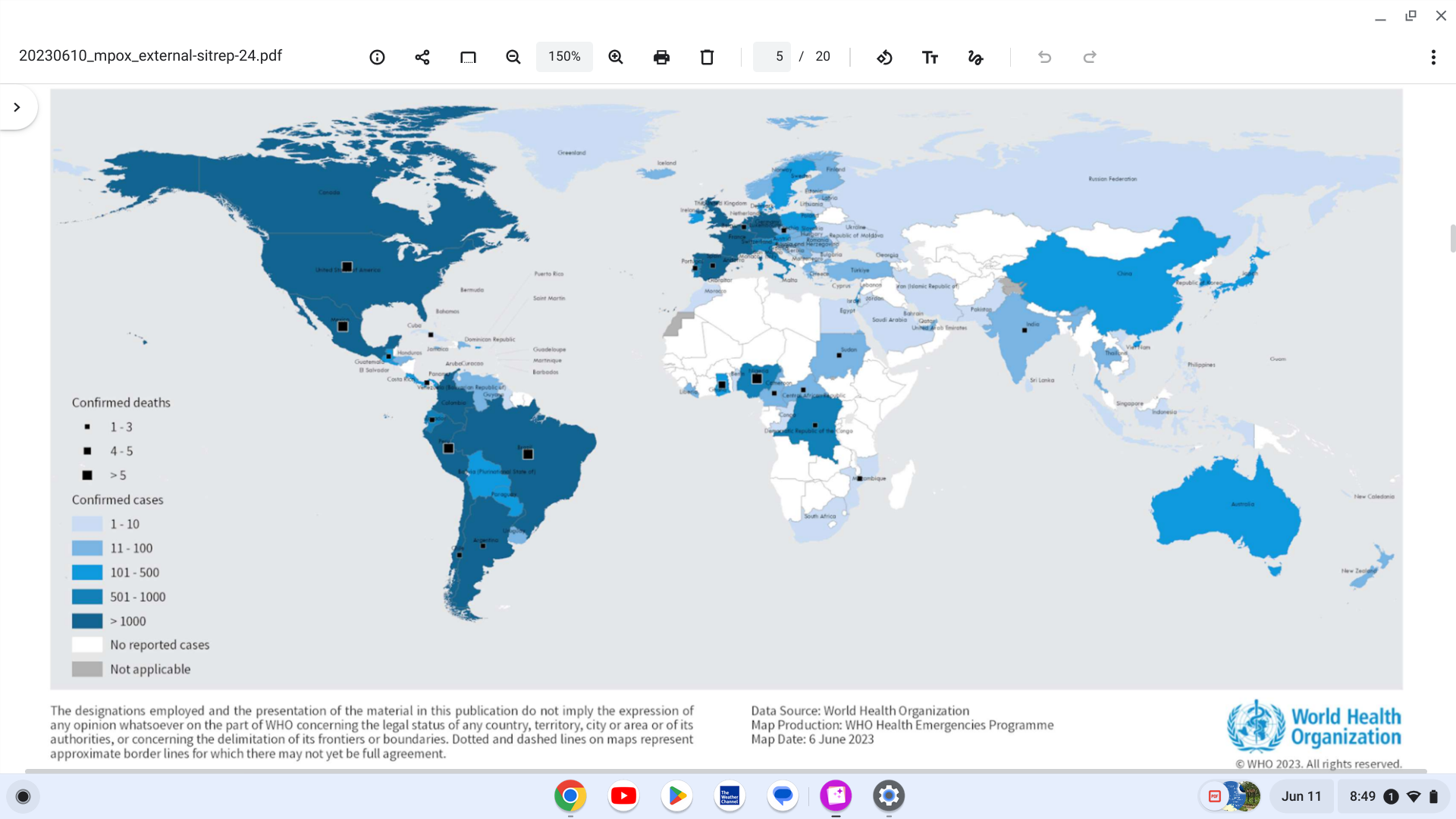
The World Health Organization (WHO) today published its External Situation Report #24 regarding the multi-country outbreak of mpox. In the last two weeks, there have been around 275 new mpox cases each week.
The mpox vaccination status of these individuals was not disclosed.
As of June 10, 2023, the WHO confirmed the updated epidemic curves suggest that the mpox outbreak that began in May 2022 continues with low levels of transmission in the European and Americas Regions, have slightly decreased in the Western Pacific, and increased cases in South-East Asia.
In the African Region, where mpox transmission is more continuous, an increase in the number of cases for the most recent weeks was observed.
Other key epidemiological findings include, but are not limited to, the following:
As of early June 2023, 96.2% of mpox cases with available data are men, with a median age of 34.
Among cases with information available, 84.1% have self-identified as gay, bisexual, and other men who have sex with men.
Of all reported modes of transmission since the start of the outbreak, skin and mucosal contact during sex has been the most reported (82%).
And cases where at least one symptom is reported, the most common symptom is any rash, reported in 80.6% of cases, followed by fever and systemic rash or genital rash.
The WHO wrote it is essential to note that mpox can affect anyone, and getting vaccinated (JYNNEOS®, MVA-BN), monitoring for symptoms, testing if you think you have mpox and openly discussing mpox with sexual partners are vital strategies to minimize risk.