




Search API

0 min read

The Coalition for Epidemic Preparedness Innovations (CEPI) and BioNTech SE today announced they are expanding their strategic partnership to contribute to building a sustainable and resilient end-to-end African vaccine ecosystem.

CEPI is committing up to $145 million to support BioNTech's establishment of mRNA vaccine R&D, clinical, and commercial-scale manufacturing capabilities at the Company's facility in Rwanda.

BioNTech and CEPI intend to work jointly to rapidly respond to outbreaks on the African continent caused by known viral threats or an as-yet-unknown pathogen with epidemic or pandemic potential.

Under the terms of the agreement, BioNTech intends to provide affordable access to its prophylactic vaccines, such as those against malaria, mpox, and tuberculosis, manufactured at the Kigali facility.

"Africa still has to import 99% of all the vaccines it needs to protect its people from potentially deadly diseases, meaning many are left waiting far too long to get the life-saving doses they need. This must change ...... said Dr. Richard Hatchett, CEO of CEPI, in a press release on May 30, 2024.

BioNTech and CEPI first announced their strategic partnership in September 2023.

Vaccine Treats: 
Image: 
Image Caption: 
by Gerd Altmann
Live Blog Update Author: 
Location Tags: 
Include in VBT newsletter: 
0 min read

NanoViricides, Inc. today elaborated on its development of a first-in-class, broad-spectrum antiviral agent that could revolutionize the treatment of viral infections, including RSV, Influenza, and other viruses.

Over 90% of human pathogenic viruses are known to use one or more "landing sites" in the Sulfated Proteoglycans ("SPG") family. NanoViricides says a successful host-mimetic nanoviricide drug using SPG as the key feature to attracting viruses could theoretically attack most, if not all, such viruses.

NV-387 is designed to mimic SPG and attack the virus as a cell-mimicking decoy. 

For example, in a recent RSV study, extended orally administered NV-387 was compared with a high dose of ribavirin. Two doses were given on the first day of dosing, followed by one daily dose for the next nine days (11 doses). NV-387 given by this dosing regimen led to complete survival of the mice beyond the 21-day study period, with no signs of pathology apparent on the last day of observation.

"An antiviral agent with an extra-ordinary broad spectrum of antiviral activity, coupled with strong safety, is a 'holy grail' of antiviral medicines," said Anil R. Diwan, Ph.D., President and Executive Chairman of the Company, in a press release on May 29, 2024 

"Our host-mimetic, direct-acting, nanoviricide™ platform technology capable of destroying virus particles has made this possible, we believe. NV-387 is now ready for Phase II studies towards the goal of regulatory approvals worldwide."

He further commented, "If and when approved, NV-387 could be as revolutionary an antiviral agent as penicillin was as an anti-bacterial agent."

Image: 
Image Caption: 
NanoViricide® Attacking a Virus Particle
Live Blog Update Author: 
Location Tags: 
Include in VBT newsletter: 
Zika vaccine
Zika vaccines and monoclonal antibodies remain a global priority
0 min read

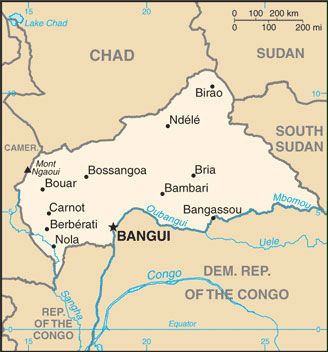
The World Health Organization (WHO) today announced that UNICEF successfully delivered over 43,000 doses of the R21/Matrix-M™ malaria vaccine to Bangui, Central African Republic.

As of May 24, 2024, 122,000 additional R21 doses are scheduled for delivery, funded by Gavi, the Vaccine Alliance.

The Central African Republic, with a population of over 5 million, is the first country to receive the R21 vaccine for routine childhood immunization. This marks another step forward in preventing the disease and saving children's lives. 

The WHO says that along with the earlier WHO recommendation of the RTS,S vaccine, there is now sufficient vaccine supply to scale up malaria vaccination in Africa.

Chad, Cote d'Ivoire, Democratic Republic of Congo, Mozambique, Nigeria, South Sudan, and Uganda are preparing to receive R21 shipments.

Director of UNICEF Supply Division Leila Pakkala commented in a press release, "Previous concerns about supply meeting demand are firmly behind us. Our priority is for the vaccines to reach every child at risk."

The Central African Republic has one of the highest rates of malaria incidence globally. In 2022, an estimated 1,733,000 malaria cases were reported in the country, averaging about 4747 cases a day.

The disease also claimed around 5180 lives over the year, or 14 deaths each day.

Dr. Sania Nishtar, CEO of Gavi, the Vaccine Alliance, stated, "That is what matters most – that countries, where our vaccines can be most impactful, can access them, saving thousands of lives each year and offering relief to families, communities, and entire health systems."

On October 2, 2023, the WHO recommended R21 vaccination to prevent malaria in children. R21 is a protein-based vaccine developed by the University of Oxford, using Novavax AB's Matrix-M™ adjuvant technology.

"The R21/Matrix-M™ vaccine is a vital new tool to help stop the devastating health and economic impact of malaria on nearly half of the world's population, including the tragic loss of 1,300 children every single day," said John C. Jacobs, President and Chief Executive Officer, Novavax, on May 20, 2024.

Vaccine Treats: 
Image: 
Image Caption: 
US State Dept May 2024
Live Blog Update Author: 
Location Tags: 
Include in VBT newsletter: 
polio vaccine 2024
Polio vaccinations scheduled for over 5 million children in Angola
0 min read

Assembly Biosciences, Inc. today announced that the company will present data from its herpes simplex virus (HSV) program at the International Herpesvirus Workshop in Portland, Ore., July 13-17, 2024.

At the Workshop, Assembly Bio will present data describing the preclinical profile of ABI-5366, a long-acting helicase-primase inhibitor candidate in development for treating recurrent genital herpes.

Additionally, the company will present data highlighting the preclinical characterization of ABI-1179, a structurally distinct long-acting helicase-primase inhibitor candidate.

William Delaney, PhD, chief scientific officer of Assembly Bio, commented in a press release on May 22, 2024, "Improved therapeutic options are urgently needed for people living with recurrent genital herpes, as the current standard of care is only partially effective in controlling recurrences."

"Our HSV program employs a highly innovative approach, with candidates designed from the start for long-acting administration and targeting the viral helicase-primase complex, a different viral target than the standard of care."

"We look forward to an important year for the program, as we remain on track to begin dosing in a Phase 1a/1b study for ABI-5366 by mid-year (2024) and anticipate bringing ABI-1179 into the clinic by the end of the year."

Details of the presentations are as follows:

Poster Presentation: The Helicase-Primase Inhibitor ABI-5366 is a Novel, Potent, Long-Acting Inhibitor for the Treatment of Recurrent Genital Herpes
Presenter: Ran Yan, PhD, Assembly Bio
Poster Session Date and Time: Not Yet Available

As of May 23, 2024, there are no U.S. FDA-approved herpes vaccines available.

Vaccine Treats: 
Image: 
Image Caption: 
from Pixabay
Live Blog Update Author: 
Location Tags: 
Include in VBT newsletter: 
0 min read

Combating Antibiotic-Resistant Bacteria Biopharmaceutical Accelerator (CARB-X) today announced it would award $3.96 million to the Center for Vaccine Development and Global Health (CVD) at the University of Maryland School of Medicine to develop a maternal vaccine that prevents sepsis caused by Klebsiella pneumoniae in newborns and infants.

The CVD vaccine candidate, which targets the surface sugars of K. pneumoniae, is expected to be given to pregnant women, thereby protecting their babies from this deadly infection.

If successful, researchers expect the vaccine will prevent 80-90% of K. pneumoniae neonatal sepsis infections.

“With this award, the CVD team has even greater potential to bring a maternal vaccine for neonatal sepsis to market and save the lives of millions of infants worldwide, especially in low-and-middle income countries through its global partnership with Auro Vaccines of India,” said Erin Duffy, PhD, R&D Chief of CARB-X, in a press release on May 21, 2024.

“By vaccinating expectant mothers, the risk of neonatal sepsis might be reduced substantially as babies who are too young to be vaccinated would receive antibodies from their mothers in utero as well as through breastfeeding after birth.”

The CARB-X award supports examining the feasibility of this project to maximize its potential impact on the vulnerable patient population.

The CVD team aims to develop and evaluate their vaccine further in partnership with Auro Vaccines Private Limited, a step-down subsidiary of Aurobindo Pharma Limited, India.

Neonatal sepsis is a life-threatening response to bloodstream infections that occur in newborns fewer than 28 days old. Due to their immature immune systems, newborns are particularly susceptible to infections.

The BARNARDS study estimated that 2.5 million neonates or infants in the first month of life die annually of sepsis, with the most significant burden in low- and middle-income countries.

Since neonatal sepsis progresses rapidly, it requires immediate treatment with IV fluids and antibiotics. The risk of death from neonatal sepsis increases by 7.6% every hour a treatment is delayed.

Federal funds from the U.S. Department of Health and Human Services, the Administration for Strategic Preparedness and Response, and others support CARB-X funding for this research.

Vaccine Treats: 
Image: 
Image Caption: 
by Aayansh Pandey
Live Blog Update Author: 
Location Tags: 
Include in VBT newsletter: 
Malaria vaccine
R21/Matrix-MTM vaccine availability begins in Africa in 2024
0 min read

Blackstone today announced the launch of the Blackstone Life Sciences portfolio company Uniquity Bio, a clinical-stage drug development company focused on immunology and inflammation.

Uniquity Bio launches with the U.S. FDA's acceptance of its Phase 2 investigational new drug application for solrikitug, a monoclonal antibody targeting TSLP.

Solrikitug is a highly potent anti-TSLP monoclonal antibody that prevents the binding of TSLP to its receptors. Given TSLP's position as the "master switch" cytokine at the top of the inflammatory cascade, solrikitug could have potential utility in various immunology and inflammation programs.

Solrikitug was in-licensed from Merck & Co., Inc.

Up to $300 million in capital from Blackstone will advance Solrikitug in multiple indications.

"Our investment in Uniquity Bio illustrates Blackstone Life Sciences' commitment to finding, developing, and delivering potentially transformative medicines to patients around the world," said Nicholas Galakatos, Ph.D., Global Head of Blackstone Life Sciences, in a press release on May 15, 2024.

"We are proud to partner with Uniquity's team of veteran industry leaders as they advance solrikitug and expand their immunology and inflammation pipeline with additional programs in the near future."

The company aims to deliver best-in-class efficacy with solrikitug across several critical respiratory and GI indications with significant unmet needs. In the next month, Uniquity Bio will launch Phase 2 clinical trials in chronic obstructive pulmonary disease — the third leading cause of death worldwide, according to the World Health Organization — and asthma, which the WHO estimates affects more than 260 million people across the globe.

Vaccine Treats: 
Image: 
Image Caption: 
Uniquity Bio May 2024
Live Blog Update Author: 
Location Tags: 
Include in VBT newsletter: 

RECCE 327 Treatment

RECCE® 327 Treatment

Recce Pharmaceuticals Ltd.'s anti-infective pipeline includes patented, broad-spectrum, synthetic polymer RECCE® 327 (R327), an intravenous and topical therapy being developed for the treatment of severe and potentially life-threatening infections caused by both Gram-positive and Gram-negative bacteria, including their superbug forms, such as Urinary Tract Infections (UTIs), which are common infectious diseases caused by pathogens, such as Escherichia coli (E. coli) (62%). Recce's anti-infectives are wholly synthetic, based on a patented polymeric structure, and designed to overcome resistance. Recce's anti-infectives can potentially overcome the hypercellular mutation of bacteria and viruses, which is the challenge of all existing antibiotics. R327 affects the assembly of bacterial cell division complex components that require cellular energy to remain assembled, confirming its ability to disrupt cellular bioenergetics. This decreases the formation of the bacterial cell division complex into ring-like structures (Z-rings) in a concentration-dependent manner. RECCE® 327 is not a UTI preventive vaccine.

The U.S. Food and Drug Administration (FDA) has awarded RECCE® 327 Qualified Infectious Disease Product designation under the Generating Antibiotic Initiatives Now (GAIN) Act, labeling it for Fast Track Designation, plus ten years of market exclusivity post approval. On May 7, 2024, Recce announced that the China National Intellectual Property Administration Granted a new Patent Family 2 for Recce's anti-infectives, "Copolymer and Method for Treatment of Bacterial Infections" in China, expiry 2035.

According to the World Health Organization (WHO), RECCE® 327 was added to the WHO List of Antibacterial Products in Clinical Development on June 18, 2024. R327 is the only compound classified as an adenosine triphosphate (ATP) production disruptor. Disruption of ATP production in bacterial cells, when targeted as the primary mechanism of action, not secondary to other cell perturbation mechanisms, can confer activity against Gram-positive and Gram-negative pathogens.

On May 15, 2024, Recce reported that it had successfully dosed the first male and female participants in the nexCohortrt with RECCE® 327, 4,000mg intravenously, at a fast infusion rate of 20 minutes in its Phase I/II UTI/Urosepsis clinical trial. On June 28, 2024, Recce announced that the Phase I/II rapid infusion clinical trial demonstrated efficacy in bacterial growth in dosed participants injected with RECCE® 327 at the highest tested dose of 4,000mg. These results indicate that RECCE® 327 administered intravenously is safe and efficacious against E. coli.

On October 8, 2024, the company announced that RECCE® 327 topical gel (R327G) was safe and well tolerated in human subjects, with promising antibacterial responses observed in patients.

Recce Pharmaceuticals Ltd (ASX: RCE, FSE: R9Q) is developing a New Class of Synthetic Anti-Infectives designed to address the urgent global health problems of antibiotic-resistant superbugs and emerging viral pathogens. On June 18, 2024, the Company confirmed a further cash refund of AUD $2,624,860.47 for the Research and Development Tax Incentive rebate from the Australian Tax Office for the financial year ending 30 June 2023. On August 5, 2024, the Company's pro forma cash position was A$19.8 million.

RECCE® 327 Urinary Tract Infection (UTI) Treatment Dosage

RECCE® 327 may be administered for intravenous, topical, nasal, oral, and inhaled use. RECCE® 327's universal mechanism of action has a patented ability to continuously kill bacteria without a tendency for the emergence of resistance, even with repeated use, indicating a unique ability to combat antibiotic-resistant superbugs. The Company has explored multiple infusion times of R327: 15 minutes, 20 minutes, 30 minutes, and 45 minutes. The highest dose tested in the phase 1 study is 4,000mg. Administering antibiotics through rapid intravenous infusions has proven to be a safe and effective method that significantly impacts patient treatment, reduces wait times, and alleviates nursing workloads worldwide.

RECCE® 327 Urinary Tract Infection (UTI) Indication

Data in 2024 is expected to pave the way for a Phase II UTI/Urosepsis efficacy trial, potentially establishing R327 as a frontline treatment. UTI is one of the most common infectious diseases in the pediatric population. In high-income countries, UTIs affect up to 2.8% of children annually, with recurrence rates ranging from 8% to 30% [2,3]. It is estimated that 11.3% of females and 3.6% of males develop at least one episode of UTI within the first 16 years of life.

RECCE® 327 Acinetobacter Baumannii Indication

On July 8, 2024, results from a study on the efficacy of RECCE® 327 (R327) against the multidrug-resistant World Health Organization (WHO) priority pathogen Acinetobacter baumannii (A. baumannii) demonstrated R327’s bactericidal activity compared to placebo and ciprofloxacin in just one-hour post-treatment and at 24 hours post-treatment in primary human epidermal keratinocytes (skin cells) infected with A. baumannii.

RECCE® 327 Mechanism of Action

Most antibiotics inhibit a single target, such as bacterial gyrase enzymes, cell wall biosynthetic enzymes, or enzymes required for DNA replication during bacterial cell division. They operate on a ‘lock and key’ mechanism and only bind to a few active sites on the bacterial target. However, if a mutation is introduced into the target site, the antibiotic will cease to be effective. Recce’s anti-infectives are wholly synthetic, based on a patented polymeric structure, and have been designed to overcome resistance.

RECCE 327 UTI Treatment Side Effects

No significant side effects have been reported. In April 2024, Recce Pharmaceuticals reported that an Independent Safety Committee had approved an increase of R327 to 4,000mg (I.V.) over a fast infusion of 30 minutes. In June 2024, the Company reported no serious side effects in a Phase 1/2 study.

RECCE 327 UTI Treatment Availability

RECCE® 327 is not market-approved for human use. As of April 2024, the Company was producing 5,000 GMP doses of R327 per week.

RECCE 327 UTI Treatment News

August 5, 2024—Recce Pharmaceuticals Limited announces the successful close of its Share Purchase Plan, which was announced on July 2, 2024.

June 28, 2024 - Dr. Marc Sharp, Chief Scientific Officer at Linnaeus Bioscience, leading independent experts in bacterial Mechanism of Action analysis, added: "The ability of R327 to achieve biologically relevant concentrations and exhibit antibacterial activity in urine samples is highly encouraging."

June 18, 2024 - Recce Pharmaceuticals CEO James Graham said, "We are pleased that R327 has been included in the list of antibacterial products to tackle the urgent global health threat posed by antibiotic resistance. There is a demand for new antibiotic therapies, and this report further showcases R327's potential as a novel treatment for a broad range of life-threatening and resistant bacteria."

May 15, 2024 - The first participants were successfully dosed at 4,000mg IV over 20 minutes, at 4,000mg in a phase 1/2 study.

April 17, 2024 - Recce Pharmaceuticals Ltd. announced the successful batch completion under Good Manufacturing Practices for RECCE® 327 (R327), with the patented manufacturing process now producing 5,000 GMP doses of R327 per week.

September 26, 2023 - Recce Pharmaceuticals Ltd. announced it completed the cohort dosing of healthy male and female subjects in its Phase I/II clinical trial, evaluating its lead anti-infective candidate, RECCE® 327, at faster infusion rates.

RECCE® 327 UTI Treatment Clinical Trials

UTI clinical trials are active as of May 2024. A phase 1 clinical trial (ACTRN12623000448640) consists of up to 4 cohorts with 4 participants at each dose level. Each participant will begin with a single dose of RECCE®327 intravenously over Period A (longer infusion duration), followed by 48 hours of safety surveillance and PK data collection. The second dose of RECCE®327 infusion over Period B (shorter infusion duration) had the same dose level and concentration and a minimum time elapsed of 48 hours from the start of the first to the second dose. For the subsequent, a non-Data Safety Monitoring Board committee will review the safety and PK data (the latter, if available). It may suggest adjusting the dose level, infusion rate, and/ or concentration of the RECCE®327 before proceeding to the nexCohortrt. The non-DSMB committee may determine not to proceed with additional cohorts as well. Four non-DSMB committee meetings will be planned one week after Period B for the last participant in eacCohortrt.

Announced on June 28, 2024, the Phase 1/2 trial met all primary endpoints, demonstrating the compound's tolerability and strong antibacterial efficacy. The study successfully concludes having determined an optimal dosing regimen for R327 (20-minute infusion optimal) intravenously, showing rapid onset and sustained impact on Escherichia coli via an ATP mechanism in the urine of dosed participants with the safety of participants maintained. Building on these promising results, Recce Pharmaceuticals plans to commence a Phase 2 trial in the second half of 2024, involving 30 patients, to validate these findings further and explore additional therapeutic indications for  327. The Company is also investigating the potential of R327 in treating a broader range of bacterial infections beyond UTIs and urosepsis, such as acute bacterial skin and skin structure infections.

0 min read
Availability: 
N/A
Generic: 
R327
Drug Class: 
Synthetic Anti-Infectives
Last Reviewed: 
Wednesday, October 9, 2024 - 04:10
Brand: 
RECCE® 327
Status: 
Manufacturer Country ID: 
FDA First In Class: 
Yes