Search API

Rabies Vaccines

Rabies Vaccines 2025

Rabies is a vaccine-preventable viral disease found in more than 150 countries and territories, according to the World Health Organization (WHO). Two types of vaccines protect people against Rabies: nerve tissue and cell culture vaccines. Cell culture vaccines, which are more affordable and require less vaccine, have been developed recently. Unlike conventional, inactivated rabies vaccines, live-attenuated viruses are genetically modified viruses that can replicate in a vaccinated person without causing adverse effects while eliciting robust and effective immune responses against viral infection.

As of 2025, according to the WHO, intradermal immunization using cell-culture-based rabies vaccines is an acceptable alternative to standard intramuscular administration. In the United Kingdom, rabies vaccines must be inactivated or recombinant and approved for use in the country. 

Rabies Vaccines Approved

As of 2025, the WHO has pre-qualified rabies vaccines, including Bavarian Nordic's RabAvert vaccIVAX-S by Serum Institute of India Pvt. Ltd., VaxiRab N by Zydus Lifesciences Limited, and VERORAB by Sanofi Pasteur.

RabAvert is a vaccine that contains an inactivated rabies antigen, indicated for preexposure vaccination, primary and booster doses, and post-exposure prophylaxis against Rabies in all age groups.

Chirorab®, previously known as Rabipur, is an inactivated rabies virus of Flury LEP. Chiron Behring Vaccines is relaunching Rabipur, a purified chick-embryo-celline. It will continue manufacturing at its WHO-prequalified facility in Ankleshwar, Gujarat, India.

Rabipur is an inactivated rabies vaccine produced by Valneva SE, which has over 35 years of worldwide clinical experience.

Rabivax-S is a lyophilized vaccine manufactured by Serum Institute of India Pvt. Ltd. It contains inactivated, purified rabies antigen and was developed using Vero cells (ATCC CCL81), derived from the Pitman-Moore strain. The inactivated vaccine is freeze-dried until ready for immunization.

Rabies Vaccine Candidates

Rabies vaccine candidates are seeking participants for various clinical trials in 2025. 

YS Biopharma Co., Ltd. PIKA Rabies Vaccine utilizes the company's proprietary PIKA adjuvant technology, designed to produce a more robust immune response in a shorter timeframe than traditional rabies vaccines. On April 9, 2024, YS Bio announced positive interim results from the ongoing Phase 3 clinical trial, indicating that the PIKA Rabies Vaccine has successfully met the primary endpoints and has the potential to achieve best-in-class accelerated protection and meet the WHO's goal of a one-week rabies vaccine regimen to replace the conventional three- or four-week regimens. On June 1, 2023, the Food and Drug Administration of the Philippines approved a Phase 3 clinical trial, and on May 16, 2023, Pakistan issued study approval.

Replicate Bioscience announced on September 12, 2023, the dosing of the first participant in a Phase 1 trial of its RBI-4000 vaccine candidate for rabies prevention. The Trial marks the first time a human has been dosed with Replicate's next-generation srRNA technology, which will be a benchmark for its utility in this indication.

VitriVax, Inc. received a grant of up to $5 million from the Coalition for Epidemic Preparedness Innovations to develop further Atomic Layering Thermostable Antigen and Adjuvant (ALTA) technology, using Rabies as a vaccine target. ALTA® could replace multi-dose vaccines for protection against infectious diseases with a single-administration alternative.

Rabies Vaccine Preexposure Prophylaxis (PrEP)

The WHO recommends preexposure prophylaxis (PrEP) for individuals at high risk of exposure. The WHO position paper on rabies vaccines recommends a one-week, two-site intradermal post-exposure prophylaxis (PEP) schedule with 0.1 mL of vaccine injected on days 0, 3, and 7. The U.S. Centers for Disease Control and Prevention (CDC) updated its recommendations for rRabies post-exposure prophylaxis (PrEP) for humans, replacing the three-dose vaccination schedule with a two-dose program intended to protect people for at least three years. On May 6, 2022, the U.S. CDC published Use of a Modified Preexposure Prophylaxis Vaccination Schedule to Prevent Human Rabies: Recommendations of the Advisory Committee on Immunization Practices — United States, 2022. 

Rabies Vaccine Breakthrough Infections

A case report by Holzbauer et al. in the March 2023 issue of Clinical Infectious Diseases is not a situation of inappropriate prophylaxis; rather, it represents a textbook response to accurate exposure to Rabies. An 84-year-old awoke to a bat biting his finger. The man washed his finger with soap and water, as recommended. Post-exposure prophylaxis was initiated three days after exposure. He received a complete four-vaccine regimen and more than the recommended 20 IU/kg of human rabies immunoglobulin (the actual dose was reportedly 30.9 IU/kg, as determined by potency testing of the immunoglobulin used), partially injected into the bite site, with the remaining amount given intramuscularly. Yet, five months later, he developed clinical Rabies and succumbed to it.

Importation of Dogs Without Rabies

In the U.S., stray dog control programs were initiated in the 1940s, and routine rabies vaccination of owned dogs eliminated the canine rabies virus variant from circulation by 2008. The American Animal Hospital Association Canine Vaccination Guidelines were updated in 2022. As of August 2023, a valid CDC Rabies Vaccination and Microchip Record is needed to obtain a permit or make a reservation. The CDC does not accept foreign-issued pet passports or other certificates for rabies vaccinations administered outside the United States. Rabies-vaccinated dogs vaccinated in the U.S. by a U.S.-licensed veterinarian may re-enter the country from a high-risk country without a CDC Dog Import Permit if the dog has a current, valid U.S.-issued rabies vaccination certificate and an ISO-compatible microchip. The CDC has temporarily suspended the importation of dogs from high-risk countries with Rabies until July 31, 2024.

Rabies Vaccines Raccoons

The U.S. Department of Agriculture's Animal and Plant Health Inspection Service announced on August 4, 2023, that it will begin its annual distribution of RABORAL V-RG®, an oral rabies vaccine bait, in select areas in the eastern United States to prevent the spread of raccoon rabies. Raccoons, foxes (including red and gray varieties), skunks, and bats are considered primary carriers of the rabies virus in the United States.
5 min read
Last Reviewed: 
Wednesday, November 12, 2025 - 05:55
Description: 
Rabies vaccines are approved and offered worldwide in 2025
Condition: 

HSV-2 Vaccine (GSK4108771A)

HSV-2 Vaccine (GSK4108771A)

The herpes simplex virus type 2 (HSV-2) vaccine candidate (GSK4108771A) utilizes self-amplifying messenger RNA, "SAM" technology. To develop a SAM-based vaccine, GlaxoSmithKline (GSK) scientists designed a SAM molecule synthetically in a laboratory, using portions of the genetic code of a virus. However, in the SAM molecule, the genes linked to the virus's ability to cause infection are deleted and replaced with genes from target viruses that will produce the antigens for desired vaccines. 

The transport of nascent HSV particles from neuron cell bodies into axons and along axons to axon tips in the periphery is an essential component of this reactivation and reinfection. Two HSV membrane proteins, gE/gI, and US9, play a crucial role in these processes. Tiny balls of fat called lipid nanoparticles or LNPs will deliver the vaccine.

Using the body's cells to produce the vaccine means that GSK would only produce the SAM genetic platform and its delivery systems. Volumes may be much smaller than with traditional vaccines. The production process would be very similar for a wide variety of different vaccines, says GSK, potentially leading to substantial streamlining of the vaccine R&D process.

England-based GSK is the world's largest vaccine company by revenue, delivering vaccines that help protect people at all stages of life. Their R&D focuses on developing vaccines against infectious diseases that combine high-medical needs and strong market potential. The GSK vaccine portfolio has been helping to protect people from serious diseases for well over 100 years, with our Marietta (US) site dedicated to smallpox vaccine production since 1882.  

HSV-2 Vaccine (GSK4108771A) Indication

HSV-2 Vaccine (GSK4108771A) is indicated to prevent HSV.

HSV-2 Vaccine (GSK4108771A) Dosage

HSV-2 Vaccine candidate (GSK4108771A) dosage is being tested in a Phase 1 clinical trial. Four doses of the formulation will be administered intramuscularly on day one and day 57.

HSV-2 Vaccine (GSK4108771A) News

June 28, 2021 - GSK has terminated its phase 1 clinical trial to enable the development of an enhanced vaccine version.

May 5, 2021 - The U.S.-based Phase I, Single-blind, Randomised, Placebo-controlled, Dose Escalation Study to Evaluate the Reactogenicity, Safety, and Immune Response of an HSV Vaccine in Healthy (~60) Participants Aged 18-40 Years was last updated. Women of non-childbearing potential may be enrolled in the study. Women with childbearing potential may be enrolled in the study under certain conditions.

March 23, 2021 - GlaxoSmithKline (GSK) launched a limited phase 1 clinical trial for a herpes simplex virus type 2 (HSV-2) candidate known as HSV vaccine (GSK4108771A). This USA-based study will include sixty participants and was last updated on March 18, 2021. This first-time-in-human study intends to assess the reactogenicity, safety, and immunogenicity of four different dose levels of an experimental HSV-2 vaccine administered intramuscularly on a 0, 2-month schedule to healthy participants aged 18-40.

HSV-2 Vaccine (GSK4108771A) Clinical Trial

Clinical Trial NCT04762511: This clinical trial has been terminated. This Phase 1 study aims to assess the reactogenicity, safety, and immunogenicity of four different dose levels of an experimental herpes simplex virus type 2 (HSV-2) vaccine when administered intramuscularly on a 0, 2-month schedule. 

0 min read
Generic: 
GSK4108771A
Clinical Trial: 
https://us.gsk.com/en-us/research-and-development/clinical-trials/
Drug Class: 
Vaccine
Condition: 
Last Reviewed: 
Wednesday, June 19, 2024 - 05:35
Brand: 
HSV-2 vaccine (GSK4108771A)
Abbreviation: 
HSV-2
Status: 
Manufacturer Country ID: 
FDA First In Class: 
Yes

Travel Vaccine Certificates, Passports, Visa

Travel Vaccine Certificates, Passports, Visa, Green Card 2025

Various countries require proof of immunization as a prerequisite for obtaining a visa or entering their territory. Vaccine passports are digital credentials that confirm a person has been vaccinated against particular diseases. The World Health Organization (WHOGlobal Digital Health Certification Network (GDHCN) became effective in Europe on July 1, 2023. The GDHCN's digital capabilities may include verification of vaccinations, the International Patient Summary, verification of vaccination certificates within and across borders, and certification of public health professionals through the WHO Academy. The WHO published the Digital Documentation of Certificates: Vaccination Status and Test Results in 2021 and 2022, respectively.

In 2023, the WHO endorsed the European Union (EU) digital certification system. The EU Digital Certificate has been issued across 51 countries.

U.S. Passport, Security Notices, Health Advisories

The U.S. Department of State publishes information for visa and passport applications, as well as for countries, to help travelers assess their risks. If Americans are overseas and need emergency assistance, they should contact the nearest U.S. embassy or consulate, says the State Department. From Overseas, call +1 202-501-4444. Updated FAQs about U.S. passport and visa operations are on this State Department webpage. In addition, view travel requirements for countries edited by Sherpa. Choose a country on this map to begin your search.

The State Department launched the Bureau of Global Health Security and Diplomacy on August 1, 2023. The Bureau's overarching mission is to fortify the global health security architecture to effectively prevent, detect, control, and respond to infectious diseases, including HIV/AIDS. By leveraging and coordinating U.S. foreign assistance, the Bureau aims to foster robust international cooperation and enhance protection for the United States and the global community against health threats through strengthened systems and policies.

U.S. Transportation Security Administration

The U.S. Transportation Security Administration (TSA) provides a range of customer service resources to support travelers. PreCheck lanes are available at your airport; you can search for them using this link. The TSA has a team dedicated to answering questions related to prohibited and permitted items, identification requirements, and other related topics. AskTSA is available 365 days a year on these social media networks: X (@AskTSA), Facebook Messenger (www.fb.com/AskTSA), Apple Business Chat (AskTSA), and by texting "Travel" to AskTSA (275-872).

On May 6, 2025, the Turkish Directorate General of Civil Aviation issued a statement (UOD-2025/01warning airline passengers that standing up before the plane has come to a complete stop and vaping or smoking on board are prohibited. Turkish Airlines may fine violators around $70 per violation.

A 2023 report from the International Air Transport Association indicates an increase in the rate of reported unruly passenger incidents. Based on over 24,500 incident reports from more than 50 operators globally, there was one incident for every 480 flights in 2023, compared to one incident for every 568 flights in 2022.

U.S. Visa Waiver Program

The U.S. Visa Waiver Program is an international travel facility that allows citizens of select countries to visit the U.S. without requiring a traditional visa. Under this program, a person can stay in the U.S. for a maximum of 90 days. Under this program, even without a visa, there are certain conditions, such as possessing an e-passport and obtaining prior permission online through the Electronic System for Travel Authorization. Visitors must meet all of the requirements to travel to the United States on the VWP.

U.S. Green Card Applications

Effective January 22, 2025, the United States Citizenship and Immigration Services (USCIS) waived the requirement that applicants for adjustment of status to lawful permanent resident present documentation on their Form I-693, Report of Immigration Medical Examination and Vaccination Record, indicating that they received the COVID-19 vaccination. USCIS will not issue any Request for Evidence or Notice of Intent to Deny related to proving a COVID-19 vaccination. USCIS will not deny any adjustment of status application based on the applicant's failure to present documentation showing receipt of the COVID-19 vaccination.

International Certificates of Vaccination or Prophylaxis

The International Certificate of Vaccination or Prophylaxis (ICVP), also known as the yellow card, is required to enter various countries internationally. The WHO published a Country List to identify which countries require an ICVP.

REAL ID Act

All U.S. states, the District of Columbia, and four of five U.S. territories covered by the REAL ID Act and related regulations are issuing REAL ID-compliant licenses and identification cards. In addition, the Department of Homeland Security (DHS) announced in December 2022 its intent to extend the REAL ID full enforcement date by 24 months, from May 3, 2023, to May 7, 2025. The REAL ID Act establishes minimum security standards for state-issued driver's licenses and identification cards. Under the new regulations, beginning May 7, 2025, every traveler 18 years or older will need a REAL ID-compliant license or identification card, a state-issued enhanced license, or another TSA-acceptable form of identification at airport security checkpoints for domestic air travel. 

U.S. Customs and Border Protection

If you are a U.S. citizen planning to travel abroad, you must comply with the document requirements for that country. Each individual arriving in the U.S. must complete the CBP Declaration Form 6059B. Examples and a sample declaration form can be found on the Customs Declaration Form. Additionally, the U.S. Customs and Border Protection (CBP) One app serves as a single portal for mobile applications and services. 

As a result of the Bipartisan Budget Act of 2018, the Electronic System for Travel Authorization (ESTA) travel promotion fee was increased from $10 to $17, in addition to a $4 operation fee. CBP began collecting the new fee amount on May 26, 2022. Individuals with an approved ESTA do not have to reapply, as an ESTA is valid for up to two years. ESTA is an automated system that determines the eligibility of visitors to travel to the United States under the Visa Waiver Program (VWP). Authorization via ESTA does not determine whether a traveler is admissible to the United States. Instead, U.S. CBP officers determine the admissibility of travelers upon their arrival.

Global Entry Program

Global Entry is a U.S. Customs and Border Protection program that allows expedited clearance for pre-approved, low-risk travelers upon arrival in the USA. Members enter through automatic kiosks at select airports. Additionally, the Enrollment on Arrival (EoA) program enables Global Entry applicants who are conditionally approved to complete their interviews upon arrival in the United States. A list of participating EoA airports is posted on this webpage. While Global Entry aims to speed travelers through the process, members may still be selected for further examination when entering the USA.

United Kingdom Electronic Travel Authorization 2025

As of June 2025, the UK Global Health Insurance Card (GHIC) enables UK residents to access necessary state healthcare in the European Economic Area (EEA) and certain other countries on the same basis as a resident of those countries. In 2025, all individuals wishing to travel to and through the United Kingdom, except British and Irish citizens, will be required to obtain an Electronic Travel Authorization (ETA). You can get an ETA instead of a visa if you're coming to the UK for up to six months for tourism, visiting family and friends, or business purposes, or if you're transiting through the UK for up to three months. ETAs for the last two years, enabling you to travel to the UK as often as possible. Prospective travelers should apply for the United Kingdom ETA using this IVISA link. The application costs £10 (about $12.50) to apply. As of 2025, the UK offers information on passport eligibility, fees, and the application process, including renewal and update procedures.

Western Hemisphere Travel Initiative

The Western Hemisphere Travel Initiative (WHTI) is a joint plan between the U.S. Department of State and the Department of Homeland Security to implement the recommendations of the 9/11 Commission and the statutory mandates of the Intelligence Reform and Terrorism Prevention Act of 2004. As a result, U.S. citizens can present a passport, a Passport Trusted Traveler Program card (such as NEXUS or SENTRI), or a U.S. military ID. Military identification card when traveling on official, oral orders; U.S. Merchant Mariner Document when traveling with official maritime business.

Note that children must also present their passports when traveling by air. Lawful permanent residents must continue to carry a valid Permanent Resident Card. A visa is not required. However, the Indian tribal card cannot be used for air travel.

Pet Passport and Tips

An EU Pet Passport is a universal document issued by an official veterinarian in a European Union (EU) Member State or another designated country, containing official health information related to a specific pet. A passport is issued to a dog, cat, or ferret after it has been taken to an EU veterinarian and vaccinated. The purpose of the EU Pet Passport is to simplify travel between the EU Member States. An EU Pet Passport cannot be obtained in the U.S.

On December 14, 2022, the TSA offered tips for traveling with small pets through security checkpoints this holiday season. Furthermore, the USDA has requirements for importing pet dogs from foreign countries. In particular, dogs traveling to the U.S. from countries affected by specific diseases may need additional inspection and/or quarantine. Use this digital menu to determine if your destination State has particular import requirements.

Airline Compensation Policies

Issued by the U.S. on August 29, 2022, a digital dashboard ensures that travelers have access to U.S. airlines' services to mitigate passenger inconveniences when the cause of a cancellation or delay was due to circumstances within the airline's control.

Traveler-based Genomic Surveillance

The CDC's Traveler-based Genomic Surveillance (TGS) program anonymously collects two nasal swab samples from consenting international travelers arriving at U.S. airports. The nasal sampling multipathogen pilot program tests people for Flu A/B, RSV, SARS-CoV-2, and 30 additional priority pathogens. As of September 2023, the TGS program had enrolled more than 360,000 air travelers from more than 135 countries. As of November 6, 2023, Ginkgo Bioworks and XpresCheck will implement the program in selected airports. 

9 min read
Last Reviewed: 
Wednesday, October 1, 2025 - 04:00
Description: 
Vaccine certificates, digital passports and visas are required in 2025
Condition: 

Zoonotic Influenza Vaccines 2023

Zoonotic Influenza Vaccines August 2023

Zoonotic influenza infections are caused by harmful germs, bacteria, parasites, and fungi, says the U.S. Centers for Disease Control and Prevention (CDC). These germs cause illnesses in people, birds, and animals, ranging from mild to severe infections, according to the World Health Organization (WHO). As of August 2023, the CDC says annual 'flu shots' do not prevent zoonotic influenza infections such as swine flu (H3N2) or Avian influenza (Bird Flu). In September 2023, the U.S. CDC published Volume 29, Number 9, Research: Interspecies Transmission of Swine Influenza A Viruses and Human Seasonal Vaccine-Mediated Protection Investigated in a Ferret Model - results reaffirm the need for continuous influenza A virus surveillance in pigs and identification of candidate human vaccine viruses.

The WHO's Pandemic Influenza Preparedness (PIP) Framework is a World Health Assembly resolution adopted in 2011 as a global approach to pandemic influenza preparedness and response. If a pandemic influenza A virus changes and becomes transmissible from person to person while retaining its capacity to cause severe disease, the consequences for public health could be significant. The CDC says the severity is unpredictable because human immune systems have not established natural defenses. The most recent pandemic occurred in 2009, caused by an influenza A (H1N1) virus. Estimates indicate that the pandemic caused up to 400,000 deaths globally, with about 12,000 people in the U.S. 

Pandemic Influenza Vaccine

In April 2007, the U.S. Food and Drug Administration (FDA) licensed the first inactivated influenza vaccine for people at increased risk of exposure to the H5N1 influenza virus subtype. It was derived from the A/Vietnam/1203/2004 influenza virus a, manufactured by Sanofi Pasteur Inc. Furthermore, four pandemic preparedness vaccines are authorized in Europe, which can be modified into pandemic influenza vaccines. The EMA conditionally Authorized AstraZeneca's Pandemic influenza vaccine H5N1 (P/LAIV) in May 2017 to prevent pandemic influenza in children and adolescents. Companies operating in the global swine flu vaccine market are Novartis AG, CSL Limited, Zydus Cadila, AstraZeneca plc, MedImmune, GlaxoSmithKline, Sanofi SA, Baxter, and Sinovac Biotech Ltd.

Bird Flu Vaccine

Avian influenza vaccine news is published on this webpage.

Swine Influenza (Swine Flu)

When a swine influenza virus (H3N2) is detected in a person, it is called a "variant influenza virus," says the CDC. When animal influenza viruses infect their natural host, they are named for that host, as in avian influenza viruses, swine influenza viruses, equine influenza viruses, etc. In 2005, human infection with the novel flu A virus became nationally notifiable in the United States. The term "swine flu" refers to swine influenza viruses infecting swine. There are different swine influenza virus subtypes and strains, some of which infect other animal species, including (rarely) humans. Most human infections with variant influenza viruses occur following proximity to swine. However, human-to-human transmission can occur, says the CDC. For recommendations on safe trade in animals and related products from countries affected by these influenza viruses, refer to WOAH guidance

The first swine influenza virus was found in pigs in 1918. Since 2005, 512 variant influenza virus infections (of different influenza A virus subtypes), including 37 (human infections with influenza A (H1N2)v viruses, were reported in the U.S. The CDC published an interactive analysis of Novel Influenza A Virus Infections in the U.S. A study (Volume 29, Number 9) published by the CDC in September 2023, results reaffirmed the need for continuous influenza A virus surveillance in pigs and identification of candidate human vaccine viruses.

On September 2, 2023, the Ministry of Health, Welfare, and Sport of the Netherlands notified the WHO of a laboratory-confirmed human infection with a swine-origin influenza A(H1N1) variant virus. On August 4, 2023, the CDC reported the first two U.S. human infections with swine flu viruses who attended different agricultural fairs in Michigan in 2023 and had exposure to pigs. On June 7, 2023, Brazil notified the WHO of a fatal laboratory-confirmed human case of infection with a swine-origin influenza A(H1N1) variant (v) virus in the inner state of Paraná. It's the third swine flu fatality. Taiwan's CDC reported its third H1N2 variant (H1N2v) influenza virus case in May 2023 involving girls who had contact with pig farms in central Taiwan. India reported 451 cases of H3N2 from January to March 5, 2023.

African Swine Fever

African Swine Fever (ASF) is a highly contagious and deadly viral disease affecting domestic and feral swine of all ages. The U.S. Department of Agriculture and the FDA say ASF cannot be transmitted from domestic and wild pigs to humans.

Langya Henipavirus

Langya henipavirus (LayV), also known as Langya virus, is a species of henipavirus detected in China's Shandong and Henan provinces. Media reports indicated that 35 people were infected from 2018 to August 2022. Hendra virus and Nipah virus from this genus are known to infect humans, with fruit bats as the natural host of both viruses.

5 min read
Last Reviewed: 
Thursday, September 14, 2023 - 11:25
Description: 
Zoonotic diseases such as swine and bird influenza pandemic in 2023.
Condition: 

TicoVac Tick-Borne Encephalitis Vaccine

TicoVac Tick-Borne Encephalitis Vaccine Dosage, News, Side Effects, Usage

Pfizer's TicoVac™ (whole virus, inactivated) is an approved vaccine indicated for active immunization to prevent tick-borne encephalitis (TBE), marketed under the brand names FSME-Immun® (Encepur N) in Europe and TICOVAC™ in the United States  It was developed using a master 'seed' virus similar to the TBE virus found in nature  TicoVac's formulation has changed over time, including removing thimerosal and transitioning the production virus seed from mouse brain suspension to chick embryo fibroblast cells.

TicoVac vaccination induces neutralizing antibodies against the virus, as the sequence and structure of the virus subtype match those found in nature  The virus is inactivated using formaldehyde; therefore, the vaccine cannot cause disease TicoVac protects people from known TBE virus subtypes in children (from one year of age) and adults, including the European, Siberian, and Far Eastern subtypes. 

On August 13, 2021, Pfizer Inc. announced that the U.S. Food and Drug Administration (FDA) had approved TICOVAC™ (tick-borne encephalitis vaccine) for active immunization to prevent TBE in individuals 1 year of age and older.1 TICOVAC™is the only FDA-approved vaccine to help protect U.S. adults and children against the TBE virus when visiting or living in TBE endemic areas. DrugBank Accession Number: DB16611

TicoVac Approvals

The TicoVac vaccine has been used for over 20 years in Europe. On September 7, 2021, the U.S. Food and Drug Administration (FDA) published updated information on STN: 125740 (Pfizer Ireland Pharmaceuticals) TBE Vaccine and the BLA Clinical Review Memorandum. The U.K., Europe, and Canada also published updated information on the TicoVac vaccine. In 2025, TicoVac will be available in the U.S. at certain pharmacies.

TicoVac Vaccine for Travel

International travelers are recommended to complete the primary TicoVac Immunization Series at least seven days before visiting areas with potential TBE exposure  The risk for exposure to infected ticks is highest for persons in areas where TBE is endemic during the primary TBE virus transmission season of April–November  Based on approximately 20–25 million U.S. citizen trips to countries with TBE risk each year, a mean of <1 diagnosed TBE case each year  In Europe, a median of 36 traveler cases (range = 25–65 cases) were reported annually during 2014–2020.

U.S. CDC ACIP Presentations Regarding TicoVac Vaccine

In November 2023, the U.S. CDC published Morbidity and Mortality Weekly Report - Tick-Borne Encephalitis Vaccine: Recommendations of the Advisory Committee on Immunization Practices, United States, 2023  Susan Hills, MBBS, MTH Medical Epidemiologist Arboviral Diseases Branch Centers for Disease Control and Prevention, presented on February 23, 2022: Work Group activities since the last meeting and recommendations for consideration and vote  The CDC voted in the affirmative  On January 12, 2022, the U.S. CDC's Advisory Committee on Immunization Practices (ACIP) reviewed the following presentations: TICK-BORNE ENCEPHALITIS VACCINE Katherine Poehling, MD, MPH; TICK-BORNE ENCEPHALITIS VACCINE Susan Hills, MBBS, MTH; Evidence to Recommendations; Laboratory workers: Evidence to Recommendations - 46 laboratory-acquired infections globally, all before 1995.

TicoVac Vaccine Indication

TicoVac is a vaccine that prevents TBE in individuals one year and older  Tell your doctor if you or your child have ever been infected with or been vaccinated against Yellow fever, Japanese encephalitis, or Dengue viruses  Antibodies might be in your blood that can react with the Tick-Borne Encephalitis (TBE) Virus used in tests to measure your antibody levels  These tests could then give wrong results  The effect of TicoVac 0.5 ml during pregnancy or while breastfeeding is unknown.

TicoVac Vaccines Dosage

Primary Vaccination: Three doses: For intramuscular use only; Dosage and Vaccination Schedule - 1 through 15 years of age: each dose 0.25 mL; 16 years of age and older: each dose 0.5 mL  A booster dose (fourth dose) may be given at least three years after completion of the primary immunization.

TicoVac Vaccine Junior

TicoVac Junior is for individuals aged 1 to 15 who receive 0.25 mL. The first and second doses should be administered at intervals of 1 to 3 months.

TicoVac Vaccine Effectiveness

According to the U.S. CDC, no randomized controlled trials (RCTs) have been conducted to demonstrate the efficacy of the TBE vaccine in preventing clinical diseases  Vaccine effectiveness (VE) studies for the TBE vaccine using a different schedule, with a previous vaccine formulation or with VE assessed in combination with another TBE vaccine or both, have been published; however, no studies assessing VE of the TBE vaccine alone in its current formulation and according to the U.S. licensed schedule exist  A correlate of protection has not been formally established, and no standardized reference reagents are available.

TicoVac Side Vaccine Interactions

TicoVac drug interactions are listed at this link.

TicoVac Vaccine News

November 10, 2023 - The U.S. CDC published: Tick-Borne Encephalitis Vaccine: Recommendations of the Advisory Committee on Immunization Practices, United States, 2023.

July 9, 2022 - Scientific Results published findings of a study of the VE in Germany of the ENCEPUR (Bavarian Nordic) and FSME-IMMUN (Pfizer).

February 23, 2022—Katherine Poehling, MD, MPH, ACIP TBE Vaccine Work Group Chair, presented an update before a committee vote. The update reviewed considerations for using the TBE vaccine and proposed recommendations for laboratory workers and individuals who travel abroad.

September 29, 2021 - Katherine Poehling, M.D. The U.S. CDC's ACIP TBE Vaccine Work Group chair presented a review of TBE information, including its epidemiology, clinical presentation, diagnosis, treatment, and outcomes.

August 13, 2021—The U.S. Food and Drug Administration (FDA) approved TICOVAC for active immunization to prevent TBE in individuals one year and older. 

December 1, 2014 - Pfizer acquires Baxter's vaccine portfolio, including Neis Vac-C and FSME-IMMUN/TicoVac.

January 30, 2003 - Study: Tolerability of modified tick-borne encephalitis vaccine FSME-IMMUN "NEW" in children: results of post-marketing surveillance. These results demonstrate that, in routine medical practice, the FSME-IMMUN "NEW" vaccine, administered at a dose of 1.2 micrograms of antigen per 0.25 milliliters, is safe for the first vaccination in children.

TicoVac Vaccine Clinical Trials

Pfizer's TBE vaccine has been involved in over 26 clinical studies over the past 20 years  In clinical trials, the safety and immunogenicity of TICOVAC™ were assessed across two age groups (1-15 years of age and >16 years of age)  In these studies, seropositivity rates were 99.5% in 1-15-year-olds and 98.7-100% in adults >15 years following three doses  Clinical studies demonstrated that TICOVAC™ was generally well-tolerated, with no unexpected adverse events or vaccine-related serious adverse events observed  The most common adverse reactions across both age groups were local tenderness, headache, local pain, fever, restlessness, fatigue, and muscle pain.

Clinical Trial NCT00890422: Evaluation of Immunogenicity of Different Tick-Borne Encephalitis (TBE) Fast Protective Traveler Schemes With Inactivated TBE Whole Virus Vaccine (immunization) - Last Update Posted on April 29, 2009

Clinical Trial NCT00894686: Tick-borne encephalitis (TBE) Seropersistence After the First Booster and Response to the Second Booster in Children, Adolescents, and Young Adults.

Clinical Trial NCT00161863: Safety Study of FSME-IMMUN NEW in Healthy Children and Adolescents Aged 1 to 15 Years - Completed study - January 2003.

0 min read
Availability: 
Europe, UK, USA, Canada
Generic: 
FSME-Immun
Drug Class: 
Vaccine
Last Reviewed: 
Friday, May 9, 2025 - 11:55
Brand: 
TICOVAC
Status: 
Manufacturer Country ID: 
FDA First In Class: 
Yes
Kosher: 
Yes
Rate Vaccine: 
mOJg231N

Ebola Vaccines

Ebola Vaccines 2025

Since 2014, Ebolavirus vaccine technologies have included replication-deficient adenovirus vectors, replication-competent vesicular stomatitis virus, human parainfluenza virus vectors, and virus-like nanoparticle preparations. The U.S. Biomedical Advanced Research and Development Authority (BARDA) has funded and is developing vaccine candidates against the six filoviruses. The World Health Organization (WHO) has approved Ebola vaccines to protect people against outbreaks of Zaire Ebolavirus since 2019.

As of March 2025, Sudan Ebolavirus vaccine candidates are in development. In 2024, ring vaccinations were introduced as an additional control measure for Ebola outbreaks. In 2021, the International Coordinating Group (ICG) on Vaccine Provision established a global Ebola vaccine stockpile.

Zaire Ebolavirus Vaccines

Zaire Ebolavirus vaccines have been approved by the U.S. Food and Drug Administration (FDA), the European Medicines Agency (EMA), the World Health Organization (WHO), and the United Kingdom. As of October 2024, the U.S. Centers for Disease Control and Prevention (CDC) recommends two licensed vaccines for the prevention of Ebola caused by Orthoebolavirus zairense: the rVSVΔG-ZEBOV-GP (ERVEBO) and the Ad26.ZEBOV and MVA-BN-Filo.

Merck's Ervebo® vaccine. Since its approval, 7,370 doses of the Ervebo vaccine have been administered in response to two EVD outbreaks in Africa. About 500,000 doses are stored in Switzerland. 

Johnson & Johnson Zabdeno and Mvabea (Ad26.ZEBOV, MVA-BN-Filo) Ebola vaccine regimen.

CanSinoBio's Ad5-EBOV vaccine.

U.S. NIAID/Nin collaborated to develop the 3-EBOV/MVA-BN-Filo vaccine.

MVA-BN (Mvabea®) was approved by the EMA in 2020 as part of a prime-boost vaccine regimen for the prevention of Ebola virus disease caused by the Zaire Ebolavirus in individuals aged 1 year and older.

Zaire Ebolavirus Vaccine Boosters

A study published by the journal Nature on September 3, 2024, guides booster vaccination recommendations and helps identify populations likely to benefit from Ebola revaccination.

Zaire Ebolavirus Vaccine Candidates

INOVIO's INO-4201 is a DNA vaccine candidate targeting the glycoprotein of the Zaire Ebola virus. It is designed to prevent ZEBOV infection. The candidate was evaluated in a Phase 1b clinical trial. INO-4201 was well-tolerated and boosted humoral responses in 100% (36 of 36) of treated participants. As of August 8, 2024, INOVIO anticipates submitting its revised protocol to the FDA for a Phase 2/3 clinical trial with INO-901 as a heterologous booster for the vaccine.

S.K. Biosciences entered into a development licensing agreement with Hilleman Laboratories in November 2023 the jointly develop a second-generation Zaire Ebola virus vaccine. "We look forward to working closely with MSD to accelerate broad access to the second-generation Zaire ebolavirus vaccine and help to improve vaccine coverage for populations in LMICs," said Dr. Raman Rao, CEO of Hilleman Laboratories.

The bivalent adenovirus vectored vaccine is conducting a phase 1 study (NCT05301504). The Sabin Vaccine Institute USA produces the ChAd3-SUDV monovalent adenovirus vector vaccine.

YF-EBO is a live YF17D-vectored dual-target vaccine candidate expressing EBOV glycoprotein (G.P.) as a protective antigen. A single dose of YF-EBO was sufficient to induce high levels of EBOV GP-specific antibodies and cellular immune responses that protected against lethal infection using EBOV GP-pseudotyped recombinant vesicular stomatitis virus (rVSV-EBOV) in interferon-deficient (Ifnar-/-) mice as a surrogate challenge model. Concomitantly induced yellow fever virus (YFV)-specific immunity protected Ifnar-/- mice against intracranial YFV challenge.

INOVIO announced on April 12, 2023, that an abstract had bee-4201 as an, la booster for rVSV-ZEBOV (Ervebo) at the, had been accepted for presentation at the 33rd European Congress of Clinical Microbiology and Infectious Diseases.

Sudan Ebolavirus Vaccine Candidates

As of April 26, 2025, no vaccines have been approved to protect people against the Sudan Ebola virus (SUDV). However, the WHO confirmed that candidate vaccines are being tested in the Solidarity Against Ebola human clinical studies, and the Vaccine Institute is developing a single-dose vaccine candidate for Sudan Ebolavirus. Based on the same cAd3 platform as its Marburg vaccine candidate, Sabin's Sudan ebolavirus vaccine was found to be promising in Phase 1 clinical and non-clinical studies. Results showed it to be safe while eliciting rapid and robust immune responses that lasted up to 12 months.

IAVI's rVSV Sudan ebolavirus vaccine candidate (IAVI C108, rVSVΔG-SUDV-GP) was confirmed on June 27, 2023. The first participants were vaccinated with an SUDV candidate in a first-in-human Phase I clinical trial in the U.S. In January 2025, about 2,160 doses of the vaccine candidate were being deployed in Kampala, Uganda.

Previously, BARDA issued financial awards to IAVI to support the development of rt IAVI's SUDV vaccine candidate.

Serum Institute of India's experimental Ebola virus vaccine.

GeoVax Labs, Inc.'s vectored vaccine, MVA-VL, P-SUDV, was genetically engineered to target Sudan Ebolavirus. Data published on July 25, 2022, demonstrates the MVA-VLP platform's single-dose protection and potency for use in emergencies to contain outbreaks.

Soligenix, Inc. proposes developing SuVax™, a single-vial, adjuvanted, heat-stable subunit vaccine to prevent filovirus infection for use in the event of a Sudan ebolavirus outbreak. On September 25, 2023, the thermostabilized bivalent and trivalent filovirus vaccine candidates demonstrated two-year stability at 40°C when formulated in a single vial, requiring reconstitution only with sterile water immediately before use. The filovirus vaccines represent the only recombinant subunit vaccines to date that have demonstrated complete protection against challenges with Zaire ebolavirus, Sudan ebolavirus, and Marburg marburgvirus in NHPs.

The U.S. government initially invested $35 million to produce up to 100,000 doses of ChAd3-SUDV. These vaccines may be part of ongoing U.S. preparedness efforts and response to future global outbreaks.

The National Institutes of Health Rocky Mountain Laboratories in Hamilton, Montana, developed a candidate for a vesicular stomatitis virus-based Sudan virus vaccine (VSV-SUDte). The investigators anticipate that administering VSV-SUDV at a dosage similar to that of VSV-EBOV would provide rapid protective immunity against SUDV.

VRC-EBOADC086-00-VP, a chimpanzee adenovirus serotype three vector-based Ebola vaccine, encodes wild-type glycoprotein from the Sudan strain of Ebolavirus and is administered intramuscularly. A Phase I Open-Label, Dose-Escalation Clinical Trial to Evaluate Two Doses of Safety, Tolerability, and Immunogenicity. In August 2023, a study found the cAd3-EBO S vaccine was safe at both doses, rapidly induced responses in most participants after a single injection, and was well tolerated. The rapid onset and durability of the vaccine-induced antibodies make this vaccine a strong candidate for emergency deployment in SDV outbreaks.

Ebolavirus Passive Immunization

The Lancet Infectious Diseases reported on November 30, 2023, that monoclonal antibodies (mAbs) were approved for emergency use by the U.S. FDA and used in clinical trials during the 2018–20 Ebola virus disease (EVD epidemic. These trials demonstrated that mAbs continued to increase the number of EVD survivors. The WHO recommended in 2022 that two monoclonal antibody treatments be used in the treatment of Ebola: mAb114 (Ansuvimab; Ebanga) and REGN-EB3 (Inmazeb). The U.S. National Institutes of Health (NIH) states that monoclonal antibodies (mAbs) are manufactured in a laboratory to combat a specific infection and are administered during an infusion. mAbs are different fromines, says the NIH.

On December 22, 2020, Ridgeback Biotherapeutics L.P. confirmed that the U.S. FDA approved Ebanga for the treatment of Ebola. The WHO issued a strong recommendation in August 2022.

On May 2, 2022, the U.S. FDA issued a priority review voucher for a material threat medical countermeasure (MCM) product application for INMAZEB (atoltivimab, maftivimab, and odesivimab-ebgn), manufactured by Regeneron Pharmaceuticals, Inc. As a result, the FDA approved Inmazed in October 2020.

On October 14, 2020, the U.S. Food and Drug Administration (FDA) approved an antibody cocktail from Regeneron that has been shown to reduce mortality rates associated with Ebola. The treatment, known as REGN-EB3, is a mixture of three monoclonal antibodies (atoltivimab, maftivimab, and odesivimab-ebgn) marketed under the brand name Inmazeb. Inmazeb is indicated for the treatment of infections caused by Zaire ebolavirus in adult and pediatric patients, including neonates born to mothers who are RT-PCR positive for Zaire ebolavirus infection.

The U.S. Administration for Strategic Preparedness and Response announced on October 4, 2022, a $109.8 million contract with Mapp Biopharmaceutical Inc. for the advanced development and potential purchase of an mAb therapy to treat Sudan Ebolavirus.

The Lancet Infectious Diseases published results from an observational cohort study on November 30, 202. The study concluded that almost 25% of survivors were seronegative on discharge from the Ebola treatment center, and antibody concentrations decreased rapidly over time. These results suggest that monoclonal antibodies may negatively impact the production of anti-Ebola virus antibodies in survivors of Ebola virus disease, potentially increasing the risk of reinfection or reactivation.

Ebolavirus Treatments

Obeldesivir (ODV; GS-5245) is an orally administered ester prodrug of the parent nucleoside GS-441524 with broad-spectrum antiviral activity inhibiting viral RNA–dependent RNA polymerases. Results from a study published in March 2025 support the potential of ODV as an oral post-exposure prophylaxis with activity against filoviruses, such as the Ebola virus.

On April 8, 2024, RedHill Biopharma announced that its two novel, oral, host-directed investigational drugs, opaganib and RHB-107 (upamostat), demonstrated a robust synergistic effect when combined individually with remdesivir (Veklury®), significantly improving viral inhibition while maintaining cell viability. Opaganib is believed to be the first host-directed molecule to show activity in the EVD, having recently delivered a statistically significant increase in survival time in a separate U.S. Army-funded in vivo Ebola virus study. When administered to the animals within 24 hours of virus exposure once daily for ten days, the drug conferred complete protection against lethal infection with Sudan ebolavirus. On October 14, 2024, RedHill announced an agreement with the U.S. Government.

RHB-107 was recently accepted for inclusion in the ACESO PROTECT adaptive platform trial for the early treatment of COVID-19 patients in the outpatient setting. The 300-patient PROTECT Phase 2 RHB-107 arm has received FDA clearance to start. The study is being conducted in the U.S., Thailand, the Ivory Coast, South Africa, and Uganda, and is estimated to be completed by the end of 2024. RHB-107 met primary endpoints and demonstrated tolerability in the endpoint Phase 2 study, delivering promising efficacy results.

9 min read
Last Reviewed: 
Thursday, November 13, 2025 - 08:25
Description: 
Zaire Ebolavirus vaccines are approved and Sudan vaccine candidates are in development in 2025
Condition: 

Ad26.ZIKV.001 Zika Vaccine

Ad26.ZIKV.001 Zika Vaccine

Ad26.ZIKV.001 Zika Vaccine candidate is a replication-incompetent human adenovirus serotype 26 (ad26) vector. Ad26.ZIKV.001 is an adenovirus serotype 26 vector encoding ZIKV M-Env, administered in 1- or 2-dose regimens of 5 × 1010 or 1 × 1011 viral particles (vp) or placebo. A study published in August 2022 reported that the viral vector vaccine (Ad26.ZIKV.001), seroconversion rate (100%), and GMT peaked after two shots with both low- and high-dose vaccines. 

Janssen Vaccines & Prevention B.V. is the vaccine candidate study sponsor.

Ad26.ZIKV.001 Vaccine Indication

Ad26.ZIKV.001 Zika Vaccine candidate is indicated to induce neutralizing antibodies to prevent Zika virus (ZIKV) infection. ZIKV, a mosquito-borne flavivirus responsible for congenital Zika syndrome (CZS), was first isolated from rhesus monkeys in the Zika forest in Uganda in 1947.ZIKV is transmitted via Aedes aegypti mosquitoes and may cause severe congenital disease after maternal-fetal transmission.

Ad26.ZIKV.001 Vaccine Dosage

In this phase 1 clinical trial, researchers found t doses of Ad26.ZIKV.001 was safe, causing mild to moderate reactogenicity and inducing persistent neutralizing antibody responses. The single dose had lower peak antibodies but was durable after one year. 

Ad26.ZIKV.001 Vaccine News

October 28, 2022 - Current Advances in Zika Vaccine Development.

April 13. 2021 - Phase I Trial Of An Adenovirus Vector Vaccine for Zika Virus Shows High Immunogenicity And Safety

February 16, 2021 - A phase 1 trial of the Ad26.ZIKV.001 Zika vaccine candidate revealed no safety concerns. The antibodies peaked 14 days after the second vaccine and remained high for at least one year.

February 16, 2021 - Estimating the Effect of Discontinuing Universal Screening of Donated Blood for Zika Virus in the 50 U.S. States.

August 24, 2018 - RESEARCH ARTICLE: Adenoviral vector type 26 encoding Zika virus (ZIKV) M-Env antigen induces humoral and cellular immune responses and protects mice and nonhuman primates against the ZIKV challenge. In NHP, a single immunization with a typical human dose of 1x10¹¹ vp of Ad26.ZIKV.M-Env also induced Env-binding and ZIKV neutralizing antibodies and Env and M specific cellular immune responses associated with complete protection against viremia from ZIKV challenge as measured in plasma and other body fluids. Together, these data provide the rationale to progress the Ad26.ZIKV.M-Env candidate vaccine to clinical testing.

Ad26.ZIKV.001 Clinical Trials

Clinical Trial NCT03356561: A Study to Evaluate the Safety, Reactogenicity, and Immunogenicity of Ad26.ZIKV.001 in 100 Healthy Adult Volunteers - Last Update Posted on October 15, 2019.

On May 16, 2021, the Annals of Internal Medicine reported on the clinical trial. All regimens were well tolerated, with no safety concerns identified. In both 2-dose regimens, ZIKV neutralizing titers peaked 14 days after the second vaccination. However, this study was limited since it was conducted in a nonendemic area, so it did not assess safety and immunogenicity in a flavivirus-exposed population. Conclusion: If the need for a ZIKA vaccine reemerges, Ad26.ZIKV.001 is a promising candidate based on its safety and immunogenicity profile.

0 min read
Generic: 
Ad26.ZIKV.001
Drug Class: 
Vaccine
Condition: 
Last Reviewed: 
Wednesday, January 3, 2024 - 13:40
Status: 

Rabivax-S Rabies Vaccine

Rabivax-S Rabies Vaccine May 2023

Rabivax-S has been developed on Vero ATCC CCL81 cells using Pitman Moore (PM3218) strain. It is an inactivated vaccine that is freeze-dried until ready for immunization. The vaccine was tested in a GLP toxicology study following all the GMP requirements. Further, it underwent clinical trials in preexposure and postexposure settings and was found safe and immunogenic.

Rabies vaccines like RabAvert, Rabipur, or Rabivax efficiently induce long-lasting immunity, triggering neutralizing antibodies' production, but several doses are required. Regrettably, rabies vaccination is not included in the vaccines covered by the Expanded Programme on Immunization, and they are expensive and not affordable in developing countries.

Serum Institute of India Pvt. Ltd. (SII) is an Indian biotechnology and biopharmaceutical company that produces Rabivax-S.

Rabivax-S Indication

RABIVAX-S is indicated for the prevention of rabies in children and adults. It can be used before or after exposure, as a primary immunization, or as a booster dose. Rabivax is administered intramuscular and/or intra-dermal. Suppose an individual who has been fully immunized in the past is exposed to Rabies. In that case, the recommended PEP schedule is one dose of Rabies vaccine injected intramuscularly (1 ml) or intradermally (0.1 ml) on day 0 and day 3.

Rabivax-S News

May 20, 2022 - Improper vaccinations could re-introduce rabies into the U.S., warned the Centers for Disease Control and Prevention.

October 20, 2020 - An Overview of Current Uses and Future Opportunities for Computer-Assisted Design of Vaccines for Neglected Tropical Diseases.

March 3, 2017 - Study: Development of a new purified Vero cell rabies vaccine (Rabivax-S) at the Serum Institute of India Pvt Ltd.

September 14, 2016 - A randomized non-inferiority clinical study to assess post-exposure prophylaxis by a new purified vero cell rabies vaccine (Rabivax-S) administered by intramuscular and intradermal routes. Conclusions: Rabivax-S was well tolerated and showed immunogenicity comparable to a licensed rabies vaccine by both IM and ID routes in post-exposure prophylaxis.

Rabivax-S Clinical Trials

Clinical Trial NCT03741270: Safety of Rabivax-S for Preexposure Prophylaxis: Last Update Posted: September 24, 2019.

People with frequent or continuous rabies virus exposure should be vaccinated against the disease (preexposure prophylaxis). This includes people who work with rabies virus in research or diagnostic laboratories or vaccine production facilities, veterinarians, staff, animal control, and wildlife workers in areas where rabies is endemic. Veterinary students in clinical placements and externships are included in this category, DVM students at Ross University School of Veterinary Medicine (RUSVM) are vaccinated against rabies in their 7th semester (final pre-clinical semester). Vaccinations are done by RUSVM Health Services using Rabivax-S, produced by the Serum Institute of India (study co-sponsors). Previously unvaccinated studentreceivedve three vaccine injections on days 0, 7, and 21-28. The study aims to generate additional data on the safety and tolerability of Rabivax-S administered as preexposure prophylaxis to this population.

0 min read
Availability: 
India
Generic: 
Rabies Vaccine, Human I.P. (Freeze-dried)
Drug Class: 
Vaccine
Condition: 
Last Reviewed: 
Wednesday, May 17, 2023 - 06:50
Brand: 
RABIVAX-S
Status: 
Manufacturer Country ID: 
Rate Vaccine: 
HQWYn26y

ACI-35.030 Alzheimer’s Disease Vaccine

ACI-35.030 Alzheimer's Disease Vaccine

ACI-35.030 Alzheimer's Disease vaccine candidate is designed to elicit antibodies against phosphorylated pathological Tau protein. It is designed to reduce and facilitate the clearance of related Tau aggregates, slowing the progression of Tau-pathology and/or treating the underlying Tauopathy. The ACI-35.030 anti-pTau vaccine candidate is being developed in collaboration with Janssen Pharmaceuticals, Inc. (Janssen), part of the Janssen Pharmaceutical Companies of Johnson & Johnson.

ACI-35.030 is a first-in-class vaccine candidate designed to generate a specific antibody response against pTau proteins in the brain. pTau is a key component of Alzheimer's disease. It can be measured in plasma to identify who is at risk of developing Alzheimer's disease up to 20 years before the onset of clinical symptoms. Anti-pTau antibodies generated by ACI-35.030 can potentially reduce the spread and seeding of Tau pathology, a major hallmark of AD.

On February 11, 2021, Prof. Andrea Pfeifer, CEO of AC Immune SA, commented: "These remarkable data show that ACI-35.030 can generate unprecedented antibody responses against pTau in an elderly population, with very high antigen-specific titers. Importantly, it generated a much stronger antibody response than a direct injection of exogenous antibodies." On November 30, 2022, AC Immune SA announced that based on the Phase 1b/2a interim data, ACI-35.030, a potential first-in-class anti-phosphorylated-Tau (pTau) vaccine candidate, has been selected for further development.

LAUSANNE, Switzerland-based AC Immune SA is a Nasdaq-listed clinical-stage biopharmaceutical company that aims to become a global leader in precision medicine for neurodegenerative diseases.

ACI-35.030 Indication

ACI-35.030 Alzheimer's Disease (AD) vaccine candidate is indicated to reduce the spread and seeding of Tau pathology, a major hallmark of AD. Immunization with anti-Tau vaccines has become an essential strategy for treating AD and other neurodegenerative diseases characterized by Tau pathology. ACI-35.030 is the first AD vaccine candidate designed to generate a specific antibody response against pathologic phospho-Tau (pTau) proteins in the brain. Anti-pTau antibodies generated by ACI-35.030 can potentially reduce the spread and seeding of Tau pathology throughout the brain, says the Company.

ACI-35.030 News 2020 - 2022

November 30, 2022 - The Company announced data presented at CTAD 2022 confirm the excellent clinical performance of the ACI-35.030 vaccine candidate. This new clinical data shows that ACI-35.030 has been selected for further development, representing significant progress for the anti-pTau vaccine candidate.

February 15, 2022 - AC Immune SA announced new interim 10-week data from the high-dose cohort of a placebo-controlled Phase 1b/2a trial evaluating ACI-35.030, a first-in-class phosphorylated-Tau (pTau) vaccine candidate in participants with early AD. Results indicate that the induced immune response selectively targets pTau, as shown by an increase in the anti-pTau/anti-Tau IgG ratio up to week 10. In this interim data set to week 10, median levels of antibodies reactive with pathological Tau (ePHF) were boosted with both the first and second vaccine injections. Safety data support ACI-35.030's favorable safety and tolerability profile, as no clinically relevant safety concerns have been observed.

August 31, 2021 - "The top-line results of the Lauriet Phase II clinical trial of semorinemab are remarkable in that it is the first time we have seen a therapeutic effect by a monoclonal anti-Tau antibody therapy," said Andrea Pfeifer, chief executive officer of AC Immune. "We also are excited that this is the first time a monoclonal antibody has had a therapeutic impact on cognition in the mild-to-moderate AD patient population."

February 11, 2021 - AC Immune's Alzheimer's Vaccine Generates Potent Anti-pTau Antibody Response in a Phase 1b/2a Study "These remarkable data show that ACI-35.030 is capable of generating unprecedented antibody responses against pTau in an elderly population, with very high antigen-specific titers. Importantly, it generated a much stronger antibody response than a direct injection of exogenous antibodies. As pathological pTau is present as a precursor many years before Tau accumulation in the brain is detectable via brain imaging, such results highlight the significant promise of ACI-35.030 as an early intervention for AD, especially when combined with cutting-edge pTau diagnostics that would enable the identification of people at risk of developing Tau-driven disease.

We look forward to continuing to advance ACI-35.030 in our collaboration with Janssen Pharmaceuticals, Inc., as we aim to bring this potentially breakthrough vaccine to patients," said Prof. Andrea Pfeifer, CEO of AC Immune SA.

January 25, 2021 - Barron's article: The Covid-19 Vaccine Offers a Road Map for Tackling Dementia. Here's How.

July 16, 2020 - AC Immune SA announced initiating the second-highest dosing group in the Company's Phase 1b/2a clinical trial evaluating ACI-35.030 to treat Alzheimer's disease (AD). The decision to advance to the higher dosing group follows encouraging interim safety, tolerability, and immunogenicity results from the initial dosing group.

May 4, 2020 - Dear Investor, 2020 continues to be an important and eventful year for AC Immune and the entire field of neurodegenerative diseases, even in the context of the challenges posed by the COVID-19 pandemic. With the publication of our Q1 2020 results, we have again confirmed our strong cash position of CHF 277.9 million. This provides the Company with a solid foundation and a cash runway extending through at least Q1 2024 without including any potential future milestone payments from partnerships. Moving forward, we remain on track to meet multiple value-creating milestones this year, with five clinical readouts expected. Of these readouts, we are particularly excited about the anticipated announcement of the first Phase 2 proof-of-concept data for semorinemab, an anti-Tau antibody, achieved through our partnership with Genentech, a member of the Roche group.

ACI-35.030 Alzheimer's Disease Vaccine Clinical Trials

ACI-35.030 clinical studies.

Clinical Trial NCT04445831: A Study to Evaluate the Safety, Tolerability, and Immunogenicity of Tau Targeted Vaccines in 56 Participants With Early Alzheimer's Disease - Last update posted on June 4, 2021. On November 12, 2021, AC Immune presented interim results for this Phase 1b/2a trial. ACI-35.030 treatment led to the strong induction of antibodies specific for pathological forms of Tau, such as pTau and its aggregated form, enriched paired helical filaments (ePHF).

0 min read
Availability: 
N/A
Generic: 
ACI-35.030
Clinical Trial: 
https://www.acimmune.com/pipeline/clinical-trials/
Drug Class: 
anti-pTau vaccine
Last Reviewed: 
Wednesday, December 6, 2023 - 13:20
Status: 
Manufacturer Country ID: 
FDA First In Class: 
Yes

HPV Vaccines

Human Papillomavirus (HPV) Vaccines 2025

The World Health Organization (WHO) recommends vaccinating against human papillomavirus (HPV) to prevent infections and associated cancers. As of April 15, 2025, six licensed HPV vaccines protect men and women against cancers caused by HPV. These bivalent, quadrivalent, and nonavalent HPV vaccines are available in 140 countries. The WHO has prequalified five HPV vaccines.

In the U.S., the Centers for Disease Control and Prevention (CDC) has recommended HPV vaccination for women since 2006 and for men since 2011. The current CDC HPV vaccination schedules were updated in 2025. HPV vaccine availability status in the U.S. is posted at View-Hub. On April 15, 2025, Carla L. DeSisto, PhD, MPH, presented: Reduced number of doses for HPV vaccination series: ACIP Work Group progress and literature update.

HPV Vaccines Approved

Gardasil - Merck's Gardasil® vaccine contains four HPV types: 6, 11, 16, and 18. It was approved in China for both men and women in 2025.

Gardasil 9® consists of HPV proteins Types 6, 11, 16, 18, 31, 33, 45, 52, and 58.

Cervarix—GlaxoSmithKline's Cervarix is a non-infectious recombinant, AS04-adjuvanted vaccine that contains recombinant L1 protein, the major antigenic protein of the capsid of oncogenic HPV types 16 and 18.

CecolinInnovax Biotech Ltd.'s Cecolin HPV bivalent vaccine protects women against HPV 16 and 18. Cecolin 9 is a second-generation nonavalent HPV 6/11/16/18/31/33/45/52/58 vaccine approved for one dose.

Wa Biotechnology's recombinant bivalent HPV vaccine is effective against HPV strains 16 and 18. China's National Medical Products Administration approved it in March 2022.

Yuxi Zerun Biotechnology Co., Ltd. Walrinvax® two-dose HPV vaccine was approved in China in February 2024 and prequalified by the WHO in August 2024.

Cervavac is the Serum Institute of India's quadrivalent human papillomavirus vaccine (qHPV), authorized in India for 9-to 26-year-olds. Local availability began in 2023. 

HPV Vaccine Candidates

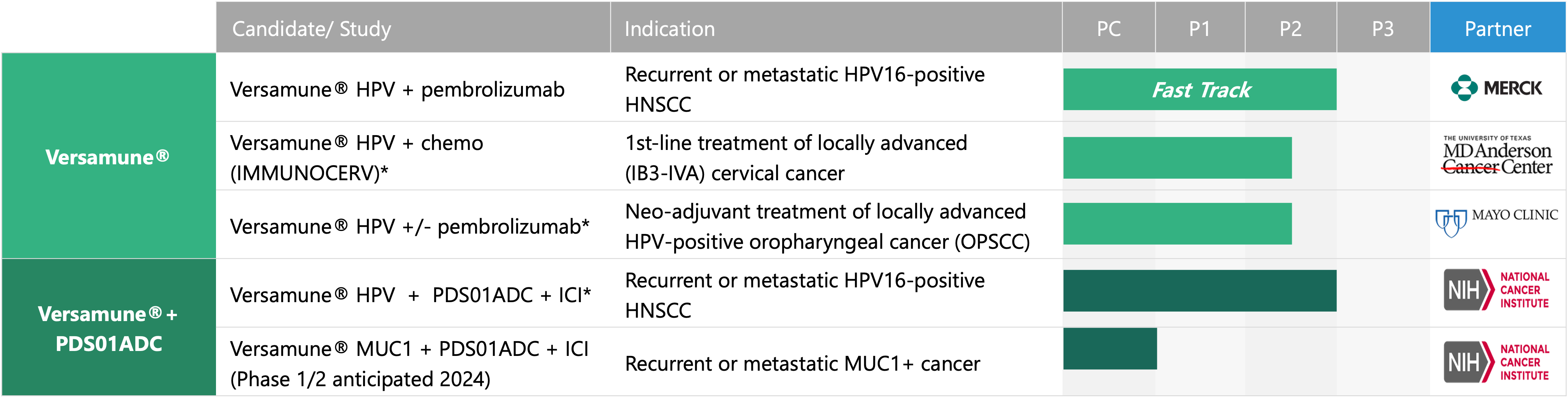
PDS Biotech's Versamune® HPV (formerly PDS0101) is conducting multiple phase 2 studies in 2024.

RGVax - The U.S. FDA completed its review of the investigational new drug application for its licensed monovalent component, HPV16 RG1-VLP, and concluded that a Phase 1 clinical trial might proceed as of March 29, 2023. RGVax is a chimeric HPV VLP platform that displays 360 copies of the highly conserved, neutralizing HPV epitope. PathoVax LLC licensed the underlying RGVax foundational technology from Johns Hopkins Univers. Transgene's TG4001 HPV16 vaccine candidate uses an attenuated and modified poxvirus as a vector that expresses the HPV16 E6 and E7 proteins and interleukin-2. Data presented on June 5, 2023, demonstrates that Transgene's TG4001 could induce a specific immune response against the antigens vectorized within this vaccine.

Nykode Therapeutics announced positive results from the Phase IIa trial of its cervical cancer vaccine, VB10.16, delivered in combination with atezolizumab to 52 participants. Patients who received the vaccine were tracked for 1 year, with a median overall survival of 16.9 months. A second, more extensive trial of VB10.16 in cervical cancer is set to begin in 2023.

VGX-31 - Inovio's investigational immunotherapy vaccine includes DNA plasmids targeting the E6 and E7 proteins of HPV types 16 and 18.

INO-3107 - INOVIO announced positive interim results from an ongoing Phase 1/2 clinical trial evaluating INO-3107. The results showed a statistically significant improvement in the clinical endpoint, the number of surgical interventions required to control papilloma growth. INO-3107 was also well-tolerated and immunogenic in the trial.

VTP-2 - Vaccitech's ChAdOx1-HPV immunotherapy for high-risk HPV infection and low-grade cervical intraepithelial neoplasia. The platform has a differentiated ability to induce CD8+ T cells and cells of the immune system that naturally clear HPV-infected cells in cervical tissue. In addition, VTP-200 targets six early proteins from five high-risk HPV groups and therefore covers more HPV types than any other immunotherapy previously tested. Data from the first 58 women enrolled who reached their 6-month timepoint in the HPV001 phase 1/2study were reviewed internally, and the trial will continue as planned to the 12-month primary endpoint.

HB-201 - HOOKIPA Inc.'s monotherapy uses an arenavirus backbone (LCMV for HB-201) to express the antigen, an E7/E6 fusion protein derived from HPV16+.

VB10.16 - Nykode Therapeutics is developing a potential first-in-class, off-the-shelf therapeutic cancer vaccine for HPV16-positive cancers.

REC603 - Jiangsu Technology's REC603 is a recombinant HPV 9-valent vaccine used in a phase 3 clinical trial. The REC604a is equipped with the novel adjuvanted BFA04 independently developed by the Company, which aims to reduce the vaccination dose by enhancing the immunogenicity and cross-protection effects.

Defence Therapeutics Inc. developed the AccuVAC-PT007, a protein-based vaccine targeting the E7 oncoprotein of the HPV virus. 

LinKinVax is conducting a first-in-human Phase I/IIa clinical trial with CD40HVac, a new therapeutic vaccine candidate in immuno-oncology targeting dendritic cells against head and neck cancer associated with HPV. The first patient was dosed with CD40HVac for HPV-positive oropharyngeal cancer on September 18, 2023.

Genexine GX-188E (tirvalimogene teraplasmid) is a DNA therapeutic vaccine fused with encoding both E6 and E7 antigens and the extracellular domain of Flt3L to target and activate dendritic cells. A Multi-Center, Open-label Phase Ib-II Trial of the Combination of GX-188E Vaccination and Pembrolizumab in Patients with Advanced, Non-Resectable HPV-Positive Cervical Cancer.

PDS Biotechnology PDS0101 is a novel investigational HPV-targeted immunotherapy that stimulates a potent targeted T-cell attack against HPV-positive cancers. The VERSATILE-002 Phase 2 trial is for the treatment of recurrent or metastatic HPV16-positive head and neck cancer.

Precigen, Inc. presented PRGN-2009 AdenoVerse™ immunotherapy alone and in combination with an investigational anti-PDL1/TGF-Beta Trap checkpoint inhibitor in patients with recurrent/metastatic HPV-associated cancers (NCT04432597) in Abstract #2628.

Aston Sci. received Phase 2 Clinical Investigational New Drug approval from the U.S. FDA on September 12, 2023, for the AST-201 vaccine, which was explicitly designed for ovarian cancer.

HPV Vaccine Doses

The WHO's global recommendation for one-dose HPV vaccine schedules in 2022 significantly reduced barriers to scaling up vaccination programs. The Americas Region and the Regional Office for Africa also issued recommendations for the single-dose vaccination schedule. On April 11, 2022, the WHO's Strategic Advisory Group of Experts on Immunization concluded that a single-dose HPV vaccine provides virus protection comparable to that of 2-dose schedules. The UK's Joint Committee on Vaccination and Immunisation announced on August 5, 2022, that one HPV dose is as effective as two doses in preventing HPV-related cancers in adolescents. The CDC's recommendations for 2 or 3 HPV vaccinations were updated in 2023. 

According to estimates from the WHO, the switch to a single-dose vaccine schedule resulted in an additional six million girls vaccinated against HPV in 2023. That year, 27% of girls aged 9 to 14 years received a single dose of the HPV vaccine, compared with 20% in 2022. As of 2024, 57 countries, up from 37 last year, had adopted the new vaccination schedule.

HPV Vaccine Effectiveness

The Journal of the National Cancer Institute published results from a study in January 2024 that found no cases of invasive cancer among women in Scotland who were immunized at 12 or 13 years of age, irrespective of the number of bivalent vaccine doses. Women vaccinated at 14 to 22 years of age and given three doses of the bivalent vaccine showed a significant reduction in incidence compared with all unvaccinated women (100,0002/100,000 [95% confidence interval (CI) = 2.1 to 4.6] vs. 8.4 [95% CI = 7.2 to 9.6]).

A study published by the Journal of Infectious Diseases on October 12, 2023, found genital HPV infections within 24 months in abCI: 33.4 48.433.4-48.4) of unvaccinated young women in new heterosexual relationships. Other sexually transmitted disease vaccine news is posted at this link

Lauri E. Markowitz, M.D. Division of Viral Diseases, U.S. CDC Advisory Committee on Immunization Practices presented on June 23, 2022, which summarized: 'There are now data on 1-dose HPV vaccination, including efficacy data from a randomized controlled trial with 18-month follow-up. In addition, long-term follow-up from other studies suggests a long duration of protection (>10 years) with a single dose. And Julia Gargano, Ph.D., presented: 'Impact of the US HPV vaccination program on HPV-associated outcomes. Declines in HPV16/18 prevalence have translated into declines in cervical precancer incidence in young women.' 

systematic review of 138 peer-reviewed studies, published between March 2016 and March 2020, within MEDLINE, EMBASE, and Google Scholar, involving 14 years of follow-up data, details the Impact and effectiveness of GARDASIL through immunization programs in 23 countries across Africa, Asia, Europe, Australia, South America, and North America. The most significant reductions were observed in younger age groups (14-17 years), with up to 73% reduction in CIN3+ among vaccinated females. Consistent with previous reviews, declines in the incidence of anogenital warts continue to be observed in vaccine-targeted female age groups, with more pronounced decreases (up to 88%) in younger age groups.

HPV Vaccination and HIV

A peer-reviewed study published on October 1, 2022, found that MSM with HIV would benefit from Gardasil 9 immunization, particularly the youngest and those with prior gonococcal infection.

HPV Vaccination and Pregnant Women

HPV vaccination is not recommended for use by women during pregnancy

HPV Cancer and Men

The Lancet Global Health pre-released a September 2023 report showing that almost 33% of men over 15 are infected with at least one genital HPV type, and 20% are infected with one or more high-risk or oncogenic HPV types.

HPV Cancers

In 2024, patients aged 65 and older had the most significant increase (32.2%) in HPV diagnoses. The Global HPV Consortium, which focuses on accelerating the prevention of HPV and eliminating cervical, throat, anal, and other HPV cancers, was launched on September 4, 2023, and is led by the Sabin Vaccine Institute as its Secretariat. The Lancet Oncology reported in September 2023 that African countries are home to 19 of the 20 countries with the highest burden of cervical cancer. 

HPV Vaccine Cost

The HPV vaccine is the most expensive of all routinely recommended pediatric vaccines, according to a July 2023 study. This study found that net returns from HPV vaccine cost reimbursements are lowest for family physicians ($0.34/dose) and highest for pediatricians ($5.08/dose). Furthermore, reimbursement for HPV vaccine costs by private payers is adequate; however, return margins are small for non-pediatric specialties. The CDC reported in August 2023 that HPV vaccination initiation fell among adolescents insured by Medicaid and remained lowest among the uninsured, two of the four groups that constitute the Vaccines for Children population. The Vaccines for Children Program Vaccine Price List was updated in 2025.

Insight Partners stated that the HPV vaccine market is projected to reach $5.73 billion by 2028, growing at a CAGR of 5% from 2022 to 2028. HPV vaccine prices and discount information are posted at InstantRx™.

CONTENT SOURCES:  World Health Organization, US Centers for Disease Control and Prevention, FDA, research studies, manufacturer announcements, and the Vax-Before-Travel news network, reviewed by healthcare providers, such as Dr. Bob Carlson.

0 min read
Vaccine: 
Availability: 
Worldwide
Clinical Trial: 
https://clinicaltrials.gov/
Drug Class: 
Vaccine
Condition: 
Last Reviewed: 
Friday, December 12, 2025 - 11:10
Status: 
FDA First In Class: 
Yes
Kosher: 
Yes
Halal: 
Yes
Location tags: