Search API
When the U.S. Food and Drug Administration approved Pfizer Inc.'s ABRYSVO™ Respiratory Syncytial Virus vaccine on August 21, 2023, for use in pregnant women to prevent lower respiratory tract disease (LRTD) and severe LRTD caused by RSV in infants from birth through six months of age, it initiated questions regarding a previous FDA approval.
On July 17, 2023, the FDA approved AstraZeneca and Sanofi's Beyfortus™, a single-dose, long-acting monoclonal antibody (mAb) designed to protect children from LRTD through their first and second RSV season.
Beyfortus has been approved in Canada, Europe, Japan, and the United Kingdom.
With two RSV prevention solutions approved by the FDA, expecting mothers are seeking guidance on 'best practices.'
Hopefully, the U.S. CDC's Advisory Committee on Immunization Practices (ACIP) meeting on September 22, 2023, will add clarity to this clinical decision.
Led by Dr. Grace Lee (Chair) and Dr. Sarah Long (RSV Workgroup Chair), this ACIP's meeting agenda will review and opine on preferred recommendations regarding RSV prevention for pregnant women.
Another consideration is 'when' to become immunized.
RSV seasons in the U.S. generally start in Florida and then spread nationwide.
This means that to optimize RSV protection, make a protection selection before this respiratory virus is detected in your area.
The ACIP develops recommendations regarding U.S. immunizations, which are then ratified or not by the CDC's Director Mandy K. Cohen, MD, MPH.
This ACIP digital meeting is open to the public at this IBM link and starts at 10:00 AM ET this Friday, September 22.

While there are no approved vaccines to prevent human immunodeficiency virus (HIV) infection, several vaccine candidates are progressing in clinical studies.
As an example, Vir Biotechnology, Inc. today announced that the first participant has been dosed in a Phase 1 clinical trial evaluating the safety, reactogenicity, and immunogenicity of VIR-1388, an investigational novel T cell vaccine for the prevention of HIV.
VIR-1388 is based on the human cytomegalovirus (HCMV) vector platform. It is designed to stimulate the body to produce immune cells known as T cells that recognize several HIV proteins in a way that differs from prior investigational HIV vaccines.
“HIV continues to be a major global public health challenge with no approved vaccines despite decades of research efforts,” said Carey Hwang, M.D., Ph.D., Vir’s Senior Vice President, Clinical Research, Head of Chronic Infection, in a press release on September 20, 2023.
“We are hopeful that our unique approach will help close the longstanding public health gap in HIV prevention.”
VIR-1388 was developed using applied learnings from VIR-1111, the Company’s initial investigational proof-of-concept HIV T cell vaccine based on HCMV.
The U.S. National Institute of Allergy and Infectious Diseases and the Bill & Melinda Gates Foundation financially support the clinical study.
The U.S. CDC’s Morbidity and Mortality Weekly Report publishes public health information and recommendations on HIV.

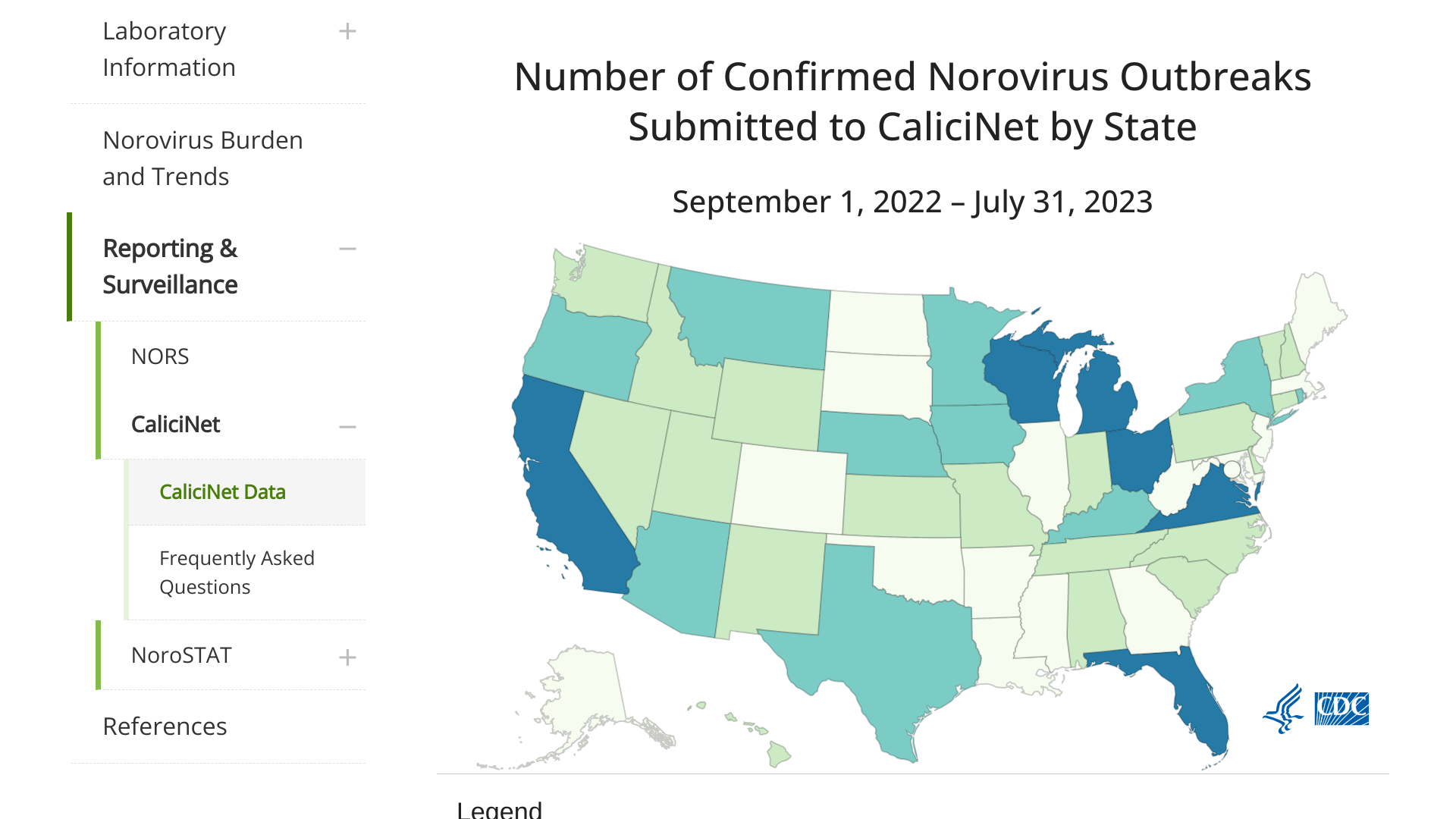
A contagious disease known for causing outbreaks on land and at sea may soon have an approved preventive vaccine. Noroviruses have emerged as the single most significant cause of gastroenteritis worldwide.
According to the U.S. Centers for Disease Control and Prevention, most norovirus outbreaks in the United States happen from November to April. In years when there is a new strain of the virus, there can be 50% more norovirus illness.
While no vaccines are available today in the U.S., U.K., or Europe, a new funding event may accelerate an approval.
HilleVax, Inc. today announced the gross proceeds from an offering, before deducting discounts, commissions, and other expenses, are expected to be $100.0 million.
HilleVax stated in a press release on September 20, 2023, that it intends to use the net proceeds from the offering to fund the clinical development of HIL-214, including certain manufacturing activities, and for working capital and general corporate purposes.
HIL-214 is an investigational virus-like particle bivalent vaccine candidate for preventing moderate-to-severe acute gastroenteritis caused by norovirus in infants.
The HIL-214 vaccine includes antigens from genotypes GI.1 and GII.4 to represent genogroups that cause most human illnesses.
HIL-214 has been studied in various clinical trials, collectively generating data from more than 4,500 subjects, including children. The ongoing phase 2/3 study was last updated in May 2023.
“HilleVax has continued to make excellent progress on our HIL-214 program, including the recent completion of enrollment of over 3,000 subjects in our NEST-IN1 clinical trial,” said Rob Hershberg, MD, PhD, Chairman and Chief Executive Officer of HilleVax, in a press release on May 12, 2023.
“We look forward to continuing to execute on our HIL-214 program and announcing top-line safety and clinical efficacy data in the first quarter of 2024 for our NEST-IN1 clinical trial.”
While other norovirus vaccine candidates are conducting clinical research, the HIL-214 vaccine appears to Precision Vaccinations to be the most advanced candidate.
As the mpox outbreak ends in most countries, other health agencies restock their reserves in case of a smallpox outbreak.
On September 13, 2023, Bavarian Nordic A/S announced that it had been awarded another contract to supply its MVA-BN® smallpox vaccine to rescEU, a strategic reserve within the European Union (EU).
This order follows an initial contract awarded in June 2023 and is also for delivery in 2024.
The vaccines will be stockpiled in another EU country, thus expanding the EU's capability to respond to medical countermeasures to its member states and other countries participating in the rescEU, an EU Civil Protection Mechanism.
Paul Chaplin, President & CEO of Bavarian Nordic, commented in a press release, "We are pleased to continue supporting the initiative from the EU to build a stockpile of smallpox vaccines across Europe."
"This secures another order for next year, confirming an ongoing demand, but also the transition to stockpiling for future outbreaks, which we see as a growing trend with other countries and organizations."
The new contract is valued at more than EUR 11 million.
The MVA-BN or Modified Vaccinia Ankara-Bavarian Nordic vaccine is marketed as IMVANEX® in Europe, IMVAMUNE® in Canada, and JYNNEOS® in the U.S.
In addition to smallpox, the U.S. Food and Drug Administration, Health Canada, and the European Commission have also approved the vaccine for use against mpox. It is the only vaccine having obtained this dual approval to date.
In the U.S., over 1.2 million doses of JYNNEOS have been distributed since the global mpox outbreak began in May 2022. Since then, about 113 countries have reported over 89,000 mpox cases.
Recently, a significant increase in mpox cases has been observed in the South-East Asia Region.
MVA-BN is a non-replicating smallpox vaccine developed in collaboration with the U.S. government to ensure the supply of a smallpox vaccine for the entire population, including immunocompromised individuals who are not recommended vaccination with traditional replicating smallpox vaccines.
RescEU was established by the European Commission as a safety net to protect citizens from disasters and manage emerging risks. It includes, among others, reserves of medical countermeasures which can be deployed in chemical, biological, radiological, and nuclear emergencies.

Scientists recently announced they used genomics to reveal distinct sexual networks for syphilis transmission in England.
On September 15, 2023, The Lancet Microbe published a study by researchers with the UK Health Security Agency and the Wellcome Trust Sanger Institute, which revealed infectious syphilis diagnoses tripled since 2010.
In England, new diagnoses of early syphilis increased from 3,011 in 2012 to 8,011 in 2019.
About 50% of the cases were in the greater London area.
By comparing the bacterial genomes from different individuals, the researchers could identify single-letter changes in the DNA – known as single nucleotide polymorphisms – to distinguish one bacterium strain or sublineage of T. pallidum from another.
They show distinct transmission chains between individuals and significant resistance to a commonly prescribed class of antibiotics in England.
These health officials believe the increase in syphilis cases reflects increased sexually transmitted disease testing and transmission.
Dr. Ana Cehovin, Senior Research Manager of Infectious Disease at Wellcome, commented in a press release, "Genomic surveillance is an invaluable tool for understanding how diseases are spreading, what populations are at increased risk, and which strains are developing drug resistance."
"Similarly, realizing the potential of genomic surveillance to identify and monitor drug resistance can help decision makers to implement necessary mitigation measures to control the spread of resistant strains, reducing the chance of disease escalation and protecting at-risk communities."
Syphilis is a sexually transmitted infection caused by T. pallidum.
While the genomes of T. pallidum are highly conserved compared to other bacterial pathogens - as they tend to transmit more frequently than they mutate - subtle differences can still exist as it spread through a population.
By comparing how genetically related T. pallidum samples are between individuals with a syphilis diagnosis, scientists hope to pinpoint the source of syphilis outbreaks and construct networks that capture its spread.
As of September 18, 2023, there are no approved syphilis vaccines.
Additionally, about 20 mpox patients were confirmed during 2023 in a similar population subset in London. And various poliovirus samples were confirmed in London in 2022.



For the first time, seniors can prepare to defend themselves against co-circulating influenza, respiratory syncytial virus (RSV), and the betacoronavirus that causes COVID-19.
Vaccines can provide life-saving protection against all three viral respiratory diseases, says the U.S. Centers for Disease Control and Prevention (CDC).
With the fall season's increasing number of cases, now is an excellent time to take action, says the CDC's new Director, Mandy K. Cohen, MD, MPH.
As of September 19, 2023, the CDC recommends these approved vaccines for older adults, who are at a higher risk of severe illness from these diseases.
Furthermore, clinicians play a vital role in ensuring that older adults know they can now protect themselves by encouraging them to stay current on respiratory vaccinations.
During today's Clinician Outreach and Communication Activity (COCA) webinar, CDC presenters will offer updates about the latest recommendations and clinical considerations for administering influenza, COVID-19, and RSV vaccines to adults 60 years and older and discuss resources and communication strategies that may help facilitate older adult vaccination.
At 2:00 PM – 3:00 PM ET., this COCA Webinar Link (ID: 160 602 0154, Passcode: 493303) https://www.zoomgov.com/j/1606020154 will become active, as will today's related presentation - Preparing for the Upcoming Respiratory Virus Season: Recommendations for Influenza, COVID-19, and RSV Vaccines for Older Adults.

Results from a recent real-world evidence (RWE) study across three consecutive flu seasons in the United States showed that vaccination with cell-based influenza vaccines resulted in lower test-confirmed influenza rates than traditional egg-based vaccines.
This retrospective test-negative designed study showed the clinical value of cell-based quadrivalent influenza vaccines (QIVc) compared with traditional egg-based quadrivalent influenza vaccines (QIVe) in preventing outpatient test-confirmed influenza.
The analysis found that QIVc showed a clinical benefit compared to QIVe in the prevention of test-confirmed influenza in the outpatient care setting, with estimated relative vaccine effectiveness (rVEs) (95% CI) of 14.8% (7 – 22) in 2017–-18, 12.5% (4.7 – 19.6) in 2018-–19 and 10% (2.7 – 16.7) in 2019–-20.
"Vaccines remain one of our greatest tools for fighting influenza, a disease that continues to result in substantial morbidity and mortality worldwide," commented Raja Rajaram, Head of Global Medical Strategy, CSL Seqirus, in a press release on September 19, 2023.
"At CSL Seqirus, we are committed to advancing the science of influenza prevention, and these studies show the benefits of innovative vaccine technologies, including cell-based and adjuvanted influenza vaccine technology, on reducing the burden of flu."
The RWE study was conducted over three consecutive influenza seasons characterized by different circulating influenza viruses and degrees of egg adaptation and aligned with previously published QIVc relative effectiveness studies for the same seasons.
This review of real-world data allows for evaluating trends in the effectiveness of QIVc over time and the context of season-over-season changes, given the variability of influenza viruses.
This data complements randomized controlled trial research, assessing influenza vaccine effectiveness continually and providing an ever-growing data set on real-world outcomes.
Influenza is a contagious seasonal respiratory disease that may cause severe illness and life-threatening complications in some people. Influenza can lead to clinical symptoms varying from mild to moderate respiratory illness to severe complications, hospitalization, and, in some cases, death, says the U.S. CDC.
Study: Stein AN et al. Superior Effectiveness of Cell-Based Versus Egg-Based Quadrivalent Influenza Vaccines Against Outpatient Test-Confirmed Influenza Over Three Consecutive Seasons in the U.S. Presented at ESWI 2023.

South Africa's National Institute for Communicable Diseases (NICD) today announced that In the past weeks (week 35 up until week 36, 09/09/2023), 16 laboratory-confirmed measles cases were detected from four of the eight provinces where Measles outbreaks have been confirmed.
Gauteng province reported most cases (11), Limpopo reported one, Kwa-Zulu Natal reported two, and Mpumalanga reported two cases as of September 14, 2023.
Since week 34, 17 measles cases have been from Gauteng province.
The criteria for declaring the measles outbreak over was met in the Northern Cape province in week 15, the North West province in week 24, and the Free State province in week 25.
Globally, several countries continue reporting measles outbreaks in 2023, led by India.