

Search API

0 min read

Bavarian Nordic A/S today announced that it had received a new order valued at USD 156.8 million from the U.S. Biomedical Advanced Research and Development Authority (BARDA) to manufacture additional bulk product for JYNNEOS® (MVA-BN®, IMVAMUNE®, IMVANEX®), the company’s smallpox/mpox vaccine.

The new BARDA contract will help replenish the inventory of bulk vaccines required for future manufacturing and supply of freeze-dried vaccines.

The bulk product, representing $139.7 million of the contract value, will be manufactured and invoiced in 2024 and will partly replenish the inventory used to manufacture vaccines in response to the global mpox outbreak that began in May 2022.

Replenishment of the bulk inventory is necessary to fulfill the company’s existing contract to supply a next-generation, freeze-dried version of the vaccine for U.S. smallpox preparedness.

Since 2003, Bavarian Nordic has worked with the U.S. government on the development, manufacturing, and supply of a non-replicating smallpox vaccine.

The vaccine was approved by the U.S. FDA in 2019 under the trade name JYNNEOS®, which is indicated for preventing both smallpox and mpox infection.

In real-world studies, JYNNEOS effectiveness against mpox disease adjusted vaccine effectiveness estimates ranged from 35% (95% CI, -2-59) to 89% (95% CI, 76-95) after one dose and from 66% (95% CI, 47-78) to 90% (95% CI, 86-92) after two doses.

Before FDA approval, Bavarian Nordic had supplied nearly 30 million doses of the liquid-frozen version to the U.S., with the vast majority being delivered for emergency use - and now expired.

“Our smallpox/mpox vaccine represents a key component in the U.S. biological preparedness, as demonstrated during the 2022 mpox outbreak," said Paul Chaplin, President & CEO of Bavarian Nordic, in a press release on August 8, 2024.

"JYNNEOS was also the first smallpox vaccine successfully developed under Project BioShield, a program created by the U.S. Congress in 2004 to accelerate the research, development, procurement, and availability of medical countermeasures against biological, chemical, radiological, and nuclear agents through public-private partnerships."

"We applaud the U.S. government’s steadfast commitment to maintaining a robust preparedness and are proud to continue providing vaccines to protect its citizens against current and future public health threats,” added Chaplin.

The new BARDA contract also includes approximately $17 million for additional services in 2025-2027, including storage of vaccine doses in the U.S.

BARDA has supported the development of a freeze-dried version of the vaccine with a longer shelf life to replace the stockpile and awarded the company a ten-year contract for the supply of freeze-dried vaccines in 2017.

On March 14, 2024, the U.S. CDC's Agam Rao, MD CAPT, U.S. Public Health Service, stated, 'JYNNEOS vaccination is expected to be effective regardless of mpox clade.'

As of August 2024, the JYNNEOS vaccine is commercially available in the United States. Healthcare providers in the U.S. administer JYNNEOS for no charge, regardless of any administration fee. The CDC does not endorse booster doses (3rd).

Vaccine Treats: 
Image: 
Image Caption: 
by Gerd Altmann
Live Blog Update Author: 
Location Tags: 
Include in VBT newsletter: 
vaccine malaria
Over 25 million R21 Matrix-M vaccines produced by Serum Institute of India
0 min read

 Vaxcyte, Inc. today announced financial results for the second quarter ended June 30, 2024, and provided a business update.

“We continue to make significant strides toward building the potentially best-in-class pneumococcal conjugate vaccine (PCV) franchise and expect to announce the VAX-31 adult Phase 1/2 study topline safety, tolerability and immunogenicity data in September,” said Grant Pickering, Chief Executive Officer and Co-founder of Vaxcyte, in a press release on August 6, 2024.

“Our clinical program assessing VAX-31, the broadest-spectrum PCV in the clinic today, will provide significant insights into the full potential of this vaccine candidate across the adult population."

"Following the VAX-31 adult data readout, we plan to advance either VAX-24 or VAX-31 into Phase 3 clinical development in adults.”

Mr. Pickering continued, “Additionally, we look forward to delivering the topline data from the primary immunization series of the VAX-24 infant Phase 2 study by the end of the first quarter of 2025, followed by topline data from the booster dose by the end of 2025."

"We believe VAX-24 has a potential best-in-class profile for this vital population and is designed to cover more serotypes than any infant pneumococcal vaccine on-market today.”

The Company also confirmed cash, cash equivalents, and investments were $1,851.9 million as of June 30, 2024, compared to $1,242.9 million as of December 31, 2023.

Vaccine Treats: 
Image: 
Image Caption: 
from Pixabay
Live Blog Update Author: 
Location Tags: 
Include in VBT newsletter: 
0 min read

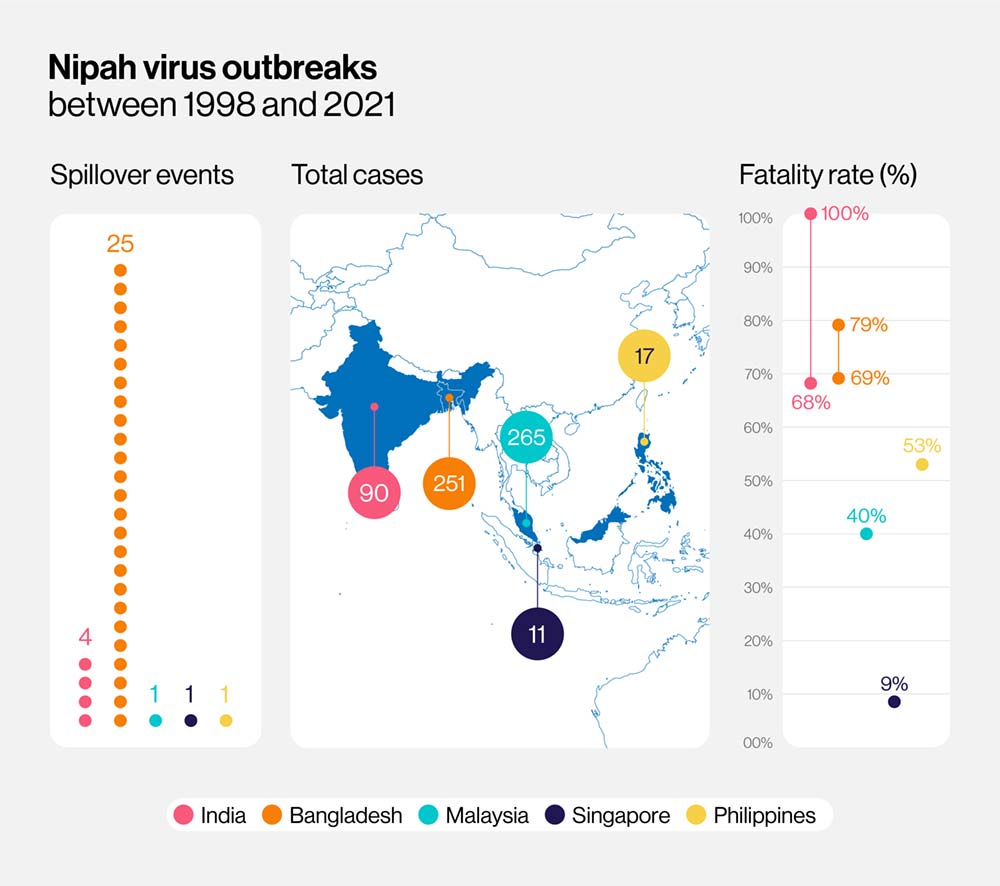
Nipah virus infection is an emerging serious zoonotic disease without a preventive vaccine. This virus is transmitted to humans through infected animals (fruit bats) or food contaminated with excretion and secretions from bats. 

Vaccine research is essential since the case fatality rate is estimated at 40% to 75%.

Phylex Biosciences announced today its new mRNA nanoparticle vaccine against the Nipah virus achieved positive results in an immunogenicity study conducted in collaboration with scientists from the U.S. Centers for Disease Control and Prevention (CDC).

The vaccine elicited a robust neutralizing antibody response, with neutralizing titers markedly higher than with several other Nipah vaccine designs and efficient neutralizing even with a single dose. In virus neutralization assays, neutralization titers of Phylex vaccine-elicited sera against Nipah virus were 3-fold the average titers of 14 individuals in Bangladesh who survived a Nipah virus infection.

The Phylex mRNA vaccine encodes for a nanoparticle displaying 60 copies of the antigen-based upon the head domain of the G protein of the Nipah virus.

On August 5, 2024, the company published a preprint of a research article on the immunogenicity of its Nipah mRNA nanoparticle vaccine.

"We are grateful to our co-authors at the CDC for their contribution in assessing our vaccine against this difficult pathogen," said Pascal Brandys, co-founder and CEO of Phylex Biosciences, in a press release.

"The results confirm the strong advantage of our mRNA vaccine encoding for a highly immunogenic nanoparticle, as compared with a variety of other technologies."

"Our vaccine combines the advantages of mRNA for speed of manufacturing and development and a nanoparticle for efficacy after one dose," Brandys continued. "We will aggressively pursue the clinical development of our vaccine candidate to initiate clinical trials with exposed individuals on a compassionate basis and save lives as soon as possible."

The Nipah virus is a pathogen that causes encephalitis and acute respiratory distress in humans. Recent outbreaks have occurred in Bangladesh, India, Malaysia, the Philippines, and Singapore, and the fatality rate is over 50%.

The virus's natural hosts are large fruit bats, which are present across South Asia, including India and Bangladesh.

To assist countries, a Technical Brief was developed In February 2024 as an interim document to guide countries in the readiness planning for a Nipah virus event, especially in countries that have not reported a Nipah virus event. 

The CDC has not approved a vaccine or therapeutics against the Nipah virus.

Vaccine Treats: 
Image: 
Image Caption: 
GAVI 2024
Live Blog Update Author: 
Location Tags: 
Include in VBT newsletter: 
0 min read

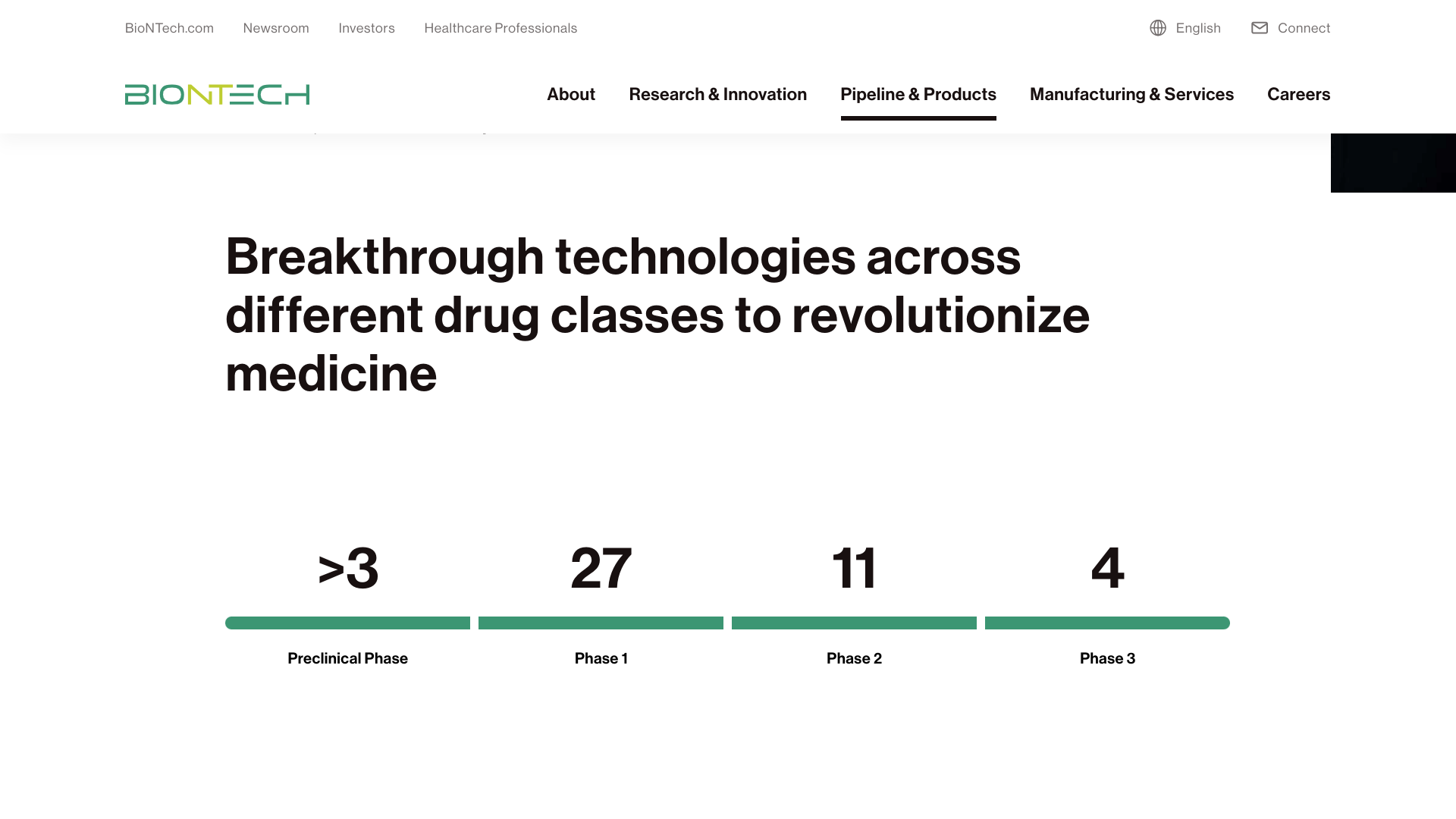
Biopharmaceutical New Technologies (BioNTech) SE today announced about €807.8 million in losses in the second quarter of 2024. This negative report compares to $208 million during the same period in 2023. The increased operating loss was impacted by decreased demand for mRNA COVID-19 vaccines.

From a working capital perspective, the Company ended the second quarter of 2024 with €18.5 billion in cash, cash equivalents, and security investments.

Prof. Ugur Sahin, M.D., CEO, and Co-Founder of BioNTech, commented in a press release on August 5, 2024, “In addition, we have started commercializing variant-adapted COVID-19 vaccines for the upcoming season while accelerating our clinical development efforts to realize the full potential of our technologies."

On July 24, 2024, the United Kingdom’s Medicines and Healthcare products Regulatory Agency approved the companies’ Omicron JN.1-adapted vaccine.

Sahin added, "We are making progress towards our goal of becoming a company with marketed medicines for cancer and infectious diseases.”

BioNTech is also working on expanding its infectious diseases portfolio beyond COVID-19 with continued investments in influenza and cancer, with the BNT111 Melanoma mRNA immunotherapy candidate.

Vaccine Treats: 
Image: 
Image Caption: 
BioNTech SE
Live Blog Update Author: 
Location Tags: 
Include in VBT newsletter: 
0 min read

Recce Pharmaceuticals Limited today announced it had raised a total of A$12.4 million through a recently completed institutional placement.

On July 15, 2024, the US Department of Defense awarded the Company a grant for US$2 million.

As of August 5, 2024, the Company's pro forma cash position was A$19.8 million.

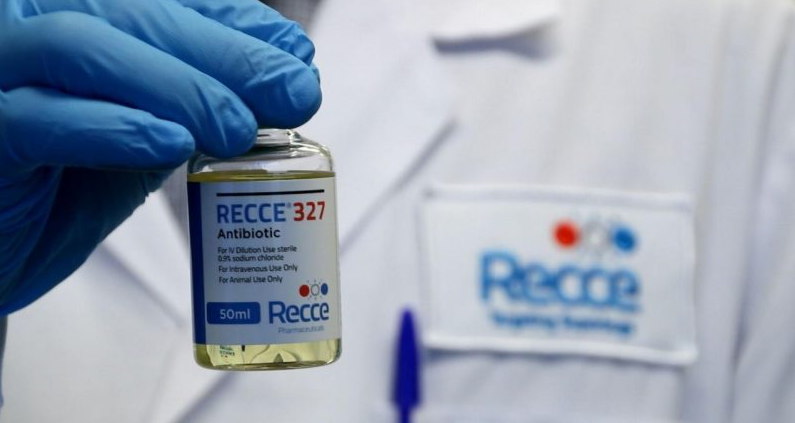
The Company confirmed it will advance clinical trials for intravenous use of developing a new class of synthetic anti-infective RECCE® 327 (R327) and topical applications of R327G, including Phase III clinical activities in Indonesia and IND-enabling activities.

RECCE® 327 is an intravenous and topical therapy being developed for the treatment of severe and potentially life-threatening infections caused by both Gram-positive and Gram-negative bacteria, including their superbug forms, such as Urinary Tract Infections, which are common infectious diseases caused by pathogens, such as Escherichia coli.

According to the World Health Organization, RECCE® 327 was added to the List of Antibacterial Products in Clinical Development in June 2024. It is the only compound classified as an adenosine triphosphate production disruptor.

As of April 2024, the Company was producing 5,000 GMP doses of RECCE® 327 per week. However, this product is not market-approved for human use.

Image: 
Image Caption: 
Recce Pharmaceuticals anti-infective R327
Live Blog Update Author: 
Location Tags: 
Include in VBT newsletter: 
0 min read

Visiting areas where Valley Fever is common can put any mammal at risk of infection from breathing in fungal spores. Over the past decade, Valley Fever fungus (coccidioidomycosis) has sickened thousands of healthy people.

This fungus is found in regions like the southwestern United States, Mexico, and Central and South America.

In 2022, U.S. states reported a total of 17,612 cases of Valley Fever to the Centers for Disease Control and Prevention.

To address this health risk, Anivive Lifesciences Inc. recently announced that the National Institute of Allergy and Infectious Diseases (NIAID has awarded (#75N93024C00009) worth up to $33M to support the development of a Valley Fever preventive vaccine.

The funding will address enabling activities, including additional manufacturing, formulation, extensive safety testing, and an IND submission, before completing a human Phase 1 clinical trial.

"Anivive is honored to receive this NIAID contract, which will greatly accelerate our efforts to commercialize a vaccine to protect people against Valley Fever," said Dr. Edward Robb, Anivive Lifesciences Chief Strategy Officer and Principal Investigator, in a press release on August 2, 2024.

"This collaborative effort has delivered a significant step forward in the field of vaccinology and holds the potential to be the first vaccine to prevent a serious systemic fungal infection common to humans and animals," said Robb.

As of August 5, 2024, details of the phase 1 study were pending.

Additionally, this program is supported by Valley Fever Center for Excellence at the University of Arizona College of Medicine for the non-clinical development, Recipharm for the contract manufacturing, Quigley BioPharma for vaccine development support, and Latham BioPharm Group, part of Sia Partners for the program management, financial compliance, quality assurance, and additional technical subject matter expertise.

Vaccine Treats: 
Image: 
Image Caption: 
US CDC Vallery Fever trend chart 2023
Live Blog Update Author: 
Location Tags: 
Include in VBT newsletter: 
vaccine
S. aureus vaccine candidates have failed in development studies
0 min read

The Coalition for Epidemic Preparedness Innovations (CEPI) and the World Health Organization (WHO) today called on researchers and governments to strengthen and accelerate global research to prepare for the next pandemic.

They emphasized the importance of expanding research to encompass entire families of pathogens that can infect humans–regardless of their perceived pandemic risk–and focusing on individual pathogens.

The report’s authors likened its updated recommendation to imagining scientists as individuals searching for lost keys on the street (the next pandemic pathogen).

The area illuminated by the streetlight represents well-studied pathogens with known pandemic potential. By researching prototype pathogens, we can expand the lighted area and gain knowledge and understanding of pathogen families that might be in the dark.

The dark spaces in this metaphor include many regions of the world, particularly resource-scarce settings with high biodiversity, which are still under-monitored and understudied. These places might harbor novel pathogens but lack the infrastructure and resources to conduct comprehensive research.

“WHO’s scientific framework for epidemic and pandemic research preparedness is a vital shift in how the world approaches countermeasure development and one that CEPI strongly supports.... this framework will help steer and coordinate research into entire pathogen families, a strategy that aims to bolster the world’s ability to swiftly respond to unforeseen variants, emerging pathogens, zoonotic spillover, and unknown threats referred to as pathogen X”, said Dr Richard Hatchett, CEO of CEPI, in a press release on August 1, 2024.

The prioritization work underpinning the report involved over 200 scientists from more than 50 countries, who evaluated the science and evidence on 28 virus families and one core group of bacteria, encompassing 1652 pathogens.

Vaccine Treats: 
Image: 
Image Caption: 
from Pixabay
Live Blog Update Author: 
Location Tags: 
Include in VBT newsletter: 

Shigella Tetravalent Bioconjugate Vaccine

Shigella Tetravalent Bioconjugate Vaccine Clinical Trials, Efficacy, Indication, Side Effects

Valneva SE and LimmaTech Biologics AG co-develop Shigella4V2 (S4V2), a second-generation tetravalent bioconjugate vaccine candidate against shigelllosis, a significant public health problem that remains endemic in many developing countries. In 2015, LimmaTech signed a research collaboration agreement with GlaxoSmithKline (GSK) to develop novel, bioconjugate antigen-based vaccines, including a monovalent Shigella vaccine, which was to be developed with the support of the Wellcome Trust. Following positive results from the proof-of-concept clinical trial with the monovalent Shigella vaccine, LimmaTech and GSK initiated the development of a multivalent Shigella vaccine in 2018, which was partly funded by a Wellcome Trust grant. In July 2023, LimmaTech announced that it had in-licensed the S4V2 Shigella bioconjugate vaccine candidate from GSK to lead the further development of the program. On August 1, 2024, Valneva SE announced that it had entered a strategic partnership and exclusive licensing agreement with LimmaTech to develop, manufacture, and commercialize Shigella4V vaccines.

As of October 16, 2024, the U.S. Food and Drug Administration (FDA) granted Shigella4V Fast Track designation. The anticipated FDA regulatory pathway for S4V2 will leverage a combination of Controlled Human Infection Model studies to support potential initial approval in adults, followed by field efficacy studies to expand the indication to children. No approved multivalent Shigella vaccine is currently available, and the World Health Organization (WHO) identified the development of Shigella vaccines as a priority.

On November 13, 2024, Valneva and LimmaTech Biologics announced that the first participant had been vaccinated in a Phase 2b (NCT06615375) controlled human infection model (CHIM) study of Shigella 4V2. In addition to the CHIM study, LimmaTech and Valneva announced on April 9, 2025, that the first participant had been vaccinated in a Phase 2 infant safety and immunogenicity study of Shigella4V2 (S4V2) in Kenya. Sponsored and conducted by LimmaTech, with support from the Gates Foundation, the Phase 2 study S4V02 will test the safety and immunogenicity of S4V2 in nine-month-old infants to identify the optimal dose for testing in a Phase 3 trial. The completion date of this study is estimated for November 2025.

On June 4, 2025, the Company stated: Revenues from our growing commercial business help fuel the continued advancement of our vaccine pipeline, which includes the world's most clinically advanced Shigella vaccine candidate. And on August 12, 2025, Valneva affirmed S4V2 is the world’s most clinically advanced tetravalent vaccine candidate against shigellosis, a diarrheal infection caused by Shigella bacteria, under development in collaboration with LimmaTech Biologics AG.

LimmaTech Bio is an independently owned biotechnology company in Schlieren, Switzerland. In February 2015, GSK acquired it, separating the Company from GlycoVaxyn.

Valneva SE is a specialty vaccine company that develops, manufactures, and commercializes prophylactic vaccines for infectious diseases, addressing unmet medical needs. We take a highly specialized and targeted approach, applying our expertise across multiple vaccine modalities. We are focused on providing either first-class, best-in-class, or only-in-class vaccine solutions.

Shigella4V2 Tetravalent Bioconjugate Vaccine Indication

On May 17, 2024, the World Health Organization (WHO) published an updated list of drug-resistant bacteria most threatening to human health, informing the development of new treatments and strategies to prevent and mitigate the spread of antimicrobial resistance. Shigella spp. are included in the updated list as high-priority pathogens due to the substantial burden at the community level and increasing levels of resistance. Shigellosis is a global health threat caused by the Gram-negative Shigella spp. Bacteria estimated that up to 165 million infections are caused by Shigella, of which 62.3 million occur in children under five.

Diarrheal infection is one of the significant causes of morbidity and mortality in numerous countries, as well as in travelers and deployed military personnel in endemic regions. The U.S. CDC estimates that approximately 450,000 Shigella infections occur annually, with 242,000 infections being antimicrobial-resistant. 

LimmaTech Biologics Multivalent Technology Platform

LimmaTech Biologics has developed a proprietary vaccine technology that enables the design of vaccine candidates containing multiple immunogenic antigens, which can be produced in a single, scalable step. A vital aspect of this proprietary technological innovation is engineering an E. coli strain to produce self-adjuvanting vaccine candidates. This technology has the potential to maximize a vaccine candidate's potency against the pathogen and provide lasting protection.

LimmaTech Biologics Agreement Valneva SE

Under the agreement with Valneva, LimmaTech will receive an upfront payment of €10 million and be eligible to receive additional milestone payments based on regulatory, development, sales achievements, and low double-digit royalties on sales. LimmaTech will be responsible for conducting a Phase 2 Controlled Human Infection Model and a Phase 2 pediatric study. Both clinical trials are expected to begin in the second half of 2024. Valneva will assume all further development, including chemistry, manufacturing, controls, and regulatory activities, and will be responsible for the commercialization of the vaccine candidate worldwide if it is approved. The global market for a vaccine against Shigella is estimated to exceed $500 million annually.

Shigella4V2 Tetravalent Bioconjugate Vaccine Indication

Shigella remains a leading cause of diarrheal disease worldwide, leading to an estimated 90,000 deaths yearly, with the most significant burden of morbidity and mortality seen in children between six months and two years of age.

Shigella4V2 Tetravalent Bioconjugate Vaccine News

April 9, 2025 - Dr. Patricia Martin, Chief Operating Officer of LimmaTech, stated in a press release, "We are encouraged by the potential of S4V2 to provide a solution for a serious global health threat and make a profound impact in protecting the health of so many children worldwide."

February 18, 2025 - Peter Bühler, Valneva's Chief Financial Officer, commented, "With over €168 million of cash at the end of 2024, we are entering 2025 in a good financial position to support these objectives."

November 13, 2024—Thomas Lingelbach, CEO of Valneva, commented in a press release, "Human challenge studies are unique in their ability to investigate and understand the onset and development of disease in a safe and highly controlled environment. This CHIM study forms part of our staggered and risk-mitigating development strategy for S4V2, as it should provide the first results on efficacy before potentially advancing to further CHIM and Phase 3 studies."

October 16, 2024: Dr. Franz-Werner Haas, CEO of LimmaTech, released a press release stating, "We are highly encouraged by the FDA's Fast Track designation, which reinforces our efforts and underscores the significant potential of the S4V Shigella vaccine candidate to address a serious global health threat."

August 1, 2024—Thomas Lingelbach, CEO of Valneva, commented in a press release, "We are very pleased to partner with LimmaTech to advance a promising program in an area of high unmet medical need. The Shigella vaccine candidate offers a potential first-in-class solution for both low- and middle-income countries (LMICs) and travelers, and as such, represents a highly synergistic product for Valneva. The anticipated development path follows a staggered and risk-mitigated strategy."

February 22, 2024: Patricia Martin, PhD, Chief Operating Officer of LimmaTech, commented: "Shigellosis is a serious disease caused by a pathogen that continuously evolves and becomes increasingly resistant to antibiotics. Our vaccine candidate has the potential to prevent an infection that threatens the lives of many children and protect travelers and military personnel traveling to Shigella-endemic countries. We look forward to continuing its clinical development in a study we plan to initiate in 2024.

July 20, 2023—LimmaTech Biologics AG signed an in-license agreement with GSK, enabling the Company to develop and commercialize a quadrivalent bioconjugate vaccine candidate for Shigellosis that GSK added to its infectious disease pipeline when LimmaTech Bio's predecessor company, GlycoVaxyn, was acquired by GSK in 2015.

Shigella4V2 Vaccine Clinical Trial

Following the positive Phase 1/2 study results in February 2024, LimmaTech will conduct the Phase 2 study S4V02 (Identifier: NCT06523231). The safety and immunogenicity of the second-generation tetravalent bioconjugate candidate vaccine S4V2 will be tested in approximately 110 nine-month-old infants to identify the optimal dose for testing in a Phase 3 trial. Sponsored and conducted by LimmaTech, S4V02 is a randomized, controlled, and blinded study conducted at a single study site in Kenya. Participants will receive a two-dose vaccination with one of two different vaccine dose levels of S4V2 or a control vaccine. Safety will be evaluated throughout the trial for approximately six months following the last vaccination. The study's results, supported by funding from the Gates Foundation, are expected to be released in the second half of 2025.

The Phase I/II clinical study is a randomized, double-blind, dose-finding, and age-descending clinical trial designed to assess the safety and immunogenicity of Shigella4V (S4V). The clinical trial is divided into two parts. The Part 1 age-descending study evaluated the vaccine candidate's safety in adults, children (aged 2 to 5 years), and infants. The Part 2 dose-finding study evaluated S4V's safety and immunogenicity in the nine-month-old target population to identify the preferred vaccine dose. On May 25, 2022, the study's results suggested that the Shigella quadrivalent vaccine offered a promising solution to the morbidity and mortality associated with Shigella infections. Building on previous achievements with conjugate Shigella vaccines, a bioconjugate comprised of Shigella O-antigen coupled to the carrier protein  Pseudomonas aeruginosa exoprotein A (EPA) was determined to be a safe, immunogenic, and tolerable vaccine. The study confirmed that transitioning the monovalent S. flexneri 2a vaccine formulation from single valency to multivalency is required to induce immunity against the four major Shigella serotypes.

0 min read
Availability: 
N/A
Generic: 
Shigella4V2
Drug Class: 
Tetravalent bioconjugate vaccine
Condition: 
Last Reviewed: 
Thursday, August 14, 2025 - 07:15
Abbreviation: 
S4V2
Status: 
Manufacturer Country ID: 
FDA First In Class: 
Yes
Location tags: