Search API
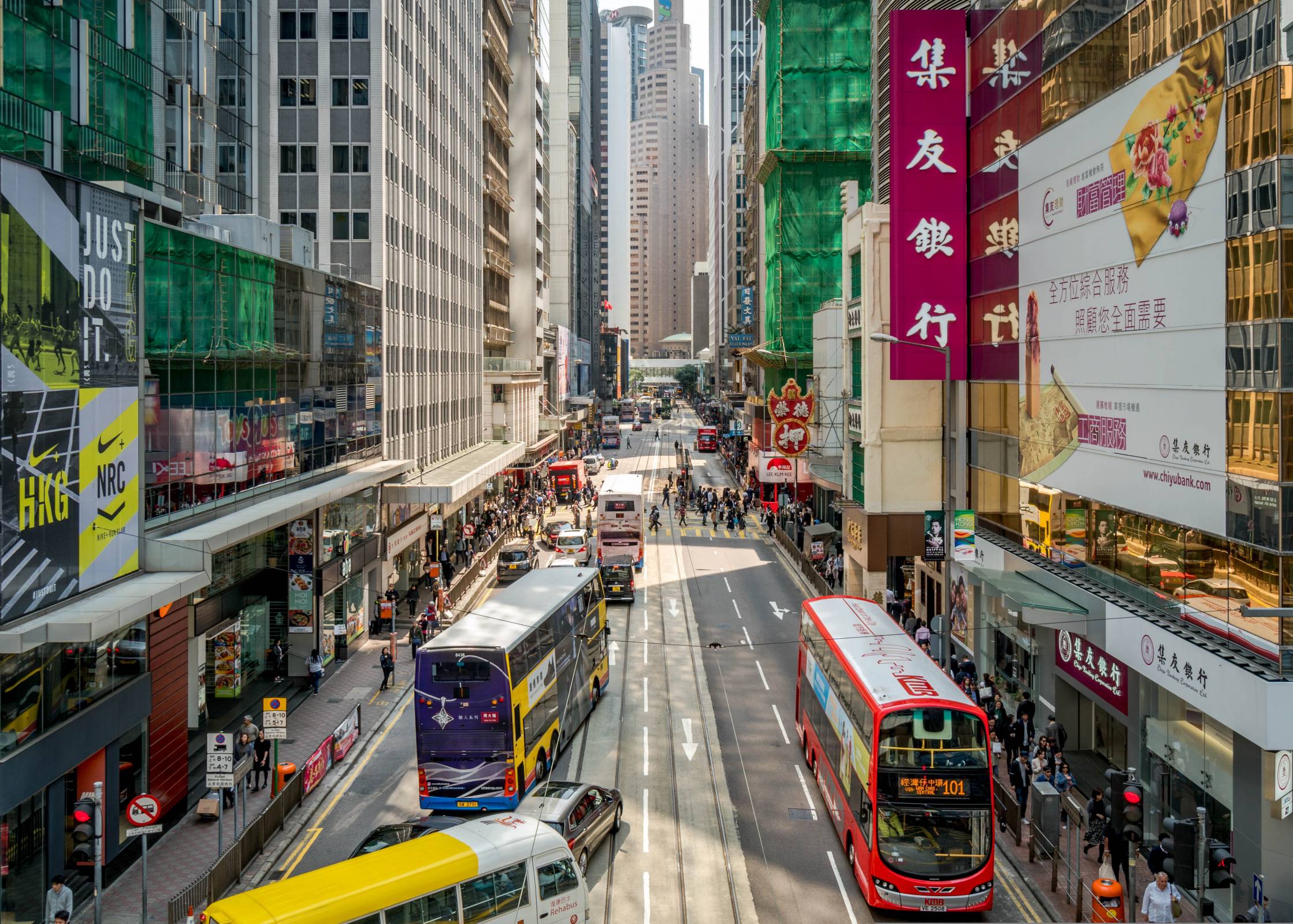
Sinovac Biotech Ltd. today announced it would provide its CoronaVac® vaccine to self-paying groups in Hong Kong and confirmed a donation plan.
Additionally, the company will collaborate with local charity groups to provide donations, giving more children in Hong Kong access to free its inactivated original strains COVID-19 vaccine.
On March 31, 2023, the Government of the Hong Kong Special Administrative Region announced that beginning April 20, 2023, high-risk groups would be able to receive free doses of COVID-19 vaccines.
Whereas low-risk groups, including children, can only receive their vaccines via the private market through self-pay.
"SINOVAC's ongoing fight against COVID-19 is based on our mission to 'supply vaccines to eliminate human diseases,'" said Yin Weidong, Chairman, President, and CEO of SINOVAC, in a press release on May 10, 2023.
"From developing the COVID-19 vaccine to obtaining market approvals, from the first CoronaVac® shipment landing in Hong Kong 800 days ago to the rollout of a massive public vaccination program, SINOVAC and Hong Kong have taken steps together to emerge from the shadows of the pandemic."
CoronaVac® is the first COVID-19 vaccine to be used in children from as young as three years old, under the World Health Organization's Emergency Use List.
As of March 2023, CoronaVac® has been authorized for use in more than 60 countries, regions, and international organizations. But not in the U.S.
The cumulative global vaccine supply exceeds 2.9 billion doses.

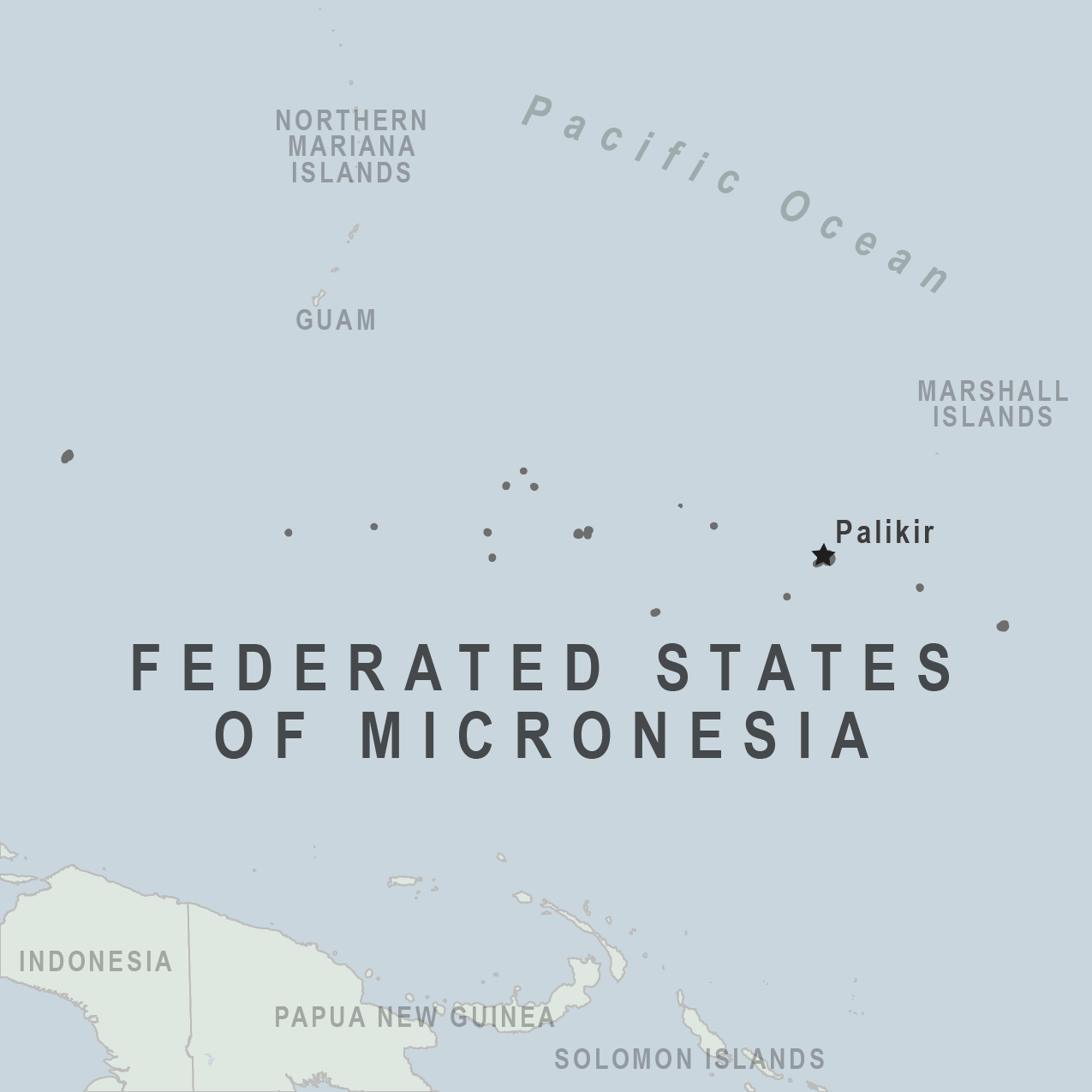
The U.S. Department of State today reissued its lowest-level travel advisory for the Federated States of Micronesia (FSM), including the island states of Pohnpei, Kosrae, Chuuk, and Yap.
On May 8, 2023, the State Department's Level 1: Exercise Normal Precautions advisory for this western Pacific Ocean U.S. Territory suggests visiting the FSM websites of the Department of Health and Social Services for the latest information from the Government of Micronesia.
And the U.S. CDC recommends visitors confirm their immunization for Routine and Travel related diseases, such as measles.
A measles outbreak was recently declared in a neighboring territory, American Samoa.
Should visitors need assistance, the U.S. Embassy in Kolonia is located at 1286 U.S. Embassy Pl., Kolonia, Pohnpei, FM 96941.
Novavax, Inc. today announced that its COVID-Influenza Combination (CIC), stand-alone influenza, and high-dose COVID vaccine candidates all showed a reassuring preliminary safety profile and comparable reactogenicity to individual Novavax influenza and COVID vaccine candidates or authorized influenza vaccine comparators.
Additionally, all three vaccines demonstrated preliminary robust immune responses.
In all groups, no adverse events (AE) of special interest, no potentially immune-mediated medical conditions, and no treatment-related serious AEs.
"The reactogenicity results support our previous observations that this technology is well suited for combination vaccines because large amounts of antigen can be incorporated without impacting tolerability," said Filip Dubovsky, President, Research and Development, Novavax, in a press release on May 9, 2023.
"The immune responses we observed were robust, and the data we have shared today significantly increase the probability of Phase 3 success."
Furthermore, the highest dose stand-alone COVID vaccine candidate achieved statistically significant anti-S IgG and neutralization responses, approximately 30% higher than Novavax's prototype COVID vaccine while maintaining comparable safety and reactogenicity to the currently authorized dose level of Nuvaxovid™.
Various CIC vaccine candidates are in late-stage development as of May 9, 2023.

The U.S. Centers for Disease Control and Prevention (CDC) recently announced that it would soon close enrollment in V-Safe for COVID-19 vaccines.
The CDC confirmed that very few new data are being reported to the V-Safe system.
Since its launch in December 2020, over 10 million participants have completed more than 151 million health surveys about their experiences following COVID-19 vaccination.
Furthermore, V-Safe data have been included in more than 20 scientific publications.
V-Safe was explicitly developed for COVID-19 vaccines and has been an essential component of the pandemic vaccine safety monitoring systems that have successfully and comprehensively characterized the safety of the COVID-19 vaccines used in the U.S.
After May 19, 2023, those who had enrolled and participated in V-Safe cannot add new COVID-19 vaccine doses to their account. Health check-ins (and follow-up calls, if needed) for any doses added before May 19 will continue until June 30.
V-Safe participants will continue to have access to their account to review previous entries and to complete remaining health check-ins until June 30, 2023.
The CDC is developing a new version of V-Safe, launching later in 2023, which will empower users to share their post-vaccination experiences with new vaccines.
V-Safe users or others who get vaccinated can continue to report any possible health problems or adverse events following vaccination to the Vaccine Adverse Event Reporting System.
The CDC and the U.S. Food and Drug Administration closely monitor the safety of vaccines in the United States.

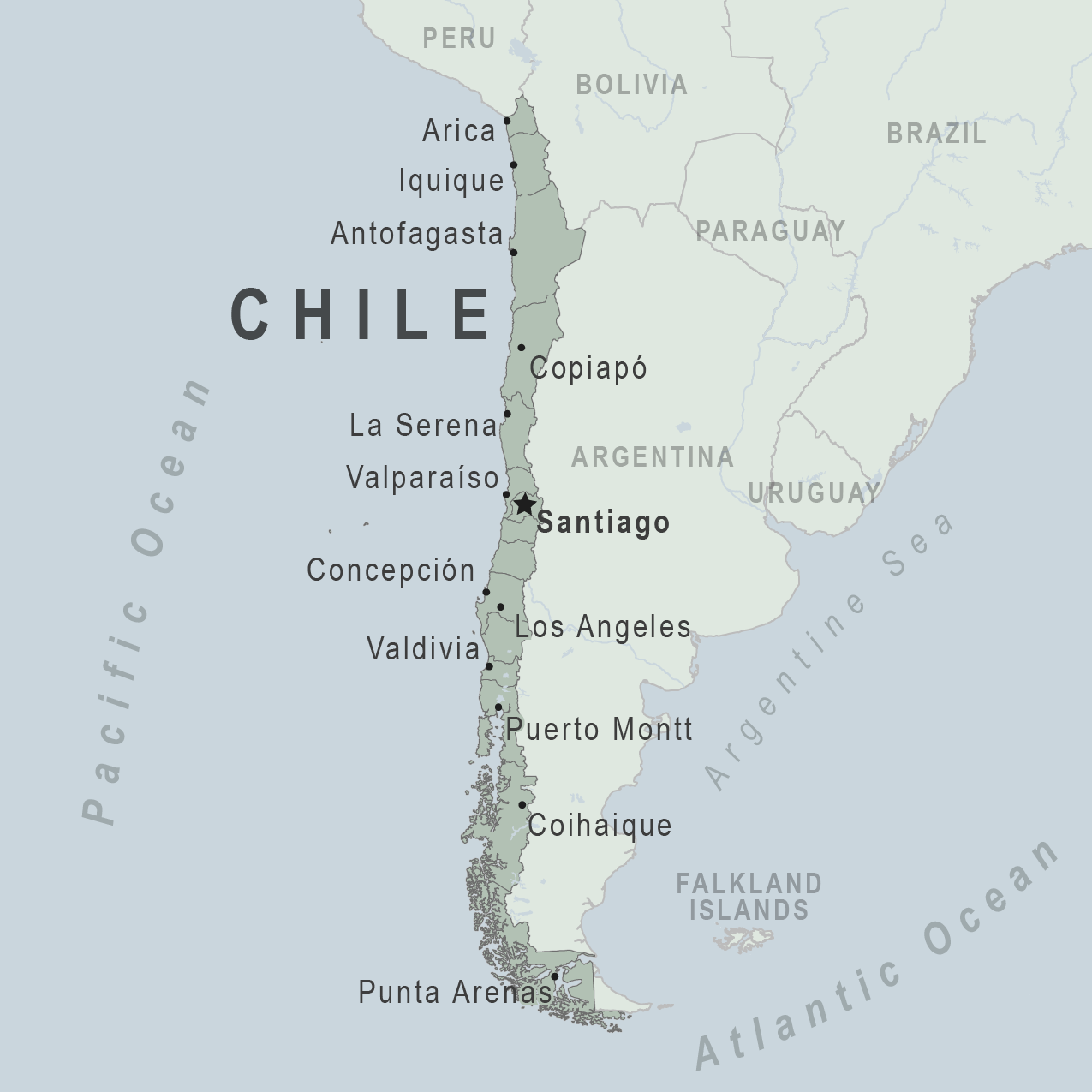
The U.S. Department of State reissued its Level 2: Exercise Increased Caution advisory today regarding civil unrest in the Republic of Chile.
On May 8, 2023, the State Department confirmed street crime is common, and the rates of violent crime are increasing in Chile.
Moreover, large-scale demonstrations periodically occur in Santiago and other cities in Chile.
Demonstrations can occur with little or no notice and often result in disruptions to transportation, including public buses and Santiago metro services.
If you visit Chile, the local U.S. embassy suggests enrolling in the Smart Traveler Program to receive Alerts in an emergency.
From a health perspective, the U.S. CDC suggests travelers speak with a healthcare professional regarding their vaccination needs, such as for measles protection.

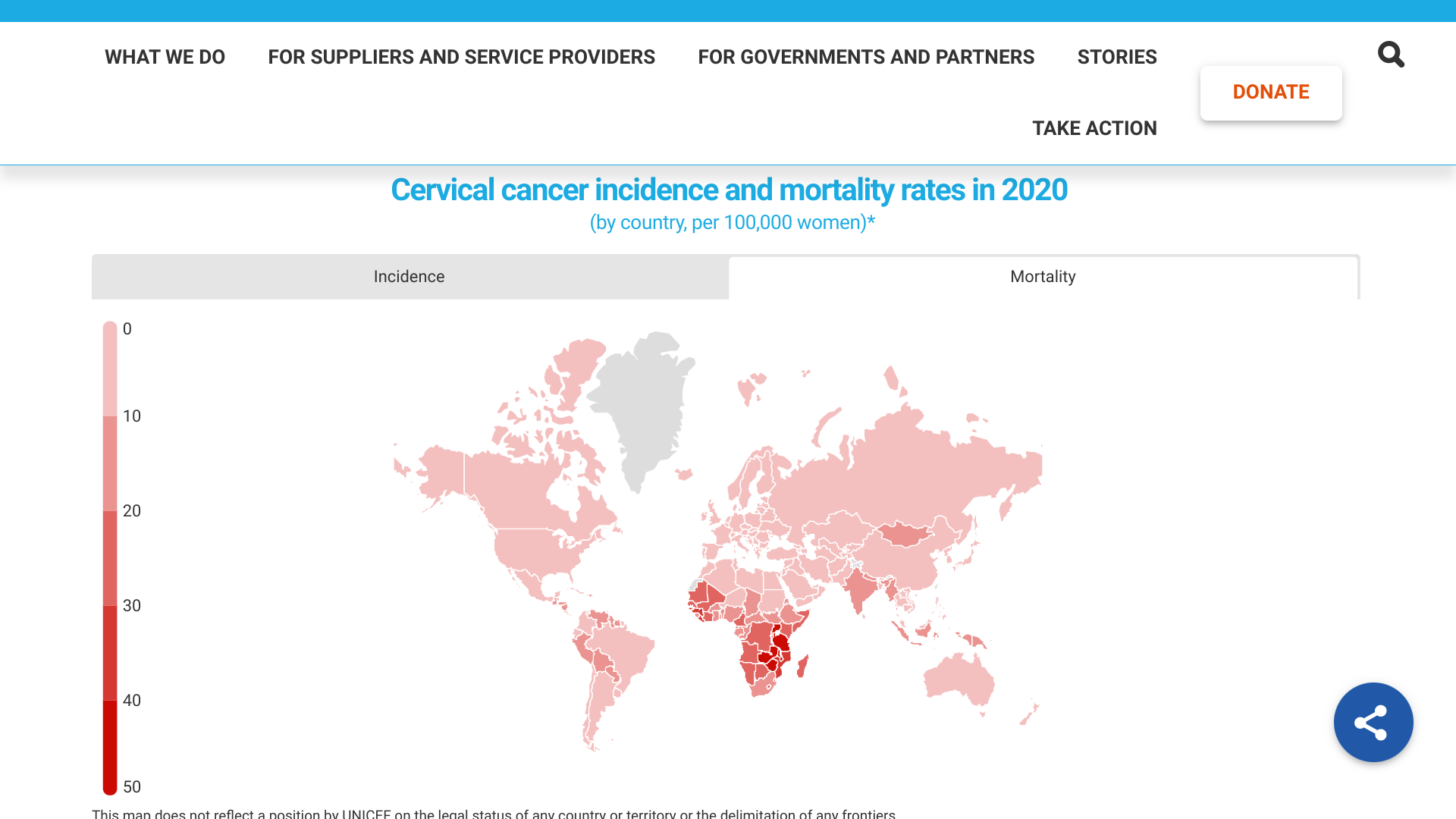
UNICEF recently announced it would supply 52 countries with human papillomavirus (HPV) vaccines. In 2023 alone, UNICEF will provide one in four countries worldwide with this life-saving vaccine.
And seven countries, Bangladesh, Cambodia, Eswatini, Kiribati, Mongolia, Nigeria, and Togo, intend to introduce HPV vaccines to their routine immunization programs in 2023.
On April 28, 2023, UNICEF confirmed just one in eight girls are vaccinated against HPV, the leading cause of cervical cancer.
And since 2019, HPV vaccination coverage has decreased by 15%, representing one of the largest backslides of any vaccine during the pandemic.
Oluwaseun Ayanniyi, a Contracts Specialist in the Vaccine Centre of UNICEF’s Supply Division in Copenhagen, commented that she is optimistic that significant ground can be regained to prevent cervical cancer.
HPV vaccination can help prevent certain cancers for boys and girls, says the U.S. CDC. These vaccines are generally available at health clinics and pharmacies in the U.S.
As of May 8, 2023, the U.S. Food and Drug Administration has approved various vaccines that can prevent certain sexually transmitted diseases such as Mpox.