Search API
A clinical-stage intranasal vaccine company developing parainfluenza virus 5 (PIV5)-vectored vaccines that harness the full breadth of the immune system to protect against serious infectious diseases today announced preliminary data from the first two cohorts of a Phase 1/2a clinical trial studying BLB201, a vaccine candidate against severe respiratory syncytial virus (RSV) disease.
On March 21, 2024, Blue Lake Biotechnology, Inc., stated the data show that BLB201 is immunogenic and well tolerated, with no significant safety events reported to date following a single intranasal dose in RSV seropositive children 18-59 months of age.
The ongoing trial is currently enrolling both RSV seropositive and RSV seronegative children as young as eight months of age.
No vaccine-related severe safety signals have been reported among the initial 10 participants ages 18-59 months who received the BLB201 study vaccine in this Phase 1/2a study (NCT05655182).
In the five participants who received the higher dose of 10⁷ PFU of BLB201, prominent increases in RSV neutralizing antibody (nAb) responses were observed at four weeks post-vaccination, with 80% having a 3.6- to 57-fold rise in nABs over baseline.
RSV-specific mucosal IgA antibody and cellular immune responses were also observed.
“Given the challenges of developing an RSV vaccine for children, it is highly encouraging that BLB201, our intranasal RSV vaccine candidate, has been well tolerated in this age group so far,” said Biao He, Ph.D., founder and CEO of Blue Lake Biotechnology, in a press release.
“It is also very exciting to see RSV-specific immune responses to our vaccine in children who have previously been exposed to RSV. We are eager to generate more data in younger children, including infants who have not had prior exposure to RSV, and to develop a highly effective and safe vaccine to protect this vulnerable population from RSV.”
As of March 2024, approved antibody drugs and a maternal RSV vaccine can provide passive immunity against RSV in infants. However, no RSV vaccine has been approved for generating prophylactic immunity in infants and children.

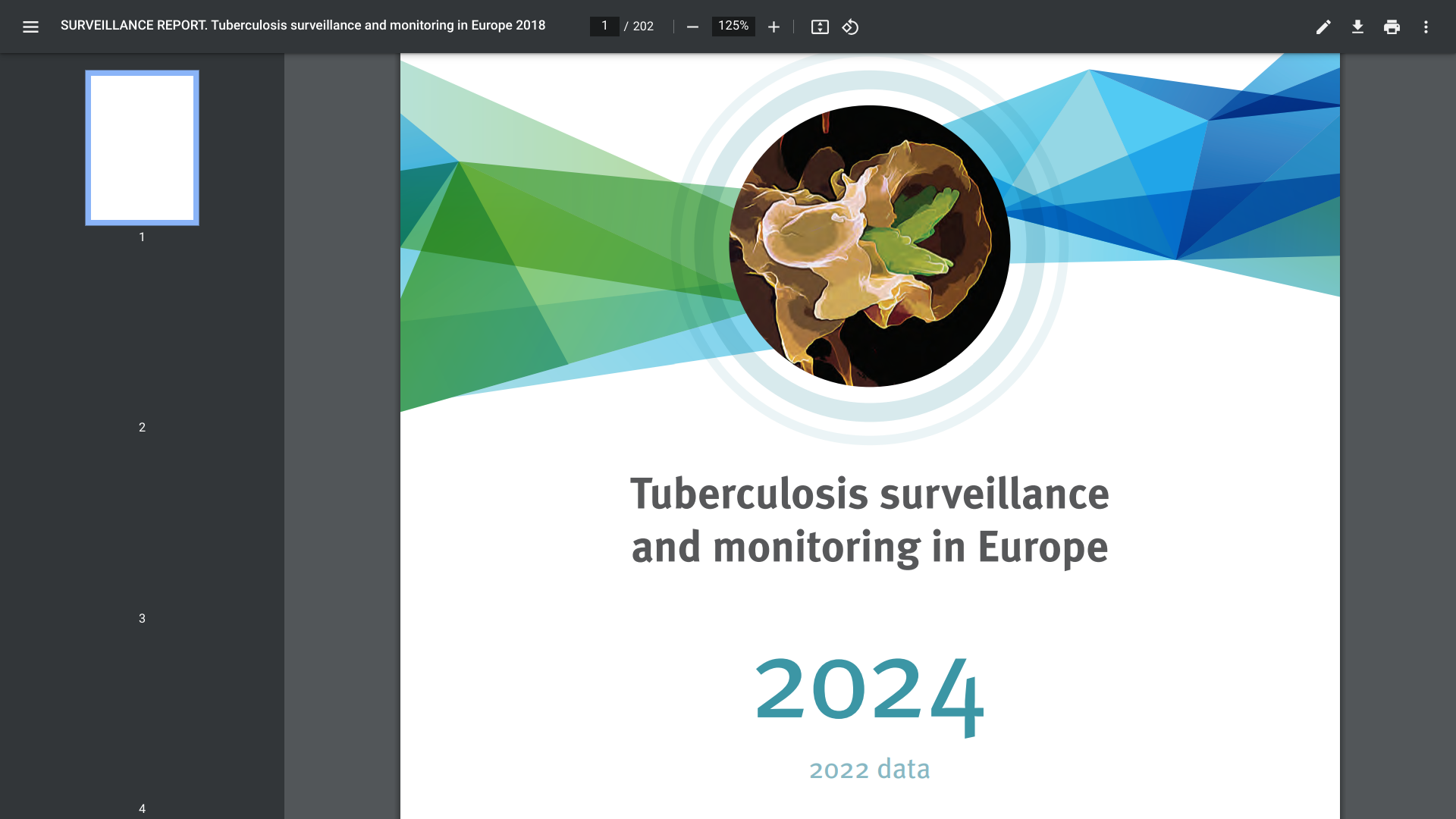
According to the WHO Regional Office for Europe and the European Centre for Disease Prevention and Control, an estimated 229,000 people were diagnosed with tuberculosis (TB) in the European Region in 2022.
Of these cases, about 83% were reported with pulmonary TB.
Furthermore, there were approximately 18,000 TB-related deaths among HIV-negative individuals in the European Region in 2022.
This represents a 6% increase in deaths compared to 2021.
In 2022, HIV prevalence in incident TB cases was estimated to be 12%, with an estimated 28,000 cases of co-infection in the Region.
Also of concern are signs that the management of TB and HIV co-infection is suboptimal. Only 48% of patients with both TB and HIV in the WHO European Region who started TB treatment in 2021 had been cured.
The TB surveillance and monitoring report published on March 21, 2024, also revealed that nearly 7,000 excess deaths from tuberculosis occurred in the WHO European Region between 2020 and 2022, compared to pre-2020 estimates.
This report stated that increased mortality was a direct result of the recent pandemic and would not have occurred if TB diagnosis and treatment efforts had not been disrupted during the pandemic.
To expedite efforts to reach the end TB targets, WHO and ECDC recommend scaling up initiatives to actively identify and treat missing cases of TB by strengthening TB testing, making preventive treatment options (vaccines) available to all those who need them, and implementing up-to-date, short, and fully oral treatment regimens.
Dr Hans Henri P. Kluge, Regional Director at WHO/Europe, commented in a press release, “The report also reveals another evolving, preventable tragedy - the prevalence of drug-resistant TB continues to rise. We urge national authorities to strengthen TB testing programs, diagnose promptly, and apply the latest WHO guidelines.”
Throughout Europe, versions of the TB-prevention Bacille Calmette-Guérin (BCG) vaccine remain available as of March 2024.
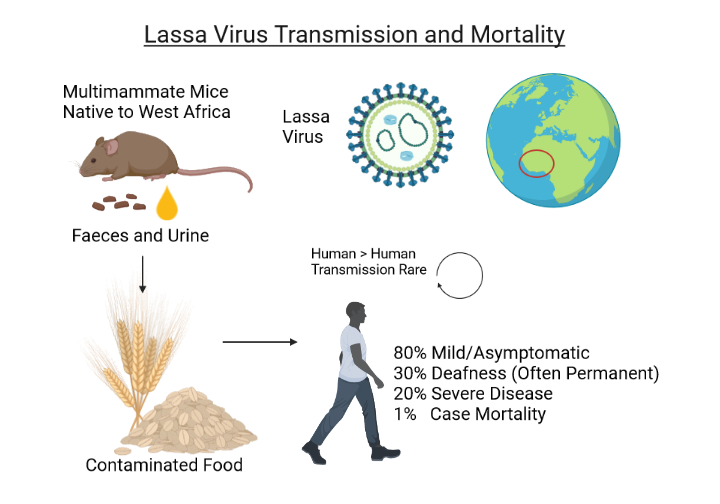
Despite extensive efforts, the Federal Republic of Nigeria continues to confront an expanding Lassa fever outbreak in 2024, reporting new cases and deaths.
Throughout 2024, Nigeria's Centre for Disease Control and Prevention (NCDC) confirmed 682 cases and 128 deaths, which is a Lassa fever case fatality rate of 18.8%, far exceeding the rate recorded in 2023.
The report identified 62% of confirmed cases originating from Ondo, Edo, and Bauchi states.
The NCDC wrote in 2023 that annual outbreaks of Lassa fever also involved infection and death of healthcare workers. This loss of life is not just a statistic but a significant loss of a loved family member, a spouse, a parent, and often a seasoned healthcare worker and team member. This exacerbates the challenge of insufficient human resources for health in the country.'
As of March 2024, the U.S. Food and Drug Administration and the European Medicines Agency had not approved a Lassa fever virus vaccine candidate.
However, four vaccine candidates (INO-4500, MV-LASV, rVSV∆G-LASV-GPC, and EBS-LASV) have entered the clinical clinical stage.
Without an available vaccine, the U.S. CDC says the risk of Lassa virus infection is associated with peridomestic rodent exposure, where inappropriate food storage increases the risk.
The CDC says people should practice safe food precautions and avoid handling, cooking, or eating raw or undercooked meat or animal products.
During the recent pandemic, many scientists were stunned by how fast government agencies authorized new vaccines. Traditionally, it took about eight years for a vaccine to progress through the various stages of clinical trials to obtain market approval.
Many scientists were amazed by the speed at which new vaccines were authorized by government agencies during the recent pandemic.
Traditionally, it took about eight years for a vaccine to progress through the various stages of clinical trials to obtain market approval.
However, new research published on March 21, 2024, suggests that the clinical development of innovative medicines and vaccines will continue to accelerate.
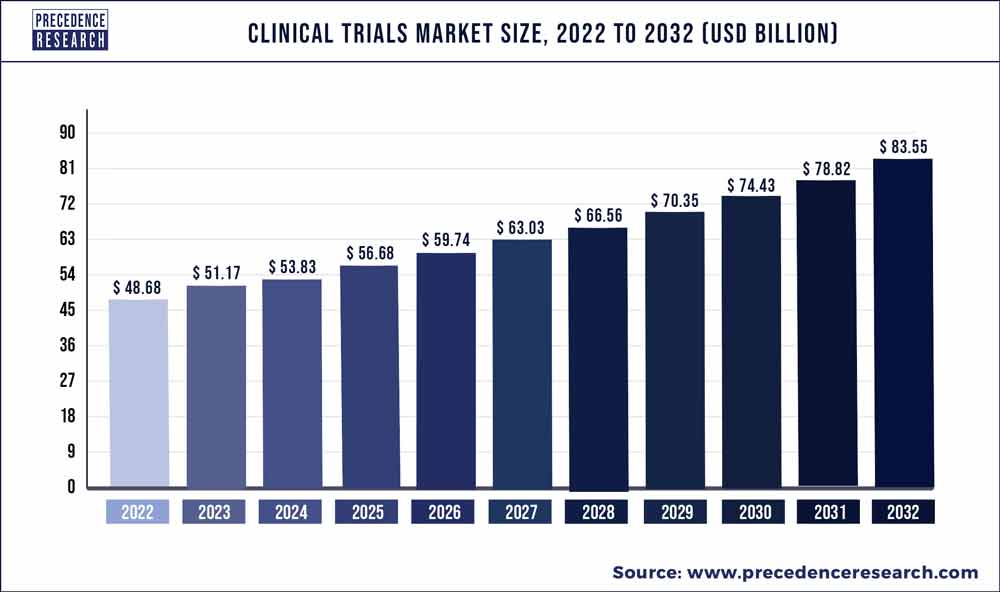
Precedence Research Pvt. Ltd. reported today that the global clinical trials market size was valued at $48.68 billion in 2022 and is predicted to reach about $83 billion by 2032. Clinical trial research was valued at $24.61 billion in the US sub-market in 2022.
The vaccine sub-market reached $102.9 billion in 2023 and is forecasted to expand by 47% to $35.1 billion by 2030.
Furthermore, there is plenty of investor interest in funding new, innovative vaccines.
In the past ten years, companies with infectious disease vaccine programs received 3.4% of the total ($6.5 billion) venture capital raised for biopharmaceutical companies.
Moreover, the promise of personalized vaccines tailored to subpopulations may disrupt the one-size-fits-all vaccination model, further expanding the need for clinical trial research.

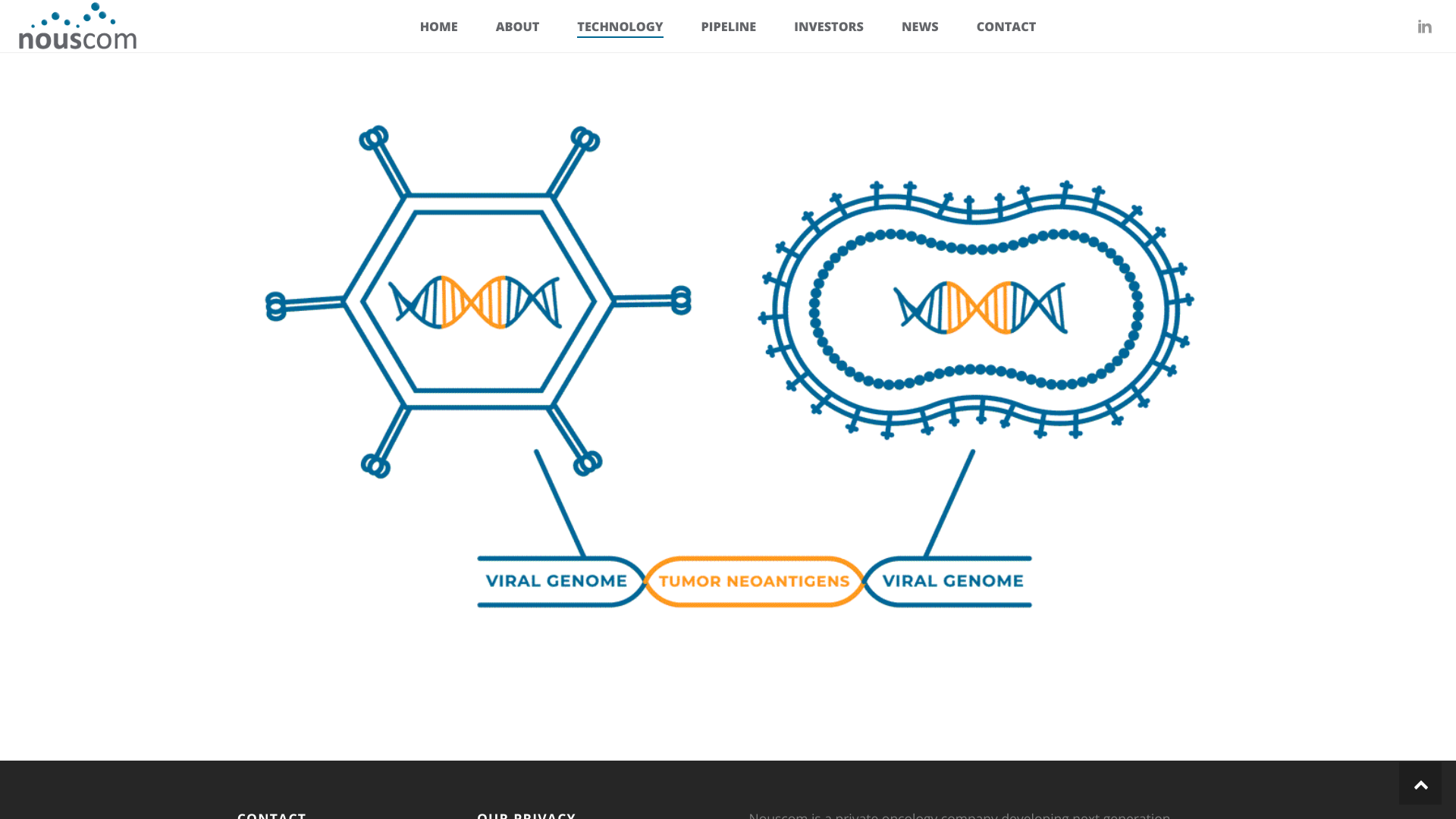
A corporate venture firm focused on investing in companies developing innovative solutions and ideas today announced its participation in an extension of the Series C financing round for Nouscom, a clinical-stage immuno-oncology company.
Nouscom raised approximately $82 million in its oversubscribed Series C round, which was first announced in November 2023.
Angelini Ventures joins a syndicate of top-tier international healthcare investors by participating in Nouscom’s financing.
This new financing will enable Nouscom, based in Basel, Switzerland. to continue advancing and expanding its wholly-owned clinical pipeline to achieve multiple clinical value catalysts, including:
- Readout from its ongoing randomized Phase 2 clinical trial for NOUS-209, an off-the-shelf cancer vaccine for treating Mismatch Repair/Microsatellite Instable Metastatic Colorectal Cancer.
- Phase 1b study completion and progression of NOUS-209 monotherapy in Lynch Syndrome carriers investigating the potential to intercept, prevent, or delay cancer in high-risk individuals.
- Completion of the Phase 1b study for NOUS-PEV, a personalized cancer immunotherapy, in combination with a checkpoint inhibitor in patients with advanced melanoma and entry into randomized Phase 2 trials in indications with high unmet medical needs.
Dr. Marina Udier, Chief Executive Officer at Nouscom, commented in a press release on March 21, 2024: “We are delighted to have extended our successful Series C financing round and excited to have Angelini Ventures on board. Their support strengthens our commitment to innovation and accelerates our journey towards delivering next-generation treatments for cancer patients.”
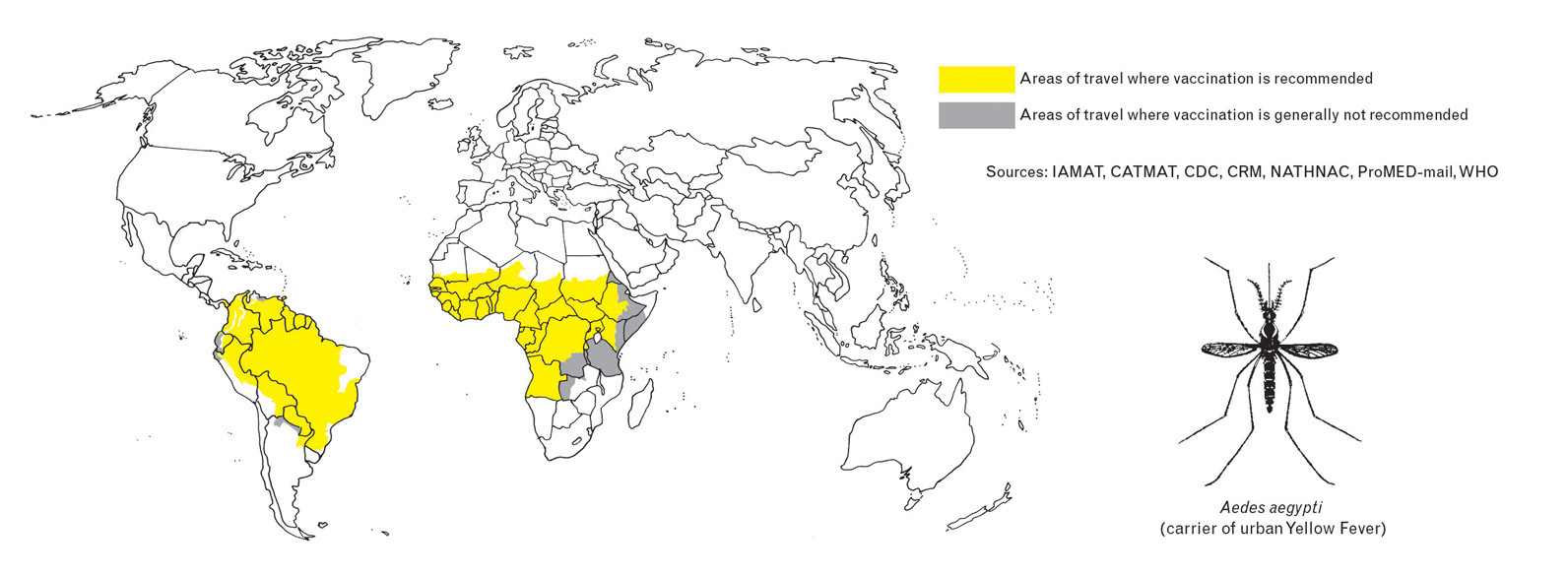
In 2023, the global Eliminate Yellow Fever Epidemics (EYE) secretariat led by the World Health Organization (WHO) coordinated preventive and responsive vaccination efforts.
As a result, about 62 million people in Africa received yellow fever vaccinations through EYE campaigns.
According to the WHO's Disease Outbreak News on March 20, 2024, a single yellow fever vaccination can provide lifelong protection and sustained immunity for around 90% of vaccinated individuals.
The WHO says yellow fever is an acute viral hemorrhagic disease. Cases can be difficult to distinguish from other viral hemorrhagic fevers such as arenavirus, hantavirus, or dengue. Related symptoms of yellow fever usually appear 3 to 6 days after the bite of an infected mosquito.
To notify international travelers, the U.S. Centers for Disease Control and Prevention advises against yellow fever vaccination when visiting countries with a low risk of virus exposure.
For Americans seeking protection from this mosquito-transmitted disease, the YF-VAX® vaccine is available at certified travel vaccine clinics and pharmacies in the U.S.
The CDC recently reported no locally acquired yellow fever cases in 2024.
Millions of people's health is at risk by the mosquito-transmitted, vaccine-preventable chikungunya virus (CHIKV), but most Americans are unaware of its global impact.
In-person information about a newly approved chikungunya virus (CHIKV) vaccine will be shared at the Walter E. Washington Convention Center in Washington, D.C., from April 1-4, 2024.
Valneva SE, a France-based specialty vaccine company, today announced it will present its single-shot chikungunya vaccine for adults, IXCHIQ®, and participate in a panel discussion on efforts to eradicate chikungunya outbreaks at the 24th World Vaccine Congress.
XCHIQ®, the world's first and only chikungunya vaccine approved in the U.S., was recently recommended by the CDC's Advisory Committee on Immunization Practices for international travelers to at-risk areas.
As of March 21, 2024, CHIKV was identified in nearly 115 countries, primarily in the Region of the Americas. As of December 2023, approximately 460,000 CHIKV cases and 360 related deaths have been reported worldwide.
On the evening of April 2, Valneva will attend the Vaccine Industry Excellence Awards ceremony, where the vaccine is a finalist for the Best Prophylactic Vaccine award for IXCHIQ®.
And on April 3, Valneva's Chief Medical Officer, Dr. Juan Carlos Jaramillo, will participate in the "Vaccine Development and Efforts towards Eradicating Chikungunya" panel discussion.
For further details, contact Laetitia Bachelot-Fontaine, VP, Global Communications and European Investor Relations, at [email protected]