Search API
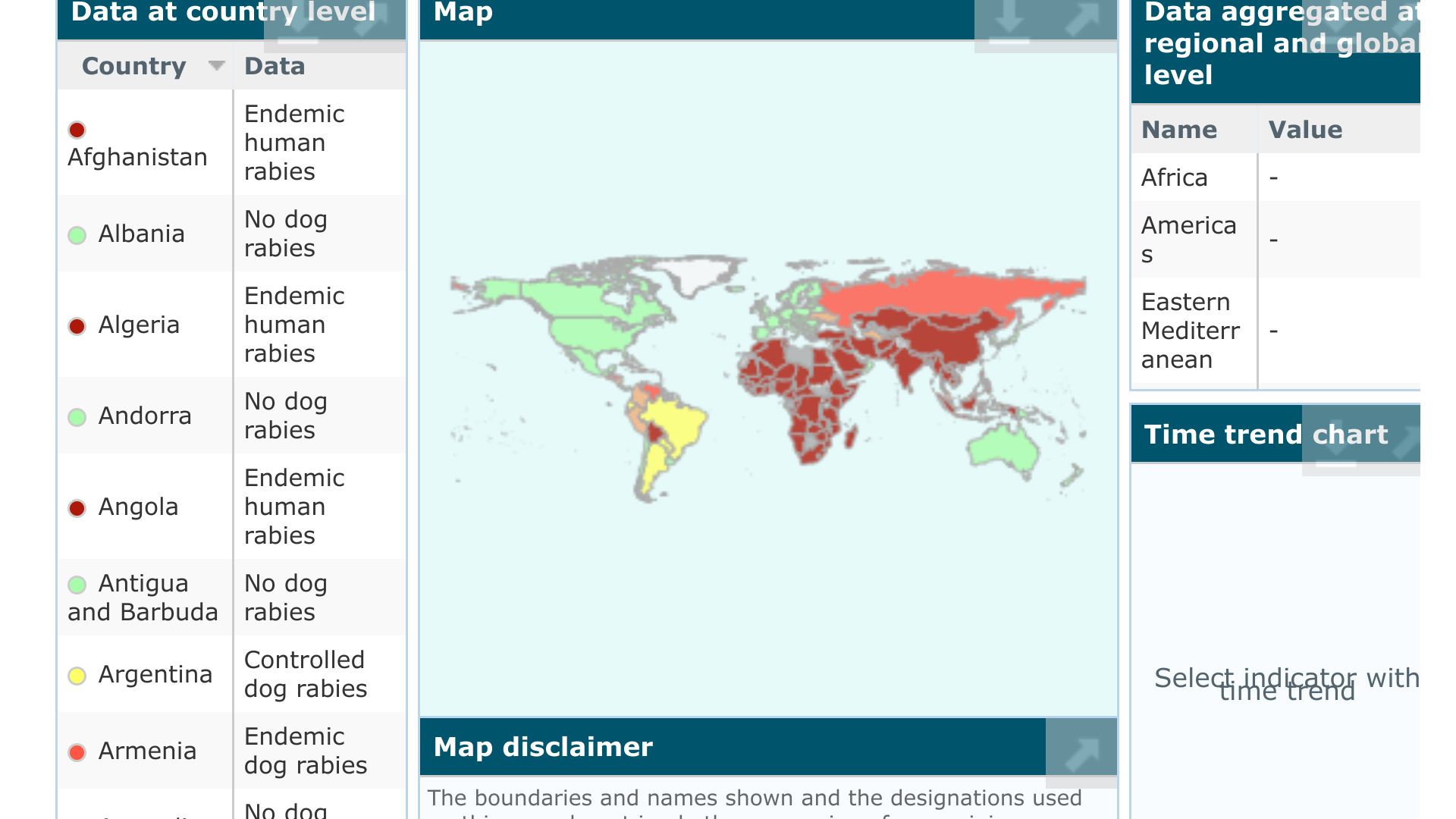
Queensland Health recently reported the number of potential rabies exposures in returned travelers has increased in 2023, impacting 116 Queenslanders in 2023.
Chief Health Officer Dr. John Gerrard said in a government press release on June 1, 2023, "It is important to seek advice from your doctor or a travel health clinic about the best way to protect yourself before heading overseas, especially if you are traveling to a country where rabies is present."
"For humans, rabies can be deadly - once symptoms develop, it's almost always fatal," Dr Gerrard added.
Unfortunately, almost 60,000 people worldwide die from rabies annually.
"The risk of rabies infection varies depending on the country you visit and what activities are planned while abroad."
"While the preexposure rabies vaccine can effectively prevent infection, an additional course of post-exposure rabies vaccines may be required in these circumstances."
Rabies is a virus that can be transmitted to humans through the bite or scratch of an infected animal or by being exposed to infected animals' saliva through the eyes, nose, mouth, or broken skin.
In the U.S., bat bites generate more rabies infections than dogs.
The U.S. Centers for Disease Control and Prevention recently updated its recommendations for rabies preexposure prophylaxis for humans, replacing the three-dose vaccination schedule with a two-dose program.
Several rabies vaccines are available worldwide in 2023.
Note: Article updated with corrected phase on June 12, 2023.
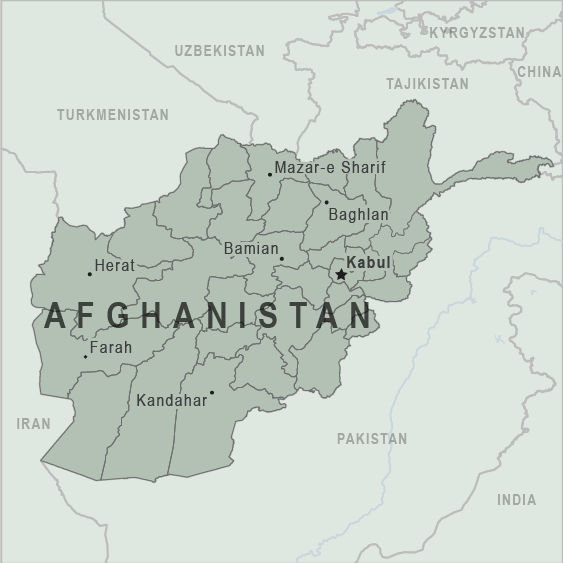
Afghanistan’s Ministry of Public Health recently announced that a new WPV1 polio case was reported in the Behsud district of Nangarhar, increasing the total number of polio cases to four in 2023.
In 2022 alone, Afghanistan conducted 12 polio vaccination campaigns, making it the highest number of campaigns worldwide, according to Dr. Nek Wali Momin, the director of the National EOC, in a press release on June 2, 2023.
As per the findings of the public health ministry, the entire eastern part of Afghanistan is facing a significant polio threat due to previous instances of environmental polio cases and the confirmed presence of the virus in contaminated water and polluted surroundings.
Afghanistan is classified by the International Health Regulations as a state infected with WPV1 with a potential risk of international spread.
To alert international travelers, the U.S. CDC included Afghanistan in its later polio outbreak alert.
To protect against poliovirus, vaccination alone is not enough, as poliovirus can survive for a significant period in unsanitary environments, Dr. Momin added.
The necessary steps should be taken to strengthen routine practices and improve hygiene facilities, including safe drinking water and people’s access to essential health services in remote parts of the country.
The WHO’s International Travel and Health recommends that all travelers to polio-affected areas be fully vaccinated against polio.
And residents (and visitors for more than four weeks) from infected areas should receive an additional dose of oral or inactivated polio vaccine within four weeks to 12 months of travel.
Polio outbreak news in June 2023 is posted by Vax-Before-Travel.
Moderna, Inc. and Merck today announced distant metastasis-free survival (DMFS) results from the Phase 2b randomized KEYNOTE-942/mRNA-4157-P201 study, a clinical trial evaluating mRNA-4157 (V940), an investigational individualized neoantigen therapy (INT), in combination with KEYTRUDA, Merck's anti-PD-1 therapy, in patients with resected high-risk melanoma (stage III/IV).
In the overall intention-to-treat (ITT) population, adjuvant treatment with mRNA-4157 (V940) in combination with KEYTRUDA demonstrated a statistically significant and clinically meaningful improvement in DMFS, a key secondary endpoint of the study, compared with KEYTRUDA alone and reduced the risk of developing distant metastasis or death by 65% (HR=0.347 [95% CI, 0.145-0.828]); one-sided p value=0.0063).
The secondary endpoint of DMFS, defined as the time from the first dose of KEYTRUDA until the date of first distant recurrence or death from any cause, was pre-specified for statistical testing following the positive primary endpoint of recurrence-free survival.
"We are excited to share these results with the oncology community and thrilled to see such an exceptional result in distant melanoma recurrence or death. Patients who experience metastases at distant sites typically have worse survival outcomes and a poor prognosis, thus, these results showing a reduction in the risk of distant recurrence underscore the potential of neoantigen therapy," said Kyle Holen, M.D. Moderna's Senior Vice President and Head of Development, Therapeutics, and Oncology, in a press release on June 5, 2023.
Companies plan to initiate a Phase 3 study in the adjuvant setting in patients with high-risk melanoma in 2023 and rapidly expand to additional tumor types, including non-small cell lung cancer.
Based on data from KEYNOTE-942/mRNA-4157-P201, the U.S. Food and Drug Administration and European Medicines Agency granted Breakthrough Therapy Designation and the Priority Medicines scheme, respectively, for mRNA-4157 (V940) in combination with KEYTRUDA for the adjuvant treatment of patients with high-risk melanoma following complete resection.


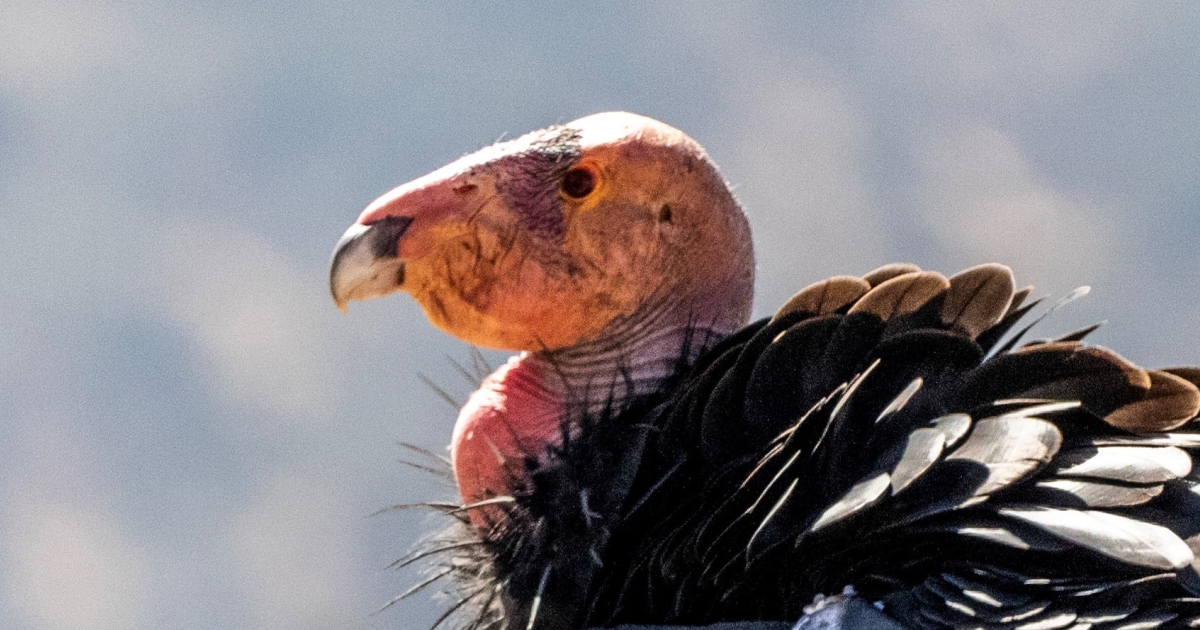
The U.S. Fish and Wildlife Service recently reported all vultures that received a highly pathogenic avian influenza (HPAI) vaccine candidate as part of the initial clinical trial on May 16, 2023, appears to be in good health with no vaccine site reactions.
As of June 2, 2023, the second vaccine dose will be administered next week.
Depending on these results, the second step would be to implement the vaccine trial on 25 captive California condors. Any vaccination of condors will be administered by a state-licensed veterinarian.
Since this HAPI outbreak was confirmed in 2023, 21 condors have died.
The California condor, with a wingspan of 9.5 feet and weighing up to 25 pounds, is the largest land bird in North America.
Previously, the United States Department of Agriculture's Agricultural Research Service (APHIS) researchers confirmed on April 14, 2023, they were testing several vaccine candidates.
The authorized vaccine is a killed, inactivated product conditionally licensed by APHIS' Center for Veterinary Biologics in 2016.
This vaccine has not previously been tested against this strain of the HAPI virus in California Condors. Depending on the results of this trial, the second step would be to implement the trial on 25 captive California condors.
This vaccine candidate is targeted at birds, not humans.
The U.S. government has already approved a bird flu vaccine for people and continues to invest in newer avian influenza vaccine candidates.
Transgene today announced that new data confirm the ability of this novel investigational therapeutic cancer vaccine to induce immune responses against human papillomavirus (HPV) 16 antigens that are associated with antitumor response.
TG4001 is an investigational viral vector-based therapeutic cancer vaccine.
It is being evaluated in a randomized controlled Phase II clinical study comparing TG4001 with avelumab to avelumab alone in patients with HPV16-positive anogenital tumors.
The data presented on June 5, 2023, were generated from 46 patients in both trial arms.
- TG4001 induced the priming of adaptive immunity
- 58% of patients receiving TG4001 + avelumab showed an increase of immune responses against HPV antigens versus 9% in the avelumab arm. At baseline, immune responses against HPV antigens were limited to 4/46 patients.
- An immune response was detected at day 43 and tended to increase intensity at day 85.
- These data demonstrate that Transgene's TG4001 could induce a specific immune response against the antigens vectorized within this vaccine.
- 11 of the 13 patients with an immune response had either stable disease, partial or complete tumor response according to RECIST criteria.
- Remarkably, two case studies are presented, with patients exhibiting a strong E6 and E7 immune response while showing a complete clinical response.
- Transgene anticipates that the last patient will be randomized in the current Phase II clinical study in the first half of 2024. The final results will be communicated in 2024.
Dr. Alessandro Riva, MD, Chairman and CEO of Transgene, commented in a press release, "These data further confirm that our therapeutic vaccine TG4001 can induce clinically meaningful immune responses that are associated with antitumor response."
The abstract and poster can be accessed on the ASCO and Transgene websites.
TG4001 is an investigational therapeutic vaccine based on a non-propagative, highly attenuated Vaccinia vector, which is engineered to express HPV16 antigens (E6 & E7) and an adjuvant (IL-2).
TG4001 was designed to have a two-pronged antiviral approach: to alert the immune system specifically to cells presenting the HPV16 E6 and E7 antigens that can be found in HPV16-related tumors and to further stimulate the infection-clearing activity of the immune system through interleukin 2 (IL-2).
HPV is a group of more than 200 related viruses, some of which are spread through sex. Researchers previously confirmed that infection with HPV16 precedes the development of some head and neck cancers.
Other HPV cancer vaccine news is posted by Precision Vaccinations.

The journal Nature recently published a study that concluded "something happened" in mid-2021, making avian influenza (bird flu) Highly Pathogenic Avian Influenza viruses much more infectious.
While emphasizing that the risk to humans remains low, the experts who spoke to AFP Paris on June 3, 2023, indicated bird flu reports this year were a cause for concern, reported France24.
Published on May 29, 2023, a new study found the spread of A(H5N1) viruses worldwide, and detecting infections in mammals (foxes, skunks, bobcats, mountain lions, bears) and humans in the United States is noteworthy.
Except for pockets of endemic clade activity in South and Southeast Asia, clade 2.3.4.4b viruses have predominated over other A(H5Nx) clades over the past 18 months. As a result, clade 2.3.4.4b viruses have become entrenched in Asia, Europe, and probably in parts of Africa.
The increasing prevalence of 2.3.4.4b viruses are also changing the disease dynamics in Europe, with the potential for a transition from epizootic to enzootic status.
Our data highlight how quickly things can change in a natural system, and the potential for further A(H5Nx) reassortment and phenotypic diversification will only increase as the unprecedented global distribution of these viruses broadens, wrote these researchers.
As of May 2023, the Pan American Health Organization reported clade 2.3.4.4b had been detected in 16 countries in Latin America, the Caribbean, the United States, and Canada.
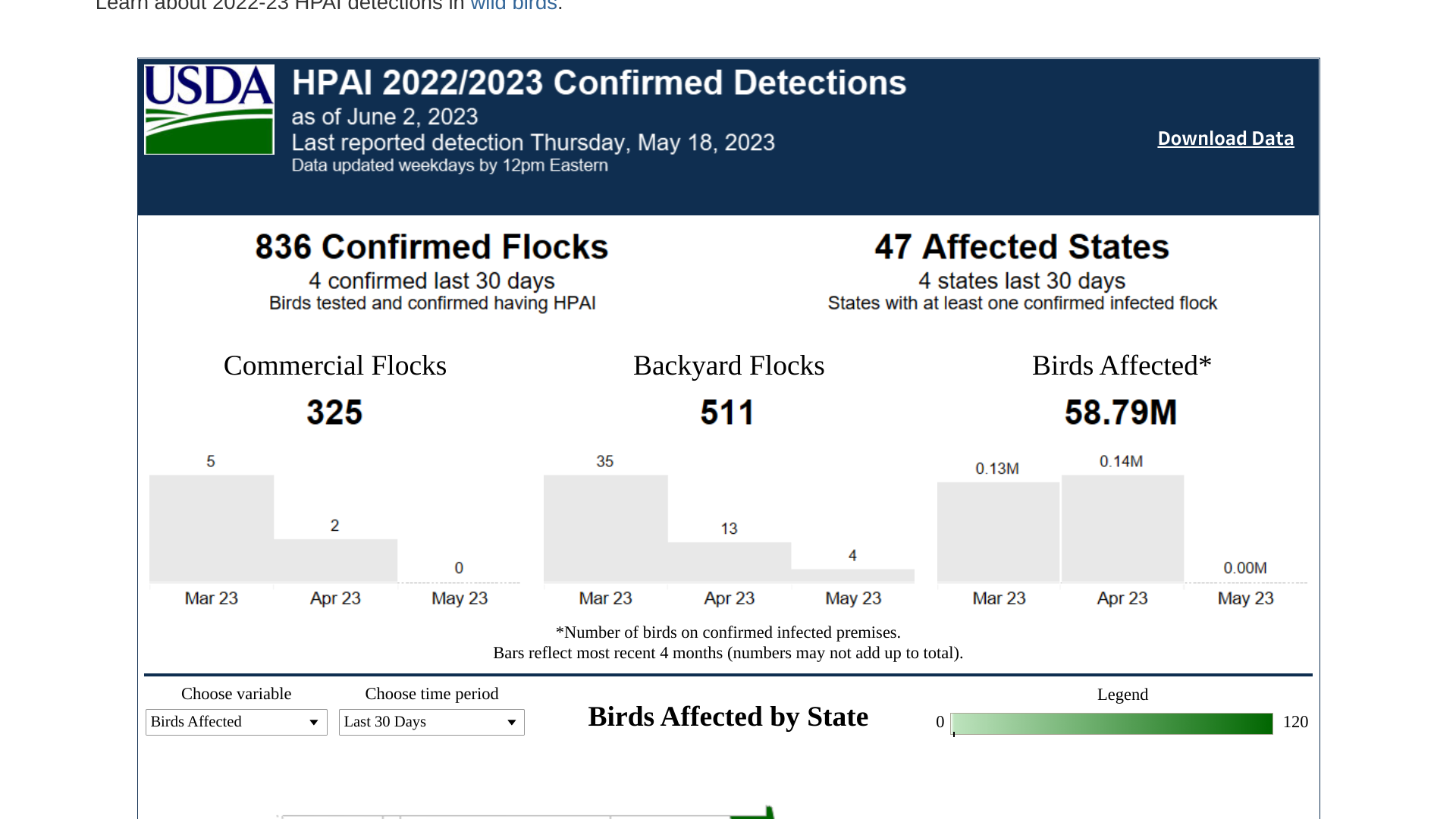
In the U.S., over 58 million birds in 47 states have been impacted since early 2022.
In the case of a bird flu pandemic in 2023, the U.S. government has already approved vaccines and continues investing in newer technologies. Furthermore, annual flu shots are unlikely to protect people during avian influenza (bird flu) pandemics.
As of June 4, 2023, bird flu outbreak news is posted at Precision Vaccinations.
When it comes to immunotherapy, a tumor’s classification as hot or cold is essential. Hot refers to tumors showing signs of inflammation, meaning the immune cells have recognized and responded to the malignant cells, wrote Kim Polacek, APR, CPRC, on June 4, 2023.
These tumors respond well to immunotherapy because the immune system is already activated.
Cold tumors, on the other hand, contain immune suppressive cells and are more challenging to treat.
Breast cancer was once regarded as a cold tumor disease and therefore difficult to treat with immunotherapy, but that is changing thanks to research happening at Moffitt Cancer Center.
A new clinical trial led by Dr. Heather Han is evaluating a combination therapy utilizing two immunotherapies (dendritic cell vaccine and pepinemab), along with trastuzumab, followed by adoptive T cell therapy, for patients with metastatic HER2 positive breast cancer.
“The goal of this therapy is to activate the immune system and create a hot tumor environment so we can collect those immune cells to create a specific cellular immunotherapy to better target their cancer,” said Dr. Han, clinical research director in the Department of Breast Oncology at Moffitt.
Information about this phase 1 clinical trial is being presented at the American Society of Clinical Oncology Annual Meeting. The clinical trial is ongoing. Han says this combination therapy could provide a new option for HER2-positive breast cancer patients with metastatic disease.

The U.S. Centers for Disease Control and Prevention (CDC) is issuing this Health Alert Network (HAN) Health Update CDCHAN-00492 to supplement the HAN issued on May 17, 2023, offering updates on the ongoing fungal meningitis outbreak.
As of June 1, 2023, a multistate outbreak of fungal meningitis is ongoing among patients who underwent procedures under epidural anesthesia in the city of Matamoros, Tamaulipas, Mexico, at two clinics: River Side Surgical Center and Clinica K-3.
A total of 212 residents in 25 U.S. states and jurisdictions have been identified who might be at risk of fungal meningitis because they received epidural anesthesia at the clinics of interest in 2023.
Three of these patients (two probable cases and one confirmed case) have died.
Various laboratories have detected fungal signals consistent with the Fusarium solani species complex from the cerebrospinal fluid (CSF) of patients receiving follow-up care in Mexico or the U.S.
In addition, elevated levels of beta-D-glucan, a biomarker of fungal infection, have been detected in the CSF of at least six patients. Efforts by public health officials are ongoing to find and notify additional patients who might be at risk.
Healthcare providers, public health officials, and the public should be aware that all patients, including those without symptoms, who underwent medical or surgical procedures under epidural anesthesia in Matamoros, Mexico, since January 1, 2023, should be evaluated for fungal meningitis as soon as possible.
As of June 2, 2023, the WHO advises against the application of any travel or trade restrictions on Mexico and the U.S. based on the current information available on this event.
