Search API

0 min read

CSL Seqirus today announced that it is fully equipped to deliver its influenza vaccine portfolio for the 2024-2025 U.S. season.

The new vaccine will be based on the trivalent strains recommended by the U.S. Food and Drug Administration's (FDA) Vaccines and Related Biological Products Advisory Committee (VRBPAC), which confirmed the viral strain selection in a March 5, 2024 meeting.

Furthermore, CSL Seqirus has already received FDA approval for its U.S. trivalent influenza vaccines. 

"CSL Seqirus applauds the VRBPAC's commitment to providing a clear, evidence-backed recommendation to the FDA so that the composition of seasonal influenza vaccines for the upcoming season will be formulated to match projected circulating strains, based on the WHO's ongoing surveillance," said Gregg Sylvester, CSL Seqirus's Chief Health Officer and Head of Medical Affairs, in a press release.

"In addition to implementing this change, we are committed to working with our partners in public health to reverse the alarming decline in immunization rates and vaccine confidence that we have seen over the past two flu seasons."

The strain selection for the 2024/25 influenza season reflects the removal of B/Yamagata, which will not be included in the vaccines manufactured and delivered by CSL Seqirus. 

This selection is in accordance with the February 2024 World Health Organization recommendations and is identical to the Southern Hemisphere 2024 flu season, which usually occurs between April and September.

On March 4, 2024, the WHO published Influenza Update N° 466, confirming influenza detections have recently decreased in the Northern Hemisphere.

"This strain consistency across hemispheres will support both speed and efficiency, as CSL Seqirus has experience manufacturing these recommended strains," commented Dave Ross, Vice President of North America Commercial Operations, CSL Seqirus. 

Across the globe, CSL Seqirus is collaborating with regulatory bodies and public health authorities on an appropriate transition timeline for each country, which aims to ensure a smooth transition, increase vaccine confidence, and improve immunization rates.

CSL Seqirus is one of the largest influenza vaccine providers in the world. It utilizes egg, cell, and adjuvant technologies to offer a broad portfolio of differentiated influenza vaccines in more than 20 countries worldwide.

As of late February 2024, the U.S. CDC reported over 158 million flu vaccines had been distributed during the 2023-2024 season.

Various flu shots remain available at most pharmacies in the U.S.

Vaccine Treats: 
Image: 
Image Caption: 
from Pixabay
Live Blog Update Author: 
Location Tags: 
Include in VBT newsletter: 

N-803 IL-15 Superagonist Complex and HIV

N-803 IL-15 Superagonist Complex and HIV Clinical Trials, Dosage, News, Side Effects, Usage

ImmunityBio N-803 is a novel investigational IL-15 superagonist complex (Anktiva®) consisting of an IL-15 mutant (IL-15N72D) bound to an IL-15 receptor α/IgG1 Fc fusion protein. Its proposed mechanism of action is direct specific stimulation of CD8+ T cells and NK cells through beta gamma T-cell receptor binding with a generation of memory T-cells while avoiding T-reg stimulation. N-803 (ALT-803) is designed to have improved pharmacokinetic properties, longer persistence in lymphoid tissues, and enhanced anti-tumor activity compared to native, non-complexed IL-15 in vivo.

Natural killer (NK) cells are dysfunctional in chronic human immunodeficiency virus (HIV) infection as they cannot clear the virus. Researchers hypothesized that an infusion of NK cells, supported by interleukin 2 (IL-2) or IL-15, could decrease virus-producing cells in the lymphatic tissues. A phase 1 clinical study detected a moderate decrease in HIV-producing cells in lymph nodes. All participants in this Phase 1 study experienced a significant reduction in infection levels following treatment with N-803. The approach was well tolerated, with no unexpected adverse events. Tim Schacker, MD, senior author of this paper, and colleagues at the University of Minnesota Medical School are planning a follow-up study with additional participants to investigate these immunotherapies further in HIV-infected individuals. In addition to this study, three clinical trials are underway involving N-803 in HIV Cure-related strategies.

Patrick Soon-Shiong, M.D., Chairman and Global Chief Scientific and Medical Officer at ImmunityBio, commented in a press release, "These data preliminarily appear to validate what we know about the benefit of enhancing NK cell function and the potential utility of N-803 in infectious diseases."

On March 6, 2024, ImmunityBio announced the recent publication of preclinical data in Science, First Release, indicating that combination therapy with N-803 and broadly neutralizing antibodies may potentially enable the immune system to manage HIV without the need for antiretroviral treatment.

Over the last two decades, ImmunityBio's Dr. Patrick Soon-Shiong, M.D., has investigated mechanisms to activate the immune system to attack tumors that can otherwise evade and escape the body's defense mechanisms. To learn more about these studies, please visit our website.

N-803 in HIV Indication

HIV affects tens of millions of people globally and currently has no known cure. One strategy for curing HIV is known as the "kick and kill" approach. The "kick" is to induce HIV out of its latent resting state in T cells, and the "kill" is to remove or kill the infected cells via an immune response or immunotherapy. "The viral reservoir in people with HIV is established within the first few days of infection and cannot be eliminated by the body's immune system or currently available treatments, representing a significant obstacle in curing an established HIV infection," said James B. Whitney, M.D. HIV can disable NK cells—a frontline defense against viral infections—making it difficult to clear the infection. 

A research article published on February 29, 2024, titled' Induction of durable remission by dual immunotherapy in SHIV-infected ART-suppressed macaques' stated, 'complete eradication of the replication-competent viral reservoir is likely not a prerequisite for the induction of sustained remission after discontinuation of ART.'

 A peer-reviewed Research Article published in March 2020, The human IL-15 superagonist N-803 promotes migration of virus-specific CD8+ T and NK cells to B cell follicles but does not reverse latency in ART-suppressed, SHIV-infected macaques, substantiates N-803 as a potent immunotherapeutic candidate capable of activating and directing effector CD8+ T and NK cells to the B cell follicle durincompletell ART suppression, and suggest N-803 must be paired with a bona fide latency-reversing agent in vivo to facilitate immune-mediated modulation of the latent viral reservoir.

In January 2020, a study, 'Robust and persistent reactivation of SIV and HIV by N-803 and depletion of CD8+ cells' results, advanced the understanding of the mechanisms responsible for latency reversal and lentivirus reactivation during ART-suppressed infection.

N-803 in HIV News

March 6, 2024 - James B. Whitney, M.D., study author and researcher at the Center for Virology and Vaccine Research at Beth Israel Deaconess Medical Center and Harvard Medical School, commented, "When combined with broadly neutralizing antibodies, N-803 has the potential to provide viral control without significant reduction in the viral reservoir, which further suggests that the complete eradication of this reservoir may not be required to induce sustained remission after discontinuing antiretroviral therapy."

March 5, 2024 - ImmunityBio announced data from a Phase 1 pilot study showed N-803 combined with natural killer cells could have the potential to reduce viral load in people living with HIV.

 September 12, 2023 - The journal Viruses published: IL-15 and N-803 for HIV Cure Approaches.

N-803 in HIV Clinical Trials

All participants in the Phase 1 pilot study (NCT03346499, NCT03899480) experienced a marked decrease in the burden of infection, and the procedures were found to be safe and well-tolerated.

Two Phase 1 clinical trials are investigating N-803 in combination with bNAbs in HIV-infected individuals (ACTG A5386, NCT04340596, and NCT05245292 at Rockefeller University), and a Phase 2 study, sponsored by the Thai Red Cross and the U.S. Military HIV Research Program, is also underway to investigate the effect of combining N-803 with ART during acute HIV infection.
0 min read
Availability: 
N/A
Generic: 
N-803
Drug Class: 
IL-15 superagonist
Condition: 
Last Reviewed: 
Thursday, April 25, 2024 - 05:50
Status: 
Manufacturer Country ID: 
FDA First In Class: 
Yes
0 min read

ImmunityBio has announced that the combination of N-803 and natural killer cells can potentially reduce viral load in people living with human immunodeficiency virus (HIV), per the Phase 1 pilot study data.

Results from this study were published in The Journal of Infectious Diseases in January 2024; researchers at the University of Minnesota Medical School gave six HIV-positive individuals infusions of healthy NK cells from close relatives, along with N-803, to boost NK cell activity. All participants in this Phase 1 study experienced a significant reduction in infection levels following treatment with N-803.

The approach was well tolerated, with no unexpected adverse events.

N-803 is a novel investigational IL-15 superagonist complex with an IL-15 mutant (IL-15N72D) bound to an IL-15 receptor α/IgG1 Fc fusion protein. Its proposed mechanism of action is direct specific stimulation of CD8+ T cells and NK cells through beta gamma T-cell receptor binding with the generation of memory T-cells while avoiding T-reg stimulation.

N-803 is designed to have improved pharmacokinetic properties, longer persistence in lymphoid tissues, and enhanced anti-tumor activity compared to native, non-complexed IL-15 in vivo.

The use of N-803 is investigational. Safety and efficacy have not been established by any Health Authority or Agency, including the U.S. FDA.

Tim Schacker, MD, senior author of this paper, and colleagues are planning a follow-on study with additional participants to investigate these immunotherapies in HIV-infected individuals further.

“Antiretroviral therapies have had a profound impact on society, making it possible for those living with HIV to live longer lives with better outcomes. However, these therapies are not a cure, and still place a significant burden on people living with HIV and the healthcare system,” said Patrick Soon-Shiong, M.D., Chairman and Global Chief Scientific and Medical Officer at ImmunityBio, in a press release on March 5, 2024.

“These data preliminarily validate what we know about the benefit of enhancing NK cell function and the potential utility of N-803 in infectious diseases.”

In addition to this study, three other clinical trials are underway involving N-803 in HIV Cure-related strategies.

Two Phase 1 clinical trials are investigating N-803 in combination with bNAbs in HIV-infected individuals (ACTG A5386, NCT04340596: and NCT05245292 at the Rockefeller University), and a Phase 2 study is also underway to investigate the effect of combining N-803 with ART during acute HIV infection, sponsored by the Thai Red Cross and the U.S. Military HIV Research Program. To learn more about these studies, please visit our website.

HIV affects tens of millions globally and currently has no known cure. HIV can disable NK cells—a frontline defense against viral infections—making it difficult to clear the infection.

One current strategy for curing HIV is known as the “kick and kill” approach. N-803 is under evaluation using this strategy, given the molecule’s ability to activate viral transcription in CD4+ T cells (“kick”) and boost CD8+ and NK cells, crucial for identifying and eliminating infected cells (“kill”), directing them to viral reservoirs.

ImmunityBio’s IL-15 superagonist N-803 (also called Anktiva® and nogapendekin alfa inbakicept)

The cytokine interleukin-15 (IL-15) plays a crucial role in the immune system by affecting the development, maintenance, and function of the natural killer (NK) and T cells.

N-803 is currently being evaluated in adult patients in two clinical NMIBC trials. QUILT-2.005 is investigating the use of N-803 in combination with BCG for patients with BCG-naïve NMIBC; QUILT-3.032 is studying N-803 in combination with BCG in patients with BCG-unresponsive NMIBC CIS and Papillary Disease.

Vaccine Treats: 
Image: 
Image Caption: 
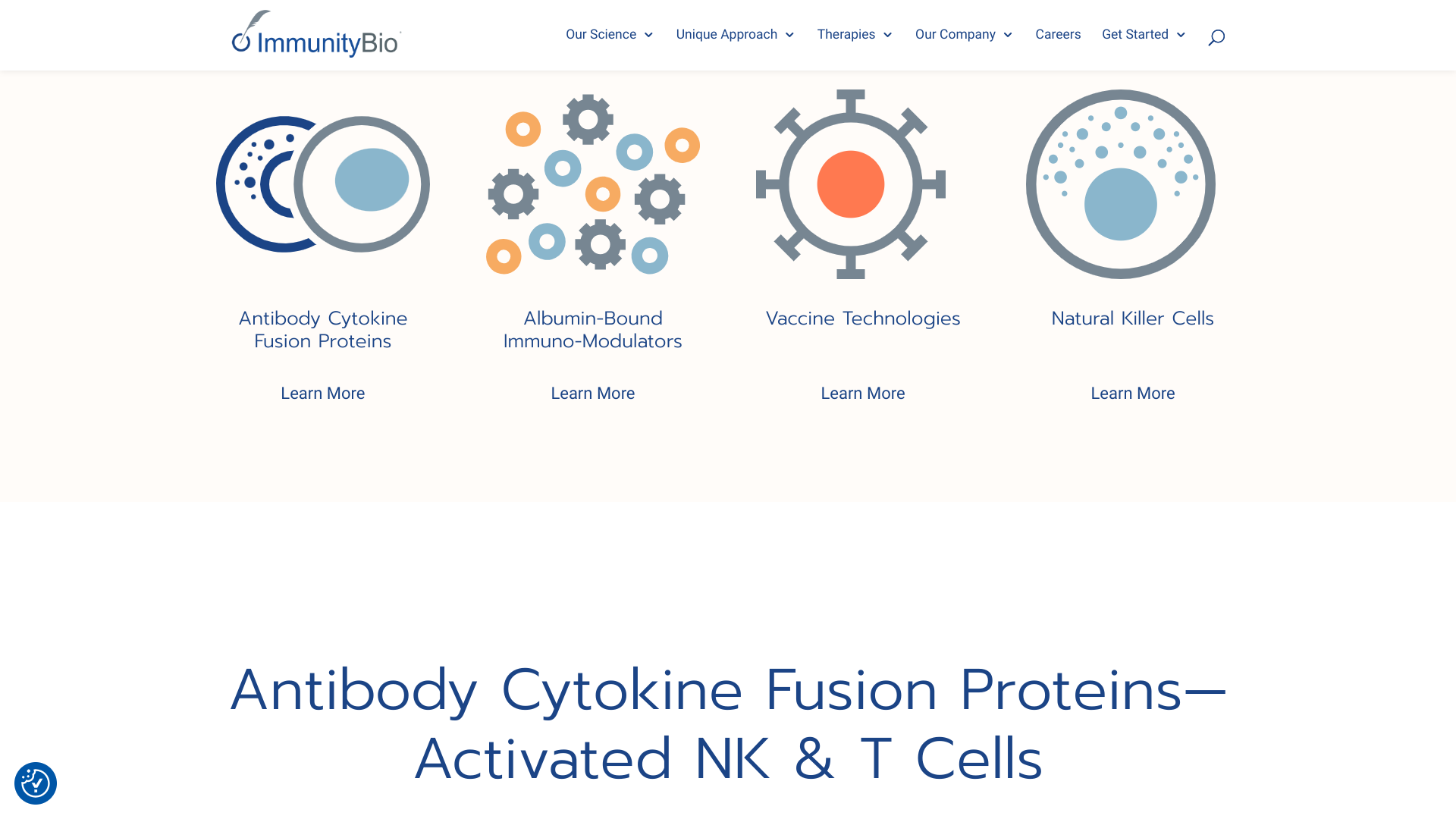
ImmunityBio website 2024
Live Blog Update Author: 
Location Tags: 
Include in VBT newsletter: 
CDC flu shot
Influenza vaccination provided moderate effectiveness against illness in 2024
0 min read

A leading global vaccine developer has announced that their investigational vaccine candidate for Herpes Simplex Virus (HSV) is undergoing a phase 1/2 clinical trial for the first time in Europe, England, and the United States.

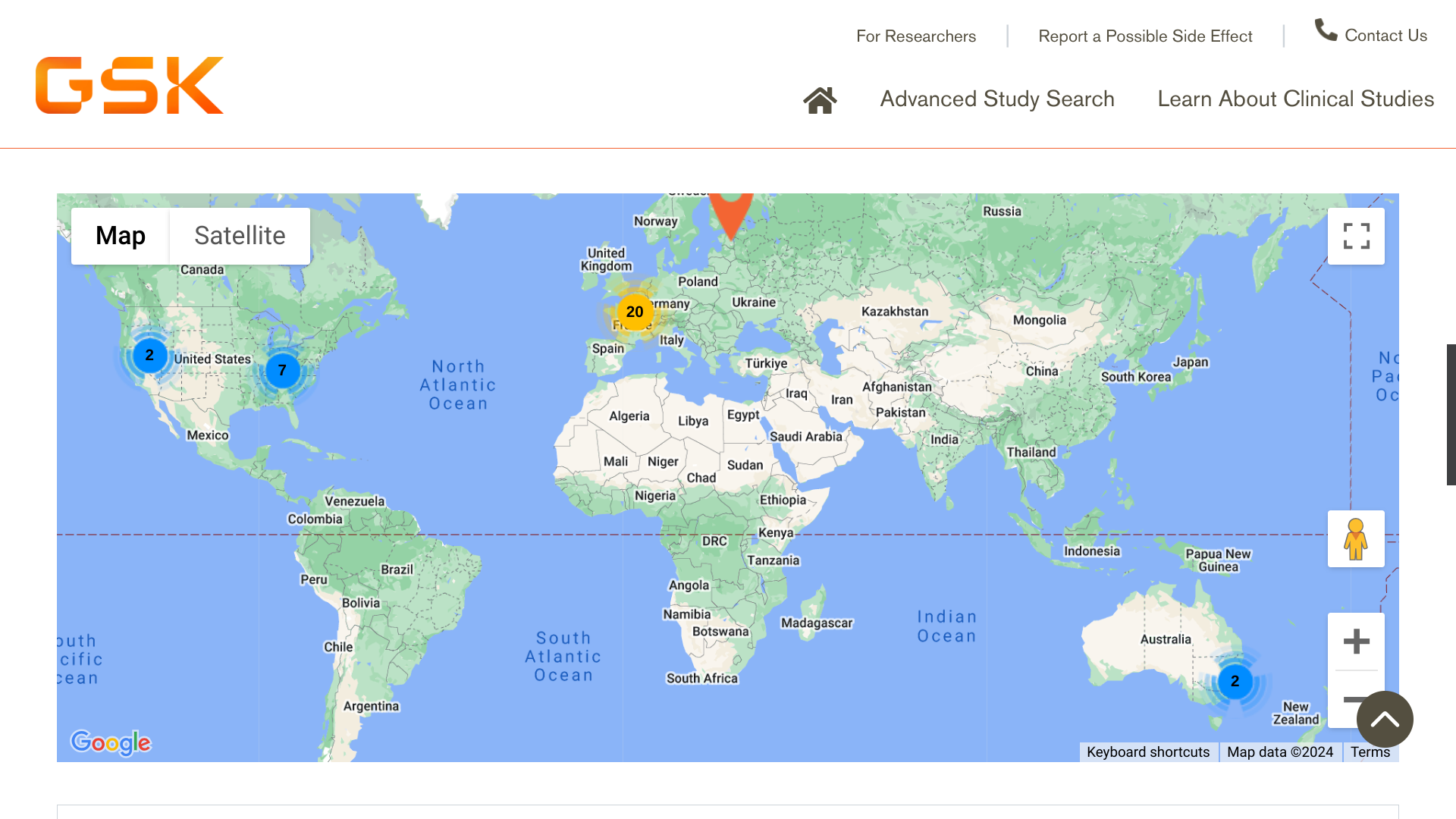
GlaxoSmithKline plc. (GSK), known for its extensive range of vaccines for various conditions, including RSV, meningitis, and shingles, is conducting an innovative study to evaluate the safety, immune response, efficacy, and reactogenicity of HSV-targeted immunotherapy (HSVTI).

This multi-country research study is recruiting 332 healthy participants aged 18-40 years or those aged 18-60 years with recurrent genital herpes.

Known as GSK3943104A, GSK Study #215336 is forecasted to conclude in May 2026.

This HSVTI study will explore different formulations and be conducted in two parts:

Part I assesses different formulations of the HSVTI in healthy participants;

Part II assesses the two formulations of the HSVTI in participants aged 18-60 years with recurrent genital herpes.

In 2023, the World Health Organization estimated 3.7 billion people under the age of 50 have a HSV infection. Genital herpes is a sexually transmitted infection (STI) passed on through vaginal, anal, and oral sex.

There are approved vaccines to prevent STIs, such as mpox and HPV.

Currently, there's no cure or preventive vaccine for genital herpes.

However, in addition to GSK, companies such as Moderna Inc and BioNTech SE are conducting HSV vaccine research as of March 5, 2024.

Vaccine Treats: 
Image: 
Image Caption: 
GSK clinical trial map March 2024
Live Blog Update Author: 
Location Tags: 
Include in VBT newsletter: 
U.S. Td vaccine supply constrained in 2024
0 min read

PhotonPharma, a biotechnology company that aims to revolutionize cancer treatment, announced today that it has received clearance from the U.S. Food and Drug Administration to proceed with its Phase I clinical study for the treatment of Stage III/IV ovarian cancer.

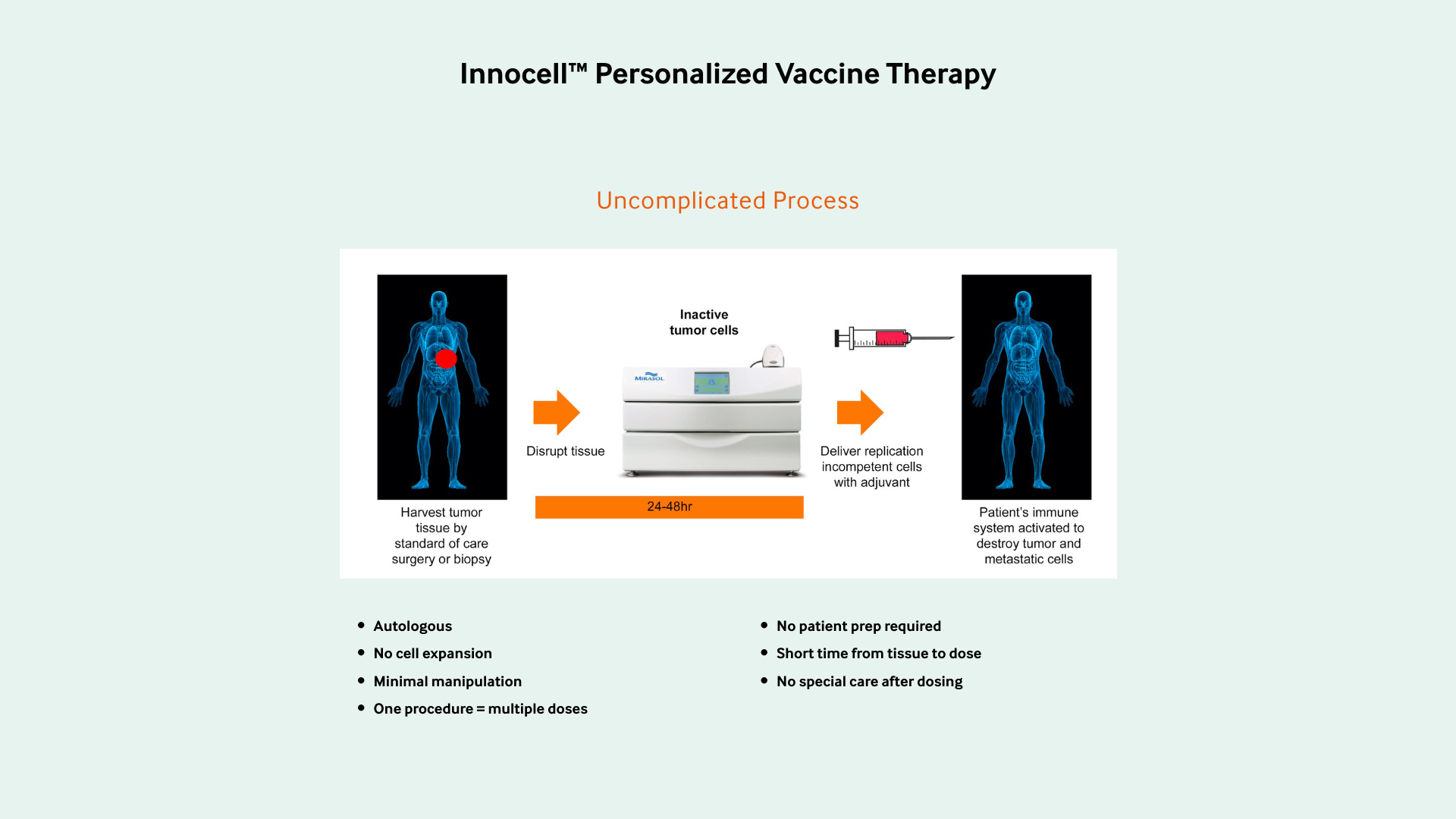
The company will use Innocell™, its groundbreaking investigational autologous cell-based vaccine therapy, for this purpose. The vaccine therapy will be manufactured at City of Hope's Los Angeles campus.

This therapy is based on the use of inactivated tumor cells prepared with a proprietary process that involves UV light and riboflavin.

These cells are isolated from a patient's tumor and inactivated and then used in a treatment that is designed to stimulate the patient's immune system to fight cancer.

Alan Rudolph, the CEO of PhotonPharma, expressed his enthusiasm about this development in a press release on March 5, 2024, stating, "We are thrilled to have reached this pivotal moment in our journey toward providing a novel treatment option for patients facing advanced ovarian cancer."

PhotonPharma anticipates initiating patient enrollment for this study shortly to profile the therapeutic potential of this innovative autologous vaccine therapy.

Vaccine Treats: 
Image: 
Image Caption: 
Innocell™ Personalized Vaccine Therapy
Live Blog Update Author: 
Location Tags: 
Include in VBT newsletter: 

GSK Herpes Simplex Virus Targeted Immunotherapy (GSK3943104A)

GSK Herpes Simplex Virus Immunotherapy (GSK3943104A)

GlaxoSmithKline plc. (GSK) Herpes Simplex Virus (HSV) targeted immunotherapy (HSVTI) is conducting a phase 1/2 clinical study (GSK Study ID: 215336) of a targeted immunotherapy (GSK3943104A) against HSV. This study's phases are being undertaken in the United States and Europe and include healthy participants aged 18-40 years or participants aged 18-60 years with recurrent genital herpes. This first-time-in-human (FTiH) study, involving 332 participants, aims to evaluate the reactogenicity, safety, immune response, and efficacy of an investigational HSV-targeted immunotherapy (TI). 

A trial is a combined phase I/II proof-of-concept study to assess the potential clinical efficacy of GSK3943104. Results show that GSK3943104 did not meet the study's primary efficacy objective. This vaccine candidate will therefore not progress to phase III studies. No safety concern was observed. The TH HSV REC-003 study will continue for routine safety monitoring and to generate follow-up data that could offer valuable insights into recurrent genital herpes. GSK is working closely with investigators to inform trial participants. The GSK study was terminated in September 2024.

GSK terminated a SAM-based herpes vaccine approach, GSK4108771A, in 2021.

GlaxoSmithKline plc. is a global biopharma company with a purpose to unite science, technology, and talent to get ahead of disease together. GSK is headquartered in Brentford, Middlesex, the UK.

GSK Herpes Simplex Virus Immunotherapy (GSK3943104A) Indication

Genital herpes is a sexually transmitted infection (STI) passed on through vaginal, anal, and oral sex. There's no cure for genital herpes. Symptoms typically clear up on their own, but the blisters can recur (resulting in an outbreak or recurrence).

GlobalData Assesses GSK-3943104A

The GlobalData report assesses how GSK-3943104A's drug-specific phase transition success rate and Likelihood of Approval scores compare to the indication benchmarks. The Likelihood of Approval data is updated regularly in response to events that affect the clinical development process and regulatory considerations. 

GSK Herpes Simplex Virus Targeted Immunotherapy Clinical Studies

GSK Study ID: 215336; March 2022 to May 2026 - Phase 1/2 clinical trial: EudraCT Number: 2021-003586-35; ClinicalTrials.gov Identifier: NCT05298254.

0 min read
Availability: 
N/A
Generic: 
GSK3943104A
Drug Class: 
Immunotherapy
Condition: 
Last Reviewed: 
Friday, December 12, 2025 - 09:55
Status: 
Manufacturer Country ID: 
FDA First In Class: 
Yes
Flu season 2024
Influenza infections in remain high in Arkansas, Oklahoma, Wyoming, Nebraska
0 min read

Vaxcyte, Inc. today announced it has completed enrollment for its Infant Phase 2 clinical study evaluating VAX-24, a 24-valent pneumococcal conjugate vaccine (PCV) engineered to prevent invasive pneumococcal disease (IPD).

The primary three-dose immunization series is expected to produce topline safety, tolerability, and immunogenicity data by the end of the first quarter of 2025. And the booster dose results will be announced by the end of 2025.

These results will be crucial in demonstrating the effectiveness of VAX-24 and its potential to protect humankind from bacterial diseases.

"Despite the effectiveness of current vaccines, IPD, which includes meningitis and bacteremia, remains persistent in the first years of life and is a leading cause of invasive disease in children two years of age and under," said Jim Wassil, Executive Vice President and Chief Operating Officer of Vaxcyte, in a press release on March 4, 2024.

Vaxcyte's carrier-sparing PCV franchise candidates include VAX-24 and VAX-31, the Company's next-generation 31-valent PCV currently being evaluated in a Phase 1/2 study, are being studied to prevent IPD. 

Vaccine Treats: 
Image: 
Image Caption: 
by Sally Wynn
Live Blog Update Author: 
Location Tags: 
Include in VBT newsletter: