Search API

Dengue poses a year-round risk in many parts of the world, with outbreaks occurring frequently. As of July 2024, the United States has reported travel-related and locally acquired cases of dengue fever. This indicates the U.S. is quietly joining the over 100 countries currently facing outbreaks.
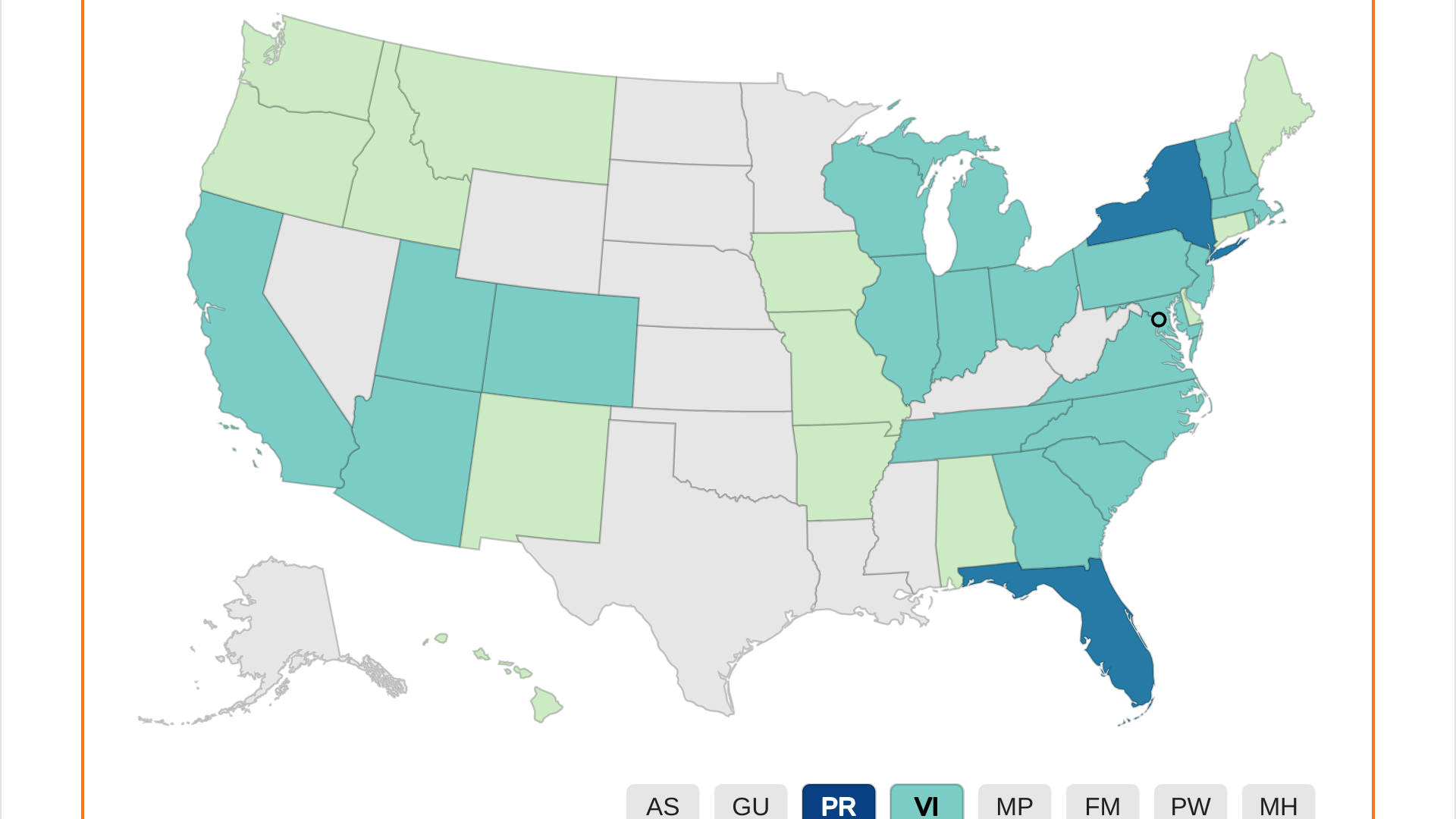
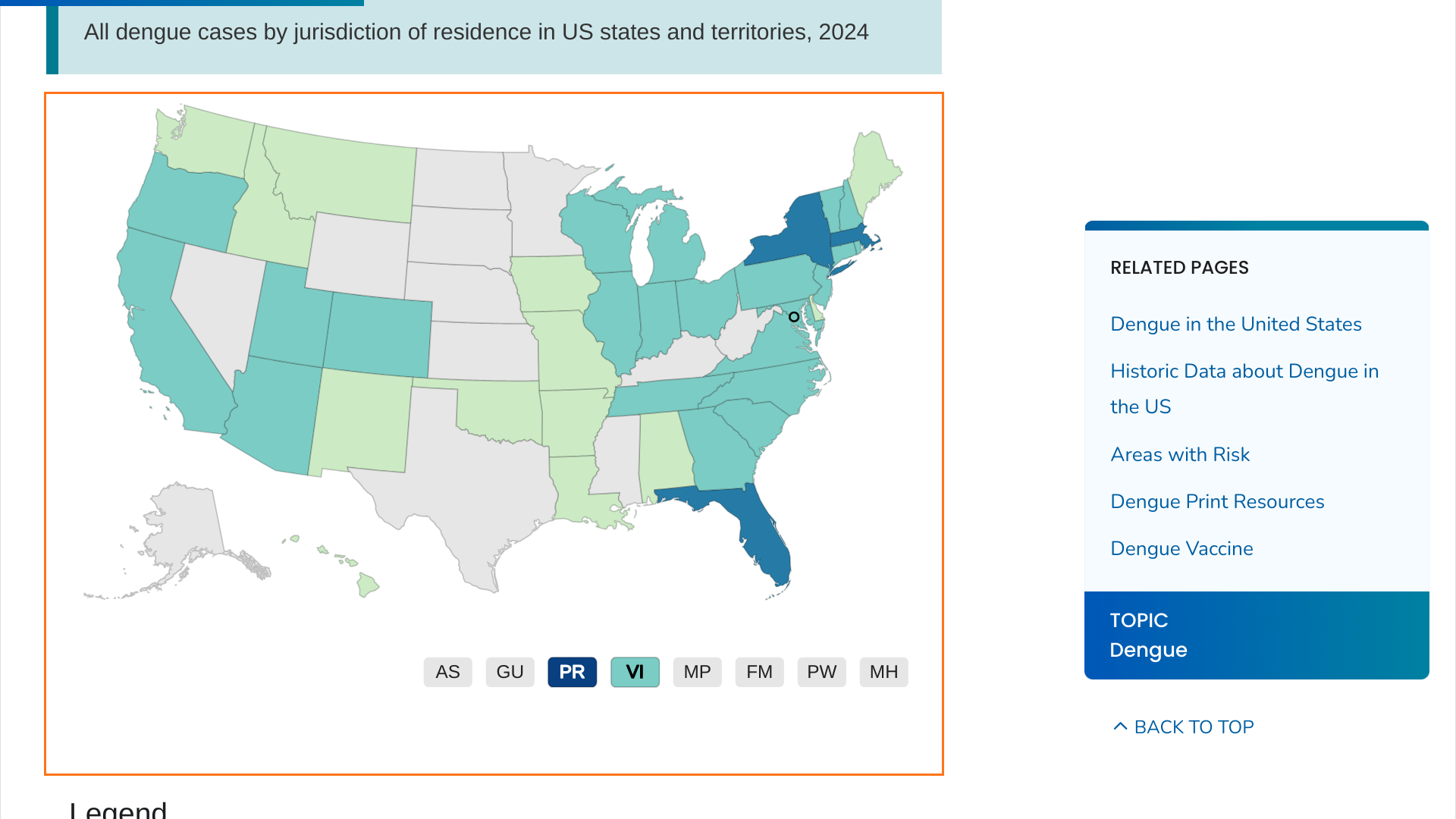
As of July 5, 2024, the U.S. Centers for Disease Control and Prevention (CDC) has reported 2,391 dengue cases in 45 jurisdictions.
The unfortunate leader reporting mosquito-transmitted disease is the state of Florida.
Florida Health's latest weekly vector-borne illness report confirmed that ten locally acquired dengue cases were reported from four counties (Miami-Dade (6), Monroe (2), Pasco, and Tampa) in 2024.
In 2023, 186 humans were reported from five Florida counties to have locally contracted dengue.
Additionally, 244 travel-associated dengue cases were reported, mainly by visitors from Brazil and Cuba. In 2023, Florida Health reported 609 travel-associated dengue cases.
While most disease outbreaks of this nature have a variety of preventive vaccines and treatments available, dengue is an anomaly.
The CDC's Health Advisory, dated June 25, 2024, stated, 'No antiviral medications are approved to treat dengue. Treatment is supportive and requires careful volume management.'
"Maintain a high suspicion for dengue among patients with fever and recent travel (within 14 days before illness onset) to areas with frequent or continuous dengue transmission.'
'Healthcare providers should consider locally acquired dengue among patients with signs and symptoms highly compatible with dengue (e.g., fever, thrombocytopenia, leukopenia, aches, pains, rash) in areas with competent mosquito vectors.'
Also, in late June 2024, the CDC informed its vaccine committee that U.S. residents do not currently have access to a previously approved dengue vaccine.
Furthermore, the CDC did not clarify if the second-generation Qdenga® vaccine would be authorized in 2024.

When the U.S. Centers for Disease Control and Prevention (CDC) published a Health Advisory (CDCHAN-00511) on June 25, 2024, it indicated that dengue fever posed a health risk in southeast Florida, New York, and Puerto Rico.
However, according to new CDC data, Massachusetts has reported 50 dengue cases this year.
While the CDC did not disclose whether these dengue cases were locally acquired, it can be assumed that they are travel-related since the mosquitoes that spread dengue are not found that far north in the United States.
However, countries in the Region of the Americas have reported a record-breaking number of dengue cases, exceeding the highest number ever recorded in a single year.
From a local guidance perspective, the Massachusetts Health Department (MDH) says there is no vaccine (Dengvaxia is no longer available in the U.S.); the best way to protect yourself is to not get bitten by mosquitoes.
MDH's website states if you have recently traveled to a region where mosquito-borne diseases are common and have any related symptoms, you should call your healthcare provider immediately and explain your travel history and symptoms.

The Florida Department of Health (FDH) in Hillsborough County (DOH-Hillsborough) today announced it is informing Tampa-area residents of a confirmed human case of locally-acquired dengue fever.
DOH-Hillsborough and Hillsborough County Mosquito Control stated on June 24, 2024, that they coordinate surveillance and prevention efforts by aerial spraying.
DOH-Hillsborough is the third Florida country to report mosquito-transmitted dengue cases in 2024.
FDH published its Arbovirus Surveillance update #24 on June 15, 2024, disclosing seven locally acquired dengue cases have been reported from Miami-Dade, Pasco.
In 2024, 222 travel-associated dengue cases have been reported in Florida, primarily from visitors from Cuba and Brazil.
Florida continues statewide surveillance for mosquito-borne illnesses, including West Nile virus infections, Eastern equine encephalitis, St. Louis encephalitis, malaria, chikungunya, and dengue.
While the Dengvaxia vaccine is U.S. FDA-approved, it has limited available in the United States.

With the expanding geographic range of disease-carrying mosquitoes, more people than ever are being infected with dengue fever this year.
In the Region of the Americas, the number of dengue cases during the first half of 2024 exceeded the maximum number compared to all previously recorded years.
According to the Pan American Health Organization's (PAHO) latest report, 43 countries and territories in the Region of the Americas have reported 9,386,082 cases of dengue.
However, in 2023, only 4,617,108 dengue cases were reported by the PAHO.
In the United States, the Centers for Disease Control and Prevention (CDC) reported that as of mid-June 2024, 43 jurisdictions, led by Florida, New York, and Puerto Rico, reported 1,984 dengue cases.
The CDC says dengue is endemic in the U.S. territories of Puerto Rico, American Samoa, the U.S. Virgin Islands, the Federated States of Micronesia, the Republic of Marshall Islands, and the Republic of Palau.
To alert international travelers of the risk of dengue infection, the CDC reissued a Global Travel Health Notice on June 20, 2024, regarding outbreaks in 30 countries.
To prevent serious health issues, the WHO has prequalified two dengue vaccines.
On May 15, 2024, the WHO announced that it prequalified the Takeda-developed QDENGA® (TAK-003) vaccine. This dengue vaccine does not require pre-admission testing.


The Centers for Disease Control and Prevention (CDC) says most dengue fever cases in the United States occur in areas where dengue is common, such as U.S. territories and a few states. Dengue virus is found in many tropical parts of the world, including the Caribbean, Central, and South America.
As of June 5, 2024, the CDC has reported over 100 additional dengue cases over the last month, which has increased this year's total to 1,706.
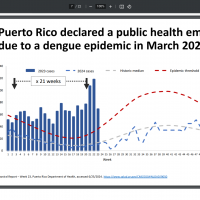
As of week #19 in 2024, Puerto Rico reported the most dengue cases, 1,107, with San Juan reporting 528 of these cases. In 2023, Puerto Rico reported 1,242 dengue cases.
Florida recently confirmed 198 travel-associated dengue cases in 2024, mainly by visitors from Brazil and Cuba. Seven cases of locally acquired dengue were reported from Miami-Dade and Pasco counties.
Additionally, the CDC reported New York's dengue outbreak has reached 119 cases in 2024.
Since the state of Texas has yet to post its dengue cases count for 2024, the CDC's overall total is expected to significantly increase. In 2023, Texas 67 travel-related dengue cases.
Dengue fever is a mosquito-borne, vaccine-preventable disease caused by the dengue virus. However, the WHO-approved dengue vaccines are not commercially offered in the U.S.